
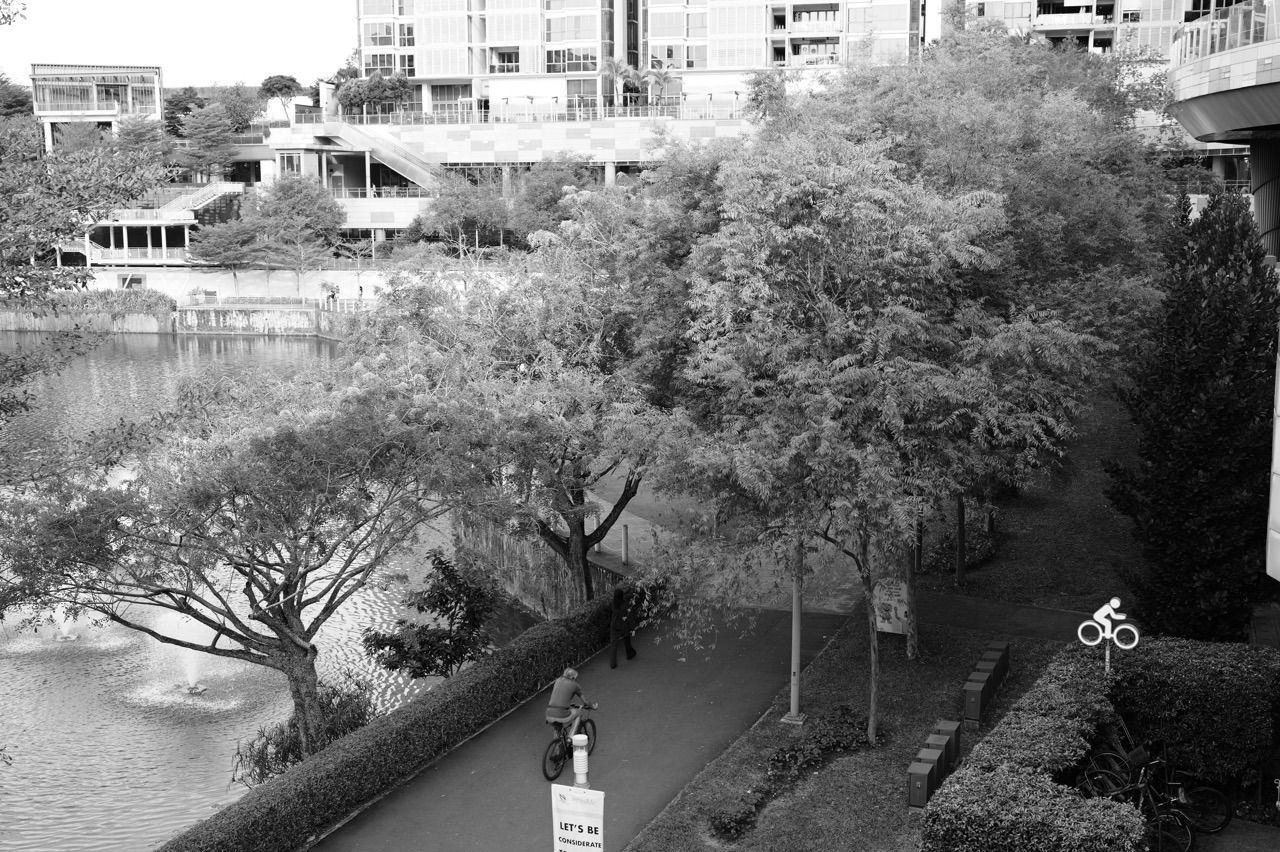
How do you start a walking club in Punggol? Choose a short, safe section of Punggol Waterway Park or a familiar neighbourhood public path, invite two or three people who genuinely enjoy walking, set one clear meeting point, and keep the first walk to about 20–30 minutes. Use an out-and-back route so nobody feels trapped in a long loop. Agree on the pace, finishing time, weather cancellation rule and whether the group is purely informal. You do not need matching T-shirts, a fixed step target or a paid organiser to enjoy a small social walk.
Punggol walking groups for neighbours, friends, colleagues and families can make local leisure more sociable without turning it into a race or commercial exercise programme. The town’s Waterway, designated park connectors, community hubs and LRT neighbourhoods give several practical starting points. For an occasional casual meet-up, make it easy for people to join or decline. For a larger organised, ticketed or equipment-based event, check NParks and the relevant venue’s permits and requirements first. A casual social walk is not the same as an officially registered programme.
Updated 17 October 2026. NParks’ latest park-connector guidance stresses keeping left, giving way, slowing at shared attention zones, and obeying no-riding signs. Punggol Waterway Park includes bridges where cycling is prohibited. Thunderstorms, heat and haze require real-time checks before an outdoor group meets. This guide is about planning a considerate neighbourhood walking group, not a fitness prescription, clinical walking programme or guarantee of a space booking.
The starter walking club: one decision per question
| Question | Good default for a first Punggol walk | Why it matters |
|---|---|---|
| Who? | 2–4 adults or an appropriately supervised family group | Easier to agree on pace and route |
| Where? | A known central Waterway public access or nearby park connector | Transport, familiarity and simple exit |
| How long? | 20–30 minutes, with a turn-back point | Avoids forcing a long distance |
| How fast? | Comfortable conversation pace | Social connection rather than competition |
| When? | A mutually suitable day, not peak heat or bad weather | Health, safety and attendance |
| What if someone is late? | A five-minute window and one clear catch-up rule | Other walkers need not wait indefinitely |
| What if it rains? | Cancel, reschedule or choose an appropriate indoor social alternative | Avoids walking in dangerous lightning |
| Is it an event? | Ask if commercial, ticketed, large or equipment-based plans need approval | Public paths are not exclusively yours |
Why creating a walking group is different from choosing a walking route
A social walking group needs permission to be casual
It can seem strange to speak of permission when friends are simply going for a walk. The important point is personal choice, not a government permit. A group becomes easier to sustain when nobody is criticised for missing a session, slowing down or leaving after ten minutes. People have school runs, work obligations, mobility differences and unpredictable energy. An enjoyable walk must fit those real lives.
Make the invitation light: ‘We’ll meet at the signed Waterway access on Sunday morning, walk for around twenty minutes and finish near the same point. Join if you feel like it.’ Avoid requiring everybody to disclose health information or step counts. For a purely informal meet-up, keep it small and considerate; if you organise a public event with setup or commercial elements, check actual booking rules.
The first walking route should be an easy exit
A scenic route can be a poor starter route if it has no straightforward return, poor shade or several tricky crossings. The Punggol Waterway Park Connector is much longer than a first social stroll, and the Waterway itself covers multiple themed zones. Do not make an eight-kilometre circuit the baseline for people who have never walked together.
Choose a route that starts near an LRT or MRT access point or a familiar community hub. Identify a safe turning point so the group can reverse direction when its allocated time ends. Avoid claiming a 20-minute journey is a fixed distance: walking speed depends on individuals and actual path conditions.
Pace is a relationship issue, not only a physical one
If the fast walkers lead and slowly pull away, the group no longer feels social. Yet slower participants may not want special attention or encouragement in front of others. Ask simply what pace allows conversation, then let the group self-organise within safe limits. People should not be pressured to keep up with someone else’s fitness ambition.
A practical solution is to pair people by comfortable pace while maintaining a common meeting and finish point. If walkers separate by choice, agree on a responsible reunification plan. Never leave a child, vulnerable participant or visitor in an unfamiliar place without arrangements suited to their needs.
The walking club needs a real return time
A walk can expand because somebody wants to show the group another bridge or cafe. That may be enjoyable on a free afternoon, but it frustrates participants with childcare, appointments or public transport connections. Promise a start and a finish, and be respectful when people must leave on time.
Choose a specific endpoint rather than ‘we will finish wherever we get to’. For a group arriving from outside Punggol, use the correct station or signed entrance in the invitation. The best routine is one people can confidently fit into a normal day.
Park connectors are shared public infrastructure
Punggol’s PCN is not a walking-club lane. Cyclists, runners, parents with strollers, people using mobility aids and other walkers all have legitimate rights to the paths. NParks reminds users to keep left, give way and observe shared-path attention zones. An informal group should not spread across the full width of the path to maintain conversation.
Walk in a compact formation where space allows; move aside at a safe wide area before stopping to chat or photograph wildlife. Do not obstruct bridge approaches or road crossings. Respect signs even when a popular social-media photograph shows people standing where they should not.
Outdoor safety matters more than attendance
Punggol waterfront routes can have heat exposure, sudden heavy rain, lightning and haze. A host who does not check conditions may unintentionally pressure others to turn up despite health concerns. A good walking group has a cancellation rule that everyone understands before the day.
Use current Meteorological Service Singapore lightning and weather information, NEA air-quality advisories, and route access notices. Where outdoor exercise should be reduced or avoided, cancel or meet for an appropriate indoor conversation. This article does not set medical thresholds for an individual.
Safety is different from turning the group into a clinical programme
A casual walking group can make community life more pleasant, but it is not a rehabilitation service or an exercise prescription for someone with medical conditions. If a participant has a health concern, their own clinician’s advice and personal limits matter. It is appropriate for organisers to say the route is short and uncomplicated; it is inappropriate to promise therapeutic outcomes.
Avoid diagnosing or asking publicly about somebody’s medication, heart condition or disability. If the outing aims to provide specialised assisted exercise, consult appropriate trained service providers. The group can always simply be neighbours spending time together.
A good group organiser avoids collecting more data than necessary
Group chats often begin with everybody sharing phone numbers, photos and location details. People may be comfortable with that, but not everyone wants their contact details circulated widely. Ask before adding a new person to a chat and do not publish a group photo with identifiable children without consent.
Keep invitations private when appropriate, use public meeting points rather than household addresses, and explain when photographs will be taken or shared. For a neighbourhood club, trust grows when participation does not come with unexpected publicity or pressure.
The group does not have to become a formal institution
Some groups enjoy a regular schedule, volunteer leader, route rotation and monthly planning. Others work best as an occasional walk when friends have time. Neither is superior. Before adding membership lists, dues or formal registration, ask whether these responsibilities make the club more welcoming or simply harder to maintain.
Start with two successful simple outings. If people ask for a regular schedule, agree on a trial month. If the group becomes a ticketed, organised or venue-based activity, obtain the relevant permissions and insurance or risk arrangements where required rather than pretending an informal WhatsApp message covers everything.
A walk can carry one small purpose beyond exercise
Different group members may enjoy a short nature observation, local history conversation or friendly coffee after the walk. Choose one optional theme, not a compulsory presentation. A group that spends fifteen minutes talking about a new Punggol community facility may be more engaging to some members than a longer walk solely to reach a step target.
Keep the focus honest. If the stated outing is a birdwatching stroll, allow for the possibility of seeing no birds. If it is a social walk, do not ambush people with a sales pitch, tutoring advertisement or unsolicited health programme.
Five Punggol starting areas and when each is sensible
Central Punggol Waterway Park
The Waterway is a useful beginner location because it has recognisable public access from central Punggol. NParks describes four themed areas and an 8.4 km associated park connector, but a club should select only a small safe section. It offers a mix of waterside views, plants and opportunities to turn back without taking a remote trail.
Meet at an exact signed public landmark, not vaguely ‘the Waterway’. A good first walk is an out-and-back section close to a known transport route. Check where you can safely stand while waiting. The Waterway Park guide owns finer landmark and path details.
One Punggol community-hub vicinity
One Punggol can be helpful for people who prefer a sociable meal or library-adjacent finish. The group can meet at an agreed public entrance and choose a short outdoor route, then use an appropriate indoor or food venue afterward. That makes social contact possible even if someone decides not to walk the entire route.
Do not claim community rooms, sports courts or library areas are available for unbooked group meetings. A public meeting point is different from taking over a quiet zone or a reserved facility. Confirm venue policies if the social element grows into an organised event.
A neighbourhood path near an LRT station
A resident living near Oasis, Sam Kee, Samudera or another Punggol LRT stop may prefer a simple local route over travelling to central Punggol. Starting where people already live reduces the biggest obstacle to participation: travel overhead. A neighbourhood walk can be twenty minutes and still feel worthwhile.
Name the specific station exit and public path. Do not assume every route from a station is level or accessible to all; check crossings, slopes and toilets for the group. Respect schools, clinics and private residential facilities nearby.
Completed public parts of Punggol Coast
People interested in architecture and community change may choose a gentle walk around publicly accessible parts of Punggol Digital District. The area has public shops, food facilities and new streetscapes, with phased development. It makes a good conversation-focused route for adults or older teenagers.
Use the current district map and keep to completed public paths. Punggol Heritage Trail has opened in stages and should not be described as one fully completed long route. The Punggol Digital District guide handles local status.
Northshore public neighbourhood links
Near Samudera LRT and Northshore Plaza, residents can enjoy ordinary public community-spine routes while keeping food and transport nearby. This may feel different from the central Waterway, with a more seafront-oriented neighbourhood setting. It is suitable for a group that knows the actual open access route.
Punggol Point Park entered upgrading closure, and the exact northern promenade connections should be verified. Do not lead a group along a historical route that crosses work fencing or assumes all former park facilities remain accessible. Check the Punggol Point closure guide.
A practical four-week launch plan for a new walking club
Week one: test one route with one friend
Walk a short public segment yourself or with one trusted person, at a suitable time. Notice the true walking time, where the path narrows, whether seating or toilets are convenient and where you can turn back. Avoid describing the route as wheelchair-friendly or stroller-friendly without checking the actual full connection.
The next invitation should say only what you actually know. If a previously imagined 30-minute circuit takes longer, shorten it. Do not create a public event listing before confirming the safe start and end.
Week two: try a group of three or four
Invite a few people, confirm the meeting point and share one cancellation rule. Decide the pace together at the beginning. Use an out-and-back route, and leave time for a comfortable farewell. Ask afterward whether the duration and route felt convenient; do not request step counts or personal health stories.
If someone cannot attend, do not treat it as failure. A walking club should not compete with family, work or rest. It should make ordinary life easier and more sociable.
Week three: add an optional local theme
Walk the familiar route again, but offer one short observation, such as noticing a Waterway bridge, reading an NParks sign or comparing two planted areas. Someone who does not want the theme can simply enjoy the walk. Keep conversation respectful and avoid chasing wildlife or entering planted areas.
An optional cafe stop may work, but only if the venue is open and participants know any spending is optional. The activity remains a social walk, not a compulsory purchase.
Week four: decide whether to repeat
Ask the group whether they want a regular schedule, an occasional invitation or no ongoing commitment. The same route can remain useful; novelty is not necessary for success. If group numbers grow, review safety, publicity, permissions and the ability to look after everyone appropriately.
A sustainable club is one that members want to attend without pressure. Do not turn the experience into a large-scale fitness drive unless that is genuinely what participants have requested and proper arrangements are in place.
Sixteen little details that can save a Punggol group walk
1. Exact meeting place
Do this: State the public landmark, nearest MRT/LRT station and the side of the entrance. Avoid: Punggol MRT and Punggol Coast MRT are different stations. A small sensible habit can make repeated walks easier for all participants.
2. Route length
Do this: Say the approximate time and where the group will turn around. Avoid: Do not promise a fixed distance for everyone. A small sensible habit can make repeated walks easier for all participants.
3. Start-time grace period
Do this: Agree on a small waiting window so others are not left standing too long. Avoid: Do not leave an expected child participant alone. A small sensible habit can make repeated walks easier for all participants.
4. Late arrival
Do this: Tell late participants to join at the next safe agreed point or another time. Avoid: Do not encourage rushing along cycle paths to catch up. A small sensible habit can make repeated walks easier for all participants.
5. Weather decision
Do this: Check lightning, rain, heat and air quality before departure. Avoid: Avoid pressuring people to meet in unsuitable conditions. A small sensible habit can make repeated walks easier for all participants.
6. Path etiquette
Do this: Keep left and give way to slower and vulnerable users. Avoid: Don’t walk four abreast on narrow shared paths. A small sensible habit can make repeated walks easier for all participants.
7. Photo consent
Do this: Ask before taking or posting identifiable images. Avoid: Children require appropriate caregiver consent. A small sensible habit can make repeated walks easier for all participants.
8. Group chat rules
Do this: Let members opt into communication and leave without explanation. Avoid: Avoid publicly circulating contact numbers. A small sensible habit can make repeated walks easier for all participants.
9. Pace matching
Do this: Allow relaxed conversation and different comfort levels. Avoid: Do not turn a chatty walk into an unannounced race. A small sensible habit can make repeated walks easier for all participants.
10. Toilets and water
Do this: Know a suitable convenient stop or let people bring appropriate supplies. Avoid: A public drinking fountain is not guaranteed on every route. A small sensible habit can make repeated walks easier for all participants.
11. Children in the group
Do this: Make specific supervision and handover arrangements. Avoid: Never assume ‘everyone will watch them’ is a plan. A small sensible habit can make repeated walks easier for all participants.
12. Dogs in the group
Do this: Check whether dogs are permitted and kept under control on the actual route. Avoid: Don’t assume every walker is comfortable with animals. A small sensible habit can make repeated walks easier for all participants.
13. Commercial activity
Do this: Determine whether an event booking or other permission is needed. Avoid: Casual use of a park is not a blanket permit for organised sales. A small sensible habit can make repeated walks easier for all participants.
14. Different mobility needs
Do this: Check surface, ramps, crossings, rest locations and personal preferences. Avoid: Do not label every path universally accessible. A small sensible habit can make repeated walks easier for all participants.
15. Ending the walk
Do this: Finish at the promised return point and time. Avoid: Let participants leave before a cafe stop if they want. A small sensible habit can make repeated walks easier for all participants.
16. One useful review
Do this: Ask ‘Would you do this again?’ and accept the answer. Avoid: No pressure or mandatory fitness reporting. A small sensible habit can make repeated walks easier for all participants.
Special cases: walkers with different needs and motivations
Two neighbours starting a friendship
Begin with a familiar location and just twenty minutes of casual conversation. There is no requirement to recruit more participants. Small is often a feature, not a problem. Once you know what pace and topics feel comfortable, another invitation becomes easier.
A young family
Choose a route with safe stroller access and a sensible finish near home. Adults remain responsible for children, especially near Punggol Waterway and road crossings. Bring what the children actually need, and let the outing end early if a child becomes tired or upset.
A group of older adults
Ask members directly about comfortable pace, seats, shade and step-free route requirements. Avoid age assumptions. For participants with specialised exercise needs, seek the proper qualified advice and programmes rather than treating an informal club as a supervised clinical service.
Colleagues after work
Make the meeting point convenient to existing travel patterns. Some may work near Punggol Coast while others return through central Punggol. One after-work route and clear finishing time is often enough; people should not be compelled to join outside their paid working hours.
A group interested in nature
Choose a short, safe public viewpoint and agree not to feed or disturb wildlife. Bird or plant sightings may be unpredictable. A quick observation-and-conversation walk is a good outing even when nothing rare appears.
People who prefer a quiet stroll
A social walking club need not be noisy. Let members know whether the group’s purpose is conversation, quiet company, photography or gentle movement. Different styles can exist on different dates; avoid claiming one universally better kind of outdoor social interaction.
Frequently asked questions about starting a Punggol walking club
Do I need permission to walk with three friends in Punggol?
An ordinary casual public walk is different from a ticketed or organised event with equipment or private use. Always follow local rules. Check NParks event-booking requirements if the activity grows beyond informal park use.
Which Punggol walking route is easiest for beginners?
A short known central Waterway public segment with a clear turnaround and return to Punggol MRT is a practical starter. Suitability depends on the group’s actual needs and path conditions.
Is Punggol Waterway Park open 24 hours?
NParks lists it as a 24-hour park, but safe access, lighting, maintenance and weather can differ across locations. The group’s walking time should still be chosen carefully.
Is Punggol Park the same place as Punggol Waterway Park?
No. Punggol Park is in Hougang near Hougang Avenues 8 and 10, while Punggol Waterway Park runs through Punggol town. Name the correct location in your invitation.
How many people should join the first walk?
Two to four adults or a suitable supervised family group can be easier to coordinate. This is a planning suggestion, not a legal group-size limit.
Should the group walk a fixed distance every week?
Not necessarily. You can choose a consistent short time window and a comfortable route instead. Longer walks should be optional and matched to participants’ preferences.
Can we walk across every bridge on the Waterway?
Walking is subject to the actual public access and signage; cycling restrictions apply to several bridges and boardwalks. Keep the group considerate of other users.
Can someone bring a dog?
Check leash, route and dog-access rules, and ask members whether they are comfortable around dogs. A dog-friendly public path still requires responsible animal control.
What if members use different walking speeds?
Agree on a conversation pace, choose a short route and a safe reconvening point. Nobody should be criticised for slowing down or stopping.
What if someone cannot attend?
Simply allow them to join next time. Optional participation is a core part of a welcoming social club.
Can teenagers start their own walking group?
They can plan suitable social activities with their families’ safety permissions, clear meeting points, appropriate supervision where needed and agreed return times.
Can our club meet in One Punggol Library afterward?
A normal library visit is subject to the library’s zone and behaviour rules; a large chatty group cannot assume a quiet study space is a free meeting room. Check any required booking.
What should the group do during haze?
Follow the latest NEA and MOH advice for outdoor activity based on air quality, duration and individual health needs. Cancel, shorten or switch indoors as appropriate.
What happens if there is lightning?
Do not continue exposed outdoor walking during unsafe conditions. Check Meteorological Service Singapore and choose to postpone or move to a safe indoor option.
Is there a charge to use Punggol Waterway Park?
Ordinary public park entry is free, although personal transport, food or paid activities can cost money. A formal event may have separate requirements.
Can a casual group hold a paid walking tour?
A commercial or organised activity is different from friends walking together. Check applicable NParks, business, permit and venue rules before advertising or charging.
Should participants share health details?
Not as a condition of casual friendship. People can choose an appropriate pace and activity for themselves. Specialised supervised health programmes need qualified arrangements.
Do we need special equipment?
For an uncomplicated short walk, comfortable footwear and suitable personal supplies may be enough. Conditions and individual needs vary.
What if the route is under construction?
Use current NParks or LTA signs and a confirmed open alternative. Do not walk behind hoardings or invent a shortcut across closed areas.
How do we keep the group from becoming too big?
Agree on a manageable size, appoint additional responsible organisers if appropriate and check whether event permissions or venue arrangements become necessary.
Can we photograph birds as part of the walk?
Yes from lawful, safe public positions. Do not chase, feed or disturb wildlife, and respect other walkers’ privacy.
Where can I find more Punggol social activity ideas?
Use the Punggol community lifestyle guide or group outings for two, four or eight. This page specialises in organising a recurring social walk.
Related eduKate ecosystem articles
- Punggol Waterway Park Guide — park facilities and route choices.
- Punggol Community Lifestyle — meeting neighbours and finding activities.
- Group Things to Do in Punggol — coordination for larger outings.
- Punggol Calm Outings — lower-sensory preferences.
- After-Work and After-School Punggol Activities — short weekday windows.
- Inclusive Exercise in Punggol — accessibility and specialist options.
- Nature Without Hiking in Punggol — small nature observations.
- Punggol Haze Outdoor Activity Planning — smoke-sensitive substitutions.
- eduKateSG Values in Action and Community Service — wider community learning connections.
Official references and update note
Consult NParks Punggol Waterway Park, NParks Punggol Waterway Park Connector, NParks shared-path rules, NParks PCN etiquette, NParks event venue booking, MSS lightning alerts and NEA haze information before planning time-sensitive group activities. Updated 17 October 2026. This article describes casual social planning; it is not an officially registered walking club or a medical activity recommendation.


