
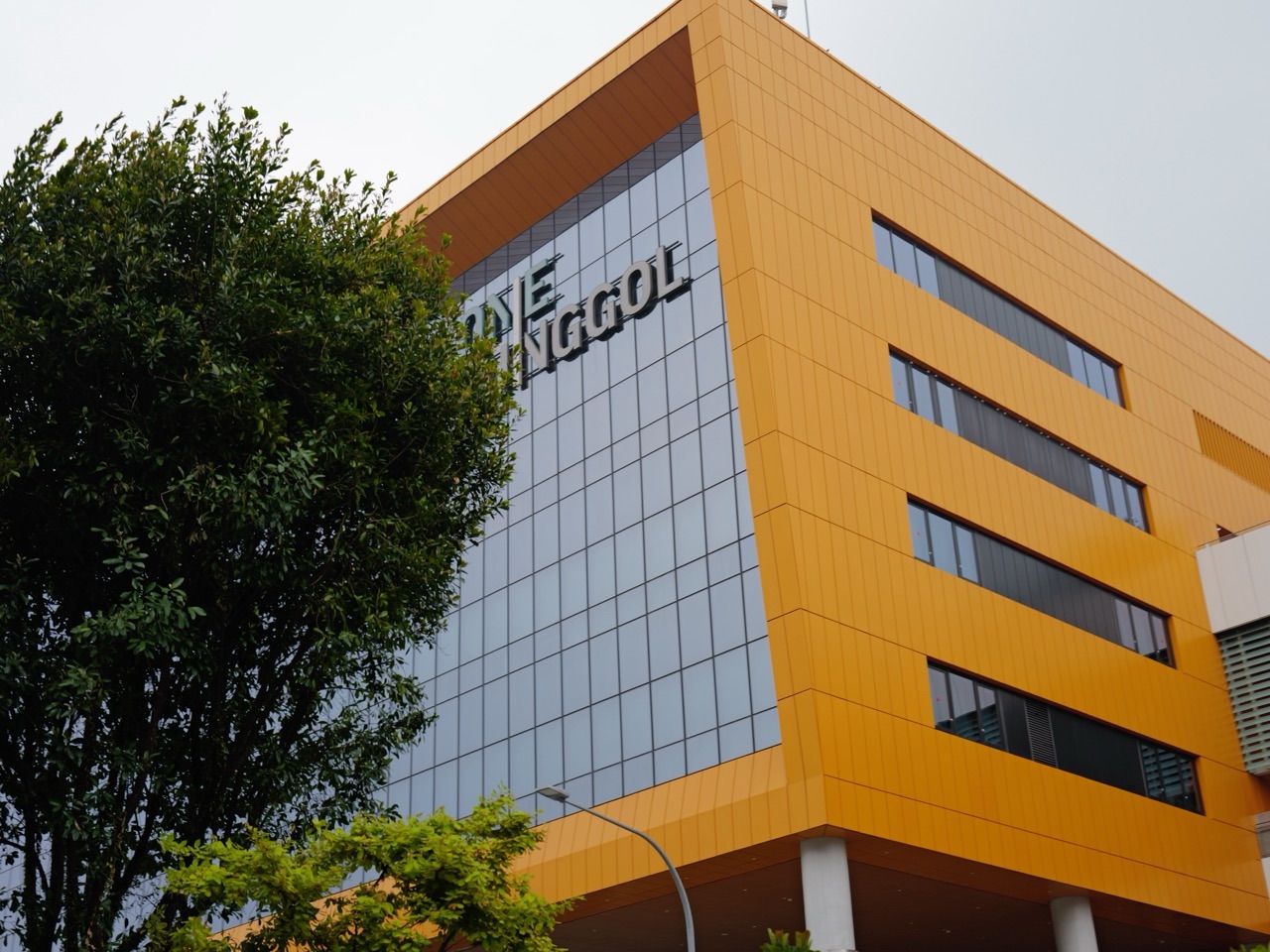
Punggol Library at One Punggol includes accessibility features for readers with different needs, including Calm Pods, an Accessible Collection, assistive technology and wheelchair-friendly borrowing facilities. Start with NLB’s official accessibility information and ask about the specific support you need before a first visit.
NLB describes Calm Pods as spaces for adults and children with disabilities who need a private, calming sensory experience. Its published launch information explains that visitors can contact staff through an intercom for access. These spaces serve a specific purpose; they should not be assumed to be bookable study rooms.
For a family or caregiver, a manageable visit begins with the route, the activity and a clear way to take a break. NLB also links to a Social Story and Visual Schedule for Punggol Library. Use those preparation resources alongside current staff guidance rather than expecting every person to enjoy the same visit.

Find what you need
Check the support relevant to you · Calm Pods and sensory breaks · Borrowing and assistive equipment · Prepare with a simple sequence · Choose the right time and route
Check the support relevant to you
Use NLB’s Punggol Library page and its linked accessibility resources. Describe what would help: a clearer borrowing process, accessible equipment, a calmer space or preparation for an unfamiliar environment.
Ask practical questions rather than trying to cover every possible facility. Where should you enter? Where is the relevant service? How can staff be contacted? Is anything temporarily unavailable? Specific answers make the visit easier to plan.
A feature’s presence does not establish that it will meet every individual need. If one arrangement is essential, verify it before travelling.
Calm Pods and sensory breaks
NLB’s official library launch information describes Calm Pods on Levels 1 and 2. The layout includes a waiting space and a more private padded space. Follow staff instructions for access and current use.
Before entering the library, agree how the visitor can indicate that a break is needed. The signal might be a word, gesture or another familiar way of communicating. A short visit can still be successful.
Keep the plan flexible. Browsing one section and leaving comfortably may be a better first visit than trying to explore every floor. This is general visit-planning advice, not a clinical recommendation.
Borrowing and assistive equipment
NLB’s published information describes wheelchair-accessible borrowing stations, Borrow-n-Go and assistive devices such as accessible keyboards and mouse alternatives. Ask staff which option best fits the task you want to complete.
Allow time to learn an unfamiliar borrowing process. Check that the intended books have been recorded correctly before leaving, following the library’s instructions. If something is unclear, ask for help rather than repeating a transaction without knowing its result.
A caregiver can support the visitor while preserving their choices. Offer time to browse, select a book and communicate preferences instead of turning the outing into a checklist.
Prepare with a simple sequence
The library page links to a Social Story and Visual Schedule. Review the relevant steps before the visit and choose the parts that help the person attending. Preparation should reduce uncertainty without demanding that the outing follow a perfect script.
An illustrative sequence is arrival, finding the chosen collection, selecting a book, borrowing and leaving. Keep an agreed break or early departure possible. This is a suggested plan, not an official NLB itinerary.
Pack necessary personal items and keep travel and collection arrangements clear. If attending a programme, confirm its participation and support arrangements separately.
Choose the right time and route
See our library hours guide and One Punggol directions. If staff assistance is important, check the current staffed-service period.
Afterwards, note what worked and one thing to change next time. A familiar entrance, a shorter route or a better meeting point can make a later visit easier. Let the visitor’s experience guide the next plan.
Independent eduKatePunggol guide. Information checked on 11 October 2026. Follow the operator’s current notices and instructions.


