
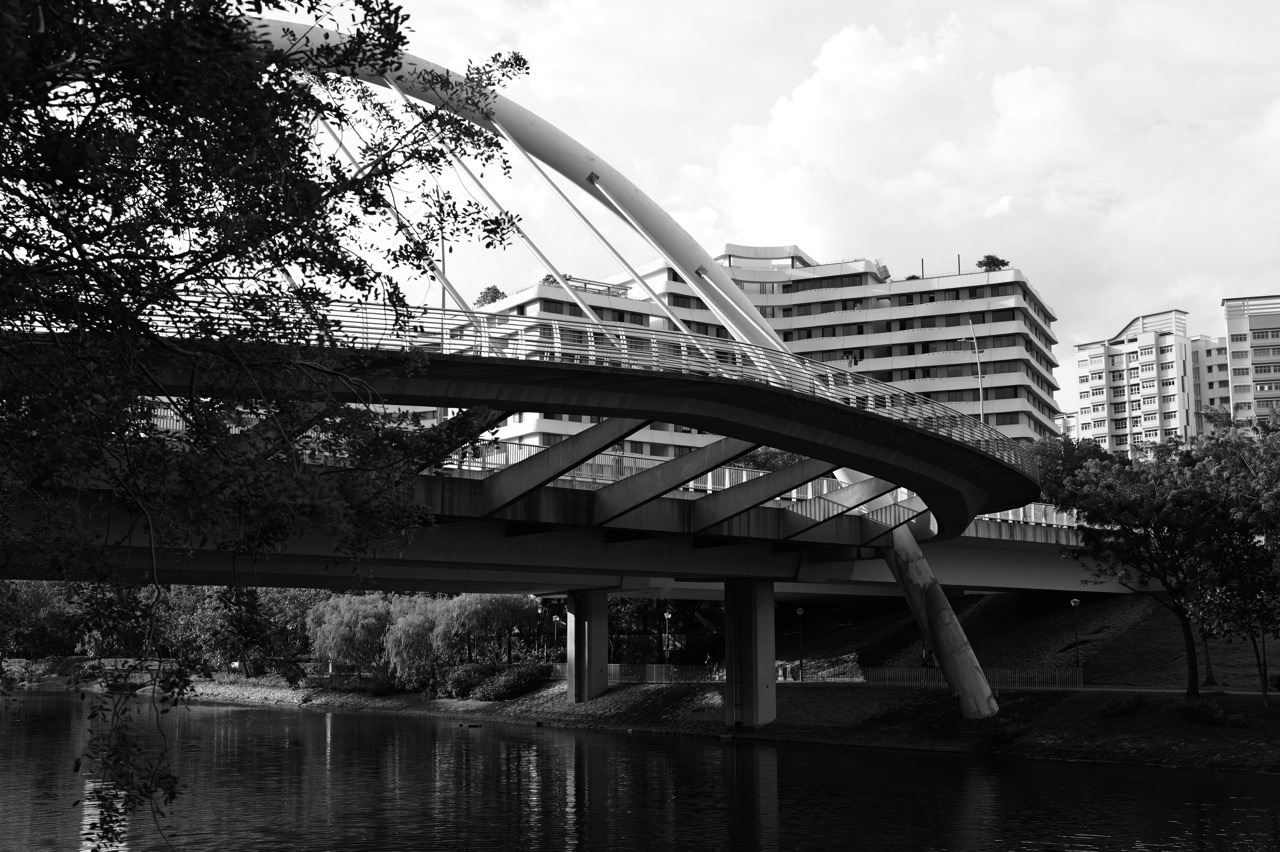
What can families do in Punggol with a few sheets of paper? Try a calm origami-and-paper-folding afternoon at home. Begin with a simple corner bookmark, an accordion paper bridge, a paper fan or a traditional folded paper boat. Each project can connect to something familiar in Punggol—reading at Punggol Regional Library, the curves and bridges along Punggol Waterway, or the practical design of sheltered neighbourhood walkways. You need ordinary clean paper, a clear table and about 15–45 minutes. No bought craft kit, booked art class or outdoor park visit is necessary.
Paper folding activities for Punggol children, teenagers and adults can be enjoyable on a rainy day, during a haze episode or simply because somebody likes making things. The important decision is choosing the right level: a four-fold fan for a younger child, a triangle-pocket bookmark for a Primary pupil, a boat for two friends, or a paper bridge strength comparison for an older student. The outcome is a modest handmade object and an enjoyable conversation—not a promise that every craft instantly improves Mathematics grades.
Updated 19 October 2026. The nearby One Punggol Community Club and Punggol Regional Library provide public learning resources, but an actual origami workshop, craft-table reservation or art programme must be confirmed through the relevant operator. This is an independent home craft guide. Do not float paper boats in Punggol Waterway Park, leave decorations in planted areas, launch folded objects from HDB windows or turn shared public paths into a private craft venue. During haze, check the latest NEA/MOH guidance before any optional outdoor extension.
Choose your first Punggol paper project
| Project | Paper | Suggested beginner time | Punggol connection |
|---|---|---|---|
| Accordion fan | One A4 sheet, no cutting | 5–10 minutes | Repeating shapes like sheltered links |
| Corner bookmark | One square sheet | 10–15 minutes | A book from Punggol Regional Library |
| Folded paper boat | One A4 sheet | 10–20 minutes | Waterway design without releasing litter |
| Accordion bridge | One or two rectangular strips | 15–30 minutes | Visible bridge and support structures |
| Memory postcard | Fold an A4 sheet into a small card | 10 minutes | One favourite Punggol experience |
| Family paper-model display | Combine 3–4 folds | 30–45 minutes | A home miniature scene rather than a public installation |
Five practical chapters
- 1. Why paper folding works as a Punggol home hobby
- 2. Four original paper projects, step by step
- 3. Worked family sessions and simple geometry
- 4. Safety, paper reuse and common mistakes
- 5. FAQs, Punggol links and current official sources
Chapter 1. Why folding paper can be a real Punggol lifestyle activity
Start with the object you want, not an elaborate kit
A beginner can feel overwhelmed by online photographs of hundreds of carefully folded cranes and complex tessellations. It is easier to choose one useful or amusing object: a bookmark for an actual book, a small boat to display on a shelf, or a fan that demonstrates repeated folds. The project is successful when the person enjoys making it, not when it looks indistinguishable from a professional illustration.
Use paper already available at home when clean and suitable, perhaps the blank side of an old single-sided printout. A book or library resource can inspire the next design, but it need not be purchased before the first experiment. Keep the first session deliberately small.
Origami and ordinary paper craft overlap, but they are not identical
Origami is associated with Japanese paper folding traditions, often using carefully arranged folds to transform a sheet without cutting or glue. A household cardboard model, glued collage and folded A4 card belong more broadly to paper craft. Families can enjoy all of them without pretending that every folded object follows one historical art form or that a modern personal design is a traditional masterpiece.
When following an artist’s or teacher’s diagram, credit the source and respect reproduction rights. In this article, ‘paper folding’ is the broad umbrella; a corner bookmark is a simple origami-like project, while an accordion bridge can be an original model-making exercise.
The shape of the starting paper determines the next step
A4 writing paper is rectangular, while many classic origami designs start with a square. You can buy square paper, but a household does not need to. An adult may make one square from an A4 sheet by folding a corner diagonally until its adjacent edges meet, then carefully removing the excess strip with age-appropriate tools. If cutting is unsuitable, select one of the rectangular projects instead.
Do not hand sharp scissors to a toddler or let cut-off scraps scatter where younger siblings may put them in their mouths. Use the remainder as drawing strips or recycle it when clean and suitable. A child’s success does not depend on cutting a perfectly measured square.
A good crease helps more than extra decoration
Many folding problems come from corners that do not meet, loose creases or a sheet that has been repeatedly crumpled. Begin on a clear flat table, line up the edges before pressing the fold, and make the crease gently with a finger. Heavy books can help flatten a finished dry paper shape for display when appropriate, but no specialist bone folder is necessary.
A fold that is a few millimetres off is usually a chance to retry, not a disaster. Do not scold children for imprecision. A younger child can help press creases while an adult handles any challenging step.
Paper shapes make geometry visible without making leisure an exam
Folding a square diagonally creates two congruent triangles. Folding a rectangle in half changes one dimension while the area of the paper stays the same, although the visible layers change. Repeated accordion folds create a pattern of approximately parallel ridges. These ideas can generate questions about symmetry, fractions and measurement when the participants are interested.
Do not claim the paper exercise teaches the entire MOE Mathematics syllabus or guarantees examination results. It is a hands-on illustration of selected ideas. A teen can use a ruler for a more precise comparison; a preschooler may simply describe the colours and shapes.
Let children participate without making them responsible for hazards
A toddler can choose a colour and watch an adult fold, while an older Primary child may follow simple instructions. Small decorative accessories, sharp scissors, staples, hot glue and tools should not be introduced merely to make a craft look more sophisticated. A one-sheet model is often safer and more pleasant for a mixed-age household.
Keep paper clips, tiny beads, button batteries, magnets and scraps away from young children. If a proposed craft involves cutting or heat, adults manage the equipment. A safe, plain object is a better first project than a decorated one with loose choking hazards.
The Punggol link should be genuine rather than forced
The local connection is a shared observation: families may know Punggol Waterway’s public bridges, the MRT/LRT structures, One Punggol’s library or the landscape around Oasis Terraces. Paper folding can offer a way to recall a shape or tell a story about one of those places. The paper object need not be an accurate architectural replica of an actual bridge.
If a child says their boat represents the Waterway, label it as their imaginative design. Do not present it as a technical model of the drainage system or release it into the public canal. The Waterway Park guide contains the real place information.
Make the project easy to pause
Families may have dinner, schoolwork, work calls or changing energy. A craft that can be paused after ten minutes fits more households than an intricate two-hour model. Put unfinished folds in a folder, write a simple note about the next step and return later if someone wants to.
Completing one small fan or bookmark can be a full afternoon’s creative achievement. It is fine if people prefer reading, a home game or quiet rest instead. The goal is sustainable enjoyable leisure, not a compulsory weekly craft programme.
Chapter 2. Four step-by-step paper projects
Project A: the accordion fan from rectangular paper
Place an A4 sheet on a flat table in portrait or landscape orientation. Fold a narrow strip along one short edge, roughly a finger’s width, and press. Turn the paper over and fold another similarly sized strip in the opposite direction. Continue alternating until the page becomes a compact stack of ridges. Pinch one end by hand to spread the other into a fan; a young child can decorate the paper beforehand with safe crayons.
This is a forgiving first project because the pleats need not be mathematically perfect. Ask the maker whether the folds are roughly parallel and why repeated ridges stiffen the paper in one direction. Do not attach wire, sharp staples or power-driven fans. Reuse the sheet for a sketch if the first attempt goes wrong.
Project B: a corner bookmark using a square
Begin with square paper. Fold it diagonally into a triangle, with the long folded edge at the bottom and the top point facing away. Bring only the front layer of the top point down to the middle of the bottom edge, creating a pocket opening. Fold the left and right bottom corners upward to the top point, then tuck those flaps into the pocket you created. Press the edges flat. A corner of a book page can now slip into the pocket.
If the pocket feels too tight, check that only one top layer was folded down. A child may need an adult to demonstrate once. The bookmark should not be glued onto a library book or used to fold/damage its pages. Personalising the exterior with pencil artwork can make it meaningful without modifying borrowed material.
Project C: the classic paper boat from an A4 rectangle
Fold the A4 sheet in half by bringing one short edge to the other, keeping the fold at the top and the open edge at the bottom. Fold the two top corners down toward the centreline to make a pointed hat shape, leaving narrow strips at the bottom. Fold those bottom strips up on their respective sides. Open the triangular shape from below and flatten it into a diamond; fold the lower point on each side upward to make a smaller triangle. Open and flatten once more into a diamond, then gently pull the top flaps apart to reveal the boat.
The boat is a familiar craft, but it should be displayed at home, not launched into Punggol Waterway. Floating it briefly in a small supervised tray at home is optional, with water immediately disposed of appropriately afterward and the wet paper cleaned up. A boat losing its shape when wet is a materials observation, not a licence to leave soggy paper in a park.
Project D: an accordion paper bridge with a fair comparison
Take one rectangular strip of ordinary paper. First lay it across two stable, equally high support blocks separated by a small gap, and see how it bends under its own weight. Remove it, fold the strip into repeated accordion pleats and lay it across the same supports with the same span. Compare how the ridges change the structure and where the paper bends. Use only a very small safe load if suitable, with an adult handling any coins or small objects around younger children.
For a fair experiment, keep paper size, material, span and support positions the same and change only the fold pattern. The test is a household demonstration, not a certified structural engineering result or a scaled replica of Punggol’s real bridges. Do not use heavy loads, unstable supports or small loose weights near toddlers.
Project E: a folded Punggol memory card
Fold an A4 sheet once into a two-page card, or twice into a smaller booklet. On the outside, draw a public Punggol landmark such as a bridge, train or library building. Inside, write one sentence about why the place matters to the family, then add the date. The finished item can be kept in a home memory folder or offered to a willing relative.
A card does not have to be mailed or commercially printed. Keep private addresses out of public photos. For a longer project, connect the card to the Punggol family photo diary and the mini cardboard town without duplicating those larger activities.
Project F: design-your-own simple paper roof
Use a rectangle and fold it lengthwise to create a pronounced ridge, resembling the basic shape of a pitched roof. Add another sheet laid flat underneath as a pretend building. Compare how the ridge casts a shadow under a safe desk lamp and whether the shape resembles any familiar roof or public shelter around Punggol. Draw rather than claim engineering details about a particular building.
This is creative model-making rather than traditional origami. Use an ordinary safe LED lamp, avoid hot bulbs and electrical tinkering, and keep the activity away from younger children if the setup includes loose small parts. No paper model should be placed on a real public structure.
The important distinction between a model and the real town
A folded boat is not a model of PUB’s Waterway drainage engineering, and an accordion strip is not a load-tested Punggol bridge. Both can make shapes visible and invite questions about how water or bridges work. Keep personal creative interpretation separate from official design facts. The eduKateSG scale and distance guide explores the formal distinction between a drawing and real-world measurement.
Chapter 3. Worked family sessions and geometry you can actually check
15 minutes: one child and one adult, one bookmark
Choose a square sheet and an existing book that belongs to the household or is on legitimate loan. An adult demonstrates the triangle, pocket and tuck once while the child watches. The child makes their own bookmark at a comfortable pace, chooses a design and inserts it gently without altering the book. End with two minutes of reading rather than adding another craft.
This plan works when a parent has little time after school. No one needs to travel from Punggol to a craft store, and the child does not have to create a perfect fold. During haze or rain, it remains completely indoors.
30 minutes: two siblings with different ability levels
Let a younger child decorate a fan or memory card while an older sibling attempts the boat. The supervising adult keeps both activities at one safe table, demonstrates steps only when requested and avoids giving the older child responsibility for scissors or dangerous supplies. Each person explains one favourite part afterward.
No sibling has to produce the same object. A toddler may simply colour a sheet while the adult folds it into a fan. Keep small scraps and decorations out of reach when children are young. Clean up before moving to another household activity.
45 minutes: a paper bridge design comparison
An older Primary or Secondary student makes two strips from the same type of paper: one flat and one accordion-folded. Use identical stable supports and a measured span, then observe the effect of the fold shape under similarly gentle loads. Write down one factual observation and one possible explanation, without calling it proof that all folded structures are stronger.
The important lesson is designing a fair comparison: one main variable, same supports and clearly recorded results. A slight variation in a fold can affect the outcome, which gives a natural reason to repeat the test. Avoid making high-stakes real engineering conclusions from household materials.
60 minutes: an original Punggol paper story scene
Invite two to four family members to create a home display using only clean paper: one bridge, a few paper buildings, a boat on a dry blue drawing representing water, and a reading bookmark. Choose one sentence that tells a story about a made-up visit to a public place. A child can be the narrator while adults keep the table manageable.
Label the model as imaginative and do not add real personal details, copyrighted logos or photos of identifiable strangers. This is distinct from the site’s miniature Punggol town project: this version is a short paper-folding exercise, not a comprehensive three-dimensional town build.
An adult solo creative reset
Choose one folded form you can finish in fifteen minutes without special tools, perhaps an accordion fan or a simple pocket. If it feels enjoyable, make a second version with a different paper texture and compare the result. A private sketchbook can record which fold was easier or which paper felt more stable.
There is no need to treat every hobby as productivity or skill acquisition. The paper can be reused or recycled appropriately afterward. A simple quiet craft is a legitimate Punggol lifestyle activity even when it never appears on social media.
Worked example: one fold creates two equal triangular areas
Take a square sheet of side length 12 cm. Its area is 12 × 12 = 144 cm². Fold along a diagonal to create two congruent triangular halves; each triangle represents half the square’s area, or 72 cm², when the paper is unfolded conceptually. This does not mean the physical paper suddenly has only 72 cm² of material—there are two layers when it is folded.
This small distinction is useful: visible footprint and total sheet area are not the same thing. A fold can change shape, the number of layers and how the object occupies space without adding or removing material. Ask the child what is observed before introducing formal arithmetic. The worked numbers are exact for the stated ideal square; an uneven hand cut may produce a slightly different real object.
Worked example: a fair paper-bridge comparison
| Variable | Flat strip | Accordion strip |
|---|---|---|
| Material | One same-size sheet of paper | One same-size sheet of paper |
| Span | Same fixed gap between supports | Same fixed gap between supports |
| Shape | Unfolded flat | Repeated pleats |
| Load | Same small safely applied trial load | Same small safely applied trial load |
| Observation | Write actual sag or deformation | Write actual sag or deformation |
| Conclusion | Describe what happened in this test | Do not generalise to real bridges |
Do not invent results before conducting the test. If both strips bend, record that. If one trial differs, note paper quality and fold inconsistency as possible limitations. This is hands-on leisure with a little engineering thinking, not a certified school assessment.
Chapter 4. Safety, public-space respect and sensible paper reuse
Keep folding indoors when outdoor air is unsuitable
Singapore’s haze can change the suitability of outdoor activity, particularly for children and people with chronic conditions. A craft session is designed to be enjoyable at home; carrying paper objects to a park in unhealthy air serves no essential purpose. The same is true for lightning and heavy rain.
Read the current NEA/MOH and MSS advisories before an optional outdoor visit. A Waterway photo or library book can provide inspiration without being physically present at the site on that day.
Do not release a paper boat into Punggol Waterway
A folded paper boat looks delightful against a waterfront backdrop, but dropping one into a public canal creates litter. Paper can become waterlogged, drift into drains or add to waste collected by maintenance workers. A family art object belongs in the home or another authorised setting, not floating away on a public waterbody.
If a parent wants to demonstrate floating, use a small container at home with direct supervision. Remove the paper, empty and clean the container appropriately and avoid leaving stagnant water that can support mosquito breeding. The real Waterway remains a place to observe, not an experiment tray.
No throwing paper objects from HDB windows or heights
A folded plane, kite, spinning toy or decoration can become unpredictable when released from a height. Objects thrown from residential windows or balconies may strike people, land on roads or become litter. This project does not require any airborne launch and should remain on a table or safe low-level home space.
Supervise children near windows and balconies. Keep craft objects away from railings, and never encourage tests over common corridors or from upper floors. A child can explore movement safely at a table.
Paper, scissors and glue each have different safety profiles
Plain folding often needs no tool beyond hands. Cutting square sheets adds blade risk; some glues are unsuitable around young children or create mess that cannot be washed away easily. Staples, decorative beads and clips can present small-part hazards. More materials do not automatically produce a better activity.
Use tools age-appropriately with adult control. A corner bookmark and folded boat can be made without hot glue, craft knives or sharp pins. Choose the simplest materials and store them promptly after the session.
Clean paper can have another life after the craft
NEA’s current recycling guide includes clean paper and cardboard among accepted blue-bin materials, and its household advice recommends reducing waste first. A printed but clean sheet can be used on its blank side for a craft; a completed model that is dry and no longer wanted may be dismantled and recycled when the material is accepted.
Remove non-paper ornaments, tape, plastic laminate or attachments where necessary, and check the actual material. Wet, contaminated or mixed-material objects are not automatically suitable for the paper stream. Reuse is useful, but a finished child’s creation can also be kept as a family memory.
Respect library books and library tables
Punggol Regional Library is an excellent place to find legitimate books about craft or design. That does not mean every reading table can be taken over by a group with paints, scissors, glue and scraps. Ordinary borrowing, event registration and maker-equipment use are separate services with their own rules.
Use the library for reading and source discovery unless the facility expressly permits the activity. Make the actual paper model at home or in a properly authorised class. A NLB book used for inspiration must be returned in good condition.
A craft group in a common public area needs permission
A Punggol neighbourhood void deck, park shelter or community-club room may look like a convenient place for friends to fold paper, but its access rules, noise conditions and any event booking requirements still matter. A family cannot reserve public space simply by setting out chairs and tools.
Small quiet private home activities are usually easier. If a larger workshop is desired, contact the actual venue and wait for approval. Do not advertise a public One Punggol origami event without verified organiser and registration details.
Crediting ideas is part of good creative practice
Paper-folding instructions, diagrams and photographed designs may be protected by copyright even when the physical idea seems simple. A family can learn privately from lawful tutorials, but republishing someone else’s entire illustrated sequence without permission is a different use. This article gives original text instructions for beginner projects rather than copying a commercial craft book.
When a child follows a named artist’s complex model, credit the reference if sharing the result. Avoid presenting a copied diagram as original teaching material. Independent decorative choices are welcome but do not erase the original designer’s contribution.
Twenty paper-folding mistakes that are easy to fix
1. Starting with a shape you cannot make
Better choice: Choose a rectangular project if no square is available. Reason: No cutting needed for every craft. The goal is one enjoyable safe object, not a craft competition.
2. Rushing the first fold
Better choice: Align edges before creasing. Reason: Later folds build on the first. The goal is one enjoyable safe object, not a craft competition.
3. Too much decoration
Better choice: Begin with the shape, then add colours. Reason: Loose items add complexity. The goal is one enjoyable safe object, not a craft competition.
4. Using wet paper
Better choice: Choose clean dry material. Reason: Wet paper loses stiffness. The goal is one enjoyable safe object, not a craft competition.
5. Forcing a tight pocket
Better choice: Unfold and check the layer used. Reason: Bookmark pockets need correct layers. The goal is one enjoyable safe object, not a craft competition.
6. Releasing the boat in a park
Better choice: Display at home or use a supervised tray. Reason: Prevent litter and unsafe water access. The goal is one enjoyable safe object, not a craft competition.
7. Testing a bridge with heavy loads
Better choice: Use gentle safe comparable loads. Reason: Avoid toppling and small-object hazards. The goal is one enjoyable safe object, not a craft competition.
8. Changing many variables at once
Better choice: Keep material and support span the same. Reason: Make observations interpretable. The goal is one enjoyable safe object, not a craft competition.
9. Assuming every fold is origami tradition
Better choice: Label personal paper models honestly. Reason: Respect different art forms. The goal is one enjoyable safe object, not a craft competition.
10. Buying expensive tools first
Better choice: Use paper already owned. Reason: The hobby can start at no new cost. The goal is one enjoyable safe object, not a craft competition.
11. Letting toddlers handle scissors
Better choice: Adults manage blades and small tools. Reason: Age-appropriate safety. The goal is one enjoyable safe object, not a craft competition.
12. Leaving scraps on the floor
Better choice: Clean after the session. Reason: Keep home clear and safe. The goal is one enjoyable safe object, not a craft competition.
13. Crafting across public paths
Better choice: Use a permitted stable table. Reason: Do not block walkers or cyclists. The goal is one enjoyable safe object, not a craft competition.
14. Claiming a library event is booked
Better choice: Check actual NLB or onePA listing. Reason: A course description is not your ticket. The goal is one enjoyable safe object, not a craft competition.
15. Predicting test results in advance
Better choice: Record what really happened. Reason: Avoid fabricated data. The goal is one enjoyable safe object, not a craft competition.
16. Using tape-laminated paper as ordinary recyclable paper
Better choice: Check NEA material guidance. Reason: Mixed materials need assessment. The goal is one enjoyable safe object, not a craft competition.
17. Comparing folds with different paper weights
Better choice: Keep paper consistent. Reason: Stronger sheets may skew results. The goal is one enjoyable safe object, not a craft competition.
18. Making a whole town on the first day
Better choice: Make one object first. Reason: Enjoyable small goals are repeatable. The goal is one enjoyable safe object, not a craft competition.
19. Criticising a child’s symmetry
Better choice: Offer help without grading. Reason: Creativity is voluntary. The goal is one enjoyable safe object, not a craft competition.
20. Treating outdoor haze as a craft deadline
Better choice: Stay indoors or postpone. Reason: Health advice outranks a checklist. The goal is one enjoyable safe object, not a craft competition.
Chapter 5. Questions, connected guides and official references
Where can we do origami in Punggol?
At a suitable home table, or in an actual permitted workshop if registered. This article does not claim a booked public class.
Does One Punggol Community Club teach origami?
Check current onePA listings; art courses vary. A past creative course is not proof that a specific origami session is currently offered.
Can I bring paper folding into the Regional Library?
Follow current library use rules. Ordinary browsing differs from a booked craft or maker programme.
What paper should beginners use?
Clean ordinary writing paper is adequate for rectangular designs; some folded shapes use square paper.
Can we start without spending money?
Yes with clean paper already owned and a home table. You do not need specialist kits.
Which design is easiest for a five-year-old?
A simple fan or decorated folded card may be more manageable than a multi-step boat, with adult help as needed.
Can a Primary child fold a bookmark?
Yes, with age-appropriate guidance. The pocket fold is a useful manageable project.
Does a paper boat float?
It may in a supervised small container for a short time, but waterlogging changes its shape and performance. Do not release it in Punggol Waterway.
Can we float boats in Punggol Waterway Park?
No; do not litter a public waterbody or treat it as a private experiment area.
Can we throw folded paper planes from the balcony?
No. Avoid dropping objects from HDB heights or onto roads, paths and neighbours.
Can a folded paper bridge support weight?
Some folded shapes can change stiffness; a household test is illustrative and not a certified bridge-design result.
Why do accordion folds matter?
They create repeated ridges and change structural behaviour; the outcome depends on material, load and shape.
How do I make a square from A4?
An adult can fold one corner diagonally to align edges and carefully remove the extra strip, or simply choose a rectangular project.
Can we reuse printed paper?
Yes if it is clean and suitable, with personal or confidential information considered before sharing finished crafts.
Can finished paper crafts be recycled?
Often when clean, dry and made of accepted paper; remove non-paper additions and follow NEA guidance.
Are all shiny decorative papers recyclable?
Not necessarily. Mixed laminates, foil and plastic attachments can change disposal; check the actual material.
Does origami improve PSLE results?
No score improvement is guaranteed. Folding can illustrate selected geometry, but formal teaching and practice remain separate.
Can teenagers enjoy it?
Yes. More complex shape comparisons, original design and a paper bridge fair test may suit their interests.
Can grandparents join?
Yes if the pace, dexterity needs and comfort suit each person. Simpler designs and shared storytelling can be enjoyable.
Can a child use origami to make a gift?
A personally made bookmark or card can be a thoughtful gift with the receiver’s interest in mind.
Can I copy a craft book’s full diagrams for my website?
Check copyright and licence rights; do not presume an instructional picture sequence is unrestricted.
How does this relate to Punggol?
Books from the Regional Library, shapes of the Waterway and local family life can inspire original paper models.
Can paper folding be a school project?
If the actual teacher sets suitable requirements, yes; this leisure guide does not imply official syllabus endorsement.
Where can I learn more about Punggol bridges?
Use the Waterway Park and family map-making guides for their own verified geographical details.
What if the haze is bad?
Complete the activity indoors and consult current NEA/MOH guidance before any optional visit.
What if the child loses interest?
Stop, save the materials and return another day. A short positive session is enough.
Do we need a group of friends?
No. One person can fold a fan or bookmark independently at home.
Can we build a larger cardboard Punggol model instead?
Yes; the site’s separate miniature town guide handles that larger project without merging it into basic origami.
Is origami the same as every paper craft?
No. Paper craft is a broader category; origami has particular folding traditions and approaches.
Where can I find more quiet Punggol hobbies?
Use the Punggol creative activities and no-shopping guides linked below.
Connect the craft to the eduKate Punggol ecosystem
- One Punggol Library and Community Hub
- Punggol Regional Library
- Creative Things to Do in Punggol
- Build a Miniature Punggol Town
- Punggol Waterway Park
- Four-Weekend Punggol Photo Diary
- Punggol Family Map-Making Challenge
- Eco-Friendly Activities in Punggol
- No-Shopping Weekend in Punggol
- Punggol Playdate Planner
- Punggol Haze Indoor Places
- Punggol Lifestyle Planner
- eduKateSG Map Scale and Geographical Thinking
- Complete Punggol Town Guide
Primary official sources and 19 October 2026 update policy
People’s Association: One Punggol CC course finder; NLB Punggol Regional Library; NEA household reduce-reuse-recycle guidance; NEA Recycling Guide (paper and cardboard); NParks Punggol Waterway Park; Meteorological Service Singapore; NEA Haze Information. Updated 19 October 2026. Library programmes, art-course registration, room access, outdoor weather and local services change; this page does not claim an active origami class or reserved workshop.


