
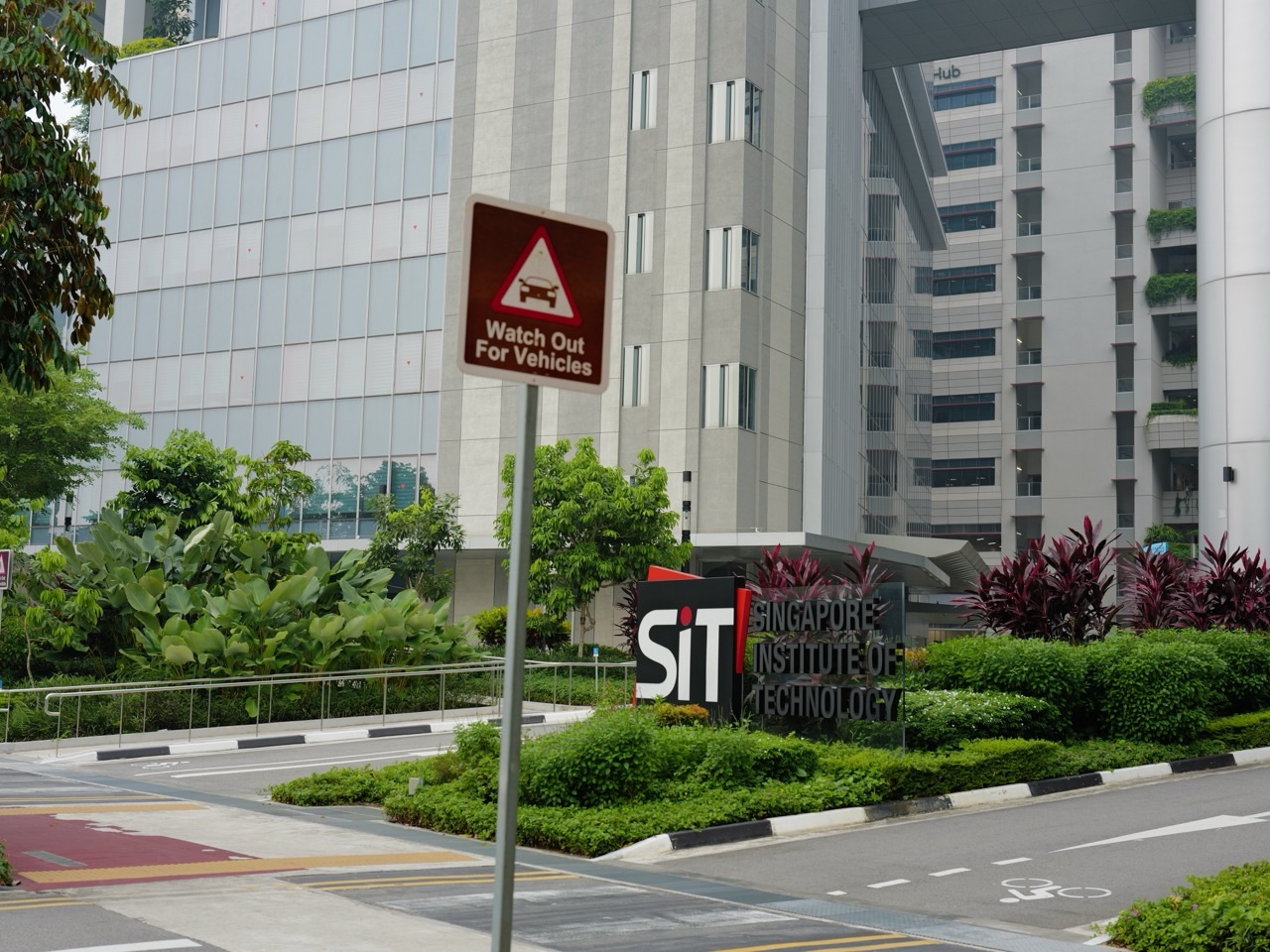
Can a complete beginner learn tennis in Punggol in 2026? Yes—but do not assume that seeing a tennis court at SIT Punggol Campus means the public can walk in and book it. SIT lists tennis courts at Campus Court but prioritises students and staff, and considers outside requests case by case. Punggol Regional Sports Centre’s three planned sheltered tennis courts are not the same as a currently confirmed public booking. Start with a genuine available tennis court or suitably organised beginner programme, then learn to rally gently before trying full matches.
This tennis for beginners in Punggol 2026 guide explains how to find and verify a venue, ask about SIT and future Punggol facilities, choose coaching, learn forehand, backhand, serve and scoring, and budget for an enjoyable first month. It is for adults and families living around Punggol MRT, Northshore, Oasis, Matilda and Punggol Coast. For the full court directory, visit Badminton, Tennis and Pickleball Courts in Punggol; this page focuses on learning the game and avoiding false availability assumptions.
Tennis in Punggol: the quick answers
| Question | What you can rely on | The check that remains |
|---|---|---|
| Is there a tennis court at SIT Punggol? | SIT officially lists tennis courts at Campus Court. | SIT’s students/staff get priority; the public has no guaranteed walk-in sport access. |
| Can I book the new Punggol Sports Centre tennis courts? | Three sheltered tennis courts have been included in published plans. | The specific public opening and bookable inventory must be confirmed by SportSG. |
| Where else can I look? | SportSG publishes current tennis facilities in its official directory. | Choose an actually bookable court and allow travel outside Punggol if needed. |
| Can I learn tennis without playing a full match? | Yes; controlled contact and short cooperative rallies are sensible first goals. | A first class should be matched to the learner’s age and ability. |
| How do tennis scores work? | Points usually progress love, 15, 30, 40 and game; deuce needs a two-point margin. | A tiebreak and event scoring formats have additional rules. |
| Are tennis and pickleball courts identical? | No; both need their correct net, markings, equipment and permissions. | Do not repurpose a booking against venue rules. |
| Will outdoor tennis be cancelled for bad weather? | The operator may close outdoor courts during haze, lightning or storms. | Check current warnings and cancellation rules. |
| Is an expensive racket necessary? | No. A comfortable, appropriate beginner racket is more useful than a premium purchase. | Test grip, weight and suitability with instructor advice. |
1. Punggol has planned tennis capacity and actual campus courts—but public access is the distinction
SIT’s official Punggol Campus FAQ lists tennis courts in the Campus Court sporting facilities, alongside multipurpose halls, a bouldering wall, dance studios and a fitness gym. The university explains that floors at Campus Boulevard Level 2 and below include selected public areas. But public access to a campus food court or walkway is not the same as public reservation rights for its sporting facilities.
SIT explicitly says students and staff have priority at campus amenities. External requests are assessed case by case. The university’s published venue-booking page lists named event spaces, but tennis courts are not presented there as an ordinary walk-in public booking. A resident interested in tennis should ask SIT for a specific response about eligibility, coaching, entry and charges before inviting friends to the campus.
The same distinction applies to Punggol Regional Sports Centre. Announced plans include three sheltered tennis courts, along with other sport spaces. Those are useful for the town’s longer-term active-living future, but a 2026 development update cannot confirm that a particular court is already open for public hire. The Punggol Regional Sports Centre guide keeps that development story separate from operating inventory.
A strong local article should not tell residents that they can book a facility merely because it appears in a campus map. For a real session, confirmation is a completed reservation or approved programme instruction from the correct operator, not a rendered image or a search-result snippet.
2. Use SportSG’s actual tennis directory when deciding where to play
SportSG’s tennis facility directory, last updated 16 October 2026, lists public options around Singapore, including Bishan Clubhouse, Burghley Tennis Centre, Heartbeat@Bedok, Pasir Ris Tennis Centre and other venues. It does not list a currently open Punggol Regional Sports Centre tennis booking. That does not rule out authorised private or campus arrangements; it tells a public player not to assume Punggol’s planned SportSG tennis courts are already in the public facility system.
For residents using the North East Line or neighbouring towns, compare the real trip to the confirmed venue instead of choosing solely by a town name. A court with lower published rental but a long journey may be inconvenient for an evening beginner. A slightly more expensive but reachable coached lesson may provide more value. Look at current transport, opening hours, court surface, floodlighting, changing facilities and actual slot availability.
ActiveSG’s official booking FAQ says outdoor tennis courts require booking through MyActiveSG+, and the member who books must be present and part of the playing group. The booking is not transferrable to an absent organiser. Check the operator’s current restrictions and facility closure notices before arranging a paid session.
3. Tennis does not require an immediate match
A newcomer sometimes watches a televised match and assumes that their first session should involve fast serving, long groundstrokes and running from one baseline to the other. That is an uncomfortable way to begin. The more useful initial aim is to control a ball at a comfortable pace. A coach may start with simple throwing and catching, short racket contact or shorter-court rallies before moving farther back.
SportSG’s beginner tennis practice guide describes progressive ball control and cooperative drills rather than immediate competition. This helps build timing, hand–eye coordination and confidence. If you can return several gentle balls with control, you have created the foundation for a longer rally; nothing requires a beginner to hit a powerful serve on the first day.
An appropriate class will also notice whether a participant is learning from scratch, returning after a long break or seeking training for competitive play. These starting points are different. An adult who has never played may appreciate a slower introduction to grip and contact, while a teenage player with CCA experience might be ready for more structured drills.
4. Five skills worth learning before the first full game
| Skill | Plain-English purpose | Good beginner objective |
|---|---|---|
| Racket grip | Hold and orient the racket for controllable contact. | Use a comfortable suitable grip with guidance. |
| Ready position | Stay balanced and alert for the next ball. | Avoid locking the knees or standing rooted at the baseline. |
| Forehand | Return a ball on the dominant hitting side. | Make predictable gentle contact rather than maximum power. |
| Backhand | Return a ball on the other hitting side. | Control direction at a manageable pace. |
| Footwork | Reach the ball without awkward overreaching. | Take small balanced steps and recover after hitting. |
| Serve | Start a point into the diagonally opposite service box. | Learn a repeatable correct serve when ready. |
| Rally recovery | Prepare for the next return. | Return to a balanced position, not merely celebrate the last shot. |
These categories explain what a coach may teach; they do not replace live technique instruction. A suitable instructor can help a learner avoid poor racket positioning, unsafe lunges and fatigue. If you are dealing with shoulder, wrist, knee or back pain, do not copy a high-intensity tennis drill merely because someone labels it beginner-friendly.
5. Learn how tennis scoring works without making every point a test
Tennis has its own scoring language. ‘Love’ means zero, followed by fifteen, thirty and forty. A normal game must be won by a two-point margin; at forty-all, the score is called deuce. The next point creates advantage, and the following point can complete the game. More complete match formats involve sets and tiebreak rules. You do not have to memorise the whole system before practising rallies.
SportSG’s basic tennis rules introduces serving order, faults, singles and doubles boundaries and scoring. One detail worth clarifying from informal explanations: players generally alternate serving by game, not after each point or only after the end of a set. In a standard service game the same player serves the points, alternating the correct left and right service courts. A qualified coach or current event rulebook can help with more advanced formats.
For two beginners meeting socially, it may be easier to agree on a period of cooperative practice followed by a short game. A court’s booked time is often limited, so spending the first forty minutes practising serve and return is perfectly reasonable. The first successful experience is enjoying the sport enough to play again.
6. Singles, doubles and the difference between tennis and other racket sports
Singles uses a narrower playable width than doubles, while doubles includes the alleys. Tennis also uses a different ball, racket, net height and court scale from badminton and pickleball. The larger court can feel demanding for a beginner, particularly when moving from a small court drill to a full baseline exchange. Adapt playing format to ability and court rules rather than forcing maximal coverage.
Our Badminton for Beginners and Pickleball for Beginners articles explain why visually similar racket sports require their own bookings and learning pathways. A resident choosing a new activity can compare them, but a tennis reservation is specifically for the permitted use of that court.
7. A first-session equipment checklist
- A suitable racket: choose grip size, weight and balance with an instructor’s guidance where possible.
- Tennis balls: ask whether standard or lower-compression beginner balls are provided or needed.
- Court-appropriate shoes: choose suitable grip and movement support; follow the surface rules.
- Comfortable movement clothing: allow lateral movement and reaching without discomfort.
- Water and rest: plan for individual needs, session length and weather.
- A confirmed venue: verify court number, access, date and booking identity.
- Instructor arrangement: determine whether coaching is booked separately from facility hire.
- Arrival and return: calculate journey times from Punggol and any transport changes.
- Warm-up and cool-down: begin progressively and finish with suitable recovery.
- Safety stop: stop for sharp pain, serious breathlessness, dizziness or concerning symptoms.
Do not assume buying a professional tennis racket makes training easier. For beginners, comfort and controllable contact matter far more than the equipment used by a televised professional. Some instructors provide demonstration rackets or balls. If available, ask before buying expensive gear; if not, select appropriately rather than relying on marketing claims.
8. The first four weeks: progression as questions, not a guarantee
| Week | Primary learning goal | Possible activity with suitable instruction | Useful indication |
|---|---|---|---|
| 1 | Get comfortable with equipment and space. | Learn grip, basic contact and court safety. | You can make predictable short hits. |
| 2 | Establish simple forehand and backhand control. | Use cooperative rallies and manageable movement. | The ball returns more reliably. |
| 3 | Introduce the serve and court positions. | Learn service boxes, faults and basic scoring. | You understand how a point begins. |
| 4 | Explore singles or friendly doubles. | Try a short game at an appropriate pace. | You know what to learn next and want to return. |
This is a planning example, not a promise that everyone can serve or play full tennis after a month. Adults have different athletic backgrounds and time available; children need age-appropriate instruction, and health conditions may require adapted activity. If a lesson remains difficult, repeat the comfortable stage rather than rushing to the next item.
9. Tennis as fitness: the role of recovery
Tennis can involve bursts of running, rapid changes of direction and repeated reaching. A relaxed beginner lesson with many pauses may produce less aerobic effort than a demanding competitive match; both can still have recreational value. Singapore’s Health Promotion Board encourages regular aerobic activity and muscle strengthening across the week, rather than a single weekend sport session that leaves a participant exhausted.
For someone newly active, avoid scheduling tennis immediately after an intense leg workout or a long run simply to satisfy an activity target. Recover appropriately and listen to discomfort. Our Weekend Sport and Recovery in Punggol helps readers make activity and rest decisions without a ‘more is always better’ approach.
Recurring wrist, elbow, shoulder or knee pain should be assessed rather than disguised with a different racket or new grip advertised online. Qualified instruction may help with technique, but a coach cannot diagnose persistent medical symptoms. Stop for concerning pain or sudden illness.
10. Punggol weather: a court booking is not protection against haze or lightning
Outdoor tennis is exposed to Singapore’s humidity, heat and thunderstorms, and a sheltered court is not necessarily appropriate in every hazardous condition. The Meteorological Service Singapore uses WBGT for prolonged outdoor heat-stress guidance. When conditions are moderate or high, adjust exertion and timing as advised. Follow official heat-stress information and check lightning warnings before outdoor sport.
During haze, consult official Singapore haze guidance. Some sports facilities may close or adapt programmes even if the public booking system still shows a reservation. Check the operator’s live notice and refund or rescheduling terms. Do not attempt to play through lightning risk because your group has already paid.
11. Three worked Punggol examples
A Punggol Coast resident who sees tennis courts at SIT
The resident works near the Digital District and wants to play after work. They see tennis mentioned on SIT’s facility page and almost invite three friends to Campus Court. They read the FAQ and discover that sports access prioritises university users and external requests are case by case. They ask SIT for approved use or choose another confirmed SportSG tennis venue. A court existing is not the same as a bookable slot.
Two adults who want to start tennis without a coach
They consider a public-court reservation but have not held a racket before. They decide to begin with suitable group coaching or a patient supervised session rather than trying a full match. The early focus becomes controlled contact and movement. They judge progress by the quality of their rallies, not whether a game resembles professional tennis.
A family hoping to play at the new Punggol Sports Centre
A parent sees references to future sheltered tennis courts and wants to schedule school-holiday sport. Rather than treating the plans as proof of an opening, the family checks the latest SportSG facility directory and booking platform. If the courts are not listed or available, they select a genuine alternative or postpone. The child has a pleasant first sport experience without a wasted journey.
12. The hidden costs of a ‘simple’ tennis lesson
A court booking fee is one cost. Rackets, suitable shoes, balls, instruction, transport and possible booking cancellations are others. If the venue is outside Punggol, the travel may make a short lesson expensive in time. A more costly beginner package could still be worthwhile when the instructor is appropriately qualified and the sessions are manageable; a cheap court without instruction may not provide what a nervous newcomer needs.
The ActiveSG individual rates lists published facility rates, but the final charge depends on eligibility, time, category and current checkout. Confirm the real booking rather than copying an old price table. A class term may also have age restrictions or conditions for missed lessons.
13. Common mistakes that keep tennis from becoming a habit
- Assuming SIT sports courts are open to any passer-by. Obtain specific approved access.
- Planning around future PRSC courts without a public booking. Check live SportSG inventory.
- Starting with a full competitive match. Learn control, contact and rally first.
- Buying expensive equipment before trying. Ask about suitable beginner gear.
- Ignoring doubles and singles boundary differences. Learn the court layout.
- Serving at maximum speed too soon. Consistency precedes power.
- Training through heat, lightning or haze. Follow official advice.
- Forgetting the commute home. Choose a slot the household can maintain.
- Running through pain. Seek appropriate assessment when needed.
14. Frequently asked questions
Are there tennis courts at SIT Punggol Campus?
Yes, SIT lists tennis courts, but students and staff have priority and outside access is assessed case by case.
Can anyone walk in to play tennis at SIT?
No blanket permission has been published; ask SIT for approved arrangements.
Are the Punggol Regional Sports Centre tennis courts open now?
Do not infer current availability from planned facilities. Check SportSG’s actual directory and bookings.
Where can Punggol residents book a public tennis court?
Use the current SportSG tennis directory and MyActiveSG+ to find confirmed facilities, including venues outside Punggol.
How much do beginner lessons cost?
It varies by provider, group size, equipment, court charges and eligibility. Get an exact quote before paying.
Do I need a racket before booking lessons?
Ask whether the class provides trial equipment and which racket would suit you.
How are tennis points scored?
Love, 15, 30, 40 and game are standard, with deuce and advantage for close games.
Can beginners play doubles?
Yes, when players understand court rules and the pace is appropriate; cooperative rallies may be a better first step.
Is tennis the same as pickleball?
No. Courts, equipment, scoring and rules differ and bookings must respect the venue’s permitted sport.
Can children join an adult group?
Only if the instructor and activity are suitable for age, skill and supervision needs.
What if I have repeated elbow pain?
Stop pushing the affected movement and seek suitable healthcare advice.
Should I reschedule during lightning or hazardous haze?
Follow the venue’s safety guidance and applicable official warnings; do not force a session.
More active Punggol reading
- Life in Punggol — master guide
- Exercise in Punggol — beginner framework
- Punggol Racket-Sport Courts and Bookings
- Badminton for Beginners in Punggol
- Pickleball for Beginners in Punggol
- SIT Punggol Bouldering Access Guide
- Martial Arts for Beginners in Punggol
- Bouldering for Beginners at SIT Punggol
- Skateboarding for Beginners Near Punggol
- eduKateSG — Punggol Geography and Transport
Official references and reviewed date
- SIT Punggol — Official Campus FAQ and Sports Facilities
- SIT — Facilities Booking and External Enquiries
- SportSG — Current Public Tennis Directory (updated 16 October 2026)
- ActiveSG — Booking of Outdoor Courts
- SportSG — Tennis Rules
- SportSG — Beginner Tennis Drills
- ActiveSG — Facility Rates
- MSS — Heat Stress
- Singapore Haze Advice
Reviewed 18 October 2026. This is educational tennis and local venue information, not live tennis-court availability, medical clearance or confirmation of access to SIT or a future sports centre. Public and campus facility permissions differ. Check the relevant operator, official court booking and current environmental safety advice.


