
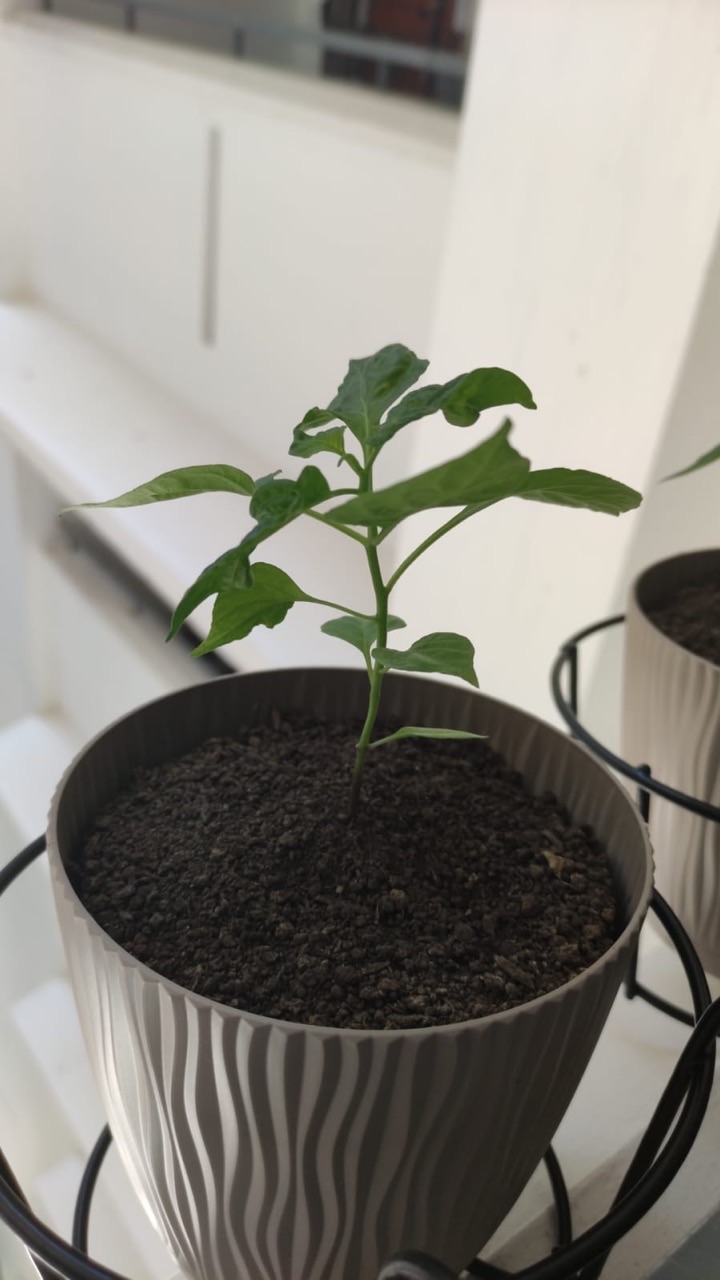
Want a friendly, low-cost Punggol gardening activity? Try a small plant-cutting swap with two or three consenting neighbours or family members. Each participant can bring one healthy, correctly identified cutting taken from a plant they personally own and are allowed to propagate. Agree on the plant name, how it should be rooted, whether it is suitable for the receiver’s household and what to do if it does not grow. A private swap can take place at home without a public event, but it must not involve cutting plants in NParks parks, other residents’ allotments or HDB common landscaping without permission.
Plant cutting exchanges in Punggol HDB homes are different from buying new plants or joining a formal community garden programme. This guide explains NParks’ beginner propagation advice, why not every stem roots in water, how to keep dengue-breeding risks under control, why flowerpots must not sit on high HDB ledges or block scupper drains, how to describe plants to neighbours and how to enjoy a tiny growing experiment without promising air-purification benefits. The aim is one healthy plant and a useful conversation, not turning a corridor into an informal nursery.
18 October 2026 health and weather note: A plant swap can be planned indoors, which matters during Singapore’s current haze episode. Outdoor gardening or carrying plants around in unhealthy air is optional and should follow NEA/MOH advice. A houseplant is not a substitute for an appropriate particulate filter or cleaner air during smoke. NEA’s dengue guidance requires active prevention of standing water, including regular cleaning of pot plates and flower vases. Choose planting methods the household can maintain safely.
Punggol plant-cutting swap in one table
| Question | Practical starting answer | What can go wrong |
|---|---|---|
| Who owns the cutting? | Only propagate with the owner’s permission | Unwanted trimming or taking from public planting |
| What plant is it? | Use verified identity and basic care instructions | Toxicity or unsuitable light needs |
| Does the plant look healthy? | Select clean pest-free firm growth | Passing rot, insects or disease |
| How to root? | Follow species-appropriate NParks water or drained-medium guidance | Waterlogging or dried cuttings |
| Water and dengue? | Avoid stagnant water and inspect/clean often | Mosquito breeding in jars and trays |
| Where to keep pots? | Safe indoor or permitted stable planter position | Falling pots or blocked corridor drains |
| Who receives it? | Only a willing household with a suitable environment | A ‘gift’ creating unwanted responsibility |
| Can we use community gardens? | Only where organiser permission exists | Taking plants from another person’s plot |
Five chapters for a small, safe neighbourhood plant hobby
- Chapter 1 — Why swap cuttings instead of buying plants
- Chapter 2 — Propagation, pests, dengue and HDB rules
- Chapter 3 — Worked beginner plans and plant examples
- Chapter 4 — Twenty practical checks and common mistakes
- Chapter 5 — FAQs, internal links and official sources
Chapter 1. Why a small cutting swap can be enjoyable in Punggol
One small plant is a better beginning than a balcony full of containers
A newcomer to gardening may feel excited by photographs of lush HDB corridors and buy many pots at once. That creates cost, watering obligations and mosquito-breeding risks before they know which plants suit the available light. A single healthy cutting is a less expensive way to learn. The recipient can see how roots develop, whether leaves remain healthy and whether the location is appropriate before adding another pot.
Start with only one or two plants per household. The goal is not a botanical collection worthy of a garden show; it is a small, manageable experience. Someone who discovers they do not enjoy watering should be able to stop without accumulating unwanted living things.
A swap can connect neighbours without making a public event
Two people who enjoy the same plant may be happy to share a small cutting with permission, discuss sunlight and arrange a future update. That is a simple social activity. Organising a public sale, stall or giveaway in a void deck or CC would require different permissions and may create clutter or traffic in shared areas.
Keep the first exchange private and opt-in. If a wider Residents’ Network or community garden wants to organise something, let the actual authority and gardeners decide the venue, registration, plant health and cleanup rules. Do not advertise ‘Punggol official plant swap this weekend’ without a current organiser.
Sharing plants means sharing care information
A stem without a name or any history may be difficult for a recipient to manage. Light, water, potting medium, leaf toxicity and whether the plant is edible differ greatly. If the owner knows a plant only by a nickname, the correct action is to identify it using a reliable plant guide before claiming that it is safe to eat or suitable for pets.
Write a short label with the best-supported name, general light needs, where the cutting was taken and whether roots have already formed. Disclose uncertainty rather than improvising a botanical identification. A plant can be a lovely gift without pretending it is universally safe.
Public planting is not a free source of cuttings
Punggol’s town greenery includes NParks plantings, HDB landscape, community gardens and privately maintained plots. The fact that a vine grows beside a public path does not give residents permission to snip it. Gardens may contain important habitat planting, managed specimens or species unsuitable for household cultivation.
Use only owned plants or obtain clear authorisation from the relevant person or land manager. Never enter a public bed, pluck flowers or harvest a resident’s herbs for a swap. The Punggol community gardens guide explains why normal visitor access and garden-plot rights differ.
You do not need to buy special fertilisers on day one
Propagation can sometimes use ordinary suitable containers and healthy rooting medium. A beginner should focus on species identification, drainage, light and monitoring before buying equipment. NParks’ GardeningSG resources describe different methods for rooting in water or well-drained materials. Those sources are more useful than generic advice to pour a fertiliser mixture into every jar.
Start with a simple clean pot, suitable medium and small cutting where appropriate. Never mix household chemicals or unidentified pesticides into a child’s gardening project. A failed first cutting may be part of learning and is not a reason to purchase an expensive device.
A plant swap is not a promise of guaranteed growth
Some cuttings root quickly; others rot or fail depending on species, health, medium and conditions. NParks advises choosing healthy material, rooting appropriately and transplanting at suitable root development. A neighbour should not promise a cutting will certainly survive in a different HDB unit simply because it thrived in their home.
Explain that outcomes vary and that a person can decline a cutting. A no-pressure exchange makes future gardening friendships easier. If the plant does not establish, record what happened and decide whether to try again with a more suitable species.
Food herbs require an extra layer of certainty
Some households enjoy growing basil, laksa leaves or other edible herbs, and NParks lists several examples of cuttings that can root in appropriate conditions. But a plant offered as ‘mint-like’ may not be correctly identified or grown in conditions appropriate for consumption. Never encourage eating leaves based on a photograph or a neighbour’s informal nickname alone.
Verify species and food-safe cultivation conditions, use clean growing materials and follow hygiene. If identification is uncertain, treat the plant as ornamental until a reliable expert identifies it. Children can observe growth without tasting leaves.
Pet safety and family safety must be specific
A decorative cutting can be harmless to look at yet unsuitable in a household with cats, dogs or young children who mouth objects. Some popular houseplants contain irritating or toxic substances. The recipient should check the actual species before accepting, rather than assuming every ‘indoor plant’ is pet-safe.
Keep unfamiliar plants out of reach until identified, and ask about pets and children before giving a plant. Avoid making medical claims about toxicity without a reliable species-specific source. The safest gift is one that fits the receiver’s environment and circumstances.
Chapter 2. NParks propagation, NEA dengue prevention and HDB safety
NParks’ GardeningSG Propagating by Cuttings guide advises selecting healthy stems with at least four nodes or roughly 10–20 cm in length, retaining appropriate upper leaves and using a rooting method suited to the species. It distinguishes rooting in water from rooting in well-drained soil or amendments. It gives plant examples such as laksa, mint and Thai basil for water rooting, and plants including Indian borage and some ornamentals for rooting in soil. Those are horticultural examples, not a guarantee that cuttings from any source will thrive or be suitable for every home.

Propagation material should be healthy, not just green
NParks cautions against wilted stems and plants showing pests, fungus or rot. A cutting that appears attractive at a glance may conceal insects under leaves. Exchanging diseased material spreads problems from one household to another, creating more work and potential need for pest treatment.
Inspect both sides of leaves and the growing points in good light. If the plant has suspicious damage, pests or mould, do not share it. Avoid indiscriminate pesticide sprays near children, pets or food; consult suitable official horticultural advice if a problem persists.
Rooting water is also mosquito-breeding water unless carefully managed
NParks suggests changing water for certain propagation methods at least weekly or twice weekly, partly to prevent root rot and mosquito breeding. NEA’s more specific home dengue checklist advises changing flower-vase water and cleaning the vessel every other day, and emptying and scrubbing water from pot plates every other day. For a Punggol home with water-rooted cuttings, the stricter NEA prevention schedule deserves attention.
Better yet, choose well-drained rooting medium suited to the species when appropriate, so open standing water is not part of the routine. If using water, keep vessels maintained, change and scrub regularly and never leave jars unattended for extended periods. Do not let a pleasant hobby create dengue risk for neighbours.
A pot plate is not a water reservoir for indefinite storage
Water held in saucers under pots can support Aedes mosquitoes. NEA recommends removing water and cleaning the plates every other day and avoiding plates where possible. Punggol’s frequent showers can refill exposed dishes quickly, making a neglected balcony or corridor planting especially risky.
Use appropriate draining pots and inspect after rainfall and watering. Don’t leave plastic trays or containers collecting stagnant water near an HDB doorway. A small cutting is not worth creating a breeding site in a densely populated estate.
HDB window and balcony edges are safety-critical
HDB’s ‘Keeping Killer Litter Away’ guidance tells residents not to place items on window or balcony ledges, parapets or common corridor parapet walls. A flowerpot may fall and injure people below. Balcony floor and stable interior positions are different from precarious external edges.
Keep containers at safe locations entirely within the home’s permitted area and away from paths or ledges. Do not hang plant pots above the parapet or use improvised hooks. A person who lacks a suitable stable location should decline the cutting rather than improvise a dangerous holder.
Scupper drains in corridors must remain clear
NEA’s mosquito checklist also tells residents not to block the flow of water in common corridor scupper drains with plants or objects. Stagnant water and blocked drainage can affect others. A private collection of pots should not spread into spaces needed for safe movement and drainage.
Check the actual corridor, fire-safety clearances and estate-management rules before placing anything outside a flat. Avoid using common areas without appropriate permission. A houseplant can be a fully indoor activity with less impact on neighbours.
Roots have different transplant readiness
NParks notes that many water-rooted cuttings can be transplanted when roots are about 5–10 cm long, while certain media-rooted plants may be ready around 5 cm. These are approximate guidance for species and conditions rather than a universal countdown. A plant can experience transplant shock even with visible roots.
Read the actual species instructions, move gently and monitor after transplant. Don’t insist every cutting must be repotted on the same calendar day. The swap can be of an already-established healthy small plant if that is easier for the recipient.
The medium matters for drainage and food safety
Water-loving stems may root in water, while drought-tolerant plants often need a more freely draining medium. NParks describes options such as cocopeat, pumice, sand or suitable soil mixtures. Materials differ in nutrient content, drainage and pathogen risk. A plant sold as an edible herb needs extra consideration for safe growing practices.
Do not use unknown contaminated soil or chemical mixtures simply to reduce cost. The beginner can start with a suitable commercial material or clean known medium, following verified directions, and keep the pot at a safe accessible location.
A healthy plant does not make smoky air safe
Indoor plants may be pleasant, but they are not a substitute for effective air filtration, ventilation decisions and current NEA/MOH advice during haze. A few cuttings in the window cannot be described as removing dangerous PM2.5 to safe levels. Dust settling on leaves does not prove the breathing environment is protected.
Enjoy the hobby for gardening and social reasons. If a household needs cleaner indoor air during haze, use evidence-based sources and its actual building conditions; do not use the plant swap as a health treatment or make unsupported air-quality promises.
Chapter 3. Four worked Punggol plant-swap plans
The 30-minute two-neighbour cutting exchange
Two neighbours who already know each other agree privately on one plant each. Before the meet-up, each checks ownership, species identity, pests and any household restrictions. They label the material, explain how it is currently cared for, and exchange only what the other wants. The handoff occurs in a suitable permitted private location rather than blocking a common corridor.
A successful meeting does not require both plants to be equally expensive or guaranteed to thrive. If one cutting looks unhealthy, it stays with its owner. When haze makes travelling undesirable, simply exchange photographs and care notes for a possible later date.
The family ‘one stem, one diary’ activity
An adult chooses an appropriate healthy owned plant that NParks identifies as suitable for the intended propagation method. If safe and competent to do so, the adult prepares one cutting with clean tools, while a child labels a pot and records the date. Over the next several days, the family checks health, water or medium condition and notes observable changes without calling every bump a root.
Keep sharp tools and small plant material away from young children and animals. Avoid stagnant water by following NEA’s prevention checklist. This activity is not a certified Science experiment or a promise of edible produce; it is a small observation and care project.
A home-only swap during haze
Choose one healthy already rooted plant and prepare a short, accurate care card without leaving home. The card can state species if verified, light needs, current medium, the approximate watering routine and any known concerns. Send the information to a friend who may wish to receive it later. The living plant can remain safely at home until travel is suitable.
This version prevents impulse transport through haze and avoids leaving cuttings without care. The potential receiver has time to check pet safety and available space, and nobody has to accept an object simply because it was offered.
A permitted community garden meet-up
If a Punggol community garden or Residents’ Network wants to host a small propagation learning session, its real organisers should determine participation, space, equipment, plant exchange permission and cleanup. Participants can learn from an authorised experienced gardener and see how public and private plants are managed differently.
A garden path open to visitors is not a free event venue or harvest source. Do not advertise a class without confirmed organiser, date or registration. The community gardening guide owns actual garden access and plot arrangements.
A water-rooting versus medium-rooting comparison
For educational curiosity, an adult can compare the written NParks instructions for two suitable plant types, explaining why one may prefer water and another a draining medium. The actual household can choose one appropriately maintained method, record whether roots develop and note any failures. The aim is understanding plant differences, not producing identical outcomes.
Never leave water standing without regular NEA-compliant checks. Do not combine plants in a way that spreads pests, and do not assume every herb is edible merely because it appears in a kitchen photo.
A no-pressure plant care exchange among three friends
Each friend may bring a care tip for a plant they already own rather than an actual cutting. One explains how they avoid stagnant pot-plate water, another discusses a safe interior light location, and a third shares a photograph of a leaf they are trying to identify. The group can end with one small takeaway without new pots or expenditure.
This is particularly useful for people in small flats or with pets who may not want additional plants. Learning from neighbours does not obligate anyone to grow more. If somebody offers an unsafe practice, verify official guidance rather than copying it.
The illustrated growing-plan budget
Imagine a hypothetical household setting aside S$15 for a simple plant project. It already has a suitable pot and can receive one healthy free cutting. It allocates S$9 to appropriate rooting medium and S$6 to any needed safe container or labels. The total is S$15, but these are planning numbers, not real Punggol store prices. If the household already owns the materials, the actual new spending might be zero.
Budgeting should follow the plant’s needs, not encourage buying an entire gardening set. A cheap improvised container that tips over, leaks onto common areas or collects stagnant water is not good value. Safety and maintenance matter more than an attractive low price.
The future handoff and plant health check
After a cutting has established and the donor has inspected it, the neighbours agree on a suitable time to transfer it. They briefly compare its roots or new leaves with the original care note and explain any uncertainty. The receiving household commits only if it has a safe place and understands the maintenance.
Do not publicise a date as an event or use an unbooked community space. A single healthy plant passed with permission is a successful social hobby, even when it is never posted online.
Chapter 4. Twenty home-gardening swap checks
1. Ownership
Do: Use an owned plant or genuine permission. Because: Public greenery is not free stock. A cutting swap succeeds when the plant, household and shared estate remain safe and cared for.
2. Species name
Do: Verify before sharing it as edible or pet-safe. Because: Nicknames can be misleading. A cutting swap succeeds when the plant, household and shared estate remain safe and cared for.
3. Stem health
Do: Select firm pest-free material. Because: Rot can travel between homes. A cutting swap succeeds when the plant, household and shared estate remain safe and cared for.
4. Plant age
Do: Choose a suitable healthy donor. Because: Avoid weakening a struggling plant. A cutting swap succeeds when the plant, household and shared estate remain safe and cared for.
5. Cutting length
Do: Follow species and NParks guidance. Because: Not every leaf is a viable cutting. A cutting swap succeeds when the plant, household and shared estate remain safe and cared for.
6. Tool cleanliness
Do: Use appropriate clean tools with adult supervision. Because: Reduce injury and contamination. A cutting swap succeeds when the plant, household and shared estate remain safe and cared for.
7. Rooting method
Do: Choose water or drained medium for the species. Because: Universal advice fails. A cutting swap succeeds when the plant, household and shared estate remain safe and cared for.
8. Standing water
Do: Use NEA’s frequent empty-and-scrub routine. Because: Mosquitoes breed in stagnant water. A cutting swap succeeds when the plant, household and shared estate remain safe and cared for.
9. Pot plate
Do: Avoid ponding and clean often. Because: Aedes risk affects neighbours. A cutting swap succeeds when the plant, household and shared estate remain safe and cared for.
10. Drains
Do: Keep corridor scupper drains clear. Because: Do not cause water stagnation. A cutting swap succeeds when the plant, household and shared estate remain safe and cared for.
11. HDB parapets
Do: No pots on window or balcony ledges. Because: Falling objects are dangerous. A cutting swap succeeds when the plant, household and shared estate remain safe and cared for.
12. Corridor use
Do: Check access and keep paths clear. Because: A planter cannot block exit. A cutting swap succeeds when the plant, household and shared estate remain safe and cared for.
13. Children
Do: Keep sharp tools and small parts inaccessible. Because: Age-appropriate help only. A cutting swap succeeds when the plant, household and shared estate remain safe and cared for.
14. Pets
Do: Check toxicity for each identified species. Because: Indoor doesn’t mean pet-safe. A cutting swap succeeds when the plant, household and shared estate remain safe and cared for.
15. Food use
Do: Only eat properly identified food-safe plants. Because: Guessing herbs can be dangerous. A cutting swap succeeds when the plant, household and shared estate remain safe and cared for.
16. Pest inspection
Do: Check under leaves before gifting. Because: Do not share infestation. A cutting swap succeeds when the plant, household and shared estate remain safe and cared for.
17. Light exposure
Do: Ask about the receiving home’s window conditions. Because: One plant needs a suitable environment. A cutting swap succeeds when the plant, household and shared estate remain safe and cared for.
18. Haze
Do: Do not claim plant air filtration. Because: Use evidence-based air-quality measures. A cutting swap succeeds when the plant, household and shared estate remain safe and cared for.
19. Neighbour choice
Do: Let people decline a cutting. Because: A gift should not be a burden. A cutting swap succeeds when the plant, household and shared estate remain safe and cared for.
20. Future care
Do: Agree on watering and a possible update. Because: Do not leave an unwanted pot behind. A cutting swap succeeds when the plant, household and shared estate remain safe and cared for.
Five common plant-swap mistakes and how to repair the plan
The cutting has an unknown name
Do not promise it is a food herb or safe around pets. Keep it labelled as unidentified and research using a reliable source before distributing. A leaf photograph may not be enough for confident identification, particularly among lookalike species.
The simplest repair is to swap care advice or an already verified plant instead. A friendly activity should not create poisoning or allergy uncertainty.
A propagation jar becomes a mosquito site
Clean stagnant water can support Aedes mosquitoes, so a clear glass jar is not safe merely because it looks decorative. NEA’s frequent empty-and-scrub instructions matter; if the household cannot maintain them, choose species-appropriate drained medium or postpone water propagation.
Do not turn a vase with roots into a long-term abandoned classroom experiment. Water changes, cleaning and inspection are part of the hobby, not optional extras.
The plant is placed on an HDB window ledge
A small terracotta pot may appear harmless, but falling objects from height can severely injure someone. HDB tells residents not to put items on exterior window/balcony ledges or above common parapets. A neighbourly gift should not create killer-litter risk.
Move the plant to a safe stable indoor or permitted floor-level position, subject to the actual home. If there is no suitable location, do not keep or accept it.
Neighbours feel pressured to take plants
One person’s hobby enthusiasm can become another person’s maintenance chore. Some homes have pets, limited light, limited space, allergies or simply no interest. A swap should allow a graceful no and should never place unasked-for plants on someone’s doorstep.
Ask before preparing or carrying the cutting. A recommendation or photo can be exchanged instead, and the donor keeps the plant without embarrassment.
A public garden gets treated as a cutting source
A passer-by may see lush edible planting and assume a small snip will go unnoticed. That can damage an organised community garden and undermine volunteers’ work. Garden visit access, plot ownership and plant harvesting permission are distinct.
Use personal plants or seek real gardener/land-manager approval. If no permission exists, observe and learn, then choose appropriate nursery material instead of taking public cuttings.
Chapter 5. Punggol plant swap FAQs and official references
Can I exchange plant cuttings with Punggol neighbours?
Yes as a voluntary private exchange using owned healthy plants and suitable arrangements, subject to housing and safety rules.
Can I cut a plant from Punggol Waterway Park?
Not without proper authorisation. Public landscape plants are not free propagation material.
Can I take herbs from an allotment plot?
Only with the owner or managing authority’s permission. A public walkway does not grant harvesting rights.
What is plant propagation?
Producing a new plant from seed or plant parts such as stems or leaves; the appropriate method varies by species.
How many nodes should a stem have?
NParks illustrates healthy stem cuttings with at least four nodes or roughly 10–20cm, subject to the specific plant.
Can any leaf become a plant?
No. Some species propagate from leaves, while others need stems, seeds or different techniques.
Can Thai basil root in water?
NParks includes Thai basil among plants that can be propagated from suitable water-rooted cuttings, using proper care.
Can laksa leaves be propagated?
NParks lists laksa among water-rooting examples; correct identification and hygiene are still required.
Is it safe to root in water in Punggol?
It needs strict water management and dengue prevention. Use NEA’s regular empty-and-clean instructions and consider suitable drained media.
How often should plant plates be emptied?
NEA’s checklist advises removing water and scrubbing plant-pot plates every other day, and avoiding plates where possible.
Can water in a small jar breed mosquitoes?
Yes. Aedes can breed in small quantities of clean stagnant water; do not leave unattended open containers.
Are HDB corridor plant pots allowed anywhere?
No general entitlement to obstruct or use all common areas is implied. Follow estate rules, preserve clear access and drainage.
Can I put pots on a balcony parapet?
HDB says not to place objects on balcony/window ledges or parapet edges because of falling-object hazards.
What about a pot on the balcony floor?
A stable permitted position may be appropriate, with drainage and safety checks, unlike a dangerous high ledge.
Do plants clean haze PM2.5 from my flat?
Do not treat a few houseplants as a proven replacement for appropriate air filtration or official haze health advice.
Can children help cut the plant?
Only with age-appropriate tasks and responsible adult handling of sharp tools. Labelling or drawing is often safer.
Can I give cuttings to a home with cats?
Only after verifying the actual plant species and pet safety; many houseplants are not suitable if chewed.
Is every plant with edible-looking leaves safe to taste?
No. Identify plants reliably and use food-safe growing practices before consumption.
What if a cutting has spots or insects?
Do not pass it on. Check the health of the donor plant and seek appropriate guidance.
Can I trade for a more expensive plant?
Private exchanges should be voluntary and transparent; no price or equal market value is promised.
Can I organise a stall at One Punggol?
Only with actual venue permission and relevant rules. This guide does not confirm an available public plant fair.
Can we host a Residents’ Network swap?
Ask the real organiser and managing authority first; an advertised event may require registration, space and supervision.
How long until roots appear?
It varies widely by species and conditions. NParks gives transplant indicators rather than a guaranteed timetable.
Can a water-rooted cutting move to soil?
Often when sufficiently rooted under species guidance, though it may experience transplant shock.
Do I need fertiliser immediately?
Not always. Follow species and growing-medium guidance; excess products can be unnecessary or harmful.
Can a houseplant stay in shade?
It depends on species; a home with little light may suit some plants but not others.
What if I cannot care for a plant anymore?
Seek a willing informed recipient rather than abandoning it in HDB corridors or public parks.
What if haze makes travel undesirable?
Keep the plant at home, exchange photos and care notes, and arrange a later authorised handoff.
Is a private cutting swap a charity event?
No. A voluntary personal exchange is not automatically a registered volunteer or donation programme.
Where can I learn more about Punggol gardening?
See the community gardens, beginner plant, eco-friendly lifestyle and HDB plant-safety guides linked below.
Connect to the eduKate Punggol ecosystem
- Punggol Community Gardens and Allotments
- Punggol Garden Explorer
- Punggol Community Gardening for Beginners
- Eco-Friendly Things to Do in Punggol
- Punggol Balcony Gardens During Haze
- Punggol Blue-Bin Recycling
- Punggol Community Clubs and Groups
- Punggol Repair and Reuse Afternoon
- Tree Identification in Punggol
- Screen-Free Family Activities
- Punggol Lifestyle Planner
- eduKateSG Punggol Green Learning
- Complete Punggol Town Guide
Primary official sources and update note
Official references: NParks GardeningSG: Propagating by Cuttings; NEA Other Preventive Measures for Dengue; NEA Prevent Aedes Mosquito Breeding; HDB Keeping Killer Litter Away; NParks GardeningSG; NParks Community in Bloom; Singapore Wildlife Act; NEA Haze Information. Updated 18 October 2026. Any exchange should use owned or authorised plants, accurate identification, suitable pet and child precautions, dengue prevention and actual venue rules. This is a hobby guide, not a verified formal Punggol plant-swap event or a promise of air purification.


