
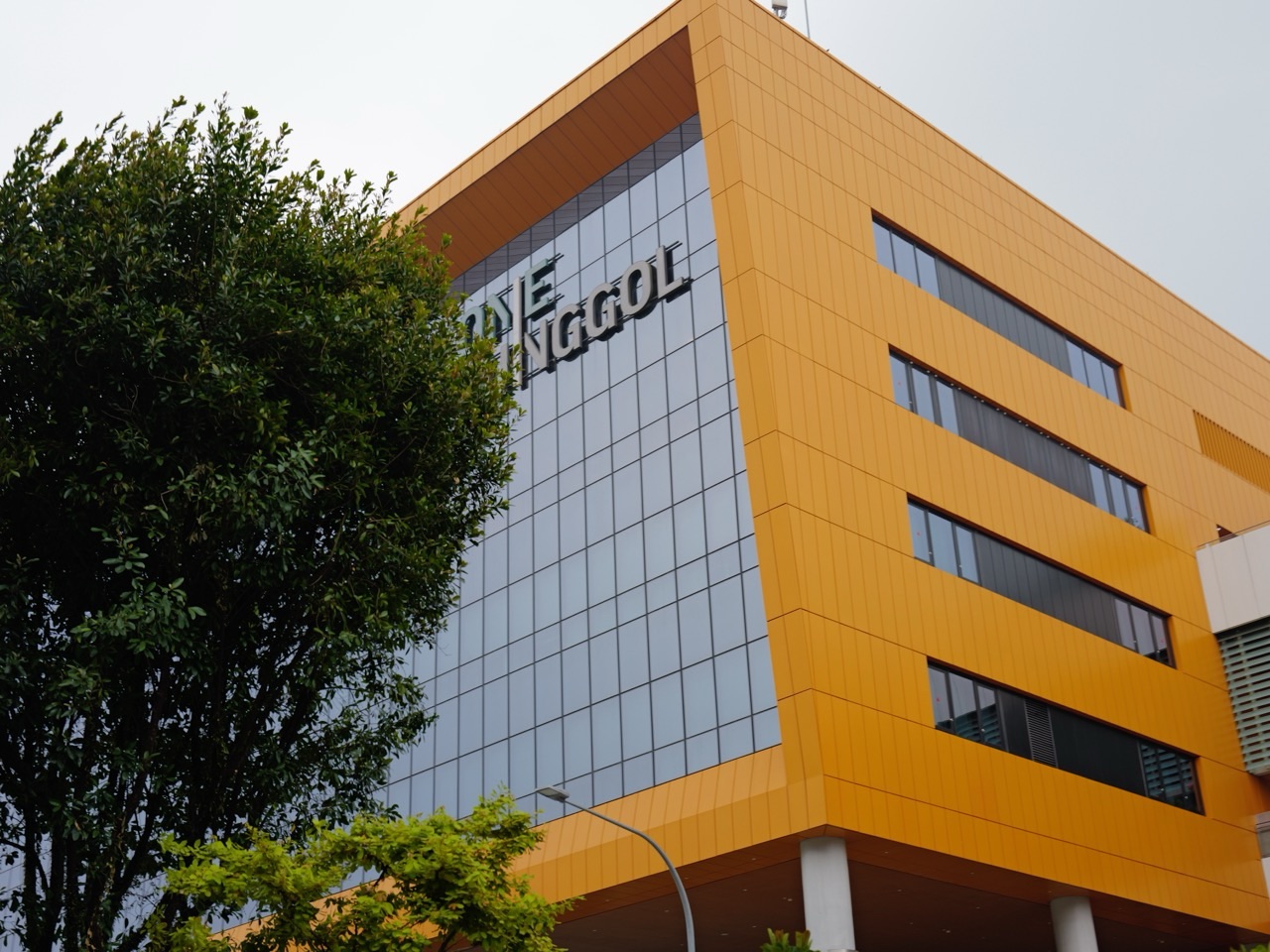
Want to play futsal in Punggol for the first time? Start with an actual futsal booking, not an assumption that every basketball or badminton court permits football. One Punggol Community Club has a futsal court in its published facility inventory. The official onePA facility search can show the correct sport and community club, but an archived availability page may display a generic calendar or an unavailable result. Only the current confirmed reservation establishes your date, playing time, fee and entrance.
This Futsal for Beginners in Punggol 2026 guide explains five-a-side rules, the difference between futsal and football, how to search One Punggol bookings, the four-second kick-in, simple passing, goalkeeper roles, group budgets, children and adults playing safely and a four-stage first-month plan. For court navigation see One Punggol Futsal Court Booking; this article focuses on what beginners do after finding the correct facility. For wider neighbourhood life use Life in Punggol 2026.
Futsal in Punggol: the answers before the first game
| Question | Useful answer | Do not assume |
|---|---|---|
| Where is the court? | One Punggol CC’s community facility includes futsal. | A visible court is a live bookable slot. |
| Where is One Punggol? | 1 Punggol Drive; the CC office is listed at #04-05. | The office address is the court entrance or floor. |
| Where do I book? | Use onePA’s futsal-specific facility search and actual calendar. | An old screenshot establishes today’s rate or availability. |
| How many players? | Futsal normally uses five per side, including a goalkeeper. | Ten players are needed just to practise skills. |
| What happens after the ball crosses the touchline? | Futsal uses a kick-in, not a football throw-in. | You have unlimited time to restart. |
| Is there offside? | No offside in standard futsal laws. | Other football rules are identical. |
| May players substitute? | Rolling substitutions are permitted under the applicable rules. | Anyone can enter from anywhere without observing the process. |
| What is the goalkeeper’s limit? | The four-second control restriction applies in defined situations in the keeper’s own half. | Every possession anywhere on court is governed identically. |
| What should beginners learn? | Controlled passing, receiving, spacing, communication and safe stopping. | Smashing the ball hard is a first-session goal. |
| Is futsal automatically cheap? | Total cost depends on a confirmed booking, players, shoes and travel. | Generic ‘free’ labels guarantee a free reservation. |
1. Futsal is football on a smaller court, but it is its own sport
Futsal is played with five people per team, including a goalkeeper, on a suitable marked court. The ball, pitch, restarts, timing and substitution arrangements differ from eleven-a-side football. Its smaller environment can encourage frequent touches and quick passing, which can be enjoyable for a learner. But a smaller playing surface does not necessarily make the game physically easy. Players may change direction rapidly and make repeated short efforts.
The current Futsal Laws of the Game 2025–26 reference and the FA’s futsal kick-in explanation distinguish the sport from ordinary football. An organised event may also adopt age-specific or recreational modifications, so always check the rules of the actual session rather than copying what happened at a school match years ago.
A Punggol group should first agree why it wants to play. Two people might want a basic passing lesson; five friends could practise ball control; a larger group may be ready for small-sided scrimmages. It is not necessary to enter a full-speed ten-player match on the first day. The important beginner outcome is learning how to move and communicate safely in the space.
Futsal is particularly well suited to a learning conversation about cooperation. One player can be skilled at dribbling yet struggle to maintain possession without teammates moving into safe passing positions. A short controlled rally can teach that point more effectively than immediately encouraging a new player to run at full speed across the court.
2. One Punggol’s verified venue and the honest availability boundary
The People’s Association confirms futsal among the activity facilities of One Punggol, the integrated community hub at 1 Punggol Drive. The CC office contact address is 1 Punggol Drive #04-05, Singapore 828629. That identifies the operator, not the sports court’s exact entrance. Use the facility confirmation and on-site directions for the actual game, particularly if different group members arrive from Punggol MRT, Sam Kee LRT and neighbouring precincts.
onePA has an official futsal facility search that includes One Punggol CC among qualifying facility locations. But the listing or cached result is not a live availability guarantee. Search the desired date and time in the actual service, choose the correct venue and sport and complete the reservation before saying a court is booked.
Our existing One Punggol futsal booking guide recorded that a captured calendar gave a generic unavailable message and ambiguous free labels. That is exactly why this article does not assert a 2026 court price from an old page. If the current calendar fails or shows no suitable time, ask One Punggol CC using the official contact listed in the centre’s directory rather than relying on a search snippet.
The People’s Association One Punggol page is useful context for the facility and hub, while onePA availability is the place to check a concrete reservation. An official website showing an attractive futsal facility is not the same as evidence that your Saturday morning game has been secured. This is the basic separation between discovery and booking.
3. Futsal court booking is a different product from team coaching
A facility reservation buys use of a specific space under particular terms. It does not necessarily provide a coach, an official ball, bibs, first aid, goalkeeper gloves or a referee. A genuine beginner class or club session may provide some of those things, but its price and admission conditions will be separate. Do not assume you can run a paid coaching business from a recreational onePA court reservation.
PA community-facility terms generally prohibit unauthorised commercial activities, transferring bookings and using a facility for a different purpose. The booking holder should attend under the rules and avoid reselling spots. Before collecting money from friends, read what fee-sharing, coaching and group uses are actually permitted. A simple social game and a commercial event can be treated differently.
If the correct One Punggol futsal slot is unavailable, do not repurpose a basketball, badminton or sheltered multipurpose court without operator authorisation. Futsal balls, goals, boundary markings and playing speeds create different hazards. A suitable alternative is another real futsal facility or a revised date, rather than improvising a match in a pedestrian corridor or playground.
4. A sensible first group size and roles
| Participants | What you may reasonably do | What it is not |
|---|---|---|
| Two people | Cooperative ground passing and receiving, where authorised. | A regulation match. |
| Three or four | Controlled movement, triangle passing or coach-led skill exercises. | Permission to occupy a court without booking. |
| Five | A group can learn positional roles and simple possession. | A full two-team five-a-side game. |
| Eight | Potentially a modified game under appropriate rules and court conditions. | The default formal match configuration. |
| Ten | Two five-player futsal sides, including goalkeepers. | Proof everyone is ready for competitive intensity. |
| Extra players | Organised rolling substitutes can support rest. | Automatic entry without following the substitution procedure. |
In a standard game, the five players include a goalkeeper. The keeper is not a spare outfield position assigned casually to someone who feels least confident. It has special restrictions and may involve intense saves or impacts. A novice group should choose roles with safety and comfort in mind, and a suitably qualified coach can help people understand their responsibilities.
Smaller games or skill exercises can be useful, but the intended format must be permitted at the venue. An organiser should avoid insisting everyone take turns at full speed simply to justify court hire. More players can make rest easier, but too many people crowding a small court may create collisions and reduce meaningful practice.
5. Five futsal rules beginners commonly misunderstand
| Rule | Correct principle | Common beginner mistake |
|---|---|---|
| Kick-in | Ball is restarted from the touchline by kicking, with relevant four-second constraints. | Throwing it back in as in football. |
| No offside | Futsal has no offside offence. | Calling an ordinary offside because of past football experience. |
| Substitution | Rolling substitutions take place under defined zone/procedure rules. | Running onto the court from any sideline. |
| Keeper possession | Specific four-second limits operate in defined goalkeeper situations. | Holding the ball indefinitely. |
| Accumulated fouls | The laws track some direct free-kick offences across a period. | Treating repeated hard fouls as harmless casual play. |
These are simplified learning points; the complete 2025–26 laws contain additional conditions and exceptions. The four-second rule affects a number of restarts, including kick-ins, and goalkeeper control in specified parts of the court. It should not be reduced to “every player has only four seconds with the ball” because that is incorrect. A coach or referee should help beginners distinguish what the law actually covers.
The no-offside rule can change the way players create space and defend. But this does not mean goal-hanging or unmarked running is automatically effective. Team positioning still matters, and a pass delivered into crowded space can quickly become a turnover. Beginners can practise looking up before receiving a ball rather than always dribbling into pressure.
Respectful contact is also essential. Futsal allows strong competitive effort within rules, but reckless tackles, pushing, kicking another player’s leg or endangering someone are not justified by being indoors. A social organiser should set clear expectations before the session, particularly if the group mixes experienced players and first-timers.
6. First-session skills: control before powerful shots
| Skill | Why it matters | First useful goal |
|---|---|---|
| Inside-foot pass | Moves the ball accurately to a teammate. | A controlled short pass along the floor. |
| First touch | Prepares the next decision. | Keep an easy received ball nearby. |
| Sole control | Often used in futsal for trapping and manipulating the ball. | Become comfortable under instructor guidance. |
| Look up | Identifies space and teammates. | Check surroundings before releasing. |
| Off-ball movement | Creates a passing line for the player with the ball. | Move safely to a useful position. |
| Communication | Reduces collisions and confusion. | Give simple calls without shouting at teammates. |
| Defending | Protects space without reckless contact. | Stay balanced rather than lunging. |
| Recovery | Keeps the group available and comfortable. | Take breaks and use substitutions appropriately. |
The first lesson need not involve elaborate drills. A coach might help participants pass accurately, receive and reposition before changing direction or playing short controlled games. A learner who can make three safe passes to a teammate is building a useful foundation. The group does not need to imitate professional futsal moves or force everyone into maximum-speed sprints.
Players who have played conventional football may still need to adapt. The court is smaller, the ball behaves differently, restarts use other rules and some movements can feel sharper. Previous skill can help, but it is not a guarantee that a person returning after years of inactivity is ready for long competitive sessions. Technique, effort and recovery must reflect current health.
7. Equipment and surfaces: fewer purchases, more checking
Before buying a futsal ball or special shoes, ask the chosen facility what it allows and whether equipment is supplied. Futsal typically uses a low-bounce ball appropriate to the playing format; it is not simply any outdoor football. A coach can suggest the right size and characteristics for a child’s age or for an adult group. Do not purchase expensive gear before knowing the session’s actual requirements.
Footwear matters because futsal involves stopping, turning and lateral movement. Shoes suitable for an indoor hard court can differ from studded football boots intended for grass. Check the venue’s actual surface and shoe policy. Inappropriate studs or slippery soles may create danger or damage the floor. Bring comfortable movement clothing and water according to individual needs, and allow time to warm up gradually.
The goalkeeper may need specialised protective equipment in some formats, and children may require age-appropriate adaptations. Do not put a child in adult-sized protective gear merely because it is available. Equally, do not require every novice to purchase goalkeeper equipment before an introductory passing lesson.
Ball pressure, goal stability and the condition of the court are safety matters. Stop and report damaged goals, unsafe surfaces, puddles or unusual obstructions. A cheap booking is never worthwhile if the playing area is visibly dangerous or has been closed by its operator.
8. Teamwork and the social goal of a Punggol futsal group
A weekly sport can become a way for neighbours to see each other, especially when work and family routines make regular meetups difficult. But the atmosphere matters. A group that ridicules beginners, excludes quieter players or insists on reckless challenges may lose the people it hoped to welcome. Agree on a friendly purpose, suitable effort and an acceptable level of contact.
A good organiser communicates details early: confirmed venue, start time, who is playing, expected cost, whether anyone needs help travelling and how rest or substitutions work. It should be acceptable for a tired participant to play less. An outing is not automatically a fitness success if the group becomes so competitive that newcomers feel pressured or physically unsafe.
For schoolchildren, sports participation should respect the actual timetable of PE, CCA, homework and sleep. An extra weekend game can be enjoyable but should not become compulsory high-intensity training after exhausting school commitments. Read Healthy Teenage Life in Punggol for that broader context.
9. Group cost example without an invented onePA price
Suppose ten friends obtain a real court quote of S$X for their chosen session. If the venue permits an equal cost split and every participant agrees, the simple arithmetic is S$X ÷ 10 per player, before any equipment, transport or other approved costs. A published venue directory alone does not give a numerical X. The exact amount must come from the selected live booking, not a free-looking generic page label.
If two players cancel, the cost split can change to S$X ÷ 8 if all eight participants agree and the booking terms permit that arrangement. But do not treat money collection as permission to resell or commercially sublet the court. OnePA terms may restrict such use. The organiser can instead arrange a private agreement among friends that conforms to the actual facility’s rules, or seek a proper class run by a provider.
The more meaningful budget compares actual use. A court across town with a low rate may cost more in travel and time than a convenient local booking. A confirmed instruction session may cost extra but be more useful to absolute beginners. For a general comparison read Low-Cost Fitness in Punggol.
10. Punggol neighbourhood logistics are part of sport planning
One Punggol is an integrated hub near the town centre, but Punggol spans different residential precincts. Someone near Oasis or Punggol Coast may travel differently from a resident near Northshore or Matilda. Confirm the entrance and allow a realistic arrival buffer, especially if the game is scheduled near the first or last public-transport service. An unfamiliar court floor or lift entrance can delay several people even when everyone reached the correct building.
If the group includes children, agree on adult responsibility before travelling. A coach, venue counter and parent do not automatically share one defined safeguarding role. Someone must know which adult supervises each child, where people meet and how the group returns home. The location of a CC office may differ from the court entrance, so a group needs actual venue directions rather than just the administrative unit number.
For people working shifts or carrying caregiving responsibilities, an irregular weekly booking may create stress. It is reasonable to play less often or choose a shorter game that fits meals and rest. Healthy living is a routine that respects the household, not a duty to maximise sports time.
11. Haze, heat and lightning: different decisions, even at a sheltered court
The futsal court’s exact shelter and ventilation conditions matter. A roof does not mean all outdoor environmental risks disappear, and a partly sheltered facility can still become hot, wet or unsuitable during storms. Check current operator rules and MSS heat-stress guidance for prolonged outdoor activity. During haze use official haze advisories instead of assuming a sheltered court has clean air.
Lightning risk also deserves a separate decision through the MSS lightning information service. If the facility closes or staff instruct a stop, comply. A prepaid booking does not entitle players to continue in unsafe weather. The provider’s cancellation policy controls rescheduling and other arrangements.
A participant with fever, dizziness, unusual breathlessness, recurring ankle pain, chest symptoms or another relevant condition should not force themselves to play. Stop and obtain appropriate medical advice. An article cannot determine whether someone is cleared for intense direction-changing movement; a qualified professional can assess individual concerns.
12. Four stages of a beginner futsal journey
| Stage | Question | Practical learning activity | Successful outcome |
|---|---|---|---|
| 1: Discover | Is the court and booking real? | Confirm onePA slot, operator, fee and access. | No invented access and safe preparation. |
| 2: Learn | Can I control a basic pass and receive? | Gentle coached or suitably supervised drills. | Confidence without reckless movement. |
| 3: Cooperate | Can I use space and communicate? | Short permitted scrimmage with clear rules. | Players understand the roles and feel included. |
| 4: Continue | Does this fit a normal week? | Choose social, coached or occasional play. | A repeatable experience that respects recovery. |
The table is a learning framework rather than a guarantee that someone becomes proficient in four weeks. A complete newcomer may spend several sessions on basic passing. Another person with football experience may learn the rules quickly. A child, an adult returning from injury or someone with disability-related access needs may require a different progression and professional input.
13. Worked example: eight colleagues searching for a Friday futsal slot
Eight colleagues want a casual game after work. One finds One Punggol in a futsal facility search and almost sends a message saying the court is free on Friday at 7pm. But the page shows a generic or incomplete calendar, not a confirmed reservation. The organiser uses the actual onePA booking flow, selects a suitable available slot or a fallback date and only then invites the group to pay attention to the real venue information.
The organiser also realises eight people do not make two full five-player teams. That is fine for a suitable modified game or skills session if the operator’s rules permit it. They might invite two more people or organise a smaller format, agree on a relaxed level and let everyone take breaks. The purpose is a positive social session, not pretending a casual booking is a national futsal match.
At the venue, one participant discovers their outdoor football boots are unsuitable for the court surface. The group follows staff footwear guidance instead of insisting that any studs should be allowed. The session might require a change of footwear or a different arrangement. The right lesson is that responsible sport planning includes details a title or map pin cannot show.
14. Worked example: a Secondary 1 student learning to pass
A student plays PE football at school and wants to try futsal with family. The parent considers a fast adult match, but the child’s first need is to learn the small court and safe passing. They choose age-appropriate activity under suitable coaching or supervision. The student enjoys short controlled touches and learns that futsal uses kick-ins rather than throw-ins. Success is understanding a new sport while feeling safe, not matching adult players’ intensity.
The parent also respects school life. If the student has an active sports CCA and late tuition that week, the extra session may be shortened or postponed. Physical literacy should be enjoyable and sustainable. The child’s health, sleep and agency matter more than putting another sport on the calendar.
15. Worked example: a neighbour returning after an ankle injury
A former player remembers quick turns and strong tackles, but now has recurring ankle discomfort. Instead of assuming the small court is harmless, they consult appropriate medical or rehabilitation advice and consider a gradual safe return. They may start with suitable controlled skills or choose a less demanding activity. There is no benefit to playing a full-speed match through pain just to please friends.
A welcoming group should support that choice. An adult who is returning carefully may need rest or different roles; another may decide not to play at all. The social relationship can continue outside the match. This is how sport contributes to healthy Punggol life rather than becoming a new source of avoidable injury.
16. Common futsal mistakes
- Assuming an old availability screenshot is a reservation. Complete the current onePA booking.
- Using any multipurpose court without permission. Confirm futsal use.
- Bringing outdoor studs to an unsuitable surface. Check footwear rules.
- Using football throw-ins. Futsal has kick-ins.
- Inventing an offside offence. Standard futsal has no offside.
- Ignoring four-second restarts. Learn the correct law and its circumstances.
- Putting too many people onto a small court. Follow occupancy and safety rules.
- Trying high-speed tackles as a beginner. Controlled practice first.
- Assuming a court fee includes qualified coaching. Separate the products.
- Pressuring injured or tired people to keep playing. Respect recovery.
- Confusing the CC office with the court entrance. Share actual directions.
- Ignoring haze, heat or lightning. Follow operator and official advice.
17. Frequently asked questions
Where can I book futsal in Punggol?
One Punggol CC is named in the onePA futsal facility inventory; check its live booking and current conditions.
Is One Punggol at Punggol MRT?
The hub is at 1 Punggol Drive; plan the actual journey and court entrance.
Is the futsal court free?
Do not infer that from generic calendar labels. The confirmed chosen slot controls any actual fee.
How many players are in standard futsal?
Five on court per team, including a goalkeeper.
Do I need ten people just to practise?
No. Basic passing and controlled exercises can involve fewer players in an authorised space.
Does futsal have offside?
No, under standard futsal laws.
Does the ball get thrown in after crossing the touchline?
No. Futsal uses a kick-in under specified rules.
What is the four-second rule?
Specific futsal restarts and goalkeeper possession situations have a four-second limit; see the current laws for full details.
Can we substitute freely?
Rolling substitutions are allowed within the game’s substitution procedures.
Can children play with adults?
Only when the age, physical contact, skill level and supervision make the activity appropriate.
Does a One Punggol court booking include a referee or coach?
Not automatically. Ask the provider what is included.
Can I use the basketball court for futsal?
Not without specific operator permission and a suitable safe configuration.
Do I need football boots?
Check the court surface and footwear rules; outdoor studs may be inappropriate.
What if no court slot is available?
Choose another actual approved facility or date rather than claiming unverified availability.
Is futsal safer than football?
Not automatically. Quick turns, collisions and exertion still create injury risks.
What if I have asthma, pain or recent illness?
Follow healthcare and operator advice; stop if concerning symptoms develop.
What is the best first skill?
Controlled passing, receiving and communication under suitable guidance.
Can futsal be used for a school’s CCA?
School sport recognition and external recreational booking have separate rules.
How does futsal help with healthy living?
It can support movement and social connection when appropriate, while food, sleep and recovery remain important.
Continue reading in eduKate’s Punggol activity ecosystem
- Life in Punggol — Master Lifestyle Guide
- One Punggol Futsal Court Booking
- Casual Football and Basketball in Punggol
- Walking Football near Punggol
- Low-Cost Fitness in Punggol
- Weekend Sport and Recovery
- Healthy Teenage Life in Punggol
- Children Learning to Cycle in Punggol
- Kick Scooters for Children in Punggol
- Disc Golf for Beginners from Punggol
- eduKateSG — Punggol CCAs and LEAPS 2.0
Official sources and editorial notes
- onePA — Futsal Facility Search including One Punggol CC
- onePA — Live Facility Availability
- People’s Association — One Punggol Hub
- The FA — FIFA Futsal Law 15, Kick-In
- Futsal Laws of the Game 2025–26 Reference
- HealthHub — Weekly Activity and Fitness
- MSS — Heat Stress
- MSS — Lightning
- Singapore Haze Advice
Reviewed 18 October 2026. This is general futsal education and local venue information, not live court bookability, a referee or coaching service, nor personal medical clearance. The onePA current confirmation determines actual rates, usage rules and times. Examples are fictional.


