
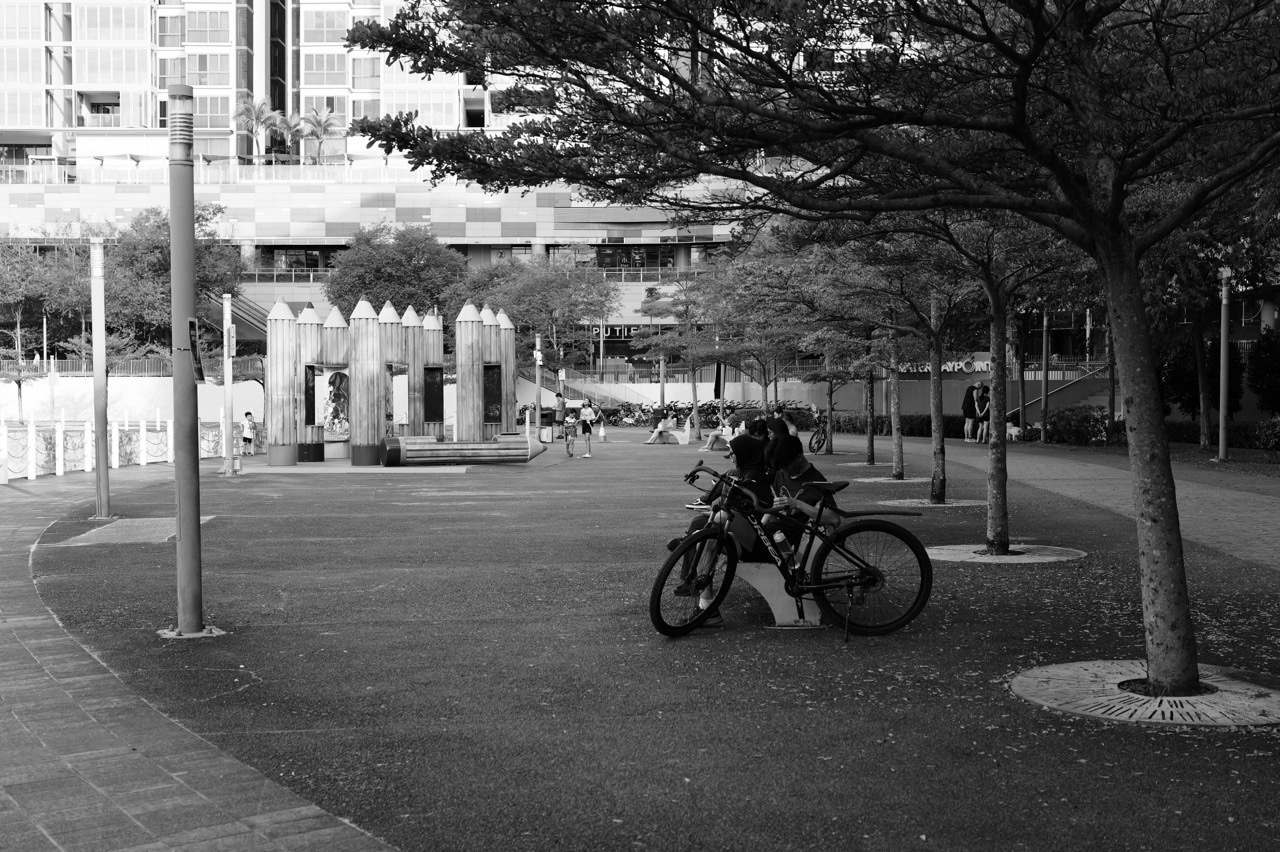
How do you organise a litter-picking walk near Punggol Waterway or Coney Island Park? Choose a lawful accessible location, understand who manages it, prepare the group and follow the Public Hygiene Council’s clean-up process. PHC officially lists a CleanPod at Coney Island Park near the West Promenade entrance, where registered organisers can request tools. An organised clean-up is not permission to enter protected vegetation, handle dangerous waste or work after Coney Island’s 7pm closing time. The simplest good outcome is a small safe group that removes ordinary litter, leaves wildlife alone and makes the park pleasant for everyone.
This Punggol Clean-Up Walks 2026 guide explains how to use NEA’s clean-up ePortal and PHC CleanPods, what the current official registration windows say, how to prepare family participants, where the Coney Island CleanPod is listed, which waste should never be handled, rubbish disposal, hygiene, heat, haze, wildlife protection and how to build a sustainable neighbourhood volunteering habit. Unlike the existing Punggol Public-Space Etiquette guide, this article is a complete event-planning and safety resource. Start with Life in Punggol 2026 for the wider lifestyle hub.
Quick information: organising a Punggol clean-up
| Question | Practical answer | Important distinction |
|---|---|---|
| Is there a CleanPod in Punggol? | PHC lists Coney Island Park near the West Promenade entrance. | It is for arranged borrowing, not guaranteed walk-in access. |
| Must I register? | Some NEA/PHC clean-up locations require ePortal registration. | Check the exact location and most recent requirements. |
| How early do I register? | PHC says 7–90 days for applicable locations; NEA ePortal says 21–90 days. | There is a published discrepancy; plan at least 21 days ahead and confirm. |
| How do I borrow tools? | Use the NEA reference and email PHC to arrange access. | PHC pages give slightly different notice wording; allow 10 working days. |
| Does it cost money to register? | NEA ePortal says no service fee. | Travel, gloves, bags and other supplies may still cost money. |
| Are tools free? | CleanPods lend tongs, litter pickers, buckets or carts. | Disposable gloves and rubbish bags are not generally supplied. |
| Will NEA staff supervise us? | The registered clean-up is self-facilitated. | Provide your own competent adult organiser and safety briefing. |
| Can children participate? | Family volunteering can be suitable with age-appropriate supervision. | Do not ask children to handle sharps or unknown waste. |
| Does NEA issue participation certificates? | NEA says it does not issue or endorse attendance letters. | Do not promise CCA credit or official awards. |
| Can we collect rubbish within Coney Island forest? | Only where authorised on designated paths and safe areas. | Conservation rules prohibit entering vegetation to chase litter. |
1. The first choice is a place, not a pile of rubbish
Punggol residents have several kinds of public space: HDB courtyards, shared corridors, park connectors, Waterway Park and the more rustic Coney Island Park. They have different management responsibilities and rules. For a first group clean-up, choose a short manageable area where participants can stay together, reach toilets or transport and dispose of ordinary litter through approved arrangements. Do not try to cover an entire park connector simply because a map displays a long route.
Punggol Waterway Park is described by NParks as open around the clock, with different park zones and well-used shared routes. That does not mean every type of organised event can be arranged freely there. An organised clean-up may still require notification, registration or venue-owner permission according to location and group size. Confirm with the relevant authority before recruiting a large group. A family’s ordinary habit of binning its own litter is different from organising a public volunteer event with tools and participants.
Coney Island Park is more sensitive. NParks gives it 7am–7pm opening hours and requires visitors to remain on designated trails. Its West gate is near Punggol Point; the East gate is near Lorong Halus Wetland. The PHC CleanPod listing near the West Promenade entrance is useful, but no one should enter closed areas or protected vegetation to retrieve a stray piece of rubbish. Protecting habitat is as important as cleaning.
Before choosing a public trail, ask: Who is responsible for approving the activity? Is this an authorised registered event or a small private group acting within normal park rules? Where will collected rubbish go? Can the group be supervised without blocking cyclists or families? The answers determine whether the idea is practical. A simple plan that respects the public is better than an ambitious event that inconveniences other users.
2. The verified CleanPod: Coney Island West Promenade
PHC’s CleanPod directory, last updated on 28 September 2026, explicitly lists Coney Island Park (near West Promenade entrance) among its locations in parks and beaches. It also maintains an interactive location map, which should be checked in case units move or their access instructions change. The CleanPod is a tool-sharing resource, not a staffed recycling centre or a guarantee that a volunteer can open it without prior permission.
PHC describes equipment that can be borrowed, including litter-picking tongs, litter pickers, buckets and garden carts. This helps community groups reduce the need to buy tools for a one-day activity. But those supplies still require responsible use and return. An organiser should not assume that every item will be available in sufficient quantity for a large school cohort, nor that disposable gloves and bags will be provided.
If your event begins near the East entrance, do not assume the West CleanPod is a few steps away. These are separate ends of the island, and the route to the unit may be inconvenient or physically unsuitable for some participants. Choose your start and finish around actual accessibility, transport and tool arrangements. For first-time organisers, a shorter approved zone around a known entrance can be easier to supervise than a long cross-island walk.
The CleanPod map is a list of tool locations, not a live calendar or booking confirmation. Request access through the proper channel, identify the group contact person and retain the reference given by the relevant process. Plan how to return the tools clean, complete and on time. If access cannot be confirmed, postpone or use approved personal tools rather than attempting to open a locked facility.
3. Registering through NEA: what the two current official pages actually say
The important 2026 complication is that the official published registration windows do not agree. The PHC Clean-up at Beaches and Parks page, updated 16 October 2026, describes registration for applicable locations between 7 and 90 days beforehand. NEA’s own ePortal service description says 21 to 90 days beforehand. Both are official pages. Rather than selecting whichever supports a last-minute plan, schedule a registered event at least 21 days ahead where feasible and follow the live form or PHC’s instructions for the particular location.
PHC also says only certain listed locations require the relevant ePortal registration. This is not a blanket claim that Coney Island clean-ups can simply be registered using any dropdown or must always use the same park/beach workflow. Confirm the current approval route for Coney Island, including any NParks requirements. The purpose of mentioning the discrepancy is to prevent someone relying on an inaccurate universal deadline.
The general ePortal process asks for event date, time, location, organiser-in-charge and contact information. After registering where applicable, keep the reference number; it may be needed for tool borrowing. NEA says there is no service fee. Registration, however, does not mean NEA staff will attend or facilitate the work, and it is not permission to use closed areas or disregard another land manager’s conditions.
If you hope to join a public clean-up less than a week away, first look for an actual organised event with open volunteer registration. Do not rush into creating a new ePortal event that cannot meet the required lead time. You can also practise everyday responsible habits—using bins, reducing packaging and not leaving waste behind—without needing to stage a formal public activity.
4. CleanPod borrowing notice: prepare early and obtain confirmation
PHC’s initiative page says to contact the council about a week before the registered clean-up and supplies the contact ask@publichygienecouncil.sg. NEA’s ePortal description uses wording of 7–10 working days before the event for access requests. These are related but not identical administrative instructions. A cautious organiser should contact PHC around ten working days in advance, provide the booking reference when required and follow the latest direct reply.
Do not treat an email sent at midnight as an instant permission to open a CleanPod the next morning. Tool availability, access codes, arrangements and responsible personnel need confirmation. An organiser should know how many pickers are available, which cart or bucket may be used, and what time all items must be returned. If the group is large, ask whether additional tools are needed or whether the group should be smaller.
PHC says disposable supplies such as gloves and rubbish bags are generally not included in CleanPods. It encourages suitable reused plastic bags where appropriate rather than creating unnecessary new waste. A volunteer plan should include enough bags, hygiene materials and adult supervision, but should not turn the clean-up itself into another major source of disposable litter.
The practical written confirmation is more important than a memorable hashtag. Before announcing the event, make sure the organiser knows who owns the site, how entry and tools are arranged, where the group may clean, where the rubbish should be placed, and who will respond if the weather changes. That is how a voluntary environmental event becomes credible and safe.
5. What to collect and what to leave untouched
| Item discovered | Suggested safe response | Why |
|---|---|---|
| Ordinary dry wrappers on a permitted path | Use a suitable picker and approved bag under group rules. | Common litter suitable for a basic clean-up. |
| Clean paper and cardboard | Collect only if authorised and safe; separate if required. | Reuse/recycling depends on cleanliness and destination. |
| Food-stained takeaway waste | Treat as rubbish; bag and dispose appropriately. | Contamination can ruin recycling streams. |
| Broken glass or sharp metal | Do not let children handle; follow organiser’s hazard protocol. | Cuts and punctures can occur. |
| Needles, syringes or unknown medical waste | Do not touch; move group away and report to responsible authority. | Potential serious exposure hazard. |
| Unknown chemicals, leaking batteries or suspicious containers | Do not open or move; notify responsible personnel. | Toxic, fire and environmental risks. |
| Rubbish inside protected vegetation or water | Do not enter or climb down; report if necessary. | Conservation and fall/water hazards. |
| Animal remains or biological matter | Leave to appropriate trained personnel. | Disease and exposure considerations. |
| Personal belongings that might not be litter | Do not take or publish private information; follow lost-property procedures. | Protects property and privacy. |
A litter picker is not a substitute for hazard training. If an object is dangerous, the correct action is often to leave it where it is, prevent people from approaching and notify the relevant park or estate operator. Do not instruct volunteers to pick up sharps, unknown powders or medical waste to prove commitment. Parents should specifically teach children that “helping” includes knowing when not to touch something.
Rubbish may lie behind a railing, on an unstable bank or among nesting vegetation. It can be frustrating to leave it, but stepping into a dangerous or protected area is not an improvement. Take a general-location note and report the matter through the responsible authority’s official channel. A voluntary clean-up should not create a medical emergency or damage wildlife habitat.
Ordinary collected waste also needs proper disposal. Ask the venue operator where to place bags; do not leave large piles beside small park bins that will overflow or interfere with cleaners. Do not assume every item collected should go in a blue recycling bin—wet and contaminated material may be unsuitable, and special waste belongs in different streams.
6. The public-space rule: a clean-up must not block the public
Punggol’s park connectors are heavily used by cyclists, runners, wheelchair users, residents walking dogs and families with strollers. A group standing across a path with rubbish bags and long litter pickers could create a collision hazard. Choose a lawful assembly point away from traffic, keep equipment controlled and let other people pass safely. If the group must cross a path, follow crossings and staff supervision rather than treating the event as having right of way.
Large signs, sound systems, tents or registration tables may require permissions beyond a simple clean-up. Do not add them without checking. A small group briefing can often be done without obstructing a public facility. Photography should not include identifiable children or other volunteers without appropriate permission, and the event should not display private contact details publicly.
Participants may be enthusiastic and want to photograph every bag of waste. That is optional. The meaningful result is properly collected and disposed of rubbish and the volunteers’ understanding of why litter harms shared spaces. A photo is not evidence of official recognition or proof that a park is now permanently clean.
7. First aid, hygiene and basic physical wellbeing
The organiser should review the PHC safety guide with participants, identify the responsible adults and know how to reach emergency services when needed. Volunteers should avoid touching their face while collecting litter, wash or sanitise hands afterwards and clean borrowed tools as instructed. A person who is unwell should stay home. Children need age-appropriate tasks, and someone with allergies or mobility restrictions may need adapted participation.
A clean-up involves bending, walking and carrying equipment. Do not assign heavy or awkward loads to children or ask older people to repeatedly climb steep banks. Participants should wear suitable covered shoes, use tools rather than bare hands and take water and breaks. A short gentle event may still contribute movement and social time, but it is not a replacement for medical care or a targeted fitness programme.
If someone gets a concerning cut, puncture or exposure to hazardous waste, stop the activity and seek appropriate medical guidance immediately rather than attempting to continue. Treat risk prevention as part of volunteering, not as a reason to discourage community participation. A competent organiser makes safety easy to understand before the first item is picked up.
8. Coney Island conservation: clean-up and habitat protection belong together
NParks describes Coney Island as a protected park with coastal forest, grassland, mangroves and beach habitats. It gives clear visitor instructions to stay on designated trails and respect wildlife. This is particularly important when volunteer work creates the feeling that the group is authorised to reach any litter anywhere. Environmental responsibility does not mean walking through rare plants or disturbing bird nests to retrieve a plastic wrapper.
The park opens 7am–7pm. A clean-up near sunset must leave enough time to return borrowed tools and exit legally. Families should not plan to use the park after hours for lantern-lit litter picking or night photography. If the group cannot finish everything within safe time, it should stop and arrange another authorised session. No volume target is worth overstaying the park gates.
The PHC CleanPod near West Promenade is a useful local anchor, but it is not proof the entire island is safe for volunteers to traverse in one morning. Consider the exact abilities of participants, available toilets and rest options, wet trail surfaces and current notices. A contained clean-up near a permitted access point can be more responsible than a long trek through rugged sections.
9. Haze, rain and high heat: when to postpone a clean-up
PHC’s 16 October 2026 initiative update specifically recommends checking the 24-hour PSI during haze, reducing prolonged or strenuous outdoor activity, taking appropriate breaks and postponing or stopping if conditions worsen. Vulnerable groups, including older adults, pregnant people and those with relevant heart or lung conditions, require additional consideration. Use Singapore’s official haze advisories and appropriate health guidance, not simply whether the waterfront looks clear.
PHC also recommends cancelling clean-ups during wet weather for participant safety. Slippery paths, poor visibility, lightning and water hazards make outdoor litter work riskier. The MSS lightning service provides important storm information, while MSS WBGT guidance is relevant to prolonged outdoor exertion. Haze, heat and lightning are separate risks; none should be inferred only from the others.
A postponement can disappoint volunteers, but it protects them and avoids creating more work for emergency responders or park staff. Communicate changes through a contact method that does not expose participants’ personal data. If another suitable date cannot be found, leave the tools unused and complete any appropriate cancellation process. A safe event that does not proceed is still a sound management decision.
10. SG Clean Day: what the official 2026 calendar does and does not mean
PHC’s SG Clean Day page lists bimonthly dates in 2026, including Sunday 25 October and Sunday 27 December. SG Clean Day illustrates the community’s reliance on cleaners by pausing sweeping in selected areas and encouraging litter awareness. But the calendar does not automatically create an open public volunteer event in every Punggol park, nor does it waive ePortal or land-manager requirements.
If you want to volunteer on 25 October, check for an existing approved local activity that accepts volunteers. October 18 is only one week beforehand, and published registration lead times may make a freshly organised registered event impractical. Do not represent SG Clean Day as a guaranteed walk-in CleanPod booking. A reader’s simplest contribution can be litter prevention, responsible disposal and participation in an established initiative.
The difference between observing a campaign and organising a formal event is essential. A person can share the environmental message with family without claiming authority to close a public area, distribute gloves or collect hazardous waste. If the goal is a specific Punggol volunteer outing, confirm the actual organiser, date, meeting point and supervision first.
11. A practical six-stage clean-up plan
| Stage | Lead person’s task | Question that must be answered |
|---|---|---|
| 1 — Choose | Select a legal small area and realistic participant group. | Who manages the location? |
| 2 — Confirm | Check whether ePortal or park permission is required. | Do current registration conditions allow the date? |
| 3 — Equip | Arrange CleanPod access or approved personal tools. | Do we have enough tools, bags and hygiene supplies? |
| 4 — Brief | Explain hazards, pathways, wildlife, weather and return. | Can every participant state what not to touch? |
| 5 — Act | Collect ordinary safe litter and monitor participants. | Are we keeping paths clear and staying within limits? |
| 6 — Close | Dispose of collected waste properly and return tools. | Is the area safe, with no equipment left behind? |
A group can keep a simple checklist of these stages. The first success is not the weight of litter removed. It is a clean, lawful and well-managed experience in which everyone is able to participate safely and leaves the site in good condition. If the group learns that a different location would be more suitable, it is fine to change plans before registering.
Schools and corporate organisations may require their own safeguarding, risk assessment and approval processes. A general NEA registration is not a substitute for an employer’s or school’s internal obligations. A teacher organising primary-school volunteers should use age-appropriate roles and supervision rather than applying an adult volunteer template unchanged.
12. Worked family example: eight people want to clean near Coney Island
A Punggol family suggests a clean-up with four adults and four school-age children. They discover the PHC listing for a CleanPod near West Promenade and want to borrow enough pickers. Instead of assuming they can open it tomorrow, they check the applicable location approval, choose an eligible date with adequate notice, and arrange tools through the responsible channel. They confirm how many tools can actually be borrowed and what bags or gloves they must bring.
They choose a short safe part of a permitted route with a simple exit plan. Children are given supervised ordinary-litter spotting tasks and told not to touch needles, glass or suspicious materials. One adult watches where cyclists and other pedestrians may approach; another checks water and fatigue. Any dangerous item is reported instead of handled. The family leaves before Coney Island’s 7pm closing time and returns the tools properly.
The outing may not result in an impressive pile of rubbish. That is not failure. They have taught children how official systems work, how to share space and how conservation and hygiene fit together. Those lessons can be revisited in regular everyday habits such as picking up after one’s own picnic.
13. Worked school example: a class wants community-service records
A secondary-school teacher considers a litter-picking event in Punggol. The students are enthusiastic, but the school needs a legitimate organiser, transport, safety and safeguarding plan, and a realistic event route. The teacher checks ePortal requirements and PHC tools, then asks the school how participation may be recorded under its own CCA or Values in Action frameworks. NEA’s ePortal explicitly states that NEA and PHC do not issue or endorse certificates or letters of participation for clean-ups.
This prevents a common SEO misunderstanding: a blog should not promise official CCA points or guaranteed school-service hours for attending a clean-up. School recognition is the school’s decision under applicable policies. The eduKateSG CCA and LEAPS guide addresses the education-system side, while this page explains the volunteering action and practical safeguards.
The class can also discuss why litter should not be mixed automatically into recycling. Food-stained packaging and contaminated materials may belong in general waste. If they want a learning extension, students can reflect on how preventing litter at source reduces the need for later clean-up. That is a better scientific conclusion than simply celebrating the number of bags collected.
14. Worked neighbourhood example: a weekend walking club
A group of adults already meets for relaxed Waterway walks and wants to contribute to local cleanliness. They consider adding twenty minutes of supervised litter picking to one monthly gathering. The organiser first checks whether the chosen location and group arrangement need formal registration or approval, rather than assuming a social walking club can automatically run a public clean-up event. They adapt the route to people who may not want to bend or carry loads.
One participant prefers to help with coordination and note taking rather than picking up litter. Another helps identify where the group may dispose of bags. There is no need to make every volunteer perform the same physical task. A clean-up can be social and meaningful without creating a fitness competition. The Punggol Neighbourhood Walking Club guide discusses setting up the social routine separately.
If the weather is unsuitable, the group can choose an indoor discussion or postpone. It should not demand that members finish a cleanup quota through haze or lightning. The volunteering idea becomes sustainable when people feel respected and safe.
15. Measuring success without creating waste or competition
Some organisers count bags or weigh waste, but those numbers can be misleading. A single bulky dry object may weigh more than numerous small wrappers; a wet bag can contain extra water; and volunteers may cover different areas. Do not use kilograms collected to rank children or pressure a group into unsafe locations. Record only the information that is genuinely useful and permitted, while protecting volunteers’ privacy.
A more thoughtful reflection asks which items were common, where waste accumulated and what behaviour might prevent it. If a particular food wrapper appears repeatedly near a picnic area, the group can discuss disposal and public awareness rather than blame an identifiable business or passer-by without evidence. Responsible volunteering supports the neighbourhood rather than creating public accusations.
Reduce the event’s own waste: reuse suitable bags where safe, avoid unnecessary single-use souvenirs, and return borrowed tools. Keep participant refreshments appropriate and carry away packaging. The idea is not to generate more litter while removing existing litter. That principle connects to Punggol Blue-Bin Recycling and local responsible consumption.
16. Complete organiser checklist
- Identify the correct site owner and permitted clean-up location.
- Check PHC/NEA registration and note the published 7–90 versus 21–90 day discrepancy.
- Plan a compliant date and obtain current approval when required.
- Know the exact meeting point, safe route and return time.
- Verify Coney Island’s 7am–7pm hours if using its West entrance.
- Obtain the NEA reference number where applicable.
- Request CleanPod access with sufficient lead time and written confirmation.
- Ask which tongs, carts and pickers can be borrowed and how they are returned.
- Arrange suitable bags, protective hygiene items and a disposal plan.
- Give every participant a clear safety and wildlife briefing.
- Teach children not to touch sharp, unknown or medical waste.
- Keep all park connector and public movement routes clear.
- Bring water and plan breaks and age-appropriate roles.
- Have the relevant emergency and site contact procedures available.
- Monitor haze, heat, rain and lightning; postpone if unsafe.
- Do not promise PHC/NEA participation certificates or school credits.
- Clean and return tools as required and remove all collected waste properly.
- Review what can be prevented rather than focusing only on bag counts.
17. Frequently asked questions about Punggol clean-up volunteering
Is there a CleanPod near Coney Island?
Yes. PHC lists one at Coney Island Park near the West Promenade entrance; access must be arranged.
Is there a CleanPod in every Punggol HDB precinct?
Do not assume so. Check the current PHC map for listed units and access terms.
Can my family borrow the tools without prior arrangement?
Access should be confirmed through the PHC process; the existence of a pod is not an open door.
How far in advance should we register?
PHC says 7–90 days for applicable locations, while NEA’s ePortal description says 21–90. Plan at least 21 days and verify.
How early should I request CleanPod access?
The official pages differ slightly; allowing about ten working days and obtaining direct confirmation is prudent.
Are CleanPods free?
PHC describes tool borrowing as free; other supplies and transport are the organiser’s responsibility.
Do they supply gloves and rubbish bags?
Not generally. NEA says disposable supplies are not provided through CleanPods.
Will NEA staff lead the clean-up?
No. The service describes the registered activity as self-facilitated.
Can a primary-school child join?
Potentially with suitable supervision and safe tasks, but school and organiser rules still matter.
Should we pick up broken glass or needles?
No. Avoid hazardous items and report them to appropriate personnel.
Can we enter Coney Island vegetation to collect rubbish?
No. Follow NParks’ designated-trail and conservation rules.
What if rubbish is down a steep reservoir bank?
Do not climb down or enter the water. Report the location for authorised handling.
What time does Coney Island close?
7pm, with opening at 7am.
Is every SG Clean Day an organised public volunteer event?
No. Check whether a genuine group at your chosen location is accepting volunteers.
Is SG Clean Day on 25 October 2026?
PHC lists 25 October in its 2026 calendar, but that does not waive event registration or create a guaranteed local session.
Will NEA give students a service certificate?
NEA states that NEA and PHC do not issue or endorse participation certificates for clean-ups.
Can collected litter go into a recycling bin?
Only clean suitable recyclables following local rules; contaminated or hazardous waste should not.
What if haze worsens while we are cleaning?
PHC advises adjusting, postponing or stopping according to haze conditions and health risks.
Can I organise a group on any part of Punggol Waterway?
Not automatically; check park/land-manager rules and whether approval is necessary.
Is an organised clean-up good exercise?
It can involve walking and social participation, but safe workload and conservation come first.
Where can I verify current CleanPod information?
The Public Hygiene Council’s official CleanPod directory and current clean-up initiative page.
Connected reading in eduKate’s Punggol and Singapore learning network
- Life in Punggol — Master Lifestyle Guide
- Punggol Community Lifestyle, Hobbies and Volunteering
- Start a Neighbourhood Walking Club
- Coney Island Map Reading and Park Rules
- Punggol Waterway Park and Four Zones
- Punggol Blue-Bin Recycling
- Punggol Waterway Science Trail
- Punggol Bicycle Maintenance and Commuting
- Punggol Warm-Ups and Cool-Downs
- Punggol Recycling at Home, Bloobox and Return Right
- eduKateSG — Green Learning and Sustainability Projects
- eduKateSG — Waterway and Student Life
Official sources and review date
- PHC — Coney Island West Promenade CleanPod and Tool Sharing (September 2026)
- PHC — Clean-up Registration and Safety (16 October 2026)
- NEA — Clean-up ePortal, Service Rules and Lead Time
- PHC — SG Clean Day Dates for 2026
- PHC — Community Clean-up Guidance
- NParks — Coney Island Park, 7am–7pm Hours and Habitat Protection
- NParks — Punggol Waterway Park
- Singapore — Official Haze Advisory
- MSS — Heat Stress
- MSS — Lightning
Reviewed 18 October 2026. This article distinguishes an official PHC CleanPod location from guaranteed tool access and notes the published registration-window discrepancy between PHC and NEA. Confirm the appropriate event-approval process and direct instructions for your chosen site. Volunteer safety, conservation and participant supervision override litter-volume targets. The examples are fictional.


