
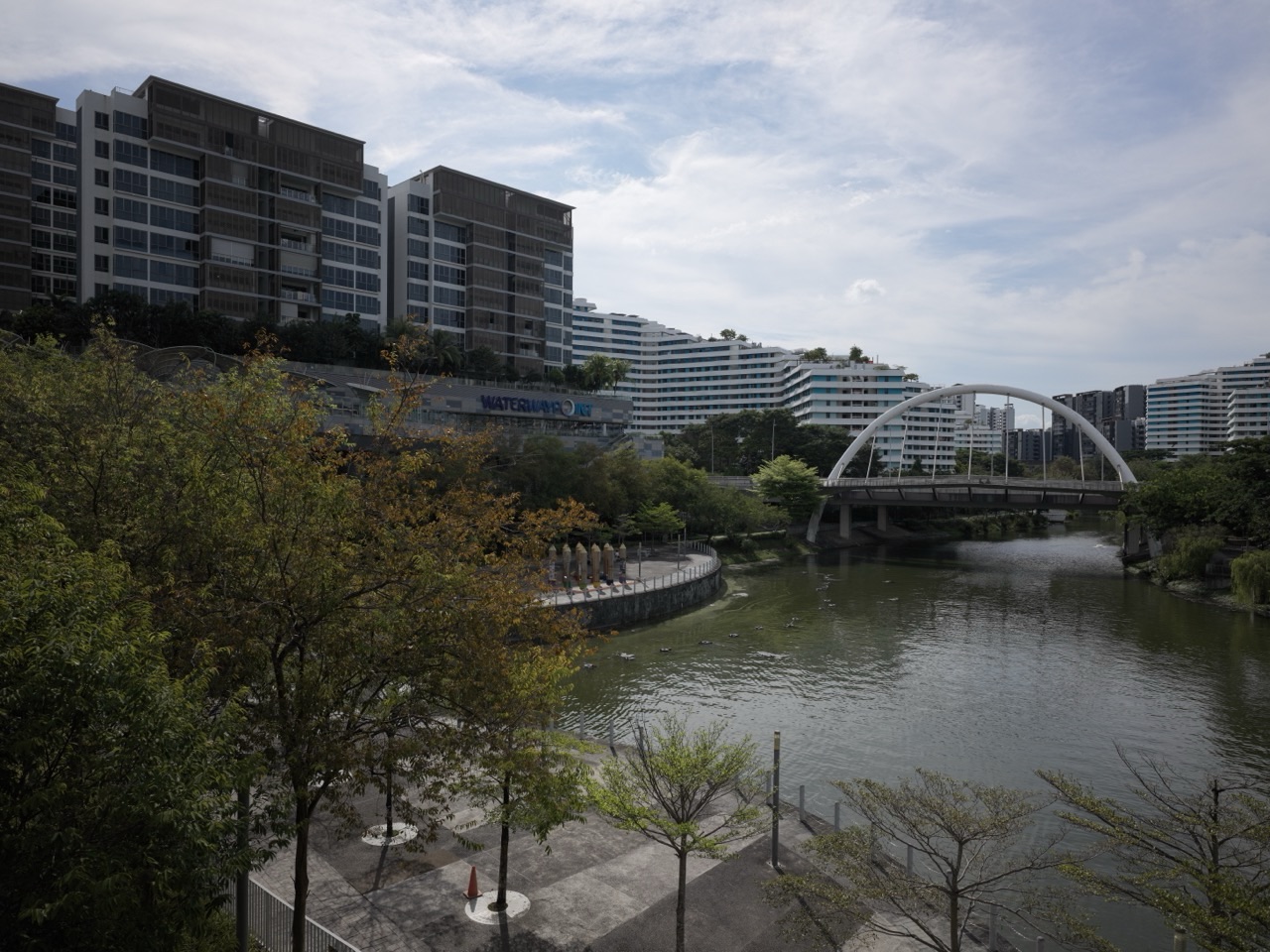
Pet life in Punggol works well when owners understand two separate systems: the everyday neighbourhood system—vet, walking route, grooming, food, licensing—and the emergency system for nights when the ordinary vet is closed. Punggol has current veterinary clinics in Oasis and Northshore, long Waterway walking routes, and a large HDB population where Singapore’s dog/cat ownership rules matter directly.
The biggest 2026 regulatory change is cats. The two-year transition period under Singapore’s Cat Management Framework ended on 31 August 2026. Pet cats must now be microchipped and licensed under AVS rules. Dogs are also licensed through AVS/PALS, and both cats and dogs must be kept safely under the current licensing conditions.
This guide does not rank veterinary clinics. It explains the current Punggol vet map, pet licensing, HDB/private-housing rules, Waterway walking etiquette and how to prepare for an emergency when the local clinic is closed.
Punggol vets at a glance
| Clinic | Current location | Current published hours |
|---|---|---|
| Spring Veterinary Care Punggol | 681 Punggol Drive #01-16A, Oasis Terraces | Mon–Sat 10.30am–2.30pm & 3.30pm–8.30pm; Sun 10.30am–5.30pm |
| Apex Veterinary Care Punggol | 418 Northshore Drive #02-13, Northshore Plaza II | Currently listed 10am–7pm daily |
The Singapore Veterinary Association’s current veterinary-centre list includes Apex’s Punggol location. Spring Veterinary Care publishes its Punggol address and hours directly. Clinic rosters and hours can change, so book/confirm before travelling.
Spring Veterinary Care Punggol — Oasis Terraces
Spring Veterinary Care Punggol is at 681 Punggol Drive #01-16A, Oasis Terraces, Singapore 820681. Its official site currently lists:
- Monday–Saturday: 10.30am–2.30pm, 3.30pm–8.30pm;
- Sunday: 10.30am–5.30pm;
- public holidays: closed.
The Oasis location is especially useful for east-side Punggol because the centre is next to Oasis LRT and combines groceries, food and other daily errands.
Apex Veterinary Care Punggol — Northshore Plaza II
Apex Veterinary Care Punggol is at 418 Northshore Drive #02-13, Northshore Plaza II, Singapore 820418. Current veterinary directories and booking information list it as open around 10am–7pm daily.
This gives Northshore / Punggol Coast residents a local veterinary route without travelling back to Oasis or another town.
Do not rely on old Punggol vet lists
One older veterinary-directory listing still associates Furiends Veterinary Clinic with Punggol Walk, but Furiends’ current official site now lists its clinic at 58 Yio Chu Kang Road. That is a useful warning: pet-service directories can lag behind relocations.
Always check the clinic’s own current site when the address matters.
There is no verified 24-hour veterinary clinic in Punggol in this guide
The two clear local Punggol clinics above are not round-the-clock clinics. Pet owners should establish an emergency-vet plan before the emergency occurs.
- Ask your regular vet which 24-hour/emergency centre it refers to.
- Save the emergency centre’s number and address.
- Know how you will transport the animal at 2am.
- Keep the pet carrier accessible.
- Bring medication/history information where possible.
For severe bleeding, breathing difficulty, collapse, major trauma, toxin ingestion or another potentially life-threatening veterinary emergency, call the veterinary emergency provider while travelling rather than waiting for the neighbourhood clinic to open.
Cat licensing: transition period has ended
AVS’ Cat Management Framework made pet-cat microchipping and licensing mandatory. The transition period ended on 31 August 2026.
Current AVS rules require:
- pet cats to be microchipped;
- pet cats to be licensed through PALS;
- first-time licence applicants to complete the free online pet-ownership course;
- owners to keep cats safely confined and prevent falls from height;
- cats to be under physical control in public spaces.
Cats in HDB flats
Under the Cat Management Framework, HDB flats may generally keep up to two cats and one dog of an approved breed. Existing cats above the ordinary HDB limit that were properly licensed during the transition can fall under the transition arrangements.
AVS also started a two-year recognised cat-fosterer pilot in August 2026 that allows approved fosterers to keep more cats under specific conditions.
Do not assume “cats are legal in HDB now” means unlimited cats or free roaming.
Dog licensing
Dogs must also be licensed through AVS/PALS. From 1 September 2026, AVS introduced updated cat/dog licence fees, including one-time licences for sterilised animals under current conditions.
Some specified dog breeds are subject to additional leash, muzzle, sterilisation, insurance and other conditions.
Public-space rule: dogs leashed, cats physically controlled
AVS’ current licence conditions state that dogs must be leashed and properly supervised in public, while cats must be kept under physical control.
This is the baseline even on a quiet Punggol park connector.
Punggol Waterway Park is pet-friendly
NParks currently lists Punggol Waterway Park under “Fun with your dog”. The park is open 24 hours and connects into the wider North Eastern Riverine Loop.
That makes it one of Punggol’s strongest everyday dog-walking environments:
- long continuous walking routes;
- multiple bridges and neighbourhood entry points;
- early-morning / evening use;
- Waterway scenery;
- connection to park connectors.
Keep dogs leashed, give cyclists space and bring bags to clean up after the animal.
Do not confuse Punggol Park with Punggol town
NParks lists a Punggol Park as a dog-friendly park, but the park is in the Hougang area rather than Punggol New Town. Punggol residents should not assume a search result with “Punggol Park” is beside Punggol MRT.
For the actual town, Punggol Waterway Park and the park-connector network are the most obvious daily pet routes.
Coney Island and wildlife
Punggol’s nature edges contain wildlife. Pet owners should not allow dogs or cats to chase wildlife or approach wild animals.
Follow current NParks rules for the specific park, especially Coney Island and sensitive nature areas. A pet-friendly town does not mean every nature area is an off-leash space.
Lift and common-corridor etiquette
- shorten the leash in lifts;
- do not let dogs rush out before doors fully open;
- give nervous residents/animals space;
- clean accidents immediately;
- do not leave food bowls or litter in common corridors;
- keep cats safely inside the home rather than free-roaming corridors.
High-rise safety for cats
AVS specifically requires cat/dog owners to keep animals in a safe environment and minimise fall risk. In a Punggol HDB or high-rise condo, that means thinking carefully about:
- windows;
- balconies;
- service yards;
- gates;
- mesh / screens;
- open corridors during moving/renovation.
Moving to Punggol with a pet
- Update the pet’s licence address in PALS where required.
- Check HDB / condo pet rules.
- Choose a local vet.
- Save emergency vet details.
- Identify the daily walk.
- Mesh windows / secure balcony for cats.
- Locate pet-food / grooming routes.
- Let the animal settle before adding too many new environments.
Choosing a vet
The “best-reviewed” clinic is not automatically the right clinic for every animal. Compare:
- species treated;
- vet’s relevant experience;
- diagnostic equipment;
- surgery/hospitalisation capability;
- appointment availability;
- after-hours referral plan;
- communication;
- continuity for chronic illness;
- distance from home.
Puppy / kitten first month
- microchip/licence;
- vet health check;
- vaccination plan;
- parasite prevention;
- sterilisation discussion at appropriate age;
- safe socialisation;
- pet-proof home;
- basic training;
- emergency contact.
Vaccination and treatment decisions should be made with the veterinarian for the individual animal rather than copied from a generic online schedule.
Senior pets
Older animals may need more frequent review, dental care, bloodwork, pain/mobility management and medication. Proximity becomes more valuable when carrying a weak animal or making repeated visits.
Pet-friendly housing is not only about legal permission
A pet household should inspect:
- lift distance;
- route to grass/park connector;
- afternoon heat;
- balcony/window safety;
- neighbour sensitivity;
- nearby vet;
- grooming / pet supplies;
- car/taxi access for emergencies.
A beautiful high-floor unit can still be a poor pet fit if every toilet walk requires a long enclosed journey.
Current sources
- AVS — Cat and Dog Licensing
- NParks — Punggol Waterway Park
- Spring Veterinary Care Punggol
- Singapore Veterinary Association — Veterinary Centres
Last checked: 26 September 2026. Veterinary hours and provider locations change; verify directly. This page is pet-care navigation, not veterinary diagnosis.
Continue the Punggol living route
Punggol is a good pet town when owners use the infrastructure responsibly. Keep licences current, keep animals safe in high-rise homes, use the Waterway on leash, choose a regular vet and know the emergency route before the emergency starts.
A practical pet-life operating system for Punggol households
Keep a primary vet before you need one
Choose an ordinary veterinary clinic while the pet is well. Keep its number, opening hours and transport route available. Continuity helps because vaccination, medication, weight trends and previous conditions are easier to interpret when records are organised.
Build a separate emergency route
Know what you will do outside the regular clinic’s hours. A late-night emergency is the wrong time to discover that the usual vet is closed. Keep the current emergency provider details and a transport plan, while recognising that service availability can change.
Licensing and microchipping are administrative care
Keep licence, microchip and owner-contact records current. These systems help identify animals and support responsible ownership. When regulations change, use AVS as the source of truth rather than relying on an old neighbourhood post.
High-rise homes need escape prevention
Windows, gates, balconies and service yards should be assessed from the animal’s behaviour, not from an assumption that it ‘would never jump’. Cats and small dogs can move through spaces owners underestimate. Secure the home before an incident.
Waterway walks need heat and etiquette planning
Singapore heat, pavement temperature, rain and crowding affect a walk. Carry water where appropriate, avoid forcing strenuous exercise in unsafe heat, use a suitable lead and manage the animal around cyclists, runners, children and other pets.
Create a portable pet record
Keep vaccination history, medication, allergies, microchip details and key clinical records accessible. This is useful if another clinic must see the animal or the household travels.
Separate routine questions from emergencies
A local guide cannot diagnose an animal. Sudden breathing difficulty, collapse, major trauma, uncontrolled bleeding or other severe signs require urgent professional assessment. For uncertain symptoms, contact a veterinary professional rather than using a neighbourhood article as a triage substitute.
Estate routing: Return to the eduKatePunggol Atlas for the full learning, family and town knowledge graph, or continue through the community and health routes above.
Pets and Veterinary Services in Punggol: Current-Provider and Animal-Welfare System
This Future Build section deepens the canonical owner. veterinary providers and relevant authorities own current clinical services, licensing, animal-health guidance and park/pet rules.
Current owner
Treat current owner as a factual or access variable. Separate stable geography and identity from changing schedules, provider services, official project status, park conditions and event dates. Use the source that owns the fact.
Keep the local guide practical and bounded. For worship, describe access respectfully without speaking for a faith community. For pets, route clinical questions to qualified veterinarians. For emergency infrastructure, state only officially confirmed status and procedures. For running, make route conditions and weather part of the plan.
When a condition changes, refresh the page rather than stretching an old claim. The reader should be able to tell what is current, what is historical, what is future, and what needs direct verification before a visit or decision.
Date stamp
Treat date stamp as a factual or access variable. Separate stable geography and identity from changing schedules, provider services, official project status, park conditions and event dates. Use the source that owns the fact.
Keep the local guide practical and bounded. For worship, describe access respectfully without speaking for a faith community. For pets, route clinical questions to qualified veterinarians. For emergency infrastructure, state only officially confirmed status and procedures. For running, make route conditions and weather part of the plan.
When a condition changes, refresh the page rather than stretching an old claim. The reader should be able to tell what is current, what is historical, what is future, and what needs direct verification before a visit or decision.
Accurate identity
Treat accurate identity as a factual or access variable. Separate stable geography and identity from changing schedules, provider services, official project status, park conditions and event dates. Use the source that owns the fact.
Keep the local guide practical and bounded. For worship, describe access respectfully without speaking for a faith community. For pets, route clinical questions to qualified veterinarians. For emergency infrastructure, state only officially confirmed status and procedures. For running, make route conditions and weather part of the plan.
When a condition changes, refresh the page rather than stretching an old claim. The reader should be able to tell what is current, what is historical, what is future, and what needs direct verification before a visit or decision.
Visitor guidance
Treat visitor guidance as a factual or access variable. Separate stable geography and identity from changing schedules, provider services, official project status, park conditions and event dates. Use the source that owns the fact.
Keep the local guide practical and bounded. For worship, describe access respectfully without speaking for a faith community. For pets, route clinical questions to qualified veterinarians. For emergency infrastructure, state only officially confirmed status and procedures. For running, make route conditions and weather part of the plan.
When a condition changes, refresh the page rather than stretching an old claim. The reader should be able to tell what is current, what is historical, what is future, and what needs direct verification before a visit or decision.
Service times
Treat service times as a factual or access variable. Separate stable geography and identity from changing schedules, provider services, official project status, park conditions and event dates. Use the source that owns the fact.
Keep the local guide practical and bounded. For worship, describe access respectfully without speaking for a faith community. For pets, route clinical questions to qualified veterinarians. For emergency infrastructure, state only officially confirmed status and procedures. For running, make route conditions and weather part of the plan.
When a condition changes, refresh the page rather than stretching an old claim. The reader should be able to tell what is current, what is historical, what is future, and what needs direct verification before a visit or decision.
Event dates
Treat event dates as a factual or access variable. Separate stable geography and identity from changing schedules, provider services, official project status, park conditions and event dates. Use the source that owns the fact.
Keep the local guide practical and bounded. For worship, describe access respectfully without speaking for a faith community. For pets, route clinical questions to qualified veterinarians. For emergency infrastructure, state only officially confirmed status and procedures. For running, make route conditions and weather part of the plan.
When a condition changes, refresh the page rather than stretching an old claim. The reader should be able to tell what is current, what is historical, what is future, and what needs direct verification before a visit or decision.
Dress and etiquette questions
Treat dress and etiquette questions as a factual or access variable. Separate stable geography and identity from changing schedules, provider services, official project status, park conditions and event dates. Use the source that owns the fact.
Keep the local guide practical and bounded. For worship, describe access respectfully without speaking for a faith community. For pets, route clinical questions to qualified veterinarians. For emergency infrastructure, state only officially confirmed status and procedures. For running, make route conditions and weather part of the plan.
When a condition changes, refresh the page rather than stretching an old claim. The reader should be able to tell what is current, what is historical, what is future, and what needs direct verification before a visit or decision.
Public access
Treat public access as a factual or access variable. Separate stable geography and identity from changing schedules, provider services, official project status, park conditions and event dates. Use the source that owns the fact.
Keep the local guide practical and bounded. For worship, describe access respectfully without speaking for a faith community. For pets, route clinical questions to qualified veterinarians. For emergency infrastructure, state only officially confirmed status and procedures. For running, make route conditions and weather part of the plan.
When a condition changes, refresh the page rather than stretching an old claim. The reader should be able to tell what is current, what is historical, what is future, and what needs direct verification before a visit or decision.
Children
Treat children as a factual or access variable. Separate stable geography and identity from changing schedules, provider services, official project status, park conditions and event dates. Use the source that owns the fact.
Keep the local guide practical and bounded. For worship, describe access respectfully without speaking for a faith community. For pets, route clinical questions to qualified veterinarians. For emergency infrastructure, state only officially confirmed status and procedures. For running, make route conditions and weather part of the plan.
When a condition changes, refresh the page rather than stretching an old claim. The reader should be able to tell what is current, what is historical, what is future, and what needs direct verification before a visit or decision.
Teenagers
Treat teenagers as a factual or access variable. Separate stable geography and identity from changing schedules, provider services, official project status, park conditions and event dates. Use the source that owns the fact.
Keep the local guide practical and bounded. For worship, describe access respectfully without speaking for a faith community. For pets, route clinical questions to qualified veterinarians. For emergency infrastructure, state only officially confirmed status and procedures. For running, make route conditions and weather part of the plan.
When a condition changes, refresh the page rather than stretching an old claim. The reader should be able to tell what is current, what is historical, what is future, and what needs direct verification before a visit or decision.
Older family members
Treat older family members as a factual or access variable. Separate stable geography and identity from changing schedules, provider services, official project status, park conditions and event dates. Use the source that owns the fact.
Keep the local guide practical and bounded. For worship, describe access respectfully without speaking for a faith community. For pets, route clinical questions to qualified veterinarians. For emergency infrastructure, state only officially confirmed status and procedures. For running, make route conditions and weather part of the plan.
When a condition changes, refresh the page rather than stretching an old claim. The reader should be able to tell what is current, what is historical, what is future, and what needs direct verification before a visit or decision.
Mobility
Treat mobility as a factual or access variable. Separate stable geography and identity from changing schedules, provider services, official project status, park conditions and event dates. Use the source that owns the fact.
Keep the local guide practical and bounded. For worship, describe access respectfully without speaking for a faith community. For pets, route clinical questions to qualified veterinarians. For emergency infrastructure, state only officially confirmed status and procedures. For running, make route conditions and weather part of the plan.
When a condition changes, refresh the page rather than stretching an old claim. The reader should be able to tell what is current, what is historical, what is future, and what needs direct verification before a visit or decision.
MRT
Treat mrt as a factual or access variable. Separate stable geography and identity from changing schedules, provider services, official project status, park conditions and event dates. Use the source that owns the fact.
Keep the local guide practical and bounded. For worship, describe access respectfully without speaking for a faith community. For pets, route clinical questions to qualified veterinarians. For emergency infrastructure, state only officially confirmed status and procedures. For running, make route conditions and weather part of the plan.
When a condition changes, refresh the page rather than stretching an old claim. The reader should be able to tell what is current, what is historical, what is future, and what needs direct verification before a visit or decision.
LRT
Treat lrt as a factual or access variable. Separate stable geography and identity from changing schedules, provider services, official project status, park conditions and event dates. Use the source that owns the fact.
Keep the local guide practical and bounded. For worship, describe access respectfully without speaking for a faith community. For pets, route clinical questions to qualified veterinarians. For emergency infrastructure, state only officially confirmed status and procedures. For running, make route conditions and weather part of the plan.
When a condition changes, refresh the page rather than stretching an old claim. The reader should be able to tell what is current, what is historical, what is future, and what needs direct verification before a visit or decision.
Bus
Treat bus as a factual or access variable. Separate stable geography and identity from changing schedules, provider services, official project status, park conditions and event dates. Use the source that owns the fact.
Keep the local guide practical and bounded. For worship, describe access respectfully without speaking for a faith community. For pets, route clinical questions to qualified veterinarians. For emergency infrastructure, state only officially confirmed status and procedures. For running, make route conditions and weather part of the plan.
When a condition changes, refresh the page rather than stretching an old claim. The reader should be able to tell what is current, what is historical, what is future, and what needs direct verification before a visit or decision.
Walking
Treat walking as a factual or access variable. Separate stable geography and identity from changing schedules, provider services, official project status, park conditions and event dates. Use the source that owns the fact.
Keep the local guide practical and bounded. For worship, describe access respectfully without speaking for a faith community. For pets, route clinical questions to qualified veterinarians. For emergency infrastructure, state only officially confirmed status and procedures. For running, make route conditions and weather part of the plan.
When a condition changes, refresh the page rather than stretching an old claim. The reader should be able to tell what is current, what is historical, what is future, and what needs direct verification before a visit or decision.
Driving
Treat driving as a factual or access variable. Separate stable geography and identity from changing schedules, provider services, official project status, park conditions and event dates. Use the source that owns the fact.
Keep the local guide practical and bounded. For worship, describe access respectfully without speaking for a faith community. For pets, route clinical questions to qualified veterinarians. For emergency infrastructure, state only officially confirmed status and procedures. For running, make route conditions and weather part of the plan.
When a condition changes, refresh the page rather than stretching an old claim. The reader should be able to tell what is current, what is historical, what is future, and what needs direct verification before a visit or decision.
Rain
Treat rain as a factual or access variable. Separate stable geography and identity from changing schedules, provider services, official project status, park conditions and event dates. Use the source that owns the fact.
Keep the local guide practical and bounded. For worship, describe access respectfully without speaking for a faith community. For pets, route clinical questions to qualified veterinarians. For emergency infrastructure, state only officially confirmed status and procedures. For running, make route conditions and weather part of the plan.
When a condition changes, refresh the page rather than stretching an old claim. The reader should be able to tell what is current, what is historical, what is future, and what needs direct verification before a visit or decision.
Major religious dates
Treat major religious dates as a factual or access variable. Separate stable geography and identity from changing schedules, provider services, official project status, park conditions and event dates. Use the source that owns the fact.
Keep the local guide practical and bounded. For worship, describe access respectfully without speaking for a faith community. For pets, route clinical questions to qualified veterinarians. For emergency infrastructure, state only officially confirmed status and procedures. For running, make route conditions and weather part of the plan.
When a condition changes, refresh the page rather than stretching an old claim. The reader should be able to tell what is current, what is historical, what is future, and what needs direct verification before a visit or decision.
Respectful language
Treat respectful language as a factual or access variable. Separate stable geography and identity from changing schedules, provider services, official project status, park conditions and event dates. Use the source that owns the fact.
Keep the local guide practical and bounded. For worship, describe access respectfully without speaking for a faith community. For pets, route clinical questions to qualified veterinarians. For emergency infrastructure, state only officially confirmed status and procedures. For running, make route conditions and weather part of the plan.
When a condition changes, refresh the page rather than stretching an old claim. The reader should be able to tell what is current, what is historical, what is future, and what needs direct verification before a visit or decision.
No belief generalisation
Treat no belief generalisation as a factual or access variable. Separate stable geography and identity from changing schedules, provider services, official project status, park conditions and event dates. Use the source that owns the fact.
Keep the local guide practical and bounded. For worship, describe access respectfully without speaking for a faith community. For pets, route clinical questions to qualified veterinarians. For emergency infrastructure, state only officially confirmed status and procedures. For running, make route conditions and weather part of the plan.
When a condition changes, refresh the page rather than stretching an old claim. The reader should be able to tell what is current, what is historical, what is future, and what needs direct verification before a visit or decision.
Veterinary provider
Treat veterinary provider as a factual or access variable. Separate stable geography and identity from changing schedules, provider services, official project status, park conditions and event dates. Use the source that owns the fact.
Keep the local guide practical and bounded. For worship, describe access respectfully without speaking for a faith community. For pets, route clinical questions to qualified veterinarians. For emergency infrastructure, state only officially confirmed status and procedures. For running, make route conditions and weather part of the plan.
When a condition changes, refresh the page rather than stretching an old claim. The reader should be able to tell what is current, what is historical, what is future, and what needs direct verification before a visit or decision.
Clinic hours
Treat clinic hours as a factual or access variable. Separate stable geography and identity from changing schedules, provider services, official project status, park conditions and event dates. Use the source that owns the fact.
Keep the local guide practical and bounded. For worship, describe access respectfully without speaking for a faith community. For pets, route clinical questions to qualified veterinarians. For emergency infrastructure, state only officially confirmed status and procedures. For running, make route conditions and weather part of the plan.
When a condition changes, refresh the page rather than stretching an old claim. The reader should be able to tell what is current, what is historical, what is future, and what needs direct verification before a visit or decision.
Appointment
Treat appointment as a factual or access variable. Separate stable geography and identity from changing schedules, provider services, official project status, park conditions and event dates. Use the source that owns the fact.
Keep the local guide practical and bounded. For worship, describe access respectfully without speaking for a faith community. For pets, route clinical questions to qualified veterinarians. For emergency infrastructure, state only officially confirmed status and procedures. For running, make route conditions and weather part of the plan.
When a condition changes, refresh the page rather than stretching an old claim. The reader should be able to tell what is current, what is historical, what is future, and what needs direct verification before a visit or decision.
Emergency vet questions
Treat emergency vet questions as a factual or access variable. Separate stable geography and identity from changing schedules, provider services, official project status, park conditions and event dates. Use the source that owns the fact.
Keep the local guide practical and bounded. For worship, describe access respectfully without speaking for a faith community. For pets, route clinical questions to qualified veterinarians. For emergency infrastructure, state only officially confirmed status and procedures. For running, make route conditions and weather part of the plan.
When a condition changes, refresh the page rather than stretching an old claim. The reader should be able to tell what is current, what is historical, what is future, and what needs direct verification before a visit or decision.
Clinical boundary
Treat clinical boundary as a factual or access variable. Separate stable geography and identity from changing schedules, provider services, official project status, park conditions and event dates. Use the source that owns the fact.
Keep the local guide practical and bounded. For worship, describe access respectfully without speaking for a faith community. For pets, route clinical questions to qualified veterinarians. For emergency infrastructure, state only officially confirmed status and procedures. For running, make route conditions and weather part of the plan.
When a condition changes, refresh the page rather than stretching an old claim. The reader should be able to tell what is current, what is historical, what is future, and what needs direct verification before a visit or decision.
Licensing
Treat licensing as a factual or access variable. Separate stable geography and identity from changing schedules, provider services, official project status, park conditions and event dates. Use the source that owns the fact.
Keep the local guide practical and bounded. For worship, describe access respectfully without speaking for a faith community. For pets, route clinical questions to qualified veterinarians. For emergency infrastructure, state only officially confirmed status and procedures. For running, make route conditions and weather part of the plan.
When a condition changes, refresh the page rather than stretching an old claim. The reader should be able to tell what is current, what is historical, what is future, and what needs direct verification before a visit or decision.
Dogs
Treat dogs as a factual or access variable. Separate stable geography and identity from changing schedules, provider services, official project status, park conditions and event dates. Use the source that owns the fact.
Keep the local guide practical and bounded. For worship, describe access respectfully without speaking for a faith community. For pets, route clinical questions to qualified veterinarians. For emergency infrastructure, state only officially confirmed status and procedures. For running, make route conditions and weather part of the plan.
When a condition changes, refresh the page rather than stretching an old claim. The reader should be able to tell what is current, what is historical, what is future, and what needs direct verification before a visit or decision.
Cats
Treat cats as a factual or access variable. Separate stable geography and identity from changing schedules, provider services, official project status, park conditions and event dates. Use the source that owns the fact.
Keep the local guide practical and bounded. For worship, describe access respectfully without speaking for a faith community. For pets, route clinical questions to qualified veterinarians. For emergency infrastructure, state only officially confirmed status and procedures. For running, make route conditions and weather part of the plan.
When a condition changes, refresh the page rather than stretching an old claim. The reader should be able to tell what is current, what is historical, what is future, and what needs direct verification before a visit or decision.
Leash rules
Treat leash rules as a factual or access variable. Separate stable geography and identity from changing schedules, provider services, official project status, park conditions and event dates. Use the source that owns the fact.
Keep the local guide practical and bounded. For worship, describe access respectfully without speaking for a faith community. For pets, route clinical questions to qualified veterinarians. For emergency infrastructure, state only officially confirmed status and procedures. For running, make route conditions and weather part of the plan.
When a condition changes, refresh the page rather than stretching an old claim. The reader should be able to tell what is current, what is historical, what is future, and what needs direct verification before a visit or decision.
Park rules
Treat park rules as a factual or access variable. Separate stable geography and identity from changing schedules, provider services, official project status, park conditions and event dates. Use the source that owns the fact.
Keep the local guide practical and bounded. For worship, describe access respectfully without speaking for a faith community. For pets, route clinical questions to qualified veterinarians. For emergency infrastructure, state only officially confirmed status and procedures. For running, make route conditions and weather part of the plan.
When a condition changes, refresh the page rather than stretching an old claim. The reader should be able to tell what is current, what is historical, what is future, and what needs direct verification before a visit or decision.
Waterway walks
Treat waterway walks as a factual or access variable. Separate stable geography and identity from changing schedules, provider services, official project status, park conditions and event dates. Use the source that owns the fact.
Keep the local guide practical and bounded. For worship, describe access respectfully without speaking for a faith community. For pets, route clinical questions to qualified veterinarians. For emergency infrastructure, state only officially confirmed status and procedures. For running, make route conditions and weather part of the plan.
When a condition changes, refresh the page rather than stretching an old claim. The reader should be able to tell what is current, what is historical, what is future, and what needs direct verification before a visit or decision.
Heat
Treat heat as a factual or access variable. Separate stable geography and identity from changing schedules, provider services, official project status, park conditions and event dates. Use the source that owns the fact.
Keep the local guide practical and bounded. For worship, describe access respectfully without speaking for a faith community. For pets, route clinical questions to qualified veterinarians. For emergency infrastructure, state only officially confirmed status and procedures. For running, make route conditions and weather part of the plan.
When a condition changes, refresh the page rather than stretching an old claim. The reader should be able to tell what is current, what is historical, what is future, and what needs direct verification before a visit or decision.
Pet hydration
Treat pet hydration as a factual or access variable. Separate stable geography and identity from changing schedules, provider services, official project status, park conditions and event dates. Use the source that owns the fact.
Keep the local guide practical and bounded. For worship, describe access respectfully without speaking for a faith community. For pets, route clinical questions to qualified veterinarians. For emergency infrastructure, state only officially confirmed status and procedures. For running, make route conditions and weather part of the plan.
When a condition changes, refresh the page rather than stretching an old claim. The reader should be able to tell what is current, what is historical, what is future, and what needs direct verification before a visit or decision.
Wildlife boundary
Treat wildlife boundary as a factual or access variable. Separate stable geography and identity from changing schedules, provider services, official project status, park conditions and event dates. Use the source that owns the fact.
Keep the local guide practical and bounded. For worship, describe access respectfully without speaking for a faith community. For pets, route clinical questions to qualified veterinarians. For emergency infrastructure, state only officially confirmed status and procedures. For running, make route conditions and weather part of the plan.
When a condition changes, refresh the page rather than stretching an old claim. The reader should be able to tell what is current, what is historical, what is future, and what needs direct verification before a visit or decision.
Official project status
Treat official project status as a factual or access variable. Separate stable geography and identity from changing schedules, provider services, official project status, park conditions and event dates. Use the source that owns the fact.
Keep the local guide practical and bounded. For worship, describe access respectfully without speaking for a faith community. For pets, route clinical questions to qualified veterinarians. For emergency infrastructure, state only officially confirmed status and procedures. For running, make route conditions and weather part of the plan.
When a condition changes, refresh the page rather than stretching an old claim. The reader should be able to tell what is current, what is historical, what is future, and what needs direct verification before a visit or decision.
Target date
Treat target date as a factual or access variable. Separate stable geography and identity from changing schedules, provider services, official project status, park conditions and event dates. Use the source that owns the fact.
Keep the local guide practical and bounded. For worship, describe access respectfully without speaking for a faith community. For pets, route clinical questions to qualified veterinarians. For emergency infrastructure, state only officially confirmed status and procedures. For running, make route conditions and weather part of the plan.
When a condition changes, refresh the page rather than stretching an old claim. The reader should be able to tell what is current, what is historical, what is future, and what needs direct verification before a visit or decision.
Future-tense boundary
Treat future-tense boundary as a factual or access variable. Separate stable geography and identity from changing schedules, provider services, official project status, park conditions and event dates. Use the source that owns the fact.
Keep the local guide practical and bounded. For worship, describe access respectfully without speaking for a faith community. For pets, route clinical questions to qualified veterinarians. For emergency infrastructure, state only officially confirmed status and procedures. For running, make route conditions and weather part of the plan.
When a condition changes, refresh the page rather than stretching an old claim. The reader should be able to tell what is current, what is historical, what is future, and what needs direct verification before a visit or decision.
Operational-status boundary
Treat operational-status boundary as a factual or access variable. Separate stable geography and identity from changing schedules, provider services, official project status, park conditions and event dates. Use the source that owns the fact.
Keep the local guide practical and bounded. For worship, describe access respectfully without speaking for a faith community. For pets, route clinical questions to qualified veterinarians. For emergency infrastructure, state only officially confirmed status and procedures. For running, make route conditions and weather part of the plan.
When a condition changes, refresh the page rather than stretching an old claim. The reader should be able to tell what is current, what is historical, what is future, and what needs direct verification before a visit or decision.
SCDF owner
Treat scdf owner as a factual or access variable. Separate stable geography and identity from changing schedules, provider services, official project status, park conditions and event dates. Use the source that owns the fact.
Keep the local guide practical and bounded. For worship, describe access respectfully without speaking for a faith community. For pets, route clinical questions to qualified veterinarians. For emergency infrastructure, state only officially confirmed status and procedures. For running, make route conditions and weather part of the plan.
When a condition changes, refresh the page rather than stretching an old claim. The reader should be able to tell what is current, what is historical, what is future, and what needs direct verification before a visit or decision.
Emergency-number boundary
Treat emergency-number boundary as a factual or access variable. Separate stable geography and identity from changing schedules, provider services, official project status, park conditions and event dates. Use the source that owns the fact.
Keep the local guide practical and bounded. For worship, describe access respectfully without speaking for a faith community. For pets, route clinical questions to qualified veterinarians. For emergency infrastructure, state only officially confirmed status and procedures. For running, make route conditions and weather part of the plan.
When a condition changes, refresh the page rather than stretching an old claim. The reader should be able to tell what is current, what is historical, what is future, and what needs direct verification before a visit or decision.
No invented procedure
Treat no invented procedure as a factual or access variable. Separate stable geography and identity from changing schedules, provider services, official project status, park conditions and event dates. Use the source that owns the fact.
Keep the local guide practical and bounded. For worship, describe access respectfully without speaking for a faith community. For pets, route clinical questions to qualified veterinarians. For emergency infrastructure, state only officially confirmed status and procedures. For running, make route conditions and weather part of the plan.
When a condition changes, refresh the page rather than stretching an old claim. The reader should be able to tell what is current, what is historical, what is future, and what needs direct verification before a visit or decision.
Northshore
Treat northshore as a factual or access variable. Separate stable geography and identity from changing schedules, provider services, official project status, park conditions and event dates. Use the source that owns the fact.
Keep the local guide practical and bounded. For worship, describe access respectfully without speaking for a faith community. For pets, route clinical questions to qualified veterinarians. For emergency infrastructure, state only officially confirmed status and procedures. For running, make route conditions and weather part of the plan.
When a condition changes, refresh the page rather than stretching an old claim. The reader should be able to tell what is current, what is historical, what is future, and what needs direct verification before a visit or decision.
Marine response context
Treat marine response context as a factual or access variable. Separate stable geography and identity from changing schedules, provider services, official project status, park conditions and event dates. Use the source that owns the fact.
Keep the local guide practical and bounded. For worship, describe access respectfully without speaking for a faith community. For pets, route clinical questions to qualified veterinarians. For emergency infrastructure, state only officially confirmed status and procedures. For running, make route conditions and weather part of the plan.
When a condition changes, refresh the page rather than stretching an old claim. The reader should be able to tell what is current, what is historical, what is future, and what needs direct verification before a visit or decision.
Running distance
Treat running distance as a factual or access variable. Separate stable geography and identity from changing schedules, provider services, official project status, park conditions and event dates. Use the source that owns the fact.
Keep the local guide practical and bounded. For worship, describe access respectfully without speaking for a faith community. For pets, route clinical questions to qualified veterinarians. For emergency infrastructure, state only officially confirmed status and procedures. For running, make route conditions and weather part of the plan.
When a condition changes, refresh the page rather than stretching an old claim. The reader should be able to tell what is current, what is historical, what is future, and what needs direct verification before a visit or decision.
Route continuity
Treat route continuity as a factual or access variable. Separate stable geography and identity from changing schedules, provider services, official project status, park conditions and event dates. Use the source that owns the fact.
Keep the local guide practical and bounded. For worship, describe access respectfully without speaking for a faith community. For pets, route clinical questions to qualified veterinarians. For emergency infrastructure, state only officially confirmed status and procedures. For running, make route conditions and weather part of the plan.
When a condition changes, refresh the page rather than stretching an old claim. The reader should be able to tell what is current, what is historical, what is future, and what needs direct verification before a visit or decision.
Park connector
Treat park connector as a factual or access variable. Separate stable geography and identity from changing schedules, provider services, official project status, park conditions and event dates. Use the source that owns the fact.
Keep the local guide practical and bounded. For worship, describe access respectfully without speaking for a faith community. For pets, route clinical questions to qualified veterinarians. For emergency infrastructure, state only officially confirmed status and procedures. For running, make route conditions and weather part of the plan.
When a condition changes, refresh the page rather than stretching an old claim. The reader should be able to tell what is current, what is historical, what is future, and what needs direct verification before a visit or decision.
Waterway
Treat waterway as a factual or access variable. Separate stable geography and identity from changing schedules, provider services, official project status, park conditions and event dates. Use the source that owns the fact.
Keep the local guide practical and bounded. For worship, describe access respectfully without speaking for a faith community. For pets, route clinical questions to qualified veterinarians. For emergency infrastructure, state only officially confirmed status and procedures. For running, make route conditions and weather part of the plan.
When a condition changes, refresh the page rather than stretching an old claim. The reader should be able to tell what is current, what is historical, what is future, and what needs direct verification before a visit or decision.
Coney boundary
Treat coney boundary as a factual or access variable. Separate stable geography and identity from changing schedules, provider services, official project status, park conditions and event dates. Use the source that owns the fact.
Keep the local guide practical and bounded. For worship, describe access respectfully without speaking for a faith community. For pets, route clinical questions to qualified veterinarians. For emergency infrastructure, state only officially confirmed status and procedures. For running, make route conditions and weather part of the plan.
When a condition changes, refresh the page rather than stretching an old claim. The reader should be able to tell what is current, what is historical, what is future, and what needs direct verification before a visit or decision.
Punggol Coast
Treat punggol coast as a factual or access variable. Separate stable geography and identity from changing schedules, provider services, official project status, park conditions and event dates. Use the source that owns the fact.
Keep the local guide practical and bounded. For worship, describe access respectfully without speaking for a faith community. For pets, route clinical questions to qualified veterinarians. For emergency infrastructure, state only officially confirmed status and procedures. For running, make route conditions and weather part of the plan.
When a condition changes, refresh the page rather than stretching an old claim. The reader should be able to tell what is current, what is historical, what is future, and what needs direct verification before a visit or decision.
Northshore running
Treat northshore running as a factual or access variable. Separate stable geography and identity from changing schedules, provider services, official project status, park conditions and event dates. Use the source that owns the fact.
Keep the local guide practical and bounded. For worship, describe access respectfully without speaking for a faith community. For pets, route clinical questions to qualified veterinarians. For emergency infrastructure, state only officially confirmed status and procedures. For running, make route conditions and weather part of the plan.
When a condition changes, refresh the page rather than stretching an old claim. The reader should be able to tell what is current, what is historical, what is future, and what needs direct verification before a visit or decision.
Town Centre loop
Treat town centre loop as a factual or access variable. Separate stable geography and identity from changing schedules, provider services, official project status, park conditions and event dates. Use the source that owns the fact.
Keep the local guide practical and bounded. For worship, describe access respectfully without speaking for a faith community. For pets, route clinical questions to qualified veterinarians. For emergency infrastructure, state only officially confirmed status and procedures. For running, make route conditions and weather part of the plan.
When a condition changes, refresh the page rather than stretching an old claim. The reader should be able to tell what is current, what is historical, what is future, and what needs direct verification before a visit or decision.
Surface
Treat surface as a factual or access variable. Separate stable geography and identity from changing schedules, provider services, official project status, park conditions and event dates. Use the source that owns the fact.
Keep the local guide practical and bounded. For worship, describe access respectfully without speaking for a faith community. For pets, route clinical questions to qualified veterinarians. For emergency infrastructure, state only officially confirmed status and procedures. For running, make route conditions and weather part of the plan.
When a condition changes, refresh the page rather than stretching an old claim. The reader should be able to tell what is current, what is historical, what is future, and what needs direct verification before a visit or decision.
Lighting
Treat lighting as a factual or access variable. Separate stable geography and identity from changing schedules, provider services, official project status, park conditions and event dates. Use the source that owns the fact.
Keep the local guide practical and bounded. For worship, describe access respectfully without speaking for a faith community. For pets, route clinical questions to qualified veterinarians. For emergency infrastructure, state only officially confirmed status and procedures. For running, make route conditions and weather part of the plan.
When a condition changes, refresh the page rather than stretching an old claim. The reader should be able to tell what is current, what is historical, what is future, and what needs direct verification before a visit or decision.
Night running
Treat night running as a factual or access variable. Separate stable geography and identity from changing schedules, provider services, official project status, park conditions and event dates. Use the source that owns the fact.
Keep the local guide practical and bounded. For worship, describe access respectfully without speaking for a faith community. For pets, route clinical questions to qualified veterinarians. For emergency infrastructure, state only officially confirmed status and procedures. For running, make route conditions and weather part of the plan.
When a condition changes, refresh the page rather than stretching an old claim. The reader should be able to tell what is current, what is historical, what is future, and what needs direct verification before a visit or decision.
Heat running
Treat heat running as a factual or access variable. Separate stable geography and identity from changing schedules, provider services, official project status, park conditions and event dates. Use the source that owns the fact.
Keep the local guide practical and bounded. For worship, describe access respectfully without speaking for a faith community. For pets, route clinical questions to qualified veterinarians. For emergency infrastructure, state only officially confirmed status and procedures. For running, make route conditions and weather part of the plan.
When a condition changes, refresh the page rather than stretching an old claim. The reader should be able to tell what is current, what is historical, what is future, and what needs direct verification before a visit or decision.
Lightning
Treat lightning as a factual or access variable. Separate stable geography and identity from changing schedules, provider services, official project status, park conditions and event dates. Use the source that owns the fact.
Keep the local guide practical and bounded. For worship, describe access respectfully without speaking for a faith community. For pets, route clinical questions to qualified veterinarians. For emergency infrastructure, state only officially confirmed status and procedures. For running, make route conditions and weather part of the plan.
When a condition changes, refresh the page rather than stretching an old claim. The reader should be able to tell what is current, what is historical, what is future, and what needs direct verification before a visit or decision.
Haze
Treat haze as a factual or access variable. Separate stable geography and identity from changing schedules, provider services, official project status, park conditions and event dates. Use the source that owns the fact.
Keep the local guide practical and bounded. For worship, describe access respectfully without speaking for a faith community. For pets, route clinical questions to qualified veterinarians. For emergency infrastructure, state only officially confirmed status and procedures. For running, make route conditions and weather part of the plan.
When a condition changes, refresh the page rather than stretching an old claim. The reader should be able to tell what is current, what is historical, what is future, and what needs direct verification before a visit or decision.
Hydration
Treat hydration as a factual or access variable. Separate stable geography and identity from changing schedules, provider services, official project status, park conditions and event dates. Use the source that owns the fact.
Keep the local guide practical and bounded. For worship, describe access respectfully without speaking for a faith community. For pets, route clinical questions to qualified veterinarians. For emergency infrastructure, state only officially confirmed status and procedures. For running, make route conditions and weather part of the plan.
When a condition changes, refresh the page rather than stretching an old claim. The reader should be able to tell what is current, what is historical, what is future, and what needs direct verification before a visit or decision.
Toilets
Treat toilets as a factual or access variable. Separate stable geography and identity from changing schedules, provider services, official project status, park conditions and event dates. Use the source that owns the fact.
Keep the local guide practical and bounded. For worship, describe access respectfully without speaking for a faith community. For pets, route clinical questions to qualified veterinarians. For emergency infrastructure, state only officially confirmed status and procedures. For running, make route conditions and weather part of the plan.
When a condition changes, refresh the page rather than stretching an old claim. The reader should be able to tell what is current, what is historical, what is future, and what needs direct verification before a visit or decision.
Return route
Treat return route as a factual or access variable. Separate stable geography and identity from changing schedules, provider services, official project status, park conditions and event dates. Use the source that owns the fact.
Keep the local guide practical and bounded. For worship, describe access respectfully without speaking for a faith community. For pets, route clinical questions to qualified veterinarians. For emergency infrastructure, state only officially confirmed status and procedures. For running, make route conditions and weather part of the plan.
When a condition changes, refresh the page rather than stretching an old claim. The reader should be able to tell what is current, what is historical, what is future, and what needs direct verification before a visit or decision.
Solo runner
Treat solo runner as a factual or access variable. Separate stable geography and identity from changing schedules, provider services, official project status, park conditions and event dates. Use the source that owns the fact.
Keep the local guide practical and bounded. For worship, describe access respectfully without speaking for a faith community. For pets, route clinical questions to qualified veterinarians. For emergency infrastructure, state only officially confirmed status and procedures. For running, make route conditions and weather part of the plan.
When a condition changes, refresh the page rather than stretching an old claim. The reader should be able to tell what is current, what is historical, what is future, and what needs direct verification before a visit or decision.
Family run
Treat family run as a factual or access variable. Separate stable geography and identity from changing schedules, provider services, official project status, park conditions and event dates. Use the source that owns the fact.
Keep the local guide practical and bounded. For worship, describe access respectfully without speaking for a faith community. For pets, route clinical questions to qualified veterinarians. For emergency infrastructure, state only officially confirmed status and procedures. For running, make route conditions and weather part of the plan.
When a condition changes, refresh the page rather than stretching an old claim. The reader should be able to tell what is current, what is historical, what is future, and what needs direct verification before a visit or decision.
Normal weekday
Treat normal weekday as a factual or access variable. Separate stable geography and identity from changing schedules, provider services, official project status, park conditions and event dates. Use the source that owns the fact.
Keep the local guide practical and bounded. For worship, describe access respectfully without speaking for a faith community. For pets, route clinical questions to qualified veterinarians. For emergency infrastructure, state only officially confirmed status and procedures. For running, make route conditions and weather part of the plan.
When a condition changes, refresh the page rather than stretching an old claim. The reader should be able to tell what is current, what is historical, what is future, and what needs direct verification before a visit or decision.
Weekend
Treat weekend as a factual or access variable. Separate stable geography and identity from changing schedules, provider services, official project status, park conditions and event dates. Use the source that owns the fact.
Keep the local guide practical and bounded. For worship, describe access respectfully without speaking for a faith community. For pets, route clinical questions to qualified veterinarians. For emergency infrastructure, state only officially confirmed status and procedures. For running, make route conditions and weather part of the plan.
When a condition changes, refresh the page rather than stretching an old claim. The reader should be able to tell what is current, what is historical, what is future, and what needs direct verification before a visit or decision.
Editorial review
Treat editorial review as a factual or access variable. Separate stable geography and identity from changing schedules, provider services, official project status, park conditions and event dates. Use the source that owns the fact.
Keep the local guide practical and bounded. For worship, describe access respectfully without speaking for a faith community. For pets, route clinical questions to qualified veterinarians. For emergency infrastructure, state only officially confirmed status and procedures. For running, make route conditions and weather part of the plan.
When a condition changes, refresh the page rather than stretching an old claim. The reader should be able to tell what is current, what is historical, what is future, and what needs direct verification before a visit or decision.
Evidence review
Treat evidence review as a factual or access variable. Separate stable geography and identity from changing schedules, provider services, official project status, park conditions and event dates. Use the source that owns the fact.
Keep the local guide practical and bounded. For worship, describe access respectfully without speaking for a faith community. For pets, route clinical questions to qualified veterinarians. For emergency infrastructure, state only officially confirmed status and procedures. For running, make route conditions and weather part of the plan.
When a condition changes, refresh the page rather than stretching an old claim. The reader should be able to tell what is current, what is historical, what is future, and what needs direct verification before a visit or decision.
Source routing
Treat source routing as a factual or access variable. Separate stable geography and identity from changing schedules, provider services, official project status, park conditions and event dates. Use the source that owns the fact.
Keep the local guide practical and bounded. For worship, describe access respectfully without speaking for a faith community. For pets, route clinical questions to qualified veterinarians. For emergency infrastructure, state only officially confirmed status and procedures. For running, make route conditions and weather part of the plan.
When a condition changes, refresh the page rather than stretching an old claim. The reader should be able to tell what is current, what is historical, what is future, and what needs direct verification before a visit or decision.
Refresh trigger
Treat refresh trigger as a factual or access variable. Separate stable geography and identity from changing schedules, provider services, official project status, park conditions and event dates. Use the source that owns the fact.
Keep the local guide practical and bounded. For worship, describe access respectfully without speaking for a faith community. For pets, route clinical questions to qualified veterinarians. For emergency infrastructure, state only officially confirmed status and procedures. For running, make route conditions and weather part of the plan.
When a condition changes, refresh the page rather than stretching an old claim. The reader should be able to tell what is current, what is historical, what is future, and what needs direct verification before a visit or decision.
The Final Local-Reference Principle
The intended return is a pet-life guide that routes clinical questions to veterinarians and current rules to their proper authorities. Keep identities accurate, current services with providers, official status with authorities, and family/recreation planning grounded in current access.


