
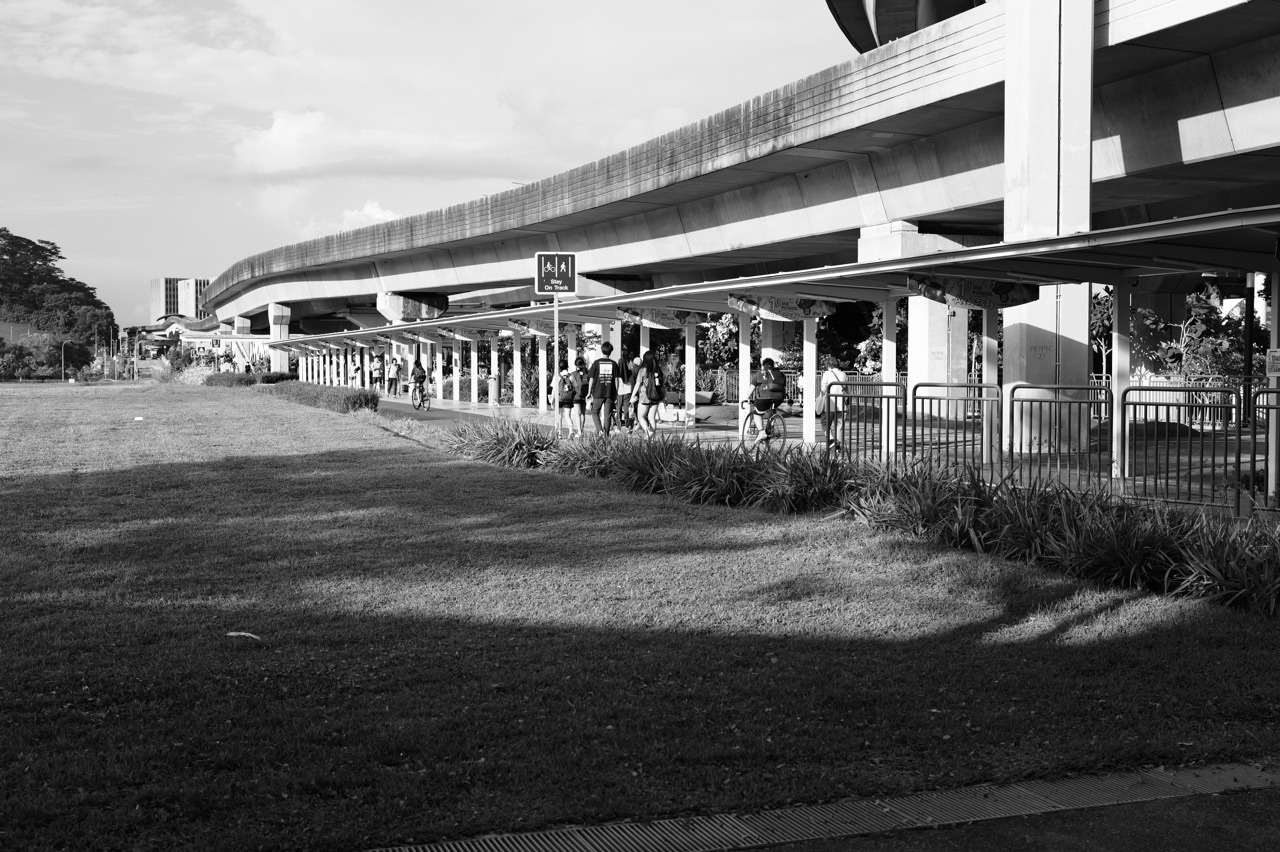
Punggol Plaza is a neighbourhood shopping and service destination for the Punggol Field / Coral Edge side of town, at 168 Punggol Field, Singapore 820168. Its supermarket, fresh-produce market, food court, clinics, health retail, education businesses and household services support ordinary daily errands. Coral Edge LRT is nearby.
HDB currently describes Punggol Plaza as a one-stop mall with affordable shops and eating places, a supermarket, a dry market serving fresh produce and daily necessities, and Punggol 21 Community Club close by. Koufu, which manages the shopping centre through its mall business, currently describes the same basement facility as a wet market. For trip planning, the basement is Punggol Plaza’s fresh-produce market layer, separate from the FairPrice supermarket upstairs.
Consolidated on 3 October 2026. Current centre and provider information supports the practical map below. Confirm individual operator hours, stock, appointments and access for the visit that matters to you.
Choose a reading route: Centre facts · Grocery order · Class handovers · Provider enquiries · Family comfort and access · Worked budget · Example plans.
Punggol Plaza at a glance
| Need | Current Punggol Plaza layer |
|---|---|
| Fresh groceries | Basement market + FairPrice |
| Everyday food | Koufu Foodcourt + restaurants/takeaway |
| Healthcare | GP and dental providers; health retail with service-specific checks |
| Children / education | Tuition, music, art and enrichment operators |
| Daily services | Haircut, alteration, optical, ATM, household services |
| Transport | Near Coral Edge LRT (PE3) |
| Community | Punggol 21 Community Club nearby |
The basement market: wet market, dry market, or both?
Different official/current sources use different language. HDB calls it a dry market; Koufu’s Punggol Plaza directory calls it a Wet Market. Current local listings show fresh-seafood and market businesses operating in the basement.
For residents, the practical distinction is simpler: this is the place to look for fresh produce and market-style food shopping rather than relying only on packaged supermarket stock.
What the market is useful for
- fresh seafood;
- vegetables and fruit;
- market-style household food shopping;
- buying smaller quantities from specialist stalls;
- combining fresh-market purchases with supermarket groceries in one trip.
Stall hours can be earlier or shorter than the rest of the mall. If a particular seafood, meat or produce stall is the reason for travelling, check that stall directly.
FairPrice Punggol Plaza
FairPrice is on Level 3; Unity’s co-located outlet listing identifies #03-01/02. Confirm FairPrice’s current store hours before an early or late visit. Supermarket hours do not establish the hours of market stalls or health services; Unity lists its own hours separately and states that pharmacy services are not available at this outlet.
The market and supermarket provide complementary choices: fresh-market shopping downstairs, packaged groceries and household staples upstairs.
Koufu Foodcourt
Koufu’s current directory places Koufu Foodcourt at #01-01. This is an east-side Punggol meal starting point, especially for residents around Coral Edge, Meridian, Riviera and Punggol Field.
The stall mix can change. Use the current foodcourt / on-site directory when a specific dish matters.
Food outside the food court
The current centre directory also lists fast-food, bakery, drink and takeaway concepts across Basement 1 and Level 1. The exact brands are less important than the centre’s function: breakfast, quick lunch, after-school food and takeaway are available without travelling to Town Centre.
Healthcare inside the plaza
The centre’s published directory includes GP and dental providers, Chinese medicine and health retail. Confirm the current service and appointment directly with the actual operator.
Health retail is separate from clinical care or a pharmacist service. Unity’s official Punggol Plaza listing explicitly states “Pharmacy Services: No”. If you need a pharmacist or a specific health service, confirm the appropriate provider before travelling; a shop’s brand name does not establish that service at every branch.
Education and enrichment
The upper floors have long carried a significant enrichment/education cluster. Current directories still list operators in tuition, writing, mathematics, art, music and language learning.
That makes Punggol Plaza an after-school node as much as a shopping centre. Parents often arrive because a child has class, then use the same hour for groceries, food or an errand.
Punggol Plaza and Coral Edge LRT
HDB places Punggol Plaza near Coral Edge LRT Station (PE3). For residents on the East Loop, that matters more than whether the mall has the largest retail directory in Punggol.
The centre is especially practical for:
- Coral Edge;
- Punggol Field;
- Edgedale / Edgefield areas;
- Meridian / Riviera residents who already move along the East Loop;
- families using Punggol 21 Community Club nearby.
Use Living Near Coral Edge LRT for the neighbourhood route.
Punggol 21 Community Club
HDB explicitly notes that Punggol 21 Community Club is a short distance from the plaza. That creates a useful local pair: community activity on one side, food/groceries/services on the other.
Use Community Clubs, Residents’ Networks and Volunteering in Punggol.
Plan a visit that fits your household
Punggol Plaza makes more sense when it is treated as neighbourhood infrastructure rather than as a small version of a regional mall. Its job is not to compete with every shop, cinema or restaurant at Waterway Point. Its job is to make ordinary life around Punggol Field, Coral Edge and the East Loop easier: groceries, fresh produce, food, healthcare, enrichment, household services and a transport connection in one compact node.
That difference is important. Families do not need every trip to be exciting. They need some trips to be efficient. A centre that lets a parent collect a child, eat and buy groceries near home can fit a family week well. Confirm any health service with the actual provider.
The current Punggol Plaza directory provides a starting point for tenants and units; confirm changing details with the operator. HDB’s neighbourhood information remains the public reference for the centre’s role in Punggol. This guide helps with the practical question: how can a family use Punggol Plaza well?
Read Punggol Plaza as six layers
| Layer | Family job | Why it matters |
|---|---|---|
| Fresh-food layer | Market-style produce and seafood shopping | Specialist buying without travelling to an older town centre |
| Supermarket layer | Packaged groceries and household staples | Completes the basket when market stalls do not carry everything |
| Food layer | Breakfast, lunch, dinner, takeaway | Turns errands into one coherent trip |
| Health layer | GP, dental, health retail with service-specific checks and related services | Neighbourhood access for ordinary care needs |
| Learning layer | Tuition, music, art and enrichment | Creates an after-school node for families |
| Service layer | Alterations, optical, ATM, hair and daily services | Reduces small errands that otherwise scatter across the week |
The building becomes much more useful when the family sees these layers together. A visit should not begin with “What shops are there?” It should begin with “Which of today’s jobs can be combined here?”
The East Loop advantage
Punggol Plaza’s local usefulness comes partly from its relationship with Coral Edge LRT and the eastern residential belt. For households already moving around Punggol Field, Edgefield, Edgedale, Riviera, Meridian or nearby East Loop stations, the centre can sit naturally inside the week. It does not require every errand to be routed through Punggol MRT.
This is the difference between a town that has one centre and a town that has several useful nodes. Punggol’s daily life becomes easier when residents use the nearest node for the right job. Town Centre can handle large retail and major interchange functions. Oasis Terraces can handle its own healthcare and neighbourhood role. Punggol Plaza can handle an East Loop combination of food, market, supermarket, services and learning.
The family should therefore compare door-to-door effort, not mall size. A larger mall can be farther, busier and more tempting to wander through. A smaller local centre can solve the actual job in less time.
Divide the list, then order purchases by handling needs
Divide the shopping list between the market and supermarket before leaving home. Compare the ingredients you need, then arrange the purchase order around carrying and food handling. Buy chilled or frozen items near departure where practical and return promptly to suitable storage. A short market–supermarket visit can work; adding a long meal or class wait after perishables changes the plan.
Write the list in two columns before leaving home: fresh/specialist and packaged/household. The market column may include seafood, vegetables or fruit. The supermarket column may include milk, rice, cereal, cleaning products, frozen food or whatever the household needs. The categories are flexible; the point is to give the shopping trip structure.
Children can help. One child can carry the fresh-food list while another checks packaged items. An older student can compare unit prices or work out which quantity the household will actually use. Grocery shopping becomes a lesson in planning, mathematics and avoiding waste without needing a worksheet.
For food handling, follow the Singapore Food Agency’s guidance and the product’s instructions. SFA advises collecting chilled or frozen purchases late, using an insulated bag and heading home promptly. The general storage references are 4°C and below for fridges and chillers, and −18°C and below for freezers. An insulated carrier does not guarantee those temperatures through a long visit.
The Saturday-morning Punggol Plaza system
A Saturday visit can combine a meal, suitable service errands and groceries if the actual stall hours fit. Keep fixed child collections clear and collect perishables near departure. If a stall closes too early for the rest of the plan, use a separate purchase or arrange a direct home handover.
- Check the fresh-food list before leaving home.
- Confirm the stall hours and any fixed class or appointment.
- Eat and complete a suitable household or service errand before buying perishables where practical.
- Arrange the child’s collection so that it does not delay food storage.
- Collect non-perishable groceries before chilled or frozen purchases.
- Buy perishable items near departure, then return promptly to suitable storage.
- Use separate trips or an agreed adult handover if an early-closing stall conflicts with the rest of the visit.
This is not glamorous, but efficient family systems are rarely glamorous. They save time by reducing repeated travel.
The school-day after-class system
Punggol Plaza’s education and enrichment layer changes the way families use the building. A parent may arrive because a child has tuition, writing, mathematics, art, music, language or another class. That waiting time can become productive without becoming exhausting.
A class interval may fit a small purchase, meal or service errand, depending on queues, the operator and the confirmed collection time. The parent should choose one or two jobs rather than attempting the entire week. The goal is to make the waiting period useful, not frantic.
For older children, the centre can support gradual independence. A Secondary-school student can arrive by LRT, buy a snack, attend a class and message the parent when finished. Independence should be built according to the child’s maturity and family rules, but a compact familiar node is easier to learn than a complicated multi-stop journey.
A note on enrichment and tuition choices
The presence of many enrichment operators does not mean a child needs many classes. A centre full of educational services can make over-scheduling feel normal. Parents should still begin with the learner’s actual need. Does the child need academic repair, extension, music, art, language, physical activity or simply more free time?
Convenience is useful, but convenience should not become automatic enrolment. A class being upstairs from the supermarket is not evidence that the child needs it. Evaluate the programme, teacher, schedule, cost, travel, workload and whether the child is benefiting.
This is part of eduKatePunggol’s wider education principle: support should solve a real problem or create purposeful development. The mall is a location. The learning decision still belongs to the family and learner.
Healthcare: understand the neighbourhood layer
The current Punggol Plaza directory lists several health-related services, including medical and dental clinics and health retail. This makes the centre useful for ordinary appointments and health errands close to home.
That should not be confused with emergency or hospital care. A neighbourhood clinic is not an emergency department, and a retail health outlet is not a substitute for professional assessment. Families should use the appropriate healthcare route for the situation and follow current official guidance when care is urgent.
For ordinary appointments, the family can reduce friction by combining the visit with a small grocery run or meal. For an ill child, however, do not turn the clinic visit into a long errand chain. The patient’s comfort should decide the route.
Dinner and groceries on a weekday
A weekday evening can be designed around one simple sequence: arrive, eat, buy the groceries needed for tomorrow, then go home. This works especially well when the family is tired and does not want to cook before shopping.
For chilled or frozen purchases, eat before buying them where practical. Follow the product’s instructions, use suitable transport and return promptly to storage. Do not let a grocery purchase turn into food carried through a leisurely meal.
The household should choose whichever sequence reduces stress and protects food. The point is not to follow a universal rule. It is to recognise that the centre allows the two jobs to be combined.
Breakfast and the early-day role
Food, market and grocery businesses can follow different morning schedules. Individual business hours differ, so verify the shop you need. But the building’s neighbourhood role naturally includes breakfast, morning grocery shopping and early errands.
This is useful for parents after school drop-off, seniors who prefer morning shopping, shift workers and households that want fresh ingredients before lunch. An early visit depends on the hours of the particular business you intend to use.
For current breakfast choices, use the live directory and the Punggol Breakfast guide. Do not assume every tenant follows the building’s broad operating window.
Punggol Plaza with older family members
A neighbourhood centre can be particularly valuable for seniors because it concentrates routine needs without requiring a long trip to a regional centre. Food, groceries, health services, optical care, ATMs and other daily services can sit within one compact building.
The family should still check the exact route. “Near the LRT” does not automatically mean easy for every person. Consider the walk from station to entrance, lift access, seating, toilet location, the amount of carrying and whether the senior is comfortable navigating the building alone.
If a senior uses a trolley or mobility aid, plan the shopping quantity around the return trip. A bargain is not useful if the groceries are too heavy to move safely. Delivery or a family pickup may be worth using for larger loads.
Punggol Plaza for young children
Young children change the pace of an errand. Toilets, food, lifts, waiting space and the number of stops matter. Keep the trip simple. A parent with a toddler should not try to complete ten errands simply because everything is in one building.
Turn one small task into participation. A child can choose three apples, carry a light item, look for the supermarket sign, identify the correct floor or count the number of things on the list. With suitable adult supervision, the outing can provide a small opportunity to practise everyday tasks.
At the same time, keep safety rules clear. Children should know what to do if separated, where the parent will wait, and that lifts/escalators require attention. Family learning should make the outing calmer, not turn it into an experiment with avoidable risk.
Rainy-day advantage: a compact centre can protect the routine
Punggol’s weather can turn a planned outdoor errand into a wet journey quickly. Combining indoor tasks can reduce the need to visit several separate places. The approach from a block, station or pickup point still needs its own check.
The household should still check the exact sheltered path from its station, block or pickup point. Shelter can vary by approach. Carrying groceries in heavy rain is different from arriving empty-handed.
For severe weather, lightning or flooding concerns, current official safety information always takes priority over an errand plan. The family can postpone groceries. Safety is the higher-level constraint.
LRT versus driving: choose by the load
The LRT may suit a small purchase, meal or class. Driving becomes more attractive when the family is carrying heavy groceries, transporting several people, managing mobility needs or combining the visit with another car-based journey.
Do not compare only travel minutes. Add parking, walking from the carpark, waiting for lifts and loading purchases back into the vehicle. For a light errand, public transport can be simpler. For a large grocery basket, the car may reduce physical effort.
The right mode changes by trip. A family does not need a permanent rule such as “we always drive to the mall”. It needs a quick decision based on people, load, weather and next destination.
Punggol Plaza versus Waterway Point
Waterway Point may fit when the family needs the MRT interchange, cinema, a larger tenant range, destination dining or a broader shopping trip. Punggol Plaza may fit when an East Loop household wants a local market-supermarket-food-services combination without travelling to Town Centre.
This is not a competition with one winner. The two centres occupy different layers of the town. Waterway Point is a major Town Centre anchor. Punggol Plaza is neighbourhood infrastructure. A well-organised family uses both selectively.
Ask one question: “Would going to Waterway Point materially improve this trip?” If the answer is no, the local centre may be the more efficient choice.
Punggol Plaza versus Oasis Terraces
Oasis Terraces has its own neighbourhood role, including Punggol Polyclinic and Waterway-side community functions. Punggol Plaza has a different mix, with the fresh-produce market, mature retail/service layer and long-established enrichment ecosystem around Coral Edge.
Families near both should choose by job. Polyclinic-related healthcare naturally points towards Oasis Terraces. Market-style fresh shopping or a specific Punggol Plaza service points towards Punggol Plaza. A household can divide recurring errands between the two instead of forcing one centre to solve everything.
That is how a mature local system works: several nodes specialise slightly, and residents learn the fastest route for each need.
Punggol Plaza versus Punggol Coast
Punggol Coast represents the newer north-side growth of Punggol, tied to the Digital District, SIT and newer retail/hawker infrastructure. Punggol Plaza represents the older East Loop daily-life layer. For a household near Coral Edge, compare the actual purchase and journey before adding a north-side trip.
Conversely, a household already working or studying around Punggol Coast may not need Punggol Plaza for the same everyday functions. Geography determines value. “Newer” is not automatically “better”; “closer to today’s route” is often the stronger measure.
A weekly errand-batching method
- List the week’s small tasks. Groceries, health retail, alteration, haircut, ATM, clinic, child class, household purchase.
- Circle the tasks Punggol Plaza can solve. Do not send every task there automatically.
- Choose one anchor time. Saturday morning, a confirmed class interval or a weekday dinner.
- Limit the trip. Two or three errands are usually enough.
- Sequence by perishability. Do temperature-sensitive food late in the trip.
- Return home. Do not turn efficient batching into aimless mall time unless leisure is the goal.
This method saves more time than trying to optimise every individual purchase. It reduces the number of separate journeys.
Punggol Plaza as a consumer-literacy classroom
Children can learn how ordinary commerce works by comparing the market and supermarket. Ask why one item is sold by weight, another by packet and another by piece. Compare unit prices. Look at expiry dates. Discuss promotions. Notice how a service business differs from a food retailer. Read a directory and find the correct floor.
An older student can estimate the grocery basket before checkout, then compare the estimate with the receipt. They can calculate the percentage saved by a promotion, but they should also ask whether the family needed the extra quantity. A “buy two” offer is not a saving if the second item is wasted.
This is mathematics attached to real consequences. The learner sees that numbers help a household decide, not merely produce answers for a test.
Punggol Plaza as a language classroom
A neighbourhood centre is full of functional English: directory, basement, level, unit number, receipt, exchange, alteration, appointment, prescription, queue, counter, payment, collection, promotion, refund, warranty, ingredient, expiry and enquiry. These words are easier to learn when the learner uses them.
Give an older child one real communication task. Ask them to call and confirm a clinic appointment, ask a shop whether an alteration is ready, or politely enquire about a product. The parent can prepare the sentence first and supervise. This develops speaking confidence because the language has an immediate purpose.
Situational writing can also begin here. A student can draft a short message asking a shop to confirm a collection time, or an email requesting information about a class. The task is authentic, concise and audience-aware.
Punggol Plaza as a geography classroom
The centre helps explain how neighbourhood planning works. Why place groceries, food, clinics, enrichment and transport close together? Because daily life becomes easier when services sit near homes. Why is a major cinema at Town Centre rather than every neighbourhood centre? Because different facilities serve different catchment sizes.
A child can map the family’s route from home to Coral Edge LRT to Punggol Plaza, then compare it with the route to Waterway Point. Measure time, transfers and walking distance. Discuss which trips belong at which centre. The child learns that geography is not only maps; it is the organisation of everyday movement.
The after-school waiting problem
Parents often have 30 to 90 minutes between dropping a child at class and collecting them. That time can easily disappear into scrolling, impulse spending or repeated small purchases. A planned waiting routine is better.
Choose one mode before the class begins: errands, meal, reading, walk, work or rest. If errands, use a short list. If working, choose a place where sitting is appropriate and respect the venue’s conditions. If resting, allow the time to be rest rather than turning every gap into productivity.
The same principle applies to teenagers waiting between activities. A familiar centre can be a meeting point between activities; family rules should define where the student may go, what they may spend and when they must check in.
The current-directory rule
A 2026 guide should not pretend its tenant list will remain correct for years. The current Punggol Plaza directory shows a mix of food, retail, healthcare, fitness, education and household services. Some names will change. The building’s functions are more stable than the brands.
Before making a special trip for one shop, check the current Punggol Plaza directory or the business’s own channel. For FairPrice store information, use FairPrice’s current store information. For public neighbourhood context, use HDB. This prevents a durable local guide from becoming a stale telephone directory.
The same rule applies to opening hours. The centre can be active across a long day, while the market, clinic, class and food operator each follows a different schedule. Verify the specific service that matters.
A Punggol Plaza family decision card
- What is today’s anchor job? Groceries, market, food, clinic, class or service?
- What second job can be combined without making the trip stressful?
- Does the family need the market or only the supermarket?
- Which transport mode fits the people and load?
- Is any item temperature-sensitive or time-sensitive?
- Does a specific tenant need to be verified before leaving?
- When is the trip finished? Decide the exit point so batching does not become wandering.
This card captures Punggol Plaza’s real value. Use it when the planned visit fits the household’s actual needs.
A one-hour Punggol Plaza plan
If the family has only one hour, choose one main errand and one supporting task. Example: buy fresh produce, complete supermarket groceries and leave. Or: eat dinner, collect an alteration and leave. Or: attend a clinic appointment, pick up the necessary item from a health retailer and go home.
Do not try to “make the trip worth it” by forcing in every possible task. The point of a local centre is that the family can return easily another day. Efficiency comes from short repeatable visits, not heroic errand marathons.
A two-hour Punggol Plaza plan
Two hours allows a more complete family route. A parent may fit a meal or non-perishable errand into a confirmed class interval, collect the child on time and buy chilled groceries near departure. Another household might attend a dental appointment, have lunch, buy groceries and handle an ATM or optical errand.
The trip should still be sequenced. Do not buy frozen food at the beginning and then sit through a 90-minute class wait. Do not schedule a clinic appointment after a large grocery shop if the family will be carrying heavy bags. Order matters.
The “no extra trip” metric
One way to judge Punggol Plaza’s value is to count how many extra trips it removes. If a Saturday visit handles vegetables, supermarket groceries, a haircut and lunch, four household jobs were solved in one journey. If a child’s weekly class lets the parent complete groceries every time, the class journey is carrying another function.
This metric is more meaningful than counting shops. A neighbourhood centre becomes valuable when it reduces repeated movement. That is the essence of local infrastructure.
Provider starting points for a specific enquiry
Use an actual provider’s branch information when a health or community task is the reason for travelling. The centre directory helps you locate categories of service; the provider confirms its own appointment arrangements, scope, current hours and charges. A listing does not establish a vacancy, available clinician, subsidy eligibility or suitability for a particular person.
HMI OneCare’s Punggol Plaza page identifies the clinic at 168 Punggol Field, #02-09A, Singapore 820168. Advanced Dental’s branch page identifies #01-13 at the same plaza. Use the appropriate branch page for an enquiry, and follow a confirmed appointment’s instructions rather than treating a general directory as a booking.
Unity’s outlet listing inside FairPrice gives #03-01/02 and states that pharmacy services are not available there. If you need a pharmacist or another specific service, check a provider that offers it. Buying a health-retail product, arranging a consultation and collecting a prescription are different tasks; the branch’s actual service decides the route.
For a community visit nearby, onePA’s Punggol 21 CC page gives 80 Punggol Field, #01-01, Singapore 828815, with telephone 6312 0508. Keep the CC address separate from the plaza’s. Check the specific course or event for participation and booking details. Counter hours do not establish every programme’s timetable.
Share the confirmed location and handover with the person travelling. If another adult accompanies a relative or collects a child, they need the actual branch, unit, time and relevant instructions. Keep private health or learner information within the appropriate direct communication. A practical trip should not require searching a public chat for someone’s personal details.
A worked example: compare value without buying too much
Here is an invented shopping example, using illustrative prices rather than current Punggol Plaza offers. One pack contains 500 grams and costs $4. Another contains one kilogram and costs $7. The smaller pack costs $8 per kilogram; the larger costs $7 per kilogram. The second offers a lower unit price, but it also asks the household to buy twice the quantity.
If you need only 500 grams and have no suitable use or storage for the rest, the smaller purchase may fit the household better. If you know you will use the full kilogram appropriately, the larger pack may make sense. Ask the learner to explain both the calculation and the practical condition. A unit price is information for a decision, rather than a command to buy the largest pack.
Now suppose the household has an illustrative $20 limit. A $7 purchase and two other items costing $5 and $4 leave $4. An unplanned $4.50 item would take the total to $20.50 before any other applicable charge. The useful next move is to choose within the agreed limit, adjust the basket with the responsible adult, or leave the extra item.
At the real checkout, use the actual quantities and displayed prices. Keep the receipt and compare the total with your estimate. If a number differs, ask a clear question about the item or promotion instead of assuming the staff made an error. A child can practise that polite enquiry with adult support, then see how arithmetic helps an ordinary household task.
Keep a clear handover for collections and service jobs
For an alteration, appointment or ordered item, ask the operator what the handover requires. Keep the receipt or confirmation, the agreed collection place and the time. A centre with several service businesses can be convenient, but the fact that a service exists does not mean the job can be finished during your grocery visit.
Describe the request before agreeing to it. For a garment, explain the change and when you need it. For another service, identify the item and the problem. Ask what is included in the quoted work and when the operator expects it to be ready. Use the business’s stated terms for changes, deposits or collection; this guide does not supply a blanket refund or warranty promise.
If somebody else will collect, check what information or authorisation the operator needs and share only that. A clear message can say who is collecting, which reference applies, the confirmed branch and the agreed time. It should not expose a recipient’s private information in a public comment. The collecting adult should know where the item will go afterward.
When a result differs from what was agreed, begin with the operator and the factual record. Explain the specific issue and the outcome you are asking about, supported by the order or receipt. Give the business an opportunity to clarify its information. For a clinical concern, contact the healthcare provider through its appropriate route rather than treating it as an ordinary retail complaint.
A useful errand ends with the item collected, food stored or appointment completed. If there is another step, such as a later pickup, record that step while it is clear. This makes the next person’s job easier. The household gains more from a dependable handover than from adding another task to a visit that is already full.
Build a routine you can adjust
A neighbourhood centre becomes genuinely useful when the family does not need to rethink the whole visit every time. Over a few trips, households learn which entrance is easiest, which lift reaches the right floor, when the food court is busiest, whether the market should come before or after another errand, and how much the family can comfortably carry home. Those observations make the next visit easier.
The aim is a manageable visit. A parent collecting a child from class should not need three extra journeys later for groceries, dinner and a household item if those jobs can be completed in the same centre. A senior should not have to navigate a larger mall when a familiar compact node already solves the week’s ordinary needs.
Create one default route and one fallback
A default route can be simple: Coral Edge LRT, food court, FairPrice, home. Another family may eat, collect a child, complete groceries and go home. Keep temperature-sensitive purchases near departure and adapt the order to actual opening hours and handovers. What matters is that the sequence is familiar enough to use on a busy day without unnecessary decisions.
Then create a fallback. If the preferred stall is closed, choose another meal in the same centre. If the market item is unavailable, finish the grocery list at the supermarket. If a class timing changes, move the flexible errands around the fixed appointment rather than abandoning the whole trip. One alternative route makes the outing much more resilient.
Separate fixed-time jobs from flexible jobs
Classes and appointments happen at fixed times. Groceries, food and most household errands are flexible. Build the visit around the fixed point first. If a child must be collected at 6pm, do not start a complicated shopping task at 5.50pm. If an appointment is at 4.30pm, arrive for that first and use the remaining time afterwards.
This simple distinction is useful for children too. They begin to see that some tasks are deadline-driven while others can move. That is the same planning skill they need for schoolwork: protect the non-negotiable time, then fit flexible work around it.
Use waiting time deliberately, but not obsessively
Parents can spend many hours each month waiting for children. Punggol Plaza can turn some of that time into useful household work: buy groceries, have a meal, collect an item, compare prices or simply sit. Not every waiting period has to become “productive”. Rest is also a valid use of time.
For siblings, prepare one simple waiting activity. Bring a book, finish one homework task or have a planned snack. A small structure is often enough to stop a 45-minute wait from feeling chaotic.
Plan carrying before buying
A centre can be close to home and still become difficult if the household buys more than it can comfortably carry. Think about the return route before filling the trolley. A family using LRT has a different carrying limit from a family driving. A parent managing a stroller and a school bag has a different limit from an adult shopping alone.
Buy heavy items later in the trip where possible. Group frozen and chilled purchases near departure. Bring reusable bags or a trolley when the list is large. The cheapest item is not useful if the journey home becomes unreasonable.
Teach children to read a shopping list as a route
A shopping list is more than a memory aid. It is a route-planning tool. An older child can group items by market, supermarket and household service, then decide the order. If fresh or chilled items should come later, the student has to think about sequence and constraints rather than simply ticking boxes.
Receipts create another useful learning layer. A Primary student can identify quantities and totals. A Secondary student can compare unit prices, estimate the total before checkout, calculate change or notice how several small extras affect the final bill. The numbers are meaningful because they belong to real family decisions.
Needs, useful extras and impulse purchases
Before entering the centre, divide the household list into three categories: must buy today, useful if the budget allows, and not planned. This gives children a clear framework without turning every request into an argument. A planned snack can be part of the trip. An unplanned item can wait for another day.
The lesson is not that spending is bad. The lesson is that money follows priorities. A discounted item can be good value if the household actually needs it. A cheap item the family did not need is still extra spending.
A compact centre can strengthen family independence
For teenagers, Punggol Plaza can become a familiar setting for practising adult errands. A student can travel by LRT, find the correct floor, buy groceries from a list, ask a staff member a question, collect takeaway and return home by an agreed time. The family can start with one task and gradually increase responsibility.
This builds navigation, money management, communication, time awareness and confidence. It also helps parents see whether the teenager can manage ordinary responsibilities reliably before granting independence in more complex settings.
Measure whether the centre actually reduces household work
If the family is unsure whether Punggol Plaza should become part of its routine, test it for a month. After each visit, note how many tasks were completed, the total trip time, whether another journey was avoided, and whether the family came home calm or rushed. This creates evidence from lived use rather than assumptions.
The result may be that Punggol Plaza is excellent for groceries and enrichment but not for a particular weekend outing. Another household may use it mainly for market shopping and food. A senior may use it because the scale feels manageable. There is no need for one universal verdict.
Keep the structure stable and the tenant details current
Start with the kind of task you need to complete: market, supermarket, food, healthcare, education or a daily service. Then check the actual business you intend to visit. Use the operator and provider for current units, exact hours, promotions and service details.
The useful question is whether today’s provider can complete your particular task within the available time. A family can still understand why Punggol Plaza matters, then verify the one changing fact that matters for today’s visit.
Current sources
Consolidation date: 3 October 2026. Market stalls and tenant mix can change; verify a specific stall before a special trip.
Continue the east-side Punggol route
- Living Near Coral Edge LRT
- Oasis Terraces Guide 2026
- Supermarkets in Punggol 2026
- The Complete Punggol Guide
Punggol Plaza works because it solves ordinary East Loop life. Plan the visit around the specific errand, confirm changing details and keep the return journey manageable.
Punggol food web: Food Guide · Breakfast · Cheap Eats · Zi Char & Family Dinners · Bakeries & Desserts · Fresh Produce & Wet Markets · Hawker & coffee-shop map · Complete Punggol Guide.
Estate routing: Return to the eduKatePunggol Atlas for the wider family, learning and town guides, or continue through the food and neighbourhood routes above.


