
Can children attend swimming lessons in Punggol during haze? Check the current NEA one-hour PM2.5 band, the MOH health advisory and the actual pool or SwimSafer lesson organiser’s announcement. Outdoor swimming is outdoor physical activity, and sustained laps can be strenuous. During a High one-hour PM2.5 band, MOH advises healthy people to avoid strenuous outdoor activity and vulnerable groups, including children, to avoid outdoor activity. The 24-hour PSI forecast helps a club decide what to plan for tomorrow, but immediate conditions need a fresh check.
For families comparing an outdoor lesson, an indoor pool and SAFRA Punggol’s Splash @ Kidz Amaze, these are not interchangeable activities. An indoor pool may reduce direct outdoor exposure depending on building ventilation and filtration, but ‘indoors’ is not a medical guarantee, and vigorous play still requires judgement. Splash @ Kidz Amaze is an indoor water playground, not a substitute for structured swimming instruction or official SwimSafer assessment. This guide explains the difference, how to ask a coach about postponements, and how to keep children’s water confidence moving forward when haze disrupts a lesson.

Quick reading route: The 60-second swimming decision · Indoor pools: a roof is helpful context, not a guarantee of filtration · What a SwimSafer lesson is supposed to teach · Seniors and gentle water exercise during haze · Six questions to ask your swimming coach · Water safety rules do not disappear during haze · Swimming confidence grows over months, not one hazy afternoon
The 60-second swimming decision
Before packing goggles and towels, establish three facts: what the current official air-quality advisory says, whether the swim is outdoors or in a suitably enclosed indoor venue, and whether the participant is well. An outdoor endurance lesson, a beginner’s short skills session and gentle indoor water play may involve very different exertion and exposure. Follow the specific coach’s or pool operator’s instructions, including suspension, shortened lessons or a venue change.
Then ask about transport. A family might spend twenty minutes walking to a pool and additional time waiting on an open deck. The entire journey matters, not merely the minutes in the water. If the child has asthma, cough, wheeze or another condition, individual medical advice may be more restrictive. A disappointed student is better served by a clear new lesson date than by forcing a session simply because everyone packed a swimming costume.
One-hour PM2.5 for now, 24-hour PSI forecast for tomorrow
MOH’s immediate guide uses one-hour PM2.5 in micrograms per cubic metre. Its four bands are Normal (0–55), Elevated (56–150), High (151–250) and Very High (251 and above). For vulnerable persons, including children, strenuous outdoor activity should be avoided when readings are Elevated, and all outdoor activity avoided when readings are High or Very High. Healthy people reduce strenuous activity in Elevated conditions, avoid it in High conditions and minimise outdoors in Very High conditions.
The next-day 24-hour PSI forecast instead informs planned outdoor exertion tomorrow. SportSG’s September 2026 haze management plan uses the forecast primarily for sport operations and the one-hour reading as supplementary immediate evidence. Do not put a one-hour PM2.5 concentration beside a PSI forecast and compare their numbers as if both measure the same unit. For a planned morning lesson, parents and coaches need both the planning decision and a current recheck.
Outdoor pools: swimming still means breathing outdoor air
Water surrounds a swimmer’s body but does not filter the air the swimmer inhales above the surface. An outdoor lesson is therefore an outdoor activity. Repeated laps, breath control and drills can increase exertion and ventilation, which matters when deciding whether official air-quality advice calls for reducing or avoiding outdoor exercise. A cool-feeling pool does not cancel high ambient PM2.5, and a swimming cap does not provide respiratory protection.
Do not confuse water sanitation with the question of outdoor smoke exposure. Proper pool disinfection, hygiene and water safety are responsibilities of the operator under separate requirements. An elevated PM2.5 band does not by itself prove the pool water is contaminated, and clear-looking water does not prove that outdoor air is suitable for hard swimming. The sensible decision comes from the official haze advice, participant’s health and venue arrangement.
Indoor pools: a roof is helpful context, not a guarantee of filtration
A truly enclosed indoor aquatic facility may differ from an open outdoor pool, but how much haze enters depends on doors, ventilation, filtration and operation. A sheltered pool under a large roof with open sides may still be exposed to the surrounding ambient air. Do not claim that every indoor pool in Singapore is haze-proof or assume that an air-conditioned lobby represents the air above its pool.
The water environment brings its own considerations, including ventilation, hygiene, humidity and normal pool safety. If a child is coughing or wheezing, moving indoors is not a universal permission to continue hard drills. Ask the operator whether it is operating, what changes it has made, and whether a suitable lower-intensity alternative exists. The answer should refer to the actual facility, not to the marketing word ‘indoor’.
Punggol Regional Sport Centre: confirm actual opening, not a planned opening year
Punggol has long anticipated a regional sport centre and swimming complex. Reports and government plans have discussed an opening in 2026 after postponements, but that forecast should not be treated as confirmation that the swimming pools are already open for lessons or public bookings on a particular day. Look for the facility in the official ActiveSG venue directory and any specific booking listing. Where a timetable is not visible, contact the operator before travelling.
Do not build a haze backup around an assumed pool at the sport centre merely because a headline says ‘opening 2026’. An entrance photograph proves that a building exists, not that every pool is operational. This is a good example of why local guides need accurate, date-aware language. Our Punggol Regional Sport Centre or One Punggol? article explains how to check which facility handles different activities.
SAFRA Punggol’s Splash @ Kidz Amaze is indoor water play
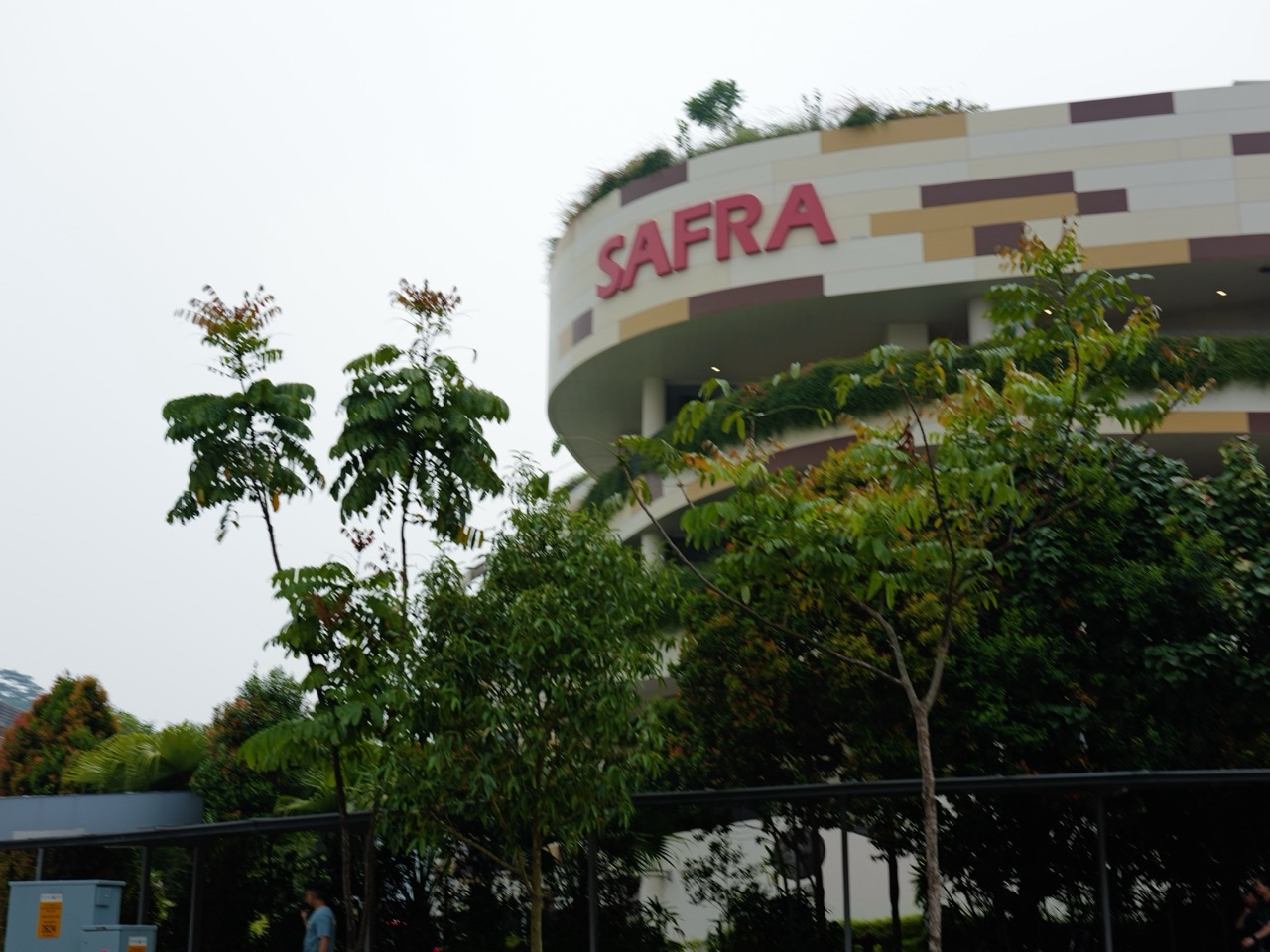
SAFRA identifies Splash @ Kidz Amaze at 9 Sentul Crescent as an indoor, temperature-regulated water playground with slides, decks, a toddler wading area and accompanying facilities. It is enjoyable when appropriate but fundamentally different from a lap pool or a structured SwimSafer course. A child playing on water slides is not automatically learning the swimming strokes, water competency and safety skills required in a formal programme.
As a concrete example of why venue checks matter, the operator’s website on 17 October 2026 listed maintenance closure on Monday, 19 October, resuming on 20 October subject to its notice. Do not treat a static article as a permanent opening guarantee. The live Kidz Amaze page gives operation and entry information. During haze, the child’s symptoms and the venue’s actual indoor environment matter as much as its roof.
What a SwimSafer lesson is supposed to teach
SwimSafer is Singapore’s structured national water-safety and swimming programme for children and learners. Swimming competence includes not only distance or speed but water confidence, safe entries, survival skills, breathing and awareness of hazards. One postponed lesson does not eliminate those goals. Parents should ask the instructor which specific learning objectives can wait, which safety discussion could happen on a dry day, and how the missed water session will be made up under the programme’s rules.
Avoid making a substitute game sound like an official SwimSafer assessment. Practising floating technique on the living-room floor or discussing water safety can be useful conversation, but it is not a certified demonstration of ability in water. Only the authorised instructor and assessment process decide actual progression. A lesson cancelled for air quality can become a short safety-literacy opportunity without pretending practice in the room equals pool competence.
Children: what if everyone else in the class seems keen?
A child with asthma or a history of breathing symptoms may have restrictions different from a healthy peer. The instructor needs to respect the family’s relevant medical information through appropriate channels. If a pupil is wheezing, coughing persistently, dizzy or unusually breathless, stop activity and seek professional advice. Do not pressure a child to continue because a swimming exam is approaching or because other children have already entered the water.
Parents also should not assume that all children have the same endurance or tolerance for warm, humid indoor facilities. A calm conversation with the coach can identify a changed session, a rest arrangement or a more suitable future date. MOH’s advice applies to the person and the conditions, not the competitive desire to earn a badge by Sunday.
Adults: leisure laps and endurance sets are different
A healthy adult doing relaxed water movement has a different effort pattern from someone completing repeated fast intervals. The official haze guidance specifically distinguishes strenuous exertion and prolonged outdoor exposure. An open-air pool visit that includes an hour of vigorous laps should not be treated as just ‘sitting in water’. When guidance calls for reducing effort, it is sensible to choose rest, a non-strenuous alternative in a suitable indoor environment, or rescheduling.
Some adults use swimming to manage stress or maintain fitness during running injuries. That routine is valuable, but it should be flexible. A missed session does not need to be replaced by double the volume when the air improves. The broader Punggol exercise and outdoor guide helps distinguish an essential trip from optional training. An individual with symptoms should obtain medical advice rather than following a generic workout example.
Seniors and gentle water exercise during haze
Water exercise can be appealing to older residents because it is low-impact for joints, but getting to a pool may involve walking, changing rooms, wet floors, stairs and outdoor transfers. During haze, the older person’s health, mobility and official advisory still matter. A resident with chronic heart or lung disease may need more stringent limits than a generally healthy adult. No website can individually clear someone for aquatic exercise.
If a planned session is cancelled, a clinician- or physiotherapist-approved dry-land movement routine may preserve activity at home. HealthHub’s active-ageing guidance emphasises balance, strength and preventing falls, so choose a clear and stable space. Do not ask someone unsteady to repeat pool movements on a slippery kitchen floor. A sensible day can include rest and social contact rather than a forced exercise substitute.
Pregnant swimmers: normal exercise guidance still meets haze precautions
HealthHub identifies swimming as a potentially appropriate low-impact activity for an uncomplicated pregnancy when the maternity care team agrees. Haze adds a separate outdoor-exposure decision, and a pool’s indoor label does not override pregnancy-related health or exercise advice. A pregnant participant should avoid hard exertion where current haze guidance restricts it and speak with their clinician when unsure.
Pool safety includes wet surfaces, entering the water carefully, hydration and avoiding overexertion. HealthHub warns against sudden vigorous exercise in pregnancy and recommends stopping if unwell. The Punggol haze and pregnancy guide addresses antenatal travel and mask comfort; it is more relevant than treating an N95 as a solution for intensive swimming.
The pool trip itself may decide whether the lesson is worthwhile
A Punggol family may plan a bus, LRT or car trip to the pool. If a route requires prolonged walking across exposed open areas, that time is part of the exposure calculation. Check current transport and venue information, leave enough time not to rush and ask whether a safer arrival arrangement is possible. A covered bus stop is weather shelter, not a known particulate filter.
For a regular weekly class, maintaining a reliable alternative makes life easier. It may be better to attend the next lesson when conditions suit than to spend an hour travelling to discover a closure. Keep the organiser’s direct contact or official booking notice bookmarked. A coach who clearly explains a change makes a bigger difference than a family trying to infer policy from a forwarded image.
Six questions to ask your swimming coach
A parent can send six questions together: What official haze source is the programme using? Is the venue open today? Is the actual pool indoor, open-sided or outdoor? Has the session’s intensity or duration changed? How will a cancelled lesson be made up under the provider’s policy? Who should parents contact if the child has symptoms or medical restrictions? These questions do not demand an answer about the exact invisible PM2.5 concentration inside the pool.
The answers should refer to the child’s programme and the operator’s actual rules. A venue can close or shorten activity for operational reasons beyond haze. If a message cites a government advisory, check that it is current and describes the right time period. Clear communication makes children more comfortable with postponement because they know the learning route still exists.
What children can practise on a dry day without pretending it is swimming
A cancelled water lesson can still support learning in a limited way. A parent might discuss calling a lifeguard, staying within a supervised area, reading safety signs or why people must not run on a wet pool deck. A younger child could draw a picture distinguishing a lifeguard, pool steps and deep-water markings. An older student can list what they would do if a friend got into trouble in the water, then verify the safe procedures with official guidance.
Do not teach risky breath-holding challenges or water-rescue techniques unsupervised. Dry-land discussions cannot replace actual supervised swim instruction, and home bathtubs are not training pools. The purpose is to retain curiosity and safety awareness until the authorised instructor can continue the lessons. Children’s disappointment is easier to handle when the replacement activity is brief and meaningful rather than an impromptu test.
Worked example: a Saturday Splash plan versus an outdoor lesson
Imagine a family with a seven-year-old booked for an outdoor group swimming lesson. On Saturday morning, the latest hourly PM2.5 is High. Under MOH’s guide, children should avoid outdoor activity, so the family checks the instructor’s notice rather than heading straight to the pool. The teacher postpones. The parent considers indoor water play at SAFRA, but first asks whether the child is well, whether the venue is open and whether the trip and active play are appropriate.
The family may decide on a library visit or home story activity instead, with swimming next week. No learning milestone has vanished. If they later choose Splash, they understand it is water play rather than a SwimSafer replacement. The example shows why air quality, physical exertion, venue operations and the actual learning objective must be kept distinct.
Water safety rules do not disappear during haze
Pool hygiene, adult supervision, water depth, safe entries, lifeguard instructions and appropriate flotation arrangements remain essential whenever swimming is actually suitable. Haze is an additional factor, not an excuse to ignore normal aquatic risks. A parent who is focused on the PSI should still watch the child at the water’s edge and follow the operator’s rules. No indoor facility is exempt from ordinary safety procedures.
Likewise, if someone feels dizzy, wheezy or has chest discomfort, stop activity and seek relevant medical help. For a serious emergency, call 995. A regional air-quality reading cannot establish whether symptoms are harmless, and a swimmer’s enthusiasm is not individual medical clearance. A good swimming programme teaches caution as well as technique.
Five myths about pools, haze and children
Myth one: being underwater means you do not breathe haze. You still breathe at the surface. Myth two: a roof guarantees filtered air. Indoor facilities vary. Myth three: Splash @ Kidz Amaze is the same as structured swim lessons. It is an indoor water playground. Myth four: a planned 2026 opening date proves Punggol’s new sport-centre pools are already taking bookings. Verify the venue directory. Myth five: one missed lesson destroys SwimSafer progress. A clear makeup plan and future supervised teaching matter more than forcing today’s session.
A better swimming culture accepts adjustments while staying true to skill development. Check the official readings, keep the learner’s health central, trust the actual coach and venue, and preserve safety education. The water can wait for the conditions that allow a genuinely positive experience.
Frequently asked questions about swimming in Punggol haze
Can my child swim outdoors when one-hour PM2.5 is High? MOH says vulnerable groups including children should avoid outdoor activity in that band. Is an indoor pool automatically safe? No; actual ventilation, filtration, effort and symptoms matter. Is Splash @ Kidz Amaze a swimming pool for lessons? It is an indoor water playground, not a SwimSafer assessment venue by default. Does rain make it safe to swim? Recheck current air quality and weather safety; rain is not an automatic all-clear.
Is Punggol Regional Sport Centre already open? Check official ActiveSG listings and bookings; a planned opening year is not confirmation. Should an asthmatic child keep training? Follow their medical action plan and current guidance. Where can I see the venue’s current notice? Consult SAFRA or ActiveSG Circle as relevant. Can we do dry-land drills instead? Only safe non-water literacy activities; do not substitute unsupervised water practice.
Swimming confidence grows over months, not one hazy afternoon
Punggol’s family sports culture can thrive even when a lesson is postponed. A child still has time to learn safe entries, strokes and water confidence; an adult can preserve a long-term exercise habit without forcing a hard session through poor air. The sensible response is to check the actual guidance, adjust the plan, and keep the next lesson realistic.
Punggol offers plenty of alternatives for a good family day. Let the coach handle the swimming progression, let the health advisory inform exposure, and let the family enjoy the time that remains.
| Planned activity | What to check | Useful decision |
|---|---|---|
| Outdoor pool lesson | Current one-hour PM2.5; age/health; instructor’s notice | Follow outdoor activity advice and venue changes |
| Indoor pool lesson | Real indoor environment, symptoms, operator policy | Do not assume enclosure means clean air |
| SAFRA Splash water play | SAFRA live maintenance/hours and child’s health | Treat as water play, not swim progression |
| Punggol Regional Sport Centre | Current official ActiveSG venue and booking listing | Do not infer opening from a planned year |
| SwimSafer progression | Instructor’s assessment/makeup policy | Resume supervised water practice when appropriate |
Explore the connected Punggol haze articles
This swimming and water-play guide is a focused part of eduKate’s Punggol reference library. The Punggol PSI and PM2.5 guide handles the measurement, the haze health guide explains general vulnerability, and the Waterway Park outdoor activity guide covers outdoor options. Follow the relevant question instead of treating every linked article as a repetition.
- Indoor activities, library and Punggol alternatives
- Pregnancy, newborn and antenatal journeys during haze
- Older adults, mobility and caregiving
- Swimming lessons, pools, Splash @ Kidz Amaze and haze
- Birthdays, outdoor celebrations and event Plan B
- 48-hour family haze plan
- eduKateSG MOE environmental-monitoring literacy
- SAFRA Punggol Splash: first-visit guide
- Splash @ Kidz Amaze party rooms and booking
- Punggol Regional Sport Centre or One Punggol
- eduKateSG: exercise and haze guide
Official sources and review boundaries
Reviewed 17 October 2026. This is practical general information rather than a live pollution forecast, an individual exercise clearance, an event cancellation notice or a guarantee of a booking. Check the latest NEA data, the current MOH health advice and the actual operator’s conditions. Facility opening arrangements can change. Medical symptoms require an appropriate clinician.


