
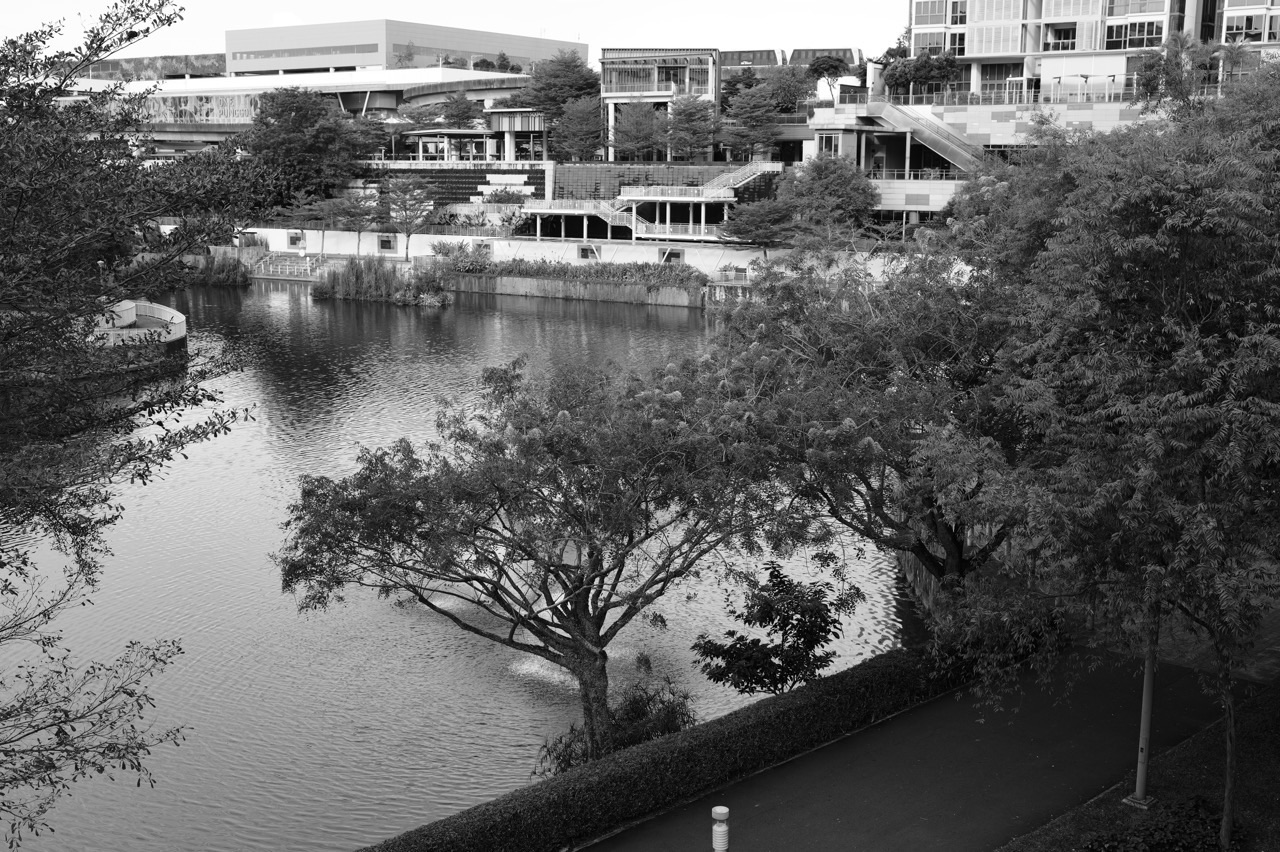
How do you make a stop-motion animation at home in Punggol? Put a paper character or small safe household object on a stable surface, keep a phone camera still, photograph the object, move it a tiny distance and photograph it again. Repeat until you have a short sequence, then play the pictures quickly to create the illusion of movement. For a first project, a four-second animation at eight frames per second requires about 32 frames. You can use Punggol-inspired characters—a drawn Waterway bridge, an MRT train made from paper or a simple HDB silhouette—without filming strangers or travelling outside.
Stop-motion family activities in Punggol are a separate craft from live phone video. The site’s existing one-minute Punggol film guide shows how to storyboard and record live neighbourhood scenes. This article instead teaches frame-by-frame animation, where objects are moved between photographs to create action. You can make an entire story using paper, a pencil, a phone that your household already owns and a home table. The main challenges are stable framing, consistent light, a realistic number of images, original characters, proper credit for third-party materials and safe handling of small parts around young children.
Current 20 October 2026 note: NEA’s 19 October haze advisory forecasts PSI 90–160 (Moderate to Unhealthy) for 20 October. It advises using the latest one-hour PM2.5 readings for immediate decisions; guidance varies by personal health and the intensity and duration of outdoor activity. This project works fully indoors, so there is no need to take children to Punggol Waterway Park during poor air quality. If the family later wants location inspiration, an existing owned photograph or a lawful public drawing can provide it without claiming that any venue is open or safe on a particular day.
Stop-motion in 30 seconds: what to make first
| Project | Frame idea | Suggested first duration | Important boundary |
|---|---|---|---|
| Paper train | A cut-out train moves past drawn Punggol MRT signage | 3–5 seconds | Not a real station timetable |
| Waterway bridge crossing | A paper person crosses an illustrated bridge | 3–6 seconds | Use own drawing, not copied art |
| Plant growth | A paper leaf unfolds over several frames | 4–8 seconds | Avoid claiming instant real biological growth |
| Book character | One paper figure walks toward a book | 2–5 seconds | Own or permitted character design |
| Family message | Letters slide together to form a greeting | 3–6 seconds | Keep names and private details out of public sharing |
| Rainy-day animation | Paper clouds move across an HDB skyline | 4–8 seconds | Creative fiction, not today’s weather report |
| With toddlers nearby | Adult films large paper shapes while toddler watches | As short as preferred | No loose choking-sized pieces within reach |
Five chapters: build, film, troubleshoot, share and explore
- Chapter 1 — Why still frames become a moving story
- Chapter 2 — A safe home studio and Punggol-inspired sets
- Chapter 3 — Three complete original frame-by-frame projects
- Chapter 4 — Mistakes, maths, copyright and privacy
- Chapter 5 — FAQs, related articles and sources
Chapter 1. How still images become animation
Stop-motion is a sequence, not one special camera filter
In a live video, a camera captures motion as it happens. In stop-motion, the creator arranges a scene, takes one still frame, changes the scene and takes another. Showing those frames in rapid succession produces perceived movement. This means a hand can make a drawn bus seem to cross Punggol or a paper tree appear to grow, even though the photographed objects were stationary each time the camera took a picture.
The method rewards deliberate choices. Each image should differ slightly and logically from the one before it. Moving an object too far creates a jump; barely moving it can make the action hard to notice. Neither problem requires expensive gear—just repeated small adjustments and review.
Frame rate controls smoothness and effort
Frames per second (fps) means the number of images displayed in one second. At eight fps, a four-second scene uses 32 frames. At twelve fps, the same duration uses 48. At twenty-four fps, it requires 96. Higher frame rates can look smoother but demand more photographs and more consistent movements. A family beginning with 8–12 fps is choosing a manageable creative compromise, not claiming a professional cinematic standard.
Plan the number of frames before starting. A simple formula is number of frames = chosen fps × desired seconds. A ten-second beginner film at eight fps is 80 frames; if the family only has twenty minutes, a two- to four-second scene may be more enjoyable. Counting frames can be an optional maths connection without turning the activity into homework.
Objects move because the animator moved them
A stop-motion paper car does not truly drive; between images, someone nudges it along. A paper cloud does not create rainfall; drawn drops are placed or changed one by one. This is why stop-motion can be visually playful while remaining truthful about how it is made. It also allows imaginary Punggol scenes that would be impractical or unsafe to stage outdoors.
If publishing a film, label it as animation or an imaginative recreation when factual confusion is possible. A stop-motion depiction of the Digital District is not evidence that a specific building or attraction currently operates. Use current official sources for real-world claims, not model scenery.
A stable frame matters more than more expensive equipment
The most distracting beginner error is a camera that moves after every photograph. A phone leaning securely against a stable object may work, provided it cannot fall onto a child or damage an object. The set can be a clean table with a background drawn on plain paper. Do not put phones on unstable ledges, stacks of heavy books or a balcony railing to improve the angle.
Mark the set’s position in a way that does not damage furniture, keep the camera steady and avoid repeatedly tapping the phone so hard that it shifts. If your device offers exposure or focus locking, it may improve consistency, but a particular app or premium feature is not required by this activity.
Lighting consistency prevents flickering
When sunlight moves across a table or an automatic camera changes exposure, the pictures can appear to flash between light and dark. This flickering sometimes looks artistic, but it can also distract from a tiny character’s movement. A simple evenly lit indoor space without direct changing sun can help the scene remain consistent over a short session.
Keep the set away from candles, hot lamps or improvised electrical arrangements. Do not build a complicated light rig simply to make a short film. When using household lights, follow normal equipment safety and avoid long cords where children could trip.
Plan action before you take the first photo
A storyboard does not have to be a detailed comic. Three boxes showing ‘start, movement, finish’ can be enough. For a Punggol paper train, box one shows a station; box two shows the train entering; box three shows a passenger waving. The animation can include pauses by repeating an unchanged image for two or more frames.
Give the sequence one clear event. A novice film trying to show a whole town changing over ten years will create too many models and unrelated scenes. One paper character crossing one drawn bridge is a complete first success.
The best film is often shorter than the child’s attention span
A stop-motion project can be repetitive because each small movement requires a photo. Young children may love the first ten images and lose interest by the thirtieth. That is normal. An adult can do the photography while the child directs the story, or the family can use a shorter fps/duration plan. The activity does not need to be finished during the first sitting.
Make breaks acceptable, save the sequence safely and allow an early finish. A 24-frame clip at eight fps creates three seconds of animation and may feel more rewarding than an unfinished plan for five minutes. Enjoyment is a better measure of a family hobby than raw running time.
Chapter 2. Make a safe Punggol-themed animation set at home
A Punggol-themed stop-motion scene needs a few recognisable ideas, not a detailed replica of the town. The family can draw the curving Waterway, a simplified train station sign, a group of HDB blocks or the facade of a familiar community hub. If you use the official public landscape only as inspiration, the final artwork remains your own imagined scene. Do not copy eduKate’s own Punggol imagery or other photographers’ work into a new public film without considering the relevant rights and permission.

Use existing paper and household supplies first
A few sheets of paper, pencil, a safe washable colour medium and a suitable stable phone support are enough to begin. You can draw characters instead of buying a toy set, and use a plain tabletop as the stage. A white or neutral background can reduce distractions, while a hand-drawn bridge gives the sequence a local identity.
Do not buy advanced camera equipment before testing whether the family enjoys moving objects frame by frame. Reusing suitable clean materials reduces cost, but safety matters more than thrift: avoid sharp scrap metal, fragile glass or loose batteries in the craft area.
Keep choking hazards out of young children’s reach
Small beads, coins, button cells, magnets and detachable toy components can pose particular risks to younger children. A stop-motion scene can be created with larger paper silhouettes rather than tiny loose parts. If a toddler is present, the adult should control all small pieces and equipment and use age-appropriate materials.
A child can point to a shape or choose a colour without touching hazardous supplies. Do not promise that an object is safe merely because a toy package originally included it. Check the actual ages, abilities and household situation before setting up.
Do not film strangers at an actual Punggol location for this project
A model scene can be shot entirely at home. Moving to a public mall, MRT station or community library introduces people, private conversations, security rules and potential filming restrictions. PDPC guidance recognises that identifiable photographs and recordings can contain personal data in relevant contexts. A responsible beginner should not use an identifiable child or passer-by as incidental content without consent.
If a public backdrop is genuinely necessary for another project, check location rules, permissions and the privacy of everyone shown. This stop-motion tutorial needs none of that. A self-drawn Waterway skyline is more controllable and more original.
Original sound is safer and often more interesting
A beginner may want a popular song as soundtrack. But IPOS explains that music, recordings and film material are subject to copyright, and being able to hear a song online does not confer permission to reuse it in a public upload. The family can record its own short sound effects with consenting participants, use properly licensed music, or create a silent film.
A few handwritten caption cards may communicate the story without any audio rights questions. If sharing a film on a platform, review current age, account and privacy settings and the licences for any third-party material.
Keep a private audience as the default
A film showing school names, a child’s face, the household address or a predictable daily routine may reveal information the family did not intend to publish. The project can remain on a private phone or shared only with people who have been invited. A child’s participation in creating a film does not automatically mean they want the result posted publicly.
Ask before posting and allow participants to opt out. If a teenager is using an account, review appropriate age and privacy controls. The family can celebrate the finished film by watching it together at home.
Separate a fictional Punggol from an informational Punggol
If the paper train enters a fantasy ‘Punggol Museum’ invented for the story, label it imaginary. If you mention the real Punggol Coast MRT, Punggol Regional Library or One Punggol, use accurate names and do not imply public access to restricted spaces. The difference between fiction and documented facilities matters because local readers may use a public article as travel information.
A small animated story can be whimsical while the accompanying text is precise. The Punggol family map-making article is the right sibling for actual routes and station distinctions.
Set a comfortable stopping point
After around 20–30 frames, review the sequence together and decide whether to continue. A tiny animation can be saved and enjoyed, while an incomplete grand plan may discourage someone from trying again. The final film should not require everybody to keep working until night.
Use a clear file name and a simple backup if the film is worth keeping. You can always make a second scene another weekend. Short creative projects suit ordinary Punggol family schedules.
Chapter 3. Three complete frame-by-frame animation projects
Project A: a paper train reaches Punggol
Draw a simple train, a straight horizontal track and a generic platform background. Choose perhaps 8 fps and a four-second film: 32 frames. Frame one shows the train just outside the picture. Move it a few millimetres across the page after each photo. Let the train pause at the station by repeating a still frame a few times, then make a paper passenger wave with two positions. Review the results without worrying about perfect realism.
Use an original drawn setting rather than copying official railway branding in a misleading way. The actual rail map and station operations belong to LTA; this paper train is a story. Children can count the moves while the adult manages camera and small supplies. No real MRT access or filming permission is needed.
Project B: a leaf grows beside the Waterway
Draw a safe paper stem and a series of increasingly large green leaves on a tabletop. Photograph the small stem first; swap or unfold paper pieces in stages to make growth appear to occur. Add a blue paper Waterway and a bridge outline to establish Punggol as the imagined setting. End with a small paper sun or a caption that says ‘a story about growth’.
The animation is not a scientific time-lapse of real plant development. Actual seeds need water, oxygen, suitable conditions and time, and the plant’s growth is not accurately represented by five swapped shapes. This is a good opening to scientific curiosity without presenting a craft as data.
Project C: letters create a friendly message
Cut or draw large simple paper letters from safe craft materials, then photograph them sliding toward the middle until they form a short word such as ‘HELLO’. A younger child can choose the message; an older child can plan how many frames each letter needs. One scene with ten to thirty frames is enough. You can add a self-made drawing of a familiar Punggol bridge in the background.
Avoid publishing children’s names, school identifiers or private addresses. Text animation is useful because the frame-by-frame movement is clear and there is no requirement for a complex set. A silent result is still complete.
Project D: a short dialogue between two paper characters
Create two original paper characters from simple drawn shapes. In a 5–8 second sequence, make one move toward the other and add a caption such as ‘Where are we going?’ The second points toward a drawn library, and the scene ends. Each dialogue card may remain for several repeated frames, making the timing more readable.
Use your own words, not copyrighted dialogue from a film or cartoon. If a family member narrates, obtain their consent and keep recordings private by default. A little humour can make the activity enjoyable without buying costumes or filming real people.
Project E: three everyday sounds in a home animation
Animate a large paper bell, a book and a raindrop icon. As each appears, play an original household sound made safely or use a written sound label. The sequence can show sound awareness while keeping the images abstract. This connects with the site’s Punggol sound-walk series, but it is not a recording of the real Waterway.
Do not create excessively loud noises, record unsuspecting neighbours or use copyrighted commercial music. The animation remains an authored miniature, while the sound-walk article handles real ambient observation.
Project F: a Punggol model town comes alive
If the household already built a cardboard Punggol town, choose just one moving object—perhaps a paper car travelling between two model buildings—and shoot frames from above. The tiny set may represent Punggol MRT, a waterway and housing blocks. A short 3–5 second scene can give the stationary model a sense of life.
A cardboard replica is creative, not a faithful map of current roads. Do not add complicated electrical motors or lithium-ion devices simply to move the car. See the existing miniature Punggol town guide for building the setting and keep this article focused on animation.
Chapter 4. Worked frame maths, editing and troubleshooting
A real example: how many frames are needed?
| Selected pace | Duration | Required still images | What the beginner should expect |
|---|---|---|---|
| 8 fps | 3 seconds | 24 | Short, somewhat choppy but feasible |
| 8 fps | 4 seconds | 32 | A practical small family test |
| 10 fps | 6 seconds | 60 | More gradual movement and time |
| 12 fps | 8 seconds | 96 | More consistent photography required |
| 24 fps | 10 seconds | 240 | Considerably more work, not a first-day necessity |
The calculation is ordinary multiplication: fps multiplied by seconds. At eight fps, thirty-two frames divided by eight gives four seconds. A novice may choose a lower rate because it reduces photography effort. That tradeoff can make movement appear jerky. When the quality matters, refine one scene rather than padding a film with unrelated extra actions.
The camera shifts between frames
A small movement in the phone makes the whole background jump. The answer is to stabilise the support and touch the screen gently, or use a suitable remote function if already available. Do not use a precarious stack of books, table edge or balcony railing. If a few frames are badly misaligned, retake them or start a shorter sequence.
Draw small safe guide marks for the stage’s position, and avoid people bumping the work surface. Some stop-motion apps support onion-skin overlays showing the previous image, but no particular product is required here.
The film flickers as light changes
Automatic exposure, shifting daylight and people moving in front of a lamp can produce changes in brightness. Choose even indoor light, keep the camera pointed the same way and shoot the short scene without long interruptions. When a safe device setting permits exposure locking, use it consistently rather than making large changes halfway through.
Do not place paper near hot bulbs, candles or cooking equipment to improve the lighting. Ordinary room illumination is enough for a family project.
The characters jump instead of moving smoothly
When a paper train moves a large distance after each photograph, it seems to teleport across the screen. Try smaller consistent movements or use a slightly lower frame rate suited to the project. The right move size depends on the distance travelled and number of frames, not a magic universal number of millimetres.
A family can make two ten-frame tests and compare them before creating a longer film. That is a useful observation of cause and effect, not a formal physics measurement.
Hands appear in the image unintentionally
The photographer may accidentally capture fingers holding a character in place. Sometimes a hand appearing is a deliberate creative choice, but it can be distracting in an animation meant to hide the moving process. Move the object, remove the hand, wait for the set to settle and take the frame.
Avoid making children work with tiny unstable supports just to eliminate hands. Use larger simple paper pieces or accept a playful visible-hand style. Safety and enjoyment matter more than perfect illusion.
The storyline is too ambitious
A child may propose a full animated tour of the MRT, mall, Waterway, coastline and university. That is a lovely story idea but likely too much work for a single beginner afternoon. Reduce the first film to one action in one place. Another session can create a sequel using the same background.
The ability to simplify is part of a creative process. Completion of a thoughtful four-second clip is a better first outcome than frustration with an unfinished five-minute movie.
The app requests a sign-up or additional permissions
Camera and animation tools may request access to photos, files, microphone, social accounts or cloud services. A household should check actual permissions and age appropriateness before using any app, and should not upload children’s information solely to try a simple craft.
A phone’s built-in camera plus an appropriate local video editor may be enough. If permissions are unclear, use a trusted tool under adult control or simply flip the printed frames as a paper animation.
The soundtrack is copied from a popular film
IPOS explains that films, recordings and music can be protected by copyright. Crediting a commercial song in the caption does not automatically grant the right to place it in a public video. Use your own silent film, genuinely licensed audio or music created by consenting family members where appropriate.
Distinguish private personal viewing from publication. If an edited clip includes copyrighted material, review actual licensing rather than assuming a social-media platform makes it permissible.
The family wants to publish someone’s face without asking
People can be identifiable from photos and video, and PDPC guidance addresses recordings in relevant data-protection contexts. Private household activities may raise different obligations, but ethical care remains sensible. A child who created a paper character need not appear on screen at all.
Keep the camera focused on the miniature set. Ask permission before sharing any real face, name, school or voice. A private home screening is a genuine final celebration and does not require posting.
The project is confused with a real Punggol transport announcement
An animated train and invented town stop can look realistic when paired with official-looking signs. A fictional caption may mislead viewers who are searching for live services. Label imagined features clearly, avoid presenting fabricated times as current LTA information and refer readers to the actual current transport guides for factual journeys.
This is especially important for a site with extensive Punggol transit content. Education and art can coexist if the distinction between fiction and service information stays visible.
Everyone loses interest before the planned ending
The simplest repair is to make the film shorter. Reduce the story to the essential change, reuse a clean background and finish with a single final frame that makes sense. A family may want to return on another evening, but it does not need to promise a second session before knowing whether the hobby was enjoyable.
Do not transform a casual craft into a compulsory performance target. Put away small parts safely, save images under a clear name and enjoy the result as it is.
Twenty small Punggol animation prompts
1. Waterway ripple
Try: Move three drawn wave shapes one step each. Keep it grounded: The scene is imagined water, not a real hydrology recording. Two or three prompts are plenty for a beginner family afternoon.
2. MRT departure
Try: Move a paper train out of frame. Keep it grounded: Do not publish fabricated service times. Two or three prompts are plenty for a beginner family afternoon.
3. Bridge crossing
Try: Move one safe paper figure across a sketch. Keep it grounded: No real bridges need to be visited. Two or three prompts are plenty for a beginner family afternoon.
4. Library book opening
Try: Animate a large drawn cover flipping. Keep it grounded: Avoid copied protected book art. Two or three prompts are plenty for a beginner family afternoon.
5. Rain cloud
Try: Move blue paper raindrops downward. Keep it grounded: It is a story, not today’s weather. Two or three prompts are plenty for a beginner family afternoon.
6. Sunrise
Try: Slide a yellow circle behind a cut-out skyline. Keep it grounded: No need to claim an actual Punggol dawn. Two or three prompts are plenty for a beginner family afternoon.
7. Tree growth
Try: Unfold a paper leaf in stages. Keep it grounded: It is not scientific growth data. Two or three prompts are plenty for a beginner family afternoon.
8. Hello letters
Try: Bring five letters together one by one. Keep it grounded: Use original shapes and safe supplies. Two or three prompts are plenty for a beginner family afternoon.
9. Star appearance
Try: Add one paper star every few frames. Keep it grounded: Astronomical positions are not literal. Two or three prompts are plenty for a beginner family afternoon.
10. Bus stop visit
Try: Move a paper bus toward an invented shelter. Keep it grounded: Actual bus routes require verified sources. Two or three prompts are plenty for a beginner family afternoon.
11. Fish illustration
Try: Make a large paper fish swim across blue paper. Keep it grounded: Do not place real animals in the craft. Two or three prompts are plenty for a beginner family afternoon.
12. Punggol memory
Try: Reveal three drawn scenes of a family’s favourite place. Keep it grounded: Separate the drawings from historical evidence. Two or three prompts are plenty for a beginner family afternoon.
13. Recycling symbol
Try: Move a paper item toward a labelled box. Keep it grounded: Actual sorting rules differ by material. Two or three prompts are plenty for a beginner family afternoon.
14. Garden plant
Try: Animate a drawn bloom opening. Keep it grounded: Do not pluck public flowers. Two or three prompts are plenty for a beginner family afternoon.
15. Food sharing
Try: Move paper plates to an imaginary table. Keep it grounded: Safe, not real perishable food. Two or three prompts are plenty for a beginner family afternoon.
16. Ball bounce
Try: Move one round paper ball upward and downward. Keep it grounded: Consistent distances make motion clearer. Two or three prompts are plenty for a beginner family afternoon.
17. Train window
Try: Show a changing drawn view behind a static frame. Keep it grounded: No filming on an active train required. Two or three prompts are plenty for a beginner family afternoon.
18. Message reveal
Try: Slide a private family greeting into view. Keep it grounded: Keep personal details out of public versions. Two or three prompts are plenty for a beginner family afternoon.
19. Bird silhouette
Try: Animate a wholly original simple paper bird. Keep it grounded: Do not claim actual species footage. Two or three prompts are plenty for a beginner family afternoon.
20. Credits card
Try: Show creator names with consent and the film’s date. Keep it grounded: Credit external works as their licences require. Two or three prompts are plenty for a beginner family afternoon.
Chapter 5. Stop-motion in Punggol: FAQs and connected reading
What is stop-motion animation?
A sequence of individual still frames in which objects are moved between photographs so they appear to move during playback.
How is it different from a one-minute phone film?
A live phone film records action as it happens; stop-motion builds action by photographing staged changes frame by frame.
Can we make it at home in Punggol?
Yes. A clean stable table, a phone and safe paper shapes are enough; no real park or station visit is necessary.
How many photos make a four-second film at eight fps?
Thirty-two frames, because eight images per second times four seconds equals 32.
What if I choose twelve fps?
A four-second scene then requires 48 frames. Higher frame rate increases photography effort.
Is eight fps a professional standard?
No. It is a manageable beginner example that may appear less smooth than higher-rate animation.
Do I need a paid app?
Not necessarily. A phone camera and an editor capable of sequencing frames can suffice; check capabilities, privacy and current app terms.
Can a Primary child help?
Yes with age-appropriate roles and adult supervision of phone, scissors, small pieces and privacy.
Can a preschooler participate?
They may choose a large paper character or story, but small pieces and tools should remain under adult control.
Does the project have to be about the Waterway?
No. A generic original character or home object works as well. Punggol-inspired scenery is optional.
Can I use a Punggol MRT sign in a fictional animation?
You can create a simple referenced setting, but avoid making fake transport information appear official and consider any third-party rights.
Can I film in an actual MRT station?
Venue rules and permissions vary. This beginner project is intentionally designed to work entirely at home.
Can I use a child’s face or voice?
Seek appropriate consent and consider privacy; a paper-only animation avoids needing identifiable participants.
Can I use a famous cartoon character?
Protected artistic works raise copyright issues, particularly in published video. Original characters are simpler.
Can I add a popular song?
Only if the use is licensed or otherwise lawful. Crediting an artist alone does not grant all reuse rights.
Why does the light flash between frames?
Shifting illumination or camera exposure can cause flicker; use steady safe lighting and consistent settings.
Why does the character jump?
Moves between photographs may be too large or uneven. Test smaller increments.
Why does the whole background move?
The camera or set may have shifted. Stabilise the phone and stage.
What if my phone falls?
Use a secure support or stop the activity; never balance a device dangerously above children or near water.
Can I make it entirely without audio?
Yes. A silent animated greeting or caption card is a complete creative film.
How long should the first film be?
Three to six seconds can be a satisfying first attempt; longer is optional.
Can we use household recycled cardboard?
Yes if it is clean, safe and does not introduce staples, sharp edges or hazardous small parts.
What if the family already built a cardboard Punggol town?
Use it as a setting for one moving paper object; keep the animation short and distinct from the town-model-making activity.
Does it automatically improve school grades?
No. It can offer creative and mathematical observations, but there is no guaranteed academic outcome.
Is it a real scientific time-lapse?
Not when you swap paper plant shapes. That is an illustration, not evidence of actual growth.
Can we share it online?
Only after considering participants’ consent, identifiable information, original content, copyright and platform terms.
Where can we see actual Punggol scenery for reference?
Use the site’s existing lawful photography and public-landscape articles; the source photo should be accurately credited.
Can we create a fake Punggol attraction?
As fiction, yes when clearly labelled; do not publish it as a currently operating facility.
What if haze remains unhealthy?
The project works indoors, and there is no need to plan outdoor activity. Use current NEA/MOH guidance for any optional travel.
Can we make a second film next weekend?
Yes if the household enjoyed the first. Reuse the safe stable set and improve one technique rather than making equipment purchases automatically.
Sibling articles in the eduKate Punggol creative ecosystem
- One-minute Punggol live-action film
- Shadow theatre at home
- Build a miniature Punggol town
- Board game night
- Urban sketching
- Punggol photography diary
- Family map-making
- Public art and creative walks
- Creative things to do at One Punggol
- Punggol indoor haze activities
- Lifestyle planner
- Place descriptions and position words
Primary official sources and date check
Read IPOS copyright introduction, PDPC advisory guidelines on photo, video and audio recording, IMDA keeping young users safe online, NParks park etiquette, and NEA Haze Situation Update, 19 October 2026. Published 20 October 2026. All sample frame rates, clips and Punggol scenes here are illustrative; no specific third-party app or video publication permission is guaranteed.


