
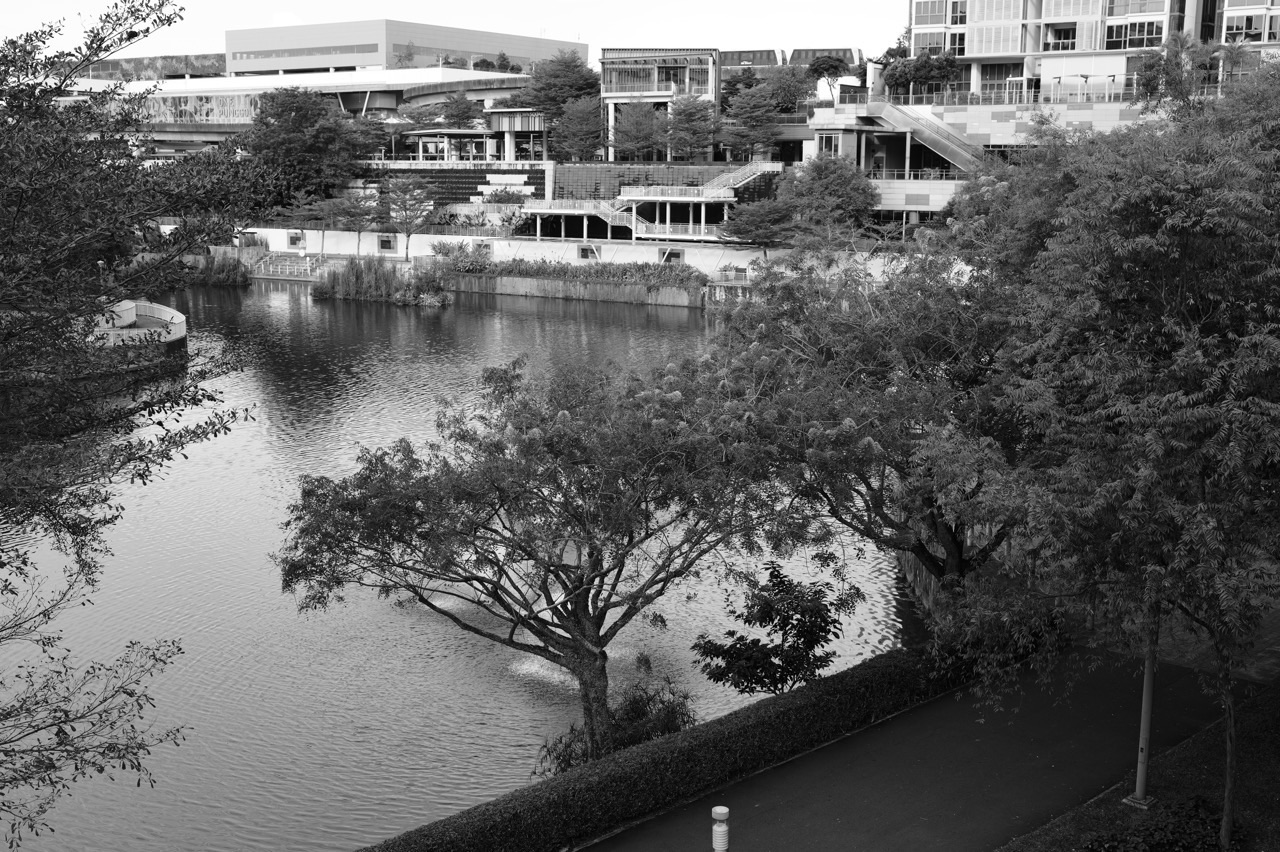
Where can a Punggol resident try disc golf in Singapore? The verified permanent public starting point is Kallang Riverside Park, not Punggol Waterway Park. The Singapore Flying Disc Association (SFDA) says its Kallang disc-golf course welcomes all ability levels with no tee-time booking or play fee. The Professional Disc Golf Association (PDGA) lists a permanent course at 398 Kallang Road, Singapore 339098, with 10 baskets and a description of a 20-hole playing layout. Check current course and park conditions before travelling, and always give other park users priority.
This Disc Golf for Beginners from Punggol 2026 guide explains how disc golf differs from Ultimate Frisbee, where the real Singapore courses are, the Kallang course’s layout, basic tee-to-basket rules, par and scoring, beginner disc choice, safe throwing, public-park etiquette, travel, costs, family participation and a four-stage learning plan. The key local boundary is clear: there is no verified dedicated disc-golf basket course in Punggol Town in the official directories checked here. Please do not set up a makeshift course across Punggol Waterway paths. For the wider series, visit Life in Punggol 2026.
Disc golf for Punggol residents: quick answers
| Question | What the official sources support | What requires checking |
|---|---|---|
| Is there a verified disc-golf course in Punggol Town? | No dedicated Punggol course was established from current SFDA/PDGA listings. | Do not invent baskets, fees or a local club. |
| Where is a real Singapore course? | Kallang Riverside Park, around 398 Kallang Road. | Current course access, park events and condition. |
| Is Kallang disc golf free? | SFDA says no fee or fixed tee time for its Kallang course. | Equipment and transport still cost money. |
| How many holes? | PDGA lists 10 permanent baskets and a 20-hole layout with alternate tees. | Use the current local layout information. |
| What equipment is needed? | A suitable disc intended for the sport can be enough to start. | Borrow before buying multiple discs if possible. |
| How do you score? | Count the throws taken to complete each target hole. | Course-specific rules and penalties may add throws. |
| Is disc golf the same as Ultimate Frisbee? | No. Ultimate is a team passing game; disc golf moves from a tee towards a target basket. | Different equipment and rules. |
| Can children play? | Some families can enjoy suitable supervised beginner activity. | Age, ability, course safety and venue rules matter. |
| Can I throw towards public footpaths? | No. Never throw when another park user could be struck. | Wait for the fairway to clear. |
| Are West Coast and Dover permanent courses? | Some listed Singapore courses use temporary or pop-up layouts. | Confirm real installation dates and venue permissions. |
| Does the 2026 tournament mean Punggol has a course? | No. PDGA’s August 2026 championship listed Tanglin Hill. | Event location is distinct from the player’s home estate. |
1. Disc golf is a real sport, not simply throwing a Frisbee at a tree
In disc golf, a player starts at a designated tee and tries to reach a target—commonly a metal basket with chains—in as few throws as possible. Each new throw is made from an appropriate lie near where the previous disc came to rest, subject to official rules. The principle resembles golf: the lower score is better. But the equipment is a flying disc, and courses may use open grass, trees or other marked obstacles.
The PDGA’s 2026 Official Rules of Disc Golf describe this system in detail, including legal throws, throwing positions, regulated areas, completing a hole and courtesy. For a beginner, the main idea is easy to understand: throw from the tee, find where the disc landed, make the next legal throw from the marked position and continue until the target is completed.
That differs from a casual family throw. A person tossing a standard Frisbee between friends in a permitted open area may be enjoying flying-disc recreation without playing a scored target course. The distinction matters because a proper disc-golf venue has defined targets and designated lines of play, and players must manage the safety of their throws. A public field without baskets should not be advertised as a disc-golf course.
Learning to control a disc can be enjoyable in its own right. Some participants like the precision and quiet outdoor setting. Others enjoy walking the course with friends and seeing how different routes influence the score. There is no requirement to become competitive or use a professional disc selection on a first outing.
2. Kallang Riverside Park: the verified nearby course
The PDGA lists Kallang Riverside Park as a permanent course established in 2020, with ten Chainstar baskets, grassy teeing areas, tee signs and a park environment. Its address is 398 Kallang Road, Singapore 339098, near the corridor between Kallang and Lavender MRT stations. This is a real location outside Punggol, so a resident will need to plan transport rather than expecting it beside the Waterway.
The directory describes a playing design with 10 baskets and 20 holes through alternate tee positions, and points players towards a layout in UDisc. That is a subtle but useful distinction: ten baskets do not necessarily mean the only way to play is a fixed ten-hole round. Equally, the directory’s recorded layout should not be taken as a guarantee that every sign, tee or basket will be accessible on a particular morning. Consult current course information and local notices.
SFDA’s Where to Play Disc Golf page calls the Kallang course a permanent option and says visitors of all levels can play without tee times or fees. This is the best current national-association starting point for a newcomer who wants to explore an actual course. However, no tee fee does not remove the need to check maintenance, events, weather or whether another group is using the area.
The PDGA course page explicitly warns players to watch out for other park users, particularly on Sundays and public holidays. That warning matters because the disc can travel a substantial distance. Public recreation does not mean disc-golf players own the grass between a tee and basket, and it never permits throwing when a pedestrian is in danger.
3. Kallang is not Punggol, and the travel question is real
Punggol residents often travel across Singapore for specialised sport. The nearest verified permanent disc-golf course in these sources is not a hidden Punggol Waterway attraction. Use the exact Kallang Road address and a current route planner. The nearest appropriate train and bus connections can vary from where in Punggol a person begins—Punggol MRT, Oasis, Matilda, Northshore and Punggol Coast are not interchangeable origins.
A family with young children might prefer an early but not overly hot session and may need access to a toilet or suitable place to rest. The course directory lists certain facilities but does not guarantee that each one is working or open. Bring appropriate water, sun protection and a practical return plan. Do not schedule an ambitious full round solely because travelling to Kallang took time.
A player interested in a group introduction can contact the Singapore Disc Golf community using the SFDA site or the contact information referenced by the PDGA course directory. The PDGA listing notes that beginners may enquire through Singapore Disc Golf about borrowing discs. That is a possible community pathway, not a promise that equipment or an instructor will be present every day.
The choice illustrates local search honesty: “disc golf from Punggol” means a Punggol resident learning where to play. It does not claim a disc-golf course inside Punggol Town. This distinction helps people decide whether travel makes sense for a hobby or whether a suitable local alternative would fit their week better.
4. Other Singapore courses: permanent versus temporary matters
| Listed course | What official sources say | Beginner decision |
|---|---|---|
| Kallang Riverside Park | SFDA permanent public course; PDGA lists 10 baskets. | A clear first enquiry, subject to live access. |
| West Coast Park | PDGA labels the course temporary with club-installed layouts. | Confirm when baskets are actually set up. |
| Dover and Fairfield areas | PDGA lists pop-up and temporary opportunities. | Do not assume an everyday permanent layout. |
| Tanglin Hill | A pop-up site and location of the August 2026 Singapore Disc Golf Championships. | Tournament venue does not equal permanent public course. |
| Tanjong Rhu / other listings | Some appear in historical PDGA directory records. | Check physical access and current club announcements. |
| Punggol Waterway | Not verified as an official disc-golf basket course. | Do not make up tees, baskets or a scorecard. |
The distinction is not academic. A family travelling across the island to a pop-up disc-golf event may arrive at an ordinary park on a weekend when portable baskets are not installed. The PDGA West Coast Park listing expressly describes a temporary weekend installation rather than an everyday permanent course. Check the organiser’s current schedule before travelling to such sites.
The PDGA 2026 Singapore Disc Golf Championships took place on 29–30 August 2026 at a Tanglin Hill layout. This confirms an active organised disc-golf scene in Singapore, but does not establish a Punggol course or a permanent Tanglin Hill installation. Historic event pages are useful for learning about the sport’s local existence, not for current recreational booking claims.
If you’re new, Kallang’s published permanent setup offers a clearer location reference than chasing a temporary tournament. Nevertheless, always confirm the day’s actual circumstances; even permanent public courses may be affected by park works, community events and other users.
5. Disc golf equipment: driver, midrange and putter
Disc-golf discs are designed for different flight behaviours. Some are called drivers, generally suited to longer throws when a player has appropriate control. Midrange discs are often used for shorter controlled fairway or approach shots. Putters are commonly used close to the target basket and can also be useful for slower beginner throws. These categories do not require buying a complete set before a first visit.
| Disc category | Broad use | A beginner-friendly question |
|---|---|---|
| Putter | Shorter controlled throws and finishing near a basket. | Can I borrow one to learn safe contact? |
| Midrange | General controlled approaches and shorter fairway needs. | Is it easier to keep on a predictable line? |
| Fairway driver | Longer throws with different flight characteristics. | Do I have enough technique for this now? |
| Distance driver | Designed for higher-speed longer throws. | Why would I need it before learning basic control? |
| Standard recreational Frisbee | Often designed for catch games rather than basket play. | Is it appropriate for the intended session? |
| Mini marker | Used under rules to mark a lie. | What does the group or organiser require? |
A common mistake is buying several “high-speed” distance drivers and expecting them to fly far because the label sounds powerful. A complete beginner may find a suitable putter or midrange easier to control. The right choice depends on the learner and any coaching guidance, and borrowing a disc may be helpful. Do not let equipment shopping become a prerequisite for exploring a low-cost outdoor hobby.
Inspect borrowed discs for damage, follow the provider’s instructions and respect others’ belongings. A disc’s edge may be firm and can still hurt a person when thrown fast. Throwing safely is not achieved merely because the object is made from plastic. The public-space and direction rules remain central regardless of equipment.
6. First throw: learn a straight controlled line, not distance
For many beginners, the immediate skill is releasing a disc in a controlled direction at a suitable effort. The PDGA allows a range of legal throwing styles under its rules, including backhand and forehand. The best introductory throw is not necessarily the longest. A shorter predictable path that remains safely within the intended open area may be more useful than an uncontrolled powerful attempt.
A qualified instructor or experienced safe player can help with body position, grip and understanding the flight. A static webpage cannot know what direction the learner is facing, whether people have entered the fairway or whether the throwing motion is suitable for someone’s shoulder or wrist. Do not copy a full-power professional throw in a busy park when you are still learning basic control.
The park environment makes judgement important. A disc thrown too high or far might leave the intended line, roll near other park users or become lodged among obstacles. Before throwing, check the entire likely flight and landing area. If someone enters it, wait. The sport’s enjoyment depends on giving pedestrians and other recreational users adequate space.
7. Tee, lie, basket and par: four terms that make the score understandable
| Term | Meaning | Beginner interpretation |
|---|---|---|
| Tee | The designated start of a hole. | Start from the marked authorised area. |
| Lie | The legal area from which the next throw is made. | Find the disc and apply the correct marking/stance rules. |
| Target basket | A recognised target with chains and catching assembly. | Complete the hole according to PDGA rules. |
| Par | Expected throws assigned for a hole or course. | A benchmark, not a requirement for recreational fun. |
| Birdie | One throw below par. | Useful scoring vocabulary. |
| Bogey | One throw above par. | Ordinary for beginners; no need for embarrassment. |
| Out-of-bounds | A marked area where special rules and penalties apply. | Learn the local boundaries before throwing. |
Under the PDGA’s official rules, the player takes a throw from the correct tee or lie and proceeds until the hole is legally completed. Foot placement, marking and out-of-bounds rules have detail that a new player should learn from current sources. A beginner may start with a friendly unscheduled practice round with someone experienced, asking questions before relying on a formal event scorecard.
Remember that par is a comparison figure, not a personal judgement. A parent playing with a child might treat completing the hole safely as the main milestone. A friend may enjoy keeping a simple number of throws for curiosity. Some tournaments use more detailed recording and penalties, but ordinary discovery does not need to be a competition against experienced players.
8. Worked Mathematics: a simple five-hole disc golf score
| Hole | Illustrative par | Actual throws | Relative to par |
|---|---|---|---|
| 1 | 3 | 4 | +1 |
| 2 | 3 | 3 | 0 |
| 3 | 4 | 5 | +1 |
| 4 | 3 | 2 | −1 |
| 5 | 4 | 6 | +2 |
| Total | 17 | 20 | +3 |
This original example has a five-hole par total of 3 + 3 + 4 + 3 + 4 = 17. The player used 4 + 3 + 5 + 2 + 6 = 20 throws. Therefore the player’s score is 20 − 17 = +3, or three throws over par. The calculation is illustrative and does not represent Kallang’s actual first five holes or any official course layout. Penalties have been excluded to keep the introductory arithmetic simple.
A second learner could complete the same illustrative holes in 19 throws and finish +2. That player used one fewer throw overall. But in real sport, terrain, course layout, wind, regulations and a participant’s experience all affect scoring. This is a chance to apply addition and signed numbers, not a reason to shame someone who is new to the activity.
The eduKate educational connection is useful: an absolute number of throws and a relative score are different information. A child might need to understand why +3 in disc golf can be worse than +2 even though the plus sign sounds positive. That conceptual difference is similar to using negative and positive values correctly in Mathematics.
9. Disc golf versus Ultimate Frisbee: two distinct flying-disc systems
| Question | Disc golf | Ultimate |
|---|---|---|
| Main purpose | Complete targets using as few throws as possible. | Pass among teammates and score in an end zone. |
| Team requirement | Can be played individually or in groups. | Team passing game; standard field version typically seven per side. |
| Equipment | Sport-specific discs and target baskets. | A suitable Ultimate game disc and marked field. |
| Movement | Walk the course between throws. | Runs, cuts and passes during active play. |
| Rules | PDGA disc-golf rules. | WFDF rules and Spirit of the Game. |
| Kallang facility | Verified disc-golf course at Kallang Riverside Park. | A disc-golf course is not an Ultimate pitch. |
| Punggol site | No verified dedicated basket course. | Any local organised Ultimate venue requires its own permission. |
Our Ultimate Frisbee for Beginners from Punggol article explains throwing and teamwork in the separate sport. A resident might enjoy both. Some throwing familiarity transfers, but rules and equipment are different. A disc-golf basket should not be used as a casual challenge while another organised group is playing through it.
SFDA’s role is useful because it recognises Ultimate, Beach Ultimate and Disc Golf as distinct flying-disc disciplines in Singapore. Its disc-golf location page provides a practical route to finding the actual course rather than using generic Punggol “Frisbee” searches that may return team-sport articles.
10. A responsible first visit to Kallang Riverside Park
- Check the current SFDA and PDGA course information and any park notices.
- Plan the journey from the actual Punggol address to Kallang Road.
- Choose a suitable time with enough daylight, heat and weather margins.
- Ask about borrowing a beginner-suitable disc instead of buying many.
- Read the current course map and recognise tee/basket positions.
- Wait for any pedestrians, cyclists, children or other users to clear the throwing area.
- Never throw towards someone or into a crowded public space.
- Keep a safe distance from other players and do not step into their throwing motion.
- Follow legitimate course and park rules, including regulated boundaries.
- Do not damage vegetation or disturb wildlife to recover a disc.
- Record throws only if the group wants to learn scoring.
- Take breaks, water and suitable sun protection.
- Stop or postpone when heat, haze or thunderstorms make play unsuitable.
- Leave the course clean and respect other visitors.
- Check the return transport rather than extending the game indefinitely.
11. Public parks are shared places, not private throwing lanes
The PDGA Kallang course is inside an ordinary public park, and its course description explicitly asks players to watch for other users. A person practising disc golf should not expect pedestrians to move out of a fairway just because a tee sign exists. Wait until the whole flight area is safe. Do not throw over a stroller or towards a bicycle path and assume the disc will miss.
A plastic disc can travel far and cause an injury. Even a putter can become dangerous when released towards someone at speed. The responsible first action is to look at where the disc could land, not just where you wish it would go. If children or pets enter the area, pause. Courtesy and self-control are part of the sport, as reflected in the PDGA’s rules on interference and conduct.
Punggol Waterway Park similarly belongs to runners, cyclists, pedestrians and families. It is not a dedicated disc-golf course simply because there is open grass beside a path. Do not carry portable metal baskets into restricted areas, set out throws across park connectors or damage native planting. Any organised event or temporary course requires the relevant permissions. Recreational throwing in a genuinely permitted safe open space is a different question from establishing a course.
If a learner wants convenient local activity without travelling to Kallang, a safe casual catch game in a permitted area may be worthwhile. But it should be described as flying-disc recreation, not a full round on imaginary Punggol disc-golf baskets. Accuracy builds trust with readers and helps them choose the activity they actually want.
12. How to understand the current PDGA rules without memorising the whole manual
The PDGA’s simplified rules explain the basic throwing position, teeing area, completion and player order in accessible language. The current detailed rules date from the 2026 edition, with updates and interpretive notes. New participants can learn the concepts first, then seek help with boundary or stance situations that arise on the course.
For example, the correct place to make the next throw is related to the previous lie or an authorised mark; a player should not simply walk several metres closer to the basket because it is easier. Similarly, throwing a disc into a designated out-of-bounds area may trigger a penalty and a particular next-throw location. A first casual outing may be simplified by an instructor for learning, but formal tournament scoring must follow the proper rule set.
Disc golf also has pace and courtesy expectations. Don’t take unlimited practice shots while a group waits behind you, and avoid distracting other players during their throws. When uncertain, politely ask an experienced participant about the course’s normal flow. The exact rule details are more easily learned when applied to a real legal hole rather than memorised in isolation.
13. A four-stage learning route from Punggol to the course
| Stage | The question to answer | A reasonable action | Evidence of progress |
|---|---|---|---|
| 1 — Discover | Do I enjoy controlled flying-disc play? | Try a suitable basic disc or authorised supervised introduction. | Understand safe throwing and equipment. |
| 2 — Visit | Can I use a real course responsibly? | Go to the verified Kallang course, check its current map and conditions. | Recognise the tee, lie and basket. |
| 3 — Learn | Can I complete holes and keep simple score? | Play manageable holes with suitable guidance. | Understand throw count and par. |
| 4 — Decide | Is travelling for disc golf worthwhile? | Explore club contact, equipment needs and realistic participation. | An enjoyable sustainable hobby choice. |
This is not a four-week guarantee of accurate long throws. A beginner may spend several outings learning controlled direction or deciding whether the sport is appealing. Another player with experience in Ultimate may adapt faster but still need to understand disc-golf target rules. The meaningful result is safe participation and an informed choice, not a published rating.
If a participant has shoulder, elbow or back pain, obtain appropriate advice before repeated throwing. A person with mobility limitations may need a suitable accessible course section or an adapted activity. The PDGA includes adaptive rules and sport resources, but a particular park’s grass or route condition must still be assessed rather than assumed suitable for every user.
14. Three practical Punggol learner examples
Two friends who mistake Ultimate for disc golf
The friends already throw a flying disc at a park and decide to “play disc golf” by inventing baskets in Punggol Waterway Park. They discover that no official basket course is verified locally and that shared park paths cannot become throwing lanes. They change the plan: either practise gentle recreational catch in an appropriately permitted space or travel to Kallang’s real course. The choice depends on whether they want a team-style throwing game or actual target scoring.
A parent and child curious about the Kallang baskets
The family checks SFDA’s course information, plans transport from Punggol and asks whether a suitable beginner disc can be borrowed. At the park, the adult explains that all other park users have priority. They start with a simple legal hole when clear, allowing the child to learn the basket and count without pressure. If it becomes hot or crowded, they shorten the visit. The family values the experience over completing every listed hole.
An adult comparing a pop-up course to the permanent course
The adult sees a social-media reference to disc golf at West Coast Park and a directory listing for Kallang. The West Coast course is marked temporary, with club-run installations, whereas Kallang has a permanent published course. They check actual weekend events before travelling and choose Kallang for an ordinary practice enquiry. This avoids arriving at an empty field with no baskets and assuming the sport is unavailable in Singapore.
15. Cost: no course fee does not mean zero total cost
SFDA describes Kallang as a course without a tee-time charge or play fee. This is helpful for a newcomer on a budget, but a family may still need transport, appropriate footwear, drinking water and a suitable disc. If you borrow gear from a club member or group, treat it carefully and return it as agreed. Do not invent a guaranteed free disc-lending desk at the park; the PDGA listing only suggests contacting the community.
A person who enjoys the sport after trying it may buy one or two suitable discs. The expensive option is not automatically the right one, and there is no need to build a bag full of distance drivers before learning basic throws. A club or qualified instructor can help identify which equipment matches the player’s technique and actual participation goals.
For working adults, the trip from Punggol to Kallang may cost more in time than the course itself. A shorter visit might be more enjoyable than trying the 20-hole layout on a day when transport, weather or other responsibilities are demanding. The Low-Cost Fitness in Punggol article explains how to compare free access with total household value.
16. Heat, haze, rain and park conditions
Disc golf typically involves walking between throws and waiting in exposed park areas. Singapore’s heat and humidity can make a long round uncomfortable, especially for someone not accustomed to outdoor activity. The Meteorological Service publishes WBGT heat-stress guidance; follow it when planning prolonged outdoor sport and adjust the outing to the most vulnerable participant.
During haze, use official air-quality guidance rather than judging whether the skyline looks clear. The effort of carrying equipment and walking through a park is still outdoor exposure. Lightning and thunderstorms are a separate hazard, so check MSS lightning information and stop or postpone when conditions require it.
A wet grass tee can also affect footing, especially when someone attempts a forceful rotation. Do not insist on throwing from an unsafe surface or chase a disc into hazardous vegetation or water. Follow the venue’s actual rules and appropriate retrieval guidance. If the course is temporarily closed or crowded with a public event, another day may be the better choice.
17. What a Punggol lifestyle reader gains from disc golf
Disc golf can be an enjoyable combination of outdoor walking, a technical skill and conversation with friends. It also teaches simple numerical thinking, as scores are counted relative to par, and environmental awareness, as players must work within a course’s legitimate routes. But a leisurely round does not automatically meet all weekly activity guidelines, and a brief throwing practice may be quite light. HealthHub’s broader advice still calls for an appropriate mix of movement and strengthening.
The sport offers a different flavour of recreation from high-intensity futsal, swimming or a conventional gym session. Someone who dislikes contact sport may appreciate the calmer pace, while another person enjoys the challenge of controlled long throws. Neither preference is superior. The purpose of a strong local lifestyle library is to show accurately which real opportunities exist and what a person needs to participate safely.
For families who prefer to stay in Punggol, safe walking, ordinary flying-disc catch, Waterway nature activities or another sport may be more convenient. The local Ultimate Frisbee guide offers another way to explore disc skills if a properly authorised group is available. Disc golf remains a worthwhile option even when the reliable course requires a trip to Kallang.
18. Common mistakes new disc golfers can avoid
- Calling Punggol Waterway a dedicated disc-golf course. No official basket venue was verified there.
- Confusing Ultimate with disc golf. Team passing and target scoring are distinct.
- Assuming 10 baskets means only 10 playable holes. The Kallang listing describes an alternate 20-hole layout.
- Travelling to a temporary course on the wrong date. Verify pop-up schedules.
- Throwing when pedestrians could be hit. Wait for the fairway to clear.
- Buying multiple high-speed drivers before learning. Begin with suitable controlled equipment.
- Leaving the path to chase a disc through vegetation. Respect park rules.
- Assuming free course admission means a free club rental. Confirm any borrowing arrangement.
- Counting par rather than actual throws. Understand the difference.
- Ignoring course-specific markings or out-of-bounds. Learn the current layout.
- Forcing a long round in heat or haze. Shorten or postpone.
- Comparing beginners with competition scores. Enjoyment and safety first.
19. Frequently asked questions
Is there a disc-golf course in Punggol Town?
No dedicated course was verified in the SFDA and PDGA listings checked for this article.
Where is a real course for a Punggol resident?
Kallang Riverside Park, at approximately 398 Kallang Road, is officially listed.
Does Kallang disc golf cost money?
SFDA says its Kallang course has no tee-time or playing fee; transport and equipment are separate.
Is a booking required?
SFDA says there are no fixed tee times for ordinary play, but current park access and event arrangements still apply.
How many baskets are at Kallang?
PDGA lists ten permanent baskets and describes a twenty-hole route using alternative tee positions.
What is a disc-golf basket?
A recognised target assembly with chains that catches the disc when a hole is properly completed.
Is disc golf the same as Ultimate Frisbee?
No. Disc golf scores individual target holes, while Ultimate is a team passing game.
Do I need many discs?
No. A suitable beginner disc can be enough to try the sport; borrowing may be possible through the community.
What is par?
The expected number of throws assigned to a hole or course for scoring comparison.
Is a birdie good?
Yes. A birdie is one throw under par.
Is a bogey good?
It means one throw above par; it is normal for learners and not a reason for embarrassment.
Can a child play?
Some children may enjoy an appropriate supervised introduction; fit, maturity, course hazards and preferences matter.
Can I practise across a park connector?
Do not throw where a path user could be hit or where the activity is unauthorised.
Where else is disc golf found in Singapore?
PDGA lists venues including West Coast and Tanglin Hill, some as temporary pop-up courses.
Was there a 2026 Singapore disc-golf tournament?
Yes. PDGA records the August 29–30 Singapore Disc Golf Championships at Tanglin Hill.
Can I throw any Frisbee into a basket?
Equipment and playing rules vary; choose a disc appropriate to the course and participant.
What if a disc lands near someone?
Wait and approach safely, respecting other park users rather than rushing into a throwing or walking lane.
Can I play during haze?
Follow official air-quality advice and your health needs; postpone unsuitable outdoor activity.
Do I have to finish all twenty playable holes?
No. A beginner can choose a shorter permitted experience consistent with course and group rules.
How can I find other players?
Use SFDA or the community links referenced by the PDGA course directory and verify current sessions.
Continue through the Punggol and Singapore activity library
- Life in Punggol — Master Lifestyle Hub
- Ultimate Frisbee from Punggol — A Different Flying-Disc Sport
- Low-Cost Fitness in Punggol
- Punggol Community Lifestyle and Hobbies
- Weekend Sport and Recovery in Punggol
- Futsal for Beginners at One Punggol
- Teach a Child to Cycle in Punggol
- Kick Scooters for Children in Punggol
- Birdwatching in Punggol
- Coney Island Map Reading and Nature Walking
- eduKateSG — Learning Mathematics by First Principles
Official references and editorial notes
- Singapore Flying Disc Association — Where to Play Disc Golf
- PDGA — Kallang Riverside Park Permanent Course
- PDGA — Official Rules of Disc Golf 2026
- PDGA — Simplified Rules
- PDGA — 2026 Rules Questions and Answers
- PDGA — West Coast Park Temporary Course
- PDGA — Singapore Disc Golf Championships August 2026
- NParks — Punggol Waterway Park
- MSS — Heat Stress
- MSS — Lightning
- Official Singapore Haze Information
Reviewed 18 October 2026. This is general disc-golf sport education and local travel guidance, not live course access, organised coaching or a booking. Kallang’s permanent course and temporary sites may be affected by events or maintenance. No dedicated disc-golf basket course within Punggol was verified. Follow PDGA rules, actual park conditions and other users’ safety. Worked scoring examples are fictional.


