
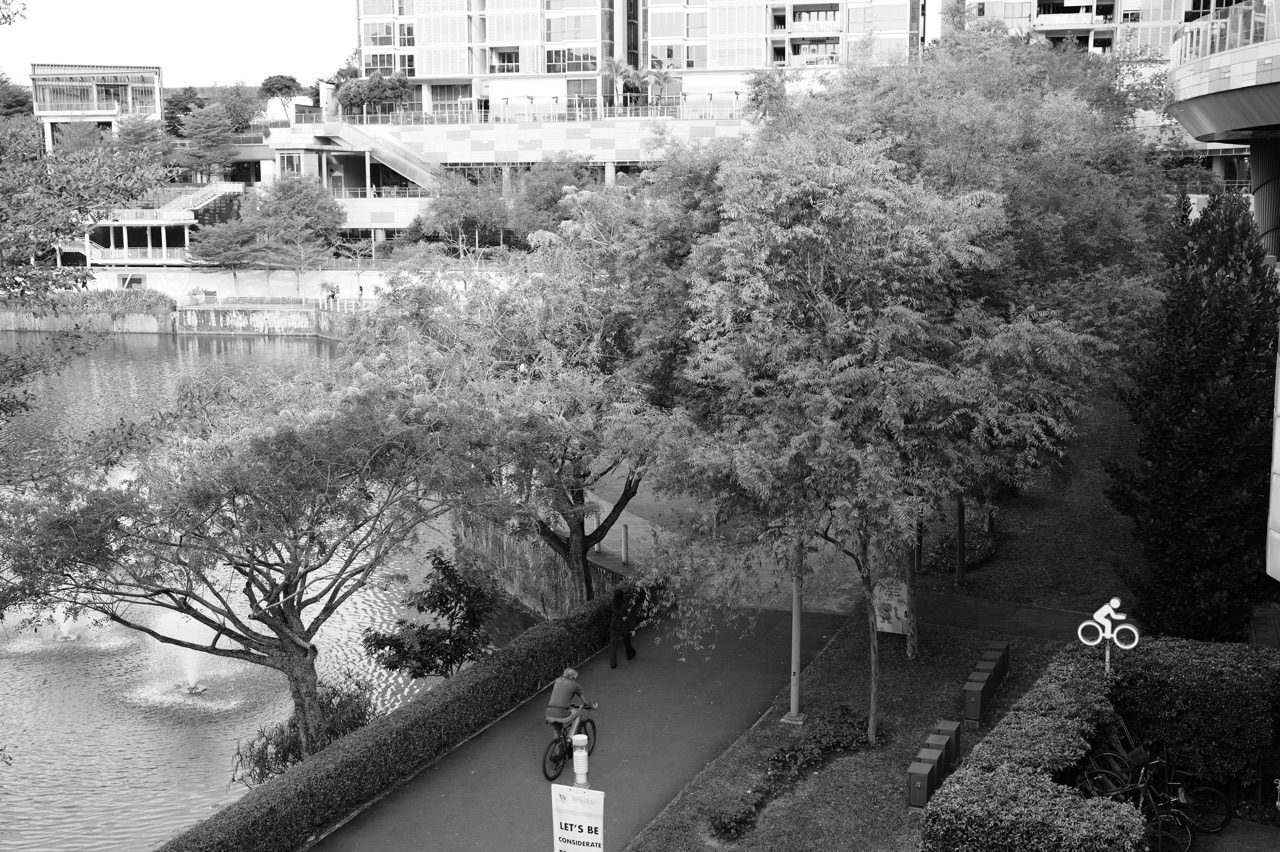
Can you start playing Ultimate Frisbee while living in Punggol? Yes. The Singapore Flying Disc Association (SFDA) advertises a genuine Ultimate Beginner Course for ages 13 and above, requiring no previous experience. Ultimate is a non-contact, self-officiated team sport in which players pass a flying disc to teammates and score by catching it in an end zone. You cannot run while carrying the disc. Punggol’s neighbourhood fields can support appropriate casual outdoor recreation when it is permitted, but a park connector, playground or school field is not automatically an authorised Ultimate match venue. Check the actual public-use rules before organising a group.
This Ultimate Flying Disc for Beginners in Punggol 2026 guide explains forehand and backhand throws, catching, pivoting, the ten-second stall count, Spirit of the Game, beginner courses, team formats, safe field access, equipment, children’s activity, inclusive play, weather, costs and a realistic four-week learning pathway. Its job is to help an interested resident decide whether they want casual throwing, coached Ultimate or organised competition without mixing those three activities together. Start with Life in Punggol 2026 for general lifestyle and Exercise in Punggol for a beginner fitness baseline.
Ultimate Frisbee for Punggol residents: the quick answers
| Question | Direct answer | Why the distinction matters |
|---|---|---|
| What is Ultimate? | A self-officiated, non-contact invasion game played with a flying disc. | Fair play and safe movement are fundamental. |
| Who offers beginner lessons? | Singapore Flying Disc Association’s UltiAcademy. | Check current intake, location and fees. |
| What age is its Beginner Course for? | Ages 13 and above with no prior experience needed. | Its younger children’s programme has different entry rules. |
| How many players? | Standard outdoor Ultimate uses seven per team. | MOE and other formats also use smaller-sided games. |
| Can the player with the disc run? | No; the thrower establishes a pivot and passes. | Team movement occurs mainly without the disc. |
| How long can the thrower hold the disc? | Under WFDF rules, the defender may initiate a ten-second stall count. | The defender must follow proper counting and position requirements. |
| How do you score? | Complete a pass to a teammate in the end zone attacked. | No goal net or hoop is required. |
| Is all contact permitted? | No, Ultimate is a non-contact sport. | Avoid dangerous picks, marking and collision. |
| May we play on a school field? | Only at authorised public-use times and under the facility’s conditions. | A field’s location is not guaranteed free access. |
| Is a Waterway path a good full-match field? | No. Narrow shared paths are for permitted movement and must remain unobstructed. | Use a suitable legitimate playing area instead. |
1. A flying-disc throw and the sport of Ultimate are different
Many families have tossed a plastic disc at the beach or in a park. That can be a fun recreational activity with two people. Ultimate is a structured team game built around moving the disc toward an end zone, marking opponents, creating space and respecting a complete set of rules. It resembles other invasion games in its use of territory, but the disc changes the movement: an individual holding it cannot simply run across the field.
The World Flying Disc Federation’s Rules of Ultimate 2025–2028 establishes the international framework. Teams typically play on a rectangular field with an end zone at either end. A goal is scored when a player receives a completed pass in the end zone their team attacks. An incomplete throw or other turnover gives possession to the opponents under the rules. The exact format can be adapted for age, event and available space.
This distinction is useful for parents choosing an activity. A child may like simple catching and throwing but not wish to play a fast competitive match. Another may enjoy tactical teamwork and want formal training. Neither preference is wrong. The sensible path is to learn basic disc handling and safe movement first, then choose whether to participate in full Ultimate.
The game’s culture is also distinctive. It is generally self-officiated, so players themselves are expected to understand rules and discuss calls respectfully. That can make Ultimate an interesting activity for students learning sportsmanship. But it requires more responsibility, not less. A self-officiated game still needs participants to take safety and fair play seriously.
2. The verified Singapore beginner pathway: SFDA UltiAcademy
The Singapore Flying Disc Association beginner course welcomes participants aged 13 and above with no previous experience. Its published curriculum includes throwing and catching, rules, offensive and defensive principles, teamwork and guided scrimmages. This is a suitable first-party source for someone who wants an actual structured introduction, not merely a social-media invitation to play.
SFDA’s UltiAcademy page also distinguishes a Little Flyers pathway for ages 6–12 and an Intermediate Course for ages 17 and above. Those categories should not be merged. A Primary 3 child should not be told they qualify automatically for an adult or 13+ beginner class, while a secondary-school student should not assume an intermediate course is appropriate without the required foundation.
The course listing demonstrates that the sport has an organised national development pathway. However, it does not guarantee an open place, date, fee or training venue in Punggol. Check current SFDA registration and the physical field or hall before making travel arrangements. A general description of “Singapore beginner Ultimate” is not a Punggol-specific venue booking.
The association also governs Beach Ultimate and disc golf as separate flying-disc disciplines. A programme for disc golf, where players aim to complete a course of targets in as few throws as possible, does not automatically teach Ultimate teamwork. Name the specific discipline when contacting an organiser, particularly if your interest began with ordinary recreational frisbee throwing.
3. Basic rules explained in everyday language
| Rule | What a new player does | What to practise |
|---|---|---|
| Start of a point | Teams begin at designated ends and the defence throws a pull. | Listen to the captain and stay in position. |
| Move the disc | Throw it to teammates; the holder cannot run. | Learn a legal pivot and find a receiver. |
| Score | Catch a valid pass in the attacked end zone. | Create safe space and communicate. |
| Turnover | Incomplete, intercepted or out-of-bounds throws commonly change possession. | Stop chasing a lost play recklessly. |
| Stall count | An appropriate defender counts while marking the thrower. | Understand ten seconds and fair counting. |
| Non-contact | Do not initiate avoidable dangerous contact. | Give other players safe running lanes. |
| Self-officiating | Players discuss calls under rules and Spirit of the Game. | Explain calmly, listen and resume correctly. |
The SportSG scoring and faults guide summarises key Ultimate rules, including not running with the disc and the importance of self-officiating. Beginners should use it as an introduction while referring to current WFDF rules for formal match disputes. Casual practice can modify the number of participants, but it should never discard safety expectations or misrepresent itself as an official competition.
One practical distinction from netball is that Ultimate uses a flying disc with no dribbling. Players without the disc move to receive a pass, while the thrower uses a pivot to create an angle. The throw’s trajectory depends on grip and release rather than a ball’s bounce. A beginner can enjoy practising these movements without needing to memorise an entire tournament rulebook first.
4. The ten-second stall count is a lesson in fair pressure
Under standard WFDF rules, an eligible marker may begin a ten-second stall count on the player holding the disc. The marker must follow requirements about proximity, positioning and counting. This is not permission to stand face-to-face in an unsafe manner or shout numbers faster than seconds pass. A correct defender places pressure while respecting the thrower’s personal space and the sport’s non-contact rules.
Why does the count exist? If the thrower could stand still indefinitely, the game would become static. A time limit encourages a choice: pass to a teammate who has created safe space, or risk a stall turnover. A beginner should first learn to look for options calmly before attempting rapid high-risk throws. The counting rule can help build teamwork when taught patiently.
A common newcomer mistake is deciding that the stall count means the thrower must sprint with the disc before time expires. That is exactly what they cannot do. The thrower pivots appropriately and passes. When a teammate is tightly marked, another teammate can move into space or adjust position, without creating a dangerous pick or physical screen.
Use the current WFDF rules for formal details about which defender can count and how counting resumes after stoppages. The goal of a beginner class is to understand the mechanic and respect opponents, not win arguments over technicalities before learning accurate throws.
5. Spirit of the Game: the defining social skill
Ultimate’s Spirit of the Game requires self-officiating, honest calls, communication and respect. Players are trusted to avoid intentionally breaking rules and to discuss disputed situations in good faith. This is not equivalent to having no rules or no consequences; it asks players to take more responsibility for applying the game’s agreed rules. The official 2025–2028 rule framework begins with this principle.
Imagine two players arriving for the same disc and making accidental contact. Instead of shouting or escalating, they stop as appropriate, discuss what happened and apply the rules. A player who made a mistake should be willing to acknowledge it, while someone making a call should explain what they observed. Good Spirit does not require people to ignore dangerous play; it includes recognising and addressing it.
This can make the sport a useful social activity for teenagers learning cooperation, but it does not automatically improve school results. A recreational course teaches a game. Educational recognition, leadership outcomes and CCA points depend on actual school programmes and rules. The eduKateSG Punggol CCA and LEAPS 2.0 guide examines that separate question.
The responsibility also belongs to adults. A friendly Punggol weekend group should not allow experienced players to bully novices, contest every simple call or ignore contact because there is no referee. A group with good Spirit tends to be more welcoming and repeatable, which is especially valuable for residents whose purpose is social fitness.
6. Beginner throws: backhand, forehand and catching
| Skill | What it means | A useful first goal |
|---|---|---|
| Backhand throw | An accessible basic disc delivery on one side of the body. | Send the disc predictably to a partner. |
| Forehand/flick | A different controlled release and grip. | Learn with a coach before adding force. |
| Catching | Secure the flying disc without unsafe reaching. | Meet the disc in a comfortable zone. |
| Pivoting | Change throwing angle without running with the disc. | Maintain controlled footing. |
| Leading pass | Throw into appropriate safe space for a moving receiver. | Coordinate timing with a teammate. |
| Marking | Defend a thrower under distance and contact rules. | Count fairly and avoid crowding. |
| Cutting | Move into open space to receive. | Change direction without dangerous contact. |
| Recovery | Return to useful position after the play. | Stay aware of teammates and other field users. |
SFDA’s beginner curriculum includes backhand, forehand and hammer throws. Hammer throws are more advanced than simple short passes and should not be the first target for everyone. A new player is better served by a consistent short throw that a friend can catch, then gradually learning alternative angles with coaching. Accuracy and safety before distance is a sensible order.
SportSG has a Frisbee learning section explaining throwing, catching and game concepts. A webpage can define a backhand or forehand but cannot evaluate technique, wrist comfort or field clearance. A qualified coach or experienced safe instructor is valuable, particularly for young players learning to pivot and change direction.
A player tempted to throw a disc across a crowded promenade should stop. The park connector beside Punggol Waterway serves runners, cyclists, pedestrians and people using mobility aids. A disc can fly far from its intended line and interrupt others. Practise only in a permitted clear area with suitable space and visibility. Learning a sport should never make the shared public environment less safe.
7. Seven players, four players or five? Match the actual format
Standard field Ultimate commonly uses seven players per team, according to WFDF and SportSG guidance. But smaller formats are legitimate for teaching and certain competitions. A 2026 MOE game module describes four-a-side Ultimate, and Singapore’s physical-education materials also use modified small-sided games. The number of players is therefore a question about the particular event, not a reason to say one format has replaced every other.
A beginner course can start with two people practising passes or a small group creating space. You do not need fourteen people merely to learn the first forehand. Conversely, four friends throwing a disc in a clear field should not describe that as a full official seven-a-side competition. Terminology helps parents and students understand what they are signing up for.
For a family, the group size also affects safety. Young children require age-appropriate learning, supervision and room to move. A group that includes a skilled adult and a nervous first-timer should choose a controlled pace rather than a full-field sprint. People with disabilities may need adapted movement, communication or playing-space arrangements, and SFDA or a suitably qualified provider can advise on appropriate programmes.
8. Where could someone legally play from Punggol?
The town has parks, public open spaces and designated school sports fields, but their permitted uses vary. SportSG’s Free-to-Play School Fields programme lists authorised public-use school fields, including several Punggol-area schools. Some slots are free but still require booking. A person interested in Ultimate should not assume that a free-to-play football field allows organised flying-disc games without approval; check the exact facility’s current permitted sport, times and booking conditions.
Our Casual Football and Basketball in Punggol guide identifies SportSG field examples around Punggol Green, Punggol View, Valour and Waterway schools. These are useful geographically, but the right for an Ultimate group to use them must be verified. Sports facilities can restrict equipment, group activities or organised coaching even when the field seems empty.
Punggol Waterway Park is not a full regulation Ultimate pitch. Its bridges, shared paths and narrow landscaped edges are designed primarily for movement, nature and other permitted park uses. Do not mark out end zones across a park connector, send discs through cycling traffic or block a pedestrian-only path. A small informal catch in a permitted safe open area differs from an organised match, which may require permission.
The safest recurring beginner arrangement may be a course whose organiser supplies an authorised field or a club that already manages venue access. For independent social practice, confirm current public-space rules and choose a place with adequate clearance and a safe path home. The correct location is a practical question, not something a page should invent from a map image.
9. A four-stage beginner pathway at a manageable pace
| Stage | Question to answer | Possible appropriate activity | A useful result |
|---|---|---|---|
| 1 — Discover | Do I enjoy throwing and catching? | Safe short partner passes in permitted space. | Controlled contact and willingness to repeat. |
| 2 — Learn | Can I move and pivot under basic rules? | SFDA beginner instruction or suitable coaching. | Understanding of disc movement and fair contact. |
| 3 — Cooperate | Can I create space and communicate? | Small-sided organised game or guided scrimmage. | Better teamwork and awareness. |
| 4 — Choose | Do I prefer recreation, social games or competition? | A relevant club or continued friendly practice. | A sustainable safe activity plan. |
This framework is not a four-week certification or a guarantee that someone will join a competitive team after a month. Skill development depends on starting ability, teaching, field access and regularity. A person who only wants relaxed throwing with friends may stay at the first stage and still gain enjoyment and light movement. Another may decide they love team tactics and explore the national association’s organised pathway.
A beginner who develops pain when repeatedly throwing should stop and seek suitable advice rather than simply force more distance. Similarly, a player recovering from a leg injury may need guidance before repeated cutting and sudden stops. The sport’s non-contact rule does not make every physical movement low-risk.
10. How to organise a four-person practice without pretending to run a league
Suppose four Punggol friends want to test Ultimate. They first choose a permitted clear space or a provider-led beginner opportunity. They agree that the session is for safe partner throws, catching and basic rules, not a regulation field game. Two people can practise short accurate throws while the other two take turns catching or offering gentle movement options. Everyone watches where the disc might travel.
Once comfortable, the group can learn a simple no-running-with-the-disc rule and practise moving into space. They can later ask an instructor about marking, safe defensive distance and the stall count. They should not erect goals across a cycling path, claim a public facility exclusively without authorisation or insist on maximum-speed sprinting in a narrow area.
Their review question is simple: Did everybody enjoy it? Were the throws controlled enough to avoid other park users? Was the space suitable and allowed? Is there a confirmed place to return next time? A successful first experience answers those questions better than a high score in a made-up competition.
11. The national association, not an imaginary Punggol league
SFDA is Singapore’s governing organisation for flying-disc sports and publishes genuine beginner information. Its UltiAcademy has clearly described skill outcomes and age pathways. However, the pages do not establish that a new Punggol neighbourhood league is currently operating on a particular field. A responsible local guide should not invent one. Readers can ask SFDA about the actual next course, venue and recognised group before paying.
For someone interested in school sport, the MOE’s 2026 Ultimate game module explains how students are introduced to modified play and Spirit of the Game. That educational resource is not a public club invitation and may apply only within the relevant school programme. School students and adult residents should use the correct organisational pathway rather than blending private classes and MOE schedules.
Some local school CCAs and competitions feature Ultimate. Their students have teachers, coaches and scheduled fields; an unaffiliated resident does not gain admission by reading a school’s public page. If a parent wants an external training experience, check the association’s age and coaching suitability and the child’s actual weekly commitments.
12. Heat, haze and thunderstorms: a running sport needs safeguards
Ultimate often involves sprinting, sudden direction changes and exertion that can be substantial even when a beginner enjoys the game. Singapore’s heat and humidity are relevant. The Meteorological Service uses WBGT for prolonged outdoor heat-stress guidance. Check MSS heat-stress information and adjust or postpone as advised. A waterfront breeze in Punggol does not establish low heat risk.
During haze, consult official air-quality guidance; PM2.5/PSI considerations are not the same as heat stress. During thunderstorms or lightning warnings, stop outdoor activity and seek appropriate indoor shelter. Use MSS lightning information. A field booking or organised group does not entitle anyone to play through unsafe conditions.
A person with recent respiratory illness, repeated dizziness, chest symptoms or other relevant concerns should obtain appropriate health advice before vigorous outdoor activity. The instructor and venue operator may impose additional limits for group safety. A group should also plan drinking water, suitable rest and a route home. A session cancelled for weather can be rescheduled or replaced with an appropriate indoor activity.
13. Why Ultimate can connect fitness with social wellbeing
A flying-disc group can provide regular movement, friendship and the satisfaction of learning a team strategy. Newcomers may especially appreciate that the rules encourage shared responsibility and explanation rather than relying on a referee to solve every disagreement. But social sport only works when existing members are welcoming, partners respect different abilities and nobody treats a first-time player as a liability.
Someone who lives alone may enjoy a recurring hobby because it creates opportunities to meet people, while a family with a teenager may value a supportive non-contact team setting. Others prefer a solitary Waterway walk. Those are different preferences, not problems that every person must correct. For the wider community angle, see Punggol Community Lifestyle.
Physical-activity guidelines also distinguish aerobic movement from muscle strengthening. Ultimate can contribute physical activity when played at suitable intensity, but an occasional casual throwing session may be light, while a competitive match can be vigorous. Neither should automatically be presented as a complete weekly health plan. Appropriate recovery, strength work and individual medical needs remain relevant.
14. Costs: the disc is not the whole budget
A flying disc can be relatively inexpensive compared with many equipment-based sports, but the total cost of organised Ultimate may include course fees, venue access, transport, suitable footwear, water, event registration and club commitments. SFDA’s beginner course is a distinct educational service from simply buying a disc. Ask about the actual programme price, age requirements, venue, instructor, missed sessions and what participants are expected to bring.
For a group practising casually, field permission is more important than the cost of the disc itself. A free-to-play school field may still need a booking and restrict the approved sport. A crowded public park may be unsuitable regardless of whether the group has purchased expensive cones. Choose the space first; do not spend money organising an unauthorised match and then search for somewhere to play.
A working adult may find that a slightly more expensive structured course is worthwhile if it has suitable coaching and an achievable schedule. Someone with no spare time after shifts may prefer informal throwing on a suitable weekend. The site’s Low-Cost Fitness in Punggol helps readers evaluate cost per actual use rather than a headline price.
15. Three Punggol learner scenarios
A secondary-school student who has never played
The student learns about Ultimate through PE and wants to join a community group. The family reviews SFDA’s 13+ beginner course rather than enrolling in the 17+ intermediate course. They confirm actual lesson location, school timetable, age suitability and transport. The goal is good instruction and enjoyment, not claiming that the external course automatically produces CCA records.
Four working adults who want a free social game
The friends buy a disc and plan to play across a Waterway path. They realise cyclists, joggers and families must use that space and that a full Ultimate match requires a very different field layout. They search for an appropriate permitted area or organiser-provided venue, practise controlled passes and make an enquiry about a suitable club session. Safety and lawful use replace an improvised public-path match.
A former team athlete returning after years away
The resident remembers the thrill of sprinting for a disc but has not trained regularly. Instead of joining a full-speed game, they choose a beginner-friendly session with gradual movement and rest. They watch for pain or excessive fatigue and seek relevant health advice if needed. Previous skill can help, but it does not automatically establish present fitness.
16. The decision checklist before you start Ultimate in Punggol
- Do I want simple flying-disc recreation or the organised sport of Ultimate?
- Have I checked SFDA’s actual beginner age category and intake?
- Is the training venue physically in Punggol, elsewhere in Singapore or still unconfirmed?
- Is my intended field permitted for this sport and group size?
- Does the public-use facility require a booking or operator permission?
- Is there enough clear area for safe passes without affecting walkers and cyclists?
- Can I explain that players cannot run while carrying the disc?
- Do beginners know what Spirit of the Game means for safety and disputes?
- Are the throwing, catching and marking drills suitable for participants’ abilities?
- Does the group have a plan for heat, haze, lightning, illness or cancellation?
- Are children appropriately supervised and eligible for the programme?
- Have we budgeted for shoes, transport, coaching and actual attendance?
- Can someone stop without being shamed or pressured to continue?
- Is the experience enjoyable enough to return to next week?
17. Frequently asked questions about Ultimate in Punggol
Can anyone start Ultimate Frisbee in Punggol?
Many people can learn with suitable instruction and health considerations; SFDA offers a beginner course for ages 13+.
Is Ultimate the same as throwing a Frisbee in the park?
No. Recreational throwing is informal; Ultimate is a structured non-contact, self-officiated team game.
Does Singapore have an official flying-disc association?
Yes. SFDA manages flying-disc sport development and publishes beginner courses.
Where is the SFDA beginner course held?
Check its current intake and venue; the published programme does not guarantee a Punggol location.
How old must students be for the SFDA beginner pathway?
SFDA lists its Beginner Course for ages 13+, with separate Little Flyers for ages 6–12.
Can I run when holding the disc?
No. The thrower must establish a pivot and pass rather than run with possession.
How does a team score?
By completing a pass to a teammate in the appropriate attacking end zone.
How many players are needed?
Standard field Ultimate generally has seven a side, though modified educational and competition formats can be smaller.
What is the ten-second stall count?
An eligible defender may count against a stationary thrower according to WFDF rules.
What is Spirit of the Game?
The self-officiating, honest, respectful and fair-play framework fundamental to Ultimate.
Is it a contact sport?
No. Dangerous contact should be avoided; the rules provide procedures for fouls and other disputes.
Can we play on Punggol Waterway Park paths?
Do not obstruct shared paths or create an unauthorised field. Use a genuinely suitable permitted area.
Are SportSG free-to-play school fields open all the time?
No. They have designated public-use periods and booking rules, and specific sport permission must be confirmed.
Do I need fourteen people to learn?
No. Partner throwing and appropriate small-sided instruction can begin with fewer people.
Is Ultimate safe for children?
Age-appropriate supervision, programme suitability and environment are required, especially during vigorous movement.
Can Ultimate count as exercise?
It can contribute to physical activity; actual intensity depends on whether a person is casually throwing or playing vigorously.
What if it is hazy or there is lightning?
Follow official environmental guidance and postpone outdoor activity when conditions are unsafe.
Do I need a premium disc?
Not automatically. Use appropriate equipment and instruction, and check what the beginner course supplies.
How do I find a regular group?
Use SFDA or a verified recognised organiser and confirm venue, age, coaching and actual session dates.
Can school participation guarantee LEAPS points?
No. School CCA recognition depends on MOE and the school’s actual programme.
Related reading in the eduKate Punggol sports and education network
- Life in Punggol — Master Lifestyle Hub
- Exercise in Punggol — Beginner Plan
- Casual Football and Basketball in Punggol
- Volleyball for Beginners in Punggol
- Punggol Community Lifestyle
- Low-Cost Fitness in Punggol
- Dragon Boating for Beginners from Punggol
- Wakeboarding for Beginners at Punggol Marina
- Archery for Beginners near Punggol
- eduKateSG — School CCAs and LEAPS 2.0
- eduKateSG — Transport Geography and Accessibility
Disc golf is another flying-disc sport with its own targets and rules
Ultimate and disc golf both use flying discs, but one is a passing team game and the other scores throws into baskets. The companion explains Kallang’s verified permanent course, safe throwing and why Punggol park paths should not be turned into improvised disc-golf fairways.
- Disc Golf for Beginners from Punggol. How to try the verified Kallang course and learn disc-golf rules without inventing a Punggol basket course.
Official sources and reviewed information
- Singapore Flying Disc Association — Beginner Course
- SFDA UltiAcademy — 6–12, 13+ and 17+ Programme Pathways
- World Flying Disc Federation — Rules of Ultimate 2025–2028
- SportSG — Scoring, Non-Contact and Self-Officiating
- SportSG — Flying Disc Skills
- SportSG — Free-to-Play School Field Programme
- MOE 2026 Game Module — Modified Ultimate and Spirit of the Game
- MSS — Heat Stress
- MSS — Lightning
- Official Singapore Haze Information
Reviewed 18 October 2026. This is general educational Ultimate and local field-access guidance, not a live SFDA enrolment, court reservation or medical clearance. The published association pathways do not establish a confirmed Punggol training venue; school fields and parks have their own permitted uses. Follow official rules and provider instructions. Fictional scenarios illustrate beginner decisions.


