
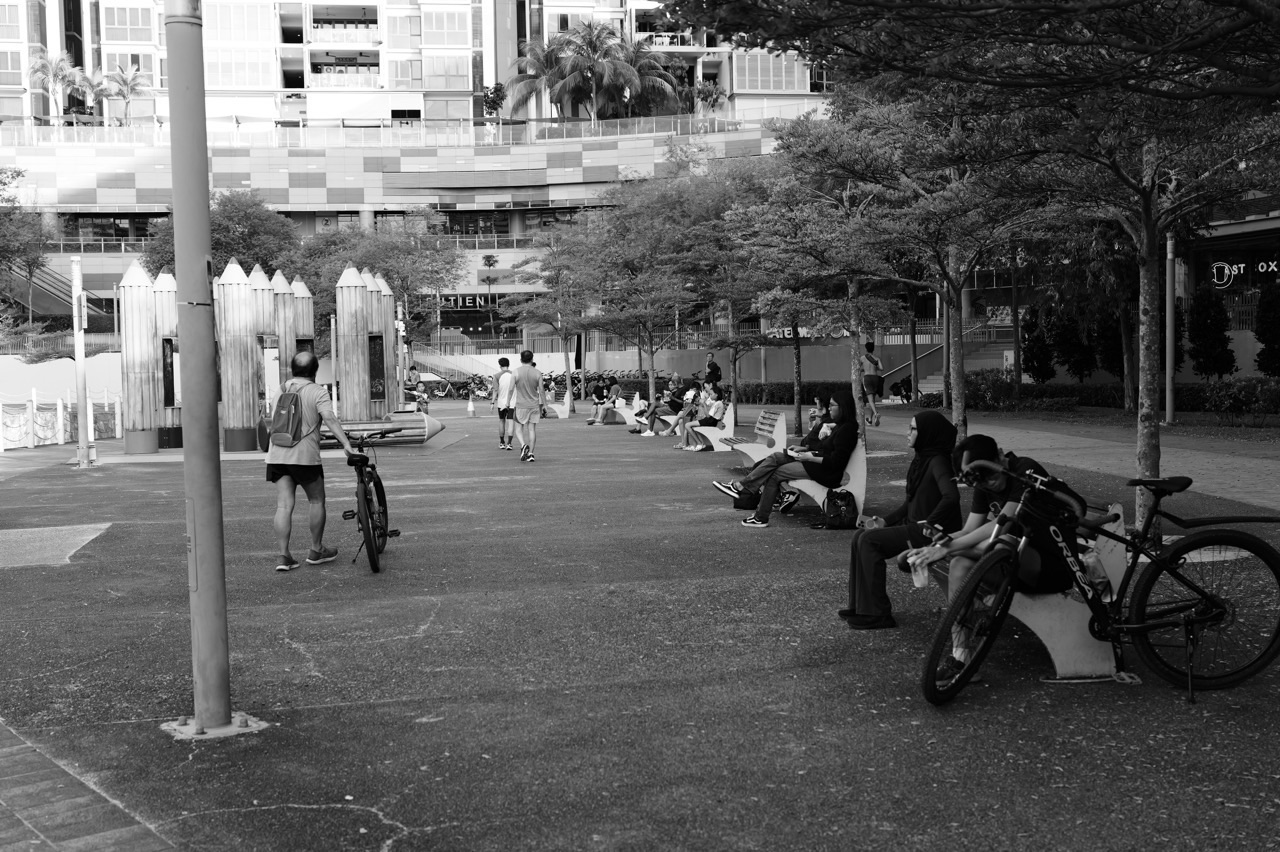
Planning a calm, low-sensory day is one of the kindest calm activities in Punggol for the school holidays: an early garden visit, a slow waterway stretch, a quiet library corner and a home afternoon, chosen to keep noise, crowds and surprises low.
Seven-forty in the morning. A bench by the water. The only sounds are a bird, a far-off jogger and your child breathing out.
This is idea #96 in eduKate Punggol’s Top 100 Things to Do in Punggol During the School Holidays. Below you will find quiet-feeling places in Punggol, the accessible features at Punggol Regional Library, a gentle hour-by-hour plan, a simple “calm kit” and the small choices that make a big difference to a child who finds busy places hard.
The point is not to do less because a child can’t cope.
It is to choose a day that fits the child you have.
And many families discover that a quieter day suits the adults just as well.
This idea is perfect for families who want to:
- give a sensitive, anxious or neurodivergent child an outing that feels manageable;
- recover after a demanding term, a results day or a busy week;
- spend time outdoors without crowds and loud music;
- include grandparents who prefer a slower pace;
- try a new place in a predictable, step-by-step way; or
- simply rest together, on purpose.
Quick look
- Best for: anyone who prefers quiet, from preschoolers to teens and grandparents
- Time needed: 2 to 4 hours, with breaks and an early exit option
- Cost: free
- Best time: weekday mornings, roughly 7.30am to 10.30am
- Nearest MRT/LRT: Damai LRT and Punggol MRT for Waterway Park; Punggol MRT and Sam Kee LRT for the library
- Rain plan: a quiet library visit, or a calm afternoon at home
See all 100 school-holiday ideas · Chat with eduKate Punggol on WhatsApp · Visit eduKate Punggol on Facebook
A Calm Day Is Bigger Than It First Appears
School holidays are often sold as a season of “more”: more outings, more activities, more excitement.
For some children, more is exactly what they want.
For others, a crowded splash park, a booming mall atrium or a packed train is not fun at all. It is a wall of noise, light and movement that leaves them exhausted, upset or shut down. Many children simply need a break after a long year, especially around results days. Others are autistic, have ADHD, or are sensitive to sound, touch or crowds. And some days, any of us just needs quiet.
A “low-sensory” day is not a medical label or a guarantee. It is a family’s own plan to reduce avoidable stimulation: going at quieter times, choosing gentler places, knowing the exits and keeping the day predictable. It is about control and choice, not about missing out.
Punggol is well suited to this. It has a waterway that is open around the clock, a small garden designed for calm and a large library with dedicated accessible features. Used at the right time, they can feel wonderfully peaceful.
The Hidden Lesson in a Quiet Morning
Try this on a garden bench. Ask your child to close their eyes for thirty seconds and then tell you every sound they heard.
“A bird. Wind. Somebody’s shoes.”
Then try it again. This time the list grows. “Two different birds. Leaves rubbing. A bicycle, far away. My own breathing.”
Thirty seconds of stillness,
and the garden seemed to double in size.
A calm day nurtures one gentle skill in particular: noticing what is happening, inside and outside. When children learn to name what they hear and feel (“It’s too loud”, “I need a break”, “That smell is nice”), they gain words to manage big moments. The same habit of careful noticing and precise description helps in English, when describing a scene, and in Science, when observing living things.
And for a child who usually feels overwhelmed, a calm morning offers something precious: the feeling of being in control of their own day.
Why Punggol Families Love Calm Activities in Punggol
Quiet places are often ordinary places, used at a less crowded time. Punggol has several within easy reach.
The joys of a calm day
- It is free and close to home
- You can leave at any moment without losing a ticket
- Early mornings are cooler, quieter and kinder to the senses
- Nature gives gentle things to look at, touch and smell
- The library offers dedicated accessible features
- Siblings and grandparents often enjoy the slower pace too
- A predictable plan reduces worry before and during the day
- Everyone comes home calmer, not more frazzled
Some families make it a weekly “quiet day” through the holidays, balancing out the busier ideas in this series.
What to Expect at Punggol’s Quieter Places
Here are the main building blocks, with what official sources say about each. No place can promise quiet, so timing matters as much as the place itself.
The therapeutic garden at Punggol Waterway Park
NParks describes a 900-square-metre therapeutic garden at Punggol Waterway Park, close to Carpark A, accessible around the clock. It opened on 4 May 2020 and has a wellness zone with plants that engage the senses, a communal planter, a fitness area and an elevated view over the waterway. NParks designed it with seniors in mind, so visit gently and share the space kindly. Look, smell and touch leaves carefully, but please do not pick or prune.
A slow stretch of the Waterway
NParks lists Punggol Waterway Park as open 24 hours, wheelchair accessible and elderly friendly. Choose a short out-and-back stretch near a known access point, so the way home is always clear. Paths are shared with cyclists and joggers, which is why early mornings feel calmer. Cycling is not allowed on Kelong, Wave and Adventure Bridges or on the boardwalk.
Punggol Regional Library’s accessible features
NLB’s launch information for Punggol Regional Library (NLB also calls it Punggol Library) describes Calm Pods on Level 1: a quiet, safe space for adults and children with disabilities, with a sensory-aid waiting area and a padded private room. Visitors contact staff by intercom to use them, and they are not study rooms. Level 1 also has an Accessible Collection of about 3,000 English books, including social stories and touch-and-feel books, and NLB says social stories and wheelchair-friendly routes are listed on the library’s accessibility information page. The main library is open 10am to 9pm daily.
Accessible Membership
NLB offers a lifetime Accessible Membership for eligible persons with disabilities, with a 42-day loan period, free reservations and priority access to accessible features at Punggol Regional Library. Check eligibility on NLB’s membership page.
Quiet study for teens
For a teenager who finds calm in focus, the library’s Level 3 Study Zone is a silent space with seats you can reserve through NLB’s seat booking, open 9am to 10pm daily.
How to Plan a Brilliant Calm Day
Predictability is the secret ingredient. Most of these steps happen the day before.
1. Choose two places, not five
One outdoor and one indoor is plenty. Fewer transitions mean fewer hard moments.
2. Make a picture schedule
Draw or print simple pictures: home, walk, garden, snack, library, home. Go through it the night before and again at breakfast. Let your child tick each step.
3. Pack a calm kit
Ear defenders or headphones, sunglasses or a cap, a familiar snack and water bottle, and a small comfort or fidget item. The list further down has the rest.
4. Agree on a “break” signal
A word, a card or a hand sign that means “I need a break now”. Promise to respond straight away, without questions. Knowing they can stop often helps children keep going.
5. Check the weather and the air
Look at the forecast and haze.gov.sg. October 2026 brought unhealthy haze readings to Singapore, so this is worth doing every time. If the air is poor, keep the day indoors.
6. Plan the exit before you arrive
Know the quickest way home or to a quiet corner from each stop. Leaving early is not a failure; it is part of the plan.
A Sample Holiday Day, Hour by Hour
Every child is different, so treat this as a shape, not a script.
7am: Slow breakfast and the picture schedule
A familiar breakfast. Walk through the schedule together. Calm kit packed.
7.40am: The garden
Head to the therapeutic garden near Carpark A. Find a seat. Try the “listening game”. Touch a few leaves gently and talk about how they feel.
8.30am: A short Waterway stretch
Walk a short section by the water, at the child’s pace. Turn back at an agreed landmark.
9.15am: Snack and rest
Home, or a shady bench. Water, snack, a quiet few minutes. Check in: “Green, amber or red?”
10am: The library at opening
If everyone is still “green”, visit Punggol Regional Library soon after it opens, before it fills up. Choose books from one area only. Leave as soon as anyone signals.
Afternoon: Home and quiet
Lunch at home, then reading, drawing or simply resting. Monsoon afternoons are often stormy anyway, so home is a good place to be.
Three Ways to Enjoy It
Calm looks different at different ages.
For little explorers (Primary 1–3)
Keep it very short and very predictable. Use the picture schedule, and a sensory “treasure hunt”: something soft, something that smells nice, something green. Preschool siblings may enjoy the same hunt in a stroller.
For big kids (Primary 4–6)
Let them help plan the day and choose the break signal. Offer a sketchbook for the garden, or a “five senses” page to fill in. For a Primary 6 child around PSLE results days, a calm morning can be a lovely way to settle.
For teens (Secondary 1–4)
Teens may prefer their own version: an early solo walk with headphones, a reserved seat in the Study Zone, or a garden visit with a book. Respect their need for space, and agree a check-in time.
The Learning Bridge: English and Science Without the Worksheet
A calm day is about rest first. Any learning should be a gentle by-product, never a demand.
- English (words for senses and feelings): Naming sounds, textures and feelings precisely (“rustling”, “muffled”, “prickly”, “peaceful”) builds vocabulary, one of the areas of the MOE English syllabus. Listening closely in the garden practises Listening and Viewing.
- Science (observing plants): For children from Primary 3, noticing how leaves differ in shape, texture and smell is the kind of careful observation Primary Science asks for. Younger children can simply enjoy it.
- Self-understanding: Using a “green, amber, red” check-in helps children notice and name their own state. That is not a school subject, but it supports everything else.
If you are thinking about how rest fits into the whole holiday, our article on rest, repair, reading, exploration and preparation explains why recovery is part of a good break, not a waste of it.
Little Hiccups and How to Dodge Them
Even the calmest plan meets surprises. Here is how to soften them.
Sudden noise
A siren, a drill, a passing group. Keep ear defenders within reach and move away calmly. Some parts of Punggol have construction nearby, so choose routes you know.
Unexpected crowds
Libraries get livelier when a workshop or school group arrives, and malls get busy at mealtimes. If a space fills up, use your exit plan and try another day.
Heat
Heat can make sensory discomfort worse. Go early, drink often and check the MSS heat stress advisory on hot days.
Rain and thunder
Thunder can be frightening, and lightning is dangerous in open spaces. The Northeast Monsoon usually starts around the end of November, with thundery afternoons. Check the MSS lightning page, keep outdoor time to the morning and head indoors at the first rumble.
Haze
On high-haze days, keep the plan indoors. Our Punggol Haze Indoor Activity Planner has quieter indoor options.
Overwhelm
If your child becomes overwhelmed, stop, move somewhere quieter, lower your voice and wait. Skip the rest of the schedule if needed. Tomorrow is another day.
What a Great Day Looks Like
A good calm day is measured in small signs. You will know it worked when your child:
- relaxes visibly, with shoulders dropping and breathing slowing;
- names a sound or a feeling they noticed;
- uses the break signal, and trusts you to respond;
- chooses to stay a little longer somewhere;
- comes home calm rather than wound up; and
- asks, quietly, “Can we do the garden again?”
A quiet yes to that question is worth more than any busy day out.
When to Go
The 2026 year-end school holidays for MOE primary and secondary schools run from Saturday 21 November to Thursday 31 December 2026, according to MOE. A calm day is especially welcome after the tentative PSLE results days (Tuesday 24 to Wednesday 25 November) and the tentative N(A) and N(T) results days (Thursday 17 to Monday 21 December), and in the last week before school, when nerves often rise. NLB lists Punggol Regional Library as closing at 5pm on 24 and 31 December and closed on 25 December and 1 January.
Choose a weekday over a weekend if you can, when fewer families are out. Early morning, from about 7.30am, is coolest and quietest outdoors. For the library, try soon after the main library opens at 10am. Avoid public holidays and the busy festive evenings. MOE’s 2027 calendar has shorter breaks in March, June and September, which suit a calm day too.
Getting There from Around Punggol
For a calm day, walking is often easiest, because it avoids crowded trains. The therapeutic garden is near Carpark A along Sentul Crescent in Punggol Waterway Park; NParks lists Punggol MRT and Damai LRT as the nearest stations for the park. Punggol Regional Library is inside One Punggol at 1 Punggol Drive, close to Punggol MRT and Sam Kee LRT. If you take public transport, travel outside the morning and evening rush, and check the route on OneMap beforehand so there are no surprises.
Location: Therapeutic garden, near Carpark A, Punggol Waterway Park (Sentul Crescent); Punggol Regional Library, One Punggol
Nearest MRT/LRT: Damai LRT, Punggol MRT (NE17), Sam Kee LRT
Entry: free
Quick Details
Activity: a family-designed calm, low-sensory day in Punggol
Where: Punggol Waterway Park and its therapeutic garden; Punggol Regional Library; home
Best ages: all ages, including grandparents
Cost: free
Time needed: 2 to 4 hours, with an early exit always allowed
Booking: none; Calm Pods are accessed through library staff by intercom
Accessibility: NParks lists Waterway Park as wheelchair accessible and elderly friendly; NLB lists accessible features at the library
Status checked: October 2026, NParks therapeutic garden page and NLB’s Punggol Regional Library launch information
What to Bring
- Ear defenders or noise-reducing headphones
- Sunglasses and a cap
- A familiar water bottle and snack
- A small comfort or fidget item
- The picture schedule
- A “break” card, if your child uses one
- Insect repellent and sunscreen
- A light umbrella
- A card with your phone number in your child’s pocket
- A library card or the NLB app
Frequently Asked Questions
Where is the quietest place in Punggol?
No place is guaranteed quiet, but the therapeutic garden at Punggol Waterway Park and a short Waterway stretch on a weekday morning are good starting points.
What are the Calm Pods at Punggol Regional Library?
NLB describes them as a quiet, safe space on Level 1 for adults and children with disabilities, with a padded private room. Contact staff by intercom to use them.
Can anyone use the therapeutic garden?
It is part of a public park and accessible around the clock. NParks designed it with seniors in mind, so visit quietly and do not pick plants.
Is “low-sensory” a formal label?
No. It simply means your family’s plan to reduce avoidable noise, crowds and surprises. It is not a certification of any place.
What time is the library quietest?
There is no official answer. Soon after opening on a weekday is a sensible choice, and workshops or school groups can make any time livelier.
What if my child wants to leave after ten minutes?
Leave. Ten calm minutes is a success. Try a little longer next time.
Is Coney Island a good calm option?
It can be peaceful, but NParks notes rugged terrain in parts, and it closes at 7pm, so it is not the simplest choice for a short, predictable outing.
Helpful Reading for Punggol Families
- Top 100 Things to Do in Punggol During the School Holidays
- Punggol School Holiday Guide: A Week-by-Week Plan for the Year-End Break
- Calm Things to Do in Punggol: Quiet-Feeling Walks, Library Breaks and Low-Sensory Outings
- Punggol Library Accessibility: Calm Pods and Borrow-n-Go
- Punggol Waterway Park Therapeutic Garden Guide
- Nature and Mental Wellbeing in Punggol
- The After-School Decompression Window
- School Holidays: Rest, Repair, Reading, Exploration and Preparation
- NParks: Therapeutic Garden at Punggol Waterway Park
- NLB: Punggol Regional Library Official Launch
Calm Activities in Punggol for Punggol Families
Quiet is not empty.
It is full of small things you can finally hear.
A bench becomes a resting place.
A leaf becomes something to wonder about.
For little ones, a calm day is safety and gentle discovery.
For big kids, it is a chance to understand what helps them.
For teens, it is space to breathe, think and simply be.
And for parents, it is a reminder that a holiday does not have to be loud to be lovely, and that the right pace for your child is always the right pace.
Plan the Rest of Your School Holidays
Mix a calm day in with the livelier ones and the whole break feels more balanced. Browse the full Top 100 Things to Do in Punggol During the School Holidays, or carry straight on to idea #97, a gentle holiday learning block, a small and steady way to keep skills warm.
And if a calm, small-group learning block is also on your holiday list, eduKate Punggol teaches English, Mathematics and Science in classes of three. Come find out more.
Book a consultation · Chat on WhatsApp
eduKate Punggol
Small-group English, Mathematics and Science
Primary and Secondary
By appointment · +65 8823 1234
Properly taught kids shine a bright light into the future.
← Previous: #95 Pet-friendly outing · All 100 ideas · Next: #97 A gentle holiday learning block →
Checked October 2026. Opening hours, prices, programmes and closures change, so please confirm with the official source before you go.


