
Education in Punggol does not stop when the school term stops. The school holidays change the rhythm, but they do not need to become either a complete academic shutdown or a miniature school term rebuilt at home. For most families, the most useful holiday sits somewhere between those extremes.
For parents planning Punggol education, Punggol tuition, school holiday activities, reading, revision and family time, the key is to decide what the break is for. One child may need recovery. Another may need targeted repair. A strong student may need exploration rather than more worksheets. A Primary 6 or Secondary 4 student may need a more deliberate preparation block. The holiday should match the learner, not a generic programme.
A good holiday plan protects five things: rest, repair, reading, exploration and preparation. The proportions change with age and need.
1. Rest Is Not the Opposite of Education
A child who has spent a term managing school, CCA, homework, tuition, tests and travel may need genuine decompression. Sleep can normalise. Unstructured time can return. The nervous system gets a period without constant deadlines.
Rest is especially important when the final weeks of term were unusually heavy. Starting the holiday with immediate full-day academic programming can preserve the stress pattern the break was meant to interrupt.
2. Repair Should Be Specific
If a weakness genuinely needs attention, the holiday can provide useful space because the child is not simultaneously absorbing as much new school material. But repair should be targeted.
“Improve Maths” is too broad. “Rebuild fractions and percentage before the next term” is actionable. “Do more English” is vague. “Repair comprehension evidence selection” gives the work a clear purpose.
3. Do Not Turn Repair Into Punishment
A weak result should not automatically condemn the child to an entire holiday of remediation. Intensive work may be justified in some cases, but it should be proportional to the problem.
The aim is to return the child to the next term stronger, not resentful and exhausted.
4. Reading Gives Holidays a Different Kind of Academic Value
During term time, reading is often squeezed by urgent work. Holidays create longer stretches in which a child can read beyond the immediate syllabus.
That reading can build vocabulary, background knowledge, imagination and reading stamina without looking like revision. A library visit can therefore be one of the most educationally efficient holiday activities a Punggol family uses.
5. Exploration Builds Knowledge That School Can Later Use
Parks, waterfronts, museums, neighbourhood walks, cooking, travel, sports, building projects, family errands and conversations all expand the child’s model of the world.
This matters because school comprehension and writing depend partly on what the learner already knows. A child with wider experience has more mental material to connect with new information.
6. Preparation Should Reduce Friction, Not Race Ahead Blindly
There is a place for looking ahead, especially before major transitions. But preparation is most useful when it strengthens prerequisites and familiarises the student with the shape of what is coming.
Racing far into the next syllabus can create the illusion of advantage while leaving old foundations fragile. A cleaner strategy is often: secure what should already be stable, then preview selectively.
7. Primary School Holidays Should Still Feel Like Childhood
Primary children benefit from routines, but they also need play, movement, curiosity and time that is not continuously judged. A holiday can preserve some light academic rhythm while still feeling different from the school term.
A small amount of reading, one targeted repair goal and ordinary family life may be enough for many children.
8. Primary 6 Holidays Need Different Treatment
The Primary 6 year carries PSLE pressure, so holiday planning becomes more strategic. Yet the same principle applies: identify the bottleneck, protect sleep and avoid filling every available hour.
A child who enters the next school phase exhausted has not used the holiday well, even if many worksheets were completed.
9. Secondary School Holidays Can Be Used for Consolidation
Secondary subjects become cumulative. Algebra, writing, Science concepts and subject-specific vocabulary often carry forward. A holiday can be a useful time to consolidate material that the student has technically “covered” but cannot yet use independently.
Consolidation is different from relearning the entire year. The goal is to identify high-leverage gaps.
10. Tuition During the Holidays Needs a Defined Job
Holiday tuition can be valuable when it provides targeted repair, a short intensive block, examination preparation or structured transition work. It is less convincing when it continues simply because the timetable has always contained tuition.
The holiday is an opportunity to ask whether the current tuition arrangement still has a clear purpose.
11. Family Time Has Educational Value Too
Meals, visits, errands, conversations and shared outings expose children to adult language, family stories, practical decision-making and different generations. These experiences are not substitutes for school. They are another layer of education.
Children learn what their family notices, values, remembers and discusses.
12. A Holiday Does Not Need Daily Optimisation
Parents can over-engineer the break. One day of poor productivity does not damage a child’s education. Some empty time is useful precisely because it is empty.
The family needs a pattern, not minute-by-minute control.
13. A Simple Five-Part Holiday Design
- Rest: restore sleep and reduce accumulated fatigue.
- Repair: choose one or two genuine academic gaps.
- Read: protect regular contact with books and ideas.
- Explore: use the town, family activities and interests as learning environments.
- Prepare: preview the next phase only where useful.
14. The Last Week Before School Matters
A completely free holiday can still end badly if sleep timing, materials and routines are not reset before school resumes. The final week can gradually restore wake times, reading, short work blocks and preparation habits.
This makes the return to school a transition rather than a collision.
15. Measure the Holiday by the Child Who Returns
A successful holiday does not need an impressive stack of completed work. Ask what kind of child is returning to school. More rested? Clearer about a previous weakness? Reading more easily? Curious about something new? Better organised for the next term?
Those are meaningful educational outcomes.
16. Education in Punggol Continues Between Terms
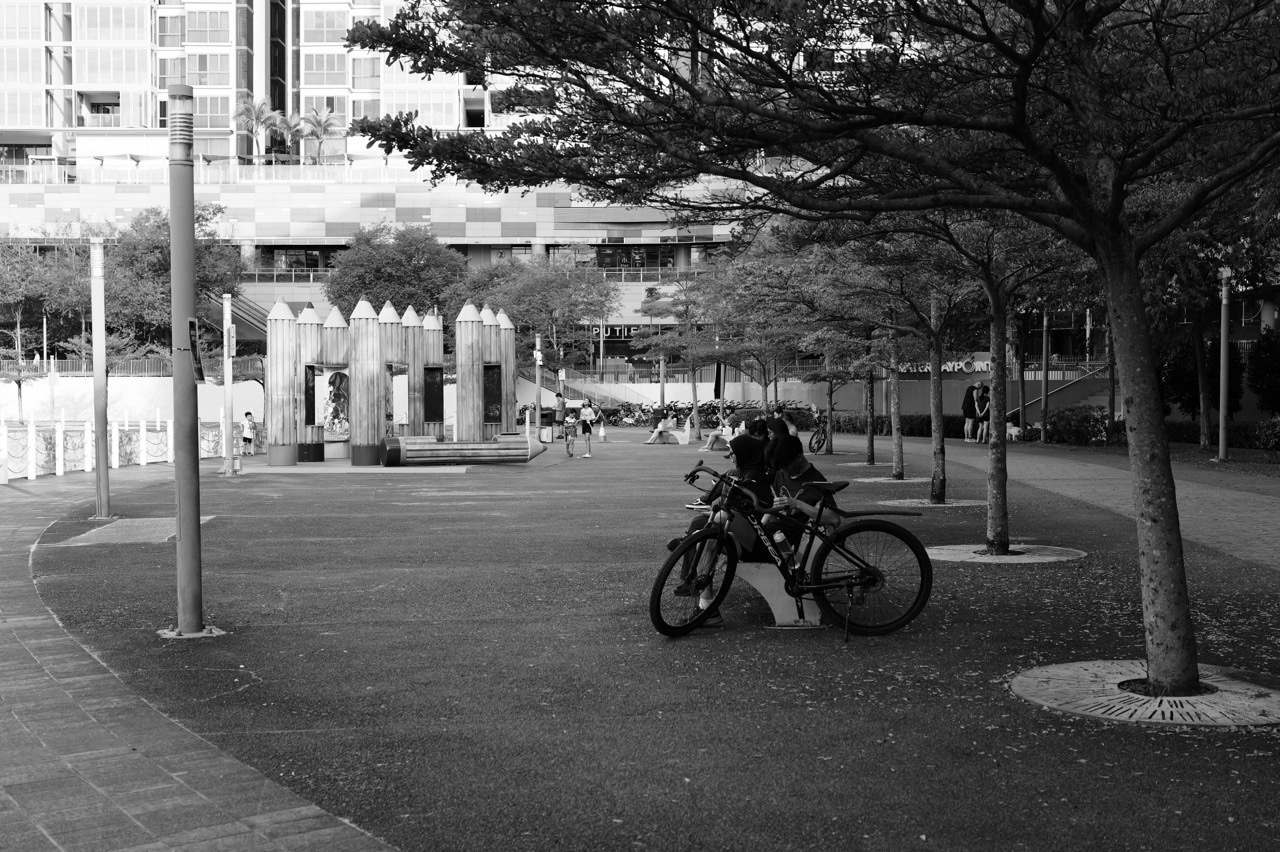
Punggol families have access to libraries, parks, neighbourhood spaces, transport networks, community facilities and ordinary local life that can carry learning without turning the holiday into school.
The break works best when the family knows which form of learning is needed now: recover, repair, read, explore or prepare. Often, the right answer is a little of each.


