
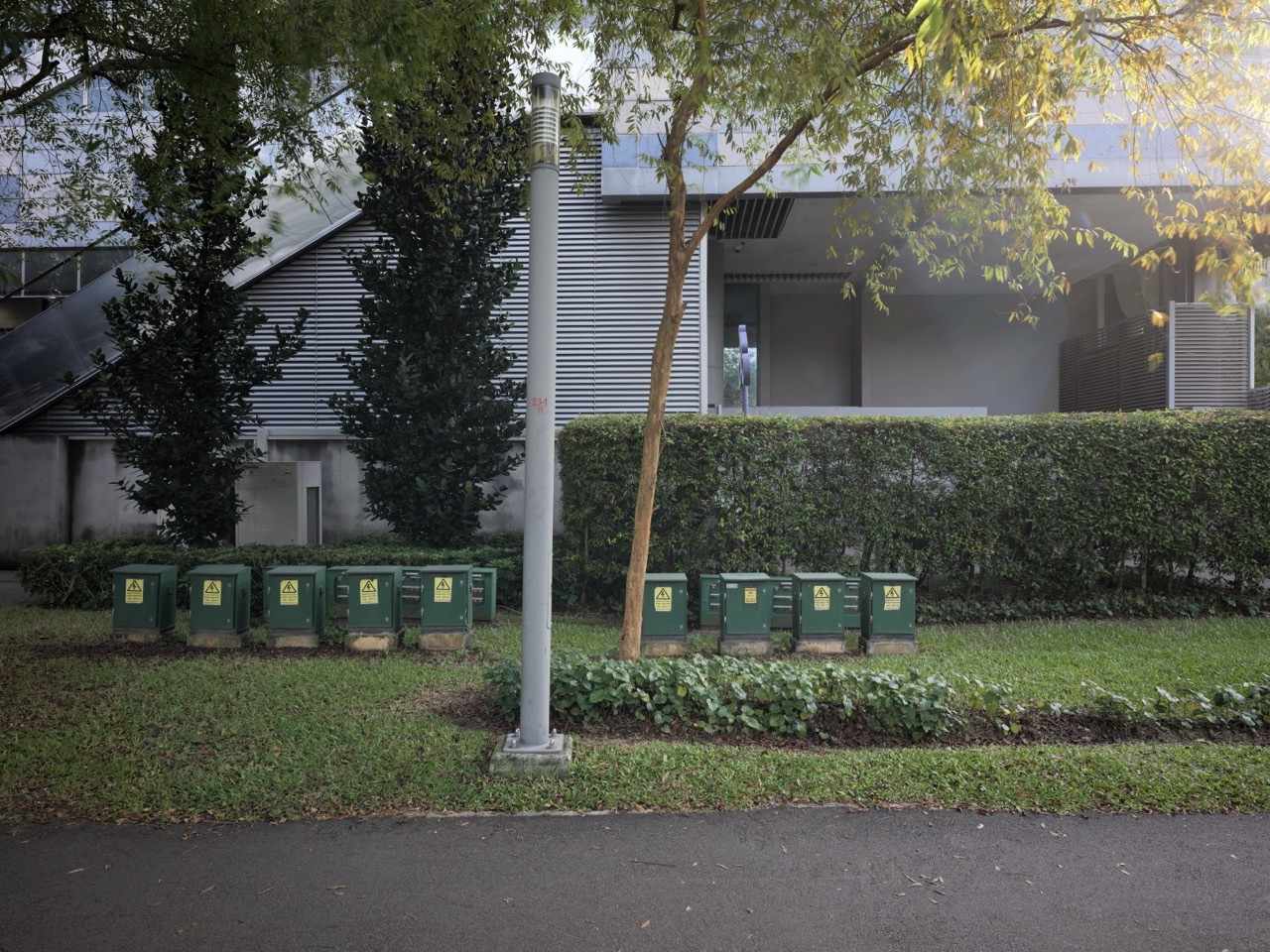
Taking the family dog on a gentle Waterway walk is one of the happiest dog friendly Punggol outings for the school holidays: a cool early morning, a leash, a water bowl, a child in charge of the poop bags and a whole park full of interesting smells.
“Why does Biscuit have to sniff every single lamp post?”
This is idea #95 in eduKate Punggol’s Top 100 Things to Do in Punggol During the School Holidays. Below you will find the rules that matter for dogs in Punggol’s parks, a simple walk plan, jobs for children of every age, and the honest answers to questions families often get wrong, such as wildlife, buses and cafés.
The point is not a long walk.
It is a good walk, for the dog and for everyone you meet.
Children who learn to walk a dog well learn something bigger: how to care for another living thing in a shared public space.
This idea is perfect for families who want to:
- include the family dog in the holiday fun;
- give children a real, daily responsibility;
- enjoy a free, early-morning outing close to home;
- teach park etiquette and respect for wildlife;
- help a nervous child grow confident around animals; or
- start a calm morning routine that carries into the school term.
Quick look
- Best for: families with a dog, children from about Primary 1 with an adult
- Time needed: 30 to 60 minutes
- Cost: free (park entry is free)
- Best time: early morning, or after the sun is low in the evening
- Nearest MRT/LRT: Punggol MRT and Damai LRT serve the park, but most families walk from home with the dog
- Rain plan: a short walk around your block’s covered paths, then indoor games at home
See all 100 school-holiday ideas · Chat with eduKate Punggol on WhatsApp · Visit eduKate Punggol on Facebook
A Dog Walk Is Bigger Than It First Appears
For a dog, a walk is the highlight of the day. For a child, it can easily become a chore: “Do I have to?”
The holidays are a chance to change that.
Without the school-morning rush, the walk can slow down. Your child can notice what the dog notices: the smell of cut grass, a bird hopping on the path, another dog across the water. They can learn to read the dog’s body language, to make good choices on a shared path and to clean up without being reminded.
Punggol Waterway Park is a natural setting for this. NParks lists the park as free, open 24 hours and pet friendly, with long, paved paths beside the water. It is busy enough to practise good manners, and calm enough, early in the day, to enjoy.
And there is a lovely bonus. A child who walks the dog every morning of the holidays has quietly built a habit of getting up, going outside and moving, which is exactly what helps when school starts again.
The Hidden Lesson in Walking the Dog
Back to that question: “Why does Biscuit sniff every lamp post?”
Instead of answering, ask another question. “What do you think he’s finding out?”
“Maybe… which other dogs were here?”
Now watch what happens over a week of walks. The child starts noticing patterns. Biscuit sniffs longer at some spots. His ears go up when he hears a bicycle bell. His tail goes low when a bigger dog passes.
Biscuit is the same dog he was on Monday.
What has sharpened is the child’s eye.
What your child is building, one lamp post at a time, is a scientist’s habit: careful observation of animal behaviour. Noticing, recording and asking “why?” is the same thinking children use in Primary Science when they observe living things and how they respond to their surroundings. A simple “dog diary” of what the dog did, when and where turns a daily chore into a small, real investigation.
Why Punggol Families Love a Dog Friendly Punggol Walk
Many Punggol families live within walking distance of the Waterway, which makes this one of the easiest holiday habits to start.
The joys of a family dog walk
- It is free and can start from your own front door
- The paved Waterway paths are easy on paws and little feet
- Children get a real job that matters to someone
- Early-morning walks are cooler and calmer
- Dogs and children both come home happily tired
- Friendly chats with other dog owners happen naturally
- It builds a daily routine for the whole holiday
- Nervous children can grow confident around animals, step by step
And if your family does not have a dog, the same etiquette lessons apply every time you pass one, which is often, in Punggol.
What to Expect on a Punggol Dog Walk
Here are the rules and realities that matter most, based on official NParks and AVS guidance we checked in October 2026.
Leash on, always
The Animal & Veterinary Service (AVS) says that in public, dogs must be leashed and properly supervised and controlled. NParks park etiquette also asks owners to keep dogs on a leash, or use a muzzle if necessary. Off-leash play belongs in designated dog runs, which have their own rules.
Clean up, every time
NParks asks every owner to be responsible and clean up after their dog. Give one child the job of “bag keeper”, with spare bags in a pocket, and make binning the bag part of the routine.
Wildlife comes first
Otters are sometimes seen along Punggol’s waterways; NParks names Jewel Bridge as a spot to look out for them. AVS warns that a pet might chase otters and frighten them, and asks owners to keep pets on a leash and close by, which also keeps the pet safe. NParks asks visitors not to feed, disturb, follow or approach wildlife. NParks has also posted a wild boar advisory for the Punggol Promenade Nature Walk, and AVS asks owners to keep pets on a tight leash around wild boars.
Shared paths and bridges
The Waterway paths are shared with joggers, cyclists, scooters and strollers. Keep the dog on your side of the path and the leash short when others pass. Cycling is not allowed on Kelong, Wave and Adventure Bridges or the boardwalk, which makes those stretches a little calmer for walkers.
Licences and other places
AVS says all cats and dogs must be licensed, and first-time applicants must complete a Pet Ownership Course before applying. A licence is not approval to keep a dog in your home, so HDB or estate rules still apply. Remember too that a park allowing dogs does not mean a mall, café or bus does; each sets its own rules.
How to Plan a Brilliant Dog-Walk Day
A little preparation keeps the walk safe for the dog, the children and everybody else on the path.
1. Check the weather and the air
Look at the forecast and haze.gov.sg before you go. October 2026 saw unhealthy haze readings across Singapore. On high-haze days, keep walks short; our Punggol haze and pets guide explains what to watch for, and ask your vet if you are worried.
2. Choose a short out-and-back route
Pick a stretch of the Waterway near home, walk to a landmark such as a bridge, and turn back. You can always do more tomorrow.
3. Hand out the jobs
Leash holder (an adult, or an older child with a calm dog), bag keeper, water keeper and “dog diary” recorder. Rotate the jobs each day.
4. Agree the “ask first” rule
Children must always ask an owner before touching another dog, and the family asks before letting your dog greet anyone. Not every dog, or person, wants to say hello.
5. Pack water for two species
Water for the children, water and a bowl for the dog. Offer the dog a drink at every rest stop.
6. Finish with a calm moment
At home, the dog drinks and rests, and the child writes one line in the dog diary. That small, quiet ending is what turns a walk into a ritual.
A Sample Holiday Day, Hour by Hour
This rhythm puts the walk in the coolest part of the day.
7am: Wake up and check
A glass of water, a look at the weather and haze readings. The bag keeper checks the pockets.
7.30am: The Waterway walk
Out to the Waterway and along to your chosen bridge. Plenty of sniff stops. Look for birds; keep watch for otters, and if you see any, shorten the leash and give them lots of space.
8.15am: Rest stop
A shady bench, water for everyone, and the dog diary: “Biscuit stopped at five lamp posts and wagged at a toddler.”
8.45am: Home and breakfast
Back home before the heat builds. Dog breakfast first, then yours.
Afternoon: Indoor time
Afternoons in the monsoon season are often stormy, so plan indoor activities. Older children could look up their dog’s breed at the library or draw a “map of smells”.
7pm: An optional short evening stroll
If the ground has cooled and there is no lightning, a short evening walk around the block finishes the day nicely.
Three Ways to Enjoy It
How much responsibility a child takes depends on their age, and on the dog.
For little explorers (Primary 1–3)
Let them hold a second, loose “helper” leash while an adult holds the main one. Give them easy jobs: carrying the water bowl, counting bridges, spotting birds. Teach the “ask first” rule with a little role-play at home. Preschool siblings can come along in a stroller and be in charge of waving at other dogs from a distance.
For big kids (Primary 4–6)
With a calm dog and an adult nearby, they can be the main leash holder on quiet stretches. They can keep the dog diary, time the walk and notice patterns across the week. Ask them to explain the otter rule to a younger sibling.
For teens (Secondary 1–4)
Teens can take on the morning walk as their own responsibility, if your dog is manageable and you are comfortable. Ask them to plan a “dog etiquette” card for younger siblings, or to research the AVS licensing rules and explain them at dinner.
The Learning Bridge: Science and English Without the Worksheet
A daily dog walk quietly practises a few school skills. Keep them light.
- Science (observing living things): Primary Science, from Primary 3, asks children to observe, question and record. A dog diary of what the dog does, when and where, is exactly that kind of patient observation. It also opens conversations about how animals interact with their surroundings, and why otters and wild boars need space.
- English (point of view): Ask your child to write five sentences “from the dog’s point of view” about the walk. Seeing the world through another’s eyes is a lovely writing exercise, and it builds empathy.
- Mathematics (time and counting): Timing the walk, counting rest stops and comparing this week with last week practise everyday number sense.
If your child loves animals and asks big “why” questions, our guide to using the school holidays for Science explains how curiosity can be nurtured gently over the break.
Little Hiccups and How to Dodge Them
Most dog-walk problems are small and predictable. Here are the usual ones.
Hot ground and midday heat
Paved paths can get very hot. Walk early or late, and if the ground feels too hot on the back of your hand, it is too hot for paws. On very hot days, check the MSS heat stress advisory and keep the walk short.
Rain and lightning
The Northeast Monsoon usually arrives around the end of November, with thundery afternoons. At the first thunder, head home; the Waterway and its bridges are open spaces. The MSS lightning page shows live alerts.
Otters, boars and birds
Shorten the leash and step away. Never let a dog chase wildlife. If you see an injured or trapped animal, AVS lists the Animal Response Centre on 1800-476-1600.
A strong dog and a small child
If your dog pulls hard, an adult holds the main leash. A child’s “helper leash” gives them the job without the risk.
Buses, trains and cafés
Do not assume your dog can ride a bus, the MRT or the LRT; our guide to pets on Punggol buses and trains explains the current position. Cafés and malls each set their own pet rules, and outdoor seating does not automatically mean dogs are welcome. Walk from home, and ask before you sit.
Coney Island with a dog
NParks warns visitors to Coney Island to keep a safe distance from stray dogs, which are territorial and may feel threatened by pet dogs. For a relaxed family walk, the Waterway is the simpler choice.
What a Great Day Looks Like
You will know the walk is working when your child:
- picks up the poop bag without being reminded;
- asks an owner before patting another dog;
- shortens the leash when a cyclist or child passes;
- notices something new about the dog’s behaviour;
- offers the dog water at a rest stop on their own; and
- wakes up asking, “Is it walk time yet?”
By then, the dog is not the only one who loves the routine.
When to Go
The 2026 year-end school holidays for MOE primary and secondary schools run from Saturday 21 November to Thursday 31 December 2026, according to MOE. That is six weeks to build a daily habit. Start in the first week, while the routine is fresh, and keep it going through to the last week, when an early-morning walk helps everyone ease back towards school wake-up times before Term I starts on Monday 4 January 2027 for Primary 1 and Tuesday 5 January for Primary 2 to 6.
Early mornings are coolest, quietest and best for spotting birds. Late evenings, once the paths have cooled, are good too. Avoid the middle of the day. Holiday weekdays tend to be less busy on the paths than weekends, which suits nervous dogs and nervous children alike.
Getting There from Around Punggol
Because pets should not be assumed to be allowed on public transport, most families simply walk to the Waterway from home; it runs through the middle of town. Use OneMap to find the shortest path from your block. If you drive, NParks lists two small carparks along Sentul Crescent: Carpark A (18 car lots and 1 accessible lot) and Carpark B (15 car lots, 5 motorcycle lots and 1 accessible lot). Fees apply, and they fill quickly on weekends.
Location: Punggol Waterway Park, along Sentul Crescent
Nearest MRT/LRT: Punggol MRT (NE17) and Damai LRT (for people; walk in with your dog)
Entry: free, open 24 hours
Quick Details
Activity: a leashed family dog walk along Punggol Waterway Park
Where: Punggol Waterway Park, starting from the stretch nearest your home
Best ages: all ages with an adult; older children can lead with a calm dog
Cost: free
Time needed: 30 to 60 minutes
Booking: none needed
Accessibility: NParks lists the park as wheelchair accessible and elderly friendly, with paved paths
Status checked: October 2026, NParks Punggol Waterway Park page and NParks park etiquette
What to Bring
- A secure leash, plus a loose “helper” leash for a young child
- Plenty of poop bags
- Water and a collapsible bowl for the dog
- Water bottles for the family
- Hats and sunscreen
- Insect repellent for the greener stretches
- A small towel for wet or muddy paws
- The dog diary and a pencil
- A phone for weather and haze checks
Frequently Asked Questions
Are dogs allowed in Punggol Waterway Park?
Yes. NParks lists the park as pet friendly. Keep dogs leashed and under control, and clean up after them.
Can my dog go off-leash?
Not on the park paths. AVS says dogs in public must be leashed and properly supervised. Off-leash play is for designated dog runs, which have their own rules.
What should we do if we see otters?
Keep your dog on a short leash and close to you, and watch from a distance. AVS warns that pets may chase and frighten otters.
Can we take our dog on the MRT or bus?
Do not assume so. Check the operator’s current conditions; our pets-on-transport guide explains where things stand.
Does our dog need a licence?
AVS says all cats and dogs must be licensed, and first-time applicants must complete a Pet Ownership Course first.
Can we bring the dog to a café afterwards?
Only if that café says so. Each operator sets its own rules, so ask first.
Is it safe to walk the dog on haze days?
Check haze.gov.sg and keep outings short when readings are high. For your dog’s health, ask a vet.
Helpful Reading for Punggol Families
- Top 100 Things to Do in Punggol During the School Holidays
- Punggol School Holiday Guide: A Week-by-Week Plan for the Year-End Break
- Pet-Friendly Things to Do in Punggol
- Walking Your Dog at Punggol Waterway: A Practical First-Visit Plan
- Vets and Pet Life in Punggol 2026
- Can Pets Take Punggol Buses and Trains?
- School Holiday Science Plan: Repair, Consolidate or Prepare Ahead?
- NParks: Fun with Your Dog
- AVS: Otters in Singapore
- AVS: Dog and Cat Licensing Requirements
Dog Friendly Punggol for Punggol Families
A leash, a bag, a bowl of water.
And a whole waterway of smells.
A chore becomes a job.
A job becomes a habit.
For little ones, the dog walk is a gentle lesson in kindness.
For big kids, it is real responsibility, with a wagging tail attached.
For teens, it is a quiet half-hour of fresh air before the world wakes up.
And for parents, it is the small, proud moment when your child shortens the leash for a passing toddler, without being asked, and you realise the lesson has landed.
Plan the Rest of Your School Holidays
An early walk makes a lovely start to any holiday day. Browse the full Top 100 Things to Do in Punggol During the School Holidays, or carry straight on to idea #96, a calm, low-sensory day, for the days when everyone needs things a little quieter.
And if a calm, small-group learning block is also on your holiday list, eduKate Punggol teaches English, Mathematics and Science in classes of three. Come find out more.
Book a consultation · Chat on WhatsApp
eduKate Punggol
Small-group English, Mathematics and Science
Primary and Secondary
By appointment · +65 8823 1234
Properly taught kids shine a bright light into the future.
← Previous: #94 Host the cousins · All 100 ideas · Next: #96 A calm, low-sensory day →
Checked October 2026. Opening hours, prices, programmes and closures change, so please confirm with the official source before you go.


