
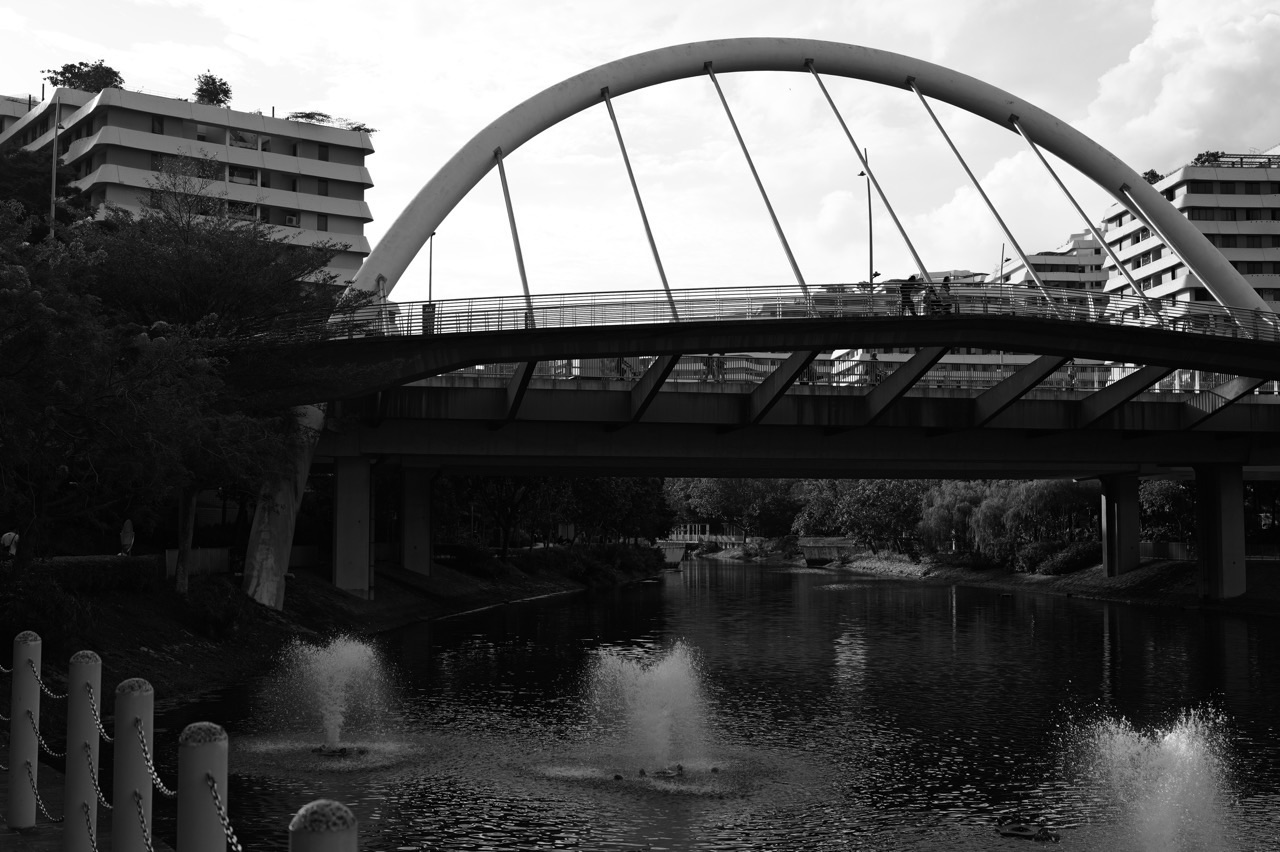
How do you make a photo essay about Punggol? Pick one small neighbourhood story, take 12 different original photographs that move from a wide view to specific evidence and back to a concluding image, then give each picture a one-sentence caption explaining what it really shows. You can do it with an ordinary phone. A short stretch of Punggol Waterway Park, the One Punggol civic hub or a currently accessible part of Punggol Digital District is enough; you do not need to photograph the entire town. Choose a safe route, keep other people’s privacy in mind, and never enter a restricted site to get a dramatic shot.
A self-guided Punggol photo essay walk is different from a list of Instagram viewpoints. The goal is to tell one true story: ‘How the Waterway shapes daily life’, ‘One morning around Punggol MRT’, ‘Old and new public spaces’ or ‘What makes a neighbourhood welcoming’. Every image has a job, and a clear caption makes the sequence useful to somebody who has never stood where you were. For families and students, this makes photography a gentle exercise in visual literacy; for adults, it is a rewarding way to notice ordinary places again.
Updated 17 October 2026. NEA’s haze advisory forecasts unhealthy-to-very-unhealthy conditions for 18 October. Do not treat a hazy skyline as an excuse to prolong outdoor exposure; move the photo essay indoors using photographs you already own, or postpone shooting until the air and weather suit the group. Punggol Point Park is under upgrading, and Punggol Heritage Trail is being opened in phases. Current site notices—not an older shot list—determine what is open to visitors.
What makes a photo essay different from 12 random pictures?
| Random photo collection | Purposeful Punggol photo essay |
|---|---|
| Every attractive view is included | Each frame answers a question in the same story |
| Several nearly identical bridge photos | Wide, medium and detail shots each carry different information |
| Captions say only ‘Punggol’ | Captions identify what is actually pictured and why it matters |
| Locations jump across the whole town | A manageable zone or deliberate route makes the sequence coherent |
| Historical claims inferred from a mural | Physical evidence, archives and artistic interpretation are distinguished |
| Faces and homes photographed without thought | Privacy, consent and respectful public-space photography come first |
| Bad weather is ignored for a perfect light | Safety and official haze guidance determine when to shoot |
Start with one zone: central Waterway or the Digital District
Central Waterway: a human-scale story around water
Punggol Waterway Park offers water, trees, bridges, public routes, seating and a variety of architectural edges. NParks identifies four themed park areas, but your photo essay can stay within a small, safe segment near a familiar public entrance. A photo of a walkway with a planted bank, then a bridge detail, then a wider return view already demonstrates how the place is designed for people to move through and enjoy.
Choose an out-and-back route, identify where stopping is safe, and allow a brief break. Do not stand in cycle lanes or lean across railings. A child can help select subjects while the caregiver handles public safety. For the exact park features, consult the Punggol Waterway Park guide.
One Punggol: a story of ordinary shared amenities
The integrated One Punggol hub brings community and library services into a central neighbourhood. A photographer can tell a small story about the way a public building relates to surrounding roads, people using transit and a nearby waterside path without filming identifiable strangers. The visual narrative may be about movement from transport to civic services rather than a dramatic sunset.
Use only public places where photography is permitted. Some library or community areas have restrictions; a bookcase and an exterior approach may be less intrusive subjects than a crowded children’s activity. Avoid making the public look like unconsenting models.
Punggol Coast: a story about the town’s development
The Digital District provides new buildings, public landscaped areas and the documented Our Punggol Story mural at the Community Promenade. JTC describes the first 400m of the Heritage Trail as open. This makes an interesting modern-history essay: public art represents past transformation, while the camera shows the completed parts of the district today.
Do not photograph inside private offices, controlled campus teaching areas or work sites without authorisation. Explain in captions whether an image is an artwork, contemporary building or actual retained historic feature. The public art walk is the local detail owner.
Northshore: a neighbourhood design story
Northshore Plaza and publicly accessible parts of its community spine can help show how shops, homes and pedestrian routes connect with a seafront-oriented environment. This is a different visual subject from central Waterway Park, but an entire north-coast crossing is not necessary for a good 12-photo sequence.
Punggol Point Park has an upgrading closure, so do not imply the public can access former viewpoints. Check current public links and individual business rules. A short interior-free streetscape story may suit if outdoor conditions are appropriate.
Your twelve-picture Punggol story: the exact shot sequence
1. Establishing image
Why this frame belongs: Show a lawful public view that tells the reader which part of Punggol this is. Try: Wide shot including a recognisable bridge, path, station or public building. Keep it accurate: Avoid a vague skyline with no geographic context. The point is not technical perfection; each image should contribute a distinct piece to the neighbourhood story.
2. The approach
Why this frame belongs: Show how a person reaches the place, such as a signed pedestrian route. Try: Medium shot of an entrance, path or sign from public ground. Keep it accurate: Do not photograph through restricted doorways. The point is not technical perfection; each image should contribute a distinct piece to the neighbourhood story.
3. A first detail
Why this frame belongs: Choose one feature that makes the place distinctive. Try: Close look at bridge geometry, facade pattern or planting. Keep it accurate: Do not damage objects or step into flower beds. The point is not technical perfection; each image should contribute a distinct piece to the neighbourhood story.
4. Natural element
Why this frame belongs: Show a plant, tree, reflection or water edge from a safe viewpoint. Try: Medium view with context around the feature. Keep it accurate: Do not infer an exact species without evidence. The point is not technical perfection; each image should contribute a distinct piece to the neighbourhood story.
5. Human scale
Why this frame belongs: Show how the environment is sized or arranged for ordinary use. Try: Bench, path width, crossing or waiting area. Keep it accurate: Avoid identifiable strangers without consent. The point is not technical perfection; each image should contribute a distinct piece to the neighbourhood story.
6. The unexpected pattern
Why this frame belongs: Find a repeated line, shadow, reflection or shape. Try: Abstract-looking but still truthful visual detail. Keep it accurate: Do not claim a decorative pattern has a meaning you cannot support. The point is not technical perfection; each image should contribute a distinct piece to the neighbourhood story.
7. The changing town
Why this frame belongs: Include a visual contrast between two public design choices. Try: Old-looking material beside a newer structure, or planted bank near contemporary architecture. Keep it accurate: Do not portray a replica as an original historic survivor. The point is not technical perfection; each image should contribute a distinct piece to the neighbourhood story.
8. Everyday service
Why this frame belongs: Show what people might need, without capturing private activity. Try: Public library exterior, transit sign or food-centre entrance. Keep it accurate: Avoid filming customers or staff intrusively. The point is not technical perfection; each image should contribute a distinct piece to the neighbourhood story.
9. Shared-space etiquette
Why this frame belongs: Show a feature that reminds readers the place belongs to many users. Try: Pedestrian/cycling sign or clear, unoccupied shared pathway. Keep it accurate: Do not obstruct the path to illustrate the point. The point is not technical perfection; each image should contribute a distinct piece to the neighbourhood story.
10. A second perspective
Why this frame belongs: Return to the main subject from a different safe viewpoint. Try: A wider or lower angle reachable from lawful ground. Keep it accurate: No climbing railings or stepping near water. The point is not technical perfection; each image should contribute a distinct piece to the neighbourhood story.
11. The moment of reflection
Why this frame belongs: Include a quiet image that slows the narrative. Try: A shaded seat, plant detail or water reflection when conditions suit. Keep it accurate: Don’t manufacture ’emptiness’ by cropping out important facts. The point is not technical perfection; each image should contribute a distinct piece to the neighbourhood story.
12. Closing view
Why this frame belongs: End with a scene that answers the opening question or suggests the return journey. Try: An exit, path toward home or broader view of the same area. Keep it accurate: Finish the story honestly rather than with a misleading stock image. The point is not technical perfection; each image should contribute a distinct piece to the neighbourhood story.
Worked example: a 12-frame story titled ‘A Waterway for Everyday Punggol’
This is an illustrative storyboard, not a claim that the photographs have already been taken. Imagine choosing a short central Waterway section near a convenient public entrance on a suitable weather day. Rather than hunting twelve distant landmarks, collect different visual roles along the same manageable route. When you return, order the images so a reader can follow how a person approaches, uses and leaves the public landscape.
| Frame | Illustrative factual-style caption |
|---|---|
| 1 | A broad view establishes the central Waterway as a public landscape within the town. |
| 2 | A signed public path connects the wider neighbourhood with the waterside setting. |
| 3 | A bridge or railing detail reveals how movement is organised. |
| 4 | Planted banks change the edge of the water and the feel of the scene. |
| 5 | A seat offers a simple way to pause without needing a paid attraction. |
| 6 | Lines and reflections repeat across the structure and the water. |
| 7 | Buildings and greenery share the frame, showing the planned urban setting. |
| 8 | A transit or civic sign reminds readers that the park is part of everyday travel. |
| 9 | A shared-path notice shows how different users must consider one another. |
| 10 | A second bridge view changes the perspective on the same landscape. |
| 11 | A small quiet detail offers a pause before the story closes. |
| 12 | A return path finishes the journey where the visitor can go home comfortably. |
Replace every placeholder caption with an accurate statement about your actual photograph. If no bench was accessible at your chosen viewpoint, do not make up a bench image. If haze hides the far buildings, do not invent a clear distant view. A credible photo essay describes the evidence captured on that day, with date and location added where useful.
A second possible story: from kampong memory to the Digital District
A more ambitious essay can centre on Punggol Coast. Begin with the present-day public district, photograph a completed public route, document a lawful view of the first open Heritage Trail section, and use Our Punggol Story as a visual interpretation of the town’s past. The mural’s creators deserve attribution. Pair any claim about former farms, fishing villages or Old Punggol Road with NLB, NHB, NParks or JTC evidence, not with a confident guess based on painted motifs.
Be precise with dates. The mural is a work unveiled in 2025; it depicts a historical transformation but is not an archival photograph. The first 400m of the Heritage Trail is public; do not photograph inaccessible later sections as though they were part of a completed walk. This is how visual storytelling can be attractive and truthful at the same time.
Eight editorial rules that make the essay worth reading
One question first
Choose a question such as ‘How does Punggol make room for public movement?’ or ‘What do residents notice along the Waterway?’ A clear question gives every photo a role. It also helps you delete good-looking images that do not belong.
If the question changes after you see the results, you may revise the story honestly. Do not retroactively invent a false sequence of events.
Date and location are part of evidence
A Punggol photo taken in October 2026 should not silently be used as evidence of what the same space looked like in 2023. Keep the date and the actual neighbourhood available in the notes. Location precision should be balanced with privacy, especially around homes and children.
A general neighbourhood name is enough for many family essays. Avoid publicising private residential addresses or routine travel habits unnecessarily.
Wide shots explain where; detail shots explain what
A viewer cannot understand a close-up railing unless the essay also shows the bridge or path to which it belongs. Conversely, twelve wide views can make a story monotonous. Alternating scales creates a readable narrative without requiring professional gear.
Use one wide, one medium and one detail image for each small part of the story, but do not force a rigid photographic formula when the subject needs a different view.
Captions should distinguish observation from explanation
‘A cyclist passes a planted bank’ may be observable, while ‘this planting prevents every flood’ is a claim requiring evidence and probably false. Descriptions should tell the reader what is visible. Explanations can follow with a source where needed.
Keep the caption short and specific; longer background can be placed in a paragraph beneath several images.
Do not turn public visitors into props
A photograph of a family at the Waterway may feel authentic, but consent, especially for identifiable children, is essential when making a public article. A quiet park image without recognisable faces can still tell a strong story. Similarly, avoid intrusive photographs of workers, students or residential windows.
If you want portraits, ask permission and explain their use. Respect an answer of no. Do not use private observations to label strangers’ circumstances.
Do not crop away contradictory context
Cropping can simplify a composition, but it can also mislead by hiding a construction fence, a sign saying closed or the busy path near a supposedly secluded view. An honest photo essay need not disclose every detail, but it should not create materially false impressions.
When a place is under upgrading, capture the closure sign if relevant or simply choose another currently accessible story. Do not make a photo imply permission to enter an area where visitors are barred.
Protect wildlife and shared paths
NParks supports nature photography while requiring consideration for wildlife and other park visitors. Do not feed birds to move them into a frame, handle insects, step into vegetation or stand on a cycle lane for a low-angle picture. Personal creative work should leave the location undisturbed.
Commercial photography and filming at NParks parks may need a permit at least two weeks in advance. A school or business team should check actual rules for its proposed shoot rather than assuming a casual family photo policy covers professional use.
Finish with a useful or meaningful observation
A photo essay is a small argument about a place: the Waterway links daily life; a civic hub supports many people; the town preserves some memory as it changes. The last frame should help the reader understand why the sequence matters. It does not need a forced inspirational slogan.
An understated concluding image and a clear sentence are often stronger than exaggerated claims about a district being perfect or unique in every respect.
Choose your equipment according to the story, not the price
A clean phone camera, a charged battery and enough storage are sufficient for most beginner photo essays. A tripod may help with stabilisation where its use is permitted and unobtrusive, but it is not essential. Waterway panoramas, nature details and bridge reflections all require different framing decisions more than expensive equipment. Keep spare water and other sensible personal supplies when the day is warm; do not extend an unsafe outing just because the light seems beautiful.
For publishing, image resolution should be adequate for the intended screen, but unusually heavy files may slow a WordPress page. Save originals safely, create appropriately sized web copies, give each meaningful image a descriptive filename and write useful alt text. Alt text is for accessibility—describe the content rather than stuffing it with every possible Punggol SEO keyword. Captions can explain the context and source without repeating the same generic words twelve times.
Do not upload random internet photos just because they fill a gap in the sequence. Own the photograph, use appropriately licensed material or obtain permission. If you include an official historical archive image, observe its reuse conditions and give proper credit. The value of a neighbourhood photo essay is that it shows what you actually observed, not that it assembles familiar stock images.
Three useful versions for families, students and adults
Primary-age family version
Reduce the story to six to eight photographs and let a child choose one subject from each: sky, water, plant, bridge, public sign, resting place, detail and return path. Adults handle safety and privacy. Ask the child for a simple caption about what is visible, without marking spelling mistakes during the outing.
This can connect to English description and simple Science observation, but the activity should still feel like leisure. A child who wants to take one photo and play can do so.
Secondary student documentary version
Use twelve frames and add an evidence table: image number, actual place, observation and a separate explanation supported by a relevant authority. Students can compare a present view with a historic NLB source, taking care not to imply the two images were taken on the same day or from the same angle.
This version connects to Geography, History, English and visual media literacy. It should never be represented as an officially endorsed examination task unless a school actually assigned it.
Adult personal essay version
Choose a theme such as walking to work, how public space feels in a new estate or the ordinary places visited by a family. The captions can contain personal reflections as long as factual claims are identified separately. There is no need to reveal exact home locations or other people’s private lives.
An essay can be private: a printed album, family chat or personal journal may be a more appropriate destination than a public website. The choice to publish should be deliberate.
A 90-minute editorial workflow that avoids rushing
Before leaving: choose a theme and safe zone
Select one part of Punggol and plan how to arrive, turn back and return. Check current NParks and district access notices, weather and haze. Make a basic twelve-frame storyboard with flexibility for what actually exists.
A current forecast of unhealthy air quality makes this an indoor planning session instead of an outdoor photo assignment.
At the site: collect a small number of deliberate images
Spend time finding a useful view for each visual role. You may take several attempts, but do not block paths or push the group to visit additional locations. Note a fact you can verify later, rather than composing unsupported captions while distracted.
If the lighting or subject is unsuitable, change the frame or leave it empty. There is no requirement to produce all twelve on one visit.
At home: select rather than upload everything
Choose images that contribute distinct information. Remove duplicates, check that no private information or unconsenting identifiable visitors are visible, and put the photos in a clear sequence from start to finish.
You may discover that eight photographs tell the story more effectively than twelve. The number is a planning aid, not a rigid quality criterion.
Write and check captions
Make one factual sentence per image, followed by any optional interpretation. Confirm names and dates via official sources when those are important. A photo of a building cannot tell you exactly when it opened or who funded it unless that information is independently established.
Never use an unverified caption merely because it sounds authoritative. Avoid invented route times and claims that every piece of infrastructure is currently open.
Share intentionally
Decide whether the essay belongs in a private family album, school assignment or properly attributed public webpage. Check rights, privacy, image size and alt text. Ask any identifiable participants for permission before wide publication.
An unfinished or private essay can still be successful. Not everything meaningful needs to be posted publicly.
FAQs about making a Punggol photo essay
What is a photo essay?
A sequence of photographs ordered to communicate a coherent story, often supported by captions or short text. Each image has a distinct role rather than being another attractive snapshot.
Do I need twelve photos exactly?
No. Twelve is a practical storyboard that encourages variety. A shorter set can be stronger when it communicates the theme honestly.
Where should a beginner shoot in Punggol?
Choose a familiar publicly accessible central Waterway segment or a safe area near One Punggol. A compact route with a clear return is easier than a full town tour.
Can I use Punggol Coast?
Yes within completed public parts of Punggol Digital District. Check JTC’s current site access and do not enter university offices or construction zones.
Can I include the Our Punggol Story mural?
Yes subject to site photography rules and rights. Attribute the contemporary artists, and do not treat the painting as an archival photograph of the period it depicts.
Do I need a camera better than my phone?
No. Framing, accurate captions and a coherent sequence are more important than expensive gear for a beginner’s personal essay.
Can a schoolchild do the activity?
Yes with age-appropriate supervision, an appropriately short route and safe photography rules. It can encourage observation and descriptive language without turning the outing into a test.
Is photography allowed at Punggol Waterway Park?
Ordinary personal photography is generally a park activity subject to rules and public safety. NParks says commercial photography and filming require a permit in advance; check the proposed use.
Can I photograph strangers?
Consider consent, privacy and the intended publication. Avoid intrusive or close identifiable images without permission, especially of children.
Can I photograph a private HDB home from the park?
Avoid publishing identifiable interiors, addresses or private routines. Keep the essay focused on public space and respectful observation.
Can I take photos during haze for mood?
Do not deliberately prolong harmful outdoor exposure. Follow NEA/MOH health advice and consider processing previous photos or writing captions indoors.
Is the Punggol Heritage Trail fully open?
No. JTC describes the first 400m as open, while the longer route is phased. Keep to signposted currently accessible sections.
Can I visit Punggol Point Park for old coastline shots?
The park has an upgrading closure in 2026; check current NParks notices and do not cross fencing to recreate historical photos.
How do I write a good caption?
Name the actual feature and say what it shows. Separate direct observation from historical or technical explanations that require a source.
Should I edit the colours dramatically?
Editing is a creative choice, but if the essay presents itself as documentary evidence, avoid changes that materially misrepresent conditions. State when an image is illustrative or heavily stylised.
Does every photo need a keyword-rich alt tag?
No. Alt text should describe meaningful image content clearly for accessibility. Keyword stuffing makes it less useful.
Can the essay focus on food?
Yes. A local food journey can be a valid story, but seek permission for identifiable vendor portraits and verify restaurant or stall facts.
Can I use stock photographs?
For a personal creative essay, use original images where possible. Third-party images require an appropriate licence or permission and accurate attribution.
Does an essay have to include people?
No. Public paths, public signs, plants, bridges and other unoccupied scenes can tell a human-scale story without portraits.
Can I call this a history project?
It can include history if the narrative uses reliable sources and distinguishes contemporary images from archival materials and artistic interpretation.
What if I only get cloudy or unattractive images?
A quiet, ordinary day is part of real neighbourhood life. You can revise the theme, choose the useful frames or make a later visit when conditions are suitable.
Where can I learn photography techniques specific to Punggol?
Use the site’s Punggol photo spots guide, panorama guide and reflection photography guide. This article’s distinct purpose is story structure and captions.
Related eduKate Punggol ecosystem articles
- Punggol Photo Spots — destination-first reference.
- Punggol Waterway Panorama Photography — framing a wider view.
- Punggol Waterway Reflection Photography — water and composition.
- Shadow Photography in Punggol — shapes, lines and visual experiments.
- Punggol Public Art Walk — the mural and creative spaces.
- Punggol History Lovers Guide — factual old/new background.
- Punggol Waterway Park Guide — park access and themed areas.
- Punggol Digital District Guide — phased public accessibility.
- eduKatePunggol Photography as Observation — visual literacy.
- Punggol Lifestyle Planner — time, cost, weather and energy.
Official sources and update note
Relevant sources: NParks Photography in Parks, NParks Punggol Waterway Park, JTC Punggol Digital District Community Amenities, NLB Punggol Stories, NEA 17 October 2026 Haze Advisory, and MOH Haze Health Advice. The suggested 12 frames are an original creative method, not a completed photographic record or a licensed commercial filming plan. Updated 17 October 2026.


