
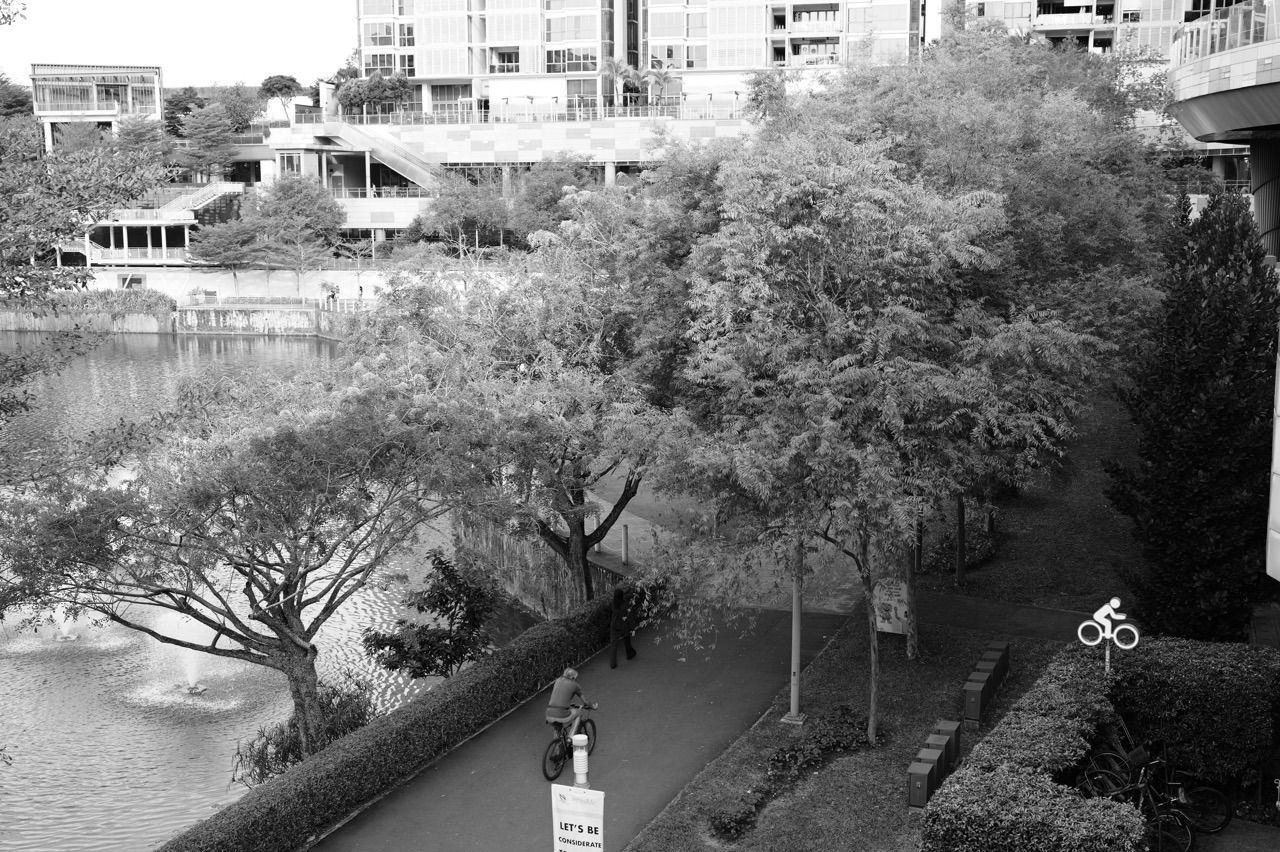
Outdoor fitness corners in Punggol can make movement easier to fit into an ordinary week. You can combine a nearby exercise area with a walk, meet a friend for a short outing, or explore the Waterway without buying a membership. The useful choice is the place and routine you can actually use.
A fitness corner is a shared public facility, with equipment that varies by location and can change through maintenance or replacement. This guide helps you find verified starting points, check the actual site, plan a manageable visit and decide when instruction or professional advice would be more useful than trying equipment independently.
Facility information checked on 2 October 2026. This page does not certify the condition of a particular machine today, provide a block-by-block equipment inventory, or prescribe an exercise programme. Follow posted instructions and current notices, and use advice appropriate to your health, ability and experience.
In this guide: Local options · Compare locations · Check equipment · Seniors · Questions
Start with the routine you want
Before choosing a corner, think about the outing’s purpose. You might want an accessible place to move after work, a walking route with an optional exercise stop, or a familiar setting for activity with an older relative. Those purposes can lead to different choices even when the facilities are close together.
Distance from home matters because travel becomes part of every visit. A place that looks impressive in a photograph may be less useful if getting there requires a separate journey you rarely have time for. A modest nearby option can be a sensible starting point.
Write down your actual available time, including preparation and getting home. A gap of half an hour in a calendar is not automatically half an hour at the equipment. Consider whether the visit can fit before an errand or whether you need a separate outing.
Decide whether you want to go alone, with a companion or in an instructed group. These are different experiences. A quiet individual visit may suit one person, while another prefers an agreed meeting time and someone to talk to along the way.
Keep the first choice reversible. You can visit a location, read the instructions and see whether the route suits you before deciding to return regularly. There is no need to declare a long-term programme on the first day.
If you have a health concern, recent injury, prolonged inactivity or uncertainty about suitable activity, ask an appropriate professional before using a generic plan. A public exercise area’s existence does not establish that every station is suitable for every visitor.
Verified starting points in Punggol
NParks’ Punggol Waterway Park Connector page lists an 8.4 km connector along the Waterway and describes it as wheelchair friendly. That is the published length of the connector, not a requirement to complete it or a measurement of your chosen out-and-back walk.
NParks also identifies a fitness area within the therapeutic garden at Punggol Waterway Park, near Carpark A. Its description establishes the area, but does not give a current machine-by-machine inventory or assess an individual’s exercise needs.
For Punggol Green, the URA article about the community space describes facilities including fitness corners for seniors. PA’s One Punggol Hub Info also describes Punggol Green. Use current site information and check the actual equipment and access before building a session around a particular station.
These sources provide a useful shortlist, not a ranking of every fitness corner in town. They do not establish that each item is working, that there are no closures, or that a particular time will be quiet. A first visit should confirm the practical details you need.
For an estate corner near your own block, identify the responsible manager and read the information on site. If you want to report a defect, include the location and equipment identifier if one is displayed. Do not assume the same organisation manages every exercise area in Punggol.
Keep source dates in mind. An old park map may show a fitness symbol while equipment has since changed. Use the map to orient yourself, then verify the current site. A photograph should not become a promise that a particular machine is available.
Why the setting can make a routine easier
URA’s Punggol Green article describes the space under the viaduct between Punggol MRT and Sam Kee LRT as a community park, completed in 2022. That context explains why it is useful to consider the surrounding journey rather than treating the fitness corner as an isolated destination.
A visitor can look at how the exercise area relates to ordinary movement through the neighbourhood. Is it on a route you already use? Can you meet a companion there without a complicated detour? Does its location fit the purpose of your outing? These practical questions help turn a listed facility into a real option.
The Waterway offers a different experience, with a route along the water and the option to select a section of the published connector. The therapeutic garden is another distinct setting. Choose between them by what you want from the visit, rather than assuming one location has the best equipment for everyone.
Good public-space design can bring different activities close together, while users still need to respect the purpose and instructions of each facility. A family can enjoy that variety without using every item or treating a shared space as a private training area.
Compare two nearby options on the same questions
If you are choosing between two corners, use a short comparison based on the actual visits. Record the journey from your usual starting point, the approach to the area, the instructions available and whether the setting suits the activity you have in mind. Avoid ranking a place solely by the number of machines.
Separate what you observed from what you still need to ask. “The instruction panel was readable on this visit” is an observation. “This station is suitable for my injury” is a question for an appropriate professional. Keeping those categories separate prevents a practical comparison from becoming an unqualified assessment.
Consider the time you intend to attend. A corner you inspected on a quiet weekday may feel different at your usual weekend hour. One visit cannot establish a permanent crowd pattern. If busyness affects your plan, try the intended time or keep an alternative.
Compare the return journey and any other commitment attached to the outing. One area might fit an errand; another might be better for a separate visit with a friend. A shorter outward distance does not always produce the easiest complete routine.
Choose one option for the next few visits and review whether it works. You can change later without treating the initial decision as a mistake. The aim is to learn which arrangement suits your life, while continuing to follow current notices and appropriate activity advice.
The Waterway as a walking route
The Waterway can be useful even if you decide not to use equipment. A walk with a clear return point is a complete outing in its own right. You can choose a short section rather than treating the published connector length as a target.
Plan the return journey first when you are unsure about distance. An out-and-back route allows you to turn around without completing a larger loop. Think about the effort required to get home, not only the appeal of continuing along the waterfront.
Use landmarks you can identify easily. A particular entrance, bridge or familiar building can help you describe the route to a companion. Avoid giving a meeting point as only “the Waterway” when the people attending may arrive from different directions.
The Punggol running-routes guide is the separate local owner for running itineraries. This fitness-corner guide focuses on choosing and using an exercise area as part of an outing, without duplicating a full route directory.
If you want to add an equipment stop, identify the area during a first walk. Notice how far it is from your starting point and whether you can approach it comfortably. The equipment may be worth using on a later visit rather than immediately after an unfamiliar journey.
Check current park notices and follow diversions. A familiar route can change because of works or maintenance. Choose another section if the planned access is closed; a fitness visit does not justify crossing a barrier or entering a restricted area.
The therapeutic garden: a setting, not a prescription
NParks describes the therapeutic garden near Carpark A as a garden with a fitness area and other features. The word “therapeutic” describes the designed space and associated programmes; it should not be read as a personal recommendation that its equipment is suitable for rehabilitation.
For a first visit, look at the setting and route as well as the exercise area. Someone may value a calm place to spend time outdoors while deciding whether to use any station. Enjoying the garden does not require turning the visit into a workout.
If you accompany a senior, ask what they would like from the outing. They may prefer a walk and conversation, or want help understanding a station’s instructions. Their preference should shape the visit rather than the family assuming that every piece of equipment must be tried.
Distinguish an independent visit from a scheduled programme. NParks’ garden page also discusses therapeutic horticulture programmes conducted by trained persons. A programme has its own arrangements; simply being in the garden does not mean you have joined one.
If a person is receiving rehabilitation or has been given specific instructions by a healthcare professional, use those instructions and ask about the proposed activity. A public fitness station should not be substituted for assessed rehabilitation because the garden has a reassuring name.
A useful visit can be exploratory. Confirm where the area is, how the journey feels and whether the environment suits the people attending. That information can support a later decision without claiming a health outcome from one outing.
Punggol Green and a visit near One Punggol
Punggol Green is a separate public-space context from the indoor services and activities at One Punggol. A resident might consider an outdoor visit before another errand, but should still check the actual corner rather than assuming every facility described in a hub overview is available for unrestricted use at all times.
Write the meeting point precisely when going with someone else. “Near One Punggol” can mean different entrances and surrounding spaces. Agree a visible landmark and how to contact each other if you arrive at different places.
Combining activities can reduce the need for a separate trip, but leave enough time for the exercise visit itself. A tight appointment may make you rush through an unfamiliar station or leave no time to read the instructions. It may be better to inspect the area and return later.
If the outing includes children, distinguish playground use from adult or senior exercise equipment. Check posted age and use instructions for the relevant item. A family-friendly setting does not mean every facility is designed for every member of the family.
Ask the responsible manager about a closure or unclear access arrangement. Do not infer permission from the absence of a queue or the fact that another person is using the area. A temporary notice may apply to only part of a space.
The Punggol community guide explains how to enquire about organised programmes and local participation. A scheduled class may be useful for someone who wants instruction or a regular group, while an independent fitness-corner visit remains a different option.
Inspect the station before deciding to use it
Start by reading the displayed instructions, including any age, size, weight or use restrictions. Equipment that resembles something you have seen elsewhere may operate differently. If the instructions are missing or unclear, do not guess at an unfamiliar mechanism.
Look for a closure notice or obvious defect without attempting to test damaged equipment. A loose component, broken part or blocked area should lead to another choice and an appropriate report. You do not need to prove that a machine fails by using it.
Check whether you have enough space to approach and leave the station. A bag, bicycle or waiting group can make a small area awkward. Keep your own belongings outside the space other users need for movement and access.
A photograph can help identify a station for a report if it is safe and appropriate to take one. Avoid photographing another user without their agreement or making the image a public judgement of their technique. The report should concern the facility.
Do not modify a station, attach improvised equipment or use a structure for a purpose its instructions do not support. A railing, bench or playground component should not automatically become an exercise apparatus. Choose an activity you can do appropriately in the setting.
If you cannot establish how to use the station, a walk or another familiar activity may be the better option for that visit. Leaving one machine unused is a sensible decision, not a failure to make full use of the corner.
Understand instructions without copying a stranger
Another person’s confident use of a machine does not establish that the movement is correct or suitable for you. They may have different experience, physical dimensions or professional advice. Start with the station’s instructions and seek appropriate instruction if needed.
Ask an instructor about the intended movement and how to adjust it for your situation. The fact that equipment has a simple appearance does not mean every person will understand its use immediately. An informed explanation can be more helpful than repeated trial and error.
Avoid treating a social-media clip as a complete lesson. A short video may omit setup, restrictions, progression and the circumstances in which the movement was demonstrated. It may also show equipment different from the station in front of you.
If you attend a class, confirm whether the instructor is teaching use of the actual equipment or another activity. A class held near a fitness corner does not necessarily cover all the stations. Ask what the session includes and whether it fits your level.
For a companion, offer practical help without becoming an unqualified coach. You can help read a sign or remember a question, but should not insist that another person copy your movement or use your chosen level of effort.
Keep the goal of the visit clear. A person who wants an easy outing does not need to attempt a difficult movement because someone else is doing it. Choose an activity you understand and can perform appropriately, and ask for guidance when uncertainty remains.
Plan the whole session, including travel
Consider the walk from home, the time at the area and the return as one outing. An equipment session does not happen separately from the effort of getting there. This is especially useful when planning with a child, senior or person whose energy varies.
Keep the first visit simple enough to understand. You can explore the route, read the signs and decide which familiar activity, if any, to do. Avoid combining a new long route, several unfamiliar machines and an ambitious target in the same first session.
The Health Promotion Board’s guidance on returning to exercise encourages considering current fitness and health, starting at an appropriate level and progressing. Use that guidance and professional advice where relevant, rather than treating a local article as a personal prescription.
Plan what you need to bring for your own outing, including a way to contact someone and drinking water where appropriate. Do not carry so much that belongings become an obstacle at the station. Keep valuables secure without leaving bags across the shared space.
Leave time to return at a comfortable pace and reach the next commitment. A session that repeatedly makes you late may be difficult to maintain even if the exercise area is good. Change the timing or location instead of forcing a routine that does not fit the day.
If the planned activity is unsuitable on arrival, keep an alternative. You might choose a familiar walk, another confirmed location or a different day. A routine can remain consistent in purpose while changing its exact form.
Weather, heat and outdoor conditions
Check current conditions before leaving and remain aware during the visit. Outdoor equipment is exposed to weather, and the surface or surrounding route may be affected even when the station looks usable. Follow site instructions and use another plan when conditions are unsuitable.
HealthHub’s physical-activity safety guidance advises postponing outdoor activity when there are signs of heavy rain or lightning. The Punggol safety guide links current weather information and explains the distinction between rain cover and appropriate lightning shelter.
Choose timing that works for you and the people attending. A period that is convenient around work may not feel comfortable outdoors. Try another time if the practical conditions repeatedly make the outing difficult, rather than assuming the problem is a lack of motivation.
An area under a structure may offer shade or rain cover, but that does not automatically establish suitability during a thunderstorm. Use official guidance for that question. Do not remain at a station simply because equipment or seating is under cover.
Bring the organiser’s weather process into the plan if attending a group session. Find out how changes are communicated and whether there is an indoor alternative. A booking should not pressure a participant to continue in unsuitable conditions.
After rain, do not assume that a dry-looking approach means every surface or handle is ready for use. Check the station and instructions, and choose another activity when uncertain. The point of an outdoor routine is to support everyday movement, not preserve a particular session regardless of conditions.
Share the corner considerately
Public fitness equipment is shared. Keep sessions at a station considerate of others waiting and avoid occupying several pieces of equipment with bags or towels. If the area is busy, adapt the plan rather than trying to reserve a complete circuit informally.
Let another user finish without standing inside their movement space. A brief, polite question about whether a station is free is usually clearer than hovering close to the equipment. Keep conversations from blocking access.
Do not coach another person unless they have asked and you are appropriately placed to give that advice. A public corner brings together people with different purposes and abilities. Someone else’s slower pace or shorter visit does not need correction.
If a group meets at the area, make sure it does not take over the whole facility without an authorised arrangement. The leader should confirm any relevant permissions and consider other users. A small shared space may not suit a large organised circuit.
Respect privacy when recording a workout. Position a device so it does not unnecessarily film other visitors, and follow any applicable site instructions. Ask companions before including them in an image or public post.
Leave the area ready for the next person. Take your belongings and rubbish with you, and report a problem through the responsible channel. Ordinary consideration helps a free shared facility remain a place people want to use.
Older adults: choose the experience as well as the equipment
An older resident may value company, familiarity and a manageable journey more than a wide range of stations. Ask what they would enjoy and what help they want. The answer can lead to a walk, a short visit or an organised programme rather than an equipment circuit.
A station described for seniors still has instructions and does not establish suitability for every older person. Age alone is not an assessment of health, balance, strength or movement needs. Use relevant professional advice and ask for instruction if the equipment is unfamiliar.
Plan rest and the return journey around the actual person. Do not measure the success of the outing by how many machines they used. A visit that feels comfortable and welcoming may be more useful than one that leaves them reluctant to return.
Keep the senior’s choices visible when accompanying them. Offer to help read a sign or explain the route, but let them describe how the visit feels. Family enthusiasm should not become pressure to perform for a photograph or complete a target.
The Punggol seniors guide explains AAC and care-service enquiry routes. An AAC activity may offer social connection or an organised programme. It is a separate enquiry from independent use of a public fitness corner.
Where a care or rehabilitation need exists, ask the relevant professional how outdoor activity fits the person’s plan. Do not turn a public station into an assumed replacement for assessed care. A familiar neighbourhood location can complement an appropriate plan when suitability has been established.
Families and children at an exercise area
A family outing can include different activities without requiring everyone to use the same equipment. One adult might walk while another accompanies a child at an appropriate play area. Agree who is responsible for the child and where the group will meet.
Read the actual equipment instructions for age and use restrictions. Adult exercise equipment is not automatically suitable for children because it is outdoors or near a playground. Do not encourage a child to experiment with a mechanism that is not intended for them.
Keep children out of another user’s movement space. Explain that an occupied station needs room and that waiting is part of sharing the area. Avoid allowing a game to run through the equipment while adults are using it.
Choose a visit length the family can manage. An adult’s preferred workout may be longer than a child’s interest in waiting nearby. Plan the outing honestly rather than depending on the child to remain entertained indefinitely.
The Punggol children’s sports guide is the separate route for instructed programmes and provider enquiries. A public corner visit does not replace coaching, safeguarding arrangements or a child-specific activity.
Let children see ordinary movement without turning the outing into a performance comparison. A walk, an appropriate game or noticing how people share a space can be a worthwhile experience. Avoid praising a risky attempt merely because it looks athletic.
Accessibility is about the journey too
An accessible description in a directory is a starting point. The individual still needs to consider the approach, crossings, surfaces, entrance and return. A connector described as wheelchair friendly does not mean every adjoining equipment station is suitable for every user.
If someone uses a mobility aid, ask what they need and use relevant professional advice. Do not assume that a companion can improvise assistance at a station or that a public machine has been assessed for the person’s circumstances.
The Punggol access-route guide helps identify questions to consider. Check actual conditions, including temporary barriers. A side path shown in an old photograph may not be part of the accessible route you need.
Visit at a time when you can explore without rushing if the location is unfamiliar. Find the correct access and see whether the space suits the person before planning a regular session around it. That visit can be worthwhile even without using equipment.
If the obstacle is a facility defect, report the precise location to the responsible manager. If the issue is suitability of an activity, ask an appropriate instructor or healthcare professional. These are different questions and should not be bundled into one general complaint.
Include communication access as well. Instructions that someone cannot read or understand may require a different format or an explanation. A companion can help with information while respecting the person’s own choices.
When instruction is the better next step
If you want to learn technique, use a new type of equipment or build a structured programme, instruction may be more useful than repeatedly guessing at a public corner. Look for a provider or organised session that explains what it teaches and who it is intended for.
Ask about the instructor, format, level and actual location. A broad title such as “fitness” may cover very different activities. Confirm whether beginners are welcome and whether the session addresses the equipment or goal you have in mind.
Check booking, payment and cancellation arrangements before committing. A public outdoor space does not make every class held there free or automatically open to drop-ins. Use the organiser’s current instructions.
Explain relevant limitations or concerns through the appropriate private channel. An instructor should know what you are asking about, while a health question may require a healthcare professional. Do not expect a brief public conversation to substitute for an assessment.
If you prefer group activity, ask about pace, language and whether you can attend an introductory session. The social format may matter as much as the activity itself. Choose a group that suits your purpose rather than the busiest one.
For local enquiry routes, use the community guide linked above and the current onePA listings. The listing and organiser should confirm the session. Do not rely on a past event poster as evidence that a class continues every week.
Outdoor corners, gyms and sports facilities have different jobs
A fitness corner offers public equipment in a shared setting. A gym may provide different equipment, staffing, access conditions or membership arrangements. A sports facility may support a specific activity with a booking system. These are choices to compare by purpose.
If you need a particular machine or instruction, confirm that requirement before choosing the venue. A free corner can be useful while still not meeting every training goal. There is no need to treat one option as universally better.
The Punggol gym guide is the separate local owner for indoor and membership-based enquiries. Compare current provider details and charges there instead of expecting this page to maintain every commercial option.
For courts, pools or organised sport, check the relevant operator’s current facility and booking information. Access to a nearby outdoor exercise area does not establish access to all amenities in the surrounding development.
Planned or phased facilities should not be treated as available merely because a project has been announced. Before travelling to a new sports venue, look for the actual operating and booking information. A projected completion date and an active facility listing answer different questions.
You can combine options over time. A person might walk near home, attend a class on one day and use a gym for a specific purpose. The useful arrangement is the one that fits their needs, schedule and budget, with current access confirmed.
Build a habit around a realistic commitment
Choose a commitment you can describe clearly, such as visiting a nearby area at an agreed time, rather than promising to “exercise more.” The commitment should reflect your actual week. A plan that depends on a perfect evening every day may be difficult to sustain.
Attach the visit to a reliable part of the schedule if that helps. An errand, a meeting with a friend or a regular journey can provide a reminder. Make sure the combination does not leave the session rushed or create a difficult return.
Have an alternative for the common reason the plan changes. Weather, a busy corner or an appointment can interrupt the exact visit. A different suitable activity or another planned time may preserve the purpose without forcing use of the original site.
Avoid making a missed visit a reason to abandon the whole routine. Ask what actually prevented it and whether the plan needs adjusting. A location or time that repeatedly fails may be the problem, rather than a person’s willingness to move.
Keep any record simple. You might note whether you attended, how the journey felt and what practical adjustment would help. There is no need to publicly compare every session or turn a free neighbourhood visit into a detailed reporting task.
Review the routine after several visits. The question is whether it works for your life and remains appropriate, not whether it resembles someone else’s schedule. Change it when your needs, health or commitments change.
Track usefulness without inventing health results
A practical record can distinguish the outing from assumptions about its effect. You can note the date, location, activity you actually did and any access problem. Do not claim a medical improvement from a short series of visits without appropriate evidence.
If you are following a professional plan, use the monitoring and review instructions given for that plan. A local guide’s suggestion to keep a simple note should not replace a prescribed record or assessment.
Notice the logistical factors that support attendance. Was the journey manageable? Did the time fit? Were instructions available? Was the area too busy for the intended visit? Those observations can guide a change without requiring a medical interpretation.
Ask companions about their experience separately from your own. A senior may like the setting but find the return tiring. A friend may enjoy walking together but prefer not to use equipment. Different preferences can be accommodated without declaring the outing unsuccessful.
If discomfort or a health concern arises, seek appropriate advice rather than treating the note as a diagnosis. Do not push through a concerning symptom to preserve an attendance record. For an emergency, use 995 and follow the operator’s instructions.
A useful record ends in a practical decision: keep the routine, change the time, use another area, ask for instruction or seek professional advice. The information should help you choose, rather than create another target to worry about.
Report damage and unclear access
Identify the location as precisely as you can from a safe position. Include the block, park area, nearest sign or equipment number if displayed. “The machine in Punggol” is unlikely to help the manager find the station quickly.
Describe what you observed without testing the defect. A broken component, missing instruction panel or closure affecting the approach can be reported as observed. Avoid making an engineering diagnosis or claiming that the entire park is unsafe from one defect.
Use the responsible facility or estate channel. For common-property issues, the Punggol estate-matters guide explains routing. OneService can help with municipal feedback when the owner is unclear.
Keep a reference if the service provides one. For follow-up, give the earlier reference and the unresolved issue. Acknowledgement of feedback does not by itself establish that the station has been repaired or reopened.
Choose another activity while the affected equipment is unavailable. Do not remove a barrier, repair a component yourself or use a closed station because it is part of your usual session. The responsible manager should confirm the change in status.
If someone is in immediate danger or has an emergency, use the relevant emergency service. An ordinary maintenance report should not be the only action in an urgent situation. State the incident and location clearly.
Agree the companion’s role before the visit
A companion can make an unfamiliar outing feel easier, but it helps to agree what each person wants. One may be joining for conversation, another may want a longer session and a third may need help with the route. These expectations should be discussed rather than inferred.
Set a clear meeting point and an approximate plan for the visit. If one person intends to keep walking while the other stays near a corner, agree how they will reconnect. Avoid leaving someone waiting without knowing when the group will return.
Let each person choose whether to use equipment. Joining a social outing does not mean agreeing to every exercise. A companion can read information or help find the area without deciding what another person should do.
If the visit is interrupted, discuss the practical next step together. It might be returning home, moving to an appropriate indoor place or meeting again another day. Keep the arrangement flexible enough that one person’s different needs do not become a source of pressure.
Afterwards, ask what worked for both people. A reliable companion routine should be enjoyable and sustainable for everyone involved, rather than quietly depending on one person to organise every visit indefinitely.
Three illustrative visits
These examples are planning illustrations, not real client stories or exercise prescriptions. They do not establish an individual’s suitability, a station’s condition or a guaranteed outcome. They show how the same locality can support different kinds of visit.
A resident has a short gap after work and wants an easy outdoor routine. They choose a nearby route, visit the corner and read its instructions. On the first day they decide to walk rather than use an unfamiliar station. Later they seek instruction about a movement they want to learn.
An older resident wants company and a familiar outing. A relative helps check the route to the therapeutic garden and asks what the senior would enjoy. The visit includes time outdoors and an optional look at the fitness area. Any equipment use follows the person’s appropriate advice and the posted instructions.
A family visits near One Punggol before an errand. The adults agree who is accompanying the child and choose suitable activities for each person. They do not assume the child can use senior equipment or that a busy shared corner can be reserved for the family.
In all three examples, the first useful decision concerns purpose, access and the actual instructions. The person does not have to use every station, complete the whole connector or turn the visit into an ambitious programme.
After the visit, a brief conversation can identify what would make the next one easier. The answer might be another meeting point, a different time, an instructed class or a simpler route. Those changes are part of making a routine useful.
Questions residents often ask
Are all outdoor fitness corners in Punggol listed here?
No. This guide provides verified starting points and a method for checking a local area. It is not a complete equipment inventory. Confirm the station, manager and current conditions at the location you intend to use.
Does the Waterway’s 8.4 km figure mean we should complete that distance?
No. It is NParks’ published connector length. Choose a journey appropriate to the people attending, including the return. A short section or an out-and-back visit can be a complete outing.
Is the therapeutic garden a rehabilitation service?
The garden is a designed public space with features described by NParks. Its name does not establish a personal rehabilitation programme or equipment suitability. Ask the relevant professional about rehabilitation needs and any proposed activity.
Can children use adult or senior equipment?
Read the actual station’s restrictions and intended use. Do not assume suitability because the equipment is beside a playground or in a family setting. Child-specific programmes and facilities are separate options.
What if I do not understand a machine?
Do not guess at an unfamiliar mechanism. Read the instructions, ask for appropriate instruction or choose another familiar activity. Watching a stranger or a short online clip is not a complete assessment of correct use.
Is outdoor exercise always free?
Use of a public corner and attendance at an organised class are different arrangements. Confirm access and any charges with the relevant manager or organiser. A free public setting does not make every service offered there free.
Should I use a station that appears damaged?
Choose another activity and report the observed problem through the appropriate channel. Do not test a defect or remove a closure. If there is an emergency, use the relevant emergency service.
What should I check before travelling to a new sports facility?
Look for current operating, access and booking information from the operator. A project announcement or projected opening date is not confirmation that every facility is available today.
Sources and the next useful step
Start with NParks’ Waterway connector information, its therapeutic-garden page and the URA Punggol Green article for locality context. Check current notices and the actual site for access and equipment condition.
Use HealthHub for general guidance about returning to activity, with appropriate professional advice for your circumstances. This page helps organise a local visit; it does not assess a person’s health or prescribe training.
Choose one nearby starting point, visit without rushing and see whether the journey and setting suit you. Read the instructions and keep the first routine manageable. For wider options, return to the Complete Punggol Guide.
Outdoor Fitness in Punggol 2026 | Choosing the Right Facility, Route and Session
A Clementi-floor local fitness guide should help residents choose a workable session, not merely point at equipment. The useful decision begins with the person: age, current ability, mobility, heat tolerance, available time and whether the goal is walking, basic strength, rehabilitation support from a professional, or general movement.
Punggol Waterway Park and the surrounding park connector remain important anchors because NParks currently lists the park as open 24 hours and the Punggol Waterway Park Connector as an 8.4 km wheelchair-friendly route. That does not mean every fitness corner has identical equipment or every user should attempt the same exercise. Facility condition and suitability remain local and person-specific.
Build the session around the route home
For most residents, the strongest outdoor session is the one that fits the day: ten minutes after school drop-off, a short circuit before dinner, a Waterway walk on a weekend morning or a gentle session near home. Consistency usually benefits more from convenience than from travelling across town for one “perfect” fitness corner.
Frequently asked questions
Is every fitness corner the same?
No. Equipment and condition differ. Check the actual site before relying on a specific machine.
Is an outdoor fitness corner suitable for rehabilitation?
Do not assume so. Rehabilitation and medical exercise should follow the advice of an appropriate qualified professional.
What is a strong family option?
Choose a route where adults can move while children remain in an appropriate nearby activity area, with clear supervision and an easy return home.
Current official checks: use NParks Punggol Waterway Park and NParks Punggol Waterway PCN for current park and connector information.


