
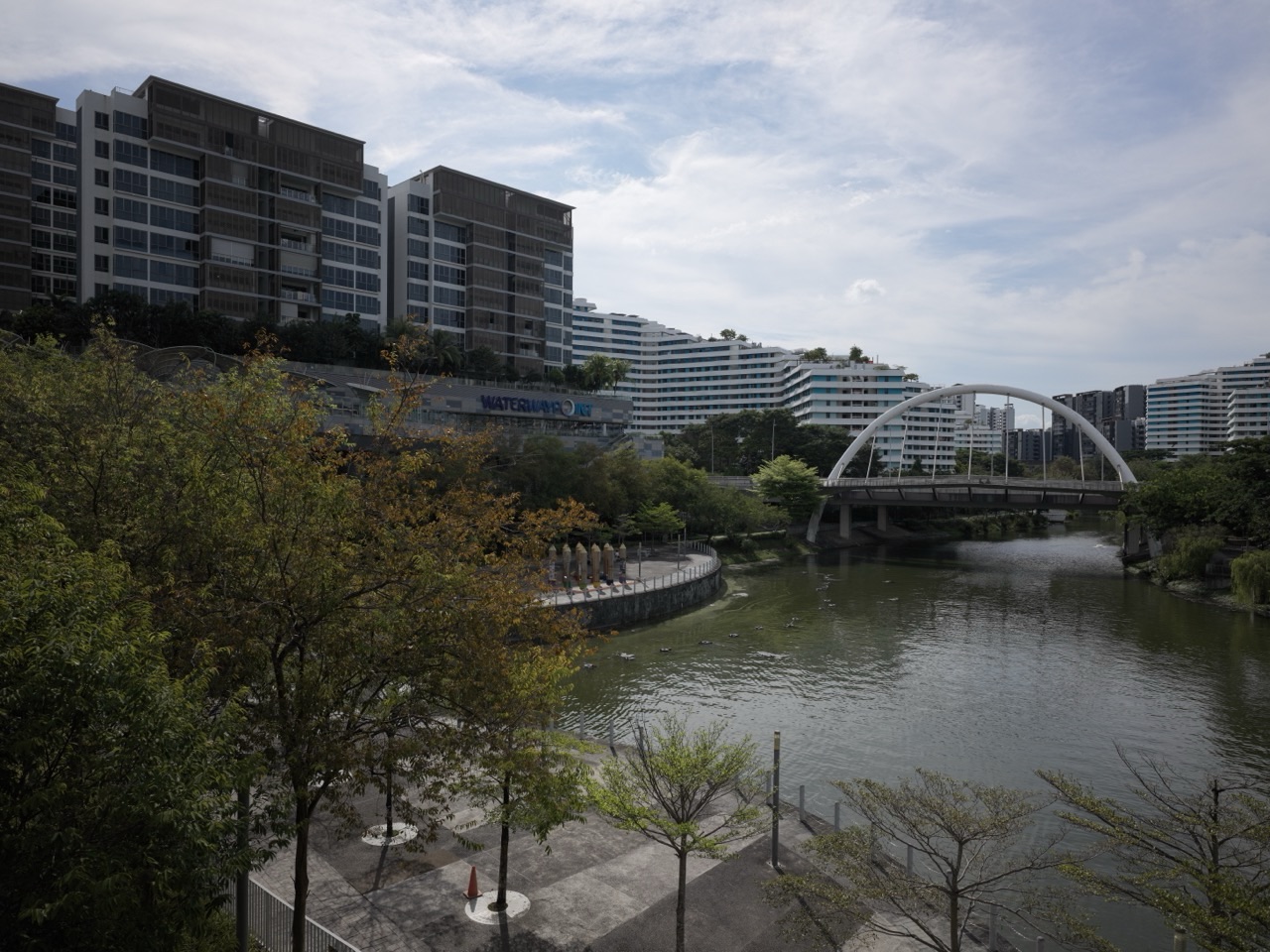
Things to do in Punggol for nature lovers go far beyond Coney Island. Punggol Waterway Park, Green Gallery, Nature Cove, the therapeutic garden, Lorong Halus Wetland, park connectors, birdwatching routes and everyday wildlife encounters create a layered urban-nature system that can be explored in short walks or full-day routes.
This 2026 nature guide links Punggol’s newer bird, butterfly, tree, otter, monitor-lizard, Coney Island and biodiversity articles into one discovery spine without replacing those specific guides. Use this page to choose a habitat and route, then move into a species or place guide only when an observation deserves more detail.
Current conditions matter. Punggol Point Park remains closed for upgrading until the expected completion date of 31 December 2027, so nature routes should use verified open areas such as Waterway Park, Coney Island, Lorong Halus, park connectors and Punggol Heritage Trail instead of repeating older park advice.
Punggol for Nature Lovers at a Glance
- Best easy start: Waterway Park → Green Gallery or Nature Cove.
- Best deeper destination: Coney Island during 7am–7pm opening hours.
- Best wetland system: Lorong Halus.
- Best beginner wildlife activity: birdwatching without binoculars.
- Best family nature activity: butterfly spotting or a simple scavenger walk.
- Best slow route: therapeutic garden + waterway observation.
- Best longer route: riverine loop or park-connector extensions.
- Current closure: do not plan a nature visit inside Punggol Point Park.
The best habit is to choose one habitat and stay long enough to notice change. Punggol nature becomes richer when visitors return to the same place under different light, weather and seasonal conditions.
1. Start at Punggol Waterway Park
Use the central waterway as the easiest first habitat: water edges, planted corridors, bridges, housing and wildlife all sit within a transport-connected urban park. Nature lovers get more from this stop by treating it as a habitat to read, not simply a place to pass through. Notice what changes in vegetation, water, sound and human activity before moving on. Repeat the same short observation at another time of day and the comparison will usually reveal more than adding another kilometre.
Walk one short loop first, then choose Green Gallery, Nature Cove or the therapeutic garden for deeper observation. Record details first and identify later. A photograph, note or sketch is more useful than getting closer to an animal or stepping into planted ground. Location, time, behaviour and habitat are often as important as colour for later identification.
A strong nature visit leaves the site unchanged. Do not feed animals, remove plant material or turn a sighting into a crowd around wildlife. Shared restraint protects the behaviour that made the observation interesting in the first place.
2. Green Gallery
Focus on trees, canopy, understory planting and how shade changes where people and birds spend time. The useful question is not “what species must I see?” but “what conditions make this place different from the previous stop?” That keeps the visit evidence-based even when wildlife is quiet. A blank sighting list can still produce useful notes about habitat, weather and behaviour.
Compare one shaded stretch with one exposed stretch and record what changes in sound, temperature and activity. Build a clear turnaround point so heat and fatigue do not reduce attention. Nature observation becomes less accurate when the group is rushing back hungry or overheated. Put water, shade and the route home into the plan before the walk begins.
For families, keep explanations short and questions open. For adults, let uncertainty remain until later reading confirms what was observed. Nature literacy grows through repeated evidence, comparison and correction rather than instant confident naming.
3. Nature Cove
Use Nature Cove for a smaller waterfront nature visit without committing to a long park-connector route. Slow observation matters because Punggol’s urban nature is layered: planted landscapes, wild visitors, water infrastructure and recreational paths occupy the same space. The interesting part is often the relationship between these layers rather than one isolated species.
Look at water edges, planting, insects and bird movement before deciding whether to continue. Let weather and light shape the pace. Morning and late afternoon often support longer attention than exposed midday walking. Rain may change what is visible, but lightning risk should move the group into proper indoor shelter rather than a park edge.
The value of nature cove is repeatability. Return at another time of day or after different weather and compare what changed rather than expecting the same sightings every visit. Over time, familiar places become more informative because the visitor can distinguish normal patterns from unusual ones.
4. Therapeutic Garden
Use the therapeutic garden for sensory planting, slower walking and close observation rather than distance. This stop works best when visitors give it a clear observation purpose and resist adding another destination before the first one has become interesting. A few careful notes, photographs or sketches create a stronger record than a rushed collection of locations.
Notice texture, fragrance, colour, shade and how the garden supports calmer use of the waterway. Keep wildlife at a respectful distance, stay on designated paths and use current park information whenever access, weather or closures could affect the route. If another visitor is already observing quietly, avoid crowding the same point simply to get a closer photograph.
This activity links naturally to Punggol’s wider ecology. Use the site’s specific bird, tree, wildlife and route guides when one observation deserves deeper identification. The hub should help visitors decide what to explore next without replacing the more precise topic owner.
5. Fruit Trees
Look for locally covered fruit trees such as rambutan, jackfruit and chiku without entering planted areas or picking fruit. Nature lovers get more from this stop by treating it as a habitat to read, not simply a place to pass through. Notice what changes in vegetation, water, sound and human activity before moving on. Repeat the same short observation at another time of day and the comparison will usually reveal more than adding another kilometre.
Compare leaves, branching patterns and fruit shape, then check the site’s fruit-tree guide after the walk. Record details first and identify later. A photograph, note or sketch is more useful than getting closer to an animal or stepping into planted ground. Location, time, behaviour and habitat are often as important as colour for later identification.
A strong nature visit leaves the site unchanged. Do not feed animals, remove plant material or turn a sighting into a crowd around wildlife. Shared restraint protects the behaviour that made the observation interesting in the first place.
6. Birdwatching Without Binoculars
Begin with movement, silhouette, colour, call and habitat rather than expensive equipment or instant species certainty. The useful question is not “what species must I see?” but “what conditions make this place different from the previous stop?” That keeps the visit evidence-based even when wildlife is quiet. A blank sighting list can still produce useful notes about habitat, weather and behaviour.
Photograph only when it does not disturb the bird and use several features for later identification. Build a clear turnaround point so heat and fatigue do not reduce attention. Nature observation becomes less accurate when the group is rushing back hungry or overheated. Put water, shade and the route home into the plan before the walk begins.
For families, keep explanations short and questions open. For adults, let uncertainty remain until later reading confirms what was observed. Nature literacy grows through repeated evidence, comparison and correction rather than instant confident naming.
7. Black-naped Oriole
Use the bright yellow Black-naped Oriole as a beginner identification exercise around the waterway. Slow observation matters because Punggol’s urban nature is layered: planted landscapes, wild visitors, water infrastructure and recreational paths occupy the same space. The interesting part is often the relationship between these layers rather than one isolated species.
Look for the black eye-line and yellow body from a respectful distance, then compare with the local guide. Let weather and light shape the pace. Morning and late afternoon often support longer attention than exposed midday walking. Rain may change what is visible, but lightning risk should move the group into proper indoor shelter rather than a park edge.
The value of black-naped oriole is repeatability. Return at another time of day or after different weather and compare what changed rather than expecting the same sightings every visit. Over time, familiar places become more informative because the visitor can distinguish normal patterns from unusual ones.
8. Long-tailed Parakeet
Watch for green parrots moving in foliage or flocks where colour alone can be misleading. This stop works best when visitors give it a clear observation purpose and resist adding another destination before the first one has become interesting. A few careful notes, photographs or sketches create a stronger record than a rushed collection of locations.
Use tail length, movement, calls and group behaviour rather than chasing birds for a closer view. Keep wildlife at a respectful distance, stay on designated paths and use current park information whenever access, weather or closures could affect the route. If another visitor is already observing quietly, avoid crowding the same point simply to get a closer photograph.
This activity links naturally to Punggol’s wider ecology. Use the site’s specific bird, tree, wildlife and route guides when one observation deserves deeper identification. The hub should help visitors decide what to explore next without replacing the more precise topic owner.
9. Little Egret
Use waterside white birds to practise careful observation instead of assuming every white bird is the same species. Nature lovers get more from this stop by treating it as a habitat to read, not simply a place to pass through. Notice what changes in vegetation, water, sound and human activity before moving on. Repeat the same short observation at another time of day and the comparison will usually reveal more than adding another kilometre.
Note bill, legs, feeding posture and habitat before consulting the local Little Egret guide. Record details first and identify later. A photograph, note or sketch is more useful than getting closer to an animal or stepping into planted ground. Location, time, behaviour and habitat are often as important as colour for later identification.
A strong nature visit leaves the site unchanged. Do not feed animals, remove plant material or turn a sighting into a crowd around wildlife. Shared restraint protects the behaviour that made the observation interesting in the first place.
10. Grey Heron
Watch larger waterside birds for posture, slow stalking behaviour and long-legged silhouettes. The useful question is not “what species must I see?” but “what conditions make this place different from the previous stop?” That keeps the visit evidence-based even when wildlife is quiet. A blank sighting list can still produce useful notes about habitat, weather and behaviour.
Use behaviour and body shape as evidence rather than relying only on distance or colour. Build a clear turnaround point so heat and fatigue do not reduce attention. Nature observation becomes less accurate when the group is rushing back hungry or overheated. Put water, shade and the route home into the plan before the walk begins.
For families, keep explanations short and questions open. For adults, let uncertainty remain until later reading confirms what was observed. Nature literacy grows through repeated evidence, comparison and correction rather than instant confident naming.
11. Baya Weaver
Look for hanging nests as evidence of animal engineering and habitat choice. Slow observation matters because Punggol’s urban nature is layered: planted landscapes, wild visitors, water infrastructure and recreational paths occupy the same space. The interesting part is often the relationship between these layers rather than one isolated species.
Never touch or approach an active nest; use zoom and later reading to understand nest structure. Let weather and light shape the pace. Morning and late afternoon often support longer attention than exposed midday walking. Rain may change what is visible, but lightning risk should move the group into proper indoor shelter rather than a park edge.
The value of baya weaver is repeatability. Return at another time of day or after different weather and compare what changed rather than expecting the same sightings every visit. Over time, familiar places become more informative because the visitor can distinguish normal patterns from unusual ones.
12. Butterflies
Use butterfly spotting as a low-equipment family or solo activity in planted parts of Punggol. This stop works best when visitors give it a clear observation purpose and resist adding another destination before the first one has become interesting. A few careful notes, photographs or sketches create a stronger record than a rushed collection of locations.
Notice flight pattern, wing colour and plant choice, then identify later instead of chasing the insect. Keep wildlife at a respectful distance, stay on designated paths and use current park information whenever access, weather or closures could affect the route. If another visitor is already observing quietly, avoid crowding the same point simply to get a closer photograph.
This activity links naturally to Punggol’s wider ecology. Use the site’s specific bird, tree, wildlife and route guides when one observation deserves deeper identification. The hub should help visitors decide what to explore next without replacing the more precise topic owner.
13. Otters
Treat any otter sighting as a wildlife encounter, not an invitation to approach or feed. Nature lovers get more from this stop by treating it as a habitat to read, not simply a place to pass through. Notice what changes in vegetation, water, sound and human activity before moving on. Repeat the same short observation at another time of day and the comparison will usually reveal more than adding another kilometre.
Give animals room to move, keep children and pets back, and let natural behaviour continue. Record details first and identify later. A photograph, note or sketch is more useful than getting closer to an animal or stepping into planted ground. Location, time, behaviour and habitat are often as important as colour for later identification.
A strong nature visit leaves the site unchanged. Do not feed animals, remove plant material or turn a sighting into a crowd around wildlife. Shared restraint protects the behaviour that made the observation interesting in the first place.
14. Monitor Lizards
Use monitor-lizard encounters to practise calm distance and shared-path awareness. The useful question is not “what species must I see?” but “what conditions make this place different from the previous stop?” That keeps the visit evidence-based even when wildlife is quiet. A blank sighting list can still produce useful notes about habitat, weather and behaviour.
Do not corner, chase or feed the animal; allow it to choose its route away from people. Build a clear turnaround point so heat and fatigue do not reduce attention. Nature observation becomes less accurate when the group is rushing back hungry or overheated. Put water, shade and the route home into the plan before the walk begins.
For families, keep explanations short and questions open. For adults, let uncertainty remain until later reading confirms what was observed. Nature literacy grows through repeated evidence, comparison and correction rather than instant confident naming.
15. Coney Island
Make Coney Island the main nature destination rather than a casual add-on to an already full day. Slow observation matters because Punggol’s urban nature is layered: planted landscapes, wild visitors, water infrastructure and recreational paths occupy the same space. The interesting part is often the relationship between these layers rather than one isolated species.
NParks currently lists 7am–7pm opening hours; bring water, suitable footwear and enough time to exit comfortably. Let weather and light shape the pace. Morning and late afternoon often support longer attention than exposed midday walking. Rain may change what is visible, but lightning risk should move the group into proper indoor shelter rather than a park edge.
The value of coney island is repeatability. Return at another time of day or after different weather and compare what changed rather than expecting the same sightings every visit. Over time, familiar places become more informative because the visitor can distinguish normal patterns from unusual ones.
16. Mangrove Boardwalk
Use the mangrove boardwalk to compare wet coastal habitat with drier paths elsewhere on Coney Island. This stop works best when visitors give it a clear observation purpose and resist adding another destination before the first one has become interesting. A few careful notes, photographs or sketches create a stronger record than a rushed collection of locations.
Observe roots, mud, water level and plant form without stepping off the boardwalk. Keep wildlife at a respectful distance, stay on designated paths and use current park information whenever access, weather or closures could affect the route. If another visitor is already observing quietly, avoid crowding the same point simply to get a closer photograph.
This activity links naturally to Punggol’s wider ecology. Use the site’s specific bird, tree, wildlife and route guides when one observation deserves deeper identification. The hub should help visitors decide what to explore next without replacing the more precise topic owner.
17. Bird Hides
Use bird hides to practise waiting rather than moving constantly through the park. Nature lovers get more from this stop by treating it as a habitat to read, not simply a place to pass through. Notice what changes in vegetation, water, sound and human activity before moving on. Repeat the same short observation at another time of day and the comparison will usually reveal more than adding another kilometre.
Keep voices low, share the space and let patience replace the urge to force a sighting. Record details first and identify later. A photograph, note or sketch is more useful than getting closer to an animal or stepping into planted ground. Location, time, behaviour and habitat are often as important as colour for later identification.
A strong nature visit leaves the site unchanged. Do not feed animals, remove plant material or turn a sighting into a crowd around wildlife. Shared restraint protects the behaviour that made the observation interesting in the first place.
18. Sea Almond
Use Sea Almond as a beginner tree-identification subject around Coney Island. The useful question is not “what species must I see?” but “what conditions make this place different from the previous stop?” That keeps the visit evidence-based even when wildlife is quiet. A blank sighting list can still produce useful notes about habitat, weather and behaviour.
Compare leaf size, branching and seasonal colour changes with other trees on the route. Build a clear turnaround point so heat and fatigue do not reduce attention. Nature observation becomes less accurate when the group is rushing back hungry or overheated. Put water, shade and the route home into the plan before the walk begins.
For families, keep explanations short and questions open. For adults, let uncertainty remain until later reading confirms what was observed. Nature literacy grows through repeated evidence, comparison and correction rather than instant confident naming.
19. Tree-Climbing Crabs
Look for smaller coastal animals, including tree-climbing crabs, to widen attention beyond birds and mammals. Slow observation matters because Punggol’s urban nature is layered: planted landscapes, wild visitors, water infrastructure and recreational paths occupy the same space. The interesting part is often the relationship between these layers rather than one isolated species.
Observe without handling and use the sighting to ask how coastal species use vegetation. Let weather and light shape the pace. Morning and late afternoon often support longer attention than exposed midday walking. Rain may change what is visible, but lightning risk should move the group into proper indoor shelter rather than a park edge.
The value of tree-climbing crabs is repeatability. Return at another time of day or after different weather and compare what changed rather than expecting the same sightings every visit. Over time, familiar places become more informative because the visitor can distinguish normal patterns from unusual ones.
20. Cycle Coney Island Responsibly
Use a bicycle to connect observation points, not to turn the nature park into a speed route. This stop works best when visitors give it a clear observation purpose and resist adding another destination before the first one has become interesting. A few careful notes, photographs or sketches create a stronger record than a rushed collection of locations.
Slow near walkers, wildlife and blind bends; stop off the travel line before photographing or checking maps. Keep wildlife at a respectful distance, stay on designated paths and use current park information whenever access, weather or closures could affect the route. If another visitor is already observing quietly, avoid crowding the same point simply to get a closer photograph.
This activity links naturally to Punggol’s wider ecology. Use the site’s specific bird, tree, wildlife and route guides when one observation deserves deeper identification. The hub should help visitors decide what to explore next without replacing the more precise topic owner.
21. Lorong Halus Wetland
Use Lorong Halus to see a landscape where ecology and water infrastructure overlap. Nature lovers get more from this stop by treating it as a habitat to read, not simply a place to pass through. Notice what changes in vegetation, water, sound and human activity before moving on. Repeat the same short observation at another time of day and the comparison will usually reveal more than adding another kilometre.
Look at wetland vegetation, reservoir edges, drainage and bird activity, then connect observations to water treatment. Record details first and identify later. A photograph, note or sketch is more useful than getting closer to an animal or stepping into planted ground. Location, time, behaviour and habitat are often as important as colour for later identification.
A strong nature visit leaves the site unchanged. Do not feed animals, remove plant material or turn a sighting into a crowd around wildlife. Shared restraint protects the behaviour that made the observation interesting in the first place.
22. North Eastern Riverine Loop
Use a short segment of the riverine loop to understand how parks, water bodies and connectors join across the northeast. The useful question is not “what species must I see?” but “what conditions make this place different from the previous stop?” That keeps the visit evidence-based even when wildlife is quiet. A blank sighting list can still produce useful notes about habitat, weather and behaviour.
Choose one destination and a return plan instead of treating the conceptual loop as a mandatory full route. Build a clear turnaround point so heat and fatigue do not reduce attention. Nature observation becomes less accurate when the group is rushing back hungry or overheated. Put water, shade and the route home into the plan before the walk begins.
For families, keep explanations short and questions open. For adults, let uncertainty remain until later reading confirms what was observed. Nature literacy grows through repeated evidence, comparison and correction rather than instant confident naming.
23. Sungei Serangoon Park Connector
Explore another waterside corridor east of central Punggol when you want longer walking or cycling. Slow observation matters because Punggol’s urban nature is layered: planted landscapes, wild visitors, water infrastructure and recreational paths occupy the same space. The interesting part is often the relationship between these layers rather than one isolated species.
Compare planting, water edges and human use with the main Punggol Waterway. Let weather and light shape the pace. Morning and late afternoon often support longer attention than exposed midday walking. Rain may change what is visible, but lightning risk should move the group into proper indoor shelter rather than a park edge.
The value of sungei serangoon park connector is repeatability. Return at another time of day or after different weather and compare what changed rather than expecting the same sightings every visit. Over time, familiar places become more informative because the visitor can distinguish normal patterns from unusual ones.
24. Serangoon Park Connector
Use this nearby connector as a repeat-visit extension once the central waterway feels familiar. This stop works best when visitors give it a clear observation purpose and resist adding another destination before the first one has become interesting. A few careful notes, photographs or sketches create a stronger record than a rushed collection of locations.
Focus on continuity between neighbourhoods rather than searching for one signature attraction. Keep wildlife at a respectful distance, stay on designated paths and use current park information whenever access, weather or closures could affect the route. If another visitor is already observing quietly, avoid crowding the same point simply to get a closer photograph.
This activity links naturally to Punggol’s wider ecology. Use the site’s specific bird, tree, wildlife and route guides when one observation deserves deeper identification. The hub should help visitors decide what to explore next without replacing the more precise topic owner.
25. Rain Gardens and Bioswales
Look for planted drainage features that show how greenery can slow, filter or redirect rainwater. Nature lovers get more from this stop by treating it as a habitat to read, not simply a place to pass through. Notice what changes in vegetation, water, sound and human activity before moving on. Repeat the same short observation at another time of day and the comparison will usually reveal more than adding another kilometre.
After rain, observe where runoff enters planted depressions and how these systems differ from concrete drains. Record details first and identify later. A photograph, note or sketch is more useful than getting closer to an animal or stepping into planted ground. Location, time, behaviour and habitat are often as important as colour for later identification.
A strong nature visit leaves the site unchanged. Do not feed animals, remove plant material or turn a sighting into a crowd around wildlife. Shared restraint protects the behaviour that made the observation interesting in the first place.
26. Nature After Rain
Use safe post-rain periods for saturated colour, reflections, fresh water flow and changed insect activity. The useful question is not “what species must I see?” but “what conditions make this place different from the previous stop?” That keeps the visit evidence-based even when wildlife is quiet. A blank sighting list can still produce useful notes about habitat, weather and behaviour.
Do not assume rainfall ending means lightning risk has ended; check conditions before leaving shelter. Build a clear turnaround point so heat and fatigue do not reduce attention. Nature observation becomes less accurate when the group is rushing back hungry or overheated. Put water, shade and the route home into the plan before the walk begins.
For families, keep explanations short and questions open. For adults, let uncertainty remain until later reading confirms what was observed. Nature literacy grows through repeated evidence, comparison and correction rather than instant confident naming.
27. Nature Photography
Photograph habitat relationships—water, plants, birds, bridges and light—rather than chasing animals for close portraits. Slow observation matters because Punggol’s urban nature is layered: planted landscapes, wild visitors, water infrastructure and recreational paths occupy the same space. The interesting part is often the relationship between these layers rather than one isolated species.
Use patience, distance and composition so the act of photographing does not change wildlife behaviour. Let weather and light shape the pace. Morning and late afternoon often support longer attention than exposed midday walking. Rain may change what is visible, but lightning risk should move the group into proper indoor shelter rather than a park edge.
The value of nature photography is repeatability. Return at another time of day or after different weather and compare what changed rather than expecting the same sightings every visit. Over time, familiar places become more informative because the visitor can distinguish normal patterns from unusual ones.
28. Smartphone Bird Photography
Use a phone as an observation recorder rather than expecting extreme zoom performance. This stop works best when visitors give it a clear observation purpose and resist adding another destination before the first one has become interesting. A few careful notes, photographs or sketches create a stronger record than a rushed collection of locations.
Steady the device, photograph in good light and treat imperfect images as identification evidence. Keep wildlife at a respectful distance, stay on designated paths and use current park information whenever access, weather or closures could affect the route. If another visitor is already observing quietly, avoid crowding the same point simply to get a closer photograph.
This activity links naturally to Punggol’s wider ecology. Use the site’s specific bird, tree, wildlife and route guides when one observation deserves deeper identification. The hub should help visitors decide what to explore next without replacing the more precise topic owner.
29. BioBlitz Mindset
Record what you see by place, time and broad organism type before worrying about exact identification. Nature lovers get more from this stop by treating it as a habitat to read, not simply a place to pass through. Notice what changes in vegetation, water, sound and human activity before moving on. Repeat the same short observation at another time of day and the comparison will usually reveal more than adding another kilometre.
Do not collect specimens; the goal is structured observation that can be checked later. Record details first and identify later. A photograph, note or sketch is more useful than getting closer to an animal or stepping into planted ground. Location, time, behaviour and habitat are often as important as colour for later identification.
A strong nature visit leaves the site unchanged. Do not feed animals, remove plant material or turn a sighting into a crowd around wildlife. Shared restraint protects the behaviour that made the observation interesting in the first place.
30. Family Nature Walk
Give children simple missions such as leaf shapes, bird sounds, a water feature and one sign of animal life. The useful question is not “what species must I see?” but “what conditions make this place different from the previous stop?” That keeps the visit evidence-based even when wildlife is quiet. A blank sighting list can still produce useful notes about habitat, weather and behaviour.
Keep the tone exploratory rather than turning the outing into another worksheet. Build a clear turnaround point so heat and fatigue do not reduce attention. Nature observation becomes less accurate when the group is rushing back hungry or overheated. Put water, shade and the route home into the plan before the walk begins.
For families, keep explanations short and questions open. For adults, let uncertainty remain until later reading confirms what was observed. Nature literacy grows through repeated evidence, comparison and correction rather than instant confident naming.
31. Solo Nature Walk
Use familiar public routes such as Waterway Park or Green Gallery for slower solo attention. Slow observation matters because Punggol’s urban nature is layered: planted landscapes, wild visitors, water infrastructure and recreational paths occupy the same space. The interesting part is often the relationship between these layers rather than one isolated species.
Keep awareness of surroundings and tell someone the plan for longer nature routes. Let weather and light shape the pace. Morning and late afternoon often support longer attention than exposed midday walking. Rain may change what is visible, but lightning risk should move the group into proper indoor shelter rather than a park edge.
The value of solo nature walk is repeatability. Return at another time of day or after different weather and compare what changed rather than expecting the same sightings every visit. Over time, familiar places become more informative because the visitor can distinguish normal patterns from unusual ones.
32. Senior-Friendly Nature
Use therapeutic garden, accessible waterway sections and wheelchair-accessible Heritage Trail rather than rugged internal Coney Island terrain. This stop works best when visitors give it a clear observation purpose and resist adding another destination before the first one has become interesting. A few careful notes, photographs or sketches create a stronger record than a rushed collection of locations.
Plan shade, seating and indoor recovery before distance. Keep wildlife at a respectful distance, stay on designated paths and use current park information whenever access, weather or closures could affect the route. If another visitor is already observing quietly, avoid crowding the same point simply to get a closer photograph.
This activity links naturally to Punggol’s wider ecology. Use the site’s specific bird, tree, wildlife and route guides when one observation deserves deeper identification. The hub should help visitors decide what to explore next without replacing the more precise topic owner.
33. Punggol Point Closure
Do not follow older nature lists into Punggol Point Park while upgrading works continue. Nature lovers get more from this stop by treating it as a habitat to read, not simply a place to pass through. Notice what changes in vegetation, water, sound and human activity before moving on. Repeat the same short observation at another time of day and the comparison will usually reveal more than adding another kilometre.
Use verified open alternatives such as Waterway Park, Coney Island, Lorong Halus and Heritage Trail. Record details first and identify later. A photograph, note or sketch is more useful than getting closer to an animal or stepping into planted ground. Location, time, behaviour and habitat are often as important as colour for later identification.
A strong nature visit leaves the site unchanged. Do not feed animals, remove plant material or turn a sighting into a crowd around wildlife. Shared restraint protects the behaviour that made the observation interesting in the first place.
34. One-Hour Nature Visit
Stay within Waterway Park and choose one focused area instead of rushing across several habitats. The useful question is not “what species must I see?” but “what conditions make this place different from the previous stop?” That keeps the visit evidence-based even when wildlife is quiet. A blank sighting list can still produce useful notes about habitat, weather and behaviour.
Learn one section well enough that a return visit feels different. Build a clear turnaround point so heat and fatigue do not reduce attention. Nature observation becomes less accurate when the group is rushing back hungry or overheated. Put water, shade and the route home into the plan before the walk begins.
For families, keep explanations short and questions open. For adults, let uncertainty remain until later reading confirms what was observed. Nature literacy grows through repeated evidence, comparison and correction rather than instant confident naming.
35. Half-Day Nature Visit
Choose one major nature anchor—Coney Island or Lorong Halus—and pair it with an indoor recovery block. Slow observation matters because Punggol’s urban nature is layered: planted landscapes, wild visitors, water infrastructure and recreational paths occupy the same space. The interesting part is often the relationship between these layers rather than one isolated species.
Add Waterway Park later only if weather and energy remain comfortable. Let weather and light shape the pace. Morning and late afternoon often support longer attention than exposed midday walking. Rain may change what is visible, but lightning risk should move the group into proper indoor shelter rather than a park edge.
The value of half-day nature visit is repeatability. Return at another time of day or after different weather and compare what changed rather than expecting the same sightings every visit. Over time, familiar places become more informative because the visitor can distinguish normal patterns from unusual ones.
36. Full-Day Nature Visit
Alternate longer nature activity with indoor rest rather than remaining exposed all day. This stop works best when visitors give it a clear observation purpose and resist adding another destination before the first one has become interesting. A few careful notes, photographs or sketches create a stronger record than a rushed collection of locations.
Morning can be Coney Island or Lorong Halus; late afternoon can return to Waterway Park. Keep wildlife at a respectful distance, stay on designated paths and use current park information whenever access, weather or closures could affect the route. If another visitor is already observing quietly, avoid crowding the same point simply to get a closer photograph.
This activity links naturally to Punggol’s wider ecology. Use the site’s specific bird, tree, wildlife and route guides when one observation deserves deeper identification. The hub should help visitors decide what to explore next without replacing the more precise topic owner.
37. Nature Kit
Carry water, comfortable footwear, sun protection, compact rain protection and insect repellent when appropriate. Nature lovers get more from this stop by treating it as a habitat to read, not simply a place to pass through. Notice what changes in vegetation, water, sound and human activity before moving on. Repeat the same short observation at another time of day and the comparison will usually reveal more than adding another kilometre.
Binoculars are optional; a notebook or phone camera is enough for beginner observation. Record details first and identify later. A photograph, note or sketch is more useful than getting closer to an animal or stepping into planted ground. Location, time, behaviour and habitat are often as important as colour for later identification.
A strong nature visit leaves the site unchanged. Do not feed animals, remove plant material or turn a sighting into a crowd around wildlife. Shared restraint protects the behaviour that made the observation interesting in the first place.
38. Identify Later
Record what you saw and compare with reliable guides after the walk instead of forcing certainty in the field. The useful question is not “what species must I see?” but “what conditions make this place different from the previous stop?” That keeps the visit evidence-based even when wildlife is quiet. A blank sighting list can still produce useful notes about habitat, weather and behaviour.
Use multiple features—size, colour, behaviour, habitat and call—before settling on an identification. Build a clear turnaround point so heat and fatigue do not reduce attention. Nature observation becomes less accurate when the group is rushing back hungry or overheated. Put water, shade and the route home into the plan before the walk begins.
For families, keep explanations short and questions open. For adults, let uncertainty remain until later reading confirms what was observed. Nature literacy grows through repeated evidence, comparison and correction rather than instant confident naming.
39. Leave No Trace
Stay on designated paths, use bins or carry rubbish out, avoid picking plants and never feed wildlife. Slow observation matters because Punggol’s urban nature is layered: planted landscapes, wild visitors, water infrastructure and recreational paths occupy the same space. The interesting part is often the relationship between these layers rather than one isolated species.
Keep noise low in observation areas and avoid blocking shared paths for photographs. Let weather and light shape the pace. Morning and late afternoon often support longer attention than exposed midday walking. Rain may change what is visible, but lightning risk should move the group into proper indoor shelter rather than a park edge.
The value of leave no trace is repeatability. Return at another time of day or after different weather and compare what changed rather than expecting the same sightings every visit. Over time, familiar places become more informative because the visitor can distinguish normal patterns from unusual ones.
Frequently Asked Questions
What is the best nature place in Punggol?
Coney Island is the strongest dedicated nature destination, Waterway Park is the easiest urban-nature start, and Lorong Halus offers wetland and water-system interest.
Can I birdwatch without binoculars?
Yes. Start with movement, silhouette, colour, habitat and call, then use photographs or guides for later identification.
Is Coney Island open at night?
No. NParks currently lists Coney Island Park as open from 7am to 7pm.
Where can I see wildlife?
Waterway Park and Coney Island can produce sightings of birds and other wildlife, while Lorong Halus supports wetland observation. Sightings are never guaranteed.
Is Punggol Point Park open?
No. It is closed for upgrading until the expected completion date of 31 December 2027.
What should I bring?
Water, sun protection, comfortable footwear, compact rain protection and insect repellent where appropriate. Binoculars are optional for beginners.
Read the Coney Island map before attempting a nature exploration
This broader Punggol nature guide helps visitors choose places to enjoy. The dedicated Coney Island skill article shows how to read the official NParks park map, choose the West or East entrance, estimate the 3.6km official route and leave before 7pm without straying off trail.
- Coney Island Map-Reading in Punggol. NParks 7am–7pm hours, East and West gates, a 3.6km self-guided route and safe on-trail navigation.
A slow educational map-reading walk is not an authorised off-trail orienteering competition. The specialist guide links NParks’ visitor rules, habitats and closing time to family learning and accessible route decisions.
How to begin nature observation without buying expensive gear
The nature-lover directory identifies Punggol destinations. The new birding companion is a field-skill guide: where NParks has listed species, how to record uncertain sightings, and why bird-call playback and nest-location sharing are inappropriate.
- Birdwatching in Punggol. NParks-listed Waterway birds, Coney Island hides, observation notes and respectful wildlife ethics.
More ways to enjoy and care for Punggol’s nature
Nature visits can expand into thoughtful phone photography, community growing or authorised conservation-aware volunteering. Each guide provides specific practical rules rather than claiming every public green space is open for any activity.
Related Punggol Nature Guides
- Birdwatching in Punggol Without Binoculars
- Coney Island Birdwatching
- Green Gallery Nature Walk
- BioBlitz for Punggol Residents
- How Punggol Uses Nature as Infrastructure
Punggol Nature Is a System, Not a Checklist
The most interesting nature lesson in Punggol is connection. Trees affect shade. Wetlands affect water. Water edges shape bird and insect activity. Park connectors link habitats with human movement. New development sits beside older ecological systems.
A nature lover does not need a rare sighting to have a successful day. The value lies in seeing relationships and returning with better questions.
Choose one habitat, observe carefully, respect wildlife and leave the place unchanged. That is the route to seeing more over time.


