
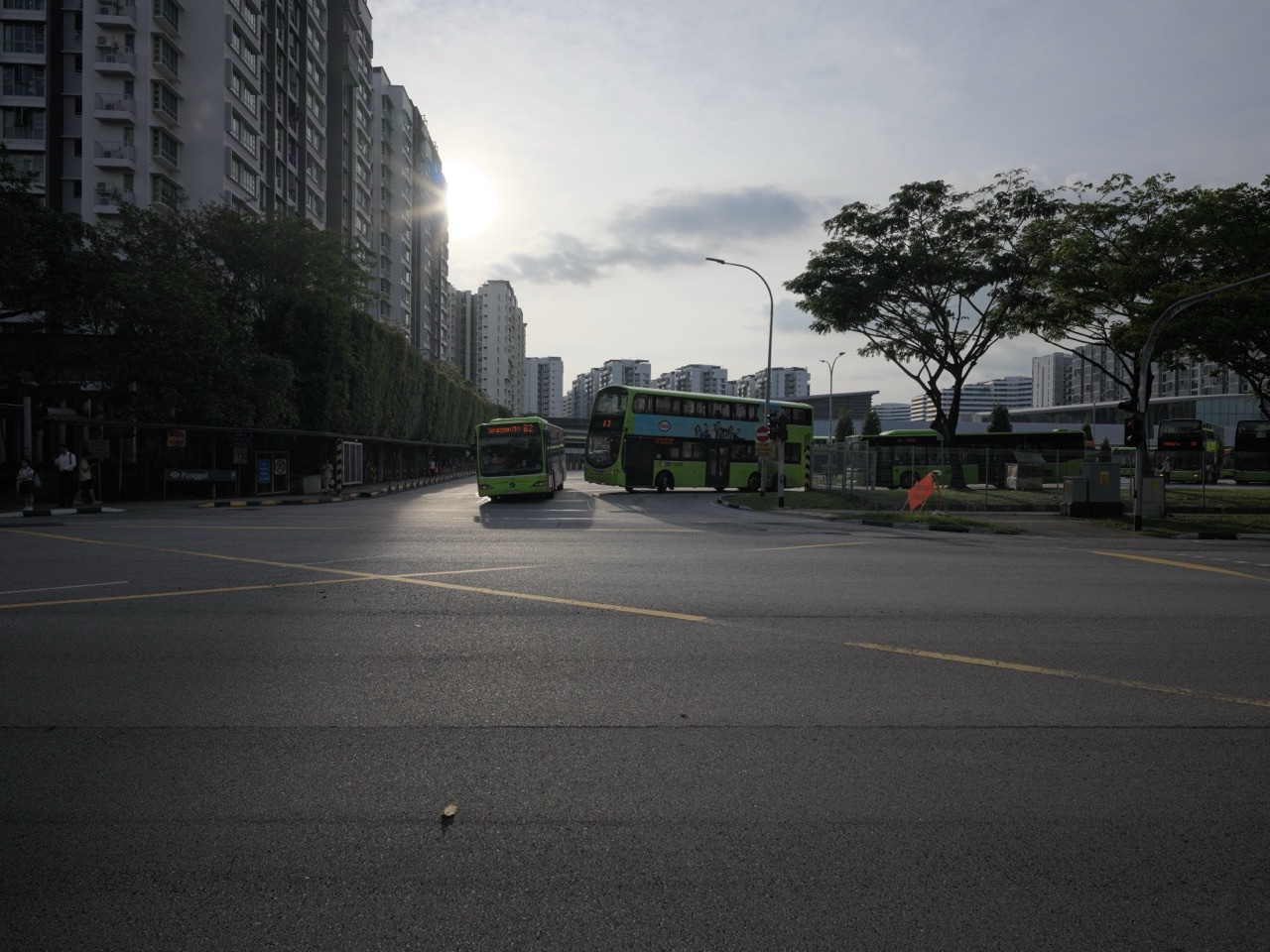
Things to do near Punggol MRT are unusually varied because the station sits beside Waterway Point, the town centre, the central waterway and transport connections into the wider neighbourhood. Without a car, visitors can walk to Punggol Waterway Park, shop or eat at Waterway Point, continue toward One Punggol and Punggol Regional Library, photograph the bridges, use the LRT for a short extension, or build an evening around the waterfront and a movie.
For people searching for attractions near Punggol MRT, places to go near Punggol station, things to do at Punggol MRT or a short Punggol itinerary by public transport, the best strategy is to treat the station as a base rather than an attraction itself. Waterway Point is directly connected to Punggol MRT/LRT and the bus interchange. From there, the town opens outward into public waterfront space, civic facilities, food, play and short-hop transport.
This 2026 guide to things to do near Punggol MRT focuses on activities that are directly connected, comfortably walkable for many visitors, or reachable with a simple short LRT or bus extension. It also explains what belongs to Punggol Coast instead, how to build one-hour, two-hour and half-day plans, what to do with children or on a date, and how to use the station intelligently when heat or rain changes the outing.
Best Things to Do Near Punggol MRT at a Glance
- Directly connected: Waterway Point for food, shopping, cinema and family facilities.
- Best outdoor activity: enter Punggol Waterway Park and walk a bridge loop.
- Best civic destination: One Punggol and Punggol Regional Library.
- Best short family plan: waterway walk + library + meal.
- Best date plan: sunset waterway walk + dinner or movie.
- Best rainy-day plan: Waterway Point + One Punggol/library.
- Best free activity: waterfront walking, bridge photography and library browsing.
- Best short-hop extension: use the Punggol LRT or bus network when you want to move beyond the immediate station zone.
- Different station: Punggol Digital District and Punggol Coast Mall are anchored by Punggol Coast MRT, not Punggol MRT.
This distinction matters because search results often collapse all of Punggol into one destination. Punggol MRT is the strongest base for the established town centre and central waterway. Punggol Coast MRT is the stronger base for the newer northern district.
Why Punggol MRT Is a Strong Starting Point
Punggol MRT sits on the North East Line and connects directly with the Punggol LRT system and bus interchange. Waterway Point’s official visitor page describes direct connectivity to Punggol MRT/LRT and the bus interchange. That integration means visitors can arrive without spending the first part of the outing solving last-mile transport.
The station also creates resilience. If weather is hot, you can begin indoors. If rain develops, you can return to the mall. If children tire, food and toilets are close. If the day is going well, the waterway provides an outdoor extension. A strong transport hub makes the whole itinerary easier.
For a first-time visitor, this is usually the least complicated entry into Punggol. You see the town centre first, then decide whether to extend farther.
1. Start at Waterway Point
Waterway Point is directly connected to Punggol MRT/LRT and the bus interchange. Its official page currently lists daily opening hours of 10am to 10pm, with food, retail, entertainment and an 11-screen Shaw Theatres cineplex including IMAX.
Use the mall as a service base rather than assuming shopping must be the main activity. Eat before a walk, pick up water, use the toilets, wait out rain or finish with a film. The location makes it possible to move between indoor and outdoor Punggol without another transport journey.
Families also benefit from facilities listed by the mall, including nursing rooms, diaper-changing stations, kids’ shower rooms, potty seats and wheelchair loans.
Check Waterway Point’s official visitor page for current hours and amenities.
2. Walk Straight Into Punggol Waterway Park
Punggol Waterway Park is the most important outdoor experience near the station. NParks currently lists the park as open 24 hours and describes four themed zones across the broader waterway environment.
For a station-based visit, keep the first route simple. Enter the waterway from the town-centre side, follow one bank to a bridge, cross and return. This gives you a proper outdoor loop without needing to understand the full Punggol park network.
Morning is cooler. Late afternoon can lead into sunset and dinner. Midday requires more attention to heat and shade. Bring water even though shops are nearby.
See NParks’ official Punggol Waterway Park page.
3. Make One Bridge the Goal
Visitors with only an hour often make the mistake of starting a long walk without knowing when to turn around. A better approach is to choose one bridge as the destination. Walk there, cross, enjoy the view and return on the opposite bank.
The bridge creates a sense of completion. Families can tell children exactly how far they are going. Couples can use it as a sunset pause. Photographers get a higher viewpoint and water reflections. Runners can use it as a natural marker.
If everyone still has energy, extend the loop. If not, the outing already feels complete.
4. Photograph the Waterway
Punggol MRT places visitors close to one of the town’s most photogenic combinations: high-rise housing, water, bridges and greenery. A phone is enough. The challenge is to choose a theme rather than photographing everything.
Try reflections, repeating bridge lines, shade, people moving through public space or the contrast between housing and water. Return after rain for wet-surface reflections when conditions are safe.
Step aside before stopping. The paths serve walkers, runners and cyclists, so photography should not interrupt movement.
5. Walk to One Punggol
One Punggol is a useful civic destination within the broader town-centre area. The integrated hub brings together Punggol Regional Library, One Punggol Community Club, a hawker centre, ServiceSG and community spaces.
The walk creates a natural second chapter after Waterway Point or the waterway. Instead of spending the entire visit in commercial space, you enter a public building organised around community use and services.
People’s Association describes One Punggol as a major integrated hub for the area. See the official hub information for current facility details.
6. Visit Punggol Regional Library
Punggol Regional Library is one of the best no-ticket destinations near Punggol MRT. It occupies multiple levels within One Punggol and was designed as an inclusive library serving a wide range of users.
Families can give children time to choose books. Students can read or work. Couples can browse separately and pick something for one another. Solo visitors can use the library as a quiet counterpoint to the active waterway.
The library is particularly valuable in Singapore weather because it turns heat or rain into a useful indoor block instead of dead time.
7. Eat at One Punggol Hawker Centre
The hawker centre inside One Punggol provides another food option beyond Waterway Point. This gives station-based visitors a choice between mall dining and a civic-hub hawker environment without needing to travel to another neighbourhood.
Use the meal as a transition. Walk first, eat second. Or eat while rain passes, then walk later. Families with different food preferences benefit from stall variety.
Individual stall hours can differ, so check current information when a specific stall matters more than the hawker centre itself.
8. Use Punggol Green for a Family Extension
One Punggol’s broader environment includes Punggol Green and activity areas. For families, this creates a simple sequence: train, short outdoor walk, play, library, food.
The attraction is not scale. It is convenience. Children can move without the family committing to a long transfer or ticketed venue. Parents can shorten the plan if heat, weather or fatigue changes.
Follow current onsite rules and access conditions for specific spaces.
9. Watch a Movie Without Leaving the Transport Hub
Waterway Point’s cinema gives visitors an easy fixed-time activity. A movie can follow a walk, replace the outdoor portion during rain, or turn a short afternoon into an evening.
The station connection matters after the film. There is no long final walk or complicated transfer when the group is tired. This makes movies particularly useful for families, couples and weekday outings.
Use current cinema listings for showtimes rather than relying on a static article.
10. Build a Rainy-Day Station Itinerary
Rain is where Punggol MRT works especially well as a base. Stay inside Waterway Point when conditions are poor. Move to One Punggol or Punggol Regional Library when you want a quieter environment. Add a short waterway walk only when conditions are safe.
During thunderstorms, do not wait beside open water or in exposed park space. Use a proper indoor location. The station area has enough indoor options that there is no need to force the outdoor plan.
For a dedicated wet-weather guide, read Things to Do in Punggol on a Rainy Day.
11. Build a One-Hour Punggol MRT Visit
If you have one hour, choose one of two versions. Outdoor: walk from the station into the waterway, reach one bridge and return. Indoor: browse Waterway Point or continue to a focused library stop if your route and timing allow.
Do not use a one-hour visit to chase Punggol Point, Coney Island and Punggol Coast. The transport time will dominate. The central station area already contains enough to make the hour worthwhile.
A short route is especially useful between appointments, after school or before dinner.
12. Build a Two-Hour Punggol MRT Visit
Start at the station, take a 45- to 60-minute waterway walk, then eat. If the weather is hot, reverse the sequence: eat or browse indoors first, then walk later.
Families can replace the meal with Punggol Regional Library. Couples can extend toward sunset. Solo visitors can add photography.
Two hours is long enough to feel like an outing without needing any secondary transport.
13. Build a Half-Day Punggol MRT Visit
A half day allows three chapters: waterway, One Punggol/library and food or movie. Begin outdoors while temperatures are manageable. Use the civic or commercial indoor spaces as midday recovery.
If everyone still has energy, use the LRT or bus network for one short extension. Do not add a distant destination simply because time remains.
The half-day value comes from experiencing both public waterfront and town-centre life.
14. Build a Family Plan From Punggol MRT
Families can begin at Waterway Point for toilets, water and supplies, then walk the waterway. Keep the outdoor block short enough for the youngest child. Continue to One Punggol and the library.
The sequence alternates movement and calm. Children are less likely to become overloaded when every block asks for a different kind of attention.
For a full age-specific guide, see Things to Do in Punggol With Kids.
15. Build a Couple’s Date From Punggol MRT
Meet at the station, walk the waterway and choose one bridge as the midpoint. Eat at Waterway Point or One Punggol. If the date continues into evening, add a movie or a shorter second walk.
The route is public, flexible and easy to exit, which makes it suitable for first dates as well as long-term couples who want a simple weekday plan.
See Things to Do in Punggol for Couples for more date ideas.
16. Build a Free Visit From Punggol MRT
Walk the waterway, photograph bridges, visit Punggol Regional Library and use public areas of One Punggol. None of these requires an attraction ticket.
Transport and food may still cost money, but the entertainment itself can remain free. Bring water and a snack if you want to minimise incidental spending.
The dedicated Free Things to Do in Punggol guide gives more no-ticket options.
17. Build an Evening From Punggol MRT
Arrive before sunset, walk the central waterway, cross a bridge and return toward the station. Eat or watch a movie. Because NParks lists Waterway Park as open 24 hours, the central route can continue after dark when conditions are appropriate.
Use familiar, public and well-understood paths at night. Cyclists need lights. Photographers should not block shared routes.
For fuller after-dark planning, see Things to Do in Punggol at Night.
18. Use the LRT as a Short-Hop Extension
Punggol MRT is also the interchange with the Punggol LRT. That lets visitors expand beyond the immediate station area without committing to a long walk in heat or rain.
Use the LRT when the destination is genuinely easier from another stop. Do not ride simply to collect stations. The value is last-mile access to different neighbourhood sections and waterway approaches.
If your main objective is central Punggol, walking may remain simpler. Choose the transport mode that reduces friction.
19. Use the Bus Interchange Strategically
Waterway Point is directly connected to the bus interchange as well as rail. Buses can help when the next destination is farther from the waterway or when members of the group cannot comfortably walk long distances.
Use a live public-transport planner because services and route details can change. An article should help you understand the geography, not freeze a bus list in time.
A good station-based itinerary ends near transport rather than creating an unnecessary long final walk.
20. Know When Punggol Coast MRT Is the Better Station
Punggol Digital District, Punggol Coast Mall and Punggol Coast Hawker Centre belong naturally to a Punggol Coast MRT itinerary. JTC describes the district as directly accessible by Punggol Coast MRT and lists current community amenities there.
You can still travel between the wider areas, but if those northern destinations are the main purpose, start at Punggol Coast. This reduces backtracking and keeps the route coherent.
The main Things to Do in Punggol guide covers both central and Punggol Coast zones.
21. Use the Station Area for a Study Break
Students can combine Punggol Regional Library with a short waterway walk. Study for a defined block, then use outdoor movement as the break rather than scrolling on a phone.
This works because the library and waterfront are close enough to belong to the same session. The change of environment can reset attention without turning the break into a half-day excursion.
Keep belongings secure and respect library use rules. The public space is shared.
22. Use the Station Area for a Work Reset
Adults working remotely or handling flexible schedules can use the same principle. Finish one piece of work, walk for 20 or 30 minutes, eat and return home or to the next task.
Punggol MRT’s strength is not that it offers formal coworking. It is that movement, food, public indoor space and rail sit close together.
The route can convert a routine lunch break into a more restorative part of the day.
23. Use the Station as a Starting Point for Photography
A station-based photography route can begin with Waterway Point and town-centre geometry, continue to the waterway bridges, then move toward One Punggol’s public architecture.
Choose a theme: reflections, lines, movement, shade or transitions between commercial and civic space. The compact area gives enough variety without requiring transport between every shot.
Return at different times of day to see how the same route changes.
24. Compare Commercial and Civic Punggol
Waterway Point and One Punggol provide a useful contrast near the same transport base. One is organised around retail, dining and entertainment. The other combines library, community services, hawker dining and civic facilities.
Walk through both and notice where people sit, what activities happen without purchases and how each building connects to outdoor space. This is a simple urban-design exercise for older children, students or curious adults.
The comparison reveals more about contemporary Punggol than a single attraction list.
25. Turn a Station Visit Into a Learning Walk
At the waterway, ask why bridges are positioned where they are. At One Punggol, ask why civic services are combined. At Waterway Point, observe how transport and commerce integrate. Along the path, look at shade, drainage and public seating.
One question per place is enough. The outing should remain a walk, not a lesson plan.
For more, read Punggol as a Classroom.
26. Use Heat to Decide the Order
On hot days, start indoors or begin the outdoor walk early. Put the library, meal or mall in the hottest middle of the day. Return to the waterway later.
Waterfront does not automatically mean cool. Exposed paths can become uncomfortable quickly. Bring water and use sun protection.
A station-based route is easy to reorder because indoor and outdoor components sit close together.
27. Use Rain to Decide the Order
If rain begins before arrival, start at Waterway Point or One Punggol. Watch conditions. Move outdoors only when safe. During thunderstorms, remain indoors rather than using open waterfronts or park shelters as the main waiting location.
When rain ends safely, a short waterway loop can become the final chapter rather than the first.
This flexibility is one of the strongest reasons to use Punggol MRT as the base.
28. Plan for Toddlers
Young children need short transitions. Start at Waterway Point for family facilities, then take a brief waterway walk. Continue to One Punggol or the library if energy remains.
Do not promise a long park route. A toddler may be satisfied by bridges, water, lifts, books and a snack. Adults often overestimate how many destinations are required.
Keep the station within easy reach so the family can end smoothly.
29. Plan for Primary-School Children
Primary-school children can handle a more active loop. Let them choose the bridge, read a map, photograph a design feature or select a library book connected to something seen outdoors.
Give them one responsibility. Navigation, timing or choosing the meal makes the child an active participant instead of someone being moved through an adult itinerary.
The station area gives enough variety to support several hours without a long journey.
30. Plan for Teenagers
Teenagers may prefer less child-directed activity. Photography, food, movies, longer waterway walks and independent library browsing work well.
Let them choose one part of the route. A teenager who selects the film or food stop is more likely to engage with the rest of the outing.
For a more urban extension, use Punggol Coast MRT on another visit rather than forcing both zones into one short day.
31. Plan for Older Adults
Older visitors may value short walking distances, seating, toilets and easy transport more than a long attraction list. Waterway Point, One Punggol and the central waterway can be combined at a slower pace.
Use lifts and indoor recovery. Keep the outdoor section short during heat or wet weather. A 15-minute waterfront walk may be enough.
The station makes an early finish easy if fatigue appears.
32. Accessibility Near Punggol MRT
Waterway Point lists wheelchair loans and accessibility features, while One Punggol was designed with inclusive access as a major goal. These make the central station area a practical choice for visitors with mobility needs.
Outdoor paths vary, so verify a specific route when step-free access is essential. The station-based itinerary can remain valuable even if the outdoor segment is shortened.
Accessibility should shape the plan from the beginning, not be treated as a late adjustment.
33. Keep a Station Visit Low-Cost
Public space helps. Walk the waterway, use the library and browse One Punggol. Decide before entering the mall what you actually plan to spend.
A station visit becomes expensive mainly through repeated food, shopping or entertainment purchases, not because the core area requires admission.
Bring water and use a hawker meal if budget matters.
34. Bring Only What the Short Route Needs
- A filled water bottle.
- Comfortable walking shoes.
- Sun protection for daytime walks.
- A compact umbrella or light rain layer.
- A power bank for maps and photos.
- A small snack for children if needed.
- Bicycle lights only if you are bringing a bicycle and may ride near dusk.
The station area is well supplied, so there is little reason to carry expedition-level equipment for a central visit.
35. Do Not Confuse ‘Near Punggol MRT’ With ‘All of Punggol’
Punggol Point, Coney Island, Lorong Halus and Punggol Coast are important Punggol destinations, but they are not all immediate station-side stops. Reaching them may require additional transit, cycling or significant walking.
This page keeps the central station zone as the owner. The broader Punggol guide covers the full town. That separation makes both itineraries more useful.
When planning, ask whether you want a compact station-based outing or a larger Punggol exploration. Both are valid.
36. One-Hour Route: Waterway Loop
Exit into the town-centre area, enter the waterway, walk to one bridge, cross and return. Finish at Waterway Point or the station.
This is the fastest way to experience Punggol rather than merely passing through it.
37. Two-Hour Route: Waterway + Food
Walk for roughly an hour, then eat at Waterway Point or continue toward One Punggol depending on preference and energy.
If rain starts, move the meal earlier and shorten the walk later.
38. Three-Hour Route: Waterway + One Punggol
Begin at the waterway, cross a bridge and continue toward One Punggol. Spend time at Punggol Regional Library, then eat before returning to the station.
This route shows both Punggol’s designed waterfront and its civic centre without needing another vehicle.
39. Four-Hour Route: Add a Movie or Longer Library Block
A half-day station visit can add a film at Waterway Point or a longer library session. Keep the outdoor section earlier or later depending on heat.
Four hours is already enough for a substantial Punggol town-centre experience. There is no need to add Punggol Coast unless that district is the actual priority.
40. Weekday After-Work Route
Arrive at Punggol MRT before or around dinner time. Take a short waterway walk if daylight and weather allow. Eat. Add a movie, library/community stop if open, or return home.
The strength of this route is low planning friction. It breaks routine without creating a late-night journey.
41. Weekend Morning Route
Start with the waterway while temperatures are lower. Walk longer than you would on a weekday. Continue to One Punggol for library time or brunch.
Finish before midday heat if you want the outing to remain primarily outdoors, or stay indoors for the hottest period.
42. Weekend Evening Route
Begin before sunset, walk the waterway and photograph the changing light. Eat near the station. Watch a movie or take a shorter second walk if the group still has energy.
For night-specific safety and route ideas, use the dedicated Punggol night guide.
43. Use Punggol MRT as a Meeting Point
A good meeting point reduces ambiguity. Punggol MRT gives groups a clear arrival location with toilets, food and transport around it. Friends arriving at different times can wait indoors rather than on an exposed path.
Once everyone arrives, choose the route based on weather and energy. This is easier than asking each person to find a remote park entrance independently.
44. Use the Station as the End Point, Not Just the Start
Longer Punggol outings become easier when the final segment returns toward Punggol MRT. Food, shelter and rail are available when everyone is most tired.
Plan backwards from the end. Ask where the group wants to be at sunset, at dinner and when it is time to go home. A good route naturally converges on transport.
This principle is especially useful with children and older adults.
45. Pair Punggol MRT With Another Day at Punggol Coast
Rather than combining every attraction, split Punggol into two visits. First visit: Punggol MRT, waterway, One Punggol and Waterway Point. Second visit: Punggol Coast MRT, Punggol Digital District, Punggol Coast Mall, hawker centre and Heritage Trail.
The two-station model gives each district enough time and reduces backtracking. It also reflects how Punggol has evolved into more than one activity centre.
JTC’s community page provides current information for the Punggol Coast side.
46. Use the Station for a Quick Meal-and-Walk Routine
Residents and repeat visitors can turn the station area into an ordinary-life routine instead of a destination day. Meet after work, eat one simple meal, walk for 20 or 30 minutes and take the train home.
This type of routine is easy to maintain because there is almost no planning overhead. The group already knows where to meet, where to eat and how to end the evening.
Over time, the route becomes a local ritual rather than a one-time attraction. That is one of the strongest ways public space adds value to everyday life.
47. Use Punggol MRT for a Car-Free Day
A station-based Punggol visit demonstrates how much of a neighbourhood can be experienced without driving. Rail brings you into the town centre, walking reaches the waterway and civic hub, and LRT or bus can handle short extensions.
A car may still be useful for some families or mobility situations, but it is not required for the core itinerary. Avoiding parking decisions can make a first visit simpler.
The car-free structure also encourages visitors to notice the connections between places instead of treating each attraction as a separate parking destination.
48. Plan a Station-Based Food Comparison
Use one visit to compare the different food environments around the central area. Waterway Point offers mall dining; One Punggol offers hawker dining in a civic hub. The contrast is useful for families with different preferences and budgets.
Share smaller items if the group wants variety. Do not turn the exercise into overeating; the point is to make the meal part of the exploration.
If a specific restaurant or stall matters, check current opening hours. Tenants can change more quickly than the public spaces around them.
49. Make Punggol MRT the Start of a Walking Habit
A transport hub can become a reliable exercise trigger. Get off the train, walk one waterway loop, then continue home or to dinner. The route does not need to be long enough to deserve a special workout label.
Habit works through repeatability. A 30-minute route that fits ordinary schedules may produce more total movement than occasional ambitious park excursions.
Use the bridges as consistent markers and change the route only when variety is needed.
50. Build a Station-Based Photo Series
Take one photograph from the same point near the waterway every month. Record construction, vegetation, light, weather and changes in public use. The project turns a familiar station environment into a long-term observation exercise.
Families can do this with children. Couples can keep a shared album. Students can use the series to think about urban change. The activity costs nothing and rewards repeat visits.
A neighbourhood becomes more interesting when you notice how it changes rather than asking it to provide a new attraction each time.
51. Use the Station Area to Teach Navigation
Older children can practise practical navigation from Punggol MRT. Ask them to identify the correct exit, locate Waterway Point, find the direction of One Punggol and plan the route back.
Give them enough responsibility to think without making the family late. If the route is wrong, use the error as information rather than criticism. Navigation is learned through real environments.
The compact central area is a useful practice setting because transport and indoor recovery remain close.
52. Use the Station Area for Multi-Generation Meetups
When family members travel from different parts of Singapore, a station-side meeting point reduces friction. Younger relatives can arrive by rail, older relatives can wait indoors, and the shared activity can be as short as a meal plus waterfront walk.
Choose seating and toilets before choosing distance. A multi-generation outing succeeds when nobody feels that keeping up is the price of participation.
Punggol MRT’s integrated commercial and transport environment makes this kind of meetup easier than a remote park entrance.
53. Know When to Stop
The central Punggol area is easy to extend, which can become a problem when visitors keep adding one more bridge, one more shop or one more stop. Decide what completion looks like before everyone becomes tired.
For a family, completion might be one bridge and library time. For a couple, sunset and dinner. For a photographer, five strong images. For a walker, one loop.
Ending well is part of itinerary design. The station is valuable because the journey home is immediately available once the day has done enough.
Frequently Asked Questions
What is directly connected to Punggol MRT?
Waterway Point is directly connected to Punggol MRT/LRT and the bus interchange. It provides food, retail, cinema and family facilities.
What outdoor attraction is near Punggol MRT?
Punggol Waterway Park is the main outdoor attraction associated with the town centre and can be reached from the station area for a flexible walk.
Is One Punggol near Punggol MRT?
One Punggol is part of the central Punggol civic area and can be combined with a station-based visit. It contains Punggol Regional Library, community facilities and hawker dining.
What can I do near Punggol MRT for free?
Walk the waterway, photograph the bridges, visit Punggol Regional Library and explore public civic spaces at One Punggol.
What can couples do near Punggol MRT?
Take a sunset waterway walk, eat at Waterway Point or One Punggol and add a movie if desired.
What can families do near Punggol MRT?
Combine a short waterway walk with Punggol Regional Library, One Punggol and food. Waterway Point provides useful family facilities.
What can I do near Punggol MRT when it rains?
Use Waterway Point, Punggol Regional Library and One Punggol as indoor anchors. Resume outdoor walking only when conditions are safe.
Is Punggol Digital District near Punggol MRT?
It is part of the wider Punggol area, but Punggol Coast MRT is the more direct rail station for Punggol Digital District, Punggol Coast Mall and the northern district.
How long should I spend near Punggol MRT?
One to two hours is enough for a waterway loop and food. Three to four hours supports Waterway Park, One Punggol, the library and an indoor activity.
Related Punggol Guides
- Things to Do in Punggol | Complete Local Guide
- Outdoor Things to Do in Punggol
- Things to Do in Punggol With Kids
- Things to Do in Punggol for Couples
- Things to Do in Punggol on a Rainy Day
- Things to Do in Punggol at Night
Punggol MRT Is More Than a Transport Stop
The best reason to begin at Punggol MRT is not simply convenience. The station sits at the junction of several kinds of Punggol life: commercial activity, public waterfront, community space, library access, food and local transport.
A visitor can arrive with no car, no ticketed attraction and only a rough plan, then build an outing based on weather and energy. Walk when it is pleasant. Read when it is hot. Eat when the group needs recovery. Watch a movie when rain changes the plan.
That flexibility is the real attraction near Punggol MRT. The station is a gateway into a town centre designed to let everyday movement become leisure.


