
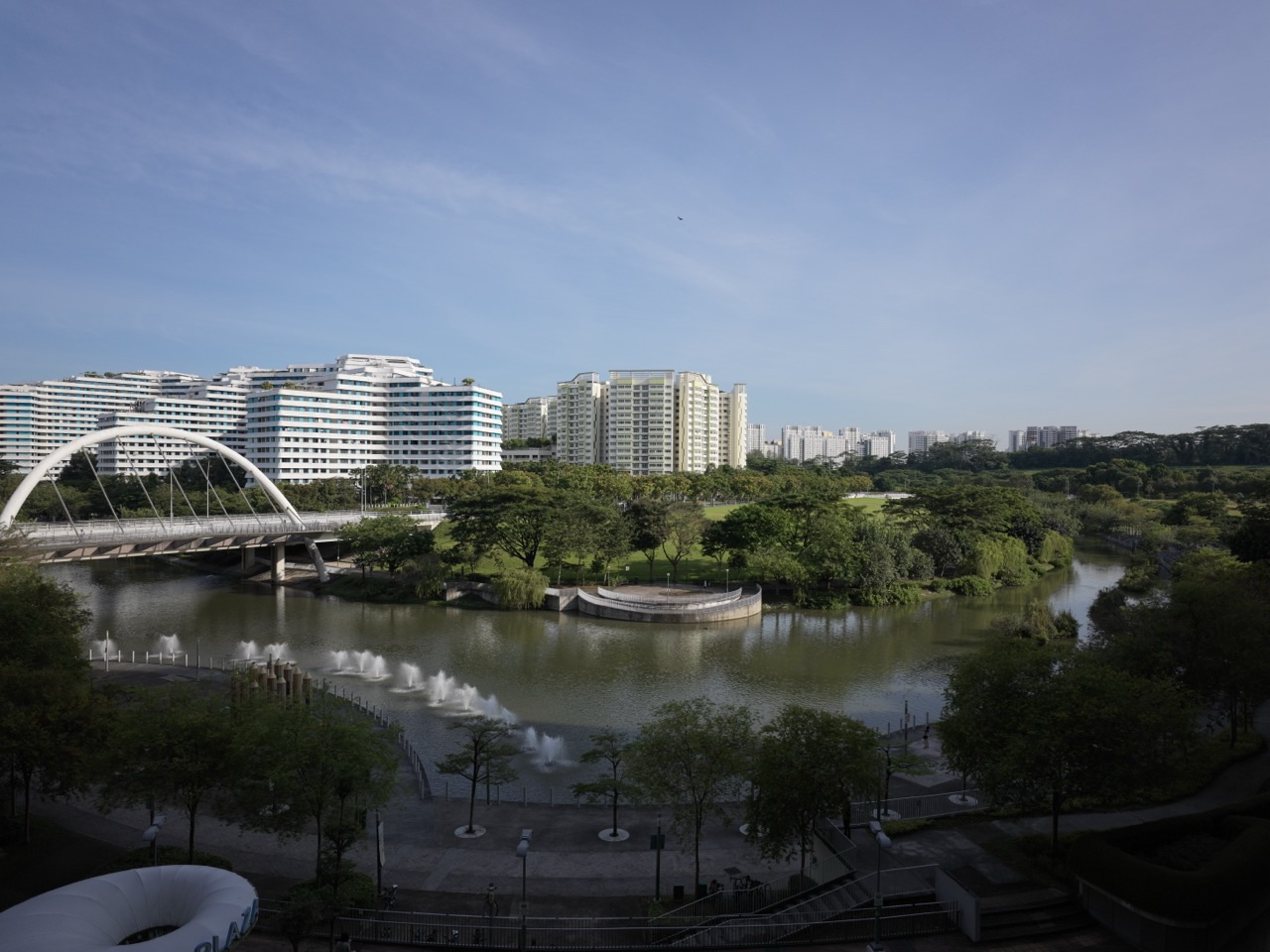
Outdoor things to do in Punggol are the reason many people experience the town as more than a residential estate. Punggol Waterway Park, Coney Island Park, Punggol Point, the promenade, Lorong Halus Wetland, park connectors, cycling routes, public green spaces and the newer Punggol Coast district create one of Singapore’s most varied neighbourhood-scale outdoor networks. You can walk, cycle, photograph, birdwatch, learn, picnic and watch sunset without needing a ticketed attraction.
For people searching for outdoor activities in Punggol, nature places in Punggol, cycling routes, waterfront walks or active family ideas, the most useful way to plan is by landscape. Central Punggol gives the waterway and bridges. The north gives Punggol Point and coastal views. The east links toward Coney Island and Lorong Halus. Punggol Coast adds a new urban landscape of public space, heritage and green infrastructure.
This 2026 guide to outdoor things to do in Punggol explains parks, nature walks and cycling options, family routes, photography ideas, sunrise and sunset plans, outdoor learning, weather strategy and practical itineraries. It also distinguishes daytime nature destinations such as Coney Island from places that remain suitable later, and it shows how to connect outdoor Punggol without turning the day into an endurance event.
Outdoor Activities in Punggol at a Glance
- A simple first outdoor activity: walk Punggol Waterway Park.
- A nature route: Coney Island during official opening hours.
- A coastal-view option: Punggol Point Park.
- A cycling option: waterway and park-connector routes linking central Punggol to the coast.
- An environmental-learning option: Lorong Halus Wetland.
- A family outdoor plan: Waterway Park + public play + One Punggol recovery stop.
- Outdoor photography: waterway bridges, Punggol Point and Punggol Coast architecture.
- Sunrise or sunset: waterway or northern waterfront, depending on route and weather.
- A newer outdoor area: Punggol Digital District and the open Punggol Heritage Trail section.
A manageable outdoor day can combine two or three of these, not all of them. Punggol rewards continuity: a walk becomes a bridge, a bridge becomes a park connector, a park connector becomes a coast.
1. Walk Punggol Waterway Park
Punggol Waterway Park is the most accessible outdoor introduction to the town. NParks currently lists it as open 24 hours and describes four themed areas: Nature Cove, Recreation Zone, Heritage Zone and Green Gallery. The park changes character as you move, which makes it suitable for short walks as well as longer explorations.
Start near Punggol MRT if you are new to the area. Walk one side of the waterway until you reach a bridge, cross and return on the opposite bank. This simple loop provides changing views and lets you finish near food, shelter and transport.
Morning is cooler and quieter. Late afternoon produces warmer light and can transition into dinner. Midday can be hot, especially on exposed sections, so plan shade and water rather than assuming the presence of water means the route will feel cool.
See NParks’ Punggol Waterway Park page for current official park information.
2. Turn the Bridges Into a Walking Route
The waterway bridges give Punggol a strong outdoor identity. Each crossing changes viewpoint, creates a loop and acts as a natural distance marker. Instead of walking a fixed number of kilometres, choose a bridge and make it the destination.
For families, this simplifies motivation: walk to the next bridge, cross and decide whether to continue. For photographers, bridges create geometry, reflections and elevated perspectives. For runners, they can become repeatable interval markers.
The broader local article The Corridors of Punggol explains how these connections fit into the town’s larger mobility system.
3. Cycle the Waterway
Cycling is one of the most effective ways to experience Punggol because the town’s distances are large enough to feel expansive but still connected by green and waterfront routes. A bicycle lets you move from central housing to the coast without the outing becoming mainly about transport.
Beginners should keep the first route short and familiar. Stronger riders can continue toward Punggol Point, Coney Island approaches, Lorong Halus or neighbouring park connectors. Shared paths require predictable riding, low speed near pedestrians and clear communication before overtaking.
If you rent bicycles, check current operator availability and return conditions. If you own a bicycle, bring lights whenever the ride may approach dusk. The ideal cycling route is the one the slowest rider can enjoy.
4. Walk or Cycle Punggol Promenade
Punggol Promenade extends the outdoor experience beyond the central waterway and toward the northern waterfront. It creates a stronger sense of distance, horizon and movement than a compact town-centre loop.
Use the promenade as a connector rather than treating it as one point. A walk can link Punggol Point to nearby coastal areas. A cycle can use it as part of a larger circuit. The experience changes with tide, weather and time of day.
Because sections may be exposed, carry water and use sun protection. Late afternoon often gives a better balance between heat and daylight.
5. Explore Coney Island Park
Coney Island is a major nature destination in Punggol. NParks currently lists the park as open from 7am to 7pm. That fixed daylight schedule matters: plan enough time to enter, explore and leave comfortably before closing.
The island offers walking, cycling, birdwatching, coastal vegetation and a more rugged environment than the central waterway. Visitors should expect insects, uneven surfaces in places and fewer facilities. Those conditions are part of the nature experience, not flaws to be engineered away.
Bring water, wear appropriate footwear, use insect repellent if needed and stay on designated paths. Avoid feeding or approaching wildlife. If children are joining, set a turnaround point early.
Check the official NParks Coney Island Park page before a dedicated visit.
6. Birdwatch Without Needing Specialist Gear
Coney Island, Lorong Halus and greener waterway stretches reward people who slow down. You do not need expensive binoculars to begin birdwatching. Start by noticing movement, silhouette, call, size and habitat.
Photograph from a respectful distance if you want to identify the bird later. Do not chase wildlife for a clearer image. Let the observation remain uncertain until you can compare it with a field guide or library resource.
Birdwatching changes the pace of an outdoor day. Instead of covering ground, you begin reading the landscape for signs of life.
7. Visit Punggol Point Park
Punggol Point Park opens toward the Straits of Johor, Pulau Ubin and Coney Island. NParks highlights the viewing deck and waterfront setting, which make the park a strong choice for people who want coastal atmosphere without a long nature hike.
Punggol Point can function as a transition between coast, promenade and nearby destinations when access is open. Arrive late afternoon, walk, photograph the coast and then continue to dinner or another nearby stop. Families can keep the route short. Cyclists can use the point as a destination before turning back.
For local history, read Punggol Point | Why Singapore’s Northern Edge Became a Place of Memory and Recreation. The present landscape becomes more meaningful when its earlier roles are visible.
8. Watch the Coast Change Through the Evening
Outdoor places become more interesting when you stay long enough to see change. At Punggol Point, daylight flattens into warmer tones, the horizon becomes more prominent and artificial light gradually enters the scene.
Do not make the whole outing depend on a perfect sunset. Cloud and rain can soften the sky. The coast is still worth seeing because the open horizon is a contrast to the denser town centre.
If you continue after dark, move toward familiar, public, appropriately lit routes and food or transport. Coney Island should remain within its official daytime hours.
9. Explore Lorong Halus Wetland
Lorong Halus Wetland is a useful outdoor place for understanding how nature can function as infrastructure. The wetland helps treat rainwater before it enters the adjacent reservoir, using vegetation and engineered processes together.
Visitors encounter open wetland views, the red bridge, water-management infrastructure and wildlife. The site rewards people who are interested in environmental systems as much as scenery.
Parts of the route are exposed, so morning and late afternoon are more comfortable than peak midday heat. Bring water and know how far you are walking before continuing deep into a larger connector route.
Read Why Lorong Halus Matters to Punggol for a deeper local explanation.
10. Use Lorong Halus as a Science Walk
A good outdoor learning activity begins with a question, not a lecture. At Lorong Halus, ask: how can plants help protect water? Look at the wetland, vegetation, reservoir and drainage before searching for the answer.
Older children can discuss filtration, runoff, land-use change and environmental repair. Adults can think about how infrastructure is hidden or made visible in a city. The same landscape can support Science, Geography and design thinking.
The objective is not to turn a family outing into tuition. One well-chosen question is enough.
11. Explore Punggol Digital District Outdoors
Punggol Digital District adds a new kind of outdoor activity to the town: urban exploration. JTC describes the district as a 50-hectare mixed-use environment integrating business, education and community life, served by Punggol Coast MRT.
Walk the public spaces and look at shade, planting, airflow, bridges, campus connections and how people move between buildings. JTC’s sustainability materials emphasise passive design, green spaces and integrated infrastructure, so the district can be read as a real-world design experiment.
Unlike a nature park, the interest here comes from how buildings and landscape interact. The district can be explored slowly rather than as a shortcut to the mall.
See JTC’s official Punggol Digital District site for current information.
12. Walk the Open Punggol Heritage Trail Section
JTC currently states that the first 400 metres of Punggol Heritage Trail are open, linking Punggol North Avenue to Campus Boulevard. The completed trail is planned to extend farther as the district develops.
The open section retains traces associated with Old Punggol Road and creates a connection between the area’s earlier landscape and the new district. Look for mature trees, changes in terrain and how new paths acknowledge older alignments.
Because the trail is still developing, check current opening information before planning a longer route. The JTC community page is the appropriate current reference.
13. Photograph the New and Old in One Day
Punggol gives photographers an unusual outdoor contrast. The heritage trail and Punggol Point evoke older Punggol. The digital district represents a new development layer. The central waterway shows the mature new-town landscape between those two moments.
Build a photo story rather than collecting isolated images. Start with one older trace, move through the waterway, finish with new architecture. Ask what changed in scale, materials, movement and relationship to nature.
A phone camera is sufficient. The strength of the project comes from sequence and observation.
14. Run the Waterway
Runners can use Punggol Waterway Park as a repeatable outdoor training environment. Bridges create natural markers, loops reduce backtracking and the scenery makes longer sessions feel less monotonous than road-only routes.
Start with a distance you already manage comfortably. Do not assume the flat-looking waterfront removes heat stress. Humidity and exposed sections can make the run demanding even without hills.
Run earlier or later in the day, carry water when needed and remain aware of cyclists and pedestrians. A shared path is not a private running lane.
15. Walk for Fitness
Walking is one of the most sustainable outdoor activities because it requires no equipment and can be repeated frequently. A 30- to 60-minute waterway route can become part of ordinary life rather than a special expedition.
Use a bridge as the turning point or combine a walk with groceries, library time or dinner. Movement that attaches to an existing routine is easier to maintain.
For older adults or people returning to exercise, short consistent routes may be more useful than occasional long walks. Choose shade and seating where possible.
16. Have a Family Nature Scavenger Hunt
A scavenger hunt can keep children engaged without asking them to collect anything. Look for five leaf shapes, three bird sounds, two different bridge materials, a reflection, a sign of rainwater management and one example of shade created by design.
The activity can take place around Waterway Park, Coney Island approaches or Lorong Halus. Adjust the challenge to the child’s age. Preschoolers can find colours; older children can look for systems.
Do not remove leaves, disturb animals or enter planted areas. The hunt is about noticing, not taking.
17. Sketch Outdoors
Bring a small sketchbook and choose one bridge, tree, building edge or water view. Drawing slows attention. You begin to notice proportions and relationships that photography can miss.
Children do not need to make a realistic picture. Ask them to draw the parts they think are important. Adults can use simple line sketches. The objective is observation.
A short drawing session followed by a library visit can connect outdoor experience with indoor reflection.
18. Read Outdoors
A quiet bench or shaded public area can become a reading stop. Bring a library book and give yourself 20 minutes beside the water. The point is not to recreate a café without buying anything; it is to use public space for calm activity.
Choose a place that does not block movement. Be prepared to move if weather changes. Punggol’s outdoor network is active, so reading works best at intentional pause points rather than in the middle of cycling and walking flows.
19. Have a Picnic
A simple picnic can turn a walk into a half-day without requiring restaurant timing. Bring food that travels well, choose a permitted public area and keep the setup compact.
Pack out rubbish and do not leave food where wildlife can reach it. In nature areas, follow posted rules. The goal is to enjoy the landscape without adding waste or disturbance.
Families should also consider shade and toilets before choosing the picnic point. The prettiest patch of grass is not always the most practical.
20. Watch Sunrise
Morning light can make Punggol feel completely different from the evening. The waterway is cooler, paths may be quieter and the day begins before commercial spaces become the main focus.
A sunrise plan works best when the route itself is worthwhile even if cloud blocks the sun. Walk, photograph reflections, then finish with breakfast.
Do not enter nature areas before their official opening times simply to chase first light. Coney Island currently opens at 7am.
21. Watch Sunset
Sunset is one of Punggol’s most repeatable outdoor activities because water and open horizons make small changes in light visible. Choose the central waterway for bridges and reflections or Punggol Point for broader coastal sky.
Arrive early enough to enjoy the walk before sunset. If the sky is dull, the day remains successful because the route is still the activity.
For after-dark continuation, use Things to Do in Punggol at Night.
22. Build a Couple’s Outdoor Date
Couples can use Punggol outdoors without complicated planning. Walk, cycle or explore one landscape, then eat. The central waterway offers the simplest route; Punggol Point provides coastal context when access is available; Coney Island provides a nature setting; Punggol Coast provides an urban-design setting.
Keep the route conversational. If one person is much fitter, let the slower person set the shared pace. The outdoor date succeeds when movement supports time together rather than becoming the subject of the date.
See Things to Do in Punggol for Couples for a dedicated guide.
23. Build a Family Outdoor Day
With children, alternate movement and recovery. A good sequence is Waterway Park, play, food and library. Older children may add cycling, Coney Island or Lorong Halus.
Use clear turnaround points. Do not ask a tired child to walk an undefined distance simply because the adult wants to finish a route. Bring water, sun protection and a realistic backup plan.
For age-specific ideas, see Things to Do in Punggol With Kids.
24. Build a Free Outdoor Day
Many Punggol outdoor experiences do not require admission: Waterway Park, Punggol Point, Coney Island entry during opening hours, Lorong Halus, public connectors and the open heritage-trail section.
Bring your own water and food if cost control matters. Cycling becomes free only if you already have a bicycle. The landscape itself is the attraction.
For a full low-cost route, see Free Things to Do in Punggol.
25. Respect Shared Paths
Outdoor Punggol works because many users share the same network. Walkers, runners, cyclists, children and people commuting through the park all need predictable behaviour from one another.
Cyclists should reduce speed near pedestrians, signal before overtaking and avoid sudden weaving. Walkers should not spread across the full path in large groups. Photographers should step aside before stopping.
Courtesy makes the outdoor system more usable than any single infrastructure upgrade.
26. Prepare for Heat
Water is not the same as shade. Punggol can feel extremely hot on exposed waterfronts and connectors. Schedule longer activity in the morning or later afternoon when possible.
Carry water, use sun protection and choose breathable clothing. Children and older adults may need shorter outdoor blocks than fit adults. Heat accumulation often becomes obvious only after performance and mood have already declined.
Build in indoor recovery at One Punggol, Waterway Point or Punggol Coast when necessary.
27. Prepare for Rain and Lightning
Light rain may simply change clothing and pace. Thunderstorms change the activity entirely. Leave exposed areas and move indoors. Do not shelter beside open water or under isolated trees.
Punggol is resilient because strong indoor anchors sit near outdoor routes. The library, civic hub and malls let you pause safely and resume later if conditions improve.
The dedicated rainy-day Punggol guide provides fuller wet-weather planning.
28. Prepare for Insects and Wildlife
Nature areas contain insects and wildlife because they are functioning habitats. Use insect repellent if needed, wear suitable clothing and avoid touching or feeding animals.
Keep food secured and rubbish contained. If you see wildlife, create distance rather than trying to improve the photograph.
Children should understand that observation is the activity. Nature is not required to approach humans to be interesting.
29. Choose Footwear for the Route
Central waterway paths are different from more rugged nature surfaces. Choose shoes based on the most demanding part of the itinerary rather than the easiest.
For a short town-centre walk, ordinary comfortable shoes may be enough. For Coney Island or longer mixed-surface routes, more supportive footwear can make the difference between enjoyment and early fatigue.
After rain, grip becomes more important. Slow down on wet surfaces.
30. Build an Outdoor Learning Day
Punggol can support a complete informal learning route. Waterway Park introduces urban design and mobility. Lorong Halus introduces water systems. Coney Island introduces biodiversity. Punggol Point introduces coastal geography and history. Punggol Digital District introduces sustainability and mixed-use planning.
Choose one question at each place. Do not turn the day into a lecture series. Let direct observation come first, then use official sources or the library to test ideas.
The broader guide Punggol as a Classroom develops this approach.
31. Notice Punggol’s Tropical Design
Outdoor comfort is not accidental. Shade, wind, greenery, building orientation and water all change how people experience heat. Punggol gives visitors many examples of tropical design in everyday public space.
Compare an exposed connector with a shaded waterway section. Notice where people choose to sit. Look at how newer Punggol Coast buildings use planting and passive design.
For a local deep dive, read Punggol’s Tropical Design.
32. Notice Nature as Infrastructure
Rain gardens, bioswales, trees and wetlands do more than beautify the town. They help manage water, heat and biodiversity. Punggol makes these systems visible enough for ordinary visitors to notice.
Look at where water could flow after heavy rain. Notice planted depressions, edges and channels. Compare natural-looking systems with conventional drains.
Read How Punggol Uses Nature as Infrastructure for more context.
33. Build a Two-Hour Outdoor Route
Start at Punggol MRT. Walk Punggol Waterway Park, cross one bridge and return on the other side. If weather and energy allow, extend toward One Punggol or another waterway section.
This route is enough for a first visit because it reveals the town’s central outdoor character without complicated transport.
34. Build a Half-Day Nature Route
Start at Punggol Point or Coney Island in the morning. Walk or cycle an appropriate distance. Return before midday heat becomes dominant. Eat and recover indoors.
If the group still has energy later, add a short waterway sunset walk rather than another long nature route.
35. Build a Half-Day Punggol Coast Outdoor Route
Arrive at Punggol Coast MRT. Walk the open Heritage Trail section, explore public spaces in Punggol Digital District and observe architecture, planting and connections to SIT.
Use Punggol Coast Mall or the hawker centre for recovery, then return outdoors for another short loop if weather remains comfortable.
This route shows how Punggol’s outdoor identity is expanding beyond parks into mixed-use urban design.
36. Build a Full-Day Outdoor Punggol Itinerary
Begin early with the central waterway or Coney Island. Use a late-morning or midday indoor break at One Punggol, the library or a mall. Continue to Punggol Coast or Punggol Point in the afternoon and finish with sunset.
The essential design is alternation: movement, recovery, movement. Outdoor Punggol becomes exhausting when every hour is exposed. A deliberate indoor break preserves the second half of the day.
37. Accessibility and Outdoor Punggol
Not every outdoor route has the same accessibility. Central town paths, major civic spaces and newer district connections tend to provide smoother surfaces and easier access to lifts and toilets than rugged nature routes.
If wheelchair, stroller or mobility needs are central to the outing, verify the exact route before leaving. Coney Island can include uneven surfaces and longer distances from facilities.
A short accessible waterfront walk is still a complete outdoor experience. Distance should not become the measure of success.
38. What to Bring Outdoors
- Water for every person.
- Sun protection and a hat for exposed routes.
- Comfortable shoes appropriate to the longest route.
- Insect repellent for nature-heavy areas.
- A compact rain layer or umbrella for ordinary showers.
- A phone and power bank for maps and transport.
- Bicycle lights if riding near dusk.
- A small first-aid kit for longer family or cycling outings.
- A backup indoor destination for heat, rain or fatigue.
39. Walk Punggol Without a Fitness Goal
Not every outdoor activity needs to become exercise. Some useful Punggol walks are deliberately slow. Stop at the bridge. Watch water movement. Sit when the group finds shade. Let children look at insects or construction machinery. Let older adults choose the pace.
This kind of walking is valuable because attention replaces performance. People notice the town rather than merely completing a route. It is especially suitable for visitors who are recovering from a busy week or who do not identify as sporty.
A slow walk can still cover meaningful ground. The difference is that distance remains a consequence of curiosity rather than the objective.
40. Create a Personal Punggol Outdoor Circuit
Residents and repeat visitors can create a route that becomes automatic: home or MRT, waterway, one bridge, a food stop and return. Repetition is not boring when the landscape changes with weather, light, construction and seasons.
A personal circuit removes planning friction. You know where the toilets are, where shade appears, how long the walk takes and where to shorten it. This makes outdoor activity easier to maintain across the year.
Once the basic circuit becomes familiar, add one variation at a time: a different bridge, a Punggol Coast extension, a morning start or a photography theme.
41. Use Outdoor Punggol for Mental Reset
Waterfront walking can create a different cognitive environment from indoor work. The repeated motion, changing view and absence of a fixed screen task give attention somewhere else to go.
Do not turn the reset into another productivity project. Leave some of the walk unstructured. You do not need a podcast, step target and photo challenge simultaneously. Silence can be part of the activity.
If you are walking alone, remain aware of surroundings and keep headphones low enough to hear cyclists and path users.
42. Build a Responsible Photography Practice
Punggol’s outdoor scenery makes photography easy, but public-space etiquette still matters. Do not block bridges, cycle paths or narrow promenades. Avoid photographing strangers intrusively. Do not enter vegetation or wildlife habitat for a cleaner frame.
A strong photograph can come from patience rather than proximity. Wait for the path to clear. Change your angle. Use reflections. Photograph the interaction between infrastructure and landscape instead of requiring people to become props.
The same principle applies to wildlife: observe from a distance and never alter animal behaviour for an image.
43. Learn to Read Shade
Shade is one of the most important outdoor resources in Singapore. On a Punggol walk, notice where shade comes from: mature trees, building edges, covered walkways, bridges and designed shelters.
Compare how long you are willing to stop in shaded and exposed places. This reveals why some public spaces attract people even when they have fewer formal amenities. Comfort is often the invisible infrastructure of outdoor life.
At Punggol Digital District, compare newer passive-design strategies with older parts of the town. The observation connects architecture directly to human behaviour.
44. Read Water as Part of the Town System
Punggol’s outdoor identity is built around water in several forms: designed waterway, coast, reservoir edge, wetland and drainage. These are not interchangeable. Each serves a different ecological, recreational or infrastructural role.
A walk can become a comparison exercise. How does the central waterway feel different from Punggol Point? How does Lorong Halus differ from Coney Island’s coast? Where is water treated as scenery and where is it part of environmental management?
This system perspective helps visitors understand why Punggol is more interesting than a list of parks.
45. Explore Punggol After a Safe Rain Shower
Once rain has ended and lightning risk is no longer present, outdoor Punggol can become especially photogenic. Wet paths deepen surface colour, greenery looks more saturated and reflections appear on pavement.
Keep the first post-rain segment short. Surfaces may remain slippery and another shower may arrive. Central Waterway Park or Punggol Digital District are useful because indoor shelter is relatively close.
Do not treat the rain ending as automatic proof of safety. Check conditions, especially when thunder has been present.
46. Build Outdoor Time Into Ordinary Errands
One reason Punggol’s outdoor network matters is that it can sit inside ordinary life. Walk the waterway before groceries. Cycle to a meal. Visit the library after a park loop. Meet a friend near the MRT and add 30 minutes outdoors.
This makes outdoor activity more sustainable than waiting for a full free Saturday. The landscape becomes part of weekly routine rather than an occasional attraction.
For families, ordinary integration also teaches children that movement and nature do not require a special holiday. They can belong to the neighbourhood.
47. Use Outdoor Punggol for Multi-Generation Time
Grandparents, parents and children may want different levels of activity. Choose a route with clear resting points and an indoor fallback. The central waterway near One Punggol or Waterway Point often works better than a long Coney Island crossing for this kind of group.
Let the most limited walker define the shared segment. More active family members can add distance before or after. This avoids making one person feel responsible for slowing everyone down.
The value of a multi-generation outdoor day is shared experience, not route completion.
48. Leave the Place Better Than You Found It
Outdoor access depends on collective behaviour. Carry out rubbish, use bins properly, keep food away from wildlife, respect planted areas and follow closures. Small actions determine whether public landscapes remain pleasant.
Children learn stewardship most effectively by seeing adults do it. Pick up your own litter without ceremony. Move aside for another user. Lower bicycle speed near pedestrians. Leave wildlife alone.
A good outdoor culture is part of the infrastructure too.
Frequently Asked Questions
What is a good first outdoor thing to do in Punggol?
For a first visit, walk Punggol Waterway Park. It is easy to reach, flexible in length and connects naturally to food and transport.
Where can I find nature in Punggol?
Coney Island is a dedicated nature experience, while Lorong Halus provides wetland and environmental-system interest. Punggol Point adds coastal landscape.
Is Coney Island free?
Entry does not require an admission ticket. NParks currently lists Coney Island Park as open from 7am to 7pm.
Can I cycle in Punggol?
Yes. The waterway and wider park-connector network support recreational cycling. Ride predictably, respect pedestrians and use lights near dusk.
What outdoor activities are good for kids?
Short waterway walks, public play, beginner cycling, nature observation and family scavenger hunts work well. Older children may enjoy Coney Island and Lorong Halus.
What should I do if it rains?
Move to an indoor anchor such as One Punggol, Punggol Regional Library, Waterway Point or Punggol Coast Mall. Resume outdoor activity only when conditions are safe.
What is good outdoors at night?
The central waterway can work well after dark because NParks lists the park as open 24 hours. Coney Island should remain within its official daytime opening hours.
How long do I need for outdoor Punggol?
Two hours is enough for the central waterway. Half a day supports a nature or Punggol Coast route. A full day should include indoor recovery.
Related Punggol Guides
- Things to Do in Punggol | Complete Local Guide
- Things to Do in Punggol With Kids
- Free Things to Do in Punggol
- Things to Do in Punggol for Couples
- Things to Do in Punggol at Night
- Things to Do in Punggol on a Rainy Day
Outdoor Punggol Is a Network, Not a Single Attraction
A defining outdoor quality in Punggol is connection. Waterway paths become bridges. Bridges lead toward parks. Park connectors lead toward coast and wetland. Newer public spaces in Punggol Coast link urban design back to heritage and greenery.
Choose a route that matches the people you are with, the weather and the time available. Bring enough water, respect shared paths, protect nature and leave room for recovery.
Punggol rewards people who move through it slowly enough to notice how water, housing, transport, history and nature work together. That system is the outdoor attraction.
P120 Current Green-Space Access Audit | October 2026
This section updates the access layer. Green-space articles age quickly when a closure, trail phase or park-connector work changes. The stable descriptions can remain useful, but access must follow the current NParks notice rather than the date the article was first published.
Punggol Waterway Park: currently open 24 hours
NParks currently lists Punggol Waterway Park as open 24 hours. It identifies four themed areas—Nature Cove, Recreation Zone, Heritage Zone and Green Gallery—and describes the park as part of the North Eastern Riverine Loop. This makes the park a practical starting point for walking, cycling, photography and simple family outdoor time, subject to current weather and any temporary on-site notices.
The park page also identifies accessibility as wheelchair accessible and elderly friendly. That description applies to the park as published by NParks; it should not be stretched into a guarantee that every adjoining path, temporary work zone or privately managed facility has identical access conditions.
Coney Island Park: current official hours are 7am to 7pm
Coney Island Park remains a different operating environment from the Waterway. NParks currently lists its opening hours as 7am to 7pm and notes West and East entrances. It also warns that parts of the terrain are rugged even though the East and West ends are described as wheelchair accessible and stroller friendly.
That is why a family should not copy a Waterway routine directly onto Coney Island. The outing needs enough time to leave before closing, suitable footwear and a route matched to the people attending. Nature observation should remain on designated trails and follow current wildlife guidance.
Punggol Point Park: closed for upgrading
Punggol Point Park is currently closed for upgrading. NParks’ current North Eastern Riverine Loop notice states that the closure began on 11 August 2026, with expected completion on 31 December 2027. Any earlier paragraph describing the park as an available stop should therefore be read as historical context rather than current visit advice.
The surrounding promenade network and nearby destinations may have different access conditions. Do not treat the park closure as proof that every nearby coastal segment is closed, and do not treat an open promenade segment as permission to enter the closed park. Follow current signs and NParks notices.
Lorong Halus Park Connector: partial closure through end-2026
NParks’ current park-connector notices state that a section of Lorong Halus Park Connector is partially closed for MRT-related works until 31 December 2026. This is exactly the kind of rolling condition a permanent outdoor guide should not freeze into one old route.
If Lorong Halus is part of the planned outing, check the current connector notice first and follow the signed alternative where provided. The wetland and reservoir remain useful environmental-learning subjects even when a particular track segment changes.
Punggol Heritage Trail: open section and phased development
NParks currently lists Punggol Heritage Trail as open 24 hours and states that Phase 2 is expected to be completed by the end of 2026. The current visitor page places the trail between Punggol North Avenue and Punggol Point, with Punggol Coast MRT as the nearby station.
Use the open trail for what is actually available now. A future phase should remain future-tense until the responsible owner confirms completion. This keeps heritage interpretation separate from project status.
Do not confuse Punggol Park with a park inside Punggol town
There is an NParks facility named Punggol Park, but NParks lists its location at the junction of Hougang Avenue 8 and 10. The name can mislead readers who assume every place beginning with “Punggol” lies inside modern Punggol town.
For a Punggol household choosing a nearby green space, confirm the actual address before travel. Punggol Waterway Park, Coney Island Park, Punggol Point Park and Punggol Park are distinct places with different locations and access conditions.
Choose a green space by the outing job
A short family walk, a cycling route, a nature visit, a photography outing and an environmental-learning trip are different jobs. Punggol Waterway Park may suit a flexible town walk. Coney Island requires a more deliberate daytime plan. Lorong Halus supports wetland and reservoir learning but currently has a partial connector closure. The Heritage Trail combines public access with a developing historical landscape.
The point is not to rank them. Start with the receiver, available time, weather, mobility and the current access notice. One correctly chosen route is more useful than a “top ten” list that ignores a closure.
Green-space learning without turning the outing into a worksheet
For children, a simple observation question is enough: where is water moving, where is vegetation dense, which surfaces are designed for people, and where does a sign indicate managed access? These observations can support science, geography and writing without making the family complete a formal field report every time.
Keep claims bounded. Seeing one bird does not establish a permanent species location. A wetland does not mean every plant performs the same treatment function. A drainage feature does not prove what happens under every storm condition. The useful habit is to separate what is observed from what an official source explains.
Weather is part of access
Open status does not mean every outdoor plan should proceed. Rain, lightning, heat and haze can change the suitability of a route. Use current weather and official guidance; do not remain beside open water or under an isolated tree during lightning simply because the park itself is listed as open.
For younger children, older adults and mobility users, allow enough margin to shorten the outing. A green-space plan is successful when the group can leave safely and comfortably, not when every landmark is completed.
Accessibility means the complete route
NParks may describe a park or connector as wheelchair accessible or wheelchair friendly, but the visitor still needs to consider the path from home or transport, crossings, temporary diversions, lifts and the final entrance. Coney Island’s current page is a good example: it identifies accessible East and West ends while also warning that rugged terrain in some parts may be unsuitable for young children and people with mobility issues.
Where accessibility materially affects the outing, check the current official page and the actual route rather than relying on a general “accessible Punggol” label.
Photography and public-space conduct
Green spaces invite photography, but access rules remain more important than the shot. Do not cross barriers, enter vegetation or use a closure as a challenge to find another way in. Wildlife should be photographed from a respectful distance and without changing the animal’s behaviour.
If a photo is later used to describe access, keep the date and context. An old image of an open park should not be presented as proof that the same route is open today.
Final current-access rule
For every Punggol green-space outing, check three things in this order: current access, the receiver’s route, and the purpose of the visit. Stable descriptions of water, greenery, heritage and biodiversity can remain in the article; closure and operating conditions must stay with NParks and other responsible owners.


