
PG3 means Posting Group 3, the Secondary 1 admission group that ordinarily guides a pupil to start most subjects at G3 under Full Subject-Based Banding. If a Punggol child receives a Secondary 1 posting result and the family hopes to change the allocated school, the next step is not to submit a new six-choice list or assume that the PG3 label grants priority. Parents must check the official appeal route, the receiving school’s cut-off point for that posting year, any vacancies, the school’s admission criteria and whether an exceptional medical or severe physical need applies.
For non-medical transfer requests, schools’ published MOE-aligned guidance says to approach the preferred school directly; the child must meet the receiving school’s relevant cut-off point and admission requirements, and a transfer still depends on a vacancy. Serious medical conditions or severe physical impairments that the posted school cannot support may be considered through an exceptional process involving the posted school and supporting documents. A child should continue to register with and attend the posted school unless an approved transfer changes the arrangement. Exact 2027 dates and school forms must be confirmed from the official notice for that cohort.
- PG3 is an admission category, not a right to transfer after posting.
- Distinguish a non-medical preferred-school request from an exceptional serious-medical/physical-needs request.
- Ordinary non-medical appeals depend on the relevant cut-off, admission requirements and vacancies.
- Contact the requested school for non-medical appeals; follow posted-school/MOE guidance for exceptional medical cases.
- Do not invent or recycle a previous year’s deadline, appeal form or available places.
- Register with and attend the posted school while an appeal is unresolved, following official instructions.
- Keep appeals factual, respectful and documented; prepare a workable transition plan even if the request fails.
In this guide
- Quick decision table: where to start
- First: understand what the posting result actually says
- The first hour after receiving a result
- There are different kinds of transfer requests
- Non-medical appeals: the essentials
- Exceptional medical or severe physical-needs appeals
- Why appeal deadlines are easy to misunderstand
- The cut-off point is not a promise of a seat
- PG3 is not an appeal priority category
- What if the school was not among the six choices?
- What if the posted school is far from home?
- What if a pupil has a special educational need?
- How DSA can change the situation
- Do not skip registration at the posted school
- Write an appeal that contains facts rather than drama
- Documents to organise before contacting a school
- What a fair appeals process is trying to protect
- Punggol school enquiries: verify the specific destination
- What to tell a child who did not get the first choice
- An example: a non-medical request based on preference
- An example: a potentially exceptional medical situation
- A ten-minute appeal checklist
- What if the appeal fails or no vacancy exists?
- After an approved transfer, make the transition carefully
- The most useful habit: verify before acting
- Frequently asked questions
- Official information and related Punggol parent guides
- Your next step
Quick decision table: where to start
| Situation | Route to check | Critical caution |
|---|---|---|
| Preferred school, convenience, CCA or other non-medical reason | Receiving school’s current appeal process | Meet current COP and admission criteria; vacancy required |
| Serious medical condition or severe physical impairment | Posted school and MOE exceptional process | Relevant supporting documentation and strict deadline |
| Special learning support needs with uncertain eligibility | Ask posted school for appropriate advice | Do not automatically treat all needs as medical exceptions |
| Pending appeal | Posted school’s registration and reporting arrangements | No transfer until formal approval |

First: understand what the posting result actually says
A Secondary 1 posting result identifies the school to which a pupil has been allocated under the relevant admission route. It is not a provisional suggestion that parents can simply ignore while they shop for alternatives. Before contacting another school, read the official result notice and the posted school’s reporting instructions. Keep a copy of the allocation and note the school contact details.
Families sometimes mistake the Posting Group for a school rank. PG3 describes an entry group and typical starting subject level; it does not make a school less or more legitimate. The same child can be interested in many schools, but the actual posted place is the confirmed starting point unless another official decision is made.
If the family is disappointed, acknowledge that feeling without presenting the outcome as proof that the child failed. An allocated secondary-school place can still provide valuable teaching, friends and opportunities. Administrative action and emotional adjustment can proceed together.
The first hour after receiving a result
Read the result fully and verify the school name, the relevant information for the child and the current next steps. Avoid forwarding personal identifiers into public parent chats. Save a copy securely. If something seems inconsistent with the official record, ask the appropriate school or MOE channel for guidance rather than trusting an unverified phone number shared through social media.
Next, visit the posted school’s current registration page. Look for reporting date, orientation information, required forms, uniform and book-list instructions. These details can change by cohort. A family hoping to appeal should still understand its obligations to the allocated school, because the appeal may not succeed or be decided immediately.
Only after that should parents ask whether a transfer request is appropriate. A careful sequence reduces avoidable mistakes: confirm the result, secure the existing place, identify the reason for seeking change and investigate the applicable route.
Use the channel that gives you the next action
Open the Secondary 1 Posting page and follow its link to the S1 Portal. In the previous published exercise, parents could use Singpass to view the result through the portal. The other routes were a text message to the local number supplied during the application, or the child’s primary school. If an SMS is delayed or a family shared number is no longer available, use the portal or contact the primary school. Keep school names as printed in the record, including any distinction between similarly named schools. The previous release notice describes those channels and the subsequent school instructions.
If you are coordinating from work, have one adult save the result and another find the posted school’s Secondary 1 page. Compare what you find with the school’s messages in Parents Gateway when they arrive. Note whether the school requires an online reply, a form about a subject offer, or a later reporting step. Label those deadlines separately. A form about whether to take an eligible subject at a different level can carry a different deadline from uniform collection or a request to transfer. A shared family note with each action, date and person responsible is enough.
If the posting looks wrong, record the exact detail you need checked. For example, if you retained a submission acknowledgement, show the primary school or official posting contact the relevant information and explain your question. A result different from the family’s first choice and a record with an apparent factual discrepancy are different events. Checking the original submission helps the person advising you identify which one happened.
There are different kinds of transfer requests
One family may wish to transfer because a preferred school is closer to home. Another may prefer a particular CCA or school environment. A third may have a serious medical condition or severe physical impairment for which the posted school’s support and accessibility require exceptional review. These reasons are not interchangeable, and the administrative route can differ substantially.
Published school guidance for recent Secondary 1 cohorts distinguishes non-medical requests directed to the preferred receiving school from exceptional medical or physical-needs appeals handled through the posted school and MOE. Parents should not file every case through the first form they find online. An incorrect route can waste precious time during a short administrative period.
Write the reason in one sentence before taking action. ‘Our child has a serious medically documented physical access issue at the allocated campus’ is not the same claim as ‘We prefer another school’s reputation.’ Being clear about the actual reason helps identify which instructions matter.
Non-medical appeals: the essentials
For non-medical requests, recent MOE-aligned school pages say parents should approach the preferred receiving school directly and follow its announced appeal process. The student’s PSLE Score must meet that school’s cut-off point for the posting year and satisfy the applicable admission requirements; the school must also have vacancies. These conditions should be treated as real constraints, not suggestions that can be waived by an emotional letter.
The cut-off point is the score of the last admitted pupil in that cohort, not a pre-set number guaranteed before the exercise. Under PSLE Achievement Level scoring, a lower total indicates a stronger result. Meeting the relevant score does not guarantee a place; it only addresses one essential condition, while capacity and other requirements still matter.
Check the receiving school’s actual posting-year PG3 information and appeal instructions. The school’s decision may come later than parents would like, and the family should continue preparing for the posted school meanwhile. No article can responsibly promise a transfer because a pupil appears ‘close enough’ to a historical cut-off.
Check the appeal instructions before sending documents
A school’s admission page may have both an annual Secondary 1 posting appeal and a standing transfer form for pupils who seek to move in later years. Ask which one covers a child who has just received their December 2026 posting for January 2027 entry. Verify the portal or form against the school’s latest notice. An example from a completed exercise is Temasek Secondary’s appeal page for 2026 entry. The dates on that page are specific to its own published exercise.
It is also worth checking how the school communicates outcomes. Some schools state that only successful applicants receive a call or email. Others describe a later notification date or a shortlist. Write down what silence means according to the actual notice. A form receipt may show that the request was recorded. An invitation to an interview may show that the school wants to learn more. A place is confirmed when the school formally offers it and explains what you must do to take it up. Each stage has a different practical consequence.
Exceptional medical or severe physical-needs appeals
Recent MOE-aligned secondary-school instructions describe an exceptional appeal route for serious medical conditions or severe physical impairments that the posted school cannot accommodate appropriately. Parents are directed to raise the matter through the posted school, with relevant supporting documents such as medical reports or clinicians’ letters. This is different from a preference-based request for a school with attractive facilities.
A family should contact the posted school promptly for the current deadline, documentation and official process. Avoid making public claims about a child’s private medical details, and share documents only through the school’s designated secure channels. The decision can depend on the circumstances and the availability of a suitable alternative, not just the family’s preferred destination.
Do not assume that every learning difficulty automatically qualifies for this exceptional medical route. If unsure, explain the actual support need confidentially to the posted school and ask which process applies. Formal assessment and accommodation decisions belong with the school and appropriate authorities.
Explain how the condition affects the school day
If your child already has an access arrangement in primary school, ask whether their primary school can share relevant information through the approved channel. A dated record can help the secondary school understand what the child uses and when. For a child who uses a wheelchair, the parent might raise the route from the entrance to regular classrooms, movement between levels, access to a toilet or the time needed to get between lessons. If a serious condition affects the journey, explain what happens during that journey and ask the qualified professional to describe the limitation. Give the school enough context to assess a practical school day.
A published medical appeal notice for the previous intake specified noon on the next working day after posting results, with supporting records submitted through the posted school. Contact your child’s posted school immediately and verify the exact current deadline. If a report you need is being prepared, ask before the window closes what can be lodged now and what options the process allows. Keep the school’s answer with your submission notes. An incomplete application and an enquiry about documents have different effects, so confirm what the school considers a filed appeal.
Ask what a successful outcome would mean before applying. Past Medical Appeal Exercise instructions explained that where a medical reposting succeeded, the family could not decline it and ask to return to the original school. Ask how the current exercise handles a successful reposting and what assistance is available while your child awaits a decision. If the posted school can make immediate arrangements for safe access, get the details for reporting day and ask whom your child can approach if a room or route changes.
Why appeal deadlines are easy to misunderstand
The appeal period can be brief and may differ among routes or schools. A form from the previous year can look official while carrying an expired deadline. In the 2026 admission cycle, some schools published December 2025 dates because those pupils were entering school in January 2026. Those dates must not be reused for the 2027 intake.
Look for three dates: when posting results are released, when the specific appeal route closes and when outcomes are expected. A fourth date—the posted school’s registration or reporting date—can remain important even while an appeal is pending. Record all dates with the source, the admission year and the time of day.
Do not send an appeal to an old email address and assume it has been accepted. Follow the current online form or contact method, check any acknowledgement and retain a record. If an official instruction is unclear, contact the school directly.
The cut-off point is not a promise of a seat
Suppose the previous year’s relevant PG3 cut-off at a hypothetical school was 15 and a child has a PSLE Score of 16. It would be wrong to assume that an appeal is allowed because the child is only one point away. The number 15 would reflect that earlier intake, not the current posting-year threshold. The actual relevant cut-off must be checked after the current exercise.
Now imagine the child’s score meets the current cut-off. That does not mean a place remains. The school may have allocated all available spaces and may not be able to accommodate transfer requests. The applicant must also satisfy other relevant admission requirements. This is why the phrase ‘I meet the cut-off, so you must accept me’ is a mistaken reading of the framework.
Use the official score and vacancies information for the posting year. Do not draw conclusions from social-media rumours about how many students are leaving a school, and do not treat an estimated seat count as confirmed availability.
Read the year and Posting Group in the same row
For a fictional appeal to School A, suppose the prior PG3 cut-off was 20 but the current posting-year PG3 cut-off is 18. A child with a PSLE Score of 19 has a stronger numerical result than 20 and a weaker result than 18. The current exercise’s cut-off of 18 is the relevant comparison. If School B has a current cut-off of 19, the same child meets that score threshold. The family still needs to check School B’s application window, applicable admission requirements and vacancies. These numbers illustrate the comparison. They describe neither a Punggol school nor a forecast.
A pupil with PSLE Score 21 or 22 who was posted through PG3 can encounter a school with different PG2 and PG3 cut-offs. Suppose its published PG2 cut-off is 23 and its PG3 cut-off is 20. Using 23 to assess a request for a PG3 place would give the wrong answer. If the family wants to understand whether it has any other eligible route, share the actual posting and group with the receiving school and ask what its current process permits. Treat a different group as a distinct admission and subject-starting question. A school’s PG2 row does not by itself give a PG3 applicant permission to change the group used for posting. See the official explanation of score ranges.
PG3 is not an appeal priority category
A pupil who has entered through PG3 is not automatically entitled to a transfer into a particular school. PG3 describes the posting band and guides the initial level of most subjects. It does not supersede the receiving school’s admission criteria, current cut-off point or available vacancies. Parents sometimes assume a strong PSLE result within the band creates discretion that the appeal rules do not provide.
Likewise, a school with a less competitive historical cut-off is not necessarily required to admit every qualifying appellant. A child who is eligible for that school’s usual PG3 intake may still face capacity constraints. Admission also needs to be considered within the school’s present arrangements and the relevant process.
The family will make better decisions by asking: ‘Which rule applies to this child, this school and this intake?’ That is more useful than asking which label sounds strong enough to persuade someone.
What if the school was not among the six choices?
Families sometimes discover a school they prefer only after posting results arrive. The fact that it was not on the original six-choice list does not erase the ordinary appeal constraints. A non-medical request still needs to follow the receiving school’s current process, including score, admission requirements and vacancies, where applicable. Parents should not treat an appeal as an unrestricted second school-selection exercise.
Before submitting, confirm that the newly preferred school genuinely fits the child. Check the commute during school hours, subject offerings, CCA opportunities and practical needs. A sudden preference formed from a viral parent message may disappear after a careful visit. A school change carries its own adjustment costs.
If the reason is simply that the family now regrets an earlier ranking, be realistic about what the appeal framework is designed to accommodate. A respectful enquiry can be made under official rules, but expectations should remain grounded.
What if the posted school is far from home?
A difficult commute is a genuine family concern, especially for a child who is newly travelling independently. However, distance alone should not be described as a qualifying medical condition. For a preference-based request, the family should first understand the non-medical route and its restrictions. Where a serious documented health or mobility issue makes the journey or facilities unsuitable, discuss the actual circumstances with the posted school and seek the appropriate guidance.
Test the route before concluding it cannot work. A direct bus or train connection may be more manageable than expected, while a seemingly close school may involve awkward transfers and long walks. Practise the route with the child, including what to do when transport is delayed or the school day ends after a CCA.
If the family proceeds with a request, use measured language. Explain the factual travel problem and any genuine supporting circumstances without exaggeration. Even if a transfer does not occur, a safer and more reliable travel plan can reduce anxiety.
Compare a school morning and a CCA afternoon
Imagine a family living in Northshore whose child has been posted to a school in a neighbouring estate. On the practice trip, write down how long it takes from leaving the front door to reaching the correct school gate. Include time waiting for a connection and crossing the road. On the way back, ask your child to identify where they would wait after missing the first connection. If they are comfortable with one route and uneasy about another, ask which step creates the worry. The child may need to practise recognising the right bus stop or knowing what to do if the rain changes where they can wait.
Compare an ordinary dismissal with a day ending after CCA. Look at travel and pickup directions from the school, and confirm known arrangements for the actual reporting gate. Then test an alternative, such as leaving a few minutes earlier or meeting at a station. If your family proceeds with a non-medical request, you can describe the specific daily problem and the improvement you expect. You will also have an immediate plan in place if the request is unsuccessful.
What if a pupil has a special educational need?
A pupil with an educational support need may require careful school transition planning, reasonable communication and appropriate assistance. That does not mean every such pupil automatically qualifies for the exceptional transfer process associated with serious medical conditions or severe physical impairments. The relevant needs and official criteria should be discussed privately with the posted school.
Ask what support is available in the school, how records from the primary school may be communicated through approved channels and which adult will coordinate necessary arrangements. If a transfer is being considered, ask the school or MOE to clarify the correct route. Parents should not share sensitive reports with unofficial community contacts who claim they can secure admission.
The pupil’s wellbeing remains the priority whether or not the school changes. A clear support plan can be more important than a move based on assumptions about another campus.
How DSA can change the situation
Direct School Admission is a separate secondary-school entry route with its own commitments and admission arrangements. A family whose child has accepted a DSA offer must not assume that the ordinary transfer pathway can be used to undo that commitment simply because another choice becomes attractive later. The applicable DSA terms should be read carefully.
Before any appeal-related action, check whether the child is a regular S1 posting applicant or has a DSA placement. The two circumstances may affect available processes. Ask the relevant official channel rather than relying on advice intended for a different applicant. Avoid a generic appeal letter that omits such essential context.
Families should make long-term DSA decisions with the child before accepting an offer. Once an official agreement is in place, the rules—not a social-media anecdote—determine what can happen next.
Do not skip registration at the posted school
Published guidance for recent cohorts tells families seeking transfers to report to or register with the posted school and to continue attending until a transfer is approved. An appeal is not the same as an approved change of placement. A parent who keeps the child at home while waiting for an uncertain outcome risks disrupting the start of school.
Read the school’s official registration directions and complete the necessary steps. Order the required uniform or books sensibly, following guidance if an appeal is pending. Ask the school how to handle an eventual approved transfer so that materials and records are dealt with correctly. Do not assume a merchant will refund every purchase automatically.
Explain this to the child calmly: ‘We have a school place and will begin there. We are checking whether a change is possible, but we will prepare properly either way.’ That message protects the pupil from feeling suspended between two uncertain futures.
Handle a genuine first-day absence separately
For MOE secondary schools, the published school calendar for 2027 gives Monday, 4 January 2027 as the start of the school year. Follow your child’s posted school for the exact time, entrance, dress and attendance instructions. If a genuine reason prevents first-day attendance, contact the posted school directly after the result or as soon as the reason arises. Confirm that your child is taking up the place and ask what information the school requires and how it will share orientation instructions. The previous posting release instructions explained this procedure for valid absences.
A family expecting to be overseas when the result is released can decide in advance which adult will check the result and monitor the school’s messages. If a callback to a Singapore number is hard to receive, ask the school how best to stay in touch. Record any different arrangements in writing. If the appeal is still pending, the posted school remains the school to contact about marking the first-day absence or catching up when the child returns.
Write an appeal that contains facts rather than drama
A useful non-medical appeal should identify the applicant through the receiving school’s prescribed form, state the actual reason for requesting a transfer and include relevant verified information requested by the school. If the process asks for a short statement, write directly. Length, emotional pressure and grand claims about prestige do not create vacancies or erase a cut-off requirement.
For an illustrative family reason, a parent might explain that the child has a particular genuine interest supported by school activity and that the requested school offers a relevant programme. This is not a promise that the school will treat that reason as sufficient. It simply makes the request clear and respectful. The school still applies its rules.
Do not invent awards, medical circumstances, financial hardship or other reasons to make an appeal sound stronger. False or exaggerated information can undermine trust and create further problems. The strongest application is accurate and complete.
Documents to organise before contacting a school
Keep the posting result, child’s relevant PSLE information, the appeal instruction page and any documents specifically required by the receiving school. If the case is exceptional and medical, official staff may request medical reports or letters that establish the serious condition or impairment. Do not send extra sensitive records unless the school needs them and provides a secure channel.
Create a simple folder labelled with the admission year and school. Save the dates of enquiries, receipts and acknowledgement emails. If a form has been submitted, write down its reference number if one is issued. A clear record helps parents follow up without repeatedly resending personal information.
Be cautious about forwarding identity documents into general messaging groups or unsolicited links. Government and school communication should be verified through official channels. Administrative urgency must not override privacy.
What a fair appeals process is trying to protect
The Secondary 1 posting system is designed around transparent rules and fair access. MOE has previously explained that allowing non-medical transfers below the relevant cut-off would be unfair to pupils who scored similarly or better but were not allocated a place. This is why a family’s sincere disappointment is not, by itself, enough to set aside score and vacancy constraints.
Parents can disagree with an outcome while still recognising that a school has responsibilities to many applicants. An appeal asks whether a transfer is possible under the published process, not whether the child is more deserving than everyone else. That distinction produces clearer, less adversarial communication.
Teach the child that rules can be questioned and clarified respectfully. A transparent process is more trustworthy when families understand both the opportunities and the limits.
Punggol school enquiries: verify the specific destination
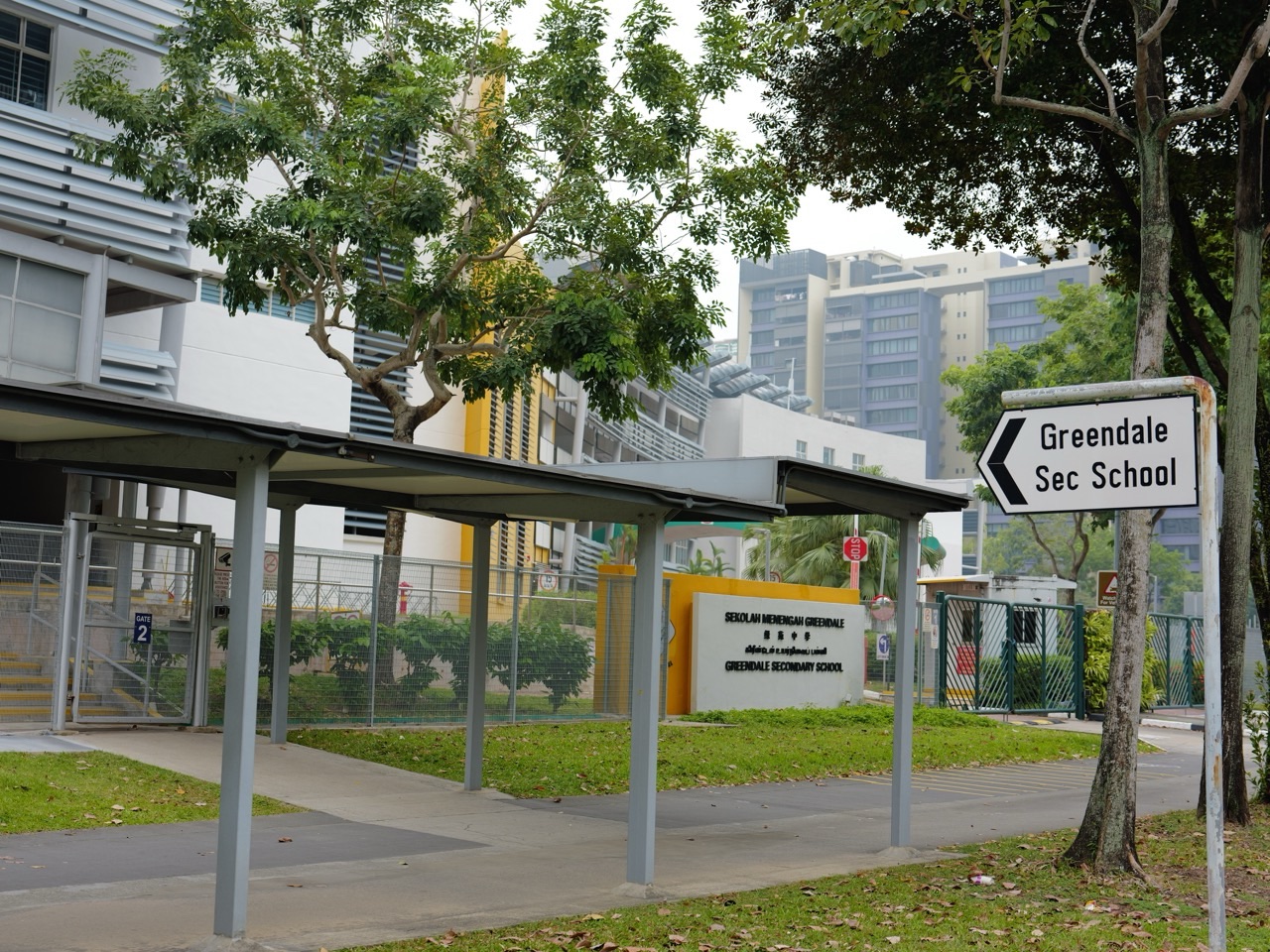
A Punggol family might consider Edgefield Secondary, Greendale Secondary, Punggol Secondary or Yusof Ishak Secondary as possible destinations, depending on the child. These are names to research, not a list of schools confirmed to have appeal vacancies. Actual admission-year details and procedures must come from each receiving school’s current official page or staff.
Begin by verifying the school’s identity and contact channel. Then check whether the child’s relevant PG3 eligibility, PSLE Score and admission circumstances satisfy the current rules. Ask if the school is accepting requests and how the process works; do not assert that a vacancy exists because someone posted about it online.
Finally, review the practical fit again. A successful transfer to a less suitable daily environment may not solve the family’s underlying problem. A school choice should serve the child over several years rather than a brief sense of relief.
What to tell a child who did not get the first choice
A pupil may interpret allocation to a lower-ranked choice as personal rejection. Avoid reinforcing that idea with comments such as ‘We will fight to get you into a better school.’ Instead, describe the posting process factually, acknowledge the disappointment and remind the child that school life is built through learning, friendships and participation after admission.
Ask what specifically worries them about the allocated school. It may be unfamiliar classmates, travel, not knowing the CCA choices or a fear that friends will go elsewhere. These concerns deserve practical answers even if an appeal is being pursued. Visit the neighbourhood, learn the route and check official orientation information together.
Do not make the child’s emotional wellbeing dependent on a transfer being approved. A family can explore administrative options and still help the child form a hopeful, realistic picture of the posted school.
An example: a non-medical request based on preference
Imagine a fictional pupil posted to a secondary school in a neighbouring estate while the family hopes to transfer to a Punggol school closer to home. The parent first checks the posted school’s reporting instructions. Next, they verify the actual current cut-off and non-medical appeal procedure at the preferred school. If eligibility and vacancies are uncertain, they do not claim that the transfer is guaranteed.
The parent writes a concise explanation of the preference, follows the receiving school’s form instructions and keeps the acknowledgement. While awaiting an outcome, the child practises the assigned journey, prepares school materials and learns about CCAs at the posted school. The family also avoids repeated speculative calls based on rumours.
This scenario illustrates process, not a promise of success. The key learning is that a preferred destination and a confirmed placement are different things.
An example: a potentially exceptional medical situation
Imagine a different fictional child who has a serious documented physical condition and may face access difficulties at the posted school. The family should promptly contact the posted school through official channels, explain the relevant functional need and ask whether the exceptional medical or severe physical-needs appeal route applies. They should provide the evidence requested by authorised staff securely.
The family should not assume that a particular transfer destination will be approved or that every medical document automatically meets the criteria. School and MOE staff need to assess the actual circumstances and suitable arrangements. While awaiting guidance, parents should work with the posted school on practical safety and attendance needs.
The important principle is to present the real support requirement, not invent a more dramatic description to secure a preferred school. The purpose of the exceptional process is to address serious needs fairly.
A ten-minute appeal checklist
Write down the actual posting year, allocated school, intended receiving school and specific reason for change. Confirm whether the request is non-medical or potentially exceptional due to serious medical or severe physical circumstances. Locate the official route and deadline. For a non-medical appeal, check the relevant cut-off, admission criteria and whether the school can accept requests. For an exceptional case, follow the posted school’s instructions.
Next, gather only the required documents, submit through the authorised channel and retain acknowledgement. Record the reporting requirement and school-start plan. If no appeal route is available or the request is ineligible, avoid wasting the family’s remaining preparation time on unofficial intermediaries.
Finally, ask the pupil what will help them feel ready for school tomorrow. Administrative tasks may be urgent, but the child’s next learning environment deserves immediate, practical attention.
What if the appeal fails or no vacancy exists?
A refusal can be disappointing, especially when the family had imagined a different school for months. Still, the child has a confirmed place at the allocated school, and the family’s work should return to making that environment function. Review transport, the school’s learning support, CCAs and orientation activities. Identify practical concerns that can be improved without another school.
A successful first term may reveal strengths the family did not predict. The pupil may join an engaging CCA, build friendships or find a teacher who understands a difficult subject. Parents should not treat this possibility as proof that every placement is perfect; genuine problems should still be raised through school channels.
Support the child by setting achievable goals for the first month, such as navigating independently, asking one teacher a useful question and taking part in an activity. The family can build progress from the place the child actually attends.
Give the child a first week they can picture
If the problem you hoped to solve was a friendship concern, let your child and their primary-school friends agree on how they want to keep in touch. Then ask your child what would help them speak to someone in the new class. For some pupils a small question about timetables is an easier opening than trying to tell their whole story. A parent can rehearse where to ask and how to check who is in the form class. The planned meeting with an old friend can coexist with making one new connection.
If the concern was about a programme, check which opportunities the posted school actually offers and when pupils can learn more. A child who liked the design work at a preferred school may find related work in another CCA or a classroom project. Let them see a genuine example before they decide. The school may also have a way for first-year students to try activities before choosing. Ask how that works for the current intake.
If the problem was a serious access or support need and the transfer did not happen, ask the posted school for the practical arrangements that will apply and for the point of contact when a problem arises. State what needs to work on a normal day and check when the plan will next be reviewed. A family can acknowledge the outcome and continue asking for appropriate support at the school the child is attending.
After an approved transfer, make the transition carefully
If a transfer is formally approved, obtain the official instructions about reporting to the new school, documentation and administrative arrangements. Do not assume verbal encouragement from another parent or an unverified message is an approval. Follow both schools’ procedures for records and materials, and clarify any outstanding obligations.
Discuss the change with the child without implying that the original school was inferior. Explain the practical reason and help them prepare to meet a new class and teachers. Recheck travel and CCA arrangements, because the new environment will carry its own demands. An approved transfer solves one allocation question; it does not remove the ordinary work of secondary-school adjustment.
Continue monitoring the pupil’s learning and wellbeing. Support should be responsive whether the child starts school at the allocated campus or a new one.
Write down the last day at one school and the first at the other
If the receiving school calls, ask how to obtain the official offer and when the required response is due. Then verify the effective date. If your child has already begun orientation or lessons, tell the posted school through its own process and ask when the handover takes effect. The original school may need to know which day the child will last attend. The receiving school can identify the new class, reporting time and whom the child should meet. A calendar entry for each date prevents an avoidable gap in attendance.
Compare the child’s subject arrangements at both schools. Ask the receiving school to confirm the exact books and materials it uses and how it handles any Full Subject-Based Banding options that have already been discussed. If the child had accepted an eligible subject offer at the previous school, bring that information to the conversation so the new school can explain its own arrangements. If a language lesson or programme takes place outside the school, confirm whether the logistics change. Check what the child will have missed if they arrive midway through orientation, and ask for one named person who can help them get started.
A child may need to say goodbye to people they have just met. Give them a simple explanation they can use. They can tell classmates that the adults arranged a school change and share a farewell in whatever way the school finds appropriate. On the first day at the receiving school, focus on essentials they can check themselves, such as their class, the place to meet after dismissal and the information they need to bring home.
The most useful habit: verify before acting
School admission information is time-sensitive. A perfectly accurate appeal page from December of one year can be misleading if copied into the next. A family’s best protection is to check MOE’s current instructions, the posted school’s registration notice and the receiving school’s official appeal arrangements. Keep dates and evidence close to each claim.
Do not purchase admission promises from third parties, follow unverified social-media contact details or share private documents through public chat groups. Use a clear checklist and direct communication with recognised schools. If a rule is unclear, ask the source that administers it.
PG3 describes the entry context, but responsibility after the result is a family process: secure the confirmed place, assess whether there is a legitimate request, follow the right route and help the pupil begin learning.
Frequently asked questions
Does a PG3 pupil have a guaranteed right to switch schools?
No. PG3 is a posting route. Transfer requests must satisfy the appropriate official process and available places.
Who handles a non-medical transfer request?
Recent MOE-aligned school guidance directs families to the preferred receiving school. Follow the school’s current admission-year instructions.
Does my child need to meet the school’s cut-off point?
For a non-medical appeal, published guidance requires meeting the relevant posting-year PSLE cut-off and admission conditions. Vacancies still matter.
What if the child is one point worse than the cut-off?
Do not assume an exception is available. The non-medical cut-off rule is intended to preserve fairness, and older cut-offs are not the actual current-year threshold.
What if the cut-off is met but there are no vacancies?
Meeting the cut-off is not a seat guarantee. The school may be unable to admit any transfer applicants.
Which school handles a serious medical or severe physical-needs appeal?
Contact the posted school promptly for the official exceptional route, supporting documents and deadline.
Is long travel automatically an exceptional medical reason?
No. Distance and preference are not the same as a serious medical condition or severe physical impairment. Ask the posted school where genuine additional needs exist.
What happens while waiting for an appeal?
Follow official instructions to register with and attend the posted school until a transfer is formally approved.
Can a parent reuse last year’s appeal form?
Do not. Verify the application year, current form, closing date and contact channel.
What if the child accepted DSA?
DSA has distinct commitments and conditions. Check the applicable official terms rather than assuming ordinary posting appeal rules apply.
Will a long, emotional letter improve the chances?
It cannot replace score, eligibility and vacancy requirements. A factual, concise submission using the required form is more useful.
What should families do if the appeal is rejected?
Continue the transition into the allocated school, identify genuine support needs and help the child build independent routines and friendships.
Continue the Punggol PG3 guide series: PG3 Science and Humanities · PG3 Mother Tongue and Higher Mother Tongue · PG3 Secondary 3 combinations and SEC pathways
Official information and related Punggol parent guides
- MOE: Secondary 1 posting and current admission cycle
- MOE: appeal for a Secondary 1 school transfer (confirm latest instructions)
- Canberra Secondary School: published transfer-appeal rules for 2026
- MOE-hosted 2026 Sec 1 registration: medical and non-medical appeal explanations
- Punggol: PSLE 2026 Secondary 1 posting timeline guide
- What is PG3: PSLE 21–22 Posting Group choice
- What is PG3: choosing Punggol secondary schools
- What is PG3: first 100 days of secondary school
Your next step
Secure the posted school’s registration instructions and check the official appeal rules for the actual admission year. If seeking a non-medical change, verify the receiving school’s current relevant cut-off, criteria, vacancies and form. If a serious medical or physical-needs issue may apply, contact the posted school promptly and ask what documentation is required. Prepare the child to start at the confirmed school while any request is considered.
More Punggol Posting Group 3 guides
- PSLE scores and Posting Group 3 eligibility
- How to choose and rank six secondary schools
- G3 subjects and Full Subject-Based Banding
- From the PSLE syllabuses to Secondary 1
- Direct School Admission and Your PSLE Results
- Higher Chinese, SAP Schools and IP Choices
- Choosing a Third Language in Secondary 1


