
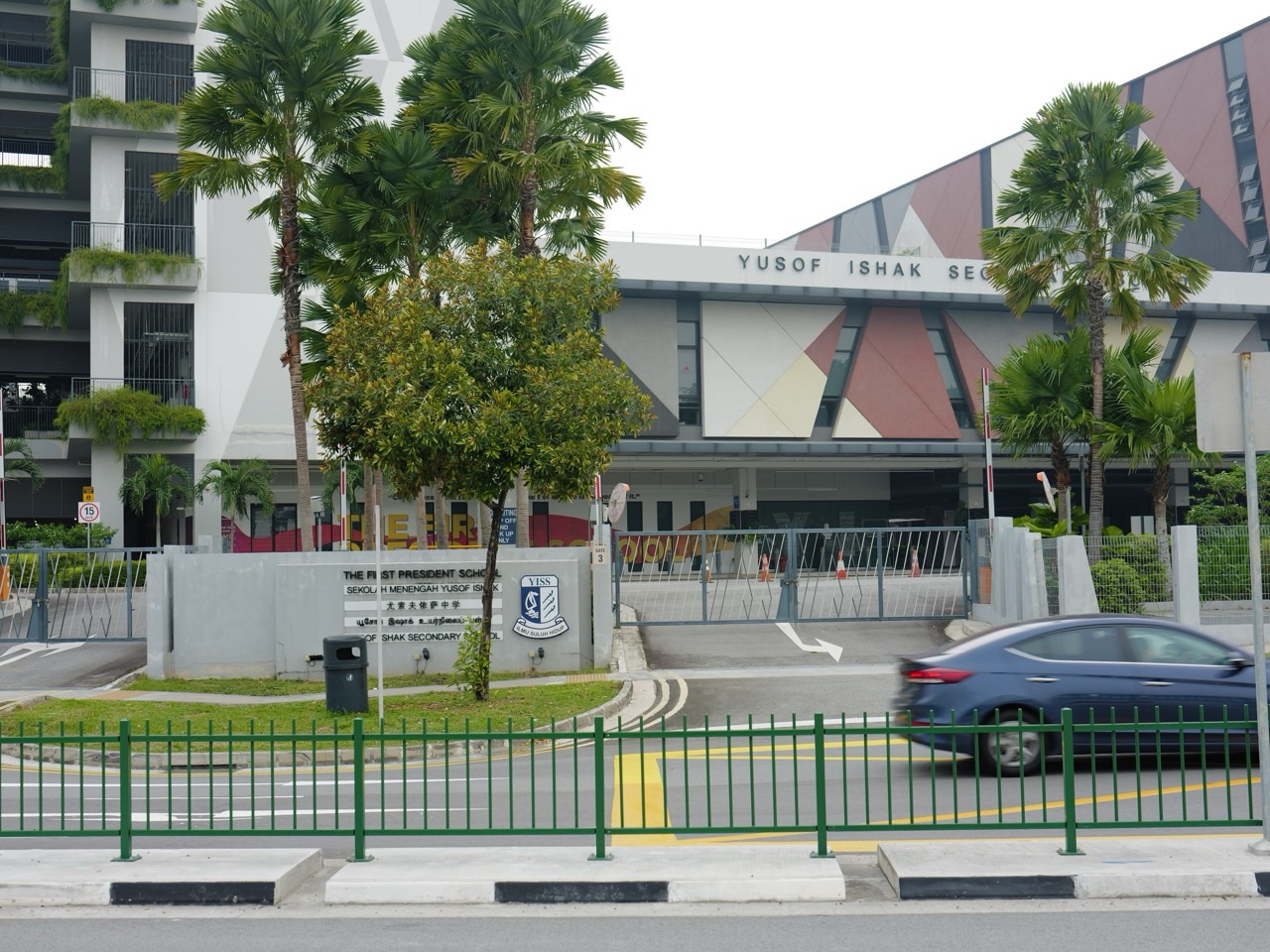
PG3 means Posting Group 3, the Secondary 1 admission group that ordinarily guides most subjects to begin at G3 under Full Subject-Based Banding in Singapore. For a Punggol student newly posted to secondary school, the first 100 days are not a second PSLE campaign. They are a transition into mixed form classes, new teachers, independent travel, different homework expectations and a fuller school life. The main goal is to build routines that keep the child learning, connected and healthy.
Whether the new school is Edgefield Secondary, Greendale Secondary, Punggol Secondary, Yusof Ishak Secondary or a suitable school elsewhere, the family should prepare for practical changes before worrying about high examination grades. A student needs to understand the timetable, arrive calmly, ask for help, organise work, explore CCAs and learn from correction. PG3 is the entry route, while G3 is the level of an individual subject; neither label can replace the gradual work of becoming a secondary-school learner.
- PG3 is an entry Posting Group, not a permanent stream or a promise about every subject.
- Use the first school weeks to learn routes, timetable, form-class routines and help channels.
- Mixed form classes and subject groupings are part of Full SBB; confirm the receiving school’s actual arrangements.
- Build a daily homework-start routine and a weekly retrieval-and-correction habit.
- Help the pupil choose a sustainable CCA, make friends and manage after-school travel.
- Treat teacher feedback and recurring errors as guidance, not a verdict after one test.
- Check school policies and current MOE information; this 100-day plan is a parent guide, not an official school timetable.
In this guide
- Quick Read: the transition calendar
- Why the first 100 days deserve their own guide
- Know exactly what PG3 means at school entry
- Before day one: prepare the route, not a mountain of worksheets
- Day one: three achievements are enough
- Understand the mixed form class and subject class distinction
- Create one simple homework capture system
- The difference between homework and revision
- Make Mathematics errors useful immediately
- Build reading as a daily routine rather than a special subject
- Use a two-minute parent conversation, not an evening interrogation
- CCA decisions are part of the transition
- Friendships matter in mixed form classes
- Digital systems: teach organisation and judgment together
- How to read the first results and feedback
- When to contact a teacher and what to ask
- How to notice overload without overreacting
- Do not outsource the first term to tuition
- Days 1–30: orient and establish predictability
- Days 31–60: identify the first repeatable learning habits
- Days 61–100: practise flexibility and ownership
- Prepare for subject decisions without rushing four years ahead
- A family review at day 100
- Frequently asked questions: PG3 and the first 100 days
- Authoritative sources and next useful routes
- Your next step
Quick Read: the transition calendar
| Stage | Primary focus | Evidence of progress |
|---|---|---|
| Before day 1 | Official instructions, route, equipment, sleep | Can explain where to report and how to get there |
| Days 1–30 | Orientation, task capture, peers, seeking help | Can follow a timetable and record assignments |
| Days 31–60 | Feedback, first academic gaps, CCA rhythm | Can repair one recurring mistake and explain why |
| Days 61–100 | Ownership, varied tasks, sustainable routines | Can plan work, ask questions and reflect independently |
The 100-day stages are approximate. Use school notices, current MOE guidance and your child’s actual needs to set priorities.

Why the first 100 days deserve their own guide
Many parents concentrate on getting a child into a secondary school and then assume the difficult part is over. The admission decision is important, but the ordinary weeks afterward decide whether the child builds independence. A student has to learn where to go, how different teachers communicate, which tasks are urgent and how to work when help is not immediately available. These are new skills even for a pupil who performed very well in PSLE.
The first 100 days provide a useful planning horizon because they are long enough for routines to become visible and short enough for a family to notice problems early. It is an editorial planning tool, not a formal MOE milestone. Schools run their own calendars and assessment schedules. We use the number to divide the transition into manageable stages rather than to create a false deadline.
At the end, the best question is not ‘Has my child proved they belong in PG3?’ It is ‘Can my child take responsibility for learning, connect with teachers and peers, and recover when something goes wrong?’ That is the foundation for the years ahead.
Start with a baseline your child can recognise
On the first weekend, invite your child to finish three short sentences. “I can already do…”, “I keep having to check…”, and “I know who to ask about…”. The answers might be “find the gate”, “read the timetable on Thursday” and “find out where to wait after CCA”. Put the date on the page. These notes will make sense when the pupil reads them again in a month, even if they have forgotten how much thinking the ordinary journey once took.
Keep the exercise light. The parent can write down the child’s words if the pupil is tired. If the child prefers to talk while walking the dog or clearing dinner, listen and note the one item that affects tomorrow. The useful part is having an early observation to compare with a later one. If the child still needs help on a particular day, the comparison may show that they now handle four other days without it.
Know exactly what PG3 means at school entry
Posting Group 3 facilitates admission and normally guides the starting level of most subjects to G3. The subject levels G1, G2 and G3 are not the same thing as the admission groups PG1, PG2 and PG3. Under Full SBB, students are no longer organised through the old Express, Normal (Academic) and Normal (Technical) stream structure. They can experience mixed form classes and subject groupings appropriate to their learning needs.
A common parental mistake is to call the entire child ‘G3’ as if a number captured every strength and weakness. A student may be an excellent reader, an uncertain algebra learner, a thoughtful teammate and a gifted musician at the same time. School tasks can reveal different readiness levels, and suitable subject-level changes are governed by the applicable criteria and school guidance.
Explain this plainly before orientation. ‘Your posting tells us how you are entering. It does not tell us everything about how you will grow.’ A child who understands that distinction is less likely to hide difficulties for fear of losing a label.
Before day one: prepare the route, not a mountain of worksheets
Before the first day, confirm the school’s official reporting time, student entrance, uniform requirements, necessary supplies, orientation schedule and communication channels. Do not rely on a neighbour’s recollection of last year’s arrangements. Schools may update dates and procedures. Use the admission information and school messages for the correct year.
Practise the journey from home under realistic conditions. In Punggol that may involve walking, cycling where permitted, an LRT, bus, MRT or a combination. A route that appears straightforward on a map can include crowded platforms, confusing exits or a longer final walk. Discuss what to do when a bus is full, a train is delayed or the child needs to contact an adult.
Prepare a calm evening plan. Charge required devices, pack the bag, know the next day’s reporting instructions and allow enough time for sleep. Buying more books or arranging a late-night extra class will not compensate for a disorganised first morning.
Practise what to do when the usual plan changes
Try one journey when you can pay attention to crossings, shelter and signs. Have the pupil lead from home to the school’s stated entrance. Let them point out the stop they would use on the way back. On another trip, ask them to identify a place where they can wait safely while they check the journey. What matters is that they can recognise their surroundings, find the official signs and reach the adult you have agreed they may call.
For a first practice around Punggol, the route may begin with a walk to a local LRT station, a feeder bus or a lift from a caregiver. The details differ even within the same estate. A child who normally uses a car should know what to do if the caregiver is delayed. A pupil who normally takes public transport should know which family member can help if they miss a stop or their usual service changes. Agree on a meeting location that does not require the child to cross back and forth between crowded entrances.
Practise one sentence the pupil can use if a plan changes. “I’m at the main gate. My usual bus is delayed. I’ll stay here and check the next service.” gives the adult a location, a reason and a first action. It is easier to use a sentence you have already rehearsed when the weather has changed and everyone around you seems to know where to go.
Day one: three achievements are enough
On the first day, a useful success criterion is modest: the student arrives safely, knows where to report and learns whom to approach with a question. The child does not need to find a best friend immediately, understand every subject grouping or predict the entire year’s timetable. Secondary environments are larger and more complex than many primary classrooms, and adjustment is not a race.
Parents can ask for three observations at the end of the day: one place the child learned to find, one adult or peer they can approach and one question they still have. This produces practical information without an interrogation. A pupil who cannot yet answer may need another day to settle. Listen before proposing solutions.
Some children talk endlessly about orientation; others need quiet after meeting many new people. Give them room. The family’s job is to provide continuity while the child constructs a new map of school life.
Understand the mixed form class and subject class distinction
Full SBB means a student’s form class can include peers with different Posting Groups, while subject lessons may be organised according to appropriate subject levels. Parents should not assume that the form class represents one fixed academic band. Ask the school how its actual timetable and class groupings work, because implementation details can vary.
This arrangement creates opportunities to learn with peers whose strengths differ. A student may share character education, activities or form-class routines with classmates who take some subjects at another level. Explain that friendship and respect do not depend on whether two students take the same Mathematics class. Children can be proud of their work without using subject labels to rank people.
The practical task is keeping track of where to be. Encourage the pupil to read the timetable carefully, maintain an updated list of classroom locations and check any changes through official school channels. Independence begins with a reliable timetable, not an expensive planner.
Make a small map of the actual day
Ask the pupil to choose one busy day on the school timetable and read it from start to finish. For each move, they can name where they are going, what they need to carry and whom they would ask if the room has changed. The exercise is most useful when it ends in a small correction. The pupil may keep the current timetable easy to reach, note the level a room is on or circle a period with a short transition.
Your child may share a form class with one group of peers and see a different group for some subjects. At the end of the day, they might tell you about someone they met in a shared lesson and someone else they found through a subject class. Listen for what happened in the lesson and how they found their room. The Full Subject-Based Banding overview illustrates mixed form classes and subject-level arrangements.
When a school notice and an old paper copy give different room details, the useful question is which channel the school uses for current changes. Find the answer with the pupil one time. On the next occasion, ask them to show you how they checked. It is a practical step toward handling a full day even when one room, teacher or time changes.
Create one simple homework capture system
Students often move into secondary school with new digital and paper instructions arriving from several teachers. The biggest early risk is not necessarily inability to solve a problem; it can be forgetting the task existed. A small, consistent capture method is more valuable than five separate productivity apps. The pupil can record the subject, task, due date, required material and next action in one notebook or approved digital system.
At the end of the school day, spend two minutes checking the list. At home, begin by choosing one manageable task rather than staring at a pile of assignments. When complete, mark it done and pack or submit it according to the teacher’s instructions. Parents can inspect whether the system works without checking every answer.
If the school uses a particular platform, learn that platform rather than creating a parallel family system that confuses the child. The goal is a learner who knows where assignments live, what is due and how to ask for clarification when instructions are incomplete.
Fix the step where an assignment disappears
Imagine Sam says he forgot the English assignment. Before setting any new rule, trace it. Did he know it had been assigned? Did he write down what to do? Did he capture the due date and where to submit? Did he need an item he left at school? Did he make a start and stop when the instructions became unclear? Each answer points to a different action.
If he saw the assignment but left the sheet in class, a packing cue will help more than a new homework app. If he recorded the assignment but read “next lesson” as Friday when the class meets on Thursday, write the calendar date after checking the timetable. If he made a start and was unsure how much to do, note the exact instruction that needs clarifying. Encourage him to ask a classmate or teacher through the normal school channel.
Use the same questions after your child completes a major project. Did the planner make it clear what was due? Did it show when to bring the physical item if the written portion went online? A student who can explain the last step involved in submitting has learned something more durable than reciting every task assigned this week.
The difference between homework and revision
Homework usually refers to work assigned by a teacher. Revision means deliberately returning to concepts so they remain usable after the lesson. The two overlap, but completing today’s homework is not evidence that last week’s learning can be retrieved. PG3 entrants facing G3 content may find that early lessons seem clear yet later questions become difficult when several topics are combined.
Try a weekly fifteen-minute retrieval session. Ask the pupil to explain one concept from memory, solve one different problem and review one correction from the week. In English, this might be an inference using evidence. In Mathematics, it might be checking an equation by substitution. In Science, it might be explaining an observation with a relevant principle.
Keep the purpose visible. This is not a secret second examination. If the child cannot retrieve something, identify the missing step and return to the teacher’s explanation or a clear example. Revisit the idea later. Memory grows through appropriate practice and meaningful use.
Make Mathematics errors useful immediately
An early G3 Mathematics mistake may concern directed numbers, brackets, algebraic notation or multi-step working. Instead of labelling it ‘careless’, ask what operation the child thought was happening. For example, 2(x + 3) = 18 can be solved by dividing both sides by 2 first or expanding first. Both lead to x = 6. A pupil who only remembers the phrase ‘move the number over’ may struggle when the numbers change.
Have the student write the original error, the correct reasoning and a question that would catch it. A sign error might be checked by substitution; a geometry unit error by identifying whether the question asks for area or length. Corrections are successful only when the student can use the improved method on a new problem.
Keep a small number of examples. A notebook full of mistakes that no one revisits becomes clutter. Two important corrections, checked again the following week, can create measurable progress without adding hours of work.
Build reading as a daily routine rather than a special subject
Reading supports more than English grades. It helps students understand Science explanations, Humanities sources, instructions and unfamiliar vocabulary. A secondary learner who can read slowly and question the text is better equipped to handle demanding subjects. This does not require a dramatic reading challenge with penalties for missing pages.
Set aside a short daily reading period with material the child can enjoy and understand. Occasionally ask a natural question: What surprised you? Why did the character make that decision? Which detail supports your explanation? An answer such as ‘The character seems doubtful because she checks the facts again’ is more valuable than repeating an entire paragraph without understanding.
Parents can model this by discussing things they read for work or interest. Reading is not merely a school punishment. It is a way to think with other people across time, place and subject.
Use a two-minute parent conversation, not an evening interrogation
At the end of a school day, ask two questions: ‘What made sense today?’ and ‘What would you like help figuring out?’ The second question invites a useful next step instead of a vague ranking of the entire day. If the student wants to talk about a friend or CCA first, that is information too. Social belonging influences learning.
Resist responding to every difficulty with an instant lecture. If the child says Mathematics was confusing, ask which part. If homework was forgotten, ask how the instruction was recorded. If a friendship feels awkward, listen before proposing an adult solution. The aim is to teach problem-solving without taking control of every decision.
Agree on a weekly longer check-in when everyone is rested. That is the time to review workload, transport, sleep and persistent gaps. Short daily support plus a deliberate weekly review often works better than constant monitoring.
Offer a choice about the kind of help
If a pupil comes home and says “Today was awful”, begin by asking if they want you to listen, help sort out a practical problem or come back to it after dinner. A child who needs to talk may explain the whole event once they know you will hear it. A child worried about a missing notebook may simply need two minutes to work out where they left it and who might still be at school.
Listen for what needs attention now. Safety, recurring distress and problems that stop a child taking part at school merit timely contact through the school’s channels. A temporary timetable confusion may be something the pupil can check for themselves the next morning. Help the child say how they would know the problem had been resolved. That tells both of you when to follow up.
A family can also collect one good observation before bed, especially on a difficult day. It could be “someone waited while I found the room” or “the teacher told me how to submit the correction”. These small facts help the child remember the people and routines they can use again. The Starting School Right parent guide gives examples of how families can support teenage relationships and adjustment.
CCA decisions are part of the transition
Secondary CCAs can provide friendship, skill, identity and a sense of contribution beyond marks. The pupil may want to continue a familiar activity or explore something new. Check the receiving school’s actual CCA programme, selection procedures and schedules. Do not assume an older promotional page guarantees a place in a particular club.
When choosing, compare genuine interest with practical commitment. A sport might involve substantial training; performing arts may require rehearsals; a uniformed group may have activity days that shape the week. Ask about transport after sessions and whether homework can still be completed without cutting sleep. A meaningful CCA should stretch a pupil without consuming every reserve of energy.
Let the child make a reasoned choice. Parents can help investigate risks and obligations, but a CCA chosen only because adults think it looks impressive may be difficult to sustain. Participation is a learning experience in itself.
Friendships matter in mixed form classes
A PG3 pupil may sit in a form class with classmates following different subject-level pathways. This is an opportunity to make friends through shared interests and values rather than treating marks as a social hierarchy. Parents can reinforce respectful language at home by avoiding jokes that rank children according to Posting Group or the difficulty of their subjects.
Some pupils make friends quickly; others take weeks to find their people. Encourage low-pressure participation: greeting a classmate, joining a group activity, asking about an assignment or attending a CCA session. Do not force a child to become socially outgoing overnight. Respect different temperaments while noticing whether the pupil feels persistently excluded or distressed.
If there are serious concerns about bullying or safety, use the school’s official reporting and support channels promptly. Families should not expect a twelve-year-old to solve every harmful situation alone. Independence grows best with accessible adults.
Digital systems: teach organisation and judgment together
Many schools use digital communication and learning platforms. The student needs to know how to find official instructions, submit work correctly, handle a device responsibly and distinguish school messages from informal chat. Confirm the school’s actual policies. A parent’s preferred application is not automatically permitted or required in a particular classroom.
Teach simple digital habits: check task details, name files sensibly, keep required work in an organised place, protect passwords and verify that a submission succeeded. When a device fails, the child should know how to explain the issue promptly to a teacher. Technology is useful only when it reduces confusion rather than multiplying it.
Discuss generative AI and online information carefully. A confident-looking answer can be wrong. Ask students to compare claims with trusted sources, identify when a tool is inappropriate for assigned work and follow school policies on academic integrity. The goal is responsible thinking rather than blind dependence on software.
How to read the first results and feedback
The first assessment may feel disproportionately important because it is the family’s first numerical evidence after PSLE. One mark, however, is not a complete diagnosis. Ask what the assessment measured, which concepts were expected, whether the student understood the question, and how feedback can change the next attempt. A small early mistake can be an inexpensive opportunity to learn.
Separate errors into categories. In English: misread question, unsupported inference, unclear paragraph, missing task detail. In Mathematics: concept misunderstanding, arithmetic slip, copied value, unit error, incomplete working. In Science: observation without explanation, incorrect term, weak connection to evidence. Fix the category that appears repeatedly instead of demanding generic ‘more effort’.
If the pupil has done well, congratulate the specific method that worked. ‘You checked your answers carefully and explained your reasoning’ builds repeatable habits. ‘You must always be the top student’ can turn ordinary feedback into pressure.
When to contact a teacher and what to ask
Teachers are valuable partners when parents bring focused observations. If the child repeatedly struggles with a task, request clarification about the underlying concept and available support. ‘My child can solve the equation when it is written directly, but cannot translate a word problem into one’ is more informative than ‘My child is weak at Mathematics.’ It gives the school something concrete to discuss.
Ask how the child can seek help during the school day and what school-based support is appropriate. Confirm whether a difficulty is expected during the transition or suggests a foundational gap that needs deliberate repair. The form teacher may also advise about broader adjustment, while subject teachers can speak to the learning requirements of their subjects.
Respect the school’s communication procedures and allow reasonable time for responses. The aim is a working partnership, not a daily request for personalised lesson reports. A parent who helps the child formulate a question for a teacher is also teaching independence.
Bring one clear example and a question the teacher can answer
A first message works best when it says what happened, how often and what you have already tried. For instance, “We noticed that Kai could locate three of this week’s assignments but missed both tasks posted after a timetable change. He recorded what was on the whiteboard. Could you tell us which channel he should check for updated deadlines?” connects the concern to an action Kai can learn.
For a subject question, choose a single piece of work and name the part the pupil wants help with. “May wants to understand the feedback on the second explanation in her last assignment. She can identify the sentence she intended as evidence. Which part of the explanation should she review first?” gives the teacher a place to start. Invite the child to ask directly where appropriate, and support them if they are still learning how to do it.
If a concern involves several classes or the child’s general participation, ask the school which adult can help coordinate the response. Keep a brief record of advice you receive. After the family and pupil try the agreed action for an appropriate period, note what changed. The next conversation is easier when you can say which part worked and what still needs attention.
How to notice overload without overreacting
Adjusting to secondary school can involve temporary tiredness and uncertainty. Parents should notice patterns in sleep, mood, appetite, reluctance to attend school and the ability to recover after a difficult day. A child who complains once about homework is not necessarily in crisis, but persistent distress deserves attention and support. Avoid dismissing every concern as laziness or treating one hard week as proof of a wrong school choice.
Check practical causes first: a journey that begins too early, an overloaded CCA timetable, a homework system that loses tasks, a friendship problem or a concept the child has been too embarrassed to ask about. Small changes can improve the situation. If there are significant wellbeing concerns, contact suitable school support staff or qualified professionals rather than guessing.
A healthy school routine includes meals, sleep, movement, friends and occasional unstructured time. These are not rewards to be withheld until all marks rise. They are conditions that help learning remain possible.
Do not outsource the first term to tuition
Some PG3 families book an extra lesson for every subject before the new school has even taught its first chapter. That may be unnecessary and can crowd out adjustment time. Begin by looking at actual work and the child’s ability to practise independently. If there is a recurring gap, seek targeted teaching that addresses its cause. ‘More classes’ is not a substitute for asking why a child is stuck.
Good support follows a sequence: diagnosis, clear explanation, guided practice, independent attempt, later retrieval and transfer to a new question. In a small group a tutor may be able to observe how a learner thinks, but class size is useful only when the teaching is attentive and responsive. Ask what has changed in the child’s own work.
When school support and home routines are sufficient, preserve free time. A pupil who can organise study, seek teacher help and follow feedback does not need tuition merely to maintain an identity as a high-achieving student.
Days 1–30: orient and establish predictability
The first stage is about finding places, learning names, understanding the timetable and making a simple task-management system work. Settle transport and school communications early. Help the pupil pack independently, identify where materials belong and check whether they can describe the next school day. The family can solve obvious practical problems before they grow into academic stress.
Keep academic expectations basic but deliberate. One short reading habit, an organised notebook and a weekly check of corrections may be enough to begin. If a lesson is confusing, encourage the child to ask a teacher or classmate an appropriate question. Celebrate the first time the child resolves a small problem independently.
Do not force major conclusions from the first two weeks. The novelty of a secondary environment can temporarily hide ability or exaggerate fatigue. Observe trends across the month while making it clear that the child can talk about worries without being punished for having them.
Check the routine on the day it is hardest
A routine might work when your child comes home early and has the evening clear. Try it on the busiest ordinary day as well. Ask what happens from dismissal to bedtime. The child can include waiting for transport, stopping for food, showering, charging a device, checking assignments and laying out what is needed tomorrow. Keep the time estimates close to what you have actually observed.
If the day feels crowded, ask what can move. Perhaps the pupil can read the next day’s timetable before leaving school or prepare certain materials the previous night. A change is helpful when it saves mental effort or makes the next day more reliable. Adjust one part and let the child test it for a week. For the following check, ask “Which step got easier?” and “What still needs attention on the busy day?”
Days 31–60: identify the first repeatable learning habits
By the second stage, the pupil may have a clearer sense of subject expectations. Ask whether assignments are being captured reliably, whether teachers’ corrections are being reviewed and whether the child can start ordinary work without an adult sitting beside them. These behaviours matter more than the visual perfection of a study timetable.
Choose one recurring academic difficulty and address it precisely. If comprehension answers lack evidence, practise a direct point, phrase from the passage and explanation. If algebra goes wrong when brackets appear, practise valid transformations and checking by substitution. If Science answers list facts without explaining causation, ask the pupil to connect observations to a relevant mechanism.
Revisit the skill with a new question after several days. The goal is to see less dependence on hints. Where progress remains limited, seek appropriate school guidance rather than quietly doubling the number of worksheets.
Turn one improvement into a reusable action
In the middle weeks, the child is likely to notice that one practice has begun to work. Ask them to identify it in language they would remember. “At dismissal I compare my note with the school page”, “I check the last line for what the question asks”, or “I read teacher comments before trying a correction” all describe actions the child can take again.
Choose a second situation where the action might help. A pupil who writes deadlines accurately in one subject could try using the same habit for assignments announced at the end of CCA. One who knows how to locate feedback in one class could check whether two other teachers give feedback differently. The point is to learn which parts of the habit travel well to another setting.
If the habit stops working one week, examine the conditions before dismissing it. Perhaps the class moved rooms and the usual two-minute window disappeared. Perhaps the teacher announced the task in a different channel. The pupil can adjust where or when they use the method. A school routine becomes dependable after it survives a few ordinary changes.
Days 61–100: practise flexibility and ownership
Later in the transition, the pupil can begin to manage competing obligations more deliberately. They may have homework across subjects, CCA responsibilities and early assessments. Help them plan backward from a due date, divide a larger task into steps and allow time for revision. Resist building a schedule so precise that one delayed bus causes the whole evening to collapse.
Ask the child to explain one improvement they made from feedback and one challenge they can now manage independently. A useful answer might be ‘I check whether my English inference is supported’ or ‘I can solve algebra equations and substitute to check the value.’ Those are concrete signs that school learning is becoming portable.
Review the wellbeing and friendship side as carefully as grades. Does the child have peers they can work with, an adult they can approach and an activity they enjoy? The first 100 days have succeeded when the pupil belongs, participates and can continue growing.
Plan a week where two important things compete
Suppose evening practice and an assignment requiring printing fall on the same day. Ask your child to show when the assignment is due, what supplies or people they need, and what part can move earlier. If the pupil plans to print after practice, check what happens if the practice ends late. They may decide to print the earlier complete draft on another day and use the remaining time to verify the upload.
This is also a chance to discuss how and when to ask for help. The pupil may need to find out which materials will be available at school, or whether the submission method is the one they wrote down. The parent can help check what resources are available at home. The child makes the first version of the plan and corrects it in light of the real constraints.
To review, ask the pupil what they would do a day earlier next time. An answer such as “look at what requires someone else’s help” gives them a rule they can remember. A pupil who learns to identify an outside dependency has gained a practical part of secondary school independence.
Prepare for subject decisions without rushing four years ahead
Parents may hear about upper-secondary combinations, Additional Mathematics and the Singapore-Cambridge Secondary Education Certificate and feel compelled to optimise immediately. Those options matter, but the child is still learning how secondary school works. The SEC replaces the previous N- and O-Level examination structure from the 2027 graduating cohort, with subjects examined at their applicable G levels. A current Secondary 1 student will reach later decisions on their own cohort’s timeline.
Read the school’s current guidance when subject-combination choices arise. What is offered, what are the criteria and how is suitability assessed? Do not promise that PG3 entry automatically guarantees a subject or a particular post-secondary pathway. Full SBB provides flexibility, while actual future admission depends on subject combinations and requirements at the relevant stage.
For now, keep the foundation broad: strong language, sound number reasoning, curiosity about Science and the humanities, ethical digital habits and sustained engagement with a meaningful CCA. An open future is built through many good school days, not one ambitious sentence on a family spreadsheet.
A family review at day 100
Choose a calm time and put three pieces of evidence on the table: an early task, a recent task and the pupil’s own description of their school experience. Ask what has improved and how the change happened. Then discuss one continuing gap and a manageable next action. Do not turn the meeting into a comparison with siblings or friends.
Review the practical infrastructure too. Has the commute become reliable? Does the timetable system still work? Is the CCA enjoyable and manageable? Can the child seek help at school? Are sleep and family routines sustainable? These questions can reveal why a capable pupil is thriving or struggling.
Finish with an agreement about what the pupil will manage independently next month and what support adults will still provide. The goal is progressive responsibility, not sudden abandonment. A posting choice opens the school door; gradual independence turns that place into an education.
Let the pupil open the review
Put the early baseline note alongside a recent piece of work and one example of a routine that now happens with less help. Let the child choose which item to discuss first. They might explain that changing rooms now takes less effort or that they know where to check which activity is on. A parent can ask what helped and which part they want to manage next.
Use a small table if the conversation gets tangled. Each row should describe something the pupil can observe and say whether it still needs attention.
| Evidence | Question to ask |
|---|---|
| Early timetable note and recent weekly plan | Which parts can you now check by yourself? |
| A returned assignment and a later attempt | Which piece of feedback did you use again? |
| A changed journey or activity schedule | How did you decide what to do when the plan changed? |
| A lesson or club where you needed help | Who did you ask, and what did you learn from the reply? |
Finish with one agreed change. The pupil may take over checking the school notice for Wednesday while the parent stays available if transport changes. They may want a set time to review teacher feedback for a subject they are finding difficult. Put the agreement somewhere easy to find and set a day to look back. A 100-day review earns its place in the family’s schedule when it tells everyone what to try next.
Frequently asked questions: PG3 and the first 100 days
Is PG3 the same as G3?
No. PG3 refers to Secondary 1 posting; G3 refers to a subject level. Most subjects normally begin at G3 for PG3 entrants, but later subject arrangements depend on relevant policies and school guidance.
Are PG3 pupils in separate form classes?
Full SBB features mixed form classes; subject classes may be grouped differently according to subject levels. Ask the receiving school how it organises students in the actual year.
Is a pupil behind if the first month is difficult?
Not necessarily. Adjustment involves new routines and environments. Look at patterns over several weeks and identify specific issues rather than judging the entire child from one early assessment.
How much holiday studying is necessary before Secondary 1?
A short check of core reading, number reasoning and independent study habits can help. Avoid exhausting the child with a full year’s work before school begins.
How should parents respond to missed homework?
Identify whether the task was not recorded, the deadline misunderstood, the material lost or the content too difficult. Repair the process rather than applying one generic punishment.
Is a CCA necessary for healthy adjustment?
A meaningful co-curricular activity can support friendship and development. Check the school’s current requirements and offerings, and help the child choose a sustainable commitment.
Can a PG3 child have friends in PG1 or PG2?
Yes. Full SBB is designed to provide shared experiences through mixed form classes and school life. Friendship is not determined by Posting Group.
When should a teacher be contacted?
When a persistent, specific learning or wellbeing concern needs guidance. Provide concrete examples and use the school’s official communication channels.
When does extra tuition become useful?
When a defined gap persists and targeted support can build independent understanding. More hours alone do not demonstrate progress.
How can we tell whether the transition is working?
Look for reliable routines, growing independence, friendships or support connections, a manageable CCA, improved checking and the ability to use feedback on new work.
Does the 100-day plan match the school’s academic calendar exactly?
No. It is a practical family planning horizon, not an official MOE schedule. Follow the receiving school’s actual dates, events and procedures.
Does PG3 guarantee a future JC or polytechnic place?
No. Post-secondary eligibility depends on the subject and subject-level profile and requirements in force at the relevant time, not the original Posting Group alone.
Authoritative sources and next useful routes
- MOE: Full SBB school experience and pathways
- MOE: secondary-school choice parent kit
- MOE: first SEC examination from 2027 graduating cohort
- PG3: PSLE 21–22 choice and eligibility
- PG3: school fit, CCA and travel in Punggol
- PG3: G3 English and Mathematics readiness
- Punggol education: Secondary 1 posting
- Punggol: school promotion and subject-level changes
Your next step
Before the first week, practise the commute, read official school instructions and establish one assignment-capture method. After the first month, ask your child to show one correction they understand and identify one adult at school they can approach. By day 100, assess independence, belonging, wellbeing and learning together. The strongest PG3 transition is not the loudest. It is the one that continues working on an ordinary school day.
More Punggol Posting Group 3 guides
- PSLE scores and Posting Group 3 eligibility
- How to choose and rank six secondary schools
- G3 subjects and Full Subject-Based Banding
- From the PSLE syllabuses to Secondary 1
- Choosing Secondary 3 Subject Combinations
- The SEC and Pathways to JC, Polytechnic or ITE
- Secondary 1 Costs and Financial Assistance for 2027


