
PG3 means Posting Group 3, the Secondary 1 admissions group normally associated with G3 subject study under Singapore’s Full Subject-Based Banding system. Direct School Admission for Secondary Schools (DSA-Sec) is a different way of seeking a Secondary 1 place: pupils apply in Primary 6 based on demonstrated talent or potential in an area offered by a school. Receiving an offer does not cancel the PSLE or remove the requirement to qualify for a posting group offered by the school. Successful DSA allocation also changes what a family may do during ordinary Secondary 1 posting.
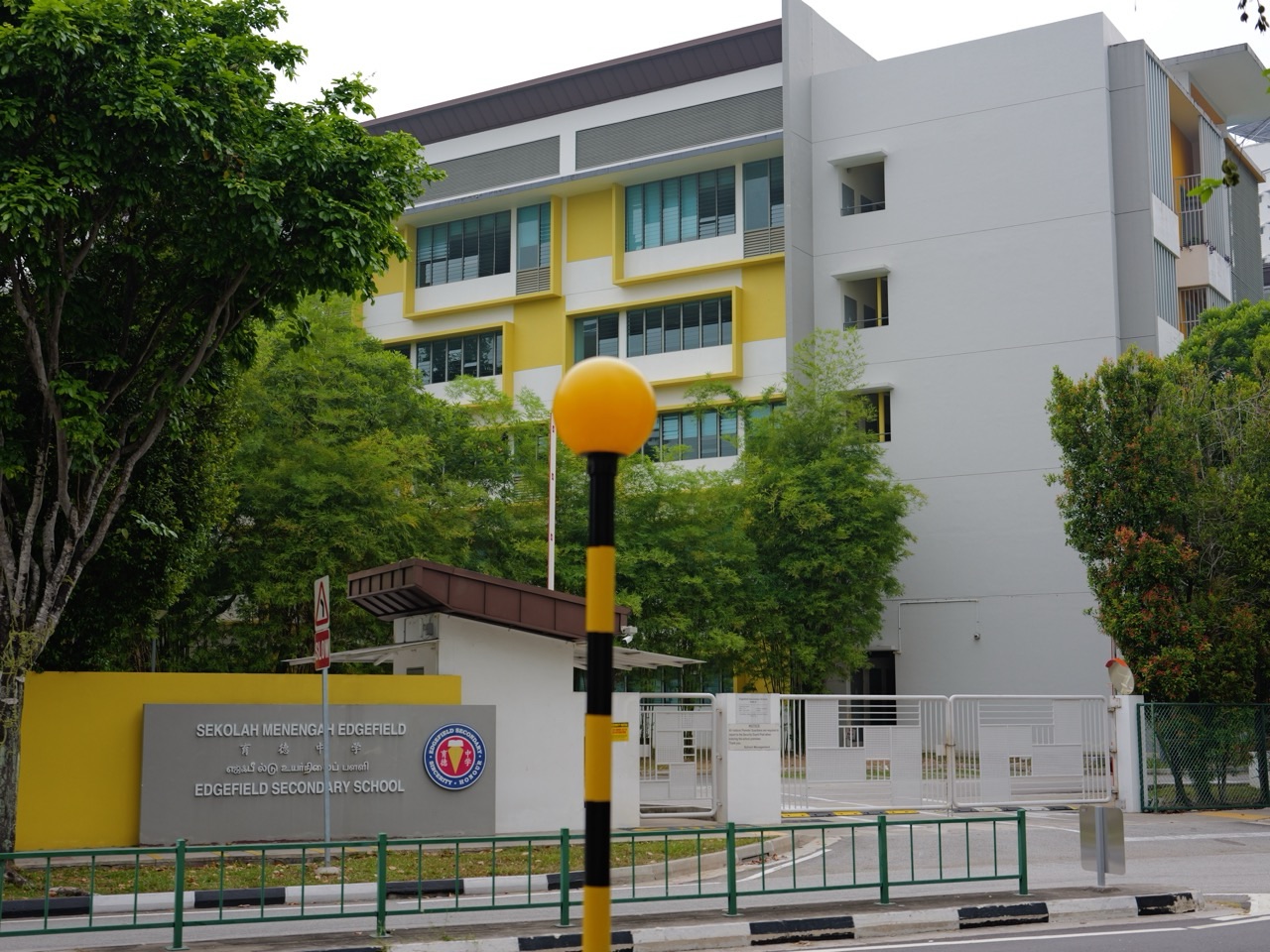
For families considering Punggol schools, the distinction is practical. Edgefield Secondary’s 2026 DSA exercise covered sports, innovation and student leadership; Greendale Secondary listed Design, Technology and Engineering, leadership and outdoor adventure; and Yusof Ishak Secondary listed areas including STEM, robotics, performing arts, leadership and sports. These are documented examples for the 2026 exercise admitting students in 2027, not guarantees of future offerings. Parents should verify the actual year’s selection criteria, commitment, published deadlines and school programme before submitting their DSA school preferences.
- PG3 is a Secondary 1 posting group; G3 is a subject level; neither is the definition of DSA-Sec.
- DSA-Sec lets Primary 6 pupils seek admission through school-approved talent areas before mainstream S1 posting.
- Applicants still sit the PSLE and must qualify for the Posting Group offered by the DSA school.
- DSA applications, school trials or interviews, offers, preference submission and allocation are different stages.
- A Confirmed Offer (CO) and a Wait List (WL) are not interchangeable; the family must follow the current preference process.
- Successful DSA-Sec allocation means the student does not take part in ordinary six-school S1 posting, and commitment rules apply.
- Official 2026 examples: Edgefield sports, innovation and leadership; Greendale DTE, leadership and outdoor adventure; Yusof Ishak leadership, arts, STEM and sports.
- Use truthful work samples, genuine interest, relevant activities and the child’s own explanation; no portfolio guarantees selection.
- Check commuting, CCA training or project commitments and the family’s capacity across the full secondary journey.
- For the next exercise, verify updated MOE DSA-Sec dates, options and school notices rather than copying 2026 deadlines.
In this guide
- The complete Punggol PG3 and DSA-Sec parent guide
- 1. Definition lock: four decisions, not one label
- 2. DSA begins with talent and a real educational reason
- 3. Read the school’s actual 2026 talent list before imagining a 2027 offer
- 4. A portfolio should show learning, not decoration
- 5. How applications, selection and preferences differ
- 6. Confirmed Offer means something specific
- 7. Wait List is an opportunity, not an allocation
- 8. The DSA preference stage is not the six-school S1 list
- 9. PSLE eligibility still matters after talent selection
- 10. What DSA commitment means across the secondary years
- 11. The Punggol school commute belongs in the DSA decision
- 12. DSA interviews should sound like the child
- 13. What happens when DSA is unsuccessful
- 14. A local decision matrix for different talent areas
- 15. An ethical preparation timeline for Primary 5 and 6
- 16. What good DSA guidance should never promise
- Frequently asked questions
- Your next step
- Official sources and connected Punggol reading

The complete Punggol PG3 and DSA-Sec parent guide
1. Definition lock: four decisions, not one label
Posting Group 3 describes a pathway used in Secondary 1 admission after PSLE. The G3 level describes academic demand in particular subjects. DSA-Sec describes a separate admissions mechanism in which a school assesses talents and suitability in named areas. The school itself then provides an educational programme. The first mistake parents can avoid is compressing all these into the statement that a PG3 child should apply through DSA.
DSA is not automatically an advantage for every student. It is an opportunity for a child whose achievements, developing aptitude and commitment match a school’s recognised area. A child may earn PG3 eligibility but have no reason to pursue DSA. Another child may genuinely enjoy a sport, leadership activity or technical project and want to develop it further through a school. Both deserve informed choices.
The system also requires academic eligibility. A successful talent selection is not permission to ignore the PSLE. MOE’s guidance explains that DSA applicants must achieve a PSLE result qualifying them for the Posting Group offered by the allocating school. Parents need to read this rule carefully, especially if a student’s academic result may fall around a posting boundary.
Write the terms separately on the family planning sheet: PSLE and eligible Posting Group, talent area, DSA offer status, and school programme commitment. Each line should be supported by an official notice. This reduces the chance of making a decision from a flattering phrase that leaves out the actual administrative conditions.
Match the latest status to the next action
| Latest official status | What to check next |
|---|---|
| Invitation to a trial, audition, task or interview | The selection time, location and any items the school requests |
| Confirmed Offer | The programme, talent commitment and instructions for submitting a preference |
| Wait List offer | Whether your child would accept the place if allocated and what they will do if no place becomes available |
| Successful final allocation | The assigned school’s enrolment and school-start instructions |
| Unsuccessful final allocation | The S1 Posting deadline and the eligibility shown on your child’s result |
A Primary 6 pupil might receive a message at every stage shown here. Ask them to read the date and heading out loud before deciding which row applies. If they reach an unfamiliar word, pause to check the full notice. This is useful even when the family thinks it already remembers the result. Reading the full notice may reveal that the latest information relates to a different programme from the one the child was picturing. It may also reveal the particular person the family should contact about the next action.
Parents sharing the news with a caregiver can use the status label and one action from the table. “We are wait-listed and will check the allocation when PSLE results come out” lets the caregiver know what to expect. “The place is confirmed” may be read as the allocation even if the school has only issued an offer.
2. DSA begins with talent and a real educational reason
A useful DSA application starts with a child’s sustained interest, not with the parents’ wish to secure a famous school before PSLE results. Ask what the student actually enjoys: practising a sport, performing, solving a design problem, leading a community project, creating software or exploring STEM. Then identify schools that explicitly accept applications in that area for the relevant year.
The second question is whether the school can nurture the interest. A pupil who loves coding may want a structured technical programme, mentorship and peers who enjoy experimentation. A strong athlete may care about coaching quality, training culture and opportunities to contribute to a team. The school’s whole curriculum, relationships and commute also matter, because a student attends it for much more than the selected talent.
Encourage the child to describe a real activity without polished adult slogans. What did they try? What was difficult? What failed? What changed after feedback? An authentic explanation reveals learning habits and commitment more clearly than a long list of certificates the child cannot discuss. It also prepares them for scenario-based tasks or interviews where memorised lines are less useful.
Do not promise selection merely because the student has worked hard. Schools assess applicants against their published criteria, available places and selection processes. Meeting minimum criteria does not guarantee shortlisting or a Confirmed Offer. Good DSA planning accepts that uncertainty while valuing the experience of presenting genuine work and learning about a prospective school.
3. Read the school’s actual 2026 talent list before imagining a 2027 offer
Edgefield Secondary’s official DSA-Sec 2026 page identified sports opportunities such as Taekwondo and other named team or individual sports, alongside innovation and student leadership. The details included different trial requirements for different sports. That matters because one sporting label does not tell parents what the selection activity will involve. A learner should know the rules and be comfortable with the trial rather than expect generic testing.
Greendale Secondary’s official materials described Design, Technology and Engineering, leadership and outdoor adventure. For a student who enjoys building, testing and revising a prototype, Greendale’s DTE route could be worth researching. Outdoor adventure offers a different experience and commitment, and leadership selection looks for different forms of evidence. Families should match the talent to the child, not just choose the programme that sounds fashionable.
Yusof Ishak Secondary’s 2026 DSA page included community youth leadership, modern dance, robotics, STEM and several sports. It listed possible auditions, interviews, portfolio work and performance tasks depending on the category. Parents should inspect the particular category’s process, rather than tell a child that every DSA application consists of one interview or one personal statement.
These are published examples for the 2026 DSA exercise admitting students to Secondary 1 in 2027. They should not be represented as guaranteed 2027 DSA exercise offerings for 2028 entry. School talent areas, eligible applicants and selection methods may change. The right procedure is to use the school’s newest official page when the child is eligible to apply.
4. A portfolio should show learning, not decoration
A portfolio can be useful when the talent area asks for evidence of projects or achievements. But it is not a substitute for real capability, and different schools may request different materials. Some selections rely more on demonstrations, trials or interviews. Before preparing anything, check whether the school accepts or requires documents and in what format. Avoid spending weeks building a glossy file the assessor has not requested.
Choose a small number of meaningful examples. A robotics applicant might include a short explanation of how a design was tested, what went wrong and what was improved. A community leadership applicant might describe whom a project served and how the child listened to others. An athlete could explain an adjustment in technique following coach feedback. Every example should be true and attributable to the student.
Parents can assist with organisation, but they should not write accomplishments as if the child independently performed work that adults completed. A student who cannot explain a polished portfolio may find an interview difficult and may enter a programme under unrealistic expectations. Transparency protects the integrity of the application and helps the school assess the learner’s potential accurately.
Maintain an activity record during Primary 5 and Primary 6 only if the family finds it useful. Record dates, roles, challenges and learning in plain language. The purpose is reflection, not an endless hunt for awards. A genuine project that changed the child’s understanding can be more valuable educationally than several certificates collected without much engagement.
5. How applications, selection and preferences differ
DSA is a sequence, not a single yes-or-no event. In the relevant Primary 6 year, the family checks participating schools and talent areas, submits an application through the official process and waits for any school shortlisting. The school may conduct a trial, interview, audition or task. Applicants later receive an outcome such as Confirmed Offer, Wait List or unsuccessful. Only after understanding that outcome should families approach the preference stage.
The 2026 DSA-Sec application window ran in May and early June, with school selections later and preference submission in October. These dates provide historical context for families looking at admission into Secondary 1 in 2027. They do not establish the next exercise’s schedule. Use the official MOE DSA-Sec portal and current school notices for actual application and submission dates.
MOE’s application guidance allows a limited number of school-and-talent choices under defined conditions. Families should read the current limit before submitting applications or assuming that all talent areas at one school can be chosen simultaneously. A school’s own eligibility and trial conditions also matter. The parent’s job is to ensure accurate information is submitted, not to try to overwhelm the system with duplicate applications.
Keep an administrative checklist with application acknowledgement, any selection appointment, school correspondence and official outcome. Treat calendar reminders seriously because missing a required stage can change the result. Yet make room for ordinary PSLE study and rest. DSA should not swallow the whole Primary 6 year when the child must still meet the national academic requirements.
Put the 2026 dates in the right order
For Secondary 1 entry in 2027, the 2026 application window ran from 6 May to 2 June. The October school preference window ran from 19 to 23 October 2026. Applicants in mainstream primary schools who submitted preferences can check the allocation with their PSLE results through the official process. Families with a different application arrangement should use the instructions sent to them. These dates help explain which step families can take as results approach. Applications and preference submission took place earlier in the year. 2026 DSA-Sec milestones
A Primary 6 pupil reviewing their status in November can gather three things before results day. The first is the latest offer message, where applicable. The second is the submitted preference record. The third is the primary school’s results-day notice. Keep the documents in date order. The last dated offer message and the final allocation can look alike when viewed as cropped screenshots. Read their complete headings and the actions they ask you to take.
For a Primary 5 pupil, put the calendar aside after you understand the sequence. Look up the new application calendar when it is published for the year they are in Primary 6. A family may want to note that application and preference submission are separate tasks, each with its own deadline. Scheduling a reminder to read current instructions makes more sense than copying the old deadline into next year’s calendar.
6. Confirmed Offer means something specific
A Confirmed Offer, usually abbreviated CO, is a DSA offer that can lead to allocation when the family submits appropriate preferences and the student satisfies the required PSLE Posting Group conditions. It is not simply a congratulatory message with no further steps. MOE’s guidance describes the relationship between a CO, preference submission and eventual allocation, so parents should read their official outcome letter carefully.
Suppose a child receives a CO from a school that strongly fits the talent, but the family keeps discussing whether it should be ranked beneath a second school offering only a Wait List place. This is a real strategic and personal decision. The CO has a defined status, while the Wait List opportunity remains conditional on places becoming available. The preference order can affect which school allocates the student.
Families should also think about commitment before choosing a CO school. A place secured through talent is linked to participation in that area. The child should understand what continuing training, project work or leadership responsibilities may look like over the programme. Being selected is rewarding, but the ordinary work afterward is what makes the experience meaningful.
Do not decide solely because another parent says a CO is too valuable to decline. The family must want the educational experience offered. A strong match is a school where the student will be happy to attend lessons and participate in the chosen talent, even on an ordinary difficult week rather than only on selection day.
Check the action behind any screenshot marked confirmed
A screenshot is useful when you can see who issued it, which programme it refers to and when it was sent. Suppose your child’s tablet shows an older message with the words “Confirmed Offer”. Open the complete notice and locate the school, programme and talent area. Then find the latest record of what you submitted during the preference stage. Those two records answer different questions. The offer explains what the school made available. The submission tells you which options your family agreed to have considered.
This distinction can be especially important if two adults helped at different stages. One may have discussed the trial with the child and kept the offer email, while the other used the portal. Take a moment to compare their records. If the second adult has a handwritten list with three entries, use the actual submitted record to learn what went through. Where the record is unclear, follow the instructions attached to the exercise or ask your primary school for help understanding it.
Ask your child to name the exact programme before the family tries to interpret any requirements. “I have a place at the school” can mean they received an offer, included it in their preferences or subsequently received an allocation. Let the child explain which of those happened most recently. On results day the final allocation answers the school-place question. DSA-Sec preference submission guide
7. Wait List is an opportunity, not an allocation
A Wait List status indicates that the student may be considered if places become available under the school’s DSA preference and allocation process. It is not identical to a Confirmed Offer. A family with a Wait List place should avoid describing the student as already admitted. Read the official documentation for the outcome and consider other school options realistically.
MOE’s preference guidance explains how choice order interacts with Confirmed Offers and Wait List offers. A family with offers from different schools may have to weigh a firm option against a preferred but uncertain one. The correct ranking depends on the child’s genuine priorities and the exact prevailing rules. Parents should not rely on a generic trick posted by a stranger.
Ask the child which school they would truly want to join and why. Consider the programme’s teaching environment, commute, CCA or project commitments and general school culture. If a Wait List place does not materialise, the family should already understand what the remaining valid options are. Uncertainty becomes more manageable when a parent makes the contingency plan explicit.
Do not treat a Wait List outcome as evidence that the child lacks talent. School capacity and selection decisions can be affected by many factors. Encourage the learner to preserve the interest that motivated the application. A sport, creative activity or technical curiosity remains worthwhile even when it does not secure a DSA place.
Give both November outcomes a place in the family plan
Imagine that Keira has one submitted DSA preference and it carries a Wait List offer. Her family can prepare a small note for each final outcome. For a successful allocation, it records whom to contact at the school, which programme she would join and the travel route they have already tried. For an unsuccessful allocation, it lists the school profiles they want to reopen once they have the actual PSLE Score and Posting Group eligibility. Both notes take only a few minutes to make.
Keira can contribute one detail to each. She wants to know where to meet if the school holds an orientation activity for pupils in her talent area. On the ordinary posting note, she names another school whose student groups she wants to look at. The purpose of these details is to help her picture two next steps. A wait-list decision that takes a different direction will still leave her with a question she knows how to answer.
If a classmate says they are declining a Confirmed Offer, that conversation still leaves the final allocation unresolved. Many other preferences and eligibility outcomes may be involved. Keep the two plans ready and act when the official result arrives. You can check the school journey and ask ordinary registration questions without treating either outcome as settled in advance.
8. The DSA preference stage is not the six-school S1 list
Families can easily confuse two different forms because both involve school choices. DSA school-preference submission concerns eligible DSA offers. The ordinary Secondary 1 posting exercise involves ranking six schools after PSLE for students who are not already successfully allocated through DSA. The two processes have different eligibility and consequences, and they must not be treated as interchangeable.
MOE’s preference guide explains that families with Confirmed Offers or Wait List offers may have a designated opportunity to submit ranked DSA preferences. In the applicable submission period, parents should use the current DSA-Sec portal and verify that the school order reflects actual preference. Follow the portal’s prevailing confirmation steps; the details can evolve and should not be guessed from older screenshots.
If a student is successfully allocated through DSA, the family cannot submit ordinary S1 school choices, and the commitment to the allocating school applies. An eligible pupil may still submit Third Language preferences using the current instructions. Read the actual outcome and portal guidance rather than generalising from a sibling’s case several years earlier.
The simplest rule is to wait for the official DSA allocation outcome before deciding which posting form the child needs. Store the acknowledgement. If the family is uncertain, contact the child’s Primary school or the official help channel while the submission period is open. Errors made in this stage can have consequences that are difficult to reverse.
School choices and Third Language options are different actions
A child with a successful DSA allocation cannot submit secondary school choices in the S1 Posting exercise. Eligible pupils who want a Third Language can still check and submit the relevant language options through the S1 system during the choice period, following that year’s instructions. A pupil who does not intend to take up a Third Language should check the instructions for their situation. This distinction matters if a friend says they are doing something in the S1 system even though their school place is already assigned. They may be dealing with a language option. S1 Internet System guide
Suppose Aidan is allocated to his DSA school and sees a Third Language eligibility entry. He can ask himself whether the language appeals to him and what lessons, travel and practice would add to his week. He should check the provision and scheduling before deciding. That discussion changes which language choices he may put forward. His school placement remains the one made through DSA.
A family taking this action can keep two records. One confirms the school allocation. The other confirms any language choices submitted. Label the records by purpose so that receiving one acknowledgement does not create the impression that the other action has also been completed.
9. PSLE eligibility still matters after talent selection
An important DSA safeguard is that applicants must qualify through their PSLE results for the Posting Group offered by the school. Families should distinguish being selected for a talent from satisfying the academic eligibility requirement. A child could perform very well in a sports trial while still needing to achieve the required PSLE outcome. These are separate standards for different parts of the admissions process.
Parents should avoid telling a DSA applicant that the PSLE no longer matters. That message is inaccurate and may undermine necessary preparation. Instead, explain that the student has two responsibilities: demonstrate genuine talent through the selection process and continue learning the Primary 6 curriculum. Neither requires panic; both require sensible routines.
If a child is near a PG2/PG3 eligibility boundary, investigate exactly which group or groups the school’s offer accommodates. Do not infer that every DSA talent area at every school accepts all Posting Groups. The official school information and MOE outcome specify what is relevant. A family should not make a commitment built on a guess about academic eligibility.
Even after a successful application, the child benefits from strong English, Mathematics and Science foundations. Secondary school will involve challenging subjects, mixed form classes and greater independence. Talent can provide a meaningful opportunity to contribute, but it does not replace the value of learning habits that support the whole school experience.
Work through a PG3-only example
Consider a fictional programme that requires eligibility for PG3. Nina has a Confirmed Offer and includes the programme in her DSA preferences. If her PSLE Score is 20, she meets that stated group condition. At 22, she is eligible for PG3 as well as PG2, so she also meets that stated group condition. If she receives 23, she is eligible for PG2 and does not meet the PG3-only condition for that programme. She needs to read her final allocation and use ordinary posting if she has no DSA place.
A second pupil, Ilham, has an offer for a programme with a different arrangement. The family should check his programme’s own conditions instead of carrying Nina’s three hypothetical outcomes across to it. The number “22” helps interpret eligibility. The offer and allocation information say whether that eligibility fits the actual place under consideration. An official primary-school briefing illustrates how a candidate who cannot meet a PG3-only condition falls back to regular posting. Illustrated DSA eligibility example
There is a further number families may encounter in SchoolFinder. It is the past score of the last pupil admitted through a specified ordinary posting route. Keep that reference separate from the PSLE conditions for a DSA offer. A family using DSA should read the offer and official eligibility details. If ordinary posting becomes necessary, the historical ranges then help the family judge that year’s school choices. The two sets of information describe different points in the process.
An Integrated Programme offer names a particular route
Some schools publish both a four-year Singapore-Cambridge Secondary Education Certificate (SEC) route and a six-year Integrated Programme (IP) route. DSA information for Anglo-Chinese School (Independent), for example, describes both routes for its 2027 Year 1 intake. Its FAQ explains the programme choices, duration and the eligibility condition it publishes for candidates in the exercise. Use this as a concrete example of the details to look for in a dual-track school. Your own offer is the place to check the specific programme. 2026 Anglo-Chinese School (Independent) DSA-Sec FAQ
If a school offers the SEC programme through DSA, a family that originally hoped for IP should read the actual offer before deciding whether to submit it as a preference. An allocation follows the offered programme named in the result. The child should know which educational experience they would be accepting. Ask the school how the two programmes are organised and how the DSA activity fits into each if the information could influence the decision.
A typical parent question is “Is our offer in the talent area what tells us the programme?” Read both fields. A child can be considered for the same talent under different programmes at a school that offers those routes. One acknowledges the pupil’s strength or potential. The other describes the school programme to which the admission relates. Add both to the family’s record.
10. What DSA commitment means across the secondary years
Official school DSA pages commonly state that successfully admitted students are expected to honour the commitment to their selected talent area during the secondary programme. Greendale and Yusof Ishak explicitly describe such responsibilities in their published materials. Parents should clarify the practical meaning for the child: expected attendance, project or training schedule, appropriate participation and how the school supports development.
A child who loves a sport at Primary 6 may experience more formal coaching and team expectations in Secondary school. A robotics applicant may need to spend time debugging, documenting and testing projects rather than just demonstrating an impressive machine once. Leadership work may involve service, planning and listening to peers. The commitment is part of why the school selected the applicant.
Ask what happens when the student is injured, experiences changes in circumstances or struggles to manage workload. Do not invent promises of automatic transfer or release from the programme. The school can explain its applicable procedures and support options. Difficult periods may require adjustments within the rules, and respectful early communication can help.
A successful family decision balances ambition and sustainability. If the child truly wants to develop the talent, structured practice may be energising. If the application was mainly an adult’s project, the commitment may later feel burdensome. The selection process should therefore include honest conversations about motivation before the family ranks any offers.
Know whom to contact when circumstances change
The commitment spans the duration of the programme to which the child is admitted. A successful DSA pupil cannot use ordinary posting to choose another school after seeing their PSLE results. Official guidance also says that successfully allocated pupils cannot transfer to another school after the release of results. Treat the place as a real commitment when putting it on the preference list. DSA-Sec information for families
A pupil might subsequently be injured, develop a difficult timetable or need to manage changed care arrangements. Tell the school about the actual situation early and ask which staff member should be involved. The talent programme teacher may be able to explain expectations during recovery. A form teacher can help the family put the activity, homework and school day together in one conversation. If you need individual guidance, use the school’s process and keep a record of any arrangement it confirms.
Describe the problem in terms the child can recognise. “I am coming home late three nights and finding it hard to finish my assignments before bedtime” gives a teacher something specific to discuss. “The programme is too difficult” may cover several issues that need different responses. A short record of practice times, travel, sleep and which tasks are being delayed can help everyone agree on the first change to try.
11. The Punggol school commute belongs in the DSA decision
Choosing a DSA school because of its talent programme does not eliminate the everyday journey. Punggol homes vary across estates and transport connections, and some desired schools lie outside the neighbourhood. A programme that involves frequent training or rehearsals may extend the school day. Parents should plan how the child travels home after ordinary classes and after late activities.
Test the actual route rather than relying only on a map. Check morning arrival, public-transport transfers, walking paths and an alternative when a bus is delayed. Ask the school about the relevant activity schedule and whether there are school-specific instructions for dismissal. Do not promise that a nearby campus is always the fastest option for every family.
Travel has educational consequences. Time spent commuting affects dinner, homework, physical recovery, reading and sleep. A demanding talent commitment can be worthwhile when the student is motivated and the week is manageable. But the family should see the full schedule before accepting a place, not discover the routine only after a term of exhaustion.
Add one simple question to the school-choice sheet: Could our child sustain an ordinary Wednesday here for several years? A good answer considers lessons, talent activities, friends, travel and rest together. This keeps a highly emotional admission decision grounded in everyday reality.
12. DSA interviews should sound like the child
An interview can feel intimidating because a Primary 6 learner may not be accustomed to describing achievements to adults. Practise giving a clear explanation of a genuine activity, but resist writing an elaborate script that the child cannot adapt. Schools may use interviews, auditions or performance tasks differently, and the family should prepare for the category actually applied for.
A useful answer has four parts: the problem or opportunity, what the child personally did, what happened and what they learned. For a STEM project, explain the design and a correction after testing. For leadership, describe how the student responded when team members disagreed. For sport, discuss training and a difficult skill. The key is sincere reflection.
Parents can ask natural follow-up questions: What surprised you? How would you do it differently? What do you hope to learn at that school? If the pupil cannot answer, explore the experience rather than supply a polished sentence. The child should feel comfortable saying they do not know something and explaining how they would investigate.
Preparation should build confidence, not create a false persona. The most useful outcome is the ability to speak honestly about strengths, limits and interests. That skill remains valuable for future projects and interviews whether or not the DSA application succeeds.
13. What happens when DSA is unsuccessful
A student who does not secure a DSA place still has the normal Secondary 1 posting route available according to their official eligibility. The family can compare schools based on the actual PSLE result, published school information, programmes and commuting needs. An unsuccessful application should not be described to the child as the collapse of their secondary-school future.
Treat the experience as useful feedback. Did the child learn to describe a project more clearly? Did they discover a new school programme? Did they enjoy preparing for a selection task? Those experiences can support later CCA participation and academic work. Some DSA applicants also realise that the programme they imagined was not an ideal fit, which is valuable insight.
Once the outcome is clear, redirect attention to the posting exercise. Build a list of six acceptable school choices in genuine preference order under the official instructions. Compare programme fit, travel, support and year-specific admission references. Do not place all hope on a school whose historical cut-off is far from the child’s actual score.
Keep the child involved. Their identity as a performer, team member or curious problem solver need not depend on one admissions result. Secondary schools offer many ordinary opportunities to join CCAs, learn new skills and contribute to school life.
Start with the deadline and the actual slip
If a final result says your child has no DSA allocation, use the regular S1 Posting instructions and learn the closing time for that cycle. Check the PSLE Score and Posting Group eligibility next. A pupil with a score within 4–20 uses the PG3 route. Pupils with 21 or 22 should compare the applicable groups and choose the one they want to use across the submission. A family can keep the DSA paperwork nearby while working through any uncertainty about the status. The result authorised for the current exercise controls the next action. Secondary 1 Posting information
Return to anything you learned about the child during DSA. A dance applicant may have enjoyed learning a sequence with other pupils. A sports applicant may have discovered they prefer team practice to individual competition. A child who developed an environmental project may want to keep testing observations and discussing results. These interests help you explore schools and programmes during the regular posting window. Ask what a child can take part in through ordinary registration and CCA allocation at each school.
If the pupil is disappointed, give that reaction its own time. A short logistical discussion can establish which form is due and which two school profiles the family wants to read first. The bigger conversation about the trial, the talent and the child’s feelings can happen when there is time to listen. The family can respect both the official deadline and the amount of attention a child needs at a transition.
14. A local decision matrix for different talent areas
A useful matrix has columns for school, official talent area, evidence the child can genuinely demonstrate, selection format, programme commitment, academic eligibility and commute. Add one column for why the child likes the school beyond DSA. That final column is essential because a family should be willing to attend the school even when an award ceremony or selection trial is long forgotten.
Compare an innovation route with a sporting route only in ways that make sense. An engineering task may reward iterative thinking and a design explanation. A sport trial may examine agility, teamwork and technique. Leadership may involve service and communication. None should be reduced to a universal ranking where the most visible certificate automatically wins.
Use current local examples to inform questions: Edgefield’s 2026 sporting and innovation areas, Greendale’s DTE and outdoor adventure, and Yusof Ishak’s STEM and performing-arts opportunities. Another school, including Punggol Secondary, may have its own current DSA information that should be consulted directly. Do not transfer one school’s published criteria to another.
After completing the matrix, ask the child to choose the two environments in which they can imagine doing sustained work. Review eligibility and the official application limit. A smaller number of well-matched decisions may be more meaningful than applying indiscriminately to every available talent area.
15. An ethical preparation timeline for Primary 5 and 6
During Primary 5, encourage consistent engagement with activities the child already enjoys. A young athlete needs sound coaching and enjoyment, not endless competitions solely to fill a future application form. A design-minded learner benefits from genuine projects and reflection. An aspiring student leader needs opportunities to serve others, including unglamorous responsibilities.
In early Primary 6, investigate official talent areas and school programmes, then choose which applications are genuinely worth considering. Prepare truthful descriptions and any requested evidence. Ensure the student remains focused on the PSLE and preserves adequate sleep. The application calendar should support the child’s life rather than overwhelm it.
During the announced selection period, attend trials or interviews as directed, keep official acknowledgements and monitor dates. After receiving offers, discuss preferences and programme commitments carefully. Follow the exact current DSA preference rules, and wait for the formal allocation outcome before assuming which S1 posting process applies.
After placement, shift from admission strategy to education. Prepare for new teachers, subject levels, mixed form classes and the ordinary demands of the selected talent. The real goal is a capable and engaged secondary-school learner, not merely a successful application email.
16. What good DSA guidance should never promise
No tutor, consultant or online guide can guarantee a DSA offer. A school’s selection belongs to that school and the national framework, with capacity and eligibility limits. Parents should be cautious of anyone selling certainty or claiming that a particular portfolio phrase will secure admission. Children deserve more honest guidance than that.
Likewise, DSA success does not guarantee automatic access to every subject, CCA role, post-secondary programme or scholarship. The learner must continue developing academically and socially, and the school’s published rules govern later choices. Admission through a talent route is a beginning, not a permanent exemption from the demands of education.
The best support can help a student explain their genuine work, organise documents, manage commitments and identify a school where they could thrive. It can also help a family accept an unsuccessful outcome without diminishing the child’s interest or self-respect. These are valuable outcomes regardless of admission.
PG3 and DSA intersect only where the rules make them intersect: academic eligibility, school allocation and later subject study. Keep those distinctions clear. The family’s final question should be whether this school will help the child learn, belong and pursue meaningful interests over several years.
Frequently asked questions
Does a PG3-eligible child need to apply through DSA?
No. Ordinary S1 posting is a valid route. DSA is an optional avenue for students whose strengths and interests match a school’s published talent criteria. PG3 by itself is not a reason to apply.
Can a successful DSA applicant still select six schools?
A successfully allocated DSA-Sec student cannot submit ordinary S1 school choices or transfer to another school after PSLE results. Eligible pupils may still use the S1 system for Third Language preferences.
Does a Confirmed Offer bypass the PSLE?
No. The student must still sit the PSLE and qualify for a Posting Group offered by the DSA school. CO status also requires the appropriate preference and allocation steps.
Is a Wait List offer a guaranteed school place?
No. It provides a chance of allocation if places become available under the rules. Families must understand the difference between WL and CO and rank preferences carefully.
Can parents submit an impressive portfolio written by a consultant?
The work and claims should accurately represent the student. Assist with clear organisation when permitted, but do not invent achievements or misrepresent adult work as the child’s independent effort.
How long must an allocated student participate in the talent programme?
Schools commonly require admitted DSA students to honour their talent-area commitments through the secondary years; Greendale and Yusof Ishak described Years 1–4 for the 2026 intake. Ask the actual school about the specific commitment and support procedures.
Are 2026 DSA offerings the same as the 2027 exercise?
Not necessarily. DSA-Sec 2026 was for admission to Secondary 1 in 2027. The next exercise may change talent areas, selection methods or dates; use current MOE and school announcements.
What should we do first?
Choose a genuine interest, check which schools officially offer it for the right year, read eligibility and commitment rules, and talk with the student about an ordinary school week. Then follow the application and preference process exactly.
Your next step
Check the child’s actual Primary 6 year, confirm which DSA-Sec exercise applies and identify schools whose declared talent areas match genuine strengths. Compare programme commitments and the daily school journey before any preferences are submitted. Keep the official PSLE eligibility rules in view, record confirmation of all required DSA steps and prepare an ordinary S1 posting shortlist only when that is the correct route.
Official sources and connected Punggol reading
MOE DSA-Sec official hub · Edgefield Secondary DSA 2026 · Greendale Secondary DSA information · Yusof Ishak Secondary DSA 2026 · PG1–PG3 transition guide · Punggol PG3 mainstream posting guide. Check future-year notices before applying.
Independent eduKate Punggol family guide. DSA school pages reviewed on 1 November 2026. DSA posting and results-day guidance reviewed on 17 November 2026. No specific school place, subject allocation or DSA selection is guaranteed.
More Punggol Posting Group 3 guides
- PSLE scores and Posting Group 3 eligibility
- How to choose and rank six secondary schools
- G3 subjects and Full Subject-Based Banding
- From the PSLE syllabuses to Secondary 1
- Higher Chinese, SAP Schools and IP Choices
- Posting Results, Appeals and School Transfers
- Choosing a Third Language in Secondary 1


