
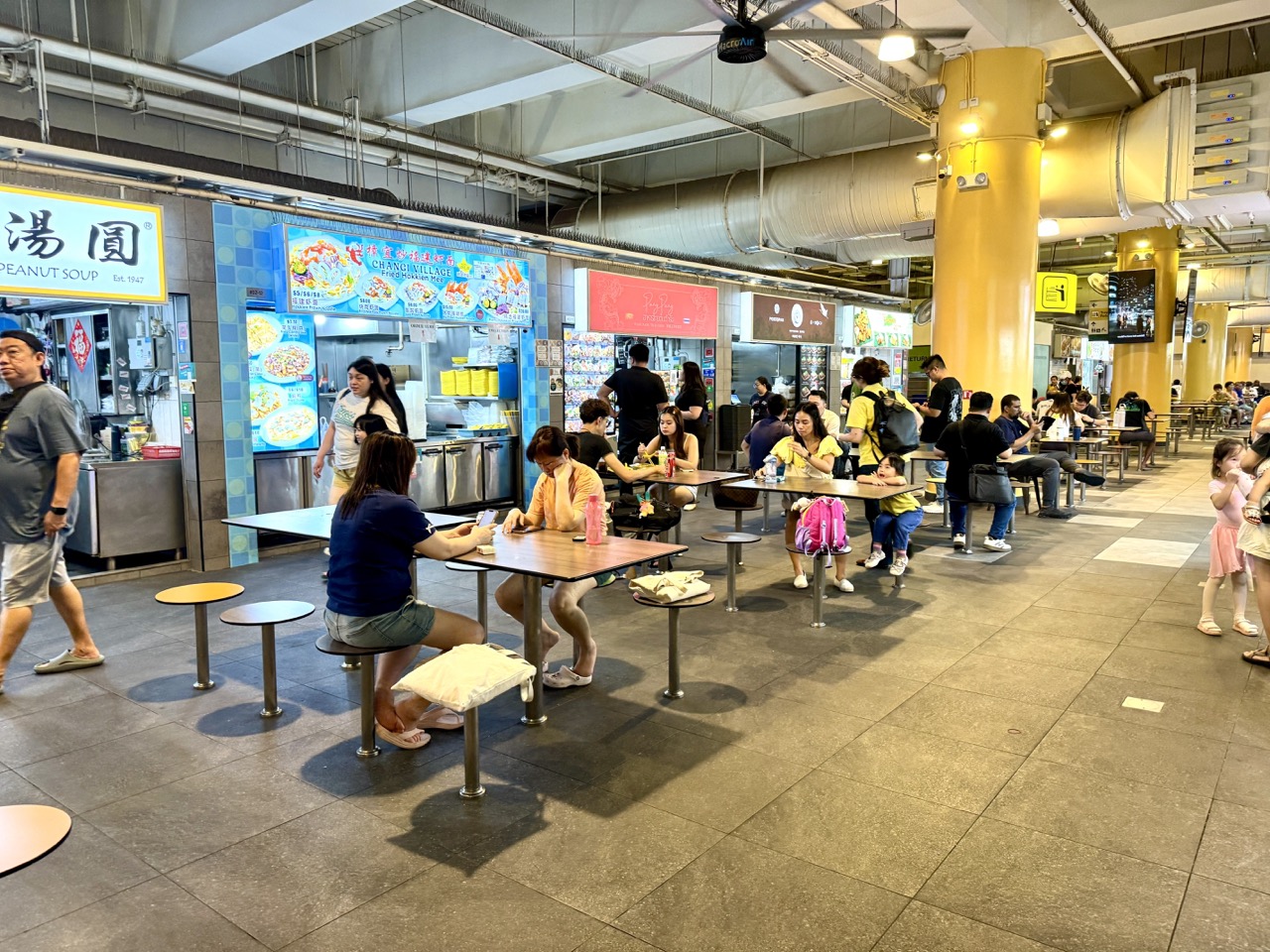
How do you get enough protein from plant foods when eating around Punggol? Make a recognisable protein source part of each main meal, not just a plate of vegetables and noodles. Tofu, taukwa, tempeh, beans, lentils, chickpeas, nuts and suitable soya milk are practical examples. Use Singapore’s My Healthy Plate as a starting pattern: vegetables and fruit, appropriate wholegrains and a quarter of the plate devoted to protein-rich food. A vegetarian meal can be balanced, affordable and familiar—but it needs planning, especially for people who exclude eggs and dairy.
This 2026 plant-based protein guide for Punggol families answers the daily questions: what plant protein actually is, how vegetarian and vegan choices differ, what to consider at a hawker centre, how to shop on a budget in neighbourhood groceries, why vitamin B12 matters, what food labels can and cannot tell you, how to plan school and work meals, and when to seek individual nutritional advice. It complements Vegetarian and Healthier Eating in Punggol, which identifies dining options, and Healthy Hawker and Grocery Choices, which covers general meal budgeting. This guide focuses on building the meal, not recommending a particular restaurant.
Plant-based eating in Punggol: quick information
| Question | Practical starting point | What to watch |
|---|---|---|
| What is plant protein? | Protein supplied by foods such as tofu, tempeh, beans, pulses, nuts and seeds. | Vegetables alone rarely replace a normal meal’s protein source. |
| Can vegetarians eat eggs or milk? | Some do; practices differ by individual dietary choice. | Do not assume every vegetarian is vegan or eats eggs. |
| What does vegan mean? | No animal-derived foods, including eggs, dairy and meat. | Vitamin B12 planning becomes especially important. |
| Is one meat-free noodle dish enough? | Not necessarily; add or select an actual protein-rich component. | A dish can be vegetarian but nutritionally unbalanced. |
| Can hawker meals work? | Yes, when suitable vegetable, grain and protein components are available. | Stall ingredients, broth and shared equipment may vary. |
| Are mock meats required? | No; traditional legumes and bean curd are useful. | Processed substitutes vary in sodium, fat and ingredients. |
| Is soy protein affordable? | Tofu and familiar pulses can be practical budget options. | Compare real pack sizes and edible portions. |
| Does protein planning solve all nutritional needs? | No. Iron, B12, calcium, zinc and other nutrients also matter. | Individuals with growth or medical needs may need tailored advice. |
| Can schoolchildren follow a plant-based diet? | Dietary patterns can be considered with age-appropriate nutritional support. | Avoid restrictive rules or self-prescribed supplements for a child. |
| What matters most? | Regular varied meals that are suitable, safe and sustainable. | Do not turn eating into body comparison or an internet challenge. |
1. ‘Vegetarian’ is not a complete nutrition label
The first Punggol food decision is naming what the household actually eats. A person who eats eggs but not meat may have different available protein sources from someone who eats dairy but not eggs. Someone who follows a vegan diet excludes all animal-derived foods and has distinct considerations, especially for vitamin B12. Some people are reducing meat without excluding it entirely. These choices deserve accurate language and respect rather than assumptions based on a menu icon.
HealthHub’s Vegetarian Diet guide notes that vegetarian diets can be well designed but require care to provide enough protein, energy and micronutrients. It specifically warns about B12 and iron deficiencies in poorly planned diets, particularly strict vegan patterns. The purpose of this article is to help identify ordinary food choices and questions, not judge an ethical or religious preference.
A good first step is looking at the most recent normal day of meals. Which meal contained a meaningful protein food? Was lunch mainly noodles with vegetables? Was breakfast just a drink? Was dinner substantial? A person can improve a routine by adding a sensible plant protein to one meal instead of replacing every family recipe overnight. That is often less expensive and less stressful than pursuing a fashionable restrictive plan.
Plant-based does not automatically mean healthier or cheaper. A sweetened drink, fried snack or heavily processed substitute can be plant-based and still offer a different nutritional profile from a home-cooked pulse dish. HealthHub’s balanced-diet guidance warns that food quality and variety still matter. Choose a way of eating that nourishes the person, rather than using the absence of meat as the only success measure.
2. The protein quarter: what to put there in a Singapore meal
My Healthy Plate provides a recognisable visual: about a quarter of the plate is an appropriate protein source, a quarter is wholegrains and half is fruit and vegetables. It is a broad public-health illustration, not a rigid weighing system. For a plant-based meal, the protein part can include tofu, taukwa, tempeh, beans or lentils. Eggs and dairy may contribute for those whose vegetarian pattern includes them.
HealthHub’s Vegetarian’s Guide to Eating Right gives a concrete illustration: roughly 150 g of tofu or a cup of cooked pulses can count as a plant-protein serving in its meal guidance. It discusses distributing sufficient protein across meals and snacks. That is more useful than expecting a small garnish of tofu puff to perform the work of a full protein component.
| Ordinary food | Where it can fit | Practical question |
|---|---|---|
| Plain tofu or taukwa | Rice with two vegetables and a bean-curd dish. | Is the portion substantial enough for the meal? |
| Tempeh | Rice bowl or home stir-fry. | Is it grilled, steamed, fried or covered in a rich sauce? |
| Cooked lentils or dhal | Chapati and vegetable meal. | Does the portion actually include enough pulses? |
| Chickpeas or other beans | Grain-and-vegetable bowl or side dish. | Check preparation and food storage. |
| Peanuts and seeds | Suitable snack or component of a varied meal. | Nut allergies, portion and fat content matter. |
| Less-sweetened fortified soy drink | Drink or meal complement. | Check protein, sugar, calcium and B12 label. |
| Eggs, yoghurt or dairy | For vegetarian patterns that include them. | Not an option for vegan households. |
| Mock meat | Optional substitute in familiar dishes. | Compare sodium, fat, ingredients and portion. |
A single tofu dish does not need to look like a Western protein shake to count. Singaporean foods already use soy, beans and lentils extensively. A common practical meal may be steamed rice, taukwa and vegetables; another may be chapati with dhal and a vegetable side. The basic idea is to include different food groups in sufficient quantities over the day, while respecting each household’s dietary and cultural preferences.
Some families ask whether every meal needs carefully matched amino acids. HealthHub offers examples of combining grains with legumes or nuts with grains as part of a balanced vegetarian pattern. Rather than treating this as a mathematical test at each mouthful, aim for adequate variety and meaningful protein-rich foods across the normal eating routine. Specialised requirements for athletes, children, pregnancy or medical conditions should be discussed with appropriately qualified dietitians or healthcare professionals.
3. How to order a plant-based meal without making a stall promise
One Punggol Hawker Centre, coffee shops around Punggol Plaza, Waterway Point food outlets and neighbourhood groceries give residents various possible ingredients and meal formats. But no general guide can guarantee that a particular stall’s broth, sauce or cooking equipment meets someone’s vegetarian, vegan or allergy requirements on any date. Ask the person preparing or selling the food for accurate ingredient information when that matters.
A reader could consider a vegetable rice meal with tofu, a suitable dal-and-chapati combination, vegetarian rice or a prepared noodle dish with an additional suitable bean-curd component. These are examples of possible meal structures, not claims that every Punggol stall sells them. If an ingredient is unknown, do not label the whole dish vegan based solely on how it looks. Some broths, sauces, fats or condiments may contain animal-derived ingredients.
For someone with a medically diagnosed food allergy, vegan and vegetarian symbols do not establish allergen safety. Soy, peanuts, sesame, wheat and other plant foods can also be allergens; food prepared on shared surfaces may pose cross-contact concerns. The site’s Food Allergy Safety in Punggol covers qualified ingredient enquiries and avoiding unsafe assumptions. Never advise a person with a serious allergy to ‘try a small amount’ to test safety.
An ordinary diner who just wants more legumes may not need a long conversation at every stall. They can simply look for available protein-rich components and decide what fits their preferences. A strict vegan household, on the other hand, may need to verify sauces, stock and other ingredients more carefully. The right degree of enquiry follows the dietary need, not a one-size-fits-all script.
4. Plant protein on a realistic Punggol grocery budget
The cheapest-looking packaged item is not necessarily the cheapest protein option. Compare a food’s usable quantity, whether you can finish it before spoilage, how much actual protein it contributes and how well it fits your normal cooking. Dry pulses can be economical when properly prepared, while chilled tofu is convenient but must be handled safely. Frozen vegetables can reduce waste, but they are not a replacement for a protein source.
A single-person household might buy small tofu packs and cook one or two portions, rather than purchasing a bulk carton that expires. A larger family may use lentils across two planned dishes if they can store and reheat leftovers safely. The Living Alone in Punggol guide discusses purchasing sensible quantities. Budgeting is a household system, not only the price of a single grocery item.
A family can maintain a short list of dependable meals: one rice-and-tofu combination, one dal-and-wholegrain combination, and one bean-based noodle or pasta option. These are meal frameworks, not a prescribed menu for every age or health condition. Vegetables, fruit and other nutrients still need consideration. People with insufficient food access should seek relevant assistance rather than being told that every household can solve nutrition by shopping more efficiently.
5. The important micronutrients beyond protein
| Nutrient | Why the conversation matters | Everyday planning question |
|---|---|---|
| Vitamin B12 | Naturally dependable food sources are mostly animal-derived, making strict vegan diets a concern. | Are reliable fortified foods or professional advice part of the plan? |
| Iron | A dietary source is needed, with plant iron absorption affected by meal context. | Are varied iron-containing foods included and needs assessed? |
| Calcium | Supports bone and other functions across ages. | Is the diet using suitable calcium-containing or fortified foods? |
| Zinc | Important for growth and general health. | Are legumes, wholegrains, nuts or other suitable sources present? |
| Omega-3 fats | Part of balanced fat intake. | Are appropriate plant sources discussed, especially for more restricted diets? |
| Energy overall | A plate of vegetables may not meet a growing child’s energy needs. | Is the person eating enough and growing or functioning well? |
| Protein | Supports normal body processes and growth. | Is there a meaningful protein source, not just a food label? |
HealthHub specifically notes that meat-free diets can fall short of iron, calcium, zinc and B12 when poorly planned. It highlights fortified foods and appropriate soy or other alternatives. For a person excluding eggs and dairy completely, vitamin B12 requires particular planning. Do not suggest that eating an enormous quantity of spinach or an unspecified algae product reliably solves the issue. Ask a registered dietitian or qualified clinician for individual advice about fortified sources and supplementation.
Young children, pregnant people and people with certain medical conditions need additional care because nutrient requirements and risks differ. A public blog cannot calculate a safe individual diet from age alone. Parents should avoid placing a child on a restrictive diet as an experiment, and should not initiate high-dose supplements without appropriate guidance. The practical role of this article is to explain the relevant questions to raise, not prescribe personalised intake.
A person who feels unusually tired should not immediately self-diagnose iron or B12 deficiency, nor assume a vegan diet is necessarily the cause. There are many possible reasons for fatigue. Seek suitable assessment when symptoms persist or are concerning. An evidence-based food guide recognises the limits of observation and avoids turning a menu decision into a medical conclusion.
6. Does mock meat make a meal complete?
Mock meats can help a household adapt a familiar dish. A meat-free burger patty or soy-based nugget may be convenient when cooking for children or sharing meals with friends. But labels differ substantially. Some products may contain substantial protein and others may have little. Sodium, fat, sugar, ingredients, allergens and serving sizes vary. ‘Plant-based’ is a description of the ingredient category, not a blanket Healthier Choice approval.
Compare a packaged food’s nutrition panel on the quantity you actually eat. If one pack lists nutrients per 100 g and another uses a serving smaller than the amount you consume, calculate consistently. This is a useful school Mathematics and everyday consumer skill. But avoid treating every meal as a competition for maximum grams of protein: variety, taste, safety and the person’s overall nutritional needs matter too.
Some mock products include wheat gluten, soy, egg or dairy, depending on formulation. A vegetarian product may not be vegan, and neither automatically avoids allergens. Check labels and responsible provider information. A home recipe based on ordinary tofu or beans may meet the same household purpose with a more familiar ingredient list, but individual preference and convenience still count.
7. A five-day meal structure, not a rigid diet chart
| Day | Breakfast or morning option | Lunch idea | Dinner idea |
|---|---|---|---|
| Monday | Wholegrain toast with suitable nut spread, fruit. | Rice, tofu and mixed vegetables. | Lentil dhal, chapati and vegetables. |
| Tuesday | Oats and an appropriate fortified soy drink. | Suitable vegetarian grain bowl with beans. | Tempeh, rice and leafy greens. |
| Wednesday | Wholegrain bread with an optional egg or vegan alternative. | Vegetarian noodles with substantial tofu. | Chickpea stew and wholegrain accompaniment. |
| Thursday | Oats, fruit and an appropriate protein complement. | Rice with taukwa and vegetables. | Mixed pulses, rice and seasonal vegetables. |
| Friday | Flexible culturally familiar plant-protein breakfast. | Suitable hawker meal with a verified protein component. | Home stir-fry with tofu, vegetables and wholegrains. |
This table demonstrates variety; it is not a calculated nutritionally complete menu, especially for children, pregnancy or strict vegan households. Portion requirements, B12 sources and individual food restrictions must be assessed properly. A family may use familiar Indian, Chinese, Malay or other meals instead of copying this exact week. Eating well should be compatible with cultural identity and household finances.
The table also assumes food is available and safely stored. If someone buys tofu on the way home but leaves it in a warm bag for hours before cooking, the food-safety issue is separate from protein content. The Singapore Food Agency’s food safety guidance explains cold storage, contamination prevention and thoroughly cooking or reheating foods where required. A healthy meal is not one whose handling has created avoidable illness risk.
8. Packed lunches and school-day constraints
A Punggol student may eat breakfast early, rush through a short recess and return home after CCA. There may be little time or appetite for a carefully plated meal at midday. Parents can plan simple adequate meals rather than blame the child. If the canteen offers a vegetarian meal, check whether it contains a useful protein component and whether the student actually has enough time to eat. Availability on a menu is not the same as access during a real school break.
The site’s School Canteens and Campus Food in Punggol covers practical education journeys. eduKateSG’s School Meals, Nutrition Access and Food Safety distinguishes nutrition, hygiene and the time needed to obtain a meal. For a student with allergies or dietary commitments, the school and food-service provider should be informed through appropriate channels, without requiring the child to negotiate uncertain ingredients alone.
For an office worker at Punggol Coast or an SIT student, the same issue appears differently: meetings or labs may crowd out lunch. A suitable bean-based food choice that can be accessed and eaten within the available break is more useful than an elaborate recipe requiring equipment the person does not have. Help the person build one repeatable option rather than inventing a menu they cannot use.
9. Three realistic household decisions
A vegetarian working adult whose lunch is noodles and vegetables
The adult notices they are often hungry soon after lunch. Their meal may contain vegetables and grains but relatively little obvious protein. They explore a suitable noodle option with tofu or another bean-based ingredient, and consider overall meal size and other food groups. The change is small and practical. The article cannot infer from hunger alone that there is a protein deficiency; that requires more information. The useful habit is checking the meal’s components rather than judging it by the vegetarian label.
A vegan family shopping near Punggol Plaza
The household excludes all animal products and wants to plan school and work meals. They list familiar tofu, lentils, beans and wholegrains, then check whether reliable B12-fortified foods and other nutrient sources are present. They seek qualified nutrition advice for growing children rather than assuming that adult internet advice applies to them. They plan portions around actual household needs and use grocery labels to verify ingredients rather than relying on a green-looking package.
A student athlete wondering whether plant foods support activity
A teenager involved in CCA hears that only meat can provide useful protein. In fact, appropriate plant-based sources exist, and HealthHub recognises them. But an athlete’s overall energy, meal timing, variety and specific needs still matter; a teen should not use a generic protein target from social media. The family can work with suitable professional guidance and the school or sports staff. The Healthy Teenage Life in Punggol guide puts training alongside food and rest.
10. Three misleading claims to leave out of the kitchen
‘Plant-based means healthy.’ Not automatically. A highly sweetened drink or fried snack can meet a plant-based ingredient description while contributing little to a balanced meal. Read the label and consider how often it replaces appropriate food. ‘One protein superfood solves everything.’ It does not. The diet still needs variety and sufficient energy, including vitamins and minerals. ‘Everyone should count protein grams constantly.’ Not necessarily. An ordinary healthy eater can often benefit from regular balanced meals rather than obsessive tracking, while particular clinical or sports needs require individual advice.
These claims are important because food decisions can become emotionally loaded for families. Parents may worry about a vegetarian child’s growth; a teen may feel judged by body shape; an adult may feel that not buying supplements means failing at healthy living. Keep the practical question in view: What does the person actually eat, what food groups are present and is there a qualified reason for concern? Respect enjoyment and cultural foods.
11. A four-week plant-food literacy experiment
| Week | What to notice | A useful action | What not to do |
|---|---|---|---|
| 1 | Which meals have a real protein component? | Look at three normal days without judgement. | Do not shame anyone for their food. |
| 2 | Which affordable plant sources are enjoyable? | Try one suitable tofu, pulse or bean-based dish. | Do not buy costly supplements by impulse. |
| 3 | Are important nutrients and labels understood? | Review HealthHub sources and ask qualified questions. | Do not diagnose deficiency from a blog. |
| 4 | Can the plan work during school and work? | Keep repeatable meals and adjust food storage. | Do not force a rigid online meal chart. |
A good result is having two or three reliable meals that the household likes and can afford, plus a clear understanding of any nutritional question that needs professional attention. A teenager’s success is not reducing a particular number on a scale. A parent’s success is not persuading everyone to adopt one ideology. The plan should support adequate nourishing meals with informed choice.
12. A practical label-reading exercise for students and adults
Imagine two hypothetical plant-based products. Product A’s label shows 12 g protein per 100 g and a serving of 150 g; that is 18 g protein per described serving. Product B lists 10 g per 100 g and the person eats 80 g; that gives 8 g. The arithmetic is straightforward multiplication, but the nutritional comparison still requires looking at total meal size, energy, sodium, fat, allergens and other nutrients. A single number never certifies a product as the healthier choice.
This kind of label reading connects nutrition with Mathematics and scientific reasoning. One claim must be examined in the units in which it is stated. A product with an impressive number printed on the front may use a different portion size from another product. A child can learn to read ingredient lists and serving descriptions with age-appropriate adult support, without making public comparisons of classmates’ diets.
If there are medically documented food restrictions, the label-reading task must be handled with suitable professional safeguards. An allergy question is not a classroom taste experiment. Ingredient and cross-contact information must be verified through the relevant food provider and caregiver or healthcare route. The strongest food literacy includes recognising when a confident answer requires more than arithmetic.
13. When convenience, budget and nutrients pull in different directions
A Punggol working adult may have money for a prepared meal but little time to cook; another household may have cooking time but a tighter grocery budget. A simple homemade dhal can be economical but requires preparation. A chilled tofu dish can be convenient but perishable. A shelf-stable pulse product may keep longer yet contain added salt. There is no universal cheapest or best item independent of actual quantities and needs.
Consider food waste. Buying a large amount of fresh bean curd for a single-person household may look cheaper per pack but become more expensive when part spoils. Buying only the amount that can be used safely may reduce the real bill. Leftovers should be handled according to SFA guidance, and perishable food should not be left warm for prolonged periods. Nutrition and safe storage must be solved together.
For a family returning after school activities, a planned protein source can reduce reliance on last-minute snacks. It does not need to be complicated: an appropriate tofu dish, a lentil component or a safe bean-based food can form part of the meal. Allow flexibility when the normal hawker stall is unavailable. A family routine is resilient when it has a sensible backup rather than expecting perfect conditions.
14. Frequently asked questions about plant protein in Punggol
Can vegetarians get enough protein without meat?
Yes, with appropriately planned and sufficient plant sources such as tofu, legumes, lentils, beans, nuts and seeds.
Is vegan the same as vegetarian?
Vegan excludes animal-derived foods, while vegetarian practices may include eggs or dairy.
Are tofu and taukwa good protein foods?
HealthHub identifies bean curd and other soy foods among useful plant protein options.
What is tempeh?
A soy-based fermented food that can serve as a protein component in an appropriately balanced meal.
Do rice and vegetables provide all the protein I need?
Not automatically; make room for a meaningful protein source and overall adequate food.
Is a vegetarian hawker dish always vegan?
No. Check broth, eggs, dairy, sauce and other ingredients when those distinctions matter.
Does a plant-based label mean the dish is allergy-safe?
No. Plant foods such as soy or peanuts can be allergens and cross-contact can occur.
Do vegans need to think about vitamin B12?
Yes, because reliable B12 provision can be difficult without animal foods; seek qualified advice about suitable fortified sources or supplements.
Is a vegan diet appropriate for a growing child?
It requires careful age-appropriate planning and qualified advice; do not rely on an adult internet meal chart.
Are mock meats essential?
No. Traditional soy, pulses and other suitable foods can provide protein without mock meat.
Can I just choose the highest protein number on a label?
No. Serving size, sodium, fat, allergens, energy and overall diet still matter.
Is plant protein automatically cheaper?
No. Compare usable quantities, preparation, storage and actual price.
Can a Punggol hawker centre offer plant protein?
Potential meal options vary by stall and date; verify the actual ingredients and availability.
How much tofu should I eat?
HealthHub gives an illustrative serving of about 150 g, but individual dietary requirements vary.
Will vegetarian eating guarantee weight loss?
No. HealthHub warns that overall food balance and choices matter, not just whether meat is omitted.
How should a teenage athlete plan?
Use adequate varied meals and seek qualified individual advice where growth and training needs are significant.
What if I feel tired all the time?
Do not self-diagnose a nutrient deficiency; discuss persistent or concerning symptoms with a healthcare professional.
Can legumes replace vegetables?
No. They serve different nutritional roles; balanced meals include multiple food groups.
Should we buy protein powders?
They are not automatically necessary; individual needs and suitability should be assessed before purchase.
What is one realistic first step?
Make one usual lunch or dinner contain a suitable meaningful plant-protein component and review overall balance.
Continue through eduKate’s Punggol food and education ecosystem
- Life in Punggol — Master Guide
- Vegetarian and Healthier Eating Venues in Punggol
- Healthy Hawker and Grocery Choices
- Food Allergy Safety in Punggol
- Food Labels and Healthier Choices
- Living Alone in Punggol
- Punggol School Canteens, Recess and Campus Food
- SIT Punggol Students’ Wellness
- eduKateSG — School Meals, Nutrition and Access
- eduKateSG — Clementi First-Principles Learning Standard
Authoritative nutrition and safety references
- HealthHub — Vegetarian Diet and Protein Planning
- HealthHub — Vegetarian’s Guide to Eating Right
- HealthHub — Balanced Vegetarian Nutrition and B12
- HealthHub — Balanced Diet and Budget-Friendly Plant Protein
- HealthHub — My Healthy Plate
- SFA — Safe Food Handling
- SFA — Food Labelling and Leftover Guidance
Editorial review: 23 October 2026. This is general nutrition literacy, not an individual meal plan, diagnosis, allergy clearance or supplement prescription. The examples are illustrative and not verified menus or current stock at individual Punggol stalls. Children’s needs, strict vegan diets, medical restrictions, pregnancy and significant sport demands warrant qualified professional advice.


