
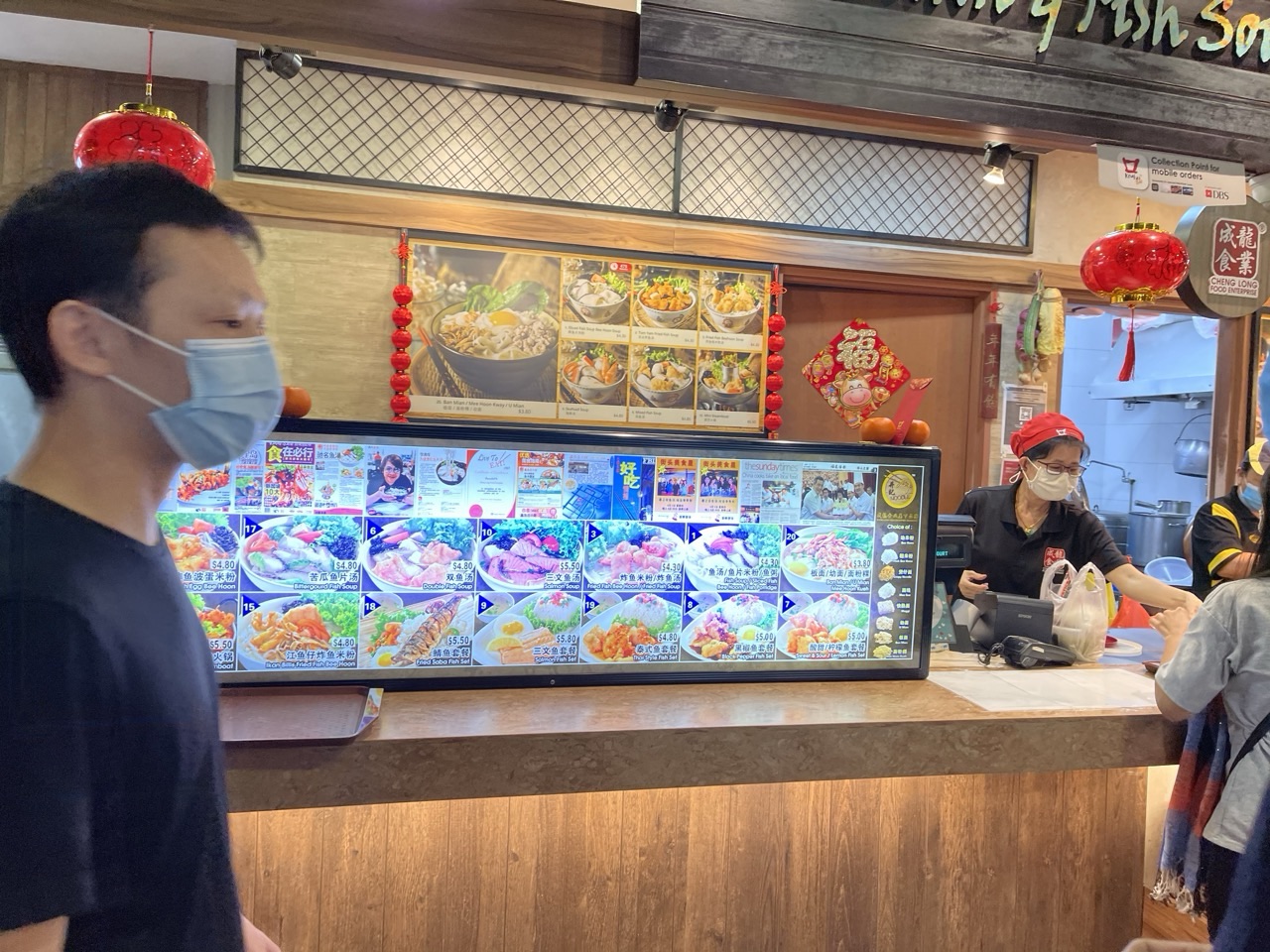
The top 10 things to do in Punggol for Food Science students are to investigate Singapore’s 2026 SAFE grades at a real food outlet, decode prepacked-food labels, learn allergen declarations, check refrigeration conditions, model safe hot and cold food holding, understand raw-to-ready food cross-contamination, carry out a harmless sensory comparison, keep a private food-waste log, study beverage-container packaging and Return Right, and read SIT Punggol’s Food Technology degree pathway. These activities turn normal meals into careful food-systems learning without creating safety hazards.
Best first learning activity: use SFA’s 2026 label guidance to examine one sealed food package already at home, or check an outlet’s authentic SAFE grade using SFA’s official licensing information. A second easy activity is reviewing the fridge against SFA’s published food-storage guidance. No one needs to taste questionable products, culture bacteria, leave food at unsafe temperatures or enter commercial kitchens.
This October 2026 Punggol guide connects microbiology, chemistry, processing, hygiene, consumer information, food waste and degree-level food engineering. Published grades, actual observations and fictional teaching data are kept separate. Every worked example identifies its assumptions, and important public-health claims refer to Singapore Food Agency or other appropriate official sources.
Food Science asks more than whether a meal tastes good
- Food formulation: what ingredients and physical properties produce the intended item?
- Food safety: how are hazards controlled through storage, handling, processing and monitoring?
- Information: what can the ingredient list, allergen declaration and nutrition panel actually establish?
- Consumer response: how are taste, texture and preference measured without bias or pressure?
- Food sustainability: how do packaging, food waste and material recovery affect the wider system?
- Careers: how do specialist food scientists and technologists validate industrial products beyond safe home experiments?
The first rule is not to create a food safety risk to get a result
A student does not have to intentionally allow bacteria to grow, leave cooked food warm for hours or taste a questionable meal to understand food microbiology. The key scientific reasoning can be learned from SFA’s published evidence, approved thermometer use and a paper process model. The human consequences of a foodborne illness outweigh the value of a dramatic classroom demonstration.
Similarly, a label can be studied while a package remains sealed; a texture can be described using safe familiar products; an industrial process can be represented through a flowchart. Where actual consumable products are involved, follow hygiene, allergy and storage rules. Treat the individual needs of a participant as more important than producing a complete sensory dataset.
Ten Punggol Food Science activities
1. Check the SAFE food-safety grading system through a real Punggol food outlet
Where: One Punggol Hawker Centre on Level 2 or an SFA-licensed food establishment in Punggol.
Why it matters in food science
SFA’s Safety Assurance for Food Establishments framework replaced the earlier snapshot grading approach from January 2026. Grade A, B, C and NEW reflect track-record categories and scheme conditions; a newly licensed premises begins as NEW rather than being automatically treated as poor. A food-science learner should distinguish safety regulation from aesthetic impressions, celebrity ratings or a crowded dining area.
Safe activity procedure
Read SFA’s SAFE overview and its current track-record checking tool. If visiting an operating hawker outlet, look for the genuine displayed SFA licence and follow its QR code without disturbing food preparation. Record only public information such as establishment identity, category and the grade currently displayed. Compare what the public grade means with what it does not mean: it is not proof of the exact microbiological condition of a particular dish at a particular moment. Never claim an outlet’s grade without checking its current genuine record.
Worked example and first reasoning correction
An invented comparison uses Shop A with Grade B and Shop B shown as NEW. A student wrongly concludes that the new shop failed a safety inspection. SFA’s scheme says NEW applies to establishments operating for less than a year under the relevant conditions. The correct interpretation is that track-record duration and major lapses matter; a consumer can check the licence and practise informed decision-making without inventing a safety breach.
A deeper project
Create a flowchart separating licence, establishment category, length of track record and grade. Explore why inspections and systematic processes can matter even if customers see only the front counter. Ask which steps require professionals with suitable food-hygiene training and which observations are available to consumers.
Safety, labelling and access limits
Do not enter stall kitchens, swab surfaces, question staff intrusively or publish speculative allegations. A grade can change; use the live SFA database and a dated note before sharing a factual claim.
Official source: Check the SAFE food-safety grading system through a real Punggol food outlet. Verify the latest rules and site arrangements.
2. Read a prepacked-food ingredient list as evidence of formulation
Where: A currently open Punggol supermarket or food retailer, observing sealed products.
Why it matters in food science
SFA’s 2026 labelling requirements include product identification, ingredient declarations, net quantity and other required information. Ingredients in prepacked food are generally listed in descending order by the proportions in which they are used. Food science students can use that structure to ask why water, fats, carbohydrates, stabilisers and flavour compounds appear in a formulation. An ingredient list is useful evidence but does not provide exact percentages for every component.
Safe activity procedure
Choose two comparable prepacked products on a public shelf and record their ingredient order, declared allergens, net quantity and storage instructions. Keep the packaging sealed and do not handle items excessively. Distinguish the manufacturing composition from the nutrition panel, which reports energy or nutrients using separate serving or per-100g units. If the family has a relevant allergy, rely on the actual label and appropriate professional guidance rather than an educational guess.
Worked example and first reasoning correction
A fictional biscuit lists wheat flour, sugar, oil and cocoa in that order. This supports an ordering conclusion under the relevant labelling rules; it does not justify writing ‘the biscuit contains exactly 40% flour’. A learner who divides 100 by four to assign each ingredient 25% has ignored both the ingredient-order rule and unlisted mass proportions. The correct next question is which quantitative claims the nutrition panel actually provides.
A deeper project
Compare whether two packages measure net content in grams, millilitres or another allowed form. Compute a clearly fictional per-100g figure from a given package panel, being careful not to confuse package mass and edible net quantity. The lesson is about reading the information supplied, not interpreting a brand’s marketing as a laboratory result.
Safety, labelling and access limits
Do not open or taste sample products, especially when allergens are involved. Avoid photographing shoppers and respect retailer rules. Current SFA requirements, including amendments effective in 2026, supersede outdated blog screenshots.
Official source: Read a prepacked-food ingredient list as evidence of formulation. Verify the latest rules and site arrangements.
3. Understand allergens without exposing anyone to a test food
Where: At home with SFA’s declared-allergen guidance and clean packaging.
Why it matters in food science
SFA requires declaration of ingredients known to cause hypersensitivity in prepacked food and publishes detailed examples. Food allergy is not an acceptable area for a casual challenge: even small amounts may be serious for susceptible individuals. A food-science exercise can explore labelling, risk assessment and cross-contact without eating a questionable food or asking a classmate to prove a reaction.
Safe activity procedure
Use SFA’s food allergy page and a fictional product label. Identify where an allergen should be declared and how an ingredient may appear under a technical name. Ask whether a manufacturing or serving environment could create cross-contact risks not obvious from the front branding. For actual purchases, read the genuine full label and seek suitable professional advice; do not assume absence of a bold front claim establishes absence of a hazard.
Worked example and first reasoning correction
A student sees a fictional front label saying ‘nut-free style snack’ and assumes the product is safe for every allergy. The ingredient list and conditions have not been checked. A corrected response says to inspect the required allergen declaration and manufacturer information for the specific consumer’s known allergy, and avoid any experiment involving ingestion. Safety is a decision process, not a taste-test contest.
A deeper project
Compare a hypothetical fully declared allergen with a recall caused by undeclared sulphur dioxide in a published SFA announcement. Explain how food safety systems depend on verified ingredient records, packaging controls and swift traceability. Do not turn a real old recall into a claim that the product is still on sale or currently under recall without checking status.
Safety, labelling and access limits
Never serve suspected allergens to classmates, children or visitors. Do not ask someone with a food allergy to act as a demonstration subject; medical concerns require professional advice.
Official source: Understand allergens without exposing anyone to a test food. Verify the latest rules and site arrangements.
4. Measure refrigerator conditions instead of guessing from cold-looking food
Where: A household refrigerator in Punggol, managed by an adult.
Why it matters in food science
SFA advises keeping refrigerators and chillers at 4°C or below and freezers at −18°C or below. It describes 5°C–60°C as the temperature danger zone where many foodborne bacteria grow readily. A fridge setting knob or a cold-feeling container is not an adequate measurement of actual temperature. This lesson connects microbiology, measurement and safe domestic food storage.
Safe activity procedure
With adult supervision, read SFA’s refrigeration guidance and the appliance manual. Use an appropriate food-safe fridge thermometer if available, following its instructions for placement and stable reading. Record the displayed time and temperature without holding the door open for a long period. Review whether air can circulate, and whether foods have been packed or stored as their labels require. Avoid turning the thermostat repeatedly to create a dramatic temperature graph.
Worked example and first reasoning correction
An illustrative thermometer log shows 3°C at one time and 5°C after the door has been opened frequently. The student should not claim that every food item was at exactly those temperatures; the readings describe the thermometer’s location under its stated conditions. The correct practical action is to consult the appliance’s guidance and ensure proper food-safe operation, not leave cooked food out to compare bacterial growth.
A deeper project
Construct a small table of intended storage, measured air location, observation time and limitation. Ask how different shelves, door seals and overcrowding could influence measurements. A qualified professional would investigate a persistent malfunction; a student should not adjust wiring or refrigeration components.
Safety, labelling and access limits
Do not leave perishable food warm for experimental comparison or disable refrigeration. Maintain normal safe household food practices at all times.
Official source: Measure refrigerator conditions instead of guessing from cold-looking food. Verify the latest rules and site arrangements.
5. Learn why chilled food and hot food need controlled holding
Where: Home kitchen training with SFA’s temperature-control resources, no intentional temperature abuse.
Why it matters in food science
SFA’s food safety materials distinguish safe chilled storage, hot holding above 60°C and a broad 5°C–60°C danger zone that enables the growth of many foodborne microorganisms. Temperature control is a real food engineering task in catering, transport and households. A theoretical exercise can teach time, temperature and risk without incubating bacteria or trying to see how quickly a dish spoils.
Safe activity procedure
Read SFA’s temperature-control page. Draw a temperature scale with relevant guidance and annotate the purpose of chilling, hot holding and prompt cooling. Use only fictional time-temperature records to practise interpreting a cooling curve. In real food preparation, follow SFA’s guidance for prompt cooling, safe storage and proper reheating. Do not use a classroom calculation to overrule food-safety instructions for an actual meal.
Worked example and first reasoning correction
A fictitious cooked food item is said to cool from 70°C to 30°C in a simplified worksheet, but no actual meal has been left to cool for the project. A student labels 30°C as within SFA’s danger zone and explains why safe storage actions would be necessary in real life. The exercise must not turn into a challenge to leave lunch unrefrigerated or compare microbial growth by tasting it later.
A deeper project
Compare an idealised temperature graph to a real food safety plan that includes packaging thickness, batch size, shallow containers and suitable refrigeration. Ask why a temperature reading alone may not reveal contamination that occurred before heating, such as a toxin or spore risk. SFA’s scientific explanations are important because simplistic ‘heat kills everything’ statements can mislead.
Safety, labelling and access limits
Do not deliberately cultivate pathogens, leave cooked rice or meat at unsafe temperatures or test food for spoilage by eating it. Follow professional and official food safety instructions.
Official source: Learn why chilled food and hot food need controlled holding. Verify the latest rules and site arrangements.
6. Practise preventing raw-to-ready-to-eat cross-contamination
Where: A supervised clean home food-preparation area, using paper cards rather than raw meat as an experiment.
Why it matters in food science
SFA warns that raw meat juices and contaminated utensils can transfer harmful microorganisms to foods that will not undergo further cooking. This is a system failure that may not be visible in the food. Food scientists study barriers such as separation, hygiene procedures, cleaning and storage positions. The safe teaching method is to model the route of contamination without placing actual raw foods or organisms in a classroom exercise.
Safe activity procedure
Draw a fridge with shelves on paper and place fictional cards for raw poultry, cooked food and ready-to-eat salad. Use SFA’s instructions to put sealed raw items where leaks cannot drip onto ready-to-eat food. Draw separate preparation equipment and handwashing points. Ask which transfer routes could cause contamination and what preventive action breaks each route. In an actual kitchen, follow the manufacturer’s appliance and SFA handling instructions and clean surfaces appropriately.
Worked example and first reasoning correction
A student places a raw-poultry card above a ready-to-eat sandwich card in their fridge diagram. They initially say the sandwich is safe because everything is cold. The corrected model places raw products safely separated and contained, because refrigeration does not remove the risk of leaked juices. Their answer explains the hazard path, not merely repeats a rule.
A deeper project
Design a checklist showing raw receiving, safe storage, preparation, cleaning and serving. Compare how a single kitchen worker handling both raw and cooked ingredients could cause cross-contact unless equipment and handwashing practices are controlled. This is systems thinking applied to food hygiene.
Safety, labelling and access limits
Do not handle raw poultry as a school demonstration for children or deliberately contaminate utensils. Follow actual SFA instructions for real foods.
Official source: Practise preventing raw-to-ready-to-eat cross-contamination. Verify the latest rules and site arrangements.
7. Build a harmless sensory comparison while controlling bias
Where: An appropriate home table with familiar, permitted and allergen-safe foods only.
Why it matters in food science
Food science includes sensory evaluation: people respond to appearance, texture, aroma and taste, but a scientifically meaningful comparison must consider participant preference, serving order and expectation effects. It is possible to practise describing appearance and texture without blindfolding anyone or using unknown ingredients. Consumer acceptance of a prototype is not determined by one enthusiastic classmate’s comment.
Safe activity procedure
Choose two safe familiar products that participants can consume if they wish, with all ingredients and allergies known. A non-ingestion version can compare visual texture and packaging only. Develop an observation form with clear words such as smooth, crisp, chewy or granular. Keep the product condition similar and ask for voluntary individual ratings. Present results as those participants’ preferences, not as an objective proof that one food is universally superior.
Worked example and first reasoning correction
Four willing family members give a fictional snack a texture score of 3, 4, 4 and 5 on a clearly defined five-point scale. The sample mean is 4, but the sample is small and self-selected. A student who writes ‘80% of Punggol residents love this snack’ has invented a population claim. The correct interpretation reports the four ratings and the study’s limitations.
A deeper project
Consider whether showing a package’s premium branding changes expectations. Design two paper questionnaires: one asks ‘Did you like it?’ and another asks for a specific texture rating without leading language. Explain why voluntary consent and clear instructions matter in consumer research.
Safety, labelling and access limits
No allergen exposure, forced tasting or deliberate spoiled-food tests. Families with food restrictions can use non-contact texture photographs or an entirely fictional dataset.
Official source: Build a harmless sensory comparison while controlling bias. Verify the latest rules and site arrangements.
8. Measure food waste with a private household meal-planning log
Where: One Punggol Hawker Centre for ordinary meals and a voluntary private home food log.
Why it matters in food science
NEA identifies prevention at the source as the preferred food-waste strategy and advises against avoidable overbuying, over-ordering and overcooking. Food technology includes processing efficiency and resource use, not just the taste of a dish. A small family can document its own meal-planning decisions without taking pictures of strangers’ plates or presenting one household as representative of Punggol.
Safe activity procedure
Create a two-column log for meals planned and meals actually eaten. If weighing safe household scraps, use appropriate dedicated equipment and keep hygiene practices intact; otherwise record a qualitative reason for avoidable leftovers. Compare portions over a few days and ask how shopping frequency, storage and family appetite influence waste. Keep the figures private and avoid blame. Separate edible food waste from unavoidable inedible trimmings if you choose to analyse both.
Worked example and first reasoning correction
A fictional weekly log has edible leftovers of 200g, 100g and 150g on three days, giving a total of 450g from the recorded meals. It does not show the percentage of all household waste unless total relevant mass was also measured. A learner’s stronger insight might be that portions for one dish were consistently larger than needed, suggesting a practical planning adjustment.
A deeper project
Develop a small food-inventory system that uses existing items first and respects expiry and storage rules. Ask whether eliminating one purchase reduces waste more reliably than finding a way to process its leftover packaging. Avoid turning a food-waste project into an unsafe leftovers-storage experiment.
Safety, labelling and access limits
Do not keep food beyond safe storage guidelines to finish a spreadsheet goal. Privacy and adequate nutrition take priority over low waste totals.
Official source: Measure food waste with a private household meal-planning log. Verify the latest rules and site arrangements.
9. Analyse food packaging and the 10-cent Return Right system
Where: Existing clean prepacked beverage containers at home and an authorised operating return point.
Why it matters in food science
Food packaging has to protect contents and supply useful information. Singapore’s Beverage Container Return Scheme, implemented from April 2026, uses refundable deposits on prescribed plastic and metal beverage containers, with deposit-mark rules relevant from October 2026. Food science can link material choice, packaging integrity, recycling and consumer behaviour without claiming every beverage wrapper is covered.
Safe activity procedure
Read the actual Return Right rules and inspect one eligible empty drink container you already have. Note its material, size, barcode and deposit mark. Check the live return-point locator before travel, and do not purchase beverages merely to obtain deposits. Create a table separating scheme eligibility, general recyclability, food-contact suitability and practical collection conditions. These are different attributes that need different evidence.
Worked example and first reasoning correction
An ordinary plastic drinking cup, a glass bottle and a sealed marked aluminium drink can may all hold beverages, but scheme eligibility differs. A student who assumes three items mean 30 cents has not checked the rules. A single eligible marked container with a paid 10-cent deposit may be refundable under the current scheme; it is a deposit return, not a profit.
A deeper project
Compare how multilayer packaging may enhance food protection while making material separation more difficult. Discuss which environmental comparisons require full life-cycle data, not just the number of containers returned. The ability to separate preservation, safety and recycling questions is an important food-technology skill.
Safety, labelling and access limits
Do not melt or burn plastics, open sealed products for classroom tests or leave rejected containers at machines. Use official eligibility instructions, not guesses about symbols.
Official source: Analyse food packaging and the 10-cent Return Right system. Verify the latest rules and site arrangements.
10. Learn what SIT’s Food Technology degree actually teaches in Punggol
Where: Singapore Institute of Technology Punggol Campus, 1 Punggol Coast Road; programme information and public access only.
Why it matters in food science
SIT’s Bachelor of Food Technology with Honours is a four-year 240-credit programme at the Punggol Campus integrating food science, engineering, design and business principles. It describes laboratory sessions and industrial-standard processing equipment for enrolled learners, not public open-entry experiments. This is a valuable connection between an ordinary Punggol food label and how specialists develop, process and validate foods across an industrial supply chain.
Safe activity procedure
Read SIT’s current programme page and group its stated areas into food science, process engineering, design and enterprise. Choose one harmless consumer question—how a texture is controlled, how spoilage is prevented or how packaging protects a product. Sketch what a food technologist would need to investigate: product specification, raw materials, process, sensory evaluation, microbial safety and quality assurance. Arrange any actual campus visit only through an authorised public event or programme.
Worked example and first reasoning correction
A Secondary student wants to create a shelf-stable snack and assumes that drying a homemade sample once is enough for commercial safety. The programme description demonstrates why food processing also needs controlled formulations, validated equipment and quality systems. The student’s correct school output is a product-development flowchart, not a promise that their homemade food is safe for retail sale.
A deeper project
Compare SIT’s Food Technology pathway with a nutrition or dietetics degree, which addresses different professional questions. A food technologist may focus on production properties and safety systems; a dietitian’s professional practice has different clinical and public-health requirements. Students should follow official admissions details rather than an old intake calendar.
Safety, labelling and access limits
Campus laboratories, pilot plants, engineering rooms and teaching facilities are not public walk-in tourist attractions. No student should handle industrial equipment or produce food for sale without proper authorisation and regulatory compliance.
Official source: Learn what SIT’s Food Technology degree actually teaches in Punggol. Verify the latest rules and site arrangements.
A food product’s journey from an idea to a safe meal
Begin with a customer need, then define ingredients, relevant hazards, processing conditions and intended storage. A food scientist may need a validated recipe and a consistent production process, while a consumer needs accurate packaging and handling instructions. A family should not assume that a homemade snack kept edible for two days proves that a commercial product is safe to sell for months.
SIT’s Food Technology curriculum illustrates that professional food technology integrates scientific principles with engineering and product design. A school-level workflow can identify the questions an expert would have to solve: Does the processing consistently reach its specifications? Are allergens controlled? Can suitable packaging protect the item throughout distribution? What microbial tests or records are required? How would a consumer understand the label?
A food-safety grade for a licensed premises is one part of the public regulatory system, but it is not the same as the safety of a specific food in a household refrigerator. A full system includes sourcing, temperatures, handling, hygiene, staff competence, shelf-life and an appropriate response to deviations. This explains why Food Science is larger than memorising kitchen rules.
Three sensible Food Science learning sessions
A label and allergen research afternoon
Use SFA’s current rules and a sealed clean product at home. Identify the ingredient order, net content and any applicable allergen information. Do not eat it as part of the experiment. Ask which quantitative details a label provides and which remain unknown, then write a short consumer information summary. For older students, examine the regulatory source rather than copying a social media infographic.
A temperature and safe-storage check
Read SFA’s storage guidance and check whether the household refrigerator is being used according to its instruction manual. If an appropriate thermometer is available, an adult can record a non-disruptive air temperature without deliberately warming food. Draw a diagram showing how raw products should be separated from ready-to-eat foods and explain why both temperature control and contamination prevention are needed.
A Punggol food systems study
At One Punggol Hawker Centre, observe ordinary public dining and use SFA’s live database to learn how SAFE grading works. Later, read SIT’s Food Technology description and NEA’s food-waste guidance. Create a map of the chain from processed product or ingredients through licensed outlets to household decisions. Do not investigate private kitchens or publish unverified allegations about food hygiene.
A food-safety report must separate hazards and evidence
A microbe is a possible biological hazard; an allergen is a different kind of concern. Temperature abuse can allow organisms to grow, but food appearance may remain normal. Some foodborne risks also involve toxins or spores. An ingredients declaration helps consumers know what is formulated into a product, yet cannot by itself certify that a meal was cooked correctly at an individual stall. Match each question to the evidence that can answer it.
A report that says a product looks fine, therefore it is microbiologically safe, confuses sensory inspection with laboratory and process assurance. Likewise, a report that says a grade of NEW means a newly licensed stall has failed a test misunderstands the 2026 SAFE system. Explain these mistakes openly in a teaching article; detecting and repairing the wrong inference is central to good learning.
Ten food-science mistakes to avoid
- Judging a licensed food outlet solely by its queue or decorative appearance.
- Confusing SAFE Grade NEW with a record of a major food-safety lapse.
- Calculating ingredient percentages from a descending-order ingredient list.
- Tasting or serving an allergen to test whether a person reacts.
- Assuming food that feels cold is definitely within the correct storage range.
- Leaving perishable food within an unsafe temperature zone for an experiment.
- Placing raw meat above ready-to-eat foods in a storage diagram.
- Calling a small four-person sensory panel representative of all Punggol diners.
- Storing leftovers too long to minimise a spreadsheet’s food-waste total.
- Claiming students may walk into SIT teaching laboratories because the campus is geographically nearby.
Frequently asked questions
What is the 2026 SAFE food grading system?
SFA’s SAFE framework is a track-record-oriented food establishment grading system in effect from 19 January 2026, with grades A, B, C and NEW as applicable.
What does a NEW grade mean?
It identifies a new establishment with less than one year of operation in the scheme’s context; it is not itself a failure grade.
How can I check a Punggol outlet’s grade?
Use the displayed genuine SFA licence QR code or SFA’s official track-record search, and check current rather than archived information.
Where is One Punggol Hawker Centre?
PA lists it on Level 2 of One Punggol at 1 Punggol Drive.
Do food ingredients appear in quantity order?
SFA states that ingredients are declared in descending order of their proportions by weight, subject to relevant current labelling rules.
Does the ingredient order tell me the exact grams of sugar?
No. Exact quantities need suitable separate information such as a nutrition panel or manufacturer declaration.
Why must allergens be declared?
Consumers with hypersensitivities require information about relevant ingredients; SFA sets labelling requirements for prescribed groups.
Can a school safely test whether a classmate has an allergy?
No. Avoid intentional exposure, and follow medical and food-safety guidance for actual allergy decisions.
What temperatures does SFA recommend for storage?
SFA advises refrigerators or chillers at 4°C or below and freezers at −18°C or below.
What is the food temperature danger zone?
SFA identifies 5°C–60°C as a range in which many foodborne bacteria can multiply more readily.
Can we leave food warm to see when it spoils?
No. Do not deliberately temperature-abuse perishable foods or culture foodborne microorganisms for a home experiment.
Why separate raw and ready-to-eat products?
To reduce contamination pathways such as raw meat juices contacting products that will not undergo further cooking.
What is a sensory panel?
A group providing observations or ratings about product attributes; valid conclusions depend on its method, participants and bias controls.
Does a small family tasting establish market preference?
No. The sample is small and may be unrepresentative. Report actual participants and conditions rather than a town-wide conclusion.
How can families reduce food waste?
NEA recommends preventing waste through suitable purchasing, portions and safe storage before it arises.
What is a food technology degree at SIT Punggol?
SIT offers a four-year Bachelor of Food Technology with Honours integrating food science, engineering, design and business at its Punggol campus.
Can members of the public use SIT food laboratories?
Do not assume so. Laboratory access requires an authorised programme, visitor arrangement or other permission.
Is Return Right relevant to food packaging?
Yes. It is a refundable container-deposit scheme for eligible marked plastic and metal prepackaged beverages under its current rules.
Should food packaging be burned to test its polymer?
No. Do not burn or melt packaging in a home experiment. Use printed material information and authoritative guidance.
What makes a strong Food Science report?
A clear hazard or formulation question, official source, controlled observations, appropriate units, safe procedure and explicit limitations.
Official references and related Punggol guides
- Check the SAFE food-safety grading system through a real Punggol food outlet
- Read a prepacked-food ingredient list as evidence of formulation
- Understand allergens without exposing anyone to a test food
- Measure refrigerator conditions instead of guessing from cold-looking food
- Learn why chilled food and hot food need controlled holding
- Practise preventing raw-to-ready-to-eat cross-contamination
- Build a harmless sensory comparison while controlling bias
- Measure food waste with a private household meal-planning log
- Analyse food packaging and the 10-cent Return Right system
- Learn what SIT’s Food Technology degree actually teaches in Punggol
- SFA 2026 food labelling amendments
- SFA licensed food premises SAFE grade search
- SIT Punggol campus access and location
- Punggol Chemistry and safe mixture concepts
- Punggol Economics and consumer choice
- Food budgets and household choices
- eduKateSG clear examples and error-diagnosis reference
Good Food Science protects people while improving products
Punggol provides ordinary places to investigate food systems, from real packaged products and SFA-licensed outlets to a local university’s professional programme. Begin with evidence that can be gathered without risk, explain what the label or record actually proves and respect the limits of a small experiment. The lesson succeeds when a student can make a better and safer decision, not when a dramatic result is produced.


