
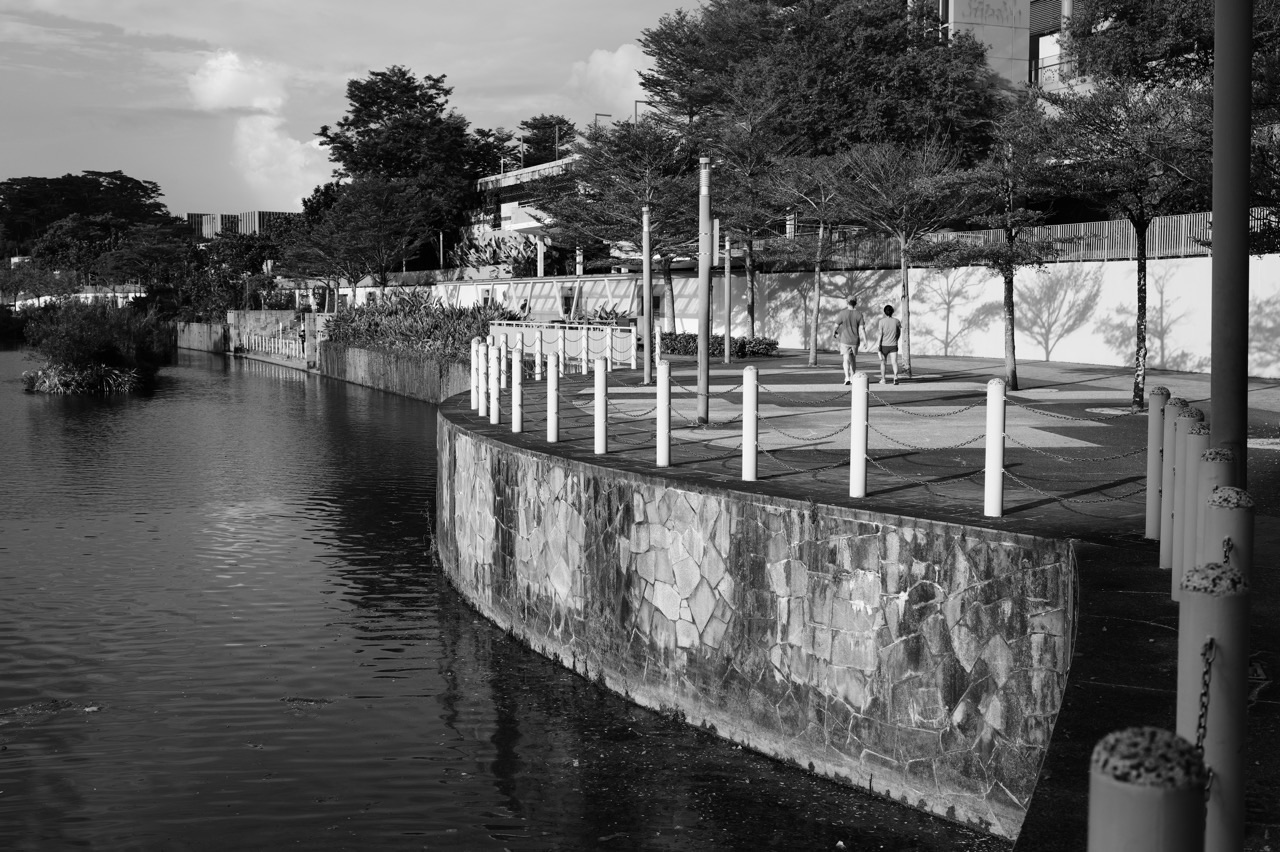
What shoes are best for walking around Punggol Waterway Park? Choose a pair that fits your feet comfortably, is suitable for the surface and allows reliable grip and control. For smooth dry Waterway paths, a comfortable walking or appropriate sport shoe may work well; for Coney Island’s more rugged permitted trails, footwear with better stability and suitable traction may be useful. Do not buy a particular brand merely because it claims to prevent blisters or make you walk farther. Footwear that rubs, pinches or feels unstable is not right for your outing even if it is expensive.
This Punggol walking shoes, socks and blister prevention guide for 2026 helps everyday walkers, teenagers, older adults, shift workers and families decide on footwear for Waterway Park, Punggol Promenade, Coney Island and short neighbourhood journeys. It explains fit, socks, friction, wet-weather care, blisters, when to shorten a walk, safe foot observations and how not to confuse a running shoe purchase with medical treatment. For distances and route choice, use Punggol Waterway Walking Distances; this article focuses on what happens at your feet.
Punggol walking footwear: quick answers
| Question | Practical answer | Boundary |
|---|---|---|
| Do I need a special walking shoe? | Not necessarily. Comfort, fit and appropriate grip come first. | The person’s health and path determine suitability. |
| Can I use a running shoe for walking? | Often possible if it fits and feels stable on the intended surface. | Different models and individual needs vary. |
| What about Coney Island trails? | NParks notes rugged internal terrain and recommends covered suitable shoes. | Some areas may not suit strollers or mobility aids. |
| Do thick socks always prevent blisters? | Not universally; fit and moisture matter. | Avoid socks that make shoes tight. |
| What causes friction blisters? | HealthHub identifies rubbing from ill-fitting shoes as a possible cause. | Medical conditions can cause other blisters. |
| Should I break in new shoes? | HealthHub recommends wearing new footwear briefly until comfortable. | Do not force painful shoes on a long first walk. |
| Should I burst a blister? | HealthHub advises not puncturing it without professional instruction. | Signs of infection or worsening pain require assessment. |
| Are flip-flops best on wet paths? | Not automatically; some offer poor stability and grip. | Choose appropriate surface-specific footwear. |
| What if my feet hurt after walking? | Review fit and reduce activity as appropriate. | Persistent or concerning pain needs professional advice. |
| Is footwear a replacement for safe route planning? | No. Weather, shade, crossings and accessibility still matter. | Even excellent shoes cannot prevent every fall. |
1. Fit is a first-principles issue, not a fashion category
A shoe is a tool connecting your foot to the surface you use. Walking feels comfortable when it can accommodate your foot without unnecessary pressure, slip or instability. A label saying “running”, “outdoor”, “lifestyle” or “premium walking” does not by itself establish that the shoe fits you. Brand prestige cannot compensate for a heel that lifts excessively or a toe area that rubs every time you step.
Someone walking around Punggol Waterway may spend twenty minutes on smooth paths. Another person may walk for an hour after travelling from a Punggol LRT station. Their needs can differ because of distance, weather, pace, individual foot shape and health conditions. Instead of starting with a shopping list, start with the intended outing and what the walker already finds comfortable.
For many people an existing suitable sport shoe is sufficient. If the shoe pinches or feels slippery, it may need replacement or adjustment. The best decision is based on real fit and safe use, not a guarantee about a particular model. People who have diabetes-related foot risks, significant deformity, neuropathy or recent injuries may need personalised healthcare advice rather than a generic footwear recommendation.
A sustainable Punggol lifestyle does not require purchasing different shoes for every park entrance. It requires understanding whether the pair you own is comfortable and appropriate for the actual ground. That knowledge may save money and make outdoor movement more inviting.
2. Punggol has different walking surfaces
| Route setting | Surface and use context | Footwear question |
|---|---|---|
| Town-centre paths | Mostly managed pedestrian or shared hard surfaces. | Does the shoe provide comfortable stable walking and grip? |
| Waterway Park connector | Long stretches of paving, bridges and shared paths. | Can you walk safely without slipping, rubbing or fatigue? |
| Punggol Promenade | Open coastal or waterside paths, sometimes wet after rain. | Is the outsole stable and appropriate if the surface is damp? |
| Coney Island permitted trails | More rustic internal terrain, with some uneven areas. | Is the footwear suitable for the ground and participant? |
| HDB common corridors | Smooth floor, sometimes wet from cleaning or rain. | Avoid unsuitable soles and keep pathways clear. |
| Rainy-day indoor alternative | Managed exercise space or home floor. | Use appropriate footwear and neighbour-conscious movement. |
Punggol Waterway Park is a landscaped public destination serving walkers, runners, cyclists and other visitors. It is not one uniform surface type; bridges, turns, planted edges and approach routes vary. The park connector is listed at 8.4 km, but a visitor does not need to traverse it to enjoy the town. A short route allows someone to test footwear comfortably before planning a longer outing.
Coney Island Park is different. NParks says the East and West ends have accessible areas but internal sections may be rugged and less suitable for some walkers, strollers or people with mobility needs. Covered suitable footwear is recommended. A person wearing soft casual slippers should not assume a forest-side trail will feel like a shopping mall corridor. The right decision can be to shorten the visit or select a smoother route.
Punggol Point Park and sections of the promenade may expose walkers to sun, rain and coastal breezes, so the comfort of shoes and socks can change over the outing. Wet surfaces deserve special caution. No outsole guarantees slip-proof performance in every condition, especially where algae, mud or loose debris may be present. Check the path rather than relying on a product claim.
3. What to look for when trying on walking footwear
A shoe should allow the toes to sit comfortably, hold the heel reasonably securely and avoid sharp pressure over the top or sides. It should bend and move appropriately for the intended activity without feeling unstable. People have different foot shapes and gait patterns, so generic sizing charts cannot guarantee fit. Try the actual shoe and, when possible, walk a little in a safe shop area before buying.
Wear the kind of socks you expect to use outdoors when assessing fit. A pair that seems roomy with a thin sock can become restrictive with a thick padded sock, while another pair might slip when worn with thin material. Check both sides because feet are not always the exact same shape or size. If a shoe only feels acceptable when laces are uncomfortably tight, consider whether the fit is unsuitable.
Do not buy a size purely because you wore that number at school years ago. Sizing conventions and individual feet can change. When uncertain about medically necessary support or orthotics, ask an appropriate professional. An online article cannot determine the best sole geometry or fit for your individual musculoskeletal needs.
The goal is to avoid feeling that new footwear must be endured until the feet adapt. Some materials become more comfortable with wear, but ongoing rubbing or pain is a warning to review the choice. A shoe should support movement, not create a new task of managing soreness after every walk.
4. Shoes versus socks: how friction builds
HealthHub identifies rubbing from ill-fitting footwear as one cause of a friction blister. A blister forms when layers of skin are stressed or damaged and fluid accumulates. Repeated movement inside a shoe, moisture and pressure can contribute to discomfort. However, not all blisters are from shoes: allergies, burns, infections and other medical conditions can also produce similar-looking lesions.
Socks can help reduce uncomfortable rubbing and manage moisture, but the result depends on fabric, fit, seam placement and the shoe itself. A sock that bunches at the toes may create friction rather than solve it. A thicker sock that makes a shoe tight can increase pressure. Do not assume the most expensive technical sock is necessary for a fifteen-minute neighbourhood walk.
HealthHub’s Blisters guidance suggests well-fitting footwear and comfortable socks that absorb moisture, and wearing new shoes for short periods while they become comfortable. These are useful principles for everyday walkers. If a particular spot starts rubbing, do not insist on completing a distance target. Stop and address the problem before it worsens.
5. When should a walker consider different socks?
| Issue | What to check | Sensible response |
|---|---|---|
| Heel rubbing | Heel fit, sock position and shoe movement. | Review footwear; shorten the session as needed. |
| Toe pressure | Toe room and whether socks have bunched. | Choose a more comfortable combination. |
| Sweaty socks | Fabric, ventilation, weather and duration. | Consider clean dry socks when practical. |
| Loose socks | Seams and fabric folding inside shoes. | Adjust or change to suitable fit. |
| New shoe discomfort | Whether the pair has been worn gradually. | Begin with short periods, not a long trail day. |
| Recurring hot spot | Repeated pressure area. | Stop forcing activity and seek advice if persistent. |
| Wet shoe after rain | Water entry, drying and grip. | Do not keep walking in unsafe slippery footwear. |
The table does not imply that a person needs to purchase seven sets of specialist socks. It is a diagnostic: identify the source of discomfort, change one practical variable and assess whether the problem improves. For persistent symptoms or people with higher foot-care risk, seek a qualified professional rather than endlessly experimenting with products.
A caregiver may also need to check a child’s socks before a school-holiday outing. Children may be reluctant to admit that a new shoe is rubbing because they want to continue playing. A simple pause, willingness to turn back and age-appropriate support are more valuable than an expensive pair of sports shoes purchased without proper fitting.
6. The first walk in a new pair should be deliberately short
HealthHub advises wearing new footwear for short periods until it feels comfortable. A practical Punggol application is to try a new pair on a familiar neighbourhood route rather than beginning with a long Waterway journey from one end of town to the other. You can test whether the heel moves, the toes feel compressed and the shoe grips the surface without committing to a route far from home.
A parent might begin with a short journey from the lift lobby to a nearby park bench and back. A working adult could try the pair during ordinary errands instead of wearing it for the first time on a weekend fitness challenge. These are learning opportunities, not a required ‘break-in’ programme with a fixed number of days.
If the shoe hurts after a few minutes, stop and reassess. The goal is not to train the foot to tolerate pressure. Some discomfort may reflect an inappropriate size, construction or individual issue. A clinician, pharmacist or footwear professional may help depending on the problem. It is always reasonable to use a comfortable existing pair until a better fit is found.
7. Blisters: what HealthHub advises and what it does not
HealthHub says most uncomplicated friction blisters recover without invasive intervention, but it also advises keeping the area clean, using an appropriate sterile non-stick dressing or suitable blister cushion and not bursting or puncturing a blister on your own without professional guidance. This is a strong boundary for self-care. The desire to ‘drain it so I can finish the walk’ should not override the risk of infection or further damage.
If a blister grows larger, becomes very painful, shows increased warmth, redness, swelling, pus or worsening symptoms, seek healthcare advice. HealthHub recommends review when the problem does not improve within about five days of suitable self-care or becomes worse. Some people have specific medical risks that justify earlier assessment. An online walking guide cannot distinguish every skin condition from a friction blister.
The immediate prevention decision may simply be to stop walking in the shoe that is causing rubbing. Adding more tape or padding while continuing a long exercise target may make matters worse if pressure remains. A Waterway outing can be postponed; an injured foot affects ordinary school and work journeys too.
If a blister appeared without obvious rubbing, or if multiple unusual blisters occur, do not assume shoes caused them. HealthHub lists other possible causes including skin disease, burns and infection. Medical assessment is appropriate when the cause or severity is uncertain.
8. Wet feet, rain and foot hygiene
Singapore’s frequent rain means a Punggol walker may sometimes return with wet shoes and socks. Prolonged dampness can make skin uncomfortable, encourage rubbing or cause other problems. After an outing, manage wet footwear sensibly, change to clean dry socks and allow the shoes to dry according to their care instructions. Do not place delicate materials next to unsafe heat sources or electrical equipment to rush the process.
HealthHub’s Athlete’s Foot information notes that persistently damp socks and covered shoes may contribute to fungal skin problems. The page recommends keeping feet clean and dry and avoiding sharing towels or footwear in relevant situations. But not every itchy foot is a fungus, and treatment decisions should follow pharmacist or clinician guidance when needed.
A child returning from a water-play area may have wet sandals or socks. The family should avoid packing the damp pair away indefinitely and then using it for school the next day without checking its condition. Good footwear care is a practical household habit, not a luxury fitness purchase. Even an inexpensive well-maintained pair can be more comfortable than a neglected premium shoe.
9. Sandals, slippers and the right use context
Open footwear can be convenient in Singapore, but not every pair is suitable for walking long distances, uneven park trails or wet surfaces. Some offer limited heel control or poor grip, while others are purpose-built for particular outdoor activities. Do not classify all sandals as unsafe or all covered shoes as safe. Assess the actual design, fit, terrain and individual needs.
For Coney Island’s rugged internal trail, NParks’ advice about covered shoes should be taken seriously. A person who only has unsuitable footwear may prefer an accessible promenade or a different day. For a short shopping-centre walk, footwear decisions differ. The correct question is: does the wearer have stable control on the surface they will actually encounter?
An older adult with balance concerns may need specialist assessment before selecting any footwear for uneven ground. A broad claim that one type of shoe prevents all falls is unreliable. Footwear is only one factor alongside lighting, route surfaces, mobility, fatigue and how the person moves.
10. Punggol’s route-specific hazards that shoes cannot solve
Even suitable shoes cannot turn a slippery bridge, flooded path, lightning storm or unauthorised trail into a safe route. At Punggol Waterway Park, shared-path etiquette matters: walkers, cyclists and families should look out for one another and use signed paths appropriately. A shoe with excellent traction cannot prevent a collision if the wearer steps into the cycling path while looking at a phone.
Coney Island’s 7am–7pm opening hours, uneven internal routes and wildlife rules remain in effect whatever footwear is worn. A person cannot use trail shoes as a reason to enter protected vegetation or remain after dark. A Punggol Point waterfront photograph does not justify walking down an unstable bank. Route choice and behaviour are more important than product advertising.
Use the NParks Waterway Park information and Coney Island Park information when planning. Check current path signage and weather. A park’s landscape evolves with maintenance and seasonal conditions, so a blog post should never promise perfect surfaces at particular corners.
11. First 5K running versus a casual walking shoe decision
A Punggol resident preparing for a first five-kilometre run has different movement demands from someone making comfortable ten-minute walks after dinner. Running typically involves faster repeated foot strikes and greater intensity, so a suitable running shoe choice may merit specific guidance. But one shoe label does not substitute for evaluating fit, condition, technique and health. Some walkers happily use running-style shoes; others prefer footwear designed primarily for comfortable walking.
Our First 5K Running in Punggol guide focuses on gradual walk–run capability, route measurement, rest and heat. This footwear article is different: it helps the reader understand blisters, socks and shoe choice for normal local walking. A visitor need not become a runner to justify wearing appropriate comfortable footwear.
For people who alternate walking, cycling and strength activity, owning many pairs of specialist shoes may not be practical. Start with the actual activities and the safety rules of each facility. A bowling alley, gym or sport court may have its own approved footwear, which cannot be determined by what a person wears on the Waterway.
12. A simple walker’s diagnostic before buying
| Question | What a useful answer looks like | Red flag |
|---|---|---|
| What surface will I use? | Waterway paving, promenade or specific park trail. | Purchasing without knowing the route. |
| How far do I normally walk? | Actual regular distance and duration. | Buying for an imagined extreme trek. |
| Does the shoe fit? | Comfortable toe area, stable heel and no painful pressure. | Pinching or repeated hot spots. |
| What socks will I wear? | Suitable thickness and fit with the chosen shoe. | Bunched fabric or tighter fit. |
| Is the sole suitable? | Appropriate traction and stable walking. | Slipping on expected surfaces. |
| Does the shoe need breaking in? | Short trial walks to check comfort. | A long first walk in an untested pair. |
| Do I have medical needs? | Professional input where appropriate. | Generic shoe claims replacing care. |
| What is the total cost per use? | Something affordable for an actual habit. | Premium spending without a clear purpose. |
You do not need to score each shoe or create a complicated spreadsheet. These questions are simply a way to avoid the two most expensive beginner mistakes: buying for appearance rather than fit, and then forcing a purchase to work despite recurring discomfort. It can be reasonable to return or change a shoe under its merchant policy rather than continue an unsuitable pair.
13. Worked family example: a new pair on a school-holiday walk
A parent buys new sport shoes for a Primary 4 child a day before a family Coney Island outing. The child says they look cool and wants to wear them immediately. The parent remembers that the park has some uneven internal paths and a firm closing time. Instead of using the entire nature trail as a shoe test, they try a short local walk first, observing whether the child complains of rubbing or pressure.
Suppose one heel becomes sore after ten minutes. The family does not encourage the child to keep walking another two kilometres to “break the shoes in”. They stop, use a comfortable suitable alternative and keep the longer outing for another day. This protects the child’s comfort and avoids creating a negative association with nature walks. A good holiday memory matters more than proving the new shoes were a worthwhile purchase.
This scenario is fictional, not an individual diagnosis. It illustrates how to separate the child’s excitement about the product from the physical demands of a real trail. The best lesson is recognising and responding to discomfort early.
14. Worked adult example: blister after Waterway exercise
A working adult joins friends for a weekend Waterway walk in older shoes. Halfway through, they notice persistent friction at the back of one heel. The group still has a long distance planned and suggests simply going faster to finish. The more sensible decision is to pause, check whether the shoe is causing pressure and use a safe shorter return where possible. If a blister has formed, follow appropriate first-aid advice and do not pierce it to keep walking.
After the outing, the adult reviews the shoe’s fit and condition, socks and typical distance. The problem is not automatically solved by buying the highest-priced running shoe. A well-fitted replacement or suitable adjustment may be helpful, while recurring symptoms may justify professional input. Their next exercise plan can remain enjoyable and shorter as needed rather than becoming a test of pain tolerance.
The core idea is first-principles diagnosis. Observe what went wrong and why, change a relevant factor and avoid making five speculative purchases at once. This is similar to educational error correction: the visible blister is an outcome, while the repeated pressure may be the underlying problem.
15. Worked older-adult example: stability versus distance
An older Punggol resident wants to walk with a friend but is uneasy on wet slopes and textured surfaces. They see a shoe advertised as “anti-fall” and consider buying it without trying it on. The family instead reviews the actual route, checks whether the shoe fits and seeks appropriate professional advice if balance problems are significant or recurrent. The walk can remain on a smooth familiar Waterway segment with suitable rest areas.
The outing is not a failure because the resident chooses a shorter distance or uses a mobility aid. Accessibility, comfort and social connection are valid goals. The Active Ageing in Punggol guide explains how strength, safe routes and support fit into everyday independence. Footwear is part of the system, not the entire solution.
16. Four-week foot-comfort habit check
| Week | One question | Practical check | Desired result |
|---|---|---|---|
| 1 | What footwear currently works? | Observe normal comfortable routes. | Identify a reliable baseline. |
| 2 | Where does discomfort occur? | Notice pressure, socks, distance or moisture. | Find the constraint without blame. |
| 3 | Does a modest change help? | Use appropriate fit or route adjustment. | Less rubbing and more comfortable activity. |
| 4 | Is the routine sustainable? | Review weather, distance and any symptoms. | Keep useful habits and seek care when needed. |
This is a habit-planning exercise, not a clinical treatment plan. Someone with significant pain, loss of sensation, infection or another concerning condition should not wait four weeks to seek help. The point is for ordinary healthy walkers to make sensible observations before spending money or increasing distance.
17. Footwear myths worth questioning
- “More expensive means no blisters.” Fit and use matter more than price.
- “New shoes should hurt for several weeks.” Persistent rubbing deserves attention.
- “All hiking shoes are right for every park.” Surface and person differ.
- “Thick socks are always better.” They can make shoes tight.
- “Flip-flops are fine on all wet paths.” Grip and stability vary.
- “Running shoes are only for running.” Some walkers find suitable pairs comfortable.
- “A blister should be popped to finish the route.” HealthHub advises against doing it yourself.
- “Foot pain means I need a premium insole.” Medical causes may need assessment.
- “Coney Island is fully paved and accessible.” NParks warns of rugged areas.
- “Good shoes make lightning or a flooded path safe.” Environmental hazards remain.
18. Practical walking-day checklist
- Choose a route suitable for your mobility and current condition.
- Check whether the pair of shoes fits without pinching or sliding.
- Use socks of a suitable fit and material, not bunched or excessively thick.
- Try new footwear on short local walks before a longer outing.
- Inspect soles for excessive wear or damage.
- Plan drinking water, weather and a safe return.
- Use NParks signs and stay on permitted trails.
- Keep feet reasonably dry and change wet socks after the outing.
- Stop or shorten a walk if shoes cause persistent rubbing.
- Do not puncture a blister without suitable professional instruction.
- Seek healthcare advice for infection signs, severe pain or recurring foot problems.
- Respect the person’s preferences and avoid forcing a distance target.
19. Frequently asked questions
What shoes are best for Punggol Waterway walking?
Comfortable well-fitting footwear with appropriate stability and grip for the chosen path.
Do I need hiking shoes for Waterway Park?
Not necessarily for its managed paths; actual terrain and individual needs matter.
What about Coney Island?
NParks describes more rugged areas and recommends suitable covered footwear.
Can I walk in running shoes?
Often yes when the pair fits and suits the surface; individual comfort and condition are important.
Do thick socks prevent every blister?
No. Socks need proper fit and should not create pressure inside shoes.
What causes friction blisters?
Repeated rubbing or pressure, including from ill-fitting footwear, is one recognised cause.
Should I pop a blister before another walk?
HealthHub advises not doing that without professional instructions.
What should I do if a blister seems infected?
Seek appropriate healthcare advice, especially for worsening warmth, redness, swelling or pus.
Do new shoes have to be painful while breaking in?
No. Test new shoes briefly and reconsider a pair that causes repeated rubbing.
Is a footwear brand guaranteed to prevent knee pain?
No. Pain has multiple possible causes and may require professional assessment.
What if my shoes become wet during rain?
Change to dry appropriate footwear and socks and allow items to dry safely.
Can wet shoes contribute to foot problems?
Prolonged dampness can cause discomfort and may contribute to certain skin problems.
Are casual slippers safe on rustic trails?
Not automatically; choose appropriate grip, protection and stable control for terrain.
Should a child use an adult’s trail shoes?
Footwear needs to fit the child’s size and movement; adult gear may be unsuitable.
Can older adults walk on Coney Island’s entire trail?
It depends on mobility and the specific surface. Some sections are rugged, and shorter visits may be better.
How can I tell if a blister is not due to footwear?
If the cause is unclear, especially with unusual or recurrent blisters, obtain healthcare advice.
Should I buy specialist insoles immediately?
Not necessarily. Evaluate the problem and seek appropriate advice when needed.
Is a short walk valuable without a fitness challenge?
Yes. Appropriate enjoyable movement need not depend on distance milestones.
Does footwear remove the need to check haze or heat?
No. Outdoor conditions and route safety are separate decisions.
Can one pair work for walking, running and sport courts?
Sometimes, but venue rules, different movements and footwear condition must be considered.
Connected eduKate Punggol guides
- Life in Punggol — master guide
- Waterway Walking Distance Guide
- Walking for Everyday Errands
- First 5K Running in Punggol
- Active Ageing in Punggol
- Coney Island Safe Navigation
- Rainy-Day Exercise in Punggol
- Sun and UV Protection
- Mosquito Protection for Outdoor Walks
- Emergency Readiness for Punggol Walks
- eduKateSG — Waterfront Student Life
Official sources and editorial review
- HealthHub — Blisters, Causes, Care and Prevention
- HealthHub — Athlete’s Foot and Damp Footwear
- NParks — Punggol Waterway Park
- NParks — Coney Island, Accessibility and Rugged Terrain
- NParks — Waterway Park Connector
- LTA — Safe Shared-Path Use
- Singapore Haze Guidance
- MSS — Lightning Information
Reviewed 19 October 2026. General footwear comfort and local walking education, not a personal podiatry assessment, clinical prescription, product endorsement or live trail-condition guarantee. Foot pain, blisters, infections, disability and health risks require suitable individual professional care. Examples are fictional.


