
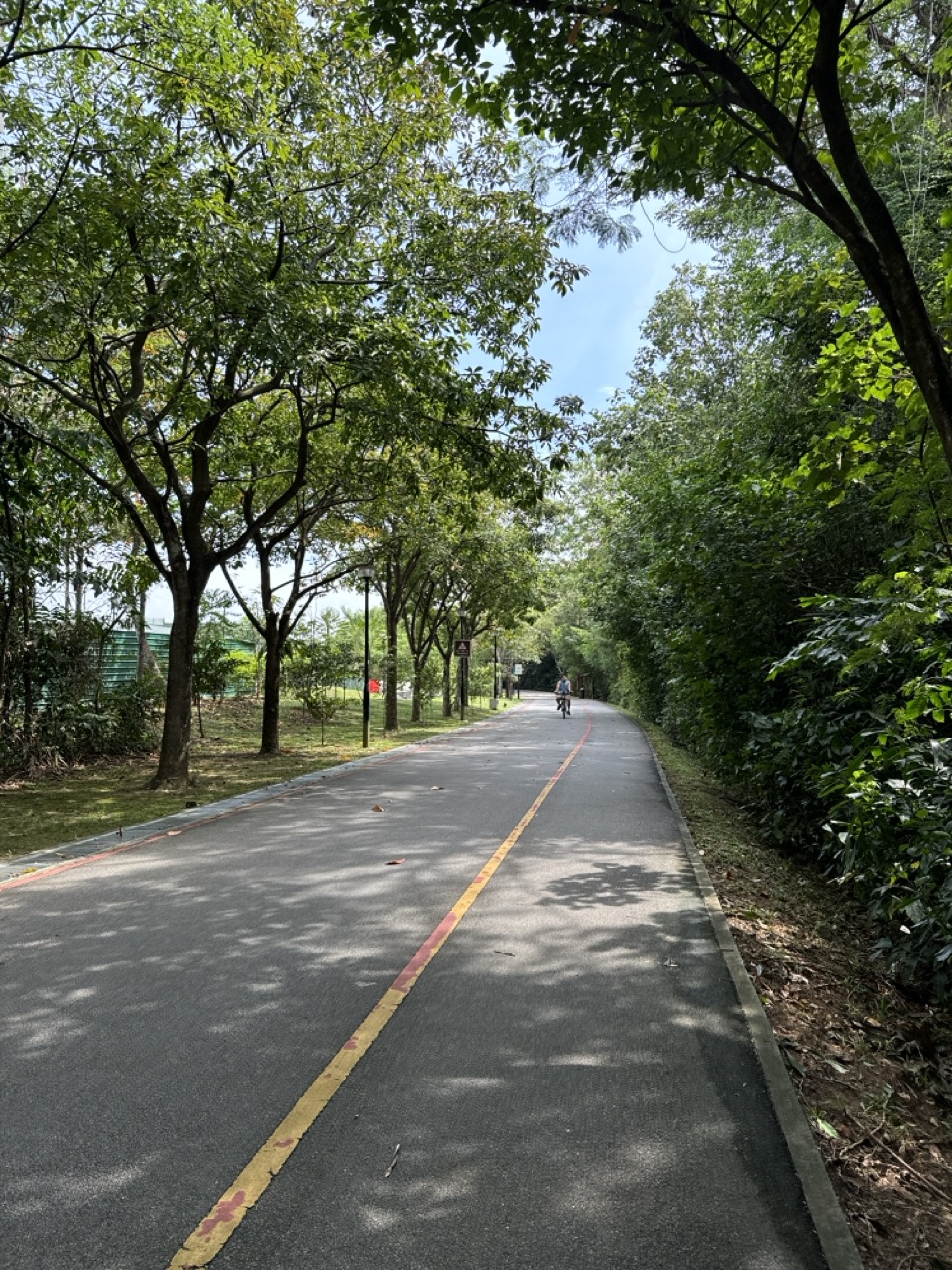
The top 10 things to do in Punggol for teenagers are Comics & Games Library at Punggol Coast, board-game hangouts, hawker food challenges, Waterway Park cycling and photography, the Punggol Digital District, Lorong Halus Wetland, Punggol Regional Library, an age-appropriate maker experience, a movie, and a carefully planned low-cost afternoon. For many teenagers, the best day is the one they can organise themselves.
This 2026 guide is for young people who want a real hangout rather than another children’s playground programme, and for parents who need a practical answer to where teenagers can meet in Punggol safely. It covers money, travel independence, permission, group plans, return time and what to do when the weather changes. The ten recommendations use existing public venues or activities that do not rely on speculative future openings.
Start with the destination clusters. The Punggol Coast MRT area has a library node, mall, hawker centre and public digital district. Punggol MRT leads to Waterway Point, One Punggol, Punggol Regional Library and Waterway Park. Coney Island and Lorong Halus suit a deliberately longer nature outing, not a quick stop between tuition and dinner.
Teenagers deserve some ownership over ordinary decisions. That does not remove practical limits. Agree on the group members, a reasonable budget, a clear meet-up point, the last permissible homecoming time and what happens if plans change. The aim is a worthwhile outing that is both independent and predictable.
The quick answer: 10 Punggol activities by visitor need
| Visitor goal | Best first choice | Practical note |
|---|---|---|
| Gaming and comics | Comics & Games Library | Punggol Coast; library rules |
| Friends new to one another | Board-game meetup | Punggol Coast; low-spend |
| Food and small budget | Hawker menu challenge | Punggol Coast; variable meal cost |
| Photos and videos | Public digital district architecture challenge | Punggol Coast; no construction entry |
| Active friends | Waterway Park short cycling route | Central waterway; equipment dependent |
| Study-life balance | Punggol Regional Library break | One Punggol; free browsing |
| Tech and making | MakeIT at Punggol library | Punggol Regional Library; scheduled and age rules |
| Nature and science | Lorong Halus Wetland self-guided | Eastern Punggol edge; daylight |
| Rain and cinema | Shaw Theatres Waterway Point | Punggol MRT; paid |
| Social independence | Design a no-spend two-hour hangout | Punggol MRT or Coast; route discipline |
Use this as a selection table, not an itinerary. The places are spread between central Punggol, Punggol Coast and the northern or eastern edges. A productive outing usually involves one local cluster. The right choice is the activity that fits the actual people involved, not the one with the most impressive photo online.
What is confirmed and what still needs checking
As of 18 October 2026, the verified official anchors are NParks’ 24-hour opening information for Punggol Waterway Park; its 7am–7pm opening for Coney Island; JTC’s statement that Punggol Coast Hawker Centre is operating, alongside the first 400 metres of the Heritage Trail; and NLB’s information on the Comics & Games Library at Punggol Coast Mall. Those are location and operating-framework facts, not guarantees that a particular stall, session, book, game, park section or seat will be available when you arrive. Use the linked operator notices to settle day-specific uncertainties.
A closure is a stronger warning than a broad destination listing. Punggol Point Park is affected by 2026–2027 upgrading works; do not treat it as open simply because older photographs or general park-directory entries are still searchable. Similarly, the projected final Heritage Trail length is not the same as today’s accessible segment. The most reliable route begins with the latest notice, then an open mapped entrance, then the destination itself.
How we rank the top 10 for Secondary and post-secondary teenagers looking for independent, social, low-cost activities
Choose the experience, not the headline
A teenager’s ‘activity’ may be social time rather than a formal attraction. Meeting two friends for a board game, deciding a food budget and navigating a new neighbourhood can be worth more than a packed paid programme. The best teen guide therefore evaluates autonomy, communication and social comfort as well as novelty. No one needs to perform excitement for every hour.
Set a comfortable level of independence
The responsibility threshold varies. Younger teenagers may need adults to agree on a contained district and fixed check-in; older teenagers with proven travel experience may manage a wider route. Do not assign a single independence rule to every secondary school student. Decide according to local knowledge, judgement, company, phone availability and the actual journey home.
Think in destination clusters
There are two distinct hangout clusters. Punggol Coast Mall, the Comics & Games Library and Punggol Coast Hawker Centre form a convenient group that can occupy a whole afternoon. Punggol MRT, Waterway Point, One Punggol and the central waterway form another. The worst common plan uses vague ‘Punggol’ labels and makes the group repeatedly cross the town to find one snack.
Budget honestly
Budget plans should include transport before snacks. A student who has S$15 for spending cannot treat the whole amount as pocket money if rail fare or an activity ticket has not been accounted for. Agree how the group handles one friend who brings less; nobody should feel obliged to order an expensive meal to keep up. Use a flexible food venue rather than a fixed commercial booking when budgets differ.
Build a weather pivot
Weather is a shared responsibility. NEA’s myENV covers rain, lightning and air quality. A group must not wait out nearby lightning under a tree or on a bridge just to complete photos. For indoor alternatives, know the nearest safe and legitimately accessible shelter in advance; do not assume a private campus building or a closed mall entrance can be used at any hour.
Respect the public space
Respect public-space rules. Phones belong away from road crossings and cycle paths; photographs of other people need discretion; board games are shared library items; water edges are not swimming places; and teenagers should not enter construction or university-only areas to create social content. Enjoyment and independence depend on leaving a space in good condition for the next visitor.
The ten experiences in detail
1. Start at the Comics & Games Library at Punggol Coast
Where: Punggol Coast Mall, Tower 7, 88 Punggol Way, #01-140. Good for: Teen groups into manga, graphic novels, pop culture, comics and games.
Why it earns a place in this list
NLB runs a pop-up Comics & Games Library featuring more than 7,000 comics, graphic novels, game-themed reads and board games. Unlike a commercial arcade, this space encourages choosing content and playing together in a library environment. It is useful for friends who want to meet without committing to an expensive activity or long outdoor trip.
This idea works best when the visitors agree on a simple purpose before setting out. Is it conversation, exercise, learning, food or a chance to spend time together? With start at the comics & games library at punggol coast, the purpose should be obvious even when the attraction itself turns out quieter than expected. A small, intentional outing makes a better memory than trying to fill every available hour. The place is a setting for participation, not an instruction to consume everything there.
Step-by-step local plan
Choose Punggol Coast MRT as the gathering point and verify the NLB location. The official entry method can involve an eligible ID, NLB eCard or day-pass option; check the conditions before everyone travels. Agree on a meeting time inside or beside the library, browse for a fixed period, and regroup for a nearby meal.
Plan around the start and return, not just the middle. Check the actual entrance rather than a neighbourhood label; work backward from the time you need to be home; and agree on a short version that still feels complete. Allow realistic walking, queues and restroom time. A Punggol map can make two nearby-looking attractions seem simpler to combine than they really are, especially when one lies outside the central MRT cluster.
Worked outing example
Three schoolmates have a shared interest in illustrated stories but different reading speeds. They browse separate shelves, compare their selections, and spend the last twenty minutes on an easy game. Because the space has other users, they keep voices considerate and avoid occupying seats unnecessarily. Their next stop remains a choice, not a booking.
The useful lesson of this example is that the group makes a decision while it is still easy to change course. Nobody has to treat the original plan as a contract. A stop can be shorter than expected because the conversation is already good, someone is uncomfortable, a venue is busy or the conditions no longer suit the activity. A reasonable early finish is part of competent planning, not proof that the destination was poor.
Limits, safety and common mistakes
The library’s 10am–10pm daily advertised hours do not guarantee a particular comic, game or table is available. Entry requirements matter, especially if some friends lack an NLB account. Library conduct rules apply; the group’s goal is not to reproduce the noise of a commercial game arcade.
Treat staff directions, on-site signs, and current safety advisories as more important than a written itinerary. When the available information is ambiguous, choose the lower-risk interpretation and a nearby legitimate public alternative. Do not defeat the purpose of the day by forcing access to a closed facility, ignoring a weather alert, or asking another person to continue far beyond their comfort.
When to choose this instead of the next option
Choose this over a cinema when the group wants to talk and choose what to do moment by moment. Choose a cinema if one film genuinely interests everyone and the ticket price is acceptable. This library is also a better fallback than an exposed walkway when thunderstorms develop.
A more meaningful version
Make a recommendation chain: each friend shows one book, explains its hook in two sentences and passes the recommendation to another member. A reluctant reader may find a genre through a friend’s enthusiasm. Do not frame the activity as compulsory reading homework; the shared discovery is the reward.
Before making a special journey, verify the authoritative operator details relevant to this activity: official or primary local reference. Such checks answer different questions—whether the site exists, whether today’s section is open, whether an activity has an eligibility rule, and whether a booking is required. Those checks should be kept separate rather than treating a single directory description as proof of every claim.
2. Learn a new board game with friends
Where: Dedicated game area of the Comics & Games Library. Good for: Small groups who want conversation without constant shopping or screens.
Why it earns a place in this list
A board game provides an activity people can share even when they arrive with few conversation topics. NLB’s Games Library includes a dedicated communal game area. It may be particularly useful when a new classmate joins the group because everyone can participate through understandable rules rather than needing years of private jokes.
This idea works best when the visitors agree on a simple purpose before setting out. Is it conversation, exercise, learning, food or a chance to spend time together? With learn a new board game with friends, the purpose should be obvious even when the attraction itself turns out quieter than expected. A small, intentional outing makes a better memory than trying to fill every available hour. The place is a setting for participation, not an instruction to consume everything there.
Step-by-step local plan
Check whether seats and games are available; choose a game that fits the group’s time and experience. Spend the first ten minutes learning the rules together, play a clear round and return the materials. A group with unequal experience should favour a simple cooperative or accessible game instead of a complicated one where one person dominates.
Plan around the start and return, not just the middle. Check the actual entrance rather than a neighbourhood label; work backward from the time you need to be home; and agree on a short version that still feels complete. Allow realistic walking, queues and restroom time. A Punggol map can make two nearby-looking attractions seem simpler to combine than they really are, especially when one lies outside the central MRT cluster.
Worked outing example
Four teenagers from different CCAs want a low-cost afternoon. One friend knows many games; another has not played much. They select a short game, rotate explanations so nobody is patronised, and agree to stop before hunger makes everybody irritable. The game supplies a shared memory without an expensive booking.
The useful lesson of this example is that the group makes a decision while it is still easy to change course. Nobody has to treat the original plan as a contract. A stop can be shorter than expected because the conversation is already good, someone is uncomfortable, a venue is busy or the conditions no longer suit the activity. A reasonable early finish is part of competent planning, not proof that the destination was poor.
Limits, safety and common mistakes
Do not rely on one named title being on a shelf or a particular table being vacant. Maintain an appropriate sound level; the gaming area is still part of a public library. If the group is too large, splitting into smaller games may work better than competing for the same space.
Treat staff directions, on-site signs, and current safety advisories as more important than a written itinerary. When the available information is ambiguous, choose the lower-risk interpretation and a nearby legitimate public alternative. Do not defeat the purpose of the day by forcing access to a closed facility, ignoring a weather alert, or asking another person to continue far beyond their comfort.
When to choose this instead of the next option
Choose a board game over unstructured mall browsing when the group needs a common focus. Choose a hawker meal when conversation already flows easily and nobody wants to learn rules. The best social choice respects introverts and friends who might not enjoy competitive play.
A more meaningful version
At the end, ask every player for a favourite move or surprising rule. This makes even a losing player part of the story. With repeated visits, the group could compare how quickly it learns unfamiliar games and discover the difference between fair teamwork and merely trying to win.
Before making a special journey, verify the authoritative operator details relevant to this activity: official or primary local reference. Such checks answer different questions—whether the site exists, whether today’s section is open, whether an activity has an eligibility rule, and whether a booking is required. Those checks should be kept separate rather than treating a single directory description as proof of every claim.
3. Set a fair food challenge at Punggol Coast Hawker Centre
Where: Punggol Coast Hawker Centre in the Punggol Digital District. Good for: Friends with limited spending money who enjoy food and practical decisions.
Why it earns a place in this list
JTC’s community page confirms an operational hawker centre with 40 stalls in the Punggol Coast precinct. A hawker setting gives groups menu choices without insisting everybody buy the same meal. The activity can be a pleasant introduction to budgeting and decision-making without feeling like a formal economics lesson.
This idea works best when the visitors agree on a simple purpose before setting out. Is it conversation, exercise, learning, food or a chance to spend time together? With set a fair food challenge at punggol coast hawker centre, the purpose should be obvious even when the attraction itself turns out quieter than expected. A small, intentional outing makes a better memory than trying to fill every available hour. The place is a setting for participation, not an instruction to consume everything there.
Step-by-step local plan
Agree on a maximum spending amount that includes the intended meal and drink, then check current stall availability. Designate a regrouping table or visible meeting point before individuals queue. Allow each person to choose a meal that suits dietary needs and cost. If no seat is available, adapt politely instead of obstructing walkways.
Plan around the start and return, not just the middle. Check the actual entrance rather than a neighbourhood label; work backward from the time you need to be home; and agree on a short version that still feels complete. Allow realistic walking, queues and restroom time. A Punggol map can make two nearby-looking attractions seem simpler to combine than they really are, especially when one lies outside the central MRT cluster.
Worked outing example
Four friends each have a different price ceiling. They decide not to compare who buys the fanciest food. They sit together with a mix of familiar and unfamiliar dishes, then each describes one ingredient or preparation they learned about. Nobody is obliged to share food if allergies, hygiene or personal preference make that inappropriate.
The useful lesson of this example is that the group makes a decision while it is still easy to change course. Nobody has to treat the original plan as a contract. A stop can be shorter than expected because the conversation is already good, someone is uncomfortable, a venue is busy or the conditions no longer suit the activity. A reasonable early finish is part of competent planning, not proof that the destination was poor.
Limits, safety and common mistakes
A public stall count does not promise every stall opens at the same time. Menu pricing changes; record costs only as examples, not permanent facts. Check food allergies, halal requirements and other needs with specific food operators. A ‘challenge’ must never shame a friend who has less money.
Treat staff directions, on-site signs, and current safety advisories as more important than a written itinerary. When the available information is ambiguous, choose the lower-risk interpretation and a nearby legitimate public alternative. Do not defeat the purpose of the day by forcing access to a closed facility, ignoring a weather alert, or asking another person to continue far beyond their comfort.
When to choose this instead of the next option
Choose this over a sit-down restaurant when flexible spending and meal preferences matter. Choose Punggol Coast Mall dining instead if the group needs more sheltered waiting or a particular cuisine. Both are close enough in the district to keep the day manageable without returning to Punggol MRT.
A more meaningful version
Make a small photo zine after the outing: a picture of the venue sign, a close-up of a dish with permission, an ingredient story and a shared conclusion. Exclude strangers’ faces and respect other diners. The result becomes an original record of Punggol food culture rather than a copied online review.
Before making a special journey, verify the authoritative operator details relevant to this activity: official or primary local reference. Such checks answer different questions—whether the site exists, whether today’s section is open, whether an activity has an eligibility rule, and whether a booking is required. Those checks should be kept separate rather than treating a single directory description as proof of every claim.
4. Create an architecture photo hunt in Punggol Digital District
Where: Publicly accessible spaces of Punggol Digital District near Punggol Coast MRT. Good for: Teenagers interested in design, phones, photography, social content or urban life.
Why it earns a place in this list
JTC describes Punggol Digital District as a connected district with campus facilities, businesses, public amenities, green features and community spaces. It is visually different from traditional suburban streets. A photo hunt turns those elements into a low-cost, self-directed challenge while giving teenagers practical reasons to notice public design.
This idea works best when the visitors agree on a simple purpose before setting out. Is it conversation, exercise, learning, food or a chance to spend time together? With create an architecture photo hunt in punggol digital district, the purpose should be obvious even when the attraction itself turns out quieter than expected. A small, intentional outing makes a better memory than trying to fill every available hour. The place is a setting for participation, not an instruction to consume everything there.
Step-by-step local plan
Make a list of five photographs: a shaded place, an interesting façade, a reused historical trace, a shared public space and an image combining nature with technology. Walk only through clearly public areas and work within daylight and weather limits. Agree to put phones away at crossings and when approaching cyclists.
Plan around the start and return, not just the middle. Check the actual entrance rather than a neighbourhood label; work backward from the time you need to be home; and agree on a short version that still feels complete. Allow realistic walking, queues and restroom time. A Punggol map can make two nearby-looking attractions seem simpler to combine than they really are, especially when one lies outside the central MRT cluster.
Worked outing example
A group spends forty minutes comparing structural patterns on public buildings and signs. One student finds the most striking symmetry while another notices how shelter connects two areas. Instead of using a prohibited private rooftop, the group makes better photographs from an ordinary public walkway.
The useful lesson of this example is that the group makes a decision while it is still easy to change course. Nobody has to treat the original plan as a contract. A stop can be shorter than expected because the conversation is already good, someone is uncomfortable, a venue is busy or the conditions no longer suit the activity. A reasonable early finish is part of competent planning, not proof that the destination was poor.
Limits, safety and common mistakes
A new district may have fenced construction, private campus areas and dynamic access arrangements. Signs on the ground outrank a social-media map. Do not film identifiable members of the public without considering privacy, block accessible paths for group photographs or launch a drone without checking CAAS and land-use rules.
Treat staff directions, on-site signs, and current safety advisories as more important than a written itinerary. When the available information is ambiguous, choose the lower-risk interpretation and a nearby legitimate public alternative. Do not defeat the purpose of the day by forcing access to a closed facility, ignoring a weather alert, or asking another person to continue far beyond their comfort.
When to choose this instead of the next option
Choose this over a purely indoor game if the weather is pleasant and the group wants to move. Choose the Comics & Games Library if rain, lightning or haze makes exposure undesirable. An architecture hunt is most valuable when the participants enjoy creative choices, not when one person dictates every shot.
A more meaningful version
Give every image a short caption explaining what physical design problem it might address: shade, movement, orientation or gathering. The project can connect school Geography, Design and Technology or English storytelling to the built environment without making the outing an exam assignment.
Before making a special journey, verify the authoritative operator details relevant to this activity: official or primary local reference. Such checks answer different questions—whether the site exists, whether today’s section is open, whether an activity has an eligibility rule, and whether a booking is required. Those checks should be kept separate rather than treating a single directory description as proof of every claim.
5. Cycle a short route on appropriate waterway paths
Where: Punggol Waterway Park and applicable connecting paths. Good for: Confident teen riders with properly functioning bicycles and a supervised or approved route.
Why it earns a place in this list
Cycling gives teenagers independence and a shared activity without needing a booked class. Punggol Waterway Park and the park connector network provide interesting scenery, but the pleasure comes from a group riding courteously at a pace everyone can manage. A short route is more useful than a legendary full loop when one person is a beginner.
This idea works best when the visitors agree on a simple purpose before setting out. Is it conversation, exercise, learning, food or a chance to spend time together? With cycle a short route on appropriate waterway paths, the purpose should be obvious even when the attraction itself turns out quieter than expected. A small, intentional outing makes a better memory than trying to fill every available hour. The place is a setting for participation, not an instruction to consume everything there.
Step-by-step local plan
Start with a bike, tyre and brake check. Agree on a leader, a final rider, a turnaround point and how to regroup after junctions. Use only paths where cycling is permitted; stop off to the side before checking phones or taking photos. If bikes are rented, verify the operator’s rules, eligibility and return station in advance.
Plan around the start and return, not just the middle. Check the actual entrance rather than a neighbourhood label; work backward from the time you need to be home; and agree on a short version that still feels complete. Allow realistic walking, queues and restroom time. A Punggol map can make two nearby-looking attractions seem simpler to combine than they really are, especially when one lies outside the central MRT cluster.
Worked outing example
Five friends start together but realise two ride more slowly. They adjust the pace, pause at a legal rest point and decide that an early meal is better than extending the journey. The outing is successful because everyone finishes together without rushing over unfamiliar crossings or arriving exhausted.
The useful lesson of this example is that the group makes a decision while it is still easy to change course. Nobody has to treat the original plan as a contract. A stop can be shorter than expected because the conversation is already good, someone is uncomfortable, a venue is busy or the conditions no longer suit the activity. A reasonable early finish is part of competent planning, not proof that the destination was poor.
Limits, safety and common mistakes
A teenager’s confidence is not proof of safe cycling skill. Helmets, lighting, route visibility and active-mobility rules matter. Racing, swerving among pedestrians and using headphones that remove awareness are poor group behaviours. Do not pressure a friend who lacks a suitable bicycle to rent an unfamiliar one on the spot.
Treat staff directions, on-site signs, and current safety advisories as more important than a written itinerary. When the available information is ambiguous, choose the lower-risk interpretation and a nearby legitimate public alternative. Do not defeat the purpose of the day by forcing access to a closed facility, ignoring a weather alert, or asking another person to continue far beyond their comfort.
When to choose this instead of the next option
Choose a bike outing instead of a mall afternoon when the weather is favourable, participants ride comfortably and the route suits the youngest rider. Choose a photo walk instead if equipment, balance or changing rain creates unnecessary risk. Social fairness means the group plans for its least experienced member.
A more meaningful version
Let each member take responsibility for one non-riding task—route, water, signage, return time or a legal photo stop. These small responsibilities are useful preparation for more independent outings. After returning, the group can identify one junction that was hard to navigate and how to improve the next trip.
Before making a special journey, verify the authoritative operator details relevant to this activity: official or primary local reference. Such checks answer different questions—whether the site exists, whether today’s section is open, whether an activity has an eligibility rule, and whether a booking is required. Those checks should be kept separate rather than treating a single directory description as proof of every claim.
6. Use Punggol Regional Library for a study-and-recovery afternoon
Where: Punggol Regional Library in One Punggol, 1 Punggol Drive. Good for: Students who want some independent work mixed with an enjoyable short outing.
Why it earns a place in this list
A library trip can be a voluntary break from the same desk at home. Punggol Regional Library offers books and quiet study environments, while One Punggol provides a central meeting place and nearby food. The strongest version balances focused work with actual leisure instead of turning a weekend into another long test-preparation session.
This idea works best when the visitors agree on a simple purpose before setting out. Is it conversation, exercise, learning, food or a chance to spend time together? With use punggol regional library for a study-and-recovery afternoon, the purpose should be obvious even when the attraction itself turns out quieter than expected. A small, intentional outing makes a better memory than trying to fill every available hour. The place is a setting for participation, not an instruction to consume everything there.
Step-by-step local plan
Agree on one small realistic study task—such as checking notes for a difficult topic—before leaving home. Find an appropriate area and respect quiet rules. Complete the agreed block, then leave together for food or a short waterway walk. Do not claim a room or table is reserved unless the relevant booking has actually been made.
Plan around the start and return, not just the middle. Check the actual entrance rather than a neighbourhood label; work backward from the time you need to be home; and agree on a short version that still feels complete. Allow realistic walking, queues and restroom time. A Punggol map can make two nearby-looking attractions seem simpler to combine than they really are, especially when one lies outside the central MRT cluster.
Worked outing example
Two classmates have an assessment next week and want to see a friend without wasting the whole afternoon. They each complete a forty-minute revision target, share one question they found confusing, and finish with a light meal. The enjoyable conversation is protected by knowing exactly when the study block ends.
The useful lesson of this example is that the group makes a decision while it is still easy to change course. Nobody has to treat the original plan as a contract. A stop can be shorter than expected because the conversation is already good, someone is uncomfortable, a venue is busy or the conditions no longer suit the activity. A reasonable early finish is part of competent planning, not proof that the destination was poor.
Limits, safety and common mistakes
Not all library areas allow group discussion or food, and the regular library opening times are distinct from study-zone or workshop hours. Respect users who need quiet, avoid lengthy seat occupation without use and keep chargers or personal items from obstructing pathways. Do not advertise an arbitrary seat as guaranteed.
Treat staff directions, on-site signs, and current safety advisories as more important than a written itinerary. When the available information is ambiguous, choose the lower-risk interpretation and a nearby legitimate public alternative. Do not defeat the purpose of the day by forcing access to a closed facility, ignoring a weather alert, or asking another person to continue far beyond their comfort.
When to choose this instead of the next option
Choose this over the Comics & Games Library when academic focus is genuinely one of the group’s goals. Choose Comics & Games when friends want a complete break. Confusing the two purposes can leave the outing unsatisfying because the group neither studies properly nor relaxes.
A more meaningful version
Build a small tradition: one useful study question followed by one enjoyable non-school recommendation, such as a new graphic novel or a photograph taken outdoors. That rhythm encourages responsibility without making friendship conditional on productivity.
Before making a special journey, verify the authoritative operator details relevant to this activity: official or primary local reference. Such checks answer different questions—whether the site exists, whether today’s section is open, whether an activity has an eligibility rule, and whether a booking is required. Those checks should be kept separate rather than treating a single directory description as proof of every claim.
7. Check an eligible MakeIT at Libraries maker session
Where: MakeIT at Punggol Regional Library, Level 4. Good for: Teens genuinely interested in making, design, simple fabrication or learning tools.
Why it earns a place in this list
NLB lists a MakeIT at Libraries location in Punggol Regional Library, Level 4, with equipment and dedicated self-service periods. This is a real maker service rather than a promise that every visitor can instantly use any machine. It suits teenagers who want practical creative work but should be planned with an explicit check of age, training and slot requirements.
This idea works best when the visitors agree on a simple purpose before setting out. Is it conversation, exercise, learning, food or a chance to spend time together? With check an eligible makeit at libraries maker session, the purpose should be obvious even when the attraction itself turns out quieter than expected. A small, intentional outing makes a better memory than trying to fill every available hour. The place is a setting for participation, not an instruction to consume everything there.
Step-by-step local plan
Read NLB’s current MakeIT page before travelling. The published schedule is Wednesday to Sunday, noon to 8.30pm, with closures on Mondays, Tuesdays and public holidays, subject to change. Check exact service availability, minimum age and session registration rather than assuming that general library admission is permission to use specialised equipment.
Plan around the start and return, not just the middle. Check the actual entrance rather than a neighbourhood label; work backward from the time you need to be home; and agree on a short version that still feels complete. Allow realistic walking, queues and restroom time. A Punggol map can make two nearby-looking attractions seem simpler to combine than they really are, especially when one lies outside the central MRT cluster.
Worked outing example
A teenager interested in product design wants to try a new tool but discovers that the desired session requires prior steps or has no places. Instead of forcing entry, they browse project demonstrations and plan a future eligible session. The visit still supports curiosity while respecting equipment training rules.
The useful lesson of this example is that the group makes a decision while it is still easy to change course. Nobody has to treat the original plan as a contract. A stop can be shorter than expected because the conversation is already good, someone is uncomfortable, a venue is busy or the conditions no longer suit the activity. A reasonable early finish is part of competent planning, not proof that the destination was poor.
Limits, safety and common mistakes
Do not conflate MakeIT with Spark!Lab: they have different purposes, locations and suitability. A person who is under a tool’s minimum permitted age or lacks necessary orientation may not use it. Equipment can be temporarily out of service, so a maker session needs more verification than general library browsing.
Treat staff directions, on-site signs, and current safety advisories as more important than a written itinerary. When the available information is ambiguous, choose the lower-risk interpretation and a nearby legitimate public alternative. Do not defeat the purpose of the day by forcing access to a closed facility, ignoring a weather alert, or asking another person to continue far beyond their comfort.
When to choose this instead of the next option
Choose MakeIT over a simple photo walk when someone has a genuine making goal and can meet the booking and equipment requirements. Choose the library’s regular collections or outdoor photography when the group wants a spontaneous no-booking plan. A complex workshop should never be the only fallback on a rainy day.
A more meaningful version
Ask a maker to explain one design trade-off—strength versus weight, convenience versus sustainability or form versus function. A short conversation about why a design uses a particular material is more valuable than merely producing a souvenir.
Before making a special journey, verify the authoritative operator details relevant to this activity: official or primary local reference. Such checks answer different questions—whether the site exists, whether today’s section is open, whether an activity has an eligibility rule, and whether a booking is required. Those checks should be kept separate rather than treating a single directory description as proof of every claim.
8. Walk Lorong Halus Wetland as a practical science outing
Where: Lorong Halus Wetland on the eastern bank of Serangoon Reservoir. Good for: Older teens who enjoy Geography, Science, birds, water systems or longer outdoor walks.
Why it earns a place in this list
PUB explains that Lorong Halus Wetland helps treat water passing through a former landfill before it enters the reservoir. Its self-guided learning trail covers water sustainability, bioengineering, biodiversity and environmental history. That makes it distinctive among Punggol attractions: the scenery has an observable public-purpose engineering function.
This idea works best when the visitors agree on a simple purpose before setting out. Is it conversation, exercise, learning, food or a chance to spend time together? With walk lorong halus wetland as a practical science outing, the purpose should be obvious even when the attraction itself turns out quieter than expected. A small, intentional outing makes a better memory than trying to fill every available hour. The place is a setting for participation, not an instruction to consume everything there.
Step-by-step local plan
Study PUB’s official visitor information and learning trail before departure, then choose a realistic access route and a daylight return. Bring water, sun protection and shoes suitable for a potentially exposed outdoor area. Use designated visitor paths and keep clear of operational infrastructure, habitat edges and maintenance barriers.
Plan around the start and return, not just the middle. Check the actual entrance rather than a neighbourhood label; work backward from the time you need to be home; and agree on a short version that still feels complete. Allow realistic walking, queues and restroom time. A Punggol map can make two nearby-looking attractions seem simpler to combine than they really are, especially when one lies outside the central MRT cluster.
Worked outing example
A group examines interpretive signs and sketches a simple flow diagram of water passing through the wetland treatment system. They ask why planted areas would be used before water reaches a reservoir. Back at home, they check the answer against PUB rather than inventing a scientific explanation during the walk.
The useful lesson of this example is that the group makes a decision while it is still easy to change course. Nobody has to treat the original plan as a contract. A stop can be shorter than expected because the conversation is already good, someone is uncomfortable, a venue is busy or the conditions no longer suit the activity. A reasonable early finish is part of competent planning, not proof that the destination was poor.
Limits, safety and common mistakes
The wetland is not a free-access laboratory; touching water, collecting samples or entering restricted infrastructure requires appropriate permission. Heat and thunderstorms can make exposed paths unsuitable. Keep respectful distance from wildlife, do not feed birds and recognise that the site is an environmental asset first and a recreation area second.
Treat staff directions, on-site signs, and current safety advisories as more important than a written itinerary. When the available information is ambiguous, choose the lower-risk interpretation and a nearby legitimate public alternative. Do not defeat the purpose of the day by forcing access to a closed facility, ignoring a weather alert, or asking another person to continue far beyond their comfort.
When to choose this instead of the next option
Choose Lorong Halus over an ordinary shopping hangout when the group values genuine outdoor observation and accepts the travel. Choose Punggol Digital District when you want a shorter, easier-to-exit route. Some groups will enjoy the wetland more as a planned school or parent-supported field visit than as an independent spontaneous trip.
A more meaningful version
Each participant chooses one cause-and-effect sentence about the site and verifies it with PUB’s materials. The group can later create a small infographic showing why water-quality protection matters. This turns a local visit into a clear science communication exercise instead of using the wetland merely as a scenic backdrop.
Before making a special journey, verify the authoritative operator details relevant to this activity: official or primary local reference. Such checks answer different questions—whether the site exists, whether today’s section is open, whether an activity has an eligibility rule, and whether a booking is required. Those checks should be kept separate rather than treating a single directory description as proof of every claim.
9. Plan a movie meetup at Waterway Point
Where: Shaw Theatres at Waterway Point, East Wing, #B2-11. Good for: Teenagers with a common film interest, wet-weather groups and friends who need a fixed finish time.
Why it earns a place in this list
The Shaw cinema in Waterway Point provides a straightforward timed event near Punggol MRT and the bus interchange. It is practical when the group includes friends travelling from different directions because the meeting and return points are comparatively clear. Its commercial ticketing also makes the costs knowable before arriving.
This idea works best when the visitors agree on a simple purpose before setting out. Is it conversation, exercise, learning, food or a chance to spend time together? With plan a movie meetup at waterway point, the purpose should be obvious even when the attraction itself turns out quieter than expected. A small, intentional outing makes a better memory than trying to fill every available hour. The place is a setting for participation, not an instruction to consume everything there.
Step-by-step local plan
Check the current film schedule, classification and ticket price. Agree on a specific meeting place and gather early enough to enter without rushing. Make sure younger friends meet any applicable film-age rules and that the screening does not finish too late for a safe return. Discuss food choices separately rather than assuming everybody can afford a full cinema meal.
Plan around the start and return, not just the middle. Check the actual entrance rather than a neighbourhood label; work backward from the time you need to be home; and agree on a short version that still feels complete. Allow realistic walking, queues and restroom time. A Punggol map can make two nearby-looking attractions seem simpler to combine than they really are, especially when one lies outside the central MRT cluster.
Worked outing example
Four students want to meet after a difficult school week. They compare film options, agree on one suitable show and have a modest snack afterward. Everyone tells the group the preferred transport home; nobody relies on an unverified last-train assumption. The whole outing has a predictable end without adult micromanagement.
The useful lesson of this example is that the group makes a decision while it is still easy to change course. Nobody has to treat the original plan as a contract. A stop can be shorter than expected because the conversation is already good, someone is uncomfortable, a venue is busy or the conditions no longer suit the activity. A reasonable early finish is part of competent planning, not proof that the destination was poor.
Limits, safety and common mistakes
Tickets and special formats cost money; seats are limited and some film ratings restrict admission. Do not use a screening as an excuse to disregard a parent’s agreed return time. Teenagers who need subtitles, accessible seating or special support should verify the actual session and venue arrangements.
Treat staff directions, on-site signs, and current safety advisories as more important than a written itinerary. When the available information is ambiguous, choose the lower-risk interpretation and a nearby legitimate public alternative. Do not defeat the purpose of the day by forcing access to a closed facility, ignoring a weather alert, or asking another person to continue far beyond their comfort.
When to choose this instead of the next option
Choose a movie over a Waterway Park outing when heavy rain persists or a timed commitment is essential. Choose board games if conversation is the principal goal. At a cinema, the entertainment itself takes up the social time, so leave a little room to talk before or after if that matters to the group.
A more meaningful version
Afterward each friend gives a one-sentence account of the film’s most interesting decision instead of posting spoilers. This can lead naturally to conversations about storytelling and media literacy. The discussion should be optional; not every friend enjoys analysing movies in detail.
Before making a special journey, verify the authoritative operator details relevant to this activity: official or primary local reference. Such checks answer different questions—whether the site exists, whether today’s section is open, whether an activity has an eligibility rule, and whether a booking is required. Those checks should be kept separate rather than treating a single directory description as proof of every claim.
10. Design a two-hour Punggol outing with no paid attraction
Where: Choose one cluster: Punggol MRT/One Punggol or Punggol Coast MRT/digital district. Good for: Teenagers practising independent planning, especially when costs or schedules are tight.
Why it earns a place in this list
The challenge of planning a day with no admission ticket can itself be worthwhile. A library browse, public-space walk, photography exercise and ordinary meal create choices that do not depend on buying entertainment. The crucial skill is limiting the itinerary to a geographic area that fits the time and ensuring every friend can participate.
This idea works best when the visitors agree on a simple purpose before setting out. Is it conversation, exercise, learning, food or a chance to spend time together? With design a two-hour punggol outing with no paid attraction, the purpose should be obvious even when the attraction itself turns out quieter than expected. A small, intentional outing makes a better memory than trying to fill every available hour. The place is a setting for participation, not an instruction to consume everything there.
Step-by-step local plan
Choose one MRT anchor, list two freely accessible activities, allocate a realistic transport and food budget, then set a return time and meeting point if anyone becomes separated. Put a weather alternative on the map. A tight two-hour plan should probably stay near one station instead of attempting Waterway Park, Coney Island and the digital district all together.
Plan around the start and return, not just the middle. Check the actual entrance rather than a neighbourhood label; work backward from the time you need to be home; and agree on a short version that still feels complete. Allow realistic walking, queues and restroom time. A Punggol map can make two nearby-looking attractions seem simpler to combine than they really are, especially when one lies outside the central MRT cluster.
Worked outing example
Three friends decide to browse Punggol Regional Library, take five photographs around public One Punggol spaces, and eat a modest lunch. When rain begins, they remove the outdoor photographs and finish early rather than crossing town. The success lies in adapting without unplanned spending or conflict.
The useful lesson of this example is that the group makes a decision while it is still easy to change course. Nobody has to treat the original plan as a contract. A stop can be shorter than expected because the conversation is already good, someone is uncomfortable, a venue is busy or the conditions no longer suit the activity. A reasonable early finish is part of competent planning, not proof that the destination was poor.
Limits, safety and common mistakes
‘No paid attraction’ does not mean everything is free: public transport, refreshments and materials may still cost money. Public access can have restrictions, and library staff should not be asked to bend rules because a group is on a challenge. Put safety and courteous behaviour before a perfect social-media scorecard.
Treat staff directions, on-site signs, and current safety advisories as more important than a written itinerary. When the available information is ambiguous, choose the lower-risk interpretation and a nearby legitimate public alternative. Do not defeat the purpose of the day by forcing access to a closed facility, ignoring a weather alert, or asking another person to continue far beyond their comfort.
When to choose this instead of the next option
Choose this over any single ticketed attraction when budget limits vary and the group wants planning freedom. Choose a confirmed cinema or maker session when an event is the shared purpose and everyone agrees to its cost and rules. The no-spend challenge should feel liberating, not like a test of who can endure the most inconvenience.
A more meaningful version
At the end, ask each friend which small choice improved the afternoon: a better meeting point, a more relaxed schedule, a weather fallback or a shared game. Keeping a practical after-action note prepares teenagers for excursions beyond Punggol without requiring more adult intervention.
Before making a special journey, verify the authoritative operator details relevant to this activity: official or primary local reference. Such checks answer different questions—whether the site exists, whether today’s section is open, whether an activity has an eligibility rule, and whether a booking is required. Those checks should be kept separate rather than treating a single directory description as proof of every claim.
Three ready-to-use itineraries, not three checklists
1. Punggol Coast social afternoon
Meet at Punggol Coast MRT, enter the Comics & Games Library if eligible and space is available, then have a meal at Punggol Coast Hawker Centre. Add a short public district architecture challenge only if it is dry and the group has time. This is a strong two- to three-hour plan with minimal backtracking.
Before committing, ask each participant to name the one thing that must go right for this route to be worthwhile. If the answer depends on a seat, ticket, open facility or specific weather window, verify it before leaving. Keep the second stop flexible. A good route contains a recovery point, an easy return and room for an unplanned conversation; it does not force visitors to continue when the first experience has already delivered what they hoped for.
2. Central Punggol study-and-break plan
Gather near One Punggol and Punggol Regional Library, complete one agreed study block, then have a snack and a short Waterway Park walk if conditions permit. The library remains the indoor anchor; nobody needs to feel that an entire day was wasted if rain prevents the walk.
Before committing, ask each participant to name the one thing that must go right for this route to be worthwhile. If the answer depends on a seat, ticket, open facility or specific weather window, verify it before leaving. Keep the second stop flexible. A good route contains a recovery point, an easy return and room for an unplanned conversation; it does not force visitors to continue when the first experience has already delivered what they hoped for.
3. Outdoor science and cycling choice
Do not automatically stack Lorong Halus Wetland with waterway cycling. Pick one as the main activity. For the wetland, use PUB’s trail and finish while it is comfortable daylight; for cycling, choose a group-sized route and return together. Both require stronger preparation than a mall meetup.
Before committing, ask each participant to name the one thing that must go right for this route to be worthwhile. If the answer depends on a seat, ticket, open facility or specific weather window, verify it before leaving. Keep the second stop flexible. A good route contains a recovery point, an easy return and room for an unplanned conversation; it does not force visitors to continue when the first experience has already delivered what they hoped for.
A practical activity-selection system
Start with the number of people, their interests and the latest end time. Identify the single rail or bus access point that everybody understands. Next, choose a primary experience, a food or rest stop and an optional extension in the same district. If the extension is geographically distant, delete it. Then check opening, age or entry conditions, any charges and forecast risks. This order prevents people from spending an evening solving transport problems created by an overambitious list.
For a short outing, work in the order ‘meet, experience, return’. For an ordinary half-day, work in the order ‘meet, experience, recover, optional extension, return’. Do not substitute ‘visit ten spots’ for a reason to go out. A clear sequence makes it easier to communicate changes to friends and family. The best itinerary is one that somebody else in the group could explain in a few sentences without opening six browser tabs.
Budget includes more than attraction entry. Transport, drinks, food, equipment, rentals, parking where relevant, and tickets or booking deposits can accumulate. List the likely paid elements in advance, then decide whether they are necessary. A public park can be free but a bike rental is not automatically free; a library can be free to browse but a specific workshop may have conditions; a hawker venue gives choices but individual prices and stall availability vary.
Do not plan to make a booking before you have checked the schedule and restrictions. Published maps, marketing descriptions and older online reviews often outlast a temporary closure. If you see a contradiction, follow the current operator announcement and any posted barriers. Record one reliable link for the day of travel. This is especially important at Punggol Coast, where facilities have opened in phases, and near Punggol Point where upgrading changes access.
Weather is not a decorative line at the bottom of a travel guide. Rain, lightning, heat and air quality can alter what is comfortable and safe. Use myENV or an equivalent official source close to departure and again when conditions change. If thunderstorms develop, move to a substantial safe shelter rather than standing near a reservoir edge, under a tree or at the top of a bridge. A short walk can wait. Public-space etiquette also matters: keep shared paths clear, control speed, respect wildlife and be mindful about photographing strangers.
Before leaving: a ten-point Punggol checklist
- Name the primary destination and the exact station or entrance.
- Decide who is coming and the outing’s maximum duration.
- Agree on a budget that includes transport and necessary meals.
- Check operator opening hours, temporary closures and access rules.
- Separate a building’s opening from a specific bookable programme or service.
- Review forecast, lightning, heat and haze information.
- Choose a safe route that respects shared pedestrian and cycling paths.
- Locate a nearby toilet or sheltered recovery point.
- Make sure everyone understands how to return home independently if needed.
- Keep the second attraction optional and accept a comfortable early finish.
The checklist does not need to make a simple outing feel bureaucratic. It is meant to prevent a familiar set of avoidable problems: arriving at the wrong entrance, discovering a venue is shut, spending money that was needed for travel, and finding the group has no good fallback during rain. Once those decisions are settled, the rest of the time can feel spontaneous.
Frequently asked questions
What is the best place for Punggol teens to hang out?
Punggol Coast Mall and its Comics & Games Library are useful for manga, games, food and an indoor meetup. Central Punggol offers Waterway Point, One Punggol and the waterway. The best pick depends on the group, budget and journey rather than one universal ranking.
Can teenagers use the Comics & Games Library for free?
It is an NLB library node rather than a commercial arcade, but visitors must satisfy its entry rules and respect shared materials and seats. NLB lists a library-compliant ID, eCard or QR-code day-pass route. Verify the current instructions before travelling.
How should parents set boundaries for a first independent outing?
Agree where the group will meet, who is coming, the spending ceiling, expected return time and a simple response if the plan changes. Adjust expectations to the teenager’s maturity and travel experience, rather than relying only on age. Clear boundaries make independence possible.
What is a good rainy-day teenage plan?
Choose an indoor destination such as the Comics & Games Library, Punggol Regional Library, Shaw Theatres or a mall food stop. Check severe rain and lightning advisories before travel and avoid waiting near exposed routes just because the destination itself is indoors.
Is the Lorong Halus Wetland a playground?
No. It is an environmental and educational wetland that helps protect reservoir water quality, as PUB explains. Visitors should use designated paths and self-guided interpretation without entering technical infrastructure, collecting water or disturbing wildlife.
Can a teen use MakeIT at the Punggol library?
MakeIT is a real NLB maker service, but specific equipment, age and orientation conditions and booking schedules may apply. Check current NLB details. Do not assume a scheduled maker service is always available whenever the regional library building is open.
What should a group do if one member has less spending money?
Agree on a shared budget before choosing food or entertainment. Use an open-choice hawker venue or free activity rather than pressuring the person to buy something beyond their comfort. Friendship should not require matching everyone else’s spending.
Can teenage cyclists ride anywhere along the waterway?
No. Follow current active-mobility and path rules and give way courteously. Choose appropriate permitted sections, use safe equipment and keep the pace manageable for the least experienced rider. Do not treat pedestrian paths as race tracks.
Is Punggol Point Park open in 2026?
The park is subject to upgrading closure from 11 August 2026, with anticipated completion late in 2027. Do not assume a static park-directory page grants access when a closure notice or on-site barrier applies. Use open town-centre or Punggol Coast locations instead.
What makes a two-hour teen outing work?
A clear rail meeting point, one main activity, a budget, a weather fallback and a return time. Travelling between several far-flung parts of Punggol often creates more friction than the extra stops are worth. Let everyone contribute one decision and respect the group’s smallest comfort limit.
Official references, current checks and related guides
The following official sources support the venue and operating-framework statements in this article. Treat opening hours and future project dates as current-at-check rather than permanent; confirm the actual venue before travel. Local eduKatePunggol links supply complementary route detail, not independent proof of a particular tenant, price or booked session.
- NLB Comics & Games Library
- JTC Punggol Digital District
- PUB Lorong Halus Wetland
- NParks Waterway Park
- NLB MakeIT at Libraries
- Waterway Point and Shaw Theatres
- NEA myENV weather and lightning
- Detailed eduKatePunggol teenager guide
- Punggol cycling basics
- Nature lovers’ top ten
The editorial boundary: ten options, one right choice
These ten ideas are choices for Secondary and post-secondary teenagers looking for independent, social, low-cost activities, not ten obligations. A successful Punggol outing respects the people involved and the town’s actual geography. Select one activity for the reason it meets your needs, choose a close and realistic place to finish, and check what may have changed since this article was published. You can return to a different activity next week without losing anything by keeping this one simple.


