
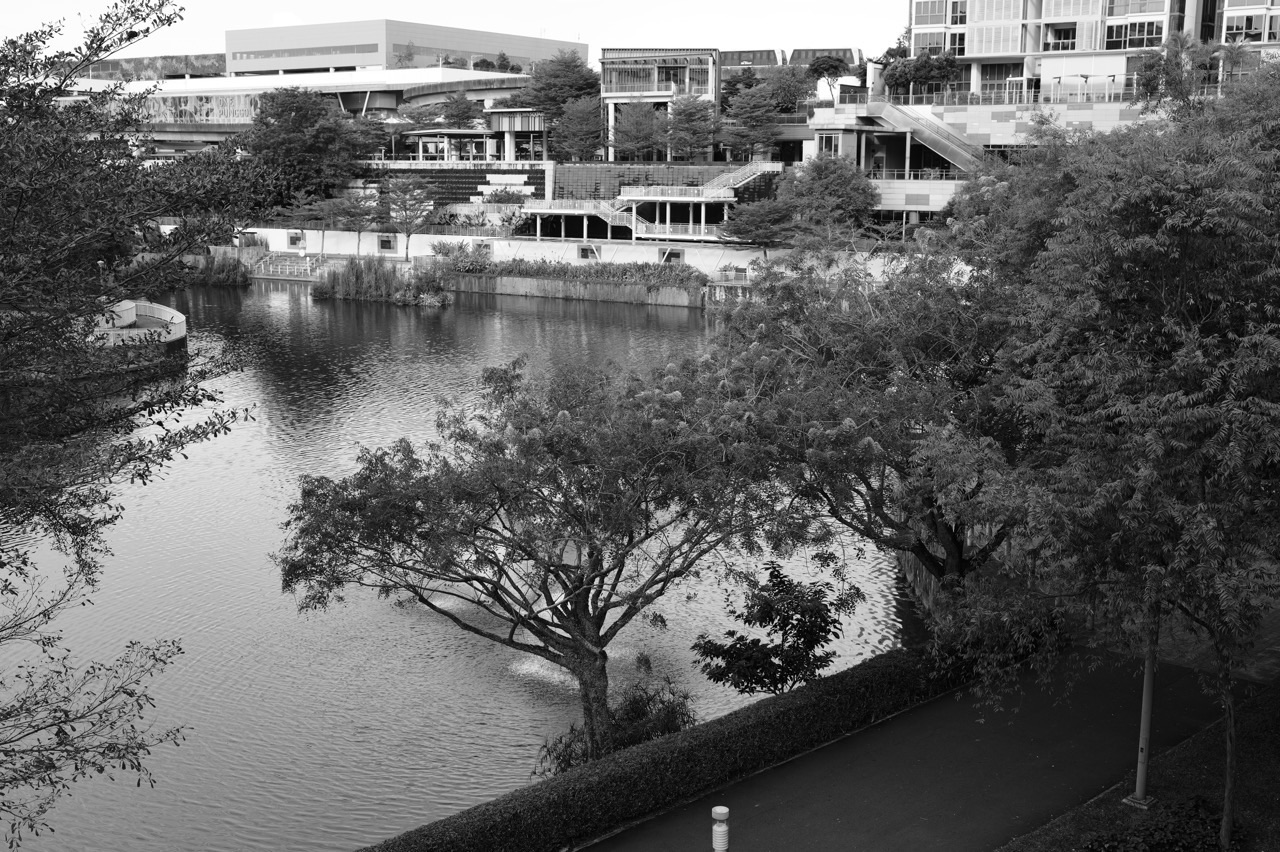
For nature lovers in Punggol, the strongest choices are Punggol Waterway Park for easy-access greenery, Coney Island Park for a rustic daytime habitat walk, and Lorong Halus Wetland for an unusually interesting relationship between wildlife and water management. These three places answer different needs. Waterway Park is a designed public park beside homes and transport; Coney Island has rougher paths and stricter operating hours; Lorong Halus sits across the reservoir from Punggol and repurposes a former landfill landscape.
This guide to the top 10 things to do in Punggol for nature lovers is arranged by experience rather than by tourist hype. Some activities are gentle: listening to birds, examining leaves, sitting quietly in a therapeutic garden. Others ask for longer walks, careful daylight timing or a little research. Each entry gives a practical purpose, an observation task, access limits and a way to take the activity further without disturbing the environment.
Two essential checks in October 2026: NParks lists Coney Island as open from 7am to 7pm and warns about rugged sections and wildlife; JTC confirms only the first 400 metres of the planned Punggol Heritage Trail as publicly opened. Punggol Point Park is reported closed for upgrading until an expected end-2027 works completion, so it is deliberately not listed as a reliable stop. Always distinguish an operator’s main park description from a live closure notice.
The ten nature activities, fast
- 1. Walk the four ecological moods of Punggol Waterway Park — Punggol Waterway Park at Sentul Crescent.
- 2. Experience Coney Island as a habitat, not a race — Coney Island Park, via permitted East or West entrance.
- 3. Discover Lorong Halus Wetland’s two stories — Lorong Halus Wetland across Serangoon Reservoir.
- 4. Practise ethical birdwatching along the Waterway — Public planted edges and suitable stopping points at Punggol Waterway Park.
- 5. Slow down in the Waterway’s therapeutic garden — Therapeutic Garden at Punggol Waterway Park near carpark A.
- 6. Follow a short section of Punggol Park Connector — Punggol Park Connector near the northeastern riverine network.
- 7. Observe old-road greenery on the open heritage trail — First public section of Punggol Heritage Trail near Punggol Digital District.
- 8. Take a quiet waterside walk on Punggol Promenade — Public Punggol Promenade Riverside Walk sections.
- 9. Learn how water is cleaned with PUB’s wetland resources — Lorong Halus Wetland self-guided ABC Waters learning trail.
- 10. Learn about community planting without entering private plots — Public areas by the Punggol Waterway Park allotment garden setting.
A useful way to choose
Choose the nature experience by terrain, purpose, daylight and your group’s comfort rather than the longest route. Bird observation requires staying still; plant observation rewards slower walking; biodiversity and water-management learning require accurate reference material. The best nature outing leaves the place as it was found.
The first choice is not between famous names but between kinds of attention. If you want the simple pleasure of being outside, select a shaded park path. If you want species observations, slow down in one place. If you want to understand environmental infrastructure, begin at an official learning trail and study the explanation before adding your own conclusions.
Build a short successful version of the outing. Public spaces remain enjoyable when you can leave while still comfortable. A child who completes a twenty-minute observation walk has not failed because an adult imagined a full island crossing; a nature lover who hears three ordinary birds has not failed because no rare bird appeared.
Keep the rules of evidence separate. NParks and PUB establish site identity, official programmes and safety guidance. Your diary establishes what you saw on a particular visit. A social media photograph cannot by itself establish that a trail is presently open, that a species is always there, or that a special programme accepts walk-ins.
1. Walk the four ecological moods of Punggol Waterway Park
Where: Punggol Waterway Park at Sentul Crescent. Who it fits: Best for a first-time nature walker; town-centre access and adjustable distance.
The ecological reason to go
NParks identifies Nature Cove, Recreation Zone, Heritage Zone and Green Gallery. These are themed areas, not a compulsory continuous expedition. The value is noticing how planted design, public paths and water shape a residential park.
The deeper value of walk the four ecological moods of punggol waterway park is learning to distinguish a landscape from the activity we impose upon it. A path is designed for people, but plants, animals, water and weather continue on their own terms. If you are clear about the question you came to explore, you can learn something even when conditions do not resemble a brochure photograph.
A repeatable, low-impact method
Choose one entry point and use the official park map to identify the nearest section. Observe the relationship between water, plants and shade from a designated path. Note which places invite movement and which invite pausing.
Choose one question before departure and one observation point on arrival. Start by noticing the whole environment: is it planted or more spontaneous, shaded or exposed, still or moving, quiet or busy? Only then focus on a single bird, leaf, route or water feature. This prevents a casual impression from turning into an overconfident conclusion.
Record three things separately: what you actually saw; the interpretation you are considering; and the reliable source you would need to check that interpretation. For example, ‘a long-legged bird at the bank’ is an observation, while naming the species may remain a hypothesis until you can compare visible features with a field reference.
Worked example and safety check
In one twenty-minute walk, compare an open lawn edge with a more planted section. Ask whether the amount of shade changes the sounds and comfort of the visit, without assuming every difference is caused by biodiversity.
A 24-hour park listing is not confirmation that every route is accessible during maintenance or storms. Crowded shared paths, lightning and heat change the correct plan.
A respectful visitor accepts the physical boundary as part of the learning environment. Do not enter planted areas, remove specimens, approach nests, feed wildlife or cross a fence for a more dramatic viewpoint. When an operator closes a section, the answer is to choose another legal route, not to rationalise a shortcut because the destination is scenic.
Weather can change the right answer very quickly in Singapore. A short cloudy walk may be excellent; a thunderstorm warning makes exposed boardwalks and open park routes unsuitable. Use current forecasts and on-site instructions rather than a fixed itinerary. Bring water and protect yourself from heat, insects and sun in a manner suitable for the specific visit.
How this becomes a deeper habit
Repeat the same short walk during a cooler time and compare observations. A sequence of small records is more dependable than a single long and tiring survey.
For a second visit to walk the four ecological moods of punggol waterway park, keep the location and observation method as similar as practical. Change only one condition, such as time of day or the question you are investigating. You will then have a useful comparison rather than two unrelated collections of impressions. If something cannot be identified, record the uncertainty honestly.
Do not confuse a guide to interesting experiences with a wildlife inventory. Species vary from visit to visit, and site rules can change independently of a general park listing. The dependable result is a method of paying attention that transfers to other parks and neighbourhood green spaces.
2. Experience Coney Island as a habitat, not a race
Where: Coney Island Park, via permitted East or West entrance. Who it fits: Best for prepared, patient walkers; not a night excursion or a universally stroller-friendly through-route.
The ecological reason to go
The island’s rustic atmosphere offers a different sense of place from the formal waterway. NParks highlights natural habitats and biodiversity, but the park is not an empty playground that visitors can use without limits.
The deeper value of experience coney island as a habitat, not a race is learning to distinguish a landscape from the activity we impose upon it. A path is designed for people, but plants, animals, water and weather continue on their own terms. If you are clear about the question you came to explore, you can learn something even when conditions do not resemble a brochure photograph.
A repeatable, low-impact method
Enter only during 7am–7pm park hours. Wear covered shoes, carry drinking water and plan a route short enough to retrace. Stay on designated trails and observe wildlife without pursuing it.
Choose one question before departure and one observation point on arrival. Start by noticing the whole environment: is it planted or more spontaneous, shaded or exposed, still or moving, quiet or busy? Only then focus on a single bird, leaf, route or water feature. This prevents a casual impression from turning into an overconfident conclusion.
Record three things separately: what you actually saw; the interpretation you are considering; and the reliable source you would need to check that interpretation. For example, ‘a long-legged bird at the bank’ is an observation, while naming the species may remain a hypothesis until you can compare visible features with a field reference.
Worked example and safety check
A family could examine differences in bark and canopy shape within a small section, then leave with one observation recorded rather than attempting the entire park.
NParks warns about rugged terrain, insects, wild boars, stray dogs and other wildlife. Feeding or crowding animals is unsafe and contrary to responsible nature appreciation.
A respectful visitor accepts the physical boundary as part of the learning environment. Do not enter planted areas, remove specimens, approach nests, feed wildlife or cross a fence for a more dramatic viewpoint. When an operator closes a section, the answer is to choose another legal route, not to rationalise a shortcut because the destination is scenic.
Weather can change the right answer very quickly in Singapore. A short cloudy walk may be excellent; a thunderstorm warning makes exposed boardwalks and open park routes unsuitable. Use current forecasts and on-site instructions rather than a fixed itinerary. Bring water and protect yourself from heat, insects and sun in a manner suitable for the specific visit.
How this becomes a deeper habit
Next time, compare two plant habitats without picking leaves or stepping into vegetation. Use a field guide if you wish to identify species.
For a second visit to experience coney island as a habitat, not a race, keep the location and observation method as similar as practical. Change only one condition, such as time of day or the question you are investigating. You will then have a useful comparison rather than two unrelated collections of impressions. If something cannot be identified, record the uncertainty honestly.
Do not confuse a guide to interesting experiences with a wildlife inventory. Species vary from visit to visit, and site rules can change independently of a general park listing. The dependable result is a method of paying attention that transfers to other parks and neighbourhood green spaces.
3. Discover Lorong Halus Wetland’s two stories
Where: Lorong Halus Wetland across Serangoon Reservoir. Who it fits: Best for ecology, geography and family science walks; Lorong Halus is across the reservoir, not within Punggol’s town-centre blocks.
The ecological reason to go
The wetland is both a living landscape and an environmental-engineering site. PUB explains that the wetland collects and treats water flowing through the former landfill before it can reach the reservoir.
The deeper value of discover lorong halus wetland’s two stories is learning to distinguish a landscape from the activity we impose upon it. A path is designed for people, but plants, animals, water and weather continue on their own terms. If you are clear about the question you came to explore, you can learn something even when conditions do not resemble a brochure photograph.
A repeatable, low-impact method
Take the authorised route, read available interpretive material and begin with a question: how could vegetation and engineered water movement protect a reservoir? Observe only from public access areas.
Choose one question before departure and one observation point on arrival. Start by noticing the whole environment: is it planted or more spontaneous, shaded or exposed, still or moving, quiet or busy? Only then focus on a single bird, leaf, route or water feature. This prevents a casual impression from turning into an overconfident conclusion.
Record three things separately: what you actually saw; the interpretation you are considering; and the reliable source you would need to check that interpretation. For example, ‘a long-legged bird at the bank’ is an observation, while naming the species may remain a hypothesis until you can compare visible features with a field reference.
Worked example and safety check
A student can draw a simple flow sketch with ‘former landfill’, ‘wetland treatment’ and ‘reservoir’, then compare it against PUB’s explanation rather than guessing from the water’s colour.
Do not touch, sample or drink water simply because it looks clear. Wildlife areas and maintenance installations may be restricted, and the wetland’s function cannot be inferred from a single photograph.
A respectful visitor accepts the physical boundary as part of the learning environment. Do not enter planted areas, remove specimens, approach nests, feed wildlife or cross a fence for a more dramatic viewpoint. When an operator closes a section, the answer is to choose another legal route, not to rationalise a shortcut because the destination is scenic.
Weather can change the right answer very quickly in Singapore. A short cloudy walk may be excellent; a thunderstorm warning makes exposed boardwalks and open park routes unsuitable. Use current forecasts and on-site instructions rather than a fixed itinerary. Bring water and protect yourself from heat, insects and sun in a manner suitable for the specific visit.
How this becomes a deeper habit
Read PUB’s self-guided ABC Waters learning resources afterward and revise your sketch. Separate observed evidence from explanations supported by official material.
For a second visit to discover lorong halus wetland’s two stories, keep the location and observation method as similar as practical. Change only one condition, such as time of day or the question you are investigating. You will then have a useful comparison rather than two unrelated collections of impressions. If something cannot be identified, record the uncertainty honestly.
Do not confuse a guide to interesting experiences with a wildlife inventory. Species vary from visit to visit, and site rules can change independently of a general park listing. The dependable result is a method of paying attention that transfers to other parks and neighbourhood green spaces.
4. Practise ethical birdwatching along the Waterway
Where: Public planted edges and suitable stopping points at Punggol Waterway Park. Who it fits: Best for patient observers of any age; no guarantee of an otter, kingfisher or rare bird.
The ecological reason to go
Birdwatching is a listening-and-observation activity, not a competition to gather names. NParks lists birds associated with Punggol green spaces, but sightings depend on season, weather and luck.
The deeper value of practise ethical birdwatching along the waterway is learning to distinguish a landscape from the activity we impose upon it. A path is designed for people, but plants, animals, water and weather continue on their own terms. If you are clear about the question you came to explore, you can learn something even when conditions do not resemble a brochure photograph.
A repeatable, low-impact method
Pause at a safe public point, look first at movement and body shape, and use a phone note or binoculars if available. Record how certain you are before attempting a species identification.
Choose one question before departure and one observation point on arrival. Start by noticing the whole environment: is it planted or more spontaneous, shaded or exposed, still or moving, quiet or busy? Only then focus on a single bird, leaf, route or water feature. This prevents a casual impression from turning into an overconfident conclusion.
Record three things separately: what you actually saw; the interpretation you are considering; and the reliable source you would need to check that interpretation. For example, ‘a long-legged bird at the bank’ is an observation, while naming the species may remain a hypothesis until you can compare visible features with a field reference.
Worked example and safety check
A bird disappears into a tree before its colours are clear. Instead of following it through planting, write ‘small bird, long tail, seen at canopy edge’ and leave the species undecided.
Playback of calls, bait, nest disturbance and crowding sensitive birds can change animal behaviour. Do not post a precise nest location in a way that invites harassment.
A respectful visitor accepts the physical boundary as part of the learning environment. Do not enter planted areas, remove specimens, approach nests, feed wildlife or cross a fence for a more dramatic viewpoint. When an operator closes a section, the answer is to choose another legal route, not to rationalise a shortcut because the destination is scenic.
Weather can change the right answer very quickly in Singapore. A short cloudy walk may be excellent; a thunderstorm warning makes exposed boardwalks and open park routes unsuitable. Use current forecasts and on-site instructions rather than a fixed itinerary. Bring water and protect yourself from heat, insects and sun in a manner suitable for the specific visit.
How this becomes a deeper habit
Compare notes over three morning walks. You may learn common call patterns and habits without recording more species each time.
For a second visit to practise ethical birdwatching along the waterway, keep the location and observation method as similar as practical. Change only one condition, such as time of day or the question you are investigating. You will then have a useful comparison rather than two unrelated collections of impressions. If something cannot be identified, record the uncertainty honestly.
Do not confuse a guide to interesting experiences with a wildlife inventory. Species vary from visit to visit, and site rules can change independently of a general park listing. The dependable result is a method of paying attention that transfers to other parks and neighbourhood green spaces.
5. Slow down in the Waterway’s therapeutic garden
Where: Therapeutic Garden at Punggol Waterway Park near carpark A. Who it fits: Best for gentle outings, older visitors and short nature exposure; programmes have their own registration arrangements.
The ecological reason to go
NParks describes a 900-square-metre garden with sensory planting, a communal planter, wellness facilities and an elevated waterway vista. It is designed for accessible, calmer engagement rather than athletic distance.
The deeper value of slow down in the waterway’s therapeutic garden is learning to distinguish a landscape from the activity we impose upon it. A path is designed for people, but plants, animals, water and weather continue on their own terms. If you are clear about the question you came to explore, you can learn something even when conditions do not resemble a brochure photograph.
A repeatable, low-impact method
Choose a seat or comfortable route, spend time noticing fragrance and texture without touching unknown plants, and let the environment set a slower pace. Check accessibility arrangements for the individual visitor.
Choose one question before departure and one observation point on arrival. Start by noticing the whole environment: is it planted or more spontaneous, shaded or exposed, still or moving, quiet or busy? Only then focus on a single bird, leaf, route or water feature. This prevents a casual impression from turning into an overconfident conclusion.
Record three things separately: what you actually saw; the interpretation you are considering; and the reliable source you would need to check that interpretation. For example, ‘a long-legged bird at the bank’ is an observation, while naming the species may remain a hypothesis until you can compare visible features with a field reference.
Worked example and safety check
Try a ‘five senses’ observation. Name what can be seen and heard, describe whether there is a noticeable scent, and note that no plant needs to be picked or tasted.
A therapeutic public garden is not a promise of medical treatment. Avoid claiming that a visit cures a condition or assuming that specialised horticulture programmes are unregistered drop-ins.
A respectful visitor accepts the physical boundary as part of the learning environment. Do not enter planted areas, remove specimens, approach nests, feed wildlife or cross a fence for a more dramatic viewpoint. When an operator closes a section, the answer is to choose another legal route, not to rationalise a shortcut because the destination is scenic.
Weather can change the right answer very quickly in Singapore. A short cloudy walk may be excellent; a thunderstorm warning makes exposed boardwalks and open park routes unsuitable. Use current forecasts and on-site instructions rather than a fixed itinerary. Bring water and protect yourself from heat, insects and sun in a manner suitable for the specific visit.
How this becomes a deeper habit
Return with a friend who prefers gentler walks. Compare how a quieter pace affects what each person notices rather than insisting on a minimum step count.
For a second visit to slow down in the waterway’s therapeutic garden, keep the location and observation method as similar as practical. Change only one condition, such as time of day or the question you are investigating. You will then have a useful comparison rather than two unrelated collections of impressions. If something cannot be identified, record the uncertainty honestly.
Do not confuse a guide to interesting experiences with a wildlife inventory. Species vary from visit to visit, and site rules can change independently of a general park listing. The dependable result is a method of paying attention that transfers to other parks and neighbourhood green spaces.
6. Follow a short section of Punggol Park Connector
Where: Punggol Park Connector near the northeastern riverine network. Who it fits: Best for walkers who want flexible distance; follow the current PCN maps and temporary notices.
The ecological reason to go
The officially mapped 6.1-kilometre Punggol Park Connector links broader waterside locations and creates opportunities to experience greenery as part of daily travel. The route is longer than a first-time nature walker needs to complete.
The deeper value of follow a short section of punggol park connector is learning to distinguish a landscape from the activity we impose upon it. A path is designed for people, but plants, animals, water and weather continue on their own terms. If you are clear about the question you came to explore, you can learn something even when conditions do not resemble a brochure photograph.
A repeatable, low-impact method
Choose one mapped stretch, mark two safe turning points and keep left or follow posted shared-path etiquette. Observe different forms of planting and the changing relation to reservoir views.
Choose one question before departure and one observation point on arrival. Start by noticing the whole environment: is it planted or more spontaneous, shaded or exposed, still or moving, quiet or busy? Only then focus on a single bird, leaf, route or water feature. This prevents a casual impression from turning into an overconfident conclusion.
Record three things separately: what you actually saw; the interpretation you are considering; and the reliable source you would need to check that interpretation. For example, ‘a long-legged bird at the bank’ is an observation, while naming the species may remain a hypothesis until you can compare visible features with a field reference.
Worked example and safety check
A walker can use the same 500-metre segment on two different mornings and track how cloud cover and bird calls affect the impression of the landscape.
Cyclists and other users share the network. Stopping in the centre of a path to study a leaf or make a photo can endanger people passing behind.
A respectful visitor accepts the physical boundary as part of the learning environment. Do not enter planted areas, remove specimens, approach nests, feed wildlife or cross a fence for a more dramatic viewpoint. When an operator closes a section, the answer is to choose another legal route, not to rationalise a shortcut because the destination is scenic.
Weather can change the right answer very quickly in Singapore. A short cloudy walk may be excellent; a thunderstorm warning makes exposed boardwalks and open park routes unsuitable. Use current forecasts and on-site instructions rather than a fixed itinerary. Bring water and protect yourself from heat, insects and sun in a manner suitable for the specific visit.
How this becomes a deeper habit
Build a small personal ‘nature corridor’ map showing where you can pause safely, rather than collecting unverified species names.
For a second visit to follow a short section of punggol park connector, keep the location and observation method as similar as practical. Change only one condition, such as time of day or the question you are investigating. You will then have a useful comparison rather than two unrelated collections of impressions. If something cannot be identified, record the uncertainty honestly.
Do not confuse a guide to interesting experiences with a wildlife inventory. Species vary from visit to visit, and site rules can change independently of a general park listing. The dependable result is a method of paying attention that transfers to other parks and neighbourhood green spaces.
7. Observe old-road greenery on the open heritage trail
Where: First public section of Punggol Heritage Trail near Punggol Digital District. Who it fits: Best for nature-and-heritage learners; do not mistake completion targets for a present-day continuous route.
The ecological reason to go
JTC says the first 400 metres of the planned 1.3-kilometre route are open. It retains features of Old Punggol Road and helps visitors think about nature as something that can coexist with a modern town.
The deeper value of observe old-road greenery on the open heritage trail is learning to distinguish a landscape from the activity we impose upon it. A path is designed for people, but plants, animals, water and weather continue on their own terms. If you are clear about the question you came to explore, you can learn something even when conditions do not resemble a brochure photograph.
A repeatable, low-impact method
Begin at the legal public connection around Campus Boulevard and follow visible signs. Look at planting, changes in terrain and the contrast between retained trees and new built elements.
Choose one question before departure and one observation point on arrival. Start by noticing the whole environment: is it planted or more spontaneous, shaded or exposed, still or moving, quiet or busy? Only then focus on a single bird, leaf, route or water feature. This prevents a casual impression from turning into an overconfident conclusion.
Record three things separately: what you actually saw; the interpretation you are considering; and the reliable source you would need to check that interpretation. For example, ‘a long-legged bird at the bank’ is an observation, while naming the species may remain a hypothesis until you can compare visible features with a field reference.
Worked example and safety check
Choose one place where historical landscape and new architecture appear together. Describe it using two columns: what is directly visible and what official material tells us about its history.
Partially completed trail segments, work compounds and adjacent university buildings do not become public simply because a masterplan shows a future link.
A respectful visitor accepts the physical boundary as part of the learning environment. Do not enter planted areas, remove specimens, approach nests, feed wildlife or cross a fence for a more dramatic viewpoint. When an operator closes a section, the answer is to choose another legal route, not to rationalise a shortcut because the destination is scenic.
Weather can change the right answer very quickly in Singapore. A short cloudy walk may be excellent; a thunderstorm warning makes exposed boardwalks and open park routes unsuitable. Use current forecasts and on-site instructions rather than a fixed itinerary. Bring water and protect yourself from heat, insects and sun in a manner suitable for the specific visit.
How this becomes a deeper habit
Use JTC and NParks releases to understand what has been retained and what remains planned. Revisit once further sections are officially opened.
For a second visit to observe old-road greenery on the open heritage trail, keep the location and observation method as similar as practical. Change only one condition, such as time of day or the question you are investigating. You will then have a useful comparison rather than two unrelated collections of impressions. If something cannot be identified, record the uncertainty honestly.
Do not confuse a guide to interesting experiences with a wildlife inventory. Species vary from visit to visit, and site rules can change independently of a general park listing. The dependable result is a method of paying attention that transfers to other parks and neighbourhood green spaces.
8. Take a quiet waterside walk on Punggol Promenade
Where: Public Punggol Promenade Riverside Walk sections. Who it fits: Best for open views; check the exact route, not merely the general promenade name.
The ecological reason to go
Riverside paths bring expansive views, breezes and habitat margins into ordinary recreation. They reward slow observation even if you never enter a remote forest.
The deeper value of take a quiet waterside walk on punggol promenade is learning to distinguish a landscape from the activity we impose upon it. A path is designed for people, but plants, animals, water and weather continue on their own terms. If you are clear about the question you came to explore, you can learn something even when conditions do not resemble a brochure photograph.
A repeatable, low-impact method
Choose an accessible portion with a clear return route and walk at a speed that allows you to notice the bank vegetation, horizon and transitions in habitat.
Choose one question before departure and one observation point on arrival. Start by noticing the whole environment: is it planted or more spontaneous, shaded or exposed, still or moving, quiet or busy? Only then focus on a single bird, leaf, route or water feature. This prevents a casual impression from turning into an overconfident conclusion.
Record three things separately: what you actually saw; the interpretation you are considering; and the reliable source you would need to check that interpretation. For example, ‘a long-legged bird at the bank’ is an observation, while naming the species may remain a hypothesis until you can compare visible features with a field reference.
Worked example and safety check
Pause to record one water-related observation, such as ripples from wind or a bird’s movement between perches. Do not treat a brief glance as evidence of an animal’s permanent habitat.
Water edges, exposed sun, approaching thunderstorms and uneven surfaces demand care. Some links toward Punggol Point may be affected by separate upgrading works.
A respectful visitor accepts the physical boundary as part of the learning environment. Do not enter planted areas, remove specimens, approach nests, feed wildlife or cross a fence for a more dramatic viewpoint. When an operator closes a section, the answer is to choose another legal route, not to rationalise a shortcut because the destination is scenic.
Weather can change the right answer very quickly in Singapore. A short cloudy walk may be excellent; a thunderstorm warning makes exposed boardwalks and open park routes unsuitable. Use current forecasts and on-site instructions rather than a fixed itinerary. Bring water and protect yourself from heat, insects and sun in a manner suitable for the specific visit.
How this becomes a deeper habit
Create a simple comparison with a central Waterway Park walk: which landscape feels more engineered, and what evidence makes you say so?
For a second visit to take a quiet waterside walk on punggol promenade, keep the location and observation method as similar as practical. Change only one condition, such as time of day or the question you are investigating. You will then have a useful comparison rather than two unrelated collections of impressions. If something cannot be identified, record the uncertainty honestly.
Do not confuse a guide to interesting experiences with a wildlife inventory. Species vary from visit to visit, and site rules can change independently of a general park listing. The dependable result is a method of paying attention that transfers to other parks and neighbourhood green spaces.
9. Learn how water is cleaned with PUB’s wetland resources
Where: Lorong Halus Wetland self-guided ABC Waters learning trail. Who it fits: Best for science-minded families and school-age visitors; some organized activities may require booking.
The ecological reason to go
A second visit to Lorong Halus can be more substantial than a new destination. PUB provides learning resources about the water cycle, national water supply, bioengineering and the former landfill.
The deeper value of learn how water is cleaned with pub’s wetland resources is learning to distinguish a landscape from the activity we impose upon it. A path is designed for people, but plants, animals, water and weather continue on their own terms. If you are clear about the question you came to explore, you can learn something even when conditions do not resemble a brochure photograph.
A repeatable, low-impact method
Before visiting, download the PUB student material if relevant. Write one question about how runoff could affect reservoir quality and search for the official explanation along the approved learning route.
Choose one question before departure and one observation point on arrival. Start by noticing the whole environment: is it planted or more spontaneous, shaded or exposed, still or moving, quiet or busy? Only then focus on a single bird, leaf, route or water feature. This prevents a casual impression from turning into an overconfident conclusion.
Record three things separately: what you actually saw; the interpretation you are considering; and the reliable source you would need to check that interpretation. For example, ‘a long-legged bird at the bank’ is an observation, while naming the species may remain a hypothesis until you can compare visible features with a field reference.
Worked example and safety check
A child sketches a simplified process, checks it with the published learning booklet, and marks any part they misunderstood. Learning is improved by correction, not by pretending the first sketch was perfect.
Do not claim you have measured or tested water quality unless you have a legitimate, authorised measurement. Formal fieldwork and on-site sampling may need explicit arrangements.
A respectful visitor accepts the physical boundary as part of the learning environment. Do not enter planted areas, remove specimens, approach nests, feed wildlife or cross a fence for a more dramatic viewpoint. When an operator closes a section, the answer is to choose another legal route, not to rationalise a shortcut because the destination is scenic.
Weather can change the right answer very quickly in Singapore. A short cloudy walk may be excellent; a thunderstorm warning makes exposed boardwalks and open park routes unsuitable. Use current forecasts and on-site instructions rather than a fixed itinerary. Bring water and protect yourself from heat, insects and sun in a manner suitable for the specific visit.
How this becomes a deeper habit
After the visit, compare the wetland’s ecological role with the mostly recreational purpose of Punggol Waterway Park; both are valuable but not interchangeable.
For a second visit to learn how water is cleaned with pub’s wetland resources, keep the location and observation method as similar as practical. Change only one condition, such as time of day or the question you are investigating. You will then have a useful comparison rather than two unrelated collections of impressions. If something cannot be identified, record the uncertainty honestly.
Do not confuse a guide to interesting experiences with a wildlife inventory. Species vary from visit to visit, and site rules can change independently of a general park listing. The dependable result is a method of paying attention that transfers to other parks and neighbourhood green spaces.
10. Learn about community planting without entering private plots
Where: Public areas by the Punggol Waterway Park allotment garden setting. Who it fits: Best for nature lovers considering practical gardening; participation is conditional, not a free walk-in gardening class.
The ecological reason to go
NParks’ Allotment Gardening Scheme includes Punggol Waterway Park among participating locations. It is a way for households to lease plots, not an invitation for visitors to harvest or enter somebody else’s garden.
The deeper value of learn about community planting without entering private plots is learning to distinguish a landscape from the activity we impose upon it. A path is designed for people, but plants, animals, water and weather continue on their own terms. If you are clear about the question you came to explore, you can learn something even when conditions do not resemble a brochure photograph.
A repeatable, low-impact method
Use official information to understand how plots are allocated and managed. From lawful public areas, discuss why growing plants requires soil, light, water, care and respect for neighbours.
Choose one question before departure and one observation point on arrival. Start by noticing the whole environment: is it planted or more spontaneous, shaded or exposed, still or moving, quiet or busy? Only then focus on a single bird, leaf, route or water feature. This prevents a casual impression from turning into an overconfident conclusion.
Record three things separately: what you actually saw; the interpretation you are considering; and the reliable source you would need to check that interpretation. For example, ‘a long-legged bird at the bank’ is an observation, while naming the species may remain a hypothesis until you can compare visible features with a field reference.
Worked example and safety check
A resident may want to begin gardening. Instead of taking cuttings from park plants, they can read the current NParks application and ballot requirements and try a suitable household pot first.
Plot availability, dates and eligibility change. Do not describe an old application round as currently open or touch cultivated produce without the plot holder’s permission.
A respectful visitor accepts the physical boundary as part of the learning environment. Do not enter planted areas, remove specimens, approach nests, feed wildlife or cross a fence for a more dramatic viewpoint. When an operator closes a section, the answer is to choose another legal route, not to rationalise a shortcut because the destination is scenic.
Weather can change the right answer very quickly in Singapore. A short cloudy walk may be excellent; a thunderstorm warning makes exposed boardwalks and open park routes unsuitable. Use current forecasts and on-site instructions rather than a fixed itinerary. Bring water and protect yourself from heat, insects and sun in a manner suitable for the specific visit.
How this becomes a deeper habit
Connect a future home-growing project to ethical plant observation. Record which conditions help the plant in your care rather than collecting samples from public habitats.
For a second visit to learn about community planting without entering private plots, keep the location and observation method as similar as practical. Change only one condition, such as time of day or the question you are investigating. You will then have a useful comparison rather than two unrelated collections of impressions. If something cannot be identified, record the uncertainty honestly.
Do not confuse a guide to interesting experiences with a wildlife inventory. Species vary from visit to visit, and site rules can change independently of a general park listing. The dependable result is a method of paying attention that transfers to other parks and neighbourhood green spaces.
Three good Punggol nature itineraries
A one-hour introduction
One hour: start with the accessible Waterway Park route nearest Punggol MRT. Listen for birds, compare two leaf shapes without collecting anything and finish before the heat dominates the outing.
The travel time to and from the start point is part of the day. Consider the youngest or least mobile visitor and build a clear route back to public transport or the parked vehicle. Bring a simple alternative if rain, heat or a temporary closure affects the chosen stop. Completing fewer sites with more care is often the better result.
Two hours with a gentle pace
Two hours: choose the therapeutic garden and a short Waterway Park observation route, then add a nearby lunch or library rest. This suits visitors who prefer green space but cannot manage a strenuous nature trail.
The travel time to and from the start point is part of the day. Consider the youngest or least mobile visitor and build a clear route back to public transport or the parked vehicle. Bring a simple alternative if rain, heat or a temporary closure affects the chosen stop. Completing fewer sites with more care is often the better result.
Half-day ecological outing
Half day: enter Coney Island in the morning for a conservative walk and return within park hours, or make Lorong Halus Wetland the single ecological field-study destination. Do not promise a cross-town trail plus a full island circuit unless the group knows its actual capacity.
The travel time to and from the start point is part of the day. Consider the youngest or least mobile visitor and build a clear route back to public transport or the parked vehicle. Bring a simple alternative if rain, heat or a temporary closure affects the chosen stop. Completing fewer sites with more care is often the better result.
How to keep a useful, honest nature notebook
- Date the record and name the general place without exposing a sensitive nest or wildlife location.
- Describe weather, time and observed conditions in your own words.
- Write a neutral observation before trying to identify species or ecological processes.
- Keep the confidence of any species identification explicit: confirmed, plausible or unknown.
- Use a trusted local field reference or operator information to check unfamiliar names.
- Do not remove leaves, shells, eggs, plants or other parts of the habitat as souvenirs.
- Draw or photograph features from a safe public position when recording them helps.
- Separate the park’s stated purpose from your observation of how people actually use it.
- Note access limits such as barriers, construction or warnings without generalising them to the whole district.
- End with one question for the next outing rather than forcing a definitive answer today.
A notebook does not have to become a scientific paper. A sentence such as ‘The shaded path felt cooler than the exposed bridge at 9am, but I did not measure temperatures’ is better evidence than a confident but unsupported climate claim. It tells the next reader what was observed and what remains unknown.
Mistakes that undermine a nature outing
Treating Coney Island as a standard urban park is a frequent mistake. Officially, it has a 7am–7pm opening window and some rugged sections. A stroller-friendly entrance is not a guarantee that the whole interior is stroller-friendly. Decide how far to go before you start, and use the same gate to return if uncertainty grows.
Another mistake is to turn a bird sighting into a chase. Following an animal into vegetation may disturb it and can place the visitor in an unsafe area. Wildlife watching works by waiting, observing from a distance and accepting that an animal may leave before a photograph can be made.
A third mistake is to conflate Punggol Park, in the Hougang area, with Punggol Waterway Park in Punggol new town. Both have nature facilities, but they are not the same destination. If you are navigating to the Waterway’s therapeutic garden, use NParks’ specific amenity address and map rather than searching only the words ‘Punggol Park’.
A fourth mistake is to equate a planned trail with a finished public path. The Punggol Heritage Trail is being developed in phases. The first section is a confirmed option; later links need their own confirmation. Historic descriptions, project renders and projected completion dates do not replace current access instructions.
Finally, avoid describing every green space as pristine nature. Punggol Waterway Park and Lorong Halus Wetland are shaped by human design and maintenance. That is not a defect: it is an opportunity to ask how Singapore designs biodiversity, recreation, water treatment and safe public access together.
Frequently asked questions
Where is the best easy nature walk in Punggol?
Punggol Waterway Park offers manageable, adjustable public-path sections close to central Punggol. NParks identifies four themed areas along the waterway.
Can nature lovers visit Coney Island after sunset?
No. NParks lists official opening hours as 7am–7pm. Keep enough time for the return to the entrance before closing.
Is Lorong Halus Wetland in Punggol?
It is on the eastern bank of Serangoon Reservoir and is reached from Punggol across the wetland crossing area; administratively it is associated with the Pasir Ris/Lorong Halus side. The guide identifies it as a nearby connected nature outing rather than an attraction inside Punggol town.
Are wildlife sightings guaranteed?
No. Bird and animal activity changes with light, season, habitat, weather and simple chance. A visit can succeed through careful observation without a rare sighting.
Is the Punggol Heritage Trail fully open?
JTC confirms the first 400m was opened. Check newer official access updates before assuming the planned 1.3km can be walked end to end.
Can I collect plants or shells?
Do not remove or damage plants, wildlife, nests or habitat. Observe and photograph from designated public places, and follow NParks and other site’s conservation rules.
Can I swim or wade in the Waterway or reservoir?
A waterway landscape is not an invitation to enter the water. Follow water-body rules, avoid banks and keep children supervised around edges.
Where is a nature option for visitors who need a short walk?
The Waterway Park therapeutic garden near carpark A is an official, smaller planted environment. Check current step-free approaches and service needs.
What is the difference between a wetland and a normal park?
A wetland uses water-influenced habitats and vegetation; Lorong Halus also has an engineered role treating water from the former landfill before it reaches the reservoir.
How can a child learn from a nature walk?
Use one repeatable question—what was observed, what evidence supports the identification, what remains uncertain—and avoid taking samples from protected greenery.
Sources and useful onward routes
Official parks, water-management and district pages establish the site facts used in this guide. The eduKatePunggol guides below provide narrower explanations and activity methods. Always check the current page and signage for access, maintenance, wildlife warnings or participation requirements.
- NParks Punggol Waterway Park
- NParks Coney Island Park
- PUB Lorong Halus Wetland ecology and self-guided resources
- NParks Lorong Halus Park Connector
- NParks Waterway Park therapeutic garden
- NParks Punggol Park Connector
- JTC publicly opened Punggol Heritage Trail section
- NParks community allotment gardening
- Punggol beginner birdwatching route
- Punggol family Waterway science trail
- Punggol Point access and closures
One good observation is enough to start
Choose one of these ten Punggol nature activities, prepare for its actual terrain and opening conditions, and ask one question you can answer honestly. Nature becomes more meaningful through attention, care and return visits. A short respectful walk with one good observation may be far more valuable than collecting ten place names and remembering none of them.


