
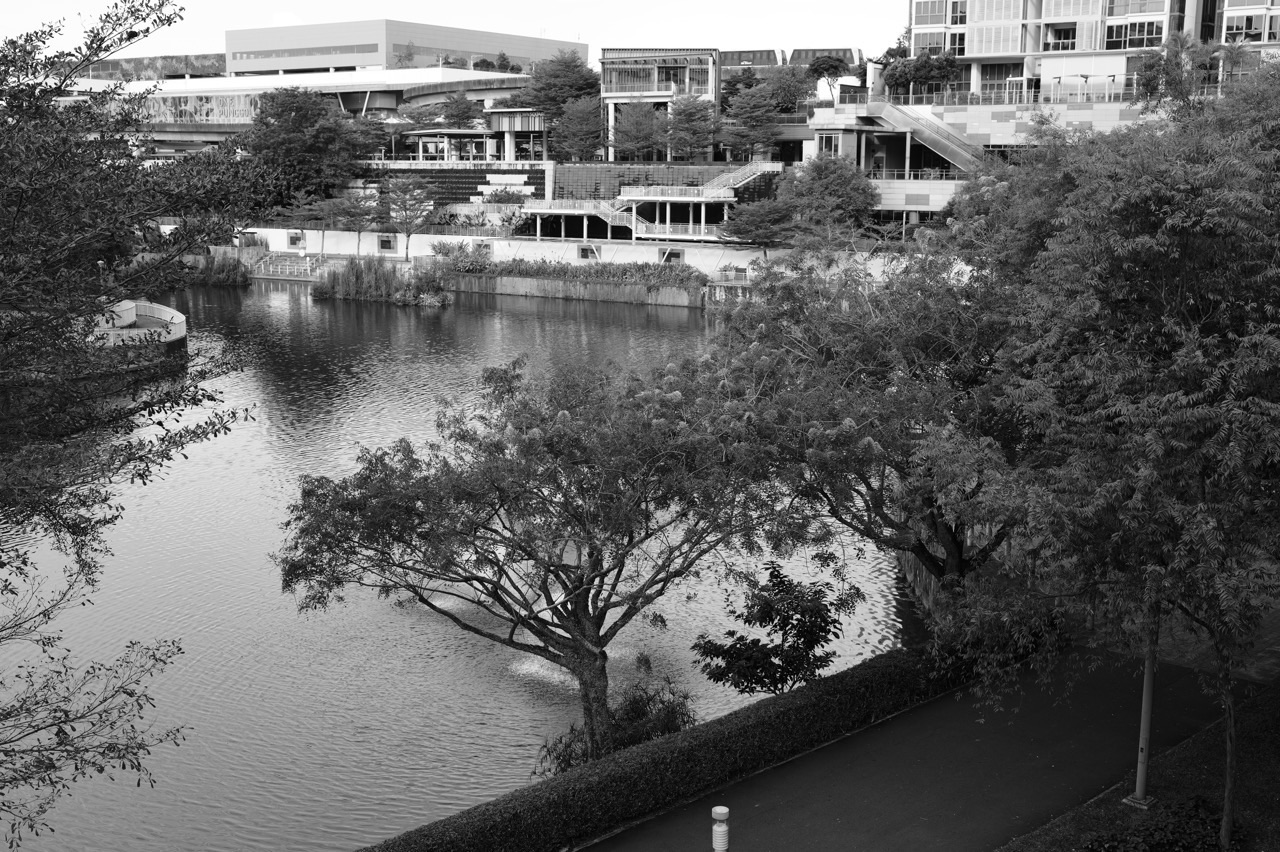
The top 10 things to do in Punggol for couples in 2026 begin with an easy waterway walk, a comfortable food stop and a route that leaves room for conversation. A first date can start near Punggol MRT and finish at Waterway Point. A couple who has been together for years may prefer the Punggol Coast district, Coney Island during daytime opening hours, or a board-game session at the Comics & Games Library.
For romantic things to do in Punggol, the choice is not only between an expensive restaurant and a picturesque bridge. There are ten genuinely different experiences: a short waterway loop, a deliberate sunset photography walk, a hawker tasting date, a book exchange, a board game, an urban heritage walk, daytime island nature, waterfront food near the northern coast, an active cycling route, and a film with a relaxed conversation afterward. This page ranks each by fit, cost sensitivity, travel friction and an honest exit plan.
Important 2026 change: Punggol Point Park has an upgrading closure beginning 11 August 2026 with completion expected in late 2027. Do not confuse the closed park with nearby Punggol Settlement dining or surrounding promenade segments; check open access independently. Coney Island Park remains a daylight destination with NParks-listed 7am–7pm hours. Exact restaurant tenants, game availability and cinema session times can change.
This article is an activity decision guide, not an attempt to sell a perfect evening. Most couples need no more than one main activity, one comfortable pause and one optional extension. Start with the selection table, then read only the idea that suits your time, comfort and preferred conversation level.
The quick answer: 10 Punggol activities by visitor need
| Visitor goal | Best first choice | Practical note |
|---|---|---|
| First date with easy exit | Waterway loop near Punggol MRT | Central Punggol; outdoor; free park access |
| Low-spend social date | Punggol Coast Hawker Centre | Punggol Coast; food cost |
| Quiet date | One Punggol + Punggol Regional Library | Town centre; free browsing |
| Playful date | Comics & Games Library | Punggol Coast; entry conditions apply |
| Active date | Short waterway cycling ride | Waterway; bike costs depend on ownership/rental |
| Heritage conversation | Punggol Heritage Trail open segment | Punggol Coast; outdoor and currently phased |
| Nature date | Coney Island in daylight | Island; heat and opening-hour constraints |
| Movie date | Shaw Theatres Waterway Point | Town centre; paid |
| Coastal dining date | Punggol Settlement area, check open route | Northern Punggol; travel and meal cost |
| Photography date | One bridge at golden hour | Waterway; weather dependent |
Use this as a selection table, not an itinerary. The places are spread between central Punggol, Punggol Coast and the northern or eastern edges. A productive outing usually involves one local cluster. The right choice is the activity that fits the actual people involved, not the one with the most impressive photo online.
What is confirmed and what still needs checking
As of 18 October 2026, the verified official anchors are NParks’ 24-hour opening information for Punggol Waterway Park; its 7am–7pm opening for Coney Island; JTC’s statement that Punggol Coast Hawker Centre is operating, alongside the first 400 metres of the Heritage Trail; and NLB’s information on the Comics & Games Library at Punggol Coast Mall. Those are location and operating-framework facts, not guarantees that a particular stall, session, book, game, park section or seat will be available when you arrive. Use the linked operator notices to settle day-specific uncertainties.
A closure is a stronger warning than a broad destination listing. Punggol Point Park is affected by 2026–2027 upgrading works; do not treat it as open simply because older photographs or general park-directory entries are still searchable. Similarly, the projected final Heritage Trail length is not the same as today’s accessible segment. The most reliable route begins with the latest notice, then an open mapped entrance, then the destination itself.
How we rank the top 10 for couples planning a first date, weekend together or an ordinary weeknight away from routine
Choose the experience, not the headline
Decide first whether this is a conversation date, an activity date, or a celebratory meal. Conversation dates need sound levels and walking pace that allow two people to hear each other. Activity dates can have a task—taking photographs, finding a trail marker or learning a board game—but should include a place to stop. Celebratory meals are more sensitive to waiting times and booking policies than to path scenery.
Set a comfortable level of independence
Make consent and comfort part of route design. Do not invite someone to a remote nature entrance for a first date without explaining that it is a longer outdoor walk. A well-lit public town-centre meet-up is usually a better default. Either person should be able to shorten the outing easily without an awkward reason or a complicated ride home.
Think in destination clusters
Punggol has two useful rail anchors rather than one continuous attraction strip: Punggol MRT for Waterway Point, One Punggol and central waterway paths; Punggol Coast MRT for the newer digital district, coast mall, comics library and hawker centre. The northern Punggol Settlement and Coney Island entrances require their own approach. Do not make a couple cover all three clusters in a two-hour date.
Budget honestly
A meaningful low-cost date is not an apology for spending less. A free bridge walk can create good conversation; a hawker meal lets two people compare tastes without pretending that high prices guarantee compatibility. Decide an approximate budget beforehand and choose one shared treat rather than making unplanned costs the centre of attention.
Build a weather pivot
Singapore weather affects outdoor dates much more than a listicle headline suggests. Use NEA’s myENV information for rainfall, haze and lightning. If thunderstorms threaten, drop the exposed bridge and island plan; a mall or library can protect the evening. Never treat a rooftop, open boardwalk or tree as sufficient shelter during lightning.
Respect the public space
Use a planned natural ending. A half-hour walk can end at a bridge; a board game can end after one round; a movie can end at a known station; a meal can be the end rather than the beginning of several unnecessary extra trips. Keeping an optional extension is more courteous than committing both people to a timetable that neither wishes to interrupt.
The ten experiences in detail
1. Walk one comfortable section of Punggol Waterway Park
Where: Punggol Waterway Park near the town centre. Good for: Low-pressure first dates, couples who want to talk, and weeknights with limited time.
Why it earns a place in this list
Punggol Waterway Park has four NParks-described themes—Nature Cove, Recreation Zone, Heritage Zone and Green Gallery—but a date does not need to complete them all. Water, bridges and planted paths give the pair something pleasant to share attention with while keeping conversation central. The area near Waterway Point is especially convenient because a meal, toilet or transport connection remains within the same district.
This idea works best when the visitors agree on a simple purpose before setting out. Is it conversation, exercise, learning, food or a chance to spend time together? With walk one comfortable section of punggol waterway park, the purpose should be obvious even when the attraction itself turns out quieter than expected. A small, intentional outing makes a better memory than trying to fill every available hour. The place is a setting for participation, not an instruction to consume everything there.
Step-by-step local plan
Agree to meet at a specific public point near Punggol MRT, then choose one clearly identifiable bridge as the turnaround. Walk beside the water, cross only at designated public crossings, and decide at the midpoint whether to return or extend. Aim for the shortest outing that both can comfortably enjoy, not an athletic distance target. Finish at a place offering food or a sheltered exit.
Plan around the start and return, not just the middle. Check the actual entrance rather than a neighbourhood label; work backward from the time you need to be home; and agree on a short version that still feels complete. Allow realistic walking, queues and restroom time. A Punggol map can make two nearby-looking attractions seem simpler to combine than they really are, especially when one lies outside the central MRT cluster.
Worked outing example
One partner arrives from work and only has seventy minutes. Instead of travelling toward the far coast, they walk to a nearby bridge, notice the reflections changing as the sun lowers, and spend the remaining time over a drink. The plan is successful because the movement improves the conversation rather than competing with it.
The useful lesson of this example is that the group makes a decision while it is still easy to change course. Nobody has to treat the original plan as a contract. A stop can be shorter than expected because the conversation is already good, someone is uncomfortable, a venue is busy or the conditions no longer suit the activity. A reasonable early finish is part of competent planning, not proof that the destination was poor.
Limits, safety and common mistakes
Crowded cycling paths, humidity and sudden rain can interrupt a quiet walk. Keep to pedestrian areas, step aside before taking photographs, carry water and check forecast and lightning alerts. Do not choose a dark unlit detour to make the walk feel more ‘romantic’. Being able to leave together comfortably matters more than a dramatic empty path.
Treat staff directions, on-site signs, and current safety advisories as more important than a written itinerary. When the available information is ambiguous, choose the lower-risk interpretation and a nearby legitimate public alternative. Do not defeat the purpose of the day by forcing access to a closed facility, ignoring a weather alert, or asking another person to continue far beyond their comfort.
When to choose this instead of the next option
Choose this over Coney Island when you want easy transit, a gentle surface and a flexible ending. Choose the island instead when both actively want a rustic nature outing and can start early enough to leave before closure. A central waterway walk is also more forgiving for somebody who is still deciding how long to stay.
A more meaningful version
Try a two-question ritual: each person points out one unexpected detail and one thing they would improve about the public space. It is a more natural conversation starter than an interview over dinner. On a second visit, compare the same bridge at a different time and notice how small changes can make a familiar district feel new.
Before making a special journey, verify the authoritative operator details relevant to this activity: official or primary local reference. Such checks answer different questions—whether the site exists, whether today’s section is open, whether an activity has an eligibility rule, and whether a booking is required. Those checks should be kept separate rather than treating a single directory description as proof of every claim.
2. Photograph a Punggol bridge at golden hour
Where: Public pedestrian bridges and viewpoints on Punggol Waterway. Good for: Couples who like quiet creative tasks, photographs and a defined sunset plan.
Why it earns a place in this list
An unhurried photo walk makes a date more participatory than simply arriving at a viewpoint and asking for a photograph. The shape of a handrail, a changing reflection and the gradual arrival of building lights give both people something to notice. A bridge serves as a natural endpoint, so the outing has structure without feeling like a guided tour.
This idea works best when the visitors agree on a simple purpose before setting out. Is it conversation, exercise, learning, food or a chance to spend time together? With photograph a punggol bridge at golden hour, the purpose should be obvious even when the attraction itself turns out quieter than expected. A small, intentional outing makes a better memory than trying to fill every available hour. The place is a setting for participation, not an instruction to consume everything there.
Step-by-step local plan
Look up sunset time for the actual date, arrive while there is comfortable daylight, and choose one or two publicly accessible viewpoints rather than chasing every famous bridge. Each person takes three original pictures: a wide scene, a detail and an image showing everyday Punggol life without intruding on strangers. Compare them after sitting down somewhere away from a shared path.
Plan around the start and return, not just the middle. Check the actual entrance rather than a neighbourhood label; work backward from the time you need to be home; and agree on a short version that still feels complete. Allow realistic walking, queues and restroom time. A Punggol map can make two nearby-looking attractions seem simpler to combine than they really are, especially when one lies outside the central MRT cluster.
Worked outing example
A couple takes turns acting as creative director for five minutes. One prefers symmetrical architecture; the other looks for soft reflections. Their favourite images differ, which gives them something concrete and gentle to talk about over dinner. They leave when the light fades rather than extending onto unfamiliar routes after dark.
The useful lesson of this example is that the group makes a decision while it is still easy to change course. Nobody has to treat the original plan as a contract. A stop can be shorter than expected because the conversation is already good, someone is uncomfortable, a venue is busy or the conditions no longer suit the activity. A reasonable early finish is part of competent planning, not proof that the destination was poor.
Limits, safety and common mistakes
Never step into a cycling lane or lean over railings to frame a picture. Avoid flying drones unless the relevant airspace, land-owner and CAAS requirements have been checked; ordinary smartphone photography is a much simpler date. Do not upload identifiable photographs of strangers without considering their privacy. Bad weather can improve some moods but should not override safety.
Treat staff directions, on-site signs, and current safety advisories as more important than a written itinerary. When the available information is ambiguous, choose the lower-risk interpretation and a nearby legitimate public alternative. Do not defeat the purpose of the day by forcing access to a closed facility, ignoring a weather alert, or asking another person to continue far beyond their comfort.
When to choose this instead of the next option
Choose photography over an ordinary waterway walk if both enjoy making something together. Choose a cinema date if one partner is exhausted and cannot comfortably spend an hour standing. The photo plan offers interaction but may be less relaxing when one person dislikes being filmed or photographed.
A more meaningful version
Instead of posting everything, make a six-photo private story: two places, two details, one shared meal and one final image. A short caption can capture the ordinary moment that made the day memorable. It is possible to create a keepsake without turning the outing into a public social-media production.
Before making a special journey, verify the authoritative operator details relevant to this activity: official or primary local reference. Such checks answer different questions—whether the site exists, whether today’s section is open, whether an activity has an eligibility rule, and whether a booking is required. Those checks should be kept separate rather than treating a single directory description as proof of every claim.
3. Share a hawker tasting date at Punggol Coast
Where: Punggol Coast Hawker Centre, in the Punggol Digital District precinct. Good for: Couples wanting affordable food choice without restaurant formality.
Why it earns a place in this list
JTC confirms Punggol Coast Hawker Centre is operating with 40 stalls in the wider digital district. That creates a genuinely useful shared meal: each person can pick a dish and both can discover new flavours without requiring identical tastes. The north-coast location also puts a mall, public district architecture and a separate library attraction nearby for an easy optional extension.
This idea works best when the visitors agree on a simple purpose before setting out. Is it conversation, exercise, learning, food or a chance to spend time together? With share a hawker tasting date at punggol coast, the purpose should be obvious even when the attraction itself turns out quieter than expected. A small, intentional outing makes a better memory than trying to fill every available hour. The place is a setting for participation, not an instruction to consume everything there.
Step-by-step local plan
Start at Punggol Coast MRT, check the hawker centre’s current operating stalls, select a comfortable seat and decide whether to share portions or buy separate meals. If the stall one partner hoped for is shut, use a second food choice rather than travelling across town. After eating, a brief public district walk is optional, not compulsory.
Plan around the start and return, not just the middle. Check the actual entrance rather than a neighbourhood label; work backward from the time you need to be home; and agree on a short version that still feels complete. Allow realistic walking, queues and restroom time. A Punggol map can make two nearby-looking attractions seem simpler to combine than they really are, especially when one lies outside the central MRT cluster.
Worked outing example
One person loves a spicy meal while the other needs something mild. At a hawker centre, the disagreement is minor: each orders what suits them, and they discuss their choices without forcing one menu on both. Afterward, they decide the evening is better spent in the mall than in the outdoor heat.
The useful lesson of this example is that the group makes a decision while it is still easy to change course. Nobody has to treat the original plan as a contract. A stop can be shorter than expected because the conversation is already good, someone is uncomfortable, a venue is busy or the conditions no longer suit the activity. A reasonable early finish is part of competent planning, not proof that the destination was poor.
Limits, safety and common mistakes
The number of stalls is not proof that all operate at any given hour. Check dietary restrictions, allergies and any specific certification with the actual operator. Queue lengths, limited tables and peak crowding may make a relaxed date less comfortable. Agree that the meal can move indoors at the mall if needed.
Treat staff directions, on-site signs, and current safety advisories as more important than a written itinerary. When the available information is ambiguous, choose the lower-risk interpretation and a nearby legitimate public alternative. Do not defeat the purpose of the day by forcing access to a closed facility, ignoring a weather alert, or asking another person to continue far beyond their comfort.
When to choose this instead of the next option
Choose this over Punggol Settlement when budget flexibility and rail convenience are priorities. Choose waterfront seafood instead for a deliberately longer meal, where the setting is the primary occasion and menu costs have been checked. Both are food dates, but their travel and commitment levels differ significantly.
A more meaningful version
Make a gentle tasting note without acting like a critic: each partner describes one aroma, texture and memory the dish evokes. Keep the conversation appreciative rather than grading stalls. This produces a fun activity from an ordinary meal and works even on a day without a perfectly clear sunset.
Before making a special journey, verify the authoritative operator details relevant to this activity: official or primary local reference. Such checks answer different questions—whether the site exists, whether today’s section is open, whether an activity has an eligibility rule, and whether a booking is required. Those checks should be kept separate rather than treating a single directory description as proof of every claim.
4. Exchange book recommendations at Punggol Regional Library
Where: Punggol Regional Library at One Punggol, 1 Punggol Drive. Good for: Quiet dates, introverted couples and people who want a low-spend indoor plan.
Why it earns a place in this list
Browsing a public library allows two people to learn about each other through the books they notice rather than through a forced list of personal questions. The regional library sits inside One Punggol, with nearby food and community spaces. General browsing is a softer commitment than a ticketed entertainment event and can be shortened easily.
This idea works best when the visitors agree on a simple purpose before setting out. Is it conversation, exercise, learning, food or a chance to spend time together? With exchange book recommendations at punggol regional library, the purpose should be obvious even when the attraction itself turns out quieter than expected. A small, intentional outing makes a better memory than trying to fill every available hour. The place is a setting for participation, not an instruction to consume everything there.
Step-by-step local plan
Start by agreeing on a short browsing period in an area that suits both people. Each chooses one book they might lend to the other, then meet and explain the choice in a quiet voice. Follow library etiquette for photographs, food and noise. Carry the conversation into a designated social area or nearby food venue rather than occupying busy quiet seating for extended talk.
Plan around the start and return, not just the middle. Check the actual entrance rather than a neighbourhood label; work backward from the time you need to be home; and agree on a short version that still feels complete. Allow realistic walking, queues and restroom time. A Punggol map can make two nearby-looking attractions seem simpler to combine than they really are, especially when one lies outside the central MRT cluster.
Worked outing example
A partner recommends a travel memoir and the other chooses a science book about the natural world. The pair do not have to read either book that day. The recommendations lead to conversation about places they want to see and subjects that surprised them during school, work or childhood.
The useful lesson of this example is that the group makes a decision while it is still easy to change course. Nobody has to treat the original plan as a contract. A stop can be shorter than expected because the conversation is already good, someone is uncomfortable, a venue is busy or the conditions no longer suit the activity. A reasonable early finish is part of competent planning, not proof that the destination was poor.
Limits, safety and common mistakes
Library programmes, study areas and services can have separate hours; check NLB instead of assuming every floor or maker session is open. Some people prefer to browse alone rather than be watched while choosing. Make space for that, and never let the date become an examination of someone’s reading habits or education.
Treat staff directions, on-site signs, and current safety advisories as more important than a written itinerary. When the available information is ambiguous, choose the lower-risk interpretation and a nearby legitimate public alternative. Do not defeat the purpose of the day by forcing access to a closed facility, ignoring a weather alert, or asking another person to continue far beyond their comfort.
When to choose this instead of the next option
Choose this over a movie when you want actual conversation and a nearly free indoor activity. Choose a movie when neither feels like talking much after a long week. The library works best when both are comfortable with quiet, public spaces and do not expect cafés or loud games inside reading areas.
A more meaningful version
Create a recurring mini book club with no obligation to finish difficult novels. One short essay, one graphic novel chapter or one illustrated travel spread can be enough. Returning monthly gives couples a shared ritual built on curiosity rather than constantly booking new entertainment.
Before making a special journey, verify the authoritative operator details relevant to this activity: official or primary local reference. Such checks answer different questions—whether the site exists, whether today’s section is open, whether an activity has an eligibility rule, and whether a booking is required. Those checks should be kept separate rather than treating a single directory description as proof of every claim.
5. Play one board game at the Comics & Games Library
Where: Comics & Games Library, Punggol Coast Mall, Tower 7, 88 Punggol Way, #01-140. Good for: Playful dates, couples with shared game interests and adults who want something other than shopping.
Why it earns a place in this list
NLB’s Comics & Games Library offers comics, game-related books and board games; its official page describes more than 7,000 titles and a dedicated playing area. It is a public library node, not a private game café. For couples, the best use is to choose an appropriate board game and discover how each person thinks through an unfamiliar challenge.
This idea works best when the visitors agree on a simple purpose before setting out. Is it conversation, exercise, learning, food or a chance to spend time together? With play one board game at the comics & games library, the purpose should be obvious even when the attraction itself turns out quieter than expected. A small, intentional outing makes a better memory than trying to fill every available hour. The place is a setting for participation, not an instruction to consume everything there.
Step-by-step local plan
Check the latest library entry requirements and opening information. NLB currently lists 10am–10pm daily, but individual seats and particular games are subject to availability. Pick a manageable game, learn the rules together, play one round and return materials properly. Stay considerate of other library users and do not treat communal equipment as private property.
Plan around the start and return, not just the middle. Check the actual entrance rather than a neighbourhood label; work backward from the time you need to be home; and agree on a short version that still feels complete. Allow realistic walking, queues and restroom time. A Punggol map can make two nearby-looking attractions seem simpler to combine than they really are, especially when one lies outside the central MRT cluster.
Worked outing example
Two people who normally spend evenings scrolling their phones select a game neither has played. One enjoys tactics; the other notices a collaborative strategy. They laugh about a mistake and leave with a story that did not depend on a purchase. A nearby food stop becomes the conclusion rather than the attraction that fills the evening.
The useful lesson of this example is that the group makes a decision while it is still easy to change course. Nobody has to treat the original plan as a contract. A stop can be shorter than expected because the conversation is already good, someone is uncomfortable, a venue is busy or the conditions no longer suit the activity. A reasonable early finish is part of competent planning, not proof that the destination was poor.
Limits, safety and common mistakes
A shared board-game area can be busy and a particular game may not be available. Entry may require an NLB-compliant ID or day-pass process, so do not assume everyone can walk in using any card. Some people dislike competitive games, so agree in advance on a cooperative or low-pressure option where possible.
Treat staff directions, on-site signs, and current safety advisories as more important than a written itinerary. When the available information is ambiguous, choose the lower-risk interpretation and a nearby legitimate public alternative. Do not defeat the purpose of the day by forcing access to a closed facility, ignoring a weather alert, or asking another person to continue far beyond their comfort.
When to choose this instead of the next option
Choose this over a cinema when interactive play matters, and over an outdoor walk when the weather is oppressive. If one partner has a short attention span for rules, the hawker date may be better. Do not choose a game solely because it makes a visually appealing photograph for social media.
A more meaningful version
After the game, each person identifies one move they would change next time. The question is a playful way to talk about risk and teamwork without treating the game as a personality test. A regular board-game date can become one of the cheapest genuinely shared habits in the neighbourhood.
Before making a special journey, verify the authoritative operator details relevant to this activity: official or primary local reference. Such checks answer different questions—whether the site exists, whether today’s section is open, whether an activity has an eligibility rule, and whether a booking is required. Those checks should be kept separate rather than treating a single directory description as proof of every claim.
6. Explore the open segment of Punggol Heritage Trail
Where: Publicly opened Punggol Heritage Trail section in Punggol Digital District. Good for: Couples interested in town history, architecture and an easy open-air conversation topic.
Why it earns a place in this list
JTC’s community page states that the first 400 metres of the Punggol Heritage Trail are open. The route reuses traces of Old Punggol Road while new campus and commercial buildings rise nearby. For a date, this is an engaging contrast: two people can talk about how familiar Singapore spaces change while looking at an actual retained alignment rather than reading a long brochure indoors.
This idea works best when the visitors agree on a simple purpose before setting out. Is it conversation, exercise, learning, food or a chance to spend time together? With explore the open segment of punggol heritage trail, the purpose should be obvious even when the attraction itself turns out quieter than expected. A small, intentional outing makes a better memory than trying to fill every available hour. The place is a setting for participation, not an instruction to consume everything there.
Step-by-step local plan
Arrive via Punggol Coast MRT and follow JTC’s latest public access directions to the opened segment. Begin with a quick look at a map and discuss where the old road would have led. Walk only within clearly designated public portions, read available heritage interpretation and leave through the district’s current open routes. Keep the walk short enough to pair with a meal.
Plan around the start and return, not just the middle. Check the actual entrance rather than a neighbourhood label; work backward from the time you need to be home; and agree on a short version that still feels complete. Allow realistic walking, queues and restroom time. A Punggol map can make two nearby-looking attractions seem simpler to combine than they really are, especially when one lies outside the central MRT cluster.
Worked outing example
A couple remembers different childhood images of Punggol. One recalls outdoor spaces; the other knows only new housing estates and transport. The heritage alignment prompts them to compare those memories, then look up the documented timeline together. The date feels personal without relying on dramatic claims about local history.
The useful lesson of this example is that the group makes a decision while it is still easy to change course. Nobody has to treat the original plan as a contract. A stop can be shorter than expected because the conversation is already good, someone is uncomfortable, a venue is busy or the conditions no longer suit the activity. A reasonable early finish is part of competent planning, not proof that the destination was poor.
Limits, safety and common mistakes
The fully planned 1.3-kilometre trail and every connecting segment are not automatically open because a project website describes them. Ignore invitations to enter fenced works, university areas or maintenance zones. Wear appropriate shoes for an outdoor route and check lightning and rain before leaving the mall.
Treat staff directions, on-site signs, and current safety advisories as more important than a written itinerary. When the available information is ambiguous, choose the lower-risk interpretation and a nearby legitimate public alternative. Do not defeat the purpose of the day by forcing access to a closed facility, ignoring a weather alert, or asking another person to continue far beyond their comfort.
When to choose this instead of the next option
Choose this over an ordinary waterway walk when both enjoy heritage and urban design. Choose the public waterway if your priority is an easy and familiar route without current building-phase caveats. Punggol Heritage Trail can be rewarding, but only its officially opened sections belong in a live itinerary.
A more meaningful version
Agree to take one picture of something retained and one of something new. Ask how each changes the character of the place. Keeping the question specific helps the experience feel like a joint discovery rather than an abstract lecture about sustainability or history.
Before making a special journey, verify the authoritative operator details relevant to this activity: official or primary local reference. Such checks answer different questions—whether the site exists, whether today’s section is open, whether an activity has an eligibility rule, and whether a booking is required. Those checks should be kept separate rather than treating a single directory description as proof of every claim.
7. Spend a daylight date in Coney Island Park
Where: Coney Island Park via an open West or East entrance. Good for: Nature-loving couples who welcome rustic paths and are prepared for a longer outdoor visit.
Why it earns a place in this list
Coney Island offers a different emotional register from the town centre: more vegetation, habitat and relative separation from shopping destinations. NParks lists the park as open 7am–7pm, with West and East entrances. Part of the appeal is the slower rhythm of walking and noticing natural changes, not ticking off a list of guaranteed wildlife sightings.
This idea works best when the visitors agree on a simple purpose before setting out. Is it conversation, exercise, learning, food or a chance to spend time together? With spend a daylight date in coney island park, the purpose should be obvious even when the attraction itself turns out quieter than expected. A small, intentional outing makes a better memory than trying to fill every available hour. The place is a setting for participation, not an instruction to consume everything there.
Step-by-step local plan
Begin with a known access point, check an official park map and set a return time before you enter. Carry drinking water and appropriate footwear; treat the trail as an out-and-back route if your time is limited. Pick a modest observation goal such as finding three different leaf forms or listening for several distinct bird calls without disturbing animals.
Plan around the start and return, not just the middle. Check the actual entrance rather than a neighbourhood label; work backward from the time you need to be home; and agree on a short version that still feels complete. Allow realistic walking, queues and restroom time. A Punggol map can make two nearby-looking attractions seem simpler to combine than they really are, especially when one lies outside the central MRT cluster.
Worked outing example
A couple arrives early, walks quietly, pauses to watch birds from a safe distance and spends twenty minutes comparing the designed waterway with the more rustic island. They return well before the gates close and have a relaxed meal afterward. Because the day had a clear exit, there is no stressful final march.
The useful lesson of this example is that the group makes a decision while it is still easy to change course. Nobody has to treat the original plan as a contract. A stop can be shorter than expected because the conversation is already good, someone is uncomfortable, a venue is busy or the conditions no longer suit the activity. A reasonable early finish is part of competent planning, not proof that the destination was poor.
Limits, safety and common mistakes
This is a poor last-minute sunset plan: the park has a fixed 7pm closing time. Paths can be rougher than mall or waterway paths. Do not feed wildlife, enter dense vegetation, ignore gate times or assume private motorbike transport can enter. Lightning, haze and excessive heat are reasons to choose a different date.
Treat staff directions, on-site signs, and current safety advisories as more important than a written itinerary. When the available information is ambiguous, choose the lower-risk interpretation and a nearby legitimate public alternative. Do not defeat the purpose of the day by forcing access to a closed facility, ignoring a weather alert, or asking another person to continue far beyond their comfort.
When to choose this instead of the next option
Choose Coney Island over the mall when natural habitat is the point and both participants actively want that effort. Choose One Punggol or the Comics & Games Library if you want a short plan with little packing and reliable indoor refuge. Do not turn one person’s nature preference into the other person’s unexpected endurance test.
A more meaningful version
Bring a small notebook to sketch one tree shape or note a birdsong rather than collecting natural objects. Use the notes to compare seasons on a future visit. The shared record becomes something meaningful without damaging the park or demanding perfect phone photographs.
Before making a special journey, verify the authoritative operator details relevant to this activity: official or primary local reference. Such checks answer different questions—whether the site exists, whether today’s section is open, whether an activity has an eligibility rule, and whether a booking is required. Those checks should be kept separate rather than treating a single directory description as proof of every claim.
8. Cycle a short shared-path route with a clear turnaround
Where: Appropriate Punggol Waterway and park connector paths. Good for: Couples who both cycle confidently and want light exercise as part of the date.
Why it earns a place in this list
A well-matched cycling outing adds movement and a small shared challenge. Punggol’s park connector setting is suited to route-based recreation, but the best couple ride is not a race or a fixed kilometre count. Both people need comfortable bikes, an agreed pace and enough daylight or visibility for the chosen paths.
This idea works best when the visitors agree on a simple purpose before setting out. Is it conversation, exercise, learning, food or a chance to spend time together? With cycle a short shared-path route with a clear turnaround, the purpose should be obvious even when the attraction itself turns out quieter than expected. A small, intentional outing makes a better memory than trying to fill every available hour. The place is a setting for participation, not an instruction to consume everything there.
Step-by-step local plan
Check brakes, helmets and route conditions before departure. Choose a quiet section where cycling is permitted, identify a specific turnaround and let the less confident rider set the pace. Stop fully and move off the path to talk or take photographs. If bikes are rented, confirm availability, return location, charges and whether either rider needs extra instruction.
Plan around the start and return, not just the middle. Check the actual entrance rather than a neighbourhood label; work backward from the time you need to be home; and agree on a short version that still feels complete. Allow realistic walking, queues and restroom time. A Punggol map can make two nearby-looking attractions seem simpler to combine than they really are, especially when one lies outside the central MRT cluster.
Worked outing example
Two partners plan a gentle ride and discover one feels uncomfortable near busy shared sections. Instead of pressing ahead, they stop at a safe place, shorten the route and switch to walking. The date still succeeds because they adapted together. Both remember the conversation and shared humour, not the missed kilometres.
The useful lesson of this example is that the group makes a decision while it is still easy to change course. Nobody has to treat the original plan as a contract. A stop can be shorter than expected because the conversation is already good, someone is uncomfortable, a venue is busy or the conditions no longer suit the activity. A reasonable early finish is part of competent planning, not proof that the destination was poor.
Limits, safety and common mistakes
A cycling date becomes stressful if one rider is much faster or the route includes unclear crossing points. Give way appropriately, slow near pedestrians, avoid headphones that block awareness and obey current active-mobility rules. Weather and darkness may require ending the ride earlier than expected.
Treat staff directions, on-site signs, and current safety advisories as more important than a written itinerary. When the available information is ambiguous, choose the lower-risk interpretation and a nearby legitimate public alternative. Do not defeat the purpose of the day by forcing access to a closed facility, ignoring a weather alert, or asking another person to continue far beyond their comfort.
When to choose this instead of the next option
Choose cycling over a conventional walk when both already enjoy bikes and want a little more energy. Choose the Waterway Park foot route when you want to hear each other continuously. For a first date, asking someone to arrange bicycle rental and equipment may add more friction than the experience is worth.
A more meaningful version
Make the ride a repeatable monthly route and change only one variable: which direction to approach, where to pause or what to photograph. Small changes create variety without requiring constant search for another destination or expensive new equipment.
Before making a special journey, verify the authoritative operator details relevant to this activity: official or primary local reference. Such checks answer different questions—whether the site exists, whether today’s section is open, whether an activity has an eligibility rule, and whether a booking is required. Those checks should be kept separate rather than treating a single directory description as proof of every claim.
9. Plan a northern waterfront meal without assuming Punggol Point Park is open
Where: Punggol Settlement dining and publicly accessible northern promenade areas, subject to current works. Good for: Couples seeking a longer meal or a coastal atmosphere rather than a short town-centre date.
Why it earns a place in this list
Northern Punggol’s seafront feels different from the central waterway. The area around Punggol Settlement has dining establishments and views, but access to particular park sections must be distinguished from restaurant operations. A proper plan starts by confirming the exact restaurant, approach and current restrictions, not by referring vaguely to ‘Punggol Point’ as though every public space is open.
This idea works best when the visitors agree on a simple purpose before setting out. Is it conversation, exercise, learning, food or a chance to spend time together? With plan a northern waterfront meal without assuming punggol point park is open, the purpose should be obvious even when the attraction itself turns out quieter than expected. A small, intentional outing makes a better memory than trying to fill every available hour. The place is a setting for participation, not an instruction to consume everything there.
Step-by-step local plan
Choose a specific operating food venue and check its current menu, transport approach, opening hours and reservation arrangements if needed. Plan the meal first; add only a publicly accessible waterfront viewpoint if current route signs permit it. A couple with limited time may find transport to the northern coast less convenient than eating in the central or Punggol Coast clusters.
Plan around the start and return, not just the middle. Check the actual entrance rather than a neighbourhood label; work backward from the time you need to be home; and agree on a short version that still feels complete. Allow realistic walking, queues and restroom time. A Punggol map can make two nearby-looking attractions seem simpler to combine than they really are, especially when one lies outside the central MRT cluster.
Worked outing example
A couple wants seafood and a view, but checks before leaving and learns the park area they planned to explore is behind upgrading barriers. They adjust the day to a confirmed restaurant and open route rather than improvising around fences. The evening remains enjoyable because the original intention was a meal together.
The useful lesson of this example is that the group makes a decision while it is still easy to change course. Nobody has to treat the original plan as a contract. A stop can be shorter than expected because the conversation is already good, someone is uncomfortable, a venue is busy or the conditions no longer suit the activity. A reasonable early finish is part of competent planning, not proof that the destination was poor.
Limits, safety and common mistakes
NParks-listed static park information may not reflect the same closure notice as its active alerts. Punggol Point Park upgrading began on 11 August 2026 with completion expected by 31 December 2027. Never describe that closed park as an operating attraction. Walkways, parking and views near works can be constrained; verify on the day.
Treat staff directions, on-site signs, and current safety advisories as more important than a written itinerary. When the available information is ambiguous, choose the lower-risk interpretation and a nearby legitimate public alternative. Do not defeat the purpose of the day by forcing access to a closed facility, ignoring a weather alert, or asking another person to continue far beyond their comfort.
When to choose this instead of the next option
Choose this over Punggol Coast hawker food when you specifically want a sit-down coastal meal and accept higher travel and spending variability. For a casual first date, use Punggol Coast or Waterway Point instead, where rail access and fallback choices are simpler. The two choices should not be advertised as equivalent.
A more meaningful version
Let each person choose one dish that represents a memory from childhood or a memorable trip. The meal becomes a conversation about place and family rather than only about price. If the coast is inaccessible, transfer the same idea to a comfortable indoor restaurant without forcing a disappointment.
Before making a special journey, verify the authoritative operator details relevant to this activity: official or primary local reference. Such checks answer different questions—whether the site exists, whether today’s section is open, whether an activity has an eligibility rule, and whether a booking is required. Those checks should be kept separate rather than treating a single directory description as proof of every claim.
10. Watch a film at Shaw Theatres, then talk over a meal
Where: Shaw Theatres, Waterway Point East Wing, #B2-11. Good for: Rainy-day couples, tired weekday dates and people who share a film interest.
Why it earns a place in this list
A cinema date may not contain much conversation during the screening, but it offers a clearly timed experience and a natural subject afterward. Waterway Point is connected with Punggol MRT and contains dining choices; the cinema’s official mall listing identifies its location in the East Wing. This makes a film date useful when the weather is unreliable or an outdoor plan would demand too much energy.
This idea works best when the visitors agree on a simple purpose before setting out. Is it conversation, exercise, learning, food or a chance to spend time together? With watch a film at shaw theatres, then talk over a meal, the purpose should be obvious even when the attraction itself turns out quieter than expected. A small, intentional outing makes a better memory than trying to fill every available hour. The place is a setting for participation, not an instruction to consume everything there.
Step-by-step local plan
Check current showtimes, film classification, seats and ticket policy on the operator’s booking channel. Meet at a clear mall landmark with a buffer for queues. Allow a brief meal or drink after the film to share impressions rather than rushing directly into a long itinerary. If one person needs to leave, the MRT-linked location gives an easy ending.
Plan around the start and return, not just the middle. Check the actual entrance rather than a neighbourhood label; work backward from the time you need to be home; and agree on a short version that still feels complete. Allow realistic walking, queues and restroom time. A Punggol map can make two nearby-looking attractions seem simpler to combine than they really are, especially when one lies outside the central MRT cluster.
Worked outing example
A couple cannot agree on a long outdoor walk during heavy rain. They select a film both are curious about, choose a realistic screening, and meet for dinner afterward to discuss the ending. They do not require the date to continue for another two hours; one complete shared event is enough.
The useful lesson of this example is that the group makes a decision while it is still easy to change course. Nobody has to treat the original plan as a contract. A stop can be shorter than expected because the conversation is already good, someone is uncomfortable, a venue is busy or the conditions no longer suit the activity. A reasonable early finish is part of competent planning, not proof that the destination was poor.
Limits, safety and common mistakes
A film with a late finish may complicate last-train planning. Weekend prices and availability differ from weekday offers. A noisy cinema is also less suitable when the goal is intensive conversation, and some viewers prefer not to discuss a film immediately. Check travel arrangements and allow space for both preferences.
Treat staff directions, on-site signs, and current safety advisories as more important than a written itinerary. When the available information is ambiguous, choose the lower-risk interpretation and a nearby legitimate public alternative. Do not defeat the purpose of the day by forcing access to a closed facility, ignoring a weather alert, or asking another person to continue far beyond their comfort.
When to choose this instead of the next option
Choose this over a waterway walk when outdoor conditions are poor or both need a fixed end time. Choose the walk instead when the priority is talking and moving. A movie is not automatically ‘better’ because it has a ticket price; it is better only when it fits the couple’s energy and interests.
A more meaningful version
Each person asks one question after the film: which choice would you have made differently, and which scene felt most believable? These prompts usually produce more interesting conversation than a numerical rating. If neither wants analysis, enjoy the food and let the film stand on its own.
Before making a special journey, verify the authoritative operator details relevant to this activity: official or primary local reference. Such checks answer different questions—whether the site exists, whether today’s section is open, whether an activity has an eligibility rule, and whether a booking is required. Those checks should be kept separate rather than treating a single directory description as proof of every claim.
Three ready-to-use itineraries, not three checklists
1. Low-pressure first date
Meet at Punggol MRT → walk one short waterway bridge loop → eat at Waterway Point → leave by train. Keep the whole plan about 90 minutes if both want a compact outing. The order means that rain can move the meeting directly indoors. Do not schedule Coney Island as an unexpected fourth stop.
Before committing, ask each participant to name the one thing that must go right for this route to be worthwhile. If the answer depends on a seat, ticket, open facility or specific weather window, verify it before leaving. Keep the second stop flexible. A good route contains a recovery point, an easy return and room for an unplanned conversation; it does not force visitors to continue when the first experience has already delivered what they hoped for.
2. Punggol Coast discovery date
Start at Punggol Coast MRT → follow the currently open heritage trail → choose a meal at the hawker centre or mall → browse the Comics & Games Library if both want an indoor extension. This makes sense as a single geographic cluster and does not depend on northern Punggol Point Park access.
Before committing, ask each participant to name the one thing that must go right for this route to be worthwhile. If the answer depends on a seat, ticket, open facility or specific weather window, verify it before leaving. Keep the second stop flexible. A good route contains a recovery point, an easy return and room for an unplanned conversation; it does not force visitors to continue when the first experience has already delivered what they hoped for.
3. Daylight nature date
Enter Coney Island in the morning or afternoon while official park hours permit → choose a short nature route with a turn-back time → leave before 7pm → eat only after the walk. Keep footwear, hydration and heat in mind. Switch to One Punggol if the weather is not suitable for a long outdoor route.
Before committing, ask each participant to name the one thing that must go right for this route to be worthwhile. If the answer depends on a seat, ticket, open facility or specific weather window, verify it before leaving. Keep the second stop flexible. A good route contains a recovery point, an easy return and room for an unplanned conversation; it does not force visitors to continue when the first experience has already delivered what they hoped for.
A practical activity-selection system
Start with the number of people, their interests and the latest end time. Identify the single rail or bus access point that everybody understands. Next, choose a primary experience, a food or rest stop and an optional extension in the same district. If the extension is geographically distant, delete it. Then check opening, age or entry conditions, any charges and forecast risks. This order prevents people from spending an evening solving transport problems created by an overambitious list.
For a short outing, work in the order ‘meet, experience, return’. For an ordinary half-day, work in the order ‘meet, experience, recover, optional extension, return’. Do not substitute ‘visit ten spots’ for a reason to go out. A clear sequence makes it easier to communicate changes to friends and family. The best itinerary is one that somebody else in the group could explain in a few sentences without opening six browser tabs.
Budget includes more than attraction entry. Transport, drinks, food, equipment, rentals, parking where relevant, and tickets or booking deposits can accumulate. List the likely paid elements in advance, then decide whether they are necessary. A public park can be free but a bike rental is not automatically free; a library can be free to browse but a specific workshop may have conditions; a hawker venue gives choices but individual prices and stall availability vary.
Do not plan to make a booking before you have checked the schedule and restrictions. Published maps, marketing descriptions and older online reviews often outlast a temporary closure. If you see a contradiction, follow the current operator announcement and any posted barriers. Record one reliable link for the day of travel. This is especially important at Punggol Coast, where facilities have opened in phases, and near Punggol Point where upgrading changes access.
Weather is not a decorative line at the bottom of a travel guide. Rain, lightning, heat and air quality can alter what is comfortable and safe. Use myENV or an equivalent official source close to departure and again when conditions change. If thunderstorms develop, move to a substantial safe shelter rather than standing near a reservoir edge, under a tree or at the top of a bridge. A short walk can wait. Public-space etiquette also matters: keep shared paths clear, control speed, respect wildlife and be mindful about photographing strangers.
Before leaving: a ten-point Punggol checklist
- Name the primary destination and the exact station or entrance.
- Decide who is coming and the outing’s maximum duration.
- Agree on a budget that includes transport and necessary meals.
- Check operator opening hours, temporary closures and access rules.
- Separate a building’s opening from a specific bookable programme or service.
- Review forecast, lightning, heat and haze information.
- Choose a safe route that respects shared pedestrian and cycling paths.
- Locate a nearby toilet or sheltered recovery point.
- Make sure everyone understands how to return home independently if needed.
- Keep the second attraction optional and accept a comfortable early finish.
The checklist does not need to make a simple outing feel bureaucratic. It is meant to prevent a familiar set of avoidable problems: arriving at the wrong entrance, discovering a venue is shut, spending money that was needed for travel, and finding the group has no good fallback during rain. Once those decisions are settled, the rest of the time can feel spontaneous.
Frequently asked questions
What is the best first date in Punggol?
A short, public waterway walk near Punggol MRT, with the option to eat at Waterway Point, is usually the easiest because it has a clear start and an easy exit. A first date should allow both people to stop comfortably. It does not require a remote location or an expensive ticket.
Can couples visit Punggol for free?
Yes. Public Waterway Park walks, short visits to publicly open district areas and general library browsing do not ordinarily need an admission ticket. Food and transport may still cost money. Always distinguish a free public space from a ticketed workshop or commercial venue.
Where should we go for sunset?
Choose a safe public waterway bridge or another currently accessible vantage point and check sunset and weather on the day. The north-coast setting can be appealing but Punggol Point Park is currently affected by upgrading closure, so do not promise access to the closed park.
Is Coney Island romantic in the evening?
It can be a peaceful daylight outing, but NParks gives 7am to 7pm opening hours, so it is not an evening or nighttime date destination. Leave with sufficient margin before gates close and keep the evening meal elsewhere.
What is a good rainy-day date?
Use Punggol Regional Library, Comics & Games Library, Shaw Theatres or a meal at a mall. Severe rain and lightning may also affect travel, so use current official alerts rather than treating an indoor venue as a reason to travel through unsafe conditions.
Which area is better for food—Punggol MRT or Punggol Coast MRT?
Punggol MRT is easier for central Waterway Point dining and a short waterway stroll. Punggol Coast MRT directly supports the digital district’s hawker centre and mall. Select one based on the rest of your date, not a generic claim that one area always has the best restaurants.
How much should a date cost?
You can spend very little on a walk and public library browsing or choose a paid movie and meal. Give yourselves a comfortable spending ceiling and confirm prices when committing to tickets or menus. Specific prices can change; a ‘budget date’ should not secretly depend on promotions.
Can couples use the Comics & Games Library?
Yes, adults can browse the collection and use appropriate communal game space, following NLB entry and behaviour rules. NLB lists the pop-up library at Punggol Coast Mall with 10am–10pm daily opening, but seats and a particular game are never guaranteed.
Can we combine a Waterway Park walk, Coney Island and Punggol Coast in one evening?
It is physically possible to move between areas with enough time, but it is rarely the best design for a conversational evening. Choose one anchor and an adjacent second stop. Coney Island’s closing time and the northern routes make a tightly packed plan unnecessarily fragile.
What should we do if one person wants to go home early?
Treat the outing as complete at the planned endpoint. Provide a transport exit that is easy to understand and do not insist on an extra destination to justify travel. A comfortable, respectful early finish makes a future date more likely than a pressured itinerary.
Official references, current checks and related guides
The following official sources support the venue and operating-framework statements in this article. Treat opening hours and future project dates as current-at-check rather than permanent; confirm the actual venue before travel. Local eduKatePunggol links supply complementary route detail, not independent proof of a particular tenant, price or booked session.
- NParks Punggol Waterway Park
- NParks Coney Island Park
- JTC Punggol Digital District community and Heritage Trail
- NLB Comics & Games Library
- Waterway Point visit and rail access
- Shaw Theatres at Waterway Point
- NEA myENV rain, air quality and lightning
- Detailed eduKatePunggol couples guide
- Punggol photography companion
- Food-lovers companion
The editorial boundary: ten options, one right choice
These ten ideas are choices for couples planning a first date, weekend together or an ordinary weeknight away from routine, not ten obligations. A successful Punggol outing respects the people involved and the town’s actual geography. Select one activity for the reason it meets your needs, choose a close and realistic place to finish, and check what may have changed since this article was published. You can return to a different activity next week without losing anything by keeping this one simple.


