
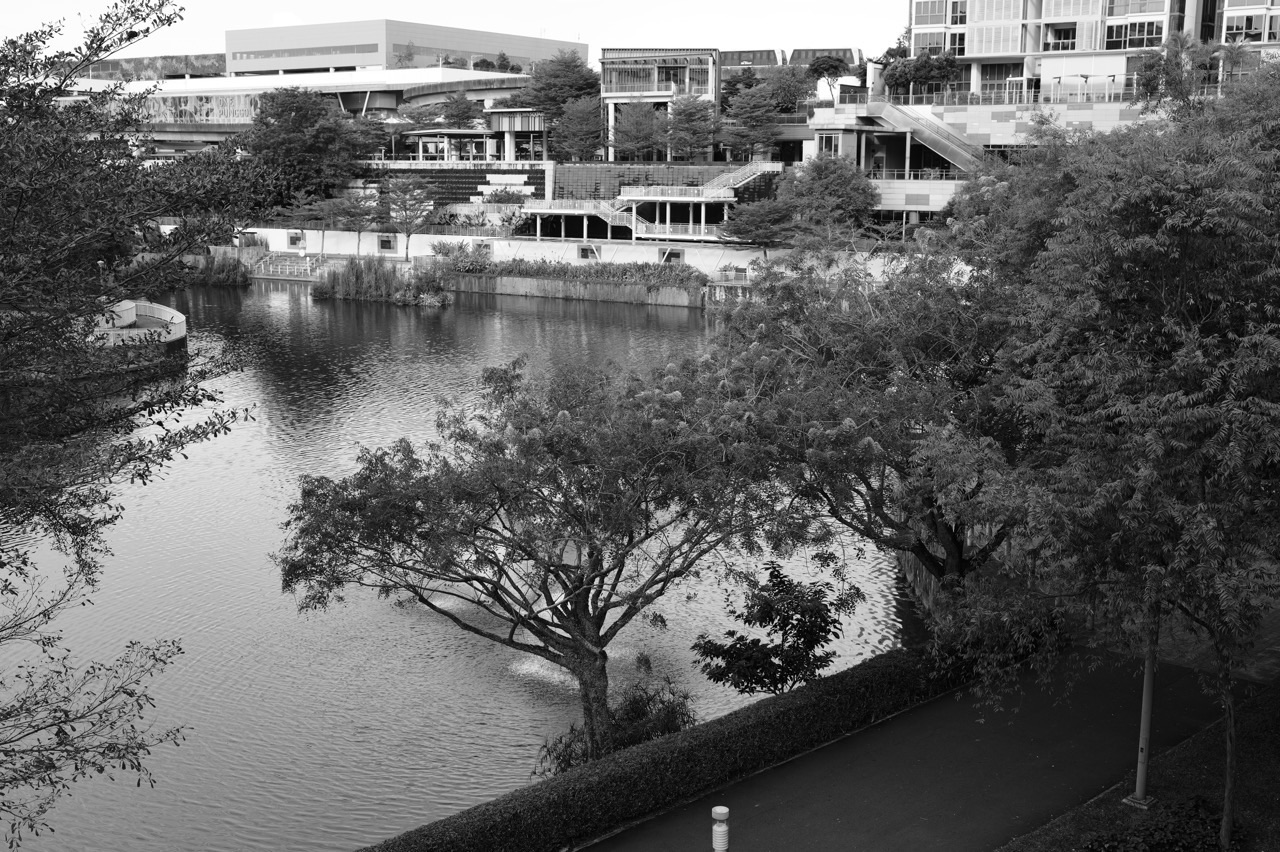
Can you enjoy Punggol with a budget of S$20? Often, yes—but not every itinerary or family size will fit. For one person, first reserve the actual MRT/LRT or bus fare needed for the trip, then choose one affordable meal and an activity that does not require a ticket: Punggol Waterway Park, an ordinary library browse at One Punggol, a public-art view at Punggol Coast or a short safe neighbourhood stroll. Check the current operator and food prices before deciding whether the remainder covers a drink or dessert. Do not buy an expensive attraction ticket and hope there will still be enough for transport home.
Things to do in Punggol on a S$20 budget become easier when you distinguish free entry, transport costs, food spending and optional extras. A student with a concession fare and someone travelling from across Singapore will not spend the same amount reaching Punggol. A couple sharing a snack and a household of four buying lunch are different budgets. This guide provides flexible spending examples and genuine low-cost activity choices, rather than promising that a named restaurant charges a particular menu price in October 2026.
18 October 2026 air-quality note: NEA forecast unhealthy to very unhealthy PSI (150–220) for 18 October. Follow the latest one-hour PM2.5 guidance for immediate decisions and corresponding advice for children, seniors, pregnant people and those with heart or lung conditions. A public park being free does not mean visiting it is advisable today. If outdoor conditions are unsuitable, choose a safe indoor option, read at home or postpone travel. Protecting health is part of intelligent budgeting too.
S$20 Punggol day out: choose the budget style before a venue
| Your real situation | Choose this first | Potential no-ticket experience | Do not forget |
|---|---|---|---|
| Living in Punggol; already nearby | A suitable normal public place | Short Waterway section or ordinary library browsing | Food and unexpected purchases |
| Coming by MRT/LRT or bus | Return transport fare | One accessible indoor/park destination | Do not spend the fare on snacks |
| Student with approved concession | Individual current fare and family rules | Library, short suitable public walk, one meal | Concession eligibility and return time |
| Two people with S$20 each | Agree whether meals are separate | Walk and hawker-style food where appropriate | Two separate fares and dietary needs |
| Family of four with S$20 total | Prefer very local or free-at-home experiences | Home reading, public park when suitable | Four meals will not automatically fit |
| Poor outdoor weather or haze | Current safety decision | Home games or suitable ordinary indoor activity | Travel may still involve exposure |
The only reliable arithmetic is based on your actual day
Imagine a purely illustrative S$20 envelope for one person, not a promise about local prices: S$5 reserved for return transport, S$11 reserved for food, and S$4 kept for contingency. That allocation totals S$20. If your real round-trip fare is S$6.50, the example must change. If a suitable meal costs more than the food allowance, either choose another meal that actually fits or reduce optional spending. The lesson is to give necessities the first claim on your money.
A second illustrative plan for a resident who can walk legally and comfortably to the chosen destination might allocate S$0 to additional transport, S$12 to a meal and S$8 as a maximum for a snack or future saving. That does not mean a particular local restaurant offers a S$12 meal. Likewise, a third plan could spend nothing on discretionary purchases by reading a book already at home or enjoying a suitable publicly accessible local place, subject to current safety guidance.
Treat the S$20 as a cap, not a target to exhaust. If you spend S$13, you have not failed to get value. The remaining amount may be more useful for the next outing. MoneySense’s basic budgeting principles encourage comparing needs and wants, planning spending and leaving room for unexpected costs. A good leisure day can reinforce those habits without turning every family activity into a finance lesson.
Twelve important decisions before spending on a Punggol day out
Reserve transport money first
It is tempting to budget for food and an attraction, then discover you have underestimated the journey. Public transport fares depend on the actual distance and any valid concession status. Even travelling between the central and northern Punggol MRT stations can involve a separate consideration from the original journey into town.
Open the current public transport fare information and record what applies to the people travelling. Do not quote a flat ‘return fare to Punggol’ to everyone. The car-free day itinerary is the separate route owner; this article owns the financial choices.
Decide whether food is the main pleasure
A meal with a friend can be the main attraction. A park, public mural or normal library browse can be the companion. If you want one substantial meal, prioritise its budget before buying drinks, novelty snacks or paid souvenirs.
Use the current Punggol food guide to find genuine options, then verify the chosen vendor’s live menu and hours. A cheap-eats list helps shortlist places but is not a guarantee of exact current pricing. Set aside food money appropriate to dietary needs.
Understand that public parks are shared, not reserved
Punggol Waterway Park can offer public views, planting, bridges and short walks without an admission ticket. The correct activity depends on weather, air quality, route condition and the group’s ability. A 20-minute look may be sufficient and free; rentals, guided activities or tickets are separate.
Never assume the park’s free entry means cooking, cycling across prohibited bridges or private events are allowed. Follow NParks signs. Park water edges require direct supervision of children, and poor haze can make even leisurely outdoor plans inappropriate.
Use the library as reading rather than automatic entertainment booking
Punggol Regional Library at One Punggol offers ordinary reading, borrowing and public access under NLB rules. Choosing a book, exploring a new nonfiction subject or looking for a suitable children’s title can be an enriching leisure activity without a ticket.
The library is not a privately bookable party or maker area merely because it is free to enter. Workshops, special rooms, equipment and study zones can have separate rules. Read the library guide before a trip that depends on a specific service.
Keep shopping as shopping, not a disguised requirement
A town centre or mall can be enjoyable to browse, but window-shopping sometimes turns into unplanned purchases. Set a specific spending limit and resist the feeling that visiting a mall obliges you to buy something. A café can be a lovely place to spend money intentionally, but it is not a universally free lounge.
If you are not buying, respect commercial spaces and seating rules. Never reserve tables or occupy paying customers’ space for a large private activity. You can spend an entire worthwhile afternoon in public or home spaces without entering a shop.
Build a realistic group budget
For two friends, agree whether each pays their own food and transport. For a family of four, understand that ‘S$20 total’ may not cover everyone’s travel and meals. Be explicit about per-person versus whole-group spending before promising the outing.
A child may have a concession pass, but that does not mean all fares or meals become free. A family group with young children, elderly relatives or special dietary needs should prioritise practical comfort over the headline budget number.
Use one neighbourhood rather than paying to cross town repeatedly
Punggol’s central Waterway/One Punggol area is a different cluster from Punggol Coast Mall and the northern Digital District. East and West Loop neighbourhood centres form additional clusters. Moving among all of them can consume time and fares without adding much enjoyment.
Pick a destination near the station actually serving it. A short public activity and meal at One Punggol may be enough. If the northern district is your goal, travel directly toward Punggol Coast rather than first touring the central town.
Not every ‘free’ public space is accessible to everyone
A child in a stroller, someone who uses a wheelchair, or an older visitor may require lifts, smooth paths and nearby toilets. If the route forces a long detour or extra transport, the outing may have costs not reflected by the advertised free attraction.
Check the complete public route and its suitability before leaving. Do not advertise a facility as fully step-free without current verification. A short safe visit is better than a longer low-price itinerary somebody cannot comfortably complete.
Rain, haze and lightning alter the correct spending decision
During unsafe outdoor conditions, a park walk cannot be justified by its free entry. A library or indoor activity may be appropriate if the journey can be made safely, but an unnecessary trip can simply be postponed. Sometimes the best use of a S$20 budget is spending nothing today.
Check Meteorological Service Singapore and NEA/MOH guidance. If outdoor exposure should be avoided, do not encourage prolonged public transport and pedestrian wandering to use a prepaid budget. The indoor haze destinations guide handles local options.
A discount is not always a saving
A meal bundle, paid play promotion or family package may look attractive because it reduces a listed price. It can still exceed the entire intended budget or include activities the household did not want. Compare what you truly need with the complete amount charged.
Read membership conditions, age brackets, service charges and the exact admission included. Do not invent eligibility based on an advertisement. ‘Two for one’ is not a useful deal if neither person planned to pay for the activity.
Keep a small contingency before adding optional extras
An unplanned drink, change in fare, delay or needed basic item can turn a tightly allocated day into financial stress. You can reserve a small cushion instead of spending the last dollar on a souvenir. The amount depends on your travel distance and household.
An illustrative S$4 contingency is not a legal or recommended universal minimum. For a long journey or group with special requirements, more may be necessary. If the plan cannot comfortably accommodate real uncertainties, make it simpler.
Value is not measured by number of attractions
A public view, one affordable meal and a conversation can be a fulfilling afternoon. A child may prefer twenty minutes of exploration over three separate ticketed stops. A student or caregiver may enjoy a quiet library browse more than a shopping marathon.
Ask afterward what the group enjoyed and what was awkward. If the outing was comfortable and stayed within a sensible budget, it has achieved its purpose even if you visited just one place.
Four simple low-spend Punggol itineraries
The nearby Waterway-and-meal day
Choose a known appropriate public Waterway segment near your existing Punggol MRT route, but only if air quality and weather allow it. Enjoy a short walk, then spend your planned food allowance at an operating suitable venue. Set the return time and avoid adding paid rides or equipment rentals.
This works best when transport costs are already small and the group genuinely wants outdoor time. During October’s current unhealthy-to-very-unhealthy forecast, make it an indoor or future-date plan instead.
The library-first afternoon
Visit the normal reading collection at Punggol Regional Library at One Punggol and use the remainder of the budget for a simple meal or drink if wanted. Children can browse books; adults can explore local knowledge or fiction. Ordinary library access is not a guarantee of event seats or equipment bookings.
The activity can be genuinely low-cost because the reading component need not involve a ticket. If travelling from far away, make sure the return transport allowance is still sufficient.
The Punggol Coast public-space visit
Take the appropriate North East Line route to Punggol Coast, choose one confirmed open public district feature and a modest food option if the prices fit. JTC identifies the mall, hawker centre, public mural and first open Heritage Trail section, though the outdoor parts need suitable conditions.
Do not treat the full planned 1.3km Heritage Trail as open, or expect every campus interior to welcome casual visitors. The food alone plus a short open-space look may be enough.
The neighbourhood-centre discovery
Choose Coral Edge/Punggol Plaza, Oasis/Oasis Terraces or Samudera/Northshore Plaza depending on which public route is easiest for your household. Enjoy a market browse, a modest meal or a look at public design. If nothing needs buying, keep the visit a short ordinary outing.
This may be the most repeatable budget option for residents. It does not require travelling across Punggol to a more famous attraction; fewer transfers can leave more time and money for enjoyment.
Twenty-six practical ways to keep a S$20 ceiling meaningful
1. Write down the actual total
Try: Specify if it means per person or per group. Why: S$20 for four people differs from S$20 each. The point is a comfortable outing within genuine means, not a public challenge to spend as little as possible.
2. Check the return fare
Try: Use the actual current payment and concession details. Why: Do not guess from a generic article. The point is a comfortable outing within genuine means, not a public challenge to spend as little as possible.
3. Set a meal allowance
Try: Decide what remains after transport. Why: Do not rely on outdated menu photos. The point is a comfortable outing within genuine means, not a public challenge to spend as little as possible.
4. Choose one main attraction
Try: Prefer a free-entry public experience when appropriate. Why: A second paid venue may break the budget. The point is a comfortable outing within genuine means, not a public challenge to spend as little as possible.
5. Carry a water bottle if practical
Try: Avoid unnecessary incidental purchases. Why: Carry only what is suitable and allowed. The point is a comfortable outing within genuine means, not a public challenge to spend as little as possible.
6. Keep discounts in perspective
Try: Compare the amount payable with what you wanted. Why: A discounted purchase still costs money. The point is a comfortable outing within genuine means, not a public challenge to spend as little as possible.
7. Avoid travel between distant clusters
Try: Choose central or Coast as the main area. Why: Extra transfers waste time and possibly fare. The point is a comfortable outing within genuine means, not a public challenge to spend as little as possible.
8. Read current venue hours
Try: Check the exact operator’s page. Why: A building’s opening is not every service’s opening. The point is a comfortable outing within genuine means, not a public challenge to spend as little as possible.
9. Plan for a wet day
Try: Keep an indoor alternative or postpone. Why: A free exposed path is not storm-safe. The point is a comfortable outing within genuine means, not a public challenge to spend as little as possible.
10. Check the current haze guide
Try: Make an outdoor plan only when appropriate. Why: Visible blue sky does not prove low PM2.5. The point is a comfortable outing within genuine means, not a public challenge to spend as little as possible.
11. Leave a contingency
Try: Reserve a little of the budget if feasible. Why: Spending exactly S$20 is not the aim. The point is a comfortable outing within genuine means, not a public challenge to spend as little as possible.
12. Look for ordinary free public activities
Try: Try a library browse or safe short public view. Why: Free entry does not mean unrestricted use. The point is a comfortable outing within genuine means, not a public challenge to spend as little as possible.
13. Try a reading challenge
Try: Use an age-appropriate available library book. Why: A workshop may be separately booked. The point is a comfortable outing within genuine means, not a public challenge to spend as little as possible.
14. Compare food choices honestly
Try: Look at current menus and posted prices. Why: Do not invent an allergy-friendly option. The point is a comfortable outing within genuine means, not a public challenge to spend as little as possible.
15. Choose the right station
Try: Punggol and Punggol Coast are distinct. Why: A wrong start can waste resources. The point is a comfortable outing within genuine means, not a public challenge to spend as little as possible.
16. Choose a short route
Try: Keep the walking segment realistic. Why: Do not turn leisure into an unplanned hike. The point is a comfortable outing within genuine means, not a public challenge to spend as little as possible.
17. Bring child basics when needed
Try: Consider water, appropriate supplies and care. Why: Do not force a snack purchase for lack of planning. The point is a comfortable outing within genuine means, not a public challenge to spend as little as possible.
18. Avoid assuming open sports facilities
Try: Check operator status and current bookings. Why: A planned court is not a reservation. The point is a comfortable outing within genuine means, not a public challenge to spend as little as possible.
19. Do not buy unnecessary equipment
Try: A family game or walk needs little gear. Why: A hobby need not begin with shopping. The point is a comfortable outing within genuine means, not a public challenge to spend as little as possible.
20. Respect public picnic rules
Try: Use suitable space responsibly. Why: Free park access is not BBQ permission. The point is a comfortable outing within genuine means, not a public challenge to spend as little as possible.
21. Choose your own pace
Try: Let energy and mobility shape the day. Why: A longer route is not better value. The point is a comfortable outing within genuine means, not a public challenge to spend as little as possible.
22. Record actual spending
Try: Write fares, food and extras after the trip. Why: Guessing later loses the useful information. The point is a comfortable outing within genuine means, not a public challenge to spend as little as possible.
23. Discuss needs and wants
Try: Choose what made the outing meaningful. Why: Do not lecture children during every meal. The point is a comfortable outing within genuine means, not a public challenge to spend as little as possible.
24. Make a realistic next plan
Try: Keep one enjoyable affordable favourite. Why: There is no duty to find something new weekly. The point is a comfortable outing within genuine means, not a public challenge to spend as little as possible.
25. Know when to stay home
Try: Read or play indoors when outdoor safety warrants it. Why: Saving the budget may be the sensible action. The point is a comfortable outing within genuine means, not a public challenge to spend as little as possible.
26. Celebrate unused money
Try: Keep what you did not need. Why: Unspent funds are not a missed opportunity. The point is a comfortable outing within genuine means, not a public challenge to spend as little as possible.
Worked example: a budget with real choices
| Planning envelope | Illustrative amount | How to use it |
|---|---|---|
| Transport reserve | S$5 | Confirm and adjust actual return fare |
| Food allowance | S$11 | Find a genuine suitable menu within budget |
| Contingency | S$4 | Keep rather than spend automatically |
| Maximum planned total | S$20 | One person’s illustration, not a quote |
| If fares cost more | Reallocate or choose a closer activity | Never skip a necessary safe return |
These numbers are made-up example allocations, not today’s public transport fares or local menu prices. The S$5 + S$11 + S$4 envelope totals S$20, but a different journey or meal may make the allocation impossible. It is more useful to ask what has to change than to pretend the market must match your plan. For a family of four, first establish the household’s total cap and essential costs, then decide whether a home activity or nearby public place offers a better fit.
Questions people ask about a S$20 Punggol day
Can I go to Punggol for S$20?
Often, depending on origin, fares, food and optional activities. Reserve actual necessary transport first and choose a free-entry or low-cost main activity.
Is S$20 enough for a family of four?
Not necessarily for fares and meals for four. Choose a realistic total family budget or a local/home activity instead of claiming everything fits.
What can I do for free in Punggol?
Ordinary park access and normal library browsing can be free to enter. Transport, food, rentals and certain programmes still cost money.
Does Punggol Waterway Park charge admission?
Normal public entry does not require an attraction ticket; shared path and other public rules still apply.
Is One Punggol library free?
Normal library visiting is generally available under NLB rules. Special rooms, workshops and equipment may require bookings or eligibility.
Where can I eat affordably?
Punggol has multiple hawker and neighbourhood food clusters. Use the current cheap-eats and food guides and verify real vendor prices.
Does a hawker centre have the same prices at every stall?
No. Each vendor has its own menu and pricing. Do not rely on one out-of-date price as a town-wide guarantee.
How much should I reserve for MRT?
Use your real return route, concession eligibility and current fare information. There is no universal Punggol return fare.
Can I visit Punggol Coast with the same budget?
Possibly, after checking transport and food. The current public district areas may allow a low-spend visit without a ticket.
Is the full Heritage Trail open?
JTC confirms the first 400m open, with the rest phased. Do not assume the whole future route is usable.
Can I visit Coney Island for free?
Public access generally does not involve an entry ticket, but the 7am–7pm operating window, terrain and travel requirements still matter.
What about Punggol Point Park?
It is undergoing upgrading. Do not include closed facilities in a supposedly cheap outing.
Can I make a low-budget date?
Yes. Agree on a meal or drink spending limit and choose one safe public or indoor companion activity. Comfort matters more than the number of stops.
Can students do a S$20 group challenge?
Yes with appropriate supervision, transport planning and family permissions, but keep spending expectations explicit. Do not require purchases as a condition of belonging.
Should I take a taxi to save time?
Compare the actual fare and circumstances. A taxi can exceed a small discretionary cap; some mobility or care needs may justify a different budget rather than forcing public transport.
Do I need to book the library?
Normal reading differs from reserved spaces or programmes. Confirm a specific activity with NLB rather than assuming live availability.
Is a coupon always worth using?
Only when the purchase is needed, the full payable amount fits and the terms are valid. A discount can still encourage extra spending.
How do I budget for rain?
Prefer one indoor-available cluster or postpone. Avoid rushing to another distant venue merely because the initial outdoor plan became unsuitable.
What about haze on 18 October 2026?
NEA forecast unhealthy-to-very-unhealthy PSI. Follow current NEA/MOH advice and defer outdoor plans where appropriate.
Can we pack our own food?
Yes where suitable, with safe storage and permitted consumption. Do not treat packing a picnic as permission to cook or reserve park space.
Do I need to spend all S$20?
No. Money left over is useful; a low-spend enjoyable outing is a success.
Can a child practise budgeting during a trip?
Yes, by comparing posted prices and needs versus wants when they are interested. A relaxed outing need not become a compulsory maths assignment.
How do I make the cheapest trip possible?
The lowest discretionary spending may be a home-based book, game or short walk from home when conditions are safe, with no extra transport.
What is the biggest budgeting error?
Forgetting actual return transport and unexpected costs while focusing on an attractive ticket price.
Where can I find a general local guide?
Use the Punggol town guide and lifestyle planner. This article owns the S$20 decision framework.
Relevant eduKate Punggol articles
- Free Things to Do in Punggol
- Cheap Eats in Punggol
- Punggol Food Guide
- Punggol Without a Car
- Punggol Lifestyle Planner
- Punggol Third Places
- Punggol Regional Library
- One Punggol Hub
- Punggol Waterway Park
- Punggol Coast and Digital District
- Punggol Food-and-Walk Pairings
- Punggol Market-to-Table Family Day
- Punggol Pocket Money Learning
Sources and price-date discipline
Primary references: MoneySense budgeting and spending, LTA Public Transport Fares, NParks Punggol Waterway Park, NLB Punggol Regional Library, JTC Punggol Digital District, NEA 17 October advisory for 18 October. Updated 18 October 2026. The illustrative budget is not live pricing or guaranteed restaurant availability.


