
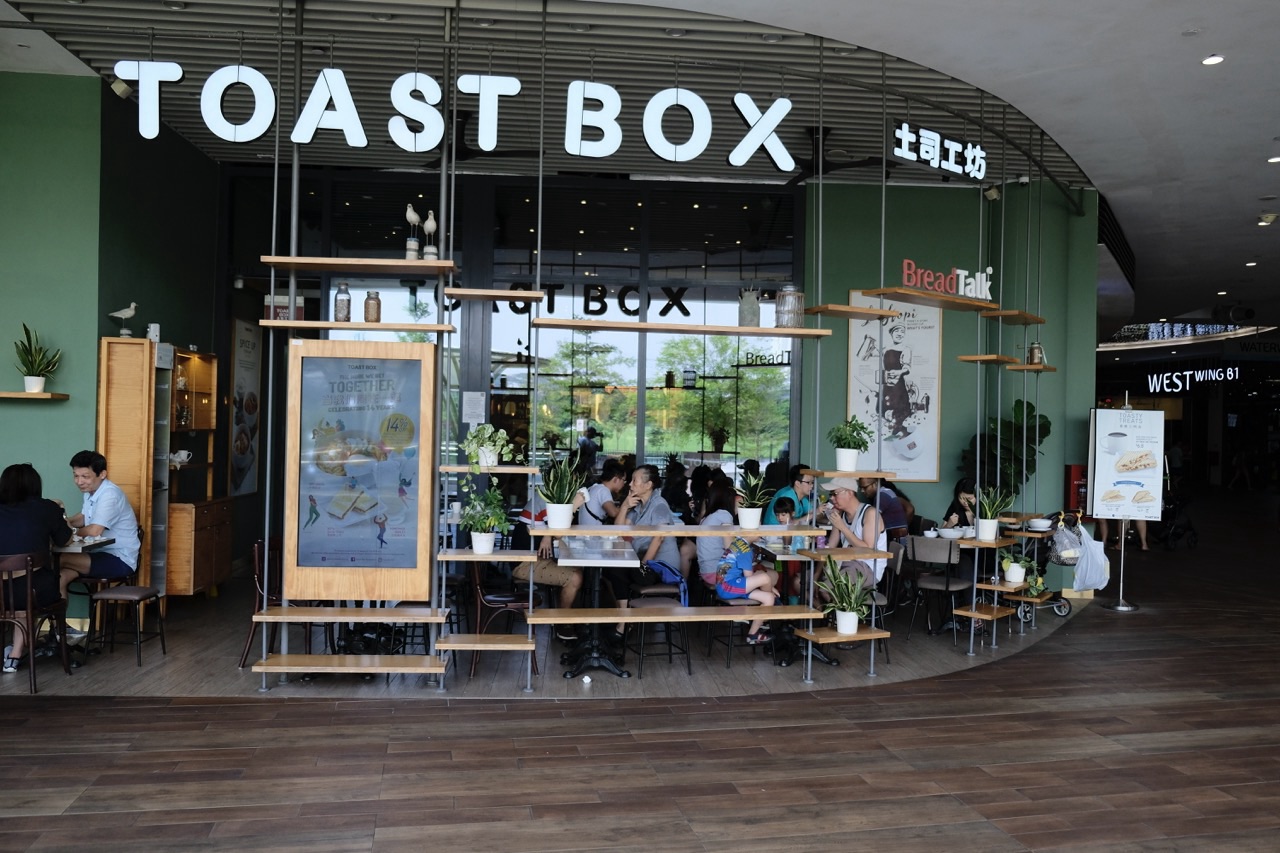
The best café in Punggol depends on the visit you want. A full brunch, a coffee before an appointment, a conversation with a friend, a dessert stop and an hour of work ask different things of a venue. Start with that purpose, then choose the area and check the café’s current menu and arrangements. You do not need to travel across town simply because a familiar name appears in an old roundup.
This guide was checked on 3 October 2026. Rise & Grind at Oasis Terraces has current provider-listed brunch and coffee information. Waterway Point offers a dining directory for investigating a convenient meeting in the town-centre area. The earlier recommendation of Creamier at Northshore is removed from the current shortlist: its Punggol closure was announced for 31 August 2026, and the official store locator now lists other locations.
The suggestions below are organised around the kind of visit, not a universal ranking or a claim of recent personal tastings. A café’s own listing establishes its advertised location and menu positioning. It does not establish today’s vacant tables, noise, Wi-Fi, power sockets or permission to stay with a laptop. Those details need to be checked with the specific outlet when they matter.
Choose one suitable café and one realistic nearby fallback. If the first is full, you can still enjoy the meeting or meal without another uncertain journey. Keep optional activities flexible, especially with children or after a long walk. A well-planned coffee stop can be a small pleasure in the day, rather than another task to complete.
Read by purpose: Choose the kind of café visit first · Rise & Grind at Oasis Terraces · Creamier Northshore: an older recommendation, now closed · Waterway Point for a town-centre coffee meeting · Waterway views and sea-facing dining are different visits · Laptop work: ask before planning a session · A café budget that includes the whole visit · Frequently asked questions
Choose the kind of café visit first
For a full brunch, look for a current menu with enough food for the people coming. For a short coffee, transport and quick ordering may matter more. For dessert, check the product and time of day rather than assuming a dessert venue also offers the breakfast you want. For work, establish the table policy before planning the session.
Identify what is essential and what would simply be nice. Essential needs might include suitable ingredients, a step-free route or enough time to leave for a class. A view, a particular dessert or a new drink can be preferences. Confirm the essentials first, then choose among the options that work. This avoids building the visit around a photograph while overlooking the household’s actual needs.
Choose the food area in relation to the rest of the day. Oasis may fit a visit around Punggol Drive; Waterway Point may fit a meeting around Punggol MRT; a current Northshore outlet may fit a nearby errand. None is automatically the easiest starting point for every resident. Use the actual address and route from where you will be.
The comparison table is a starting aid. Its suggestions explain why an area may be worth checking, while the outlet determines the final menu and conditions. If a particular facility, table or service window is necessary, confirm it before setting out. A broad café description is not a reservation or an assurance that every visit will feel the same.
| Visit | Starting point | Why investigate it | What to confirm |
|---|---|---|---|
| Full brunch | Rise & Grind, Oasis Terraces | Start with its current provider menu when a substantial café meal is the main outing. | Confirm the meal’s serving window, desired dishes and seating. The listed opening hours do not establish last orders or every item’s availability. |
| Coffee around an MRT meeting | A named Waterway Point outlet | Use the mall directory to choose one precise destination for people arriving separately. | Check the actual outlet and meeting point. Allow time to reach it from your arrival entrance rather than using a general mall name. |
| Northshore errand break | A currently confirmed Northshore outlet | Choose a coffee or dessert stop that fits an existing nearby journey. | Creamier’s former Northshore outlet is no longer a current option. Confirm a different business’s address and operation before travelling. |
| A view with conversation | A venue with confirmed outlook and seating | Decide whether you want the inland Waterway or a coastal setting before comparing venues. | Ask about the actual table if the view matters. Near-water location alone does not establish a sea view or unrestricted surrounding access. |
| Short laptop task | An outlet that permits the intended visit | Match one manageable task to the time and table arrangement the café has accepted. | Verify laptop permission, internet and power separately. Bring charged equipment and use another setting when an essential facility is unavailable. |
| Longer individual study | Punggol Library’s appropriate study space | Compare the library’s current study arrangements before making repeated café purchases. | Check NLB’s booking instructions and the Study Zone’s distinct access and schedule. Opening hours do not reserve a seat. |
| Family brunch | A café with suitable current food choices | Pick food and timing that suit the children and adults who are actually coming. | Confirm essential high chairs, stroller space, ingredients or access directly. A children’s menu does not establish every family facility. |
| Quick food before heading home | A suitable takeaway outlet on the route | Keep collection close to departure and choose an order you can carry comfortably. | Confirm packaging and storage needs. A dessert gift, hot meal and takeaway drink can require different handling and journey plans. |
Rise & Grind at Oasis Terraces
The Rise & Grind official site lists its Punggol café at 681 Punggol Drive, Oasis Terraces #01-06, Singapore 820681. Its advertised hours at this check are 10am to 9pm Monday to Friday and 9am to 9pm on weekends and public holidays. Recheck the provider before a special trip, including the kitchen’s serving arrangements for the meal you want.
The provider describes an Australian-inspired café offering brunch, mains, sweets and beverages. That supports using it as a starting point for a fuller café meal rather than merely a takeaway drink. Read the current menu for the actual choices and prices. This guide does not turn the provider’s promotional descriptions into independent ratings of taste, service or value.
The site also advertises children’s meals for ages 12 and below. If that matters to the family, check the current menu and ask about the particular order. A children’s menu is useful information, but it does not certify high-chair availability, the suitability of every ingredient or how easily your stroller can fit beside a chosen table.
For a brunch visit, give the café’s exact unit when arranging a meeting. Oasis Terraces has other food outlets and a separate food court, so “meet at Oasis for food” is ambiguous. For laptop work, ask the outlet directly about its current policy and facilities. Do not plan a working session from a general café listing alone.
Planning brunch at Oasis
Decide whether brunch is the main outing or one part of a neighbourhood visit. If it is the main event, allow enough time to order and enjoy it. If it sits between appointments, work backwards from the next check-in and choose a meal that fits the gap. Opening at a stated time does not guarantee immediate table availability or a particular menu item.
For a group, agree whether everyone wants a full main or whether some people only want a drink. This helps choose the venue and avoids ordering extra food simply to match an imagined brunch format. Ask about serving sizes where unclear. Someone with a small appetite should not need a large plate because the rest of the table is having a substantial meal.
A Waterway walk or another errand can follow if the route and conditions suit the group. Keep that activity optional. A child who enjoyed brunch may still be too tired for a long walk, and a rainy morning may change the plan. The café meal can remain the whole visit without losing its purpose.
If ordering food to take away afterwards, collect near departure and ask about packaging. Avoid turning a seated brunch into a long sequence of purchases that must be carried through the centre. A simple visit often feels more relaxed because there are fewer things to coordinate.
Creamier Northshore: an older recommendation, now closed
The previous edition recommended Creamier at Northshore Plaza II for ice cream and coffee. That is no longer a current destination in this guide. Mothership’s 5 August 2026 report records the café’s announcement that its Punggol outlet would last operate on 31 August 2026. The current official store locator lists Toa Payoh and Tiong Bahru rather than Punggol.
An older Northshore flavour page still exists on the provider’s website, but it is dated March 2023. Its continued availability online is not evidence that the outlet remains open. Old menu pages, delivery listings and photographs can outlive a business location. Use the current locator and dated announcement when deciding whether to travel.
For a Northshore coffee or dessert stop, investigate a currently listed outlet that suits the occasion instead of planning around Creamier’s former address. Check the exact venue, menu and opening arrangements. This update does not name a replacement simply because it occupies a nearby unit or offers a similar-looking product.
If Creamier itself is the purpose of the trip, use its current official location information for an outlet elsewhere and plan that as a separate journey. A former Punggol recommendation can remain part of the area’s history without being presented as an available local meal.
Northshore coffee without an outdated itinerary
Begin with the errand, home route or activity bringing you to Northshore. Then look at current food listings for that location. Confirm which building and unit the café occupies, particularly where a complex has more than one section. A broad location name is not enough when friends arrive at different entrances.
Choose the product you want: a seated coffee, a dessert, a bakery purchase or a full meal. Those are different choices, and an outlet may suit one better than another. Read its present menu rather than assuming a café label means breakfast, dinner and desserts are all served throughout the day.
Ask about the actual environment if it matters. Indoor and outdoor seating, shelter on the approach, noise and access can differ between individual venues. A neighbourhood centre’s general description does not settle those questions for every café. Confirm an essential requirement before committing the group to the visit.
Keep the rest of the outing realistic. If everyone is already nearby, a short coffee can be convenient. Adding a second food destination across town may change both the budget and journey home. Let the current outlet and the day’s route determine the plan, rather than trying to recreate an old café-and-waterfront itinerary.
Waterway Point for a town-centre coffee meeting
Waterway Point is a food area to investigate when meeting around Punggol MRT or combining coffee with mall errands. Use the mall’s current dining directory and the intended café’s own information. Choose one named outlet and meeting point before arriving rather than asking a friend to find you somewhere in the mall’s dining areas.
The mall has provider listing pages for Starbucks and The Coffee Bean & Tea Leaf. These are starting references for outlet checking, not a claim that every table is available, every facility is provided or the current menu matches another branch. Check the specific venue when the visit depends on a particular arrangement.
General mall hours do not establish a café’s opening time, last orders or seating policy. Wi-Fi, charging and a quiet table need outlet-specific confirmation. If you need an internet connection or power, verify it with the actual outlet and have a workable alternative.
For two people arriving from different directions, transport convenience can make this area worth considering. Compare the real route from station or drop-off to the outlet, especially if someone needs a lift or shorter walk. A central meeting area still requires a precise destination and enough time to reach it.
A café is a meeting place; choose the table accordingly
Before ordering, check that the available seating suits the conversation. Two people catching up may only need a small table. A group discussing notes may need more space, but should ask about the arrangement rather than occupy several tables automatically. Follow the outlet’s current seating and reservation rules.
Decide whether the meeting includes food or only drinks. That affects timing, spend and which café makes sense. A long brunch menu may be unnecessary for a short appointment between errands. A takeaway counter may be insufficient when one person needs to sit and rest. Agree the intended format so both people arrive with similar expectations.
If the meeting starts late because someone is delayed, adjust the end time where necessary. Do not assume a missed start can be recovered by staying beyond the venue’s preferred table use. A clear message about arrival, table and departure helps prevent a relaxed coffee from becoming stressful coordination.
For important discussions requiring privacy, choose an appropriate setting. A public café’s nearby tables and background activity may make some conversations unsuitable. Keep sensitive documents and screens managed, and move a discussion elsewhere if the environment does not provide what you need.
Waterway views and sea-facing dining are different visits
“Waterfront” can describe different parts of Punggol. A café visit around the inland Waterway is different from a restaurant gathering near the coast. Decide which setting you want and then confirm the actual table and outlook. A venue’s location near water does not promise that every seat has an unobstructed view.
For a view that is important to the occasion, ask the outlet about reservations or the available seating arrangement. Treat any request as subject to the venue’s confirmation rather than guaranteed by a photograph. Weather, table availability and the way a venue uses its space can affect the experience.
The Punggol Settlement belongs in a wider restaurant and waterfront-dining plan, not as an assumed daytime laptop café. Check the particular business and menu before choosing it for coffee. A cluster that includes restaurant dining does not establish that every venue serves a quiet afternoon drink or welcomes a working session.
Use the Punggol food overview for the broader meal choices. Choose the venue for its current operation and the occasion, then add scenery as a preference. That keeps the visit useful even if the weather or available table differs from an older image.
Punggol Point access during upgrading
The NParks notices state that Punggol Point Park closed for upgrading from 11 August 2026, with expected completion on 31 December 2027. Read the current notice and route before planning a waterfront walk around a meal. The expected completion date is not a guaranteed reopening day.
Restaurant operation and park access need separate checks. A restaurant may have its own arrival arrangement; a park notice does not certify that arrangement. Equally, a confirmed restaurant booking does not establish that adjacent paths or parking remain in their normal configuration. Ask the venue about current access relevant to your visit.
If the desired walk is unavailable, shorten the plan to the confirmed meal or choose another current route that the group wants. There is no need to replace every closed path with an equally long detour. Keep the travel and energy required for the people coming in view.
For a café-style meeting, another currently confirmed venue may be simpler than an evening restaurant plan near works. The choice should follow what you want to do, rather than a broad “waterfront” label that conceals several different environments and access questions.
Older Tebing Lane and Container Park café lists
Older guides may rely heavily on Punggol East and Container Park businesses. Check the container-park closure guide and the particular business’s current announcement before travelling. This page does not use a site lease or handback date to guarantee that all individual food tenants continue serving until then.
A café can finish trading, move or change its menu before a wider site transition is complete. Read the business’s actual address and last-service information. If it has relocated, confirm the new outlet rather than following an old pin. A familiar brand name alone does not establish that the former Punggol unit is still operating.
Keep historic recommendations in their proper context. They can describe places people knew, but they are not current availability checks. A roundup published years ago should not determine a special trip without a present provider reference, especially where the article’s photographs and menus have not been updated.
If your older favourite is unavailable, identify what you liked about the visit: brunch, dessert, conversation, outdoor space or an easy journey. Use that feature to compare current options. You do not need an exact substitute for the old setting to organise a pleasant meal or catch-up.
Brunch with children: make the meal easy
Ask what the children need before choosing the café. A familiar dish, an earlier meal or a shorter wait may matter more than a photogenic breakfast. Read the current children’s menu where provided, and ask about portion and ingredients. Do not assume a menu label answers every family requirement.
If high chairs, stroller space or a specific seating arrangement are essential, confirm them with the outlet. A café’s family menu does not guarantee those facilities. On arrival, choose a suitable table and keep aisles clear. Arrange bags before hot plates and drinks arrive so they do not have to be moved through a crowded table later.
Order according to appetite. Adults may want a full brunch while a child wants something smaller. Discuss sharing only if everyone is comfortable with it and the food is appropriate for them. Avoid buying extra dishes simply because each person is seated, then expecting the child to finish more than they wanted.
Keep the next activity optional. A short walk or nearby playground visit can be enjoyable if the route is available and the child still has energy. A meal can also be enough. Use the Punggol playground guide for a separate activity check rather than assuming a café’s nearby play space is always open.
An unhurried visit with older relatives
Ask the person what would make the visit comfortable. They may prefer a shorter walk, quieter conversation, a particular type of food or a smaller portion. Those are individual preferences, not assumptions about all older diners. Let them help choose the format before the group fixes a venue.
Check the route from arrival to the actual table, including any lift and the approach through the building. A nearby café pin may still require a long internal walk. If mobility support is essential, confirm the relevant access and seating with the outlet. Do not rely solely on a general description of the mall or neighbourhood centre.
Allow enough time for the meal without making the person rush to the next activity. A hot drink, a freshly cooked plate and conversation can each take longer than an assumed quick stop. If several tasks are planned, remove an optional errand rather than treating the slower diner as the reason the day has gone wrong.
For a celebration, choose a confirmed arrangement that fits the whole group. A table with a view may be less useful than one easier to reach. A familiar available dish can matter more than trying every recommended item. The visit succeeds when the person can enjoy participating comfortably.
Laptop work: ask before planning a session
A café recommendation does not grant permission to work there for hours. Ask the specific outlet about laptop use, table limits and any relevant conditions. A positive answer on a previous visit or at another branch does not establish the current policy. If the café cannot accommodate the intended session, choose another appropriate setting.
Confirm the facilities you need. Do not assume Wi-Fi, a socket beside your seat or a sufficiently large table. Charge devices beforehand and decide what can be completed offline. If your work depends on a stable connection or uninterrupted power, a café with uncertain facilities may be the wrong location.
Choose a manageable task rather than planning an entire workday around a public dining table. Reading, outlining or reviewing a short document may fit a brief visit. A sequence of calls, large equipment setup or confidential discussion may not. Let the task’s actual requirements determine whether the café works.
Once there, follow current rules and staff guidance. Keep belongings within your space and do not block walkways with charging cables or bags. If the outlet becomes busy and the permitted arrangement changes, finish or move as requested. Buying another drink does not override a table policy or create an entitlement to a particular seat.
A short work-session plan
Here is an illustrative plan, not a statement of any café’s permitted stay. Suppose an outlet has confirmed that your intended one-hour laptop visit is acceptable. Choose one task with a clear finish, such as outlining a two-page proposal. Spend the first ten minutes ordering and organising, then use 40 minutes for the outline and ten minutes to review and pack.
Before leaving home, download the material you need and charge the device. That reduces dependence on uncertain internet and power. At the café, reassess if seating, noise or service differs from the expected conditions. You can change the task to reading or a shorter review if that still makes the visit useful.
Do not add a call simply because the laptop is open. A conversation may affect neighbouring diners and need a different space. If a call becomes necessary, follow the outlet’s rules and move to an appropriate location where possible. Protect documents and screens according to the work you are doing.
The plan is useful because it has an end point. You know what can be finished within the agreed visit and when to leave. It avoids spending most of the time setting up, then staying longer because the actual task has not begun. Adjust it to the venue’s confirmed conditions and your real purpose.
Student study: compare a café with the library
For a student, choose the space according to the study task. Quiet individual reading or practice may be better planned in a library study area, subject to its current seat rules. A brief conversation about a project with food and drinks may fit a café if the outlet allows the intended use. Neither setting should be assumed suitable for every activity.
The NLB Punggol Library page lists a separate Level 3 Study Zone, accessed via Lift Lobby B, with advertised daily hours of 9am to 10pm, including public holidays. General library access has a different schedule. Check current booking and seat-use instructions before planning a session; listed hours do not guarantee a vacant seat.
A café study break can follow rather than replace the study session. Decide when books and devices will be packed and whether the group is moving to another venue. Follow NLB’s rules for leaving and using a seat instead of assuming possessions preserve it through a long food break.
Use the study-spots guide for the wider comparison. For a student budget, include the actual drinks, food and journey before choosing a café as a regular routine. The setting should support the work, without creating pressure to buy more than the student can comfortably afford.
Friends, teenagers and a clear meeting plan
Choose a specific outlet and meeting point when friends arrive separately. Share the correct name and address, then explain whether the group is waiting inside or at an agreed entrance. If the venue is full, send one clear update before moving. Several vague messages about “the other café” can create more confusion than the original crowded table.
For a teenager’s independent outing, agree spending, location and return arrangements in a way that lets them make ordinary choices. Check the current menu before ordering and discuss shared purchases before paying. A group can enjoy a café visit without everyone buying the same product or splitting a dessert nobody asked for.
Set the departure around the actual journey home or next activity. Use current transport information rather than an old food guide’s closing assumptions. If the group changes venue or extends the visit, update the people expecting them. Coordination should be simple enough that the outing remains a social occasion.
The Punggol activities for teenagers guide can help with the rest of the day. A café can be one part of that plan, but it need not become the place the group stays indefinitely after finishing its food.
Coffee after walking or cycling
Pick the activity’s finishing point before choosing the café. A walk along the Waterway or a cycle through northern Punggol can end in different places. An outlet convenient for one route may require a substantial detour from another. Use the intended exit and current access information when planning the meal.
If a group is tired, shorten the café visit or choose the nearest suitable confirmed option. The original itinerary may have sounded appealing before the activity, but comfort can change after a longer walk or unexpected weather. Keep the journey home in view. An optional drink should not turn the end of the outing into another demanding transfer.
For bicycles, check current parking or storage arrangements and the venue’s entry rules. Keep equipment out of pedestrian circulation and do not assume every café accommodates bicycles at the table. If collecting food or drinks to carry away, choose packaging and a transport method that can be managed comfortably.
Use the Punggol cycling guide for the route itself and the café’s provider information for the stop. Confirm both parts independently. A food listing does not establish that every path leading to it is currently open, and a cycling route does not certify café service on arrival.
Rain, shelter and the journey to the table
A café may be indoors while part of the approach is exposed. Check the route from your starting point, station or drop-off rather than assuming a mall name guarantees a fully sheltered trip. If shelter or a particular indoor environment is essential, confirm the relevant venue and entrance before setting out.
Keep a fallback in the same area where possible. Moving to another suitable nearby outlet can be easier than crossing town after discovering the preferred café is full. Make sure the alternative fits the same essential needs: a seat, appropriate ingredients, manageable walking and enough time for the next commitment.
With umbrellas, bags and children, reduce the number of things to carry. Finish a brief errand before collecting takeaway if practical. If the optional waterfront walk no longer fits the weather, remove it. A pleasant coffee or brunch does not require following every outdoor stage of the plan.
Do not use this guide as a prediction of crowds or weather. Look at actual conditions and change the visit accordingly. A quieter-looking listing may have a full table section, and a popular café may have an appropriate seat when you arrive. The best fallback is one that is suitable and confirmed, not simply less famous.
A café budget that includes the whole visit
Set the allowance for the complete café visit, including drinks, food, additions and any travel you would not otherwise make. A drink alone and a full brunch are different purchases. Decide which one you want before comparing prices or judging whether a particular venue fits the budget.
Here is an invented example, not a current menu quotation. Suppose two mains cost S$36 in total, two drinks cost S$12 and a shared dessert costs S$9. The subtotal is S$57. If the household allowance is S$50, the dessert cannot be added without changing the plan. Removing it gives S$48 before any applicable additional charges.
Read the actual menu’s price presentation and stated charges. Do not apply a universal assumption about service charge or tax to every café. Check the final payable amount and ask about unclear additions before ordering. A promotion may have limits on items, times or payment methods, so compare the purchase you actually intend to make.
If a separate journey adds cost, include it. A café visit can be a deliberate treat without being described as an everyday budget meal. Use the cheap-eats guide when the main aim is an economical household meal rather than a café outing.
Read the menu before choosing by a photograph
A menu photograph may show a large portion, an optional topping or an item that has changed. Read the current dish description and ask what is included. If you want brunch at a later time, check that the relevant menu is still available. General opening hours do not guarantee every product throughout service.
For coffee, identify the drink you enjoy rather than selecting only by appearance. Size, preparation and milk choices may affect both the taste and price. Ask the café about available options where important. This guide does not assign flavour ratings or describe a drink as excellent without a current tasting basis.
For a non-coffee drink or dessert, check ingredients and portion as you would for a main. A colourful beverage or familiar cake name does not establish its contents. If two people plan to share, ask about serving arrangements rather than assuming a photographed portion will be sufficient.
Menus help answer the practical question: will this venue provide what the people coming actually want to eat and drink? That is a stronger basis for choosing brunch than a universal “best” label. Keep photographs as inspiration, while the present menu and provider answers determine the order.
Dietary requirements and ingredient questions
If halal certification is required, check the specific outlet through MUIS establishment information and match its details. Do not infer a café’s status from a related catering brand, a cuisine label or one ingredient choice. A provider website can describe several separate businesses whose certification does not transfer between them.
For vegetarian preferences, be clear about what the person avoids and ask about the full dish. Sauces, broth, fillings and preparation may matter as much as the visible ingredients. A menu heading is a starting point, not necessarily the complete answer for a particular diner.
For an allergy, seek the information needed for the person’s normal precautions, including shared preparation where relevant. This guide cannot certify an individual meal as allergy-safe. Removing a visible topping after serving does not establish that the rest of the product meets the requirement.
In a group, find that suitable order before everyone commits to a venue. Shared desserts and utensils can complicate an otherwise appropriate individual meal. Let the person with the requirement guide what they can accept, rather than deciding for them from a photograph or a broad café description.
Reservations, celebrations and private gatherings
For a larger group or celebration, ask the venue about the arrangement before planning around it. Confirm party size, date, time, seating, menu and any booking terms that apply. A provider mentioning events does not establish that your preferred date or table is available.
If bringing a cake, check outside-food rules, storage, serving and any charge. Do not assume a café can refrigerate a product while you complete other activities. Coordinate collection and arrival so that the item can be handled according to its provider’s instructions. The celebration needs a manageable plan from purchase to serving.
Tell guests exactly where to meet and when the booking begins. Include any arrival detail essential for a person with mobility needs. If guests have dietary requirements, settle the relevant options before the day rather than expecting a busy kitchen to reorganise the whole group’s order after arrival.
A smaller gathering may not need elaborate arrangements, but it still benefits from matching the venue to the purpose. A birthday brunch, a quick parent meeting and a long reunion use tables differently. Ask for the format you want and keep the plan within what the café confirms it can accommodate.
Takeaway coffee, desserts and food for home
Choose takeaway for the actual journey. A drink carried a short distance and a brunch meal taken home need different packaging. Ask for suitable containers and check lids before leaving. Keep liquids separate from borrowed books, devices and documents, especially when collecting food between errands.
Collect food near departure rather than at the start of a long outing. For an item intended for later, follow its provider’s storage and serving instructions. The SFA food-handling guidance provides the general basis for cooked food: eat promptly or store appropriately rather than leaving it through a lengthy room-temperature delay.
For delivery, enter the actual address and compare the current checkout amount and arrival estimate. A saved menu, remembered offer or old delivery listing does not establish today’s coverage. Confirm the selected outlet and portions. If timing matters, keep another workable meal plan instead of depending on an uncertain long window.
For a dessert gift, check what the recipient can accept and when it will be served. A product that looks attractive in the café may be less practical on a long trip. Choosing something manageable and suitable makes the purchase more useful than adding a large order solely because it appeared in a recommendation.
A simple plan for a coffee meeting
Here is an illustrative schedule, not a predicted café queue. Suppose two people want a 45-minute conversation and one must leave the area by 3pm. They allow ten minutes to order and settle and five minutes to pack and depart. Their planned arrival is therefore 2pm, leaving a total hour.
If one person arrives at 2.15pm, the conversation can still finish by the required departure, but it is shorter. Agree that adjustment instead of allowing the late start to push the next commitment. If the preferred outlet is full, use an already selected suitable fallback nearby and send its exact name.
Before the meeting, establish whether both people want food. If a main is added unexpectedly, ordering and eating may take more time than the plan allowed. A short coffee meeting works best when the format is shared. Brunch can be arranged separately on a day when neither person needs to watch the clock.
The purpose of the schedule is flexibility with clear boundaries. You know which part can be shortened and which departure is fixed. That helps the visit remain enjoyable even when a queue, late arrival or table change affects the original plan.
Frequently asked questions
Where should I start for brunch in Punggol? Rise & Grind at Oasis Terraces is a current provider-listed brunch starting point in this guide. Read its present menu and confirm serving and seating for your visit. That is a practical lead, not a universal ranking of all cafés.
Is Creamier Northshore still a current recommendation? No. Its Punggol outlet’s last day was announced as 31 August 2026, and the current official locator lists other locations. Older menus and delivery pages should not be used to plan a visit to the former Northshore outlet.
Which café has guaranteed Wi-Fi and sockets? This guide does not certify those facilities at the listed venues. Ask the specific outlet when they are essential, and have an alternative. A mall listing or an older “work-friendly” description does not provide that assurance.
Can students study in a café? Follow the outlet’s current permission and table rules. For longer individual study, compare the library’s spaces and booking arrangements. A café can be useful for a short permitted session or a study break, depending on the task.
Does waterfront mean a sea view? No. Punggol’s inland Waterway and coast are different settings. Confirm the actual venue and available table if the view is important. Current access notices may also affect an intended walk around the visit.
How do I choose between a café and a hawker meal? Choose the café when brunch, a drink, dessert or conversation is the purpose. Use the food overview or neighbourhood food map when the main job is a practical prepared meal. Compare the total visit rather than only one menu item.
Make the visit fit the day
Choose the purpose, confirm the venue and settle the detail that could prevent the outing from working. That may be a menu, a table rule, a dietary requirement, an arrival route or the latest departure time. Keep a nearby fallback and let optional activities remain optional.
Current provider links support the Rise & Grind and mall references; the Creamier correction uses a dated report of its announcement and the present official locator. NLB, NParks, MUIS and SFA links support the relevant study, access, dietary and handling checks. These sources establish practical information, not invented reviews or personal observations.
For a wider choice, continue to the food overview, the bakeries and desserts guide or the neighbourhood food map. A good café visit is the one the people coming can comfortably enjoy.


