
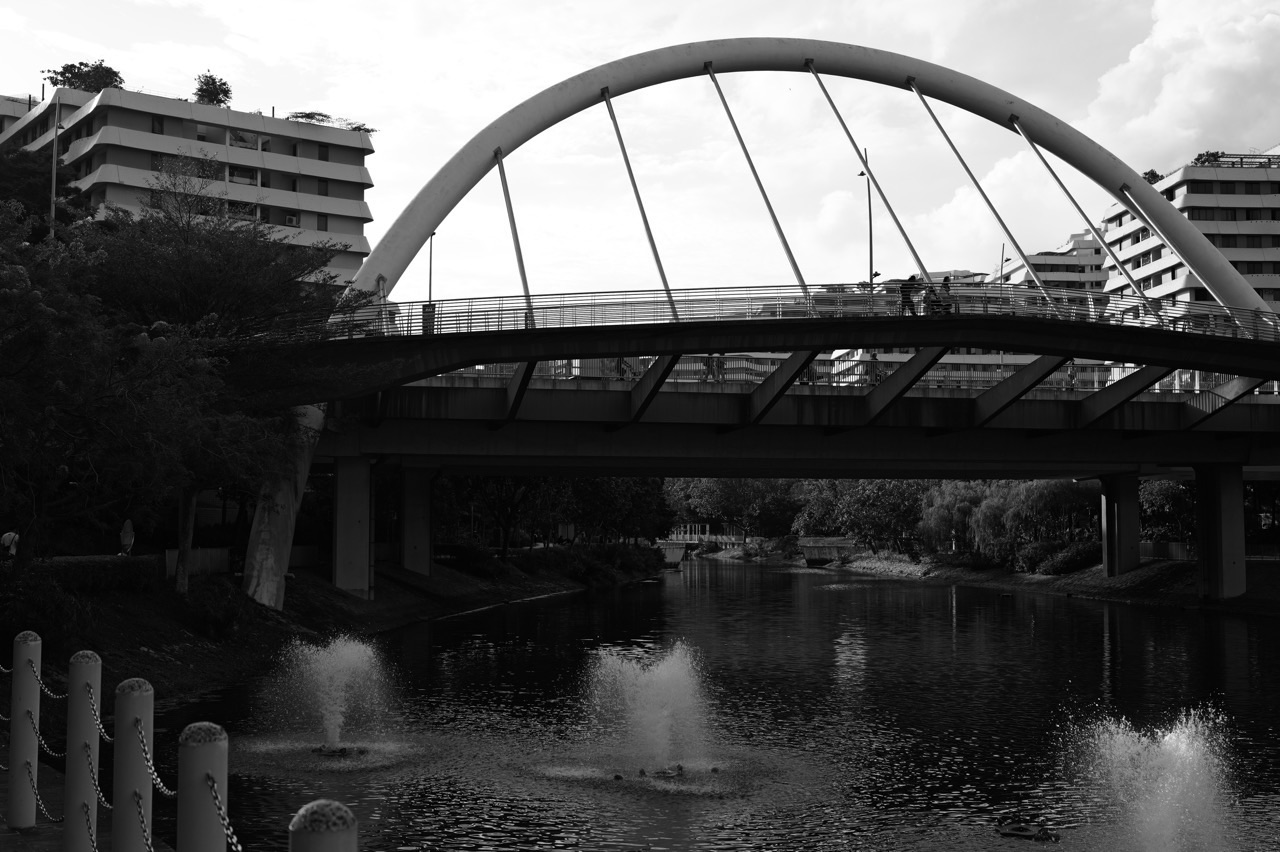
Schools and education at Punggol include visual Art, not only English, Mathematics and Science. Under Singapore’s 2024 Primary Art syllabus, pupils learn to observe carefully, explore ideas, use visual qualities and materials, create work and respond thoughtfully to artworks. A Punggol parent can reinforce those habits with a ten-minute drawing, a comparison of signs or a conversation about what a picture communicates. Artistic confidence grows when children understand their choices, not when an adult simply praises a neat finished picture.
This guide explains practical visual learning for primary-age children in Punggol: noticing line, shape, colour, composition, proportion and meaning; making and revising images; handling photographs ethically; and connecting school Art to ordinary public spaces. It is not an art-school admissions brochure. Actual projects, equipment and elective options depend on the school and year. Families should check MOE’s current syllabus and the named school’s programmes rather than infer a specialist pathway from one attractive student exhibition.
- Primary Art is part of a broad curriculum; it is not reserved for children who already draw well.
- Start by asking what a pupil noticed before judging what they made.
- Teach one visual idea at a time: line, shape, tone, proportion or composition.
- Use Punggol architecture, paths and public signs as safe observation prompts.
- Keep observation, interpretation and imagination clearly separated.
- Let children make, explain, compare and revise their own visual choices.
- Avoid photographing identifiable pupils or strangers without appropriate permission.
- Check school programmes before assuming that a particular Art CCA or elective is offered.
- Assess independent transfer, not the expense of materials or the neatness of the final product.
At a glance: learning route and contents
- 1. Looking carefully before making a drawing
- 2. Lines and shapes as a way of thinking
- 3. Colour, light and contrast
- 4. Proportion, scale and the problem of perspective
- 5. Composition: what the viewer notices first
- 6. Turning an ordinary place into a visual story
- 7. Materials, experimentation and repair
- 8. Photographs, public spaces and ethical looking
- 9. Feedback, revision and transfer beyond Art
Definition lock: what this guide means, and what it does not
Visual literacy is the ability to notice, interpret and communicate information through images. Art education adds imagination, materials, experimentation, cultural awareness and thoughtful response to the world. In this guide, ‘creative confidence’ means being willing to make a considered visual choice, explain it and revise it—not being awarded a prize or displaying unusual talent. This is an independent educational guide for families in the Punggol area. It describes learning methods and MOE curricular aims, not an assurance that a named Punggol school offers any particular elective, CCA, instrument, lesson sequence or admission outcome. School programme availability and arrangements must be checked with each school.
The word ‘education’ here means a teachable process in which a learner notices relevant information, tries an appropriate method, explains the choice, receives feedback and can use the skill in a changed situation. The resulting ability can be valuable without producing an examination grade. The examples are original family or teaching exercises, not reports of events that have taken place in a specific school.
| Question | Use this evidence | Avoid this shortcut |
|---|---|---|
| What is taught? | MOE syllabus and current school notices | Assuming all schools run identical lessons |
| Is the student learning? | Independent explanation, work samples and fresh attempts | Judging one photograph or test mark |
| What can the family do? | Short safe practices matched to the child’s needs | Buying enrichment before defining a learning goal |
| What comes next? | Ask the school about its programmes and support | Assuming a CCA or talent pathway is guaranteed |

1. Looking carefully before making a drawing
A child may know what a tree or school building is, yet draw the remembered symbol rather than the object actually in front of them. Observation begins when the learner notices the relationship between parts: where the trunk meets the ground, how a roof line bends, or what is hidden behind another object. Do not judge the result before examining the process that produced it. Two pupils can hand in similar-looking work for entirely different reasons: one may understand the principle and make a small execution error, while the other may have copied a model without understanding it. Ask what the pupil noticed, decided and checked. That short conversation reveals much more than an adult’s instant verdict.
A concrete example makes the idea easier to understand. On a supervised Punggol walk, choose one ordinary bench from a safe position. Ask the pupil to look for thirty seconds, then draw only its most important lines. Looking again may reveal that the seat is narrower than first imagined and the legs do not line up as expected. The first question is not whether the activity looks impressive. It is what the child is learning to notice and control. Ask for a before-and-after explanation, not only a photograph of the finished work. This is a useful way to distinguish genuine learning from an attractive display.
A teaching sequence that makes the thinking visible
Use a two-column page labelled ‘I saw’ and ‘I assumed’. Invite three observations before the sketch and three corrections afterward. The target is precise noticing, not a photorealistic drawing that an adult could complete faster. Model only the first essential decision, then release responsibility. Adults sometimes help by providing too many instructions at once, leaving the pupil dependent on a running commentary. Instead, ask the learner to name the next step, attempt it and use feedback to decide whether the step worked. That is guided practice rather than disguised adult completion.
Where learners get stuck
Children may replace an awkward real shape with a familiar icon. This is useful evidence that memory is controlling the drawing. Do not mock the result; ask what feature was missed and let the pupil look once more. The way to check this is to ask the child to point to the evidence or perform the key step again without prompting. A correction that only says ‘be more careful’ is too vague. Identify the exact decision that needs changing, show why it matters and practise that decision on a fresh example.
A changed-context test
Move from a bench to a bicycle rack or sheltered walkway. Can the pupil use the same observe-sketch-check routine when the outline is less familiar? Change the location, materials or audience, but keep the core concept. Ask the pupil to name the shared principle and the detail that changed. If the pupil can explain both, the learning is beginning to transfer rather than remain trapped in one rehearsed example.
Parents can model curiosity by saying, ‘I hadn’t noticed that angle either,’ rather than grading the picture. Limit the activity to a calm public place without blocking pedestrians. Parents need not purchase a specialist course for every interest. Start with ordinary materials and the school’s published curriculum. Ask the teacher what is being developed at this stage before assuming that an extra class is necessary.
2. Lines and shapes as a way of thinking
Line can describe an edge, a movement, an imagined pathway or a boundary; shape helps an observer organise a complicated view into manageable parts. Children become more deliberate artists when they can choose which marks to include and which to leave out. An effective lesson moves from seeing a model to making a controlled attempt and then explaining a choice. The explanation is essential. If the learner cannot explain the decision in ordinary language, a polished final product may be hiding a gap. Allow time to revise after a question rather than treating the first attempt as a permanent measure of ability.
A concrete example makes the idea easier to understand. Look at a sheltered footpath near a Punggol HDB block. A young learner might simplify a roof into two long horizontal lines and the support columns into rectangles. A second sketch might change line thickness to show which feature should stand out. Give the learner a chance to predict before they act. Prediction makes the thinking visible. After the activity, compare the outcome with the prediction and invite a careful correction. Being wrong initially can be productive when the child is safe, willing to reconsider and able to explain why the result changed.
A teaching sequence that makes the thinking visible
Teach a limited line vocabulary by comparison: straight and curved, continuous and broken, bold and light. Then let the child choose two line qualities that explain the scene rather than decorating every part. Make the criteria visible before the activity starts. A child should know what counts as a careful observation, an accurate action or a fair explanation. When criteria appear only after the work is finished, feedback feels unpredictable. One or two criteria are usually enough for an introductory exercise.
Where learners get stuck
A frequent mistake is drawing every visible edge with equal importance. The result may be crowded, not because the pupil cannot draw, but because no visual hierarchy has been selected. Reassure the learner that a misunderstanding is not a character flaw. It is a clue about which part of the task still needs teaching. An adult who labels the whole child instead of the specific step makes learning harder. Correct the move while leaving the learner’s dignity intact.
A changed-context test
Try a school bag, a drinking bottle and then a simple playground structure. Which lines communicate the object without excessive detail, and which were merely incidental? Give a new situation with one misleading feature. Invite the child to decide what matters and what can be ignored. The ability to ignore an irrelevant detail is often as important as remembering a correct procedure.
Invite the child to explain the first line they chose and why. That explanation reveals whether there was a plan rather than accidental imitation. Keep the home activity short enough for the child to finish with curiosity intact. A calm ten-minute exchange can be more educational than a long session ending in fatigue. Stop earlier when attention, safety or enjoyment deteriorates.
3. Colour, light and contrast
Colour choices can identify objects, create emphasis and communicate mood. They also require care: a pupil may assume that the colour name of an object is the same as its appearance under every light condition. Observation and artistic interpretation are both valid, but they are different tasks. Children often make their best progress when a task is small enough to complete but interesting enough to demand thought. Change one condition at a time. Keep the other conditions stable so that the learner can discover what caused the improvement. A rushed series of unrelated activities can feel busy without creating a skill that transfers.
A concrete example makes the idea easier to understand. At the Waterway in daytime, a child might observe that shaded concrete looks cooler and less bright than the sunlit surface. In a drawing, they could use a limited range of tones to show this difference without claiming a scientifically precise measurement of light. Every concrete example needs a boundary. Explain what is actually observed and what is only a possible interpretation. A school activity should not turn a quick impression into a factual claim about people, neighbourhoods or institutions. Accuracy and respect belong in ordinary learning, not only in formal research.
A teaching sequence that makes the thinking visible
Place two colours beside each other and ask what becomes easier to see. Compare contrast for readability and colour for expression. Let the pupil make two versions of the same small picture and justify a choice. Use a second attempt that changes the conditions slightly. The first attempt teaches the basic pattern; the second reveals whether the child understood the reason. Do not add time pressure until the underlying control is stable. Accuracy and thoughtful participation are the first priorities.
Where learners get stuck
Mistaking a vivid colour for a better colour can make the work confusing. Ask whether the intended feature becomes clearer or whether the strong colour distracts from the message. If the error persists, step back to a simpler situation. Retesting the same difficult example repeatedly can become memorisation rather than understanding. Change the material, scale, audience or setting while preserving the underlying idea. This helps reveal what the child can truly apply.
A changed-context test
Redesign a simple arrow sign on paper: one version decorative, one version easy to read. Which colour choices improve the reader’s understanding? Ask for an explanation before showing a model answer. Listen for connections between the present task and the earlier activity. If the child relies on a memorised phrase, ask them to demonstrate it concretely or give a counterexample.
Families can use pencils or recycled paper. Special markers are unnecessary to test the principle; a careful explanation is more valuable than expensive supplies. Take care with privacy and permission. Do not photograph classmates, record strangers or post schoolwork with identifying details without the appropriate consent. Good learning does not require a public social-media audience.
4. Proportion, scale and the problem of perspective
Proportion is a relationship between parts, not a competition to measure everything perfectly. In a scene with near and far objects, perspective adds the challenge of showing depth. Children can develop these ideas gradually by comparing visible sizes and positions. Look for evidence in the choices the pupil can make independently. Parents can provide materials, a safe environment and useful questions, yet still leave the central intellectual decision to the child. When the adult makes every choice, the child finishes a project but does not necessarily gain ownership of the learning.
A concrete example makes the idea easier to understand. Imagine drawing a Punggol LRT viaduct from a safe public path. The pillars appear at different visual sizes because they are at different distances. The child’s drawing may become more understandable if they sketch a horizon line and compare nearby and distant columns. Pause halfway and ask the student to describe the choice they will make next. This checks comprehension before errors accumulate. The goal is to listen for reasoning, not to demand a rehearsed definition. The child’s words often expose whether they are attending to relevant features.
A teaching sequence that makes the thinking visible
Use simple landmarks and a light pencil guideline rather than teaching advanced technical perspective too early. Ask whether one part appears unusually large compared with the rest, then guide the pupil back to the original view. When the learner hesitates, reduce the task without removing the thinking. Offer two sensible choices, a simple example or a shorter sequence. Then ask the child to justify the selected option. This gives access to the task while preserving an authentic learning decision.
Where learners get stuck
Students may draw a distant object at the same apparent size as a near object because they know both objects are physically similar. Help separate what is known from what is seen in the drawing. Do not use speed as the first measure. A quick response can be a guess, and a slower response can be thoughtful analysis. Once the idea is secure, reasonable fluency can be developed. First ask whether the child is paying attention to the right features.
A changed-context test
Repeat with two objects on a table, one nearer and one farther. The same reasoning should work even when buildings and trains are removed from the task. Try the task on another day when the original worksheet or rehearsal is no longer visible. Retrieval with a time gap reveals whether the learning can be reconstructed. If it cannot, return to the concept rather than blaming the child for forgetting.
Do not encourage children to stand in roads, cycle lanes or restricted areas to find a dramatic viewpoint. Safety outranks the quality of a composition. Use the pupil’s actual school programme as the reference. MOE sets national aims, but activities and electives vary by school, level and year. Check current notices before making assumptions about timetables or specialist opportunities.
5. Composition: what the viewer notices first
A visual message is influenced by where elements are placed, how much space surrounds them and what the viewer can distinguish. Composition is a decision about attention. Learning to make that decision improves a poster, a diagram and an explanation of an idea. The aim is not a flawless first attempt. A useful attempt reveals a pattern; the next one tests a better method. Compare the two versions openly and name one improvement supported by evidence. Praise the decision and revision process rather than declaring that a child is naturally talented or untalented.
A concrete example makes the idea easier to understand. A pupil planning a community clean-up poster might place the requested action in a clear area while using a drawing of a litter bin as supporting context. Moving the main message into a crowded corner could make the poster less effective even if the drawing is prettier. Invite a comparison with an alternative. If only one method has been tried, the learner may believe there was no decision. Showing two possible approaches creates an opportunity to explain a preference using evidence, context and the purpose of the task.
A teaching sequence that makes the thinking visible
Ask the learner to make three tiny thumbnails before a final poster. Compare where the eye travels and whether the intended message can be understood in a few seconds. Small drafts make revision cheap and safe. Encourage the child to speak in cause-and-effect language. Instead of ‘I just did it’, ask ‘I changed this because I noticed that’. This small shift builds self-monitoring. Children can use sketches, gestures or simple words if a formal technical explanation is not yet comfortable.
Where learners get stuck
Children may spend a long time detailing the background while leaving the central idea unclear. The problem is not effort; it is priority. Identify the intended audience and main visual question. An attractive answer is not automatically an accurate answer. Ask whether the student can show where each claim or choice came from. Where evidence is uncertain, encourage a careful phrase such as ‘I think’ or ‘I would need to check’. This models responsible reasoning.
A changed-context test
Change the audience from a classmate to a younger sibling. Would the same layout work, or should the proportions and symbols be simplified? Ask the pupil to teach one small element to someone else. Explaining a decision exposes gaps that silent completion can hide. The listener should be free to ask why, and the pupil should be allowed to revise an incomplete explanation.
Parents should ask ‘What do you want the reader to notice?’ before supplying design preferences. The answer should belong to the child. Ask the child how the activity felt, but do not use enjoyment as the only success test. Some worthwhile tasks are frustrating at first. Look for growing control, an ability to explain choices and a willingness to retry.
6. Turning an ordinary place into a visual story
An artwork can communicate an experience rather than merely list objects. The creator chooses a viewpoint, a moment and a relationship between elements. This introduces narrative thinking without requiring a long written story. One strong learning sequence is to notice a feature, represent it, explain it and then test the representation against the original. This creates a loop of attention and correction. A learner who returns to the source can notice missing details instead of defending the first answer simply because it took effort.
A concrete example makes the idea easier to understand. At a public playground, a child can make a three-panel picture of arriving, taking turns and leaving the space tidy. The idea is not to record identifiable children; it is to represent the sequence with generic figures or objects. A useful product can be small. One clearly explained sketch, rhythm, movement sequence or source comparison often teaches more than an elaborate display assembled by adults. Keep an example manageable enough that the pupil has responsibility for what happens.
A teaching sequence that makes the thinking visible
Teach beginning, change and consequence using three frames. Ask what the viewer needs to know at each stage and what can be implied rather than drawn explicitly. A simple storyboard can connect Art with composition and language development. Separate practice from performance. During practice, stopping, repeating and asking questions are signs of useful effort. During a final sharing, learners may show what is ready. Treating every rehearsal as a public examination makes experimentation unnecessarily risky.
Where learners get stuck
One error is treating a sequence as three unrelated pictures. Ask the child which object, action or decision connects the frames so that the viewer can follow the narrative. Distinguish reluctance from lack of ability. Noise, unfamiliar materials, fear of public performance or unclear instructions can change how a learner responds. Remove a needless obstacle, keep the task meaningful and observe the response before drawing a wider conclusion.
A changed-context test
Transfer the storyboarding method to explaining the stages of a safe classroom task, such as tidying shared materials or preparing a simple display. Offer two methods and ask when each might be preferable. Flexible choice is stronger than one ritualised answer. Emphasise constraints, audience, available time and safety rather than declaring a method universally superior.
Use fictional figures instead of photographing classmates. Explain that representing a public place does not grant permission to publish another child’s image. Observe how the student responds when an answer is incomplete. Encouraging a thoughtful revision builds a healthier relationship with difficulty. Avoid comparing siblings or treating a school showcase as a ranking of children.
7. Materials, experimentation and repair
Pencils, paper, cardboard, collage and digital tools produce different possibilities and constraints. Artistic process involves selecting and handling media, noticing how they behave and revising an idea when the material does not cooperate. Keep the work appropriately demanding. A task that is too easy produces little new information; a task that is impossibly difficult may produce avoidance. Scaffolding means adjusting the starting conditions while preserving the central challenge, not completing the thinking on the student’s behalf.
A concrete example makes the idea easier to understand. A learner could create the texture of an HDB walkway using light pencil rubbings on ordinary paper, or instead represent the repeating pattern with drawn lines. The question is which method communicates the surface more clearly, not which uses more equipment. Use the physical Punggol setting as a source of ordinary observations, not as proof that a particular school has conducted this exact lesson. Activities near a waterway, housing block, playground or town facility are suggestions for supervised family learning.
A teaching sequence that makes the thinking visible
Set a safe material limit: two papers, one pencil and one additional medium. Compare results and invite the pupil to explain why the chosen medium suited the purpose. Use child-safe materials and adult guidance for sharp tools. Collect evidence lightly: one dated draft, one description, one short reflection. A mountain of photographs or scores can distract families from the work. The purpose of evidence is to see progress and plan the next lesson, not to create an admissions portfolio for every ordinary activity.
Where learners get stuck
A child may blame a material when the real problem is an unclear plan. Alternatively, the material may genuinely be inappropriate. Discuss which constraint was within the pupil’s control and which required a different technique. When a group works together, check participation rather than assuming everyone learned equally. One pupil may do the visible work while another is excluded. Rotate roles and ask each child to explain one decision. Group success should not conceal unequal learning opportunities.
A changed-context test
Create the same small motif using drawing and simple collage. How does each medium change precision, texture, and the time needed for revision? Invite a written, drawn, spoken or physical explanation when that format matches the learning objective. Do not let language difficulty conceal understanding, but do eventually develop the language needed to communicate the idea clearly.
Save costs by reusing clean household materials. Never require children to cut hard objects or use heated tools merely for a more dramatic outcome. Make room for different access needs. Adapt materials, duration, posture or response format in consultation with the school where needed. The learning goal should remain meaningful without assuming every pupil must use an identical route.
8. Photographs, public spaces and ethical looking
Digital photography can develop framing and close observation, but images are not neutral copies of reality. Cropping, angle and timing influence what a viewer believes. This makes artistic judgement inseparable from digital responsibility. An observable improvement is more trustworthy than a label such as creative, careless, shy or sporty. Describe the particular move that changed: steadier timing, a clearer explanation, safer pacing, better representation or a more respectful comparison. Specific feedback can guide the next attempt.
A concrete example makes the idea easier to understand. A photograph of a park path can make it appear empty when the camera frame excludes the busy side. A second photograph may reveal nearby walkers or a crossing. The pupil can discuss what each frame shows and what it cannot establish. Look closely at the pupil’s revision. Did they merely decorate the page, make the performance louder or add more words, or did they change a decision because the evidence demanded it? Improvement should have a reason that can be stated and checked.
A teaching sequence that makes the thinking visible
Work with public architecture or objects, not identifiable strangers. Take two compositions only where photography is permitted and safe, then annotate what changed between them. Do not make claims about people who happen to appear in the scene. Encourage respectful peer feedback when appropriate. It should name what was noticed and ask a constructive question, not rank children or make judgments about personality. A child learns to receive feedback better when the adults demonstrate curiosity rather than instant criticism.
Where learners get stuck
A cropped photograph may be interpreted as evidence that an entire place is deserted or dangerous. Teach the child to describe the image’s boundaries and to avoid turning one view into an unsupported generalisation. Show the boundary between safe exploration and actions that need trained supervision. Outdoor, practical, digital and performance tasks all have limits. When a child cannot safely do the activity, use an indoor model or a paper-based alternative rather than pushing for a memorable photograph.
A changed-context test
Try comparing two drawings of the same object after shifting the viewer position. Can the pupil explain why the visible relationships change? Connect the lesson to another ordinary setting without pretending that every activity improves examination grades. A skill may first transfer into family decision-making, peer collaboration or attention to public information. These are worthwhile outcomes on their own.
Families should respect consent and school media policies. When permission is uncertain, sketch instead of recording or use photographs of objects at home. Protect time for sleep, ordinary play and friendships. Enrichment is valuable when it adds opportunity, not when it removes recovery or burdens the family budget. A sustainable weekly routine matters as much as the activity itself.
9. Feedback, revision and transfer beyond Art
Art learning becomes more durable when a pupil can explain choices, receive a specific observation and make a defensible change. It is not enough to complete a pretty page. The central educational gain is the ability to connect intent, representation and evidence. The final check is independence. After support and examples, offer a changed situation without supplying the original steps. Ask the pupil to decide which principle still applies and which details now differ. This is how a school activity becomes a capability the student can carry into another subject or an ordinary day.
A concrete example makes the idea easier to understand. Compare two versions of a Punggol neighbourhood information poster. In version one, icons compete for attention; in version two, the message is easier to find. Ask the child to identify which change improved communication rather than simply naming the neater poster. Have the pupil explain the outcome to someone who did not see the practice. A younger sibling or parent can be a patient audience. If the listener cannot follow the explanation, the child can identify what needs to be demonstrated more clearly.
A teaching sequence that makes the thinking visible
Use ‘I notice’, ‘I wonder’ and ‘I suggest’ as a feedback sequence. Ask for one independent revision and a sentence about what changed. This keeps feedback anchored in the work instead of the child’s personality. End with a retrieval question a few days later. ‘What did you change last time and why?’ tests whether the learning has been organised in memory. If the student needs a prompt, supply a small one and retry. The aim is durable understanding rather than a one-day display.
Where learners get stuck
Vague praise such as ‘very artistic’ gives little direction. Vague criticism such as ‘not good enough’ is worse. Replace both with observable features: clearer spacing, more accurate proportions or a meaningful choice of colour. Do not confuse an improvement in one format with full mastery. A pupil may succeed using a familiar prompt and struggle with a changed prompt. That is useful information, not failure. Revisit the principle and create another transfer check after guided correction.
A changed-context test
Ask the child to apply visual hierarchy to a Science diagram or a Geography map. The skill has transferred when the new format still communicates its key idea. Return after a week and ask for a new example chosen by the child. Their choice reveals what they recognise as the central concept. Discuss the match and any limits so that the student learns to make careful rather than forced connections.
Save one dated before-and-after pair rather than accumulating a massive portfolio. The learner’s explanation is the most informative caption. End with one next action: a question to ask, a skill to practise or a new observation to make. Families do not need to convert every interest into a high-stakes examination or an expensive long-term commitment.
Worked family example: a four-week visual observation and art learning cycle
In week one, a Primary 4 learner draws a public path beside the Punggol Waterway from a safe resting point and notices that the first attempt relies on remembered symbols. In week two, the learner practises lines and proportions using a simple bench. In week three, the student redesigns an imaginary community notice using contrast and layout. In week four, they produce a fresh drawing, explain what was observed rather than assumed, and choose one improvement without an adult marking every line. This four-week plan is a teaching illustration, not a school examination timetable or a promise of outcomes. Families can shorten, adapt or stop it when the child’s needs, schedule or wellbeing make that appropriate.
| Week | Purpose | Visible evidence | Next decision |
|---|---|---|---|
| 1 | Observe one starting attempt without supplying the full solution | A dated example and the learner’s own description | Name one specific capability, not a personality label |
| 2 | Teach a focused principle and practise it twice | Two attempts showing what changed and why | Keep the task or simplify one condition |
| 3 | Try a new setting, partner, material or question | An explanation of which idea transferred | Correct the exact point of confusion |
| 4 | Repeat independently and reflect with the learner | A fresh demonstration and one honest limitation | Choose a sustainable next step without overscheduling |
What this approach can and cannot promise
Visual Art supports observation, expression and communication, but one successful drawing does not demonstrate broad academic mastery or predict future arts admission. A child may develop imagination through collage even if fine-motor drawing is still difficult; another may produce technically neat copies yet need help making independent design decisions. These methods should not be represented as evidence that one Punggol primary school is better than another, or as a shortcut to academic placement. Programmes differ and individual needs matter. Ask what your child is actually encountering in class, respect safety and consent rules, and separate an engaging family activity from a school’s assessed syllabus.
A good learning decision has several parts. First, determine the child’s present level rather than their age alone. Second, identify the actual purpose of the activity. Third, select a format that is safe, affordable and manageable. Fourth, look for an independent attempt. Fifth, revise the plan only when a real piece of evidence justifies it. If a child struggles across settings, communicate with the school before treating every problem as a tuition deficit.
Questions to ask a Punggol school before choosing an optional programme
- Which elements are in the ordinary school curriculum, and which are elective, CCA-based or separately selected?
- What will a beginner actually do in the first month, and what preparation is genuinely required?
- How does the school support children who have different prior experiences, confidence levels or access needs?
- How are progress and participation observed without reducing the experience to a competition result?
- What equipment, transport, time or family commitments are required, if any?
- Can the child describe what they have learned, and will there be a suitable opportunity to try again?
- Where are the official school notices and who is the appropriate contact for current questions?
- How will the activity fit the child’s homework, rest, family responsibilities and other interests?
Frequently asked questions
Does my child need private drawing lessons to benefit from school Art?
No. The national curriculum provides broad Art learning. Families can begin with observation, age-appropriate materials and conversations about choices. Private lessons may suit a particular interest, but should not be treated as a prerequisite for meaningful classroom participation.
Is a tidy drawing always evidence of stronger learning?
No. Neatness is one visible property, but the purpose of the task may involve exploration, observation, communication or revision. Ask what the learner intended and how the work changed after feedback before judging its educational value.
Can Punggol public spaces be used for drawing exercises?
Yes, for safe family exercises in permitted areas. Choose public viewpoints, keep clear of traffic and cyclists, and avoid photographing identifiable people without consent. These exercises are suggestions rather than claims about a school’s actual lessons.
Which MOE document explains primary Art?
MOE’s Primary Art Teaching and Learning Syllabus with implementation beginning in 2024 is the principal reference. It discusses context, artistic processes, visual qualities, media, pedagogy and assessment.
Will Art improve every examination subject?
Do not promise universal grade gains. Some visual skills can support diagrams, communication and observation, but academic transfer needs explicit teaching and independent checks in each new context.
How should I choose a school art CCA?
First establish that the school currently offers the relevant CCA, then ask about entry criteria, activities, time, costs and access support. A child’s genuine interest and sustainable participation matter more than a brochure photograph.
What if a child says they cannot draw?
Start with a short observational task and allow revision. Separate the child’s current technique from their capacity to notice, imagine and communicate. If a motor or access difficulty is significant, discuss appropriate support with the school.
What should we keep as evidence of progress?
Keep one early attempt, one changed-context task and the learner’s own explanation. These are more informative for family learning than dozens of completed worksheets copied from a model.
Your next step
Pick a safe object in Punggol or at home and invite your child to draw it twice, looking again between attempts. Ask which feature was noticed on the second look. That small comparison is the beginning of visual learning. Choose a single capability, carry out one small attempt, observe what changed and ask the learner to explain. Return to the school’s current information if the next decision concerns subjects, CCAs, learning support or admissions. A family does not need every available programme; it needs an educational route that makes sense for this child.
Official sources and related Punggol reading
- Ministry of Education: official Primary Art 2024 syllabus
- MOE primary subject syllabuses
- MOE SchoolFinder: check current school programmes
- Punggol primary school directory
- Existing Art, Music and PE overview
- School spaces and learning
- Reading from school library to home
- Science through Punggol Waterway
- Feedback, reports and learning gaps
Editorial review: 1 November 2026. Curricular policies and available school programmes may change. This article distinguishes the official MOE syllabus from illustrative Punggol family exercises. No school is ranked, and fictional examples are not presented as events at named schools.


