
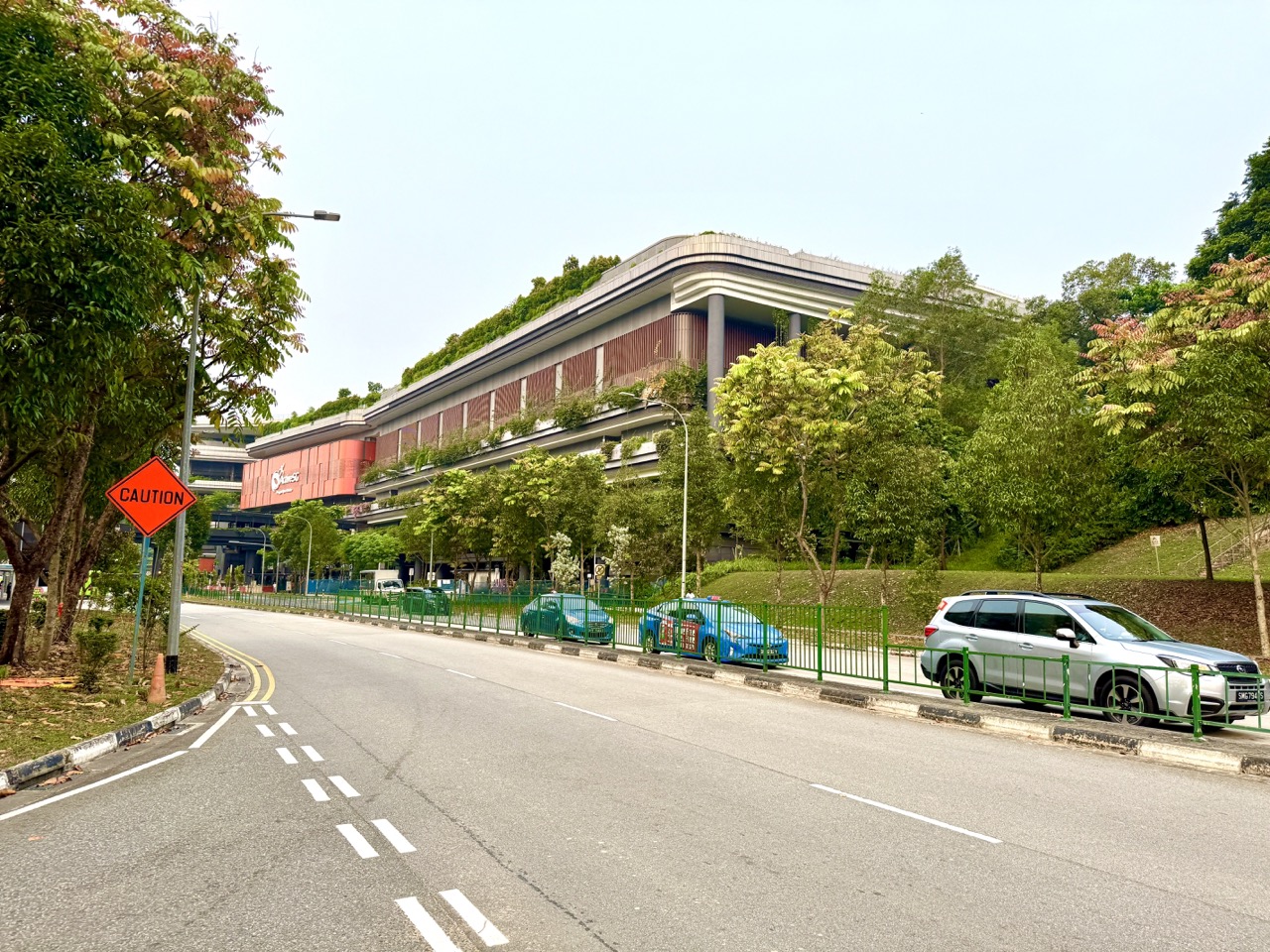
ActiveSG Punggol Sport Centre at 11 Sentul Crescent gives families a new way to fit sport into ordinary school weeks. The facility began a soft launch on 27 October 2026, with gym access and selected bookable courts reported as available; its formal opening was announced for 22 November 2026. For parents of Primary and Secondary students, the practical challenge is not simply choosing a sport. It is arranging an age-appropriate activity around lessons, CCA, homework, commuting, meals and adequate rest, without confusing a confirmed court booking with a planned facility that has not yet opened.
A good family timetable begins by counting activity the child already gets through school, play, walking, PE and CCA; it does not assume every active minute must happen inside the new sports centre. Singapore’s physical-activity guidance encourages regular and varied movement for school-age children while protecting sleep and balanced routines. Use MyActiveSG+ to check the exact pass, court or programme, use parent-linked accounts when applicable, and choose a session the household can attend consistently. The new complex is an opportunity to support activity, not an excuse to turn sport into another source of school-week pressure.
- Location: ActiveSG Punggol Sport Centre, 11 Sentul Crescent, Singapore 828656, beside SAFRA Punggol.
- Status: selected gym and court access reported from the 27 October 2026 soft launch; formal centre opening announced for 22 November 2026.
- Family activities: check current availability of appropriate gym, badminton, table tennis and other court products; pools and stadium areas follow separate access schedules.
- Booking: use official MyActiveSG+ and distinguish passes, classes, ballots and confirmed court reservations.
- Child accounts: parents can link children under 15 through the supported account process, subject to eligibility rules.
- School-week method: account for school PE, CCA, active journeys, homework, rest and family time before adding paid sessions.
- Safety: follow age, supervision, weather, equipment and facility requirements.
- This guide: detailed family timetables, four school-stage examples, practical booking, problem-solving, progress measures and FAQs.
Quick answer: how should a Punggol family organise sport around school?
Start with the child’s actual school calendar, not the ActiveSG booking screen. Write down school hours, CCA, tuition where applicable, travel, meals, homework and a reasonable bedtime. Identify which days already contain demanding movement and which have space for a relaxed family activity. One optional weekend racket-sport session, an age-appropriate course or a comfortable walk may be a better choice than adding fixed training every evening. Only then search the live venue inventory and purchase something that fits.
An effective plan can bend. A surprise school assignment, family event, heavy rain or tired child should not make the entire week feel like failure. The purpose of the sports timetable is to make activity easier and more enjoyable. If every session requires rushing from school through tuition and then completing homework at night, the household needs a simpler arrangement.
What changed at Punggol Sport Centre in late October 2026?
For much of 2026 the new building could be seen beside Punggol Waterway, but public access was not yet established. The final week of October brought a soft-launch phase. News reports dated 29–30 October said that the gym and selected bookable courts had entered operation; they also announced 22 November as the centre’s formal opening. The precise opening status of each activity still belongs to its current ActiveSG listing, not to the date on an old article.
That distinction matters when a family wants swimming, a court and the gym on the same day. The swimming complex may not yet accept the same public-use arrangements as the gym; some stadium and hall spaces may have events, programmes or maintenance. A visually finished pool is not a confirmed swimming pass. Families should check each participant’s activity separately instead of assuming that every amenity in the development opens at exactly the same time.
This article concentrates on household scheduling and student wellbeing. Readers looking for technique can follow the separate gym, badminton and table-tennis guides. A family timetable has a different job: helping people make the different activities fit together without unnecessary conflict.

Physical activity is larger than a booked sport session
Parents sometimes imagine that if they book a court for Saturday, the family’s sport obligation has been completed. That interpretation misses much of a child’s daily movement. School PE, appropriate playground games, walking to transport, CCA practice, dance and outdoor recreation can all contribute to physical activity. Their intensity and purpose differ, but paid venue time is only one possible part of the broader week.
Singapore’s public guidance for school-age children and teenagers encourages regular moderate-to-vigorous movement and a variety of activities. Parents should treat that as a reason to create daily opportunities for movement, rather than forcing exactly one hour of a single sport at a fixed venue regardless of fatigue. An active student who has spent the afternoon at CCA may need a quiet evening. A student who has sat for long periods may appreciate an enjoyable walk or gentle rallying with a parent.
The practical first question is therefore not ‘Which pass should I buy?’ It is ‘Where is meaningful movement already happening, and what useful gap remains?’ This produces a better plan and avoids unnecessary spending.
The timetable has four layers
A useful weekly calendar separates fixed commitments, flexible work, rest and optional sport. Fixed commitments include school, scheduled CCA, medical appointments and lessons that cannot simply be moved. Flexible work includes some homework tasks, household routines and informal recreation that can be arranged within reasonable limits. Rest includes meals, recovery and sleep. Optional sport is the part that may depend on venue inventory and the child’s interests.
If parents fail to distinguish these layers, they may book a desirable court slot that conflicts with a student’s science project or CCA tournament. After payment, the whole family feels compelled to make the booking worthwhile. That creates tension where there should have been recreation. A better process starts by marking protected time and then considering the remaining windows.
The arrangement need not become a complicated spreadsheet. A handwritten week showing school, CCA and one possible family sport session is often enough to reveal whether the plan makes sense.
Sleep is part of the design, not leftover time
A common error is to preserve a sports booking by pushing dinner, homework and bedtime later. Sleep is not a resource to spend casually in exchange for an extra court-hour. School-age children and teenagers have different age-related sleep needs, and the household should consider individual circumstances and suitable health guidance. The question is whether the activity fits a healthy day, including time to get home, eat, wash up and wind down.
Suppose a teenager reaches home at seven after CCA, then has schoolwork and an early morning start. A late-night sports session may be an unsuitable addition even if the court is technically available. The same child may enjoy a relaxed weekend match without difficulty. The difference is context, not commitment.
Parents can protect the week with one simple rule: optional sport should not routinely create an unreasonable bedtime. This makes activity more sustainable and teaches children that good preparation includes recovery.
A child’s preference is useful information
A parent may love badminton while the child prefers table tennis, cycling or running games. If the parent assumes the new Sport Centre must be used in exactly their preferred way, the outing can feel compulsory rather than joyful. Ask the child what they want to try, then offer two or three realistic choices consistent with age, safety and the calendar. Participation improves when the activity has personal meaning.
This does not mean children control every household decision. Parents can set a practical window and budget, then involve the child in choosing an appropriate activity. A younger pupil might decide between a gentle family rally and a park outing. An older student might help check the correct ActiveSG listing and prepare equipment. Agency becomes part of the learning.
Avoid making a child’s appearance, weight or winning record the central topic. The better questions are whether they enjoyed the activity, understood something new and want to return.
Learn the four ActiveSG product categories
A booked court gives access to a particular court at a specific time; it is not a coaching package. A registered programme is an organised activity under its programme terms, including instructor, dates and eligibility where specified. A gym pass is an access product for permitted gym use, not an all-building ticket. A swimming pass is another product whose use depends on the particular pool’s operating status. The family should know which one it needs before buying.
One common misunderstanding is a parent who reserves badminton space, then arrives expecting someone to teach the child. Another is a teenager who assumes a parent’s gym pass can be shared. Another is a family that interprets an advertised swimming complex as confirmation that the pools accept public visitors today. All three mistakes disappear when the exact product is checked.
Begin with the intended experience, choose the correct operator and then purchase the corresponding product only after verifying current availability.
How parents can use linked MyActiveSG+ accounts
SportSG’s MyActiveSG+ guidance explains that parents can link a child under 15 to their account through the supported Singpass process. The parent can use appropriate linked features for programme registration, eligible facility bookings or ballots and pass purchases, subject to credits and other rules. The parent who made the reservation may also be responsible for managing payment and changes. A linked account does not override an activity’s age restrictions or supervision requirements.
Families should avoid informal shortcuts such as sending a Singpass password to a grandparent, coach or neighbour. Use the official linked-account mechanism and give helpers only the visit information they genuinely need. An adult taking a child to the centre may need the venue and confirmation details without receiving control of someone else’s personal account.
If the child-account process does not work, use the provider’s help channel rather than allowing another person to sign in on your behalf.
The true duration of a one-hour activity
A sixty-minute court booking rarely occupies only sixty minutes of family time. There is preparation, equipment packing, travel, finding the entrance, changing where necessary, playing, clearing the venue and returning home. A household that has only an hour free should not purchase a court-hour and assume that everything else will fit around it.
Estimate the full door-to-door commitment. The new centre at 11 Sentul Crescent is close to the Waterway and Sam Kee LRT, but some Punggol households may need an additional bus or LRT journey. Parents collecting children from school or tuition may also need to coordinate separate routes. Include a buffer for a soft-launch environment where access patterns and signage may still need checking.
A timetable is practical only if it respects these invisible minutes. Reducing rushed travel may be more valuable than adding a second formal activity.
Scenario one: a Primary 3 child who wants to play
Consider a Primary 3 pupil who enjoys active recess games but has never played organised badminton. The parent sees the new Punggol hall and imagines weekly competitive matches. The child’s actual need may be much simpler: a safe opportunity to try a racket, make gentle contact and share an enjoyable activity. A parent can choose an available suitable session, provide supervision and begin with easy cooperative rallies rather than formal scoring.
The rest of the week might already include PE, outdoor play and walking. The weekend booking should complement those experiences. If a court is unavailable, a permitted neighbourhood activity can take its place without framing the day as disappointing. This keeps physical activity associated with enjoyment rather than scarce bookings.
After the session, ask what the child liked and what felt difficult. That information decides whether another casual game, a suitable introductory course or a different sport is the right next step.
A worked weekly plan for the Primary 3 household
Monday is a normal school day with ordinary play opportunities. Tuesday includes enrichment, so the family protects a calm evening. Wednesday allows a short local walk after dinner if the weather and schoolwork permit. Thursday is flexible for homework and family obligations. Friday is not automatically filled with more classes. Saturday may include one family racket-sport session at the new centre when a genuine booking is available. Sunday stays relaxed, with movement possible through ordinary outings.
This is an illustration of calendar design, not a fixed physical-activity prescription. The child’s existing PE, school play and other sport still count in the family’s assessment. The deliberately important feature is that the court booking does not dominate every day.
If the child later asks for formal instruction, the parent can research age-appropriate programmes. There is no need to rush from a pleasant first experience into a large, expensive course commitment.
Scenario two: Primary 6 and an examination-heavy year
Primary 6 families often feel that academic time must dominate the calendar. It may be tempting to cancel every recreational activity or, conversely, to schedule a demanding sports programme as a guaranteed stress-management solution. Both approaches can ignore what the individual child actually needs. A better routine protects learning time, sleep and some meaningful opportunity for movement.
A short family table-tennis session might be enjoyable for a child who already likes the sport. Another child may prefer a walk near home, without the travel and preparation required for a booking. Some weeks the family can use the new Sport Centre; other weeks it may choose a simple, free activity. No responsible article should promise that a certain number of racket-sport sessions will improve PSLE results.
The question is whether the activity supports a balanced week without becoming a new performance target. That principle applies to examination preparation and family wellbeing alike.
A worked routine during a busy Primary 6 week
Imagine a pupil who has school, homework, one enrichment commitment and a scheduled revision plan. The parent identifies a possible Saturday activity but makes it conditional on the real timetable. If the week is manageable, they might book an appropriate table-tennis slot and enjoy a relaxed game. If the week is unusually busy, they choose a local walk or lighter movement and preserve bedtime.
The plan also includes small opportunities to move during long periods of sitting, consistent with suitable health and learning guidance. Such breaks are not replacements for completing homework or mastering weak topics. They are part of an ordinary healthy routine.
The child should not be punished for needing a more flexible week. Learning to choose an achievable plan is itself a useful form of self-management.
Scenario three: Secondary 1 and a new CCA
Secondary 1 often changes the rhythm of the household. School may be farther away, lessons may end later, and the student’s new CCA can take significant time. A child who previously had open afternoons may now need to coordinate transport, group projects and training. Parents should observe the new timetable before adding another compulsory sport commitment.
A student with two regular CCA sessions may already have substantial activity on those days. The family could keep a low-pressure weekend outing for enjoyment rather than doubling up on intense training. On another day, a short walk or relaxed movement might suit the student better than a paid court. Involving the teenager in choosing the session helps them understand trade-offs.
A new local sport centre makes certain options more convenient. It does not change the number of hours in a day. The schedule must still protect schooling, rest and relationships.
A worked weekly plan for a Secondary 1 student
Suppose CCA takes place on Tuesday and Friday. Those days are reserved for the official school programme and a straightforward journey home. Wednesday may be suitable for an easy activity if work and energy permit. Saturday offers an optional family badminton or table-tennis booking, chosen only when the student wants it and the household can attend. Sunday remains a buffer for school preparation, relaxation and family commitments.
After a month, the parent reviews the arrangement with the child. Is CCA becoming more demanding? Has schoolwork increased? Does the weekend outing still feel enjoyable? The correct response may be to keep the plan, shorten it or replace it with a different activity. The parent should resist turning the review into a lecture about effort.
The goal is a teenager who can make sensible plans, recognise fatigue and take part in physical activity willingly.
Scenario four: Secondary 4 and important assessments
A Secondary 4 student’s calendar may include major assessments, school projects and preparation for national examinations according to their pathway. Parents sometimes view any sport as an obstacle to revision. Teenagers, meanwhile, may value a particular activity for enjoyment, social connection and an established routine. The family needs to discuss the actual demands of each week rather than rely on an absolute rule.
If the student already has sport commitments, count them before adding new ones. A casual weekend game might remain suitable during a normal week, while an assessment week may call for a shorter activity or a change of date. The new Sport Centre provides more choices but does not require every choice to be used immediately.
Avoid presenting exercise as a guaranteed way to raise grades. It can be valued for physical activity and enjoyment without being converted into another examination technique.
A worked plan during a Secondary 4 test week
Imagine a student with two school papers and a deadline for a project. The household had considered a Sunday evening court. On Thursday, they review the calendar and realise the student would prefer that period for a calm final revision and an earlier bedtime. The family changes the plan and follows the operator’s cancellation rules if a booking has already been paid for.
The alternative might be a comfortable local walk or another manageable activity with less travel. After the assessments, the family can return to a preferred sport. The plan survives because it is flexible, not because the parents insisted on completing every slot.
This teaches a useful distinction between consistency and rigidity. Consistency is a long-term pattern. Rigidity is refusing to respond to changing conditions.
Different siblings rarely need an identical session
One Punggol household may have a seven-year-old and a fifteen-year-old. The older student might enjoy faster racket sports or an eligible gym activity under the current rules. The younger child may prefer a coached introduction, playground movement or gentle practice with a parent. Trying to force both into a single activity can reduce enjoyment and create supervision problems.
Start with each child’s readiness and permitted access. Decide who supervises the younger child, where participants may wait and how they will meet after their activities. Never assume that a court booking also gives a sibling permission to roam independently through the gym, pool or stadium. A family with only one responsible adult may need a simpler arrangement than two simultaneous activities.
Successful planning recognises different ages, preferences and needs while keeping the outing manageable for the household.
Including grandparents and older relatives
Grandparents may join a family outing as players, walkers, companions or spectators where access is permitted. But not every older adult wants to participate in a fast doubles match, and a public sports venue should not be treated as a test of family fitness. Ask what would be enjoyable and comfortable. Check the current entrance, route and available facilities before making accessibility assumptions from a building photograph.
A grandparent who enjoys gentle movement might prefer a short walk followed by family time. Another may want to practise table tennis at an appropriate level. If there are balance, mobility, injury or health concerns, professional guidance and suitable adaptations matter more than a generic training schedule.
Intergenerational sport works best when each family member can participate without embarrassment or coercion. An outing can be worthwhile even when not everyone uses the same booked facility.
Sport and tuition should not become a competition
Some Punggol students attend tuition in addition to school and CCA. A parent might try to fit sport into the one remaining free evening, creating a long chain of obligations. That can make both tuition and sport harder to sustain. Instead, look at the full week. Which sessions are truly necessary? Which have flexibility? Does the child have enough time to process schoolwork, eat, rest and enjoy some unstructured activity?
A balanced plan might reserve one evening for calm homework and another for a preferred family outing. It need not include both a formal sport class and tuition on the same day. If the household is overwhelmed, reducing unnecessary travel may be a more effective repair than demanding better time management from a tired child.
The objective of education is not to fill every hour. It is to develop capability and judgement. Sport can contribute to that environment when the timetable remains humane.
When a child says no to sport
A reluctant child may be tired, worried about homework, uncomfortable with the venue, embarrassed about ability or simply uninterested in the chosen activity. Do not assume every refusal is laziness. Ask which part of the arrangement feels wrong. An experienced adult who plays at full speed against a beginner can make an otherwise enjoyable game intimidating. A noisy or crowded venue may also put some children off.
Repair the actual cause. Offer a slower rally, a suitable peer group, a different time or an alternative activity. Where relevant, consider professional coaching or support. If the child genuinely needs rest that day, the timetable should permit it.
This response teaches the child that difficulty can be discussed and addressed specifically. A punitive approach teaches only that sport is another obligation controlled by adults.
What if the booked court is unavailable?
The family can check another current time, choose a permitted alternate venue or use a suitable free local activity. Entering a ballot is not a confirmed reservation. A pending entry should remain pending in the family calendar until the operator issues the correct result and payment is completed where required. Parents should not announce that the child has a match at the new hall based only on hope.
A backup plan might be an enjoyable Waterway walk, an approved neighbourhood sport or another activity the child likes. Be mindful of weather and safety. Do not improvise badminton in a crowded HDB corridor or occupy another group’s paid court.
An unavailable booking is a logistical obstacle, not a reason to abandon the family’s commitment to movement. Adaptation is one of the most useful habits a sports timetable can teach.
Handling weather, haze and sudden changes
Outdoor plans depend on the environment. Thunderstorms, high heat stress, haze or other conditions can make a planned activity inappropriate. An indoor court may be an alternative when legitimately available, but shelter does not eliminate every weather or operational restriction. Venue staff and official notices control whether an activity may proceed.
Families should agree on a simple contingency before the day. If conditions make outdoor activity unsuitable, choose a safe alternate activity, postpone or rest. Consider children with relevant health needs and obtain appropriate professional advice where necessary. Do not treat an activity booking as more important than safety.
The same principle applies when a participant becomes unwell. A paid fee is not a reason to ignore concerning symptoms. Follow the provider’s cancellation or rescheduling conditions and seek appropriate care.
School holidays require a different design
Holiday weeks may offer more choice but less everyday structure. Some families use sport camps or introductory classes; others prefer simple recreation. A useful plan mixes activity with free time, family commitments and adequate rest. Check a holiday programme’s organiser, actual dates, venue, age restrictions, coach requirements, equipment and fees before registering.
The new Punggol Sport Centre may advertise or host different programmes as its operations develop. Do not infer that a proposed activity is currently available merely because the building is opening. A class at SAFRA, a community-club session and an ActiveSG programme are distinct products. The organiser owns the current details.
A holiday should not become a sequence of exhausting appointments. Children can learn through spontaneous play and comfortable movement too.
Budget a realistic sports month
Use the operator’s actual checkout prices and your household’s likely attendance, not the number of visits you hope to achieve in an ideal month. A one-off court shared among family members may be economical. A coaching course can cost more because instruction is included. A gym membership may make financial sense for an eligible frequent user, but a casual visitor may be better served by single entries. Current prices and age rules must be checked.
Account for equipment, transport and any separate programme fees. If you budget two paid sessions and two free outings, the plan has both a cost and a backup structure. Parents should be clear with children about what the booking includes. A court does not automatically come with rackets, balls, a private coach or a meal afterwards.
Affordability is not only a low price per hour. A schedule that a family can sustain without unnecessary financial or emotional strain is more useful than a bargain that leads to constant conflict.
Measuring progress without turning sport into an exam
A child can become more capable without winning a match. They may learn to serve legally, cooperate in a doubles team, arrive prepared, respect other bookings or manage a simple score. Teenagers may become more independent at checking venue details and planning their travel. These are observable improvements that matter outside the sports centre.
Ask after a session: What was enjoyable? What did you learn? What should we change next time? Avoid frequent judgement about appearance, body weight, calories or comparison with elite competitors. If a child pursues formal competitive sport, the qualified coach can guide appropriate sport-specific measures. Family recreation can remain supportive and relaxed.
The most important progress might be behavioural: the child starts asking to go again or can explain how they corrected a difficult movement without becoming frustrated.
How learning in sport can transfer to school
A beginner who misses a table-tennis return can examine timing, position and racket angle rather than simply swinging harder. That is a model of diagnosis. A Mathematics learner who repeatedly makes a sign error can examine the precise point where the reasoning changed. Both improve when feedback becomes an adjustment to the next attempt.
But do not transform every sports outing into a school lesson. Allow the game to have its own value. Children may learn useful habits through seeing adults respond calmly to mistakes, explain rules clearly and practise without humiliation. The transferable lesson is more likely to emerge when the environment is encouraging.
Sport also offers a place to practise cooperation and fairness. A family member who shares court time or accepts a referee’s correct decision is modelling practical social behaviour, not merely chasing a score.
Repair, stabilise and extend the weekly plan
Repair means identify the real obstacle. Perhaps the child dislikes competitive play, the venue is too crowded, the booking process is confusing, or the journey takes too long. Fix that specific issue rather than increasing pressure. Stabilise means repeat the parts that already work. A suitable weekend table-tennis session or a relaxed weekday walk may be enough. Extension means explore additional activity or coaching only when the child is ready and interested.
This staged approach protects the routine from an all-or-nothing mentality. Missing an optional session during examinations is not the end of sport. A child with a demanding CCA may already be developing useful skills without a second paid class. A family can enjoy the new centre without exhausting its entire list of facilities.
Good scheduling is a process of informed choices. The strongest plan is not the fullest one but the one the household can live with.
The family first-visit checklist
Before leaving, verify that the exact facility is open and the account has a valid booking or pass. Read the age and supervision requirements. Pack the correct equipment, choose appropriate clothing and allow time for travel. Agree on who supervises younger children and how to meet if family members have separate activities. Do not rely on an image or an old article as evidence of current access.
At the venue, follow the signage and staff directions. Do not enter restricted pool or stadium areas merely because another section is operating. Respect other users’ privacy, use equipment responsibly and leave booked space on time. If a facility is closed or different from the booking record, seek staff help rather than confronting another group.
After the outing, record one practical improvement for next time. It may be a better arrival time, a more comfortable activity or equipment that needs replacing.

Frequently asked questions
Is the new ActiveSG Punggol Sport Centre fully open in early November 2026?
Contemporary reports confirm a soft launch from 27 October with selected activities available. The centre’s formal opening was announced for 22 November. Use individual ActiveSG facility listings to check current access; different venues inside the centre may follow different schedules.
Can a parent book for a child under 15?
MyActiveSG+ supports linking eligible children under 15 to a parent’s account for applicable reservations, ballots, passes and programmes. The specific rules still depend on the product and the parent making the booking.
Does a child need to use a gym to be active?
No. School PE, CCA, walking, play, cycling and suitable sports can all contribute to an active routine. Gyms have age and supervision requirements and are not necessary for every child.
Does a court booking include a coach?
A court reservation and an organised coaching programme are different products. Check the provider’s details instead of assuming instruction is included.
Should a Primary 6 student stop all sport while preparing for PSLE?
Families should consider the child’s actual school load, existing activity, rest and preferences. A sensible routine can include movement without making claims that a particular activity will increase examination marks.
What if a child is tired after CCA?
Reassess the optional activity rather than automatically insisting on another demanding session. Recovery and adequate sleep are part of a workable school week.
Can siblings use different facilities at the same time?
Only if each activity is permitted and suitably supervised and the household can manage the logistics. A booking for one venue does not grant entry to every area of the centre.
What if we do not get the weekend court ballot?
Use another suitable time, a different confirmed venue or an appropriate free local activity. An unsuccessful ballot is not a confirmed booking.
How much sport is enough?
Use age-appropriate Singapore physical-activity guidance and the child’s individual circumstances. Activity happens across school, home and community life, not solely through a purchased weekly appointment.
Can grandparents join the outing?
Yes, where current visitor access and facility conditions permit, but choose an activity and route that suit their needs. Verify accessibility rather than assuming all areas have the same arrangements.
Official sources and further reading
MyActiveSG+ is the live source for reservations and passes. ActiveSG Circle’s child-linking guidance explains how eligible parents manage accounts, while the published SportSG individual-rate page provides prices and booking quotas. HealthHub’s advice on children’s exercise and Singapore’s integrated 24-hour activity guidance provide broader health context. The 29 October 2026 soft-launch report documents the change in Punggol’s venue status.
For separate sports questions, read the Punggol gym first-visit guide, the Punggol badminton booking and first-match guide and the Punggol table-tennis guide. This article is the family scheduling route rather than a duplicate of those sport-specific lessons.
Your next step
Write down one actual school week, including PE, CCA, work, travel, meals and rest. Ask the child which sport or activity would be enjoyable, then check the current ActiveSG facility and make a suitable reservation only if it truly fits. Review how the family felt afterwards and adjust. A new sports complex expands the options in Punggol; the lasting benefit comes when the family builds a routine that is safe, enjoyable and possible to repeat.
Editorial status: reviewed 1 November 2026. This independent guide does not certify live venue access, age eligibility or individual medical suitability. Facility openings, programme availability, prices and operator rules can change.


