
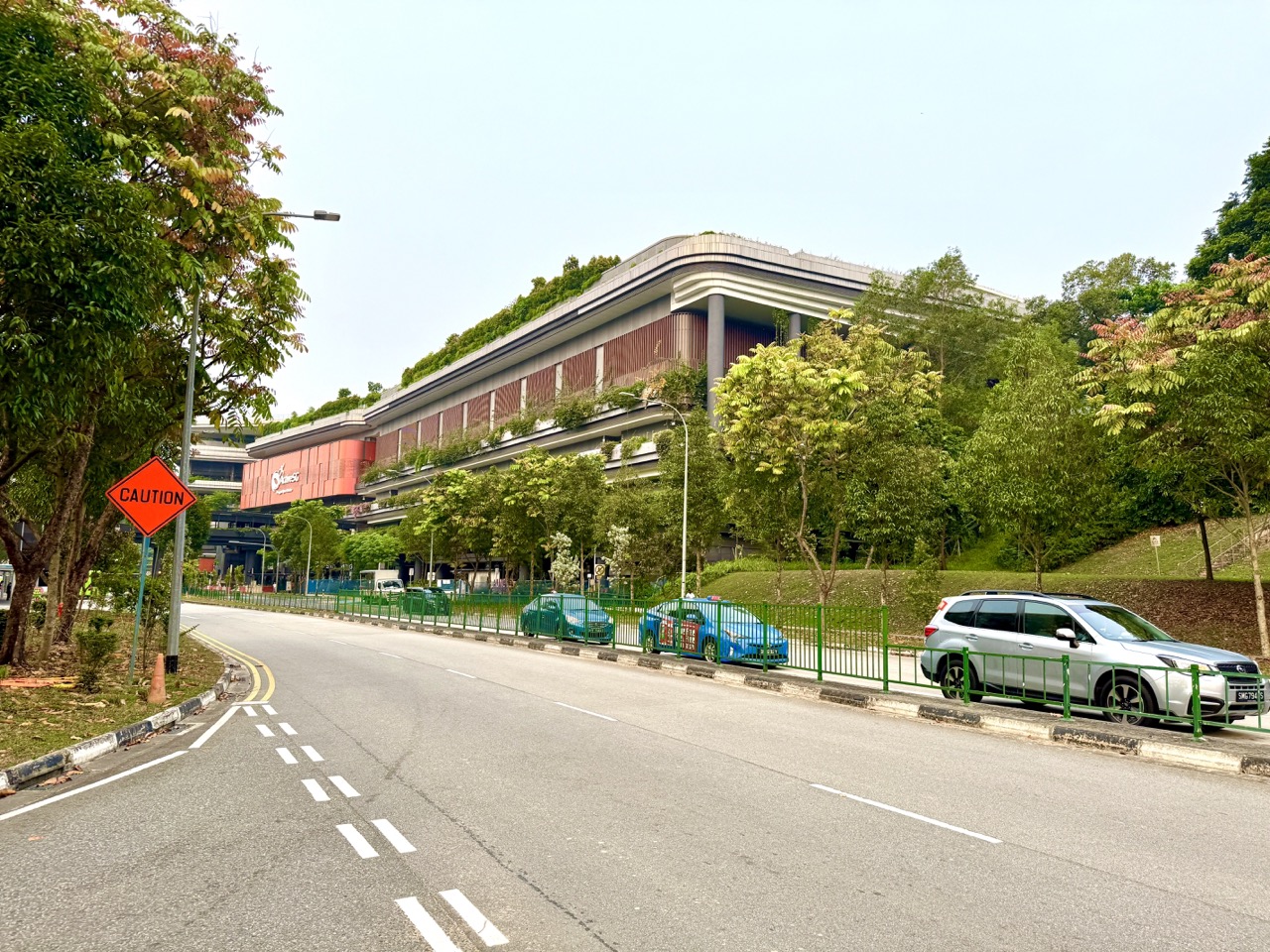
ActiveSG Punggol Sport Centre now has a public gym at 11 Sentul Crescent, beside SAFRA Punggol and the Punggol Waterway. The centre began a soft-launch phase on 27 October 2026, and reports published on 29–30 October state that its formal opening is scheduled for 22 November 2026. For residents searching for an affordable place to exercise, the immediate practical question is no longer whether a building exists: it is how to enter the gym correctly, choose a safe starting routine, check current admission, and avoid confusing the gym with facilities that are opening on different dates.
The complimentary gym promotion ran from 27 to 31 October 2026 and has ended as of this article’s publication on 1 November. Contemporary reporting lists standard ActiveSG gym entry from 1 November at $2.50 for eligible Singapore citizen and permanent-resident adults aged 18–54, and $1.50 for eligible younger users aged 12–17 and seniors aged 55–64, with different conditions for other categories and possible free entry for eligible Singapore citizens aged 65 and above. These are dated reference rates, not a guarantee of today’s charge or eligibility. Confirm the current price, age conditions, access pass and operating status in MyActiveSG+ before travelling; do not use a gym pass as proof that a swimming pool or court has opened.
- Location: ActiveSG Punggol Sport Centre, 11 Sentul Crescent, Singapore 828656, near SAFRA Punggol and Sam Kee LRT.
- Status checked: gym soft-launch access reported from 27 October 2026; formal centre opening announced for 22 November 2026.
- Promotion: free gym entry from 27–31 October 2026 only; that offer is no longer current.
- Reported standard gym hours: 7am–10pm daily during opening period; confirm changes, crowd levels and maintenance notices.
- Book or purchase: use the current official MyActiveSG+ browser service; distinguish one-time passes from memberships.
- Bring: exercise-appropriate shoes and clothing, a towel, water, account/QR access, and any necessary identification.
- First goal: learn the layout and safe equipment setup, rather than exhaust yourself on the first visit.
- Safety: use the induction instructions, follow supervision and age rules, and seek qualified advice for health limitations.
- This guide covers: entry, strength fundamentals, a practical 30-day plan, mistake diagnosis, progress checks and common questions.
Quick answer: How should a beginner use the new ActiveSG Punggol gym?
Begin with the current venue page and a realistic exercise goal. Confirm that the gym is open at the hour you want, review admission requirements, and decide whether you are paying per visit or using a valid pass. On arrival, find the reception or access point, read the safety notices, and ask staff about a machine if you cannot work out how to adjust it. A productive first session can be as modest as a comfortable warm-up, four carefully chosen movements and a relaxed finish. You do not need an elaborate routine, performance supplements or a social-media challenge to begin.
The first month should build a habit that can survive school, family and work commitments. Many new gym users make the same mistake: they measure success by how sore they feel tomorrow. Soreness is not the objective. You are trying to become confident with movement, choose appropriate effort, repeat the basic patterns with control and gradually improve. For a beginner, returning calmly next week is often more valuable than completing a heroic but exhausting session.
What changed in Punggol in the final week of October 2026?
Older Punggol articles say that the Regional Sport Centre is still under construction or that the town has no operating ActiveSG gym. Those statements reflected the information available when they were written, but the public picture changed at the end of October. The new Punggol Sport Centre began a soft launch on 27 October, including public gym access and selected bookable courts. News coverage on 29 and 30 October described the soft launch and announced 22 November as the formal opening date. Readers should therefore compare the timestamp on any guide with the current ActiveSG listing.
A soft launch does not mean every advertised facility is ready for unrestricted use. The swimming complex, stadium pitch, sports halls and gym have different booking or admission conditions. Images showing the infinity pool are evidence of physical infrastructure, not evidence that a swimmer may enter that pool on the same day. For gym users, the meaningful update is that there is a genuine local public-gym option now, subject to the live schedule. For swimmers, the prudent action remains to check the pool listing separately.
This is an especially important distinction for Punggol families who have spent years travelling to Sengkang or using private fitness providers. Proximity removes part of the travel burden, but it does not remove basic questions about entry rules, capacity and the safest exercise plan.

Understanding what ActiveSG is—and what it is not
ActiveSG is Sport Singapore’s public-sport initiative, offering access to facilities, programmes and an active-lifestyle system. An ActiveSG gym is not identical to a private membership gym, a supervised physiotherapy clinic or a coached strength studio. You generally buy or hold the relevant right of access, then perform activities responsibly according to the facility rules. Some people train independently; others follow qualified coaching or programmes arranged separately.
The distinction matters when someone asks, ‘Will someone write my workout for me?’ Paying to enter a fitness room does not automatically buy personal training. Staff can explain venue rules and equipment operation, but it is unwise to assume that every visitor will receive continuous individual supervision. If you need a tailored rehabilitation programme, movement assessment after an injury or medical clearance, those are different services. A public gym can support a health routine without taking over every part of personal health planning.
The practical benefit is access. A resident can turn a vague ambition—’I should become fitter’—into a specific, local appointment with exercise. The plan succeeds when the exercise is appropriate enough to repeat.
Find the correct entrance and plan your journey
The Punggol Sport Centre is at 11 Sentul Crescent, next to SAFRA Punggol and near Punggol Waterway. The Sam Kee LRT area provides a useful public-transport reference, while the Waterway paths may be convenient for residents approaching on foot. Do not confuse the new Sport Centre with SAFRA Punggol, One Punggol Community Club, Punggol 21 Community Club or the older Sengkang Sport Centre. These are separate premises with separate operators or access conditions.
A sensible first journey includes a little extra time for orientation. Identify the gym entrance rather than assuming that every public walkway leads directly to a gym gantry. Look for the correct ActiveSG signage. Check whether your desired entrance or lift is open during a phased launch. If you are cycling, follow marked routes and use designated bicycle parking; do not leave your bicycle blocking public walkways, accessible routes or emergency exits.
For parents collecting children after lessons, or adults visiting during a commute, choose the time you can actually sustain. A convenient facility is only convenient if the overall trip fits the household routine. Even a ten-minute journey may require extra time for changing, queuing, showering and travelling home.
What to check before paying for entry
Start at the official MyActiveSG+ service in a browser. Confirm the location, selected product, eligibility category, remaining passes and current instructions. A QR code may be needed to enter participating facilities. If you are managing a child’s eligible sporting activity, use the current parent-linked account guidance rather than guessing that an adult’s pass can simply be shared. Never give another person your Singpass credentials.
Next, examine the difference between the marginal price of one visit and the cost of a regular pass. A pay-per-entry option is useful for someone visiting twice this month. An unlimited or off-peak pass can be useful for a regular user, but only if its access conditions match the times you can attend. Read the effective dates, expiration conditions and eligible venues. Do not buy based on a screenshot of a promotional banner that ended on 31 October 2026.
As an illustrative comparison—not a quotation of live current prices—suppose single visits cost $2.50 and a relevant unlimited pass costs $30. Twelve single visits would total $30. At thirteen visits, the pass could be cheaper, assuming the same eligibility and no excluded use. But if you attend only five times, $12.50 in single entries is less. A meaningful calculation uses your actual visits, not your best intentions on New Year’s Day.
A first visit should be an orientation session
On day one, the chief objective is to remove uncertainty. Walk around the gym without occupying equipment unnecessarily. Identify cardio machines, resistance machines, free weights, sanitising supplies and emergency instructions. Look at how each machine adjusts. Some resistance machines have multiple seat, handle or pad settings; a machine that fits one adult may not fit the next. Ask for help with unfamiliar operation instead of improvising around a badly positioned seat.
Choose a small routine you can explain. One possible orientation visit is five to ten minutes of easy walking or cycling, followed by a light leg exercise, a controlled pushing movement, a pulling movement and a simple balance or core task. Each should feel manageable. If a movement causes sharp pain, dizziness, chest discomfort or another worrying symptom, stop and seek appropriate help. Exercise difficulty and medical warning signs are not interchangeable.
A beginner often believes that every available machine must be sampled. The opposite approach is more useful. Learn a few movements well so that you know exactly what to repeat and what to improve next time.
The first principle of strength training: movement before load
Strength training works through repeated exposure to an appropriate challenge, followed by recovery and adaptation. That mechanism is simpler than the marketing around it. The body needs a manageable task performed with sufficient quality, repeated often enough to become familiar, then progressed as readiness improves. The biggest initial improvement is frequently skill: the beginner learns where to place the feet, how to coordinate joints and how to move a load steadily.
Consider a seated row. A beginner may pull the handle using the neck and momentum, then wonder why the back muscles are barely involved. The better approach is to select an easy resistance, sit in a stable position, learn how the shoulder blades and arms cooperate, and finish without swinging. After several successful visits, the person may increase the resistance modestly. The weight stack is not a score of personal worth.
The same principle applies to leg presses, chest presses, basic dumbbell lifting and bodyweight movements. Control is observable. More resistance without control can turn a useful exercise into an unnecessary risk.
Learn five fundamental movement patterns
A practical strength plan covers broad movement families rather than chasing dozens of isolated muscles. The first is a squat-like pattern: standing up from a chair, doing a controlled squat or using a suitable leg-press machine. The second is a hip-hinge pattern, the action of bending at the hips while keeping the load close and the trunk controlled. The third is pushing, such as a chest press. The fourth is pulling, such as a supported row. The fifth is carrying, bracing or maintaining balance while the body resists unwanted movement.
Not every beginner needs all five in a single visit. A parent returning to exercise after years away might work first on sitting and standing, easy rowing and steady walking. A teenager new to gym settings may need especially close attention to age-related entry conditions and appropriate coaching. An older adult may benefit from supervised instruction and modifications for comfort or balance. The goal is useful movement competence, not fitting everybody into a standard photograph of a workout.
These movement families make progression easier to see. When you can stand, push, pull and move steadily with better confidence, everyday tasks often begin to feel more manageable too.
How hard should the first exercise set feel?
Use an effort you can control throughout the movement. A simple self-check is whether you could repeat a small number of extra repetitions with good form after finishing your set. Beginners generally do not need to train to complete muscular failure. They need reliable execution and enough recovery capacity to return. Stop a set when technique deteriorates, breathing becomes uncontrolled or you become uncertain about safety.
For example, someone may choose a weight that permits eight comfortable repetitions of a machine chest press, with several possible repetitions left in reserve. The next week, the same person might perform nine controlled repetitions at that weight. Another week, ten. Only when movement quality remains stable should they consider a small load increase. This is an illustration, not a universal prescription or promise of a particular training outcome.
Remember that a machine’s printed numbers are not universal measures. Ten units on one model may feel different from ten on another. Write down the exercise and a short description of the actual setup, not just a number from the weight stack.
The four-week plan: overview
The first week is orientation. Visit once or twice, learn a handful of exercises and deliberately finish feeling that you could have done more. The second week is consistency. Repeat the chosen movements and notice whether the setup and technique become more predictable. The third week is controlled progression. Improve one variable—repetitions, resistance, range or confidence—without changing everything at once. The fourth week is a review. Ask whether the routine fits your life, whether the movements are understood and what would make another month realistic.
This order matters because the most common failure of a beginner plan is not a lack of intensity. It is excessive ambition. Someone who suddenly schedules six visits, doubles walking mileage and restricts sleep may abandon exercise after a few exhausting days. A plan that starts smaller can be repeated. Repetition creates feedback. Feedback makes it possible to adjust difficulty intelligently.
The sequence also keeps exercise from becoming a competition between family members. One person may progress quickly and another more slowly. Both can be following the same sound principle.
Week 1: become familiar with the gym
Choose two short sessions separated by recovery time if that suits your readiness. Start with a gentle cardio warm-up, then perform a small set of familiar movements. A sample full-body sequence uses a sit-to-stand or light leg press, a chest press, a seated row and relaxed walking. Select conservative loads and make notes about seat height, comfort and confidence. The session is successful when the movements become less mysterious.
Your first checkpoint is not a scale reading or a photograph. Ask: Can I find the equipment? Can I adjust it without rushing? Do I understand the start and end position? Do I know what pain or discomfort requires stopping? Can I explain the plan without relying on a fitness influencer’s video? These are meaningful early achievements.
If a machine is unavailable because the gym is crowded, do not wait indefinitely to copy a perfect routine. Use another safe, familiar exercise or finish the session. Flexibility keeps the habit alive.
Week 2: repeat the important movements
In the second week, keep the exercise selection mostly stable. A routine should be familiar enough for quality to improve. If every visit introduces seven new machines, the beginner repeatedly returns to square one. Practice the same movement with careful attention to setup. Notice the tempo, the way the joints move, and whether breathing remains comfortable. Ask a qualified staff member or coach when uncertain.
You might add a small amount of walking before or after strength work, or extend a set by one comfortable repetition. Do not add resistance, duration and frequency simultaneously merely because the first week felt easy. Progress that can be described is easier to evaluate than a random burst of enthusiasm.
At home, connect the routine to ordinary movement. Walk to a nearby amenity, stand up from a chair without using momentum, or practise gentle mobility within your abilities. The gym is an important resource, but the remaining days of the week still matter for a more active lifestyle.
Week 3: make one controlled improvement
By the third week, regular users often recognise which movements are becoming smoother. Review the log. If a movement is consistently comfortable and technically steady, make one small change. Perhaps the machine row increases by one or two repetitions. Perhaps you choose a slightly more challenging resistance with the same comfortable range. Perhaps you extend the easy cycling portion by a few minutes.
A controlled progression is not a dare. After every change, check whether the exercise still looks and feels stable. If it does not, return to the previous level. This is not failure. It is the adjustment loop that strength training depends on. The objective is a repeatable challenge, not a dramatic personal record.
Third-week fatigue deserves attention too. Busy school examination periods, late work shifts and poor sleep can change how hard an ordinary session feels. Allow the plan to respond to the body and the calendar rather than forcing a rigid target.
Week 4: evaluate the habit, not only performance
The fourth week is the time to ask whether a meaningful routine has been established. How often did you actually attend? Were the journeys convenient? Did entry and checkout take longer than expected? Which times were crowded? Which exercises became more confident? Which caused confusion? These questions produce a better second-month plan than simply copying an online schedule.
Use three ratings: confidence with the environment, quality of movement and consistency with your chosen frequency. You can rate each from one to five. The number is an informal self-management tool, not a clinical measurement. A person whose movements are improving but whose attendance is unstable may need shorter sessions or a different time of day. A person with good attendance but poor technique may need instruction rather than more exercise.
Keep the successful parts. Repair what is confusing. Extend only what is ready. This mirrors a strong teaching cycle: observe, diagnose, practise, check and adapt.
Worked example: the Punggol parent with only two weekly windows
Imagine a working parent with two available windows: Tuesday after work and Saturday morning. Their first temptation is to follow a six-day gym plan copied from a stranger. Yet the commute, shopping, children’s school activities and weekend errands make that plan unrealistic. A better strategy is to establish two sessions that fit those genuine windows, leaving optional walking for other days.
On Tuesday, the parent uses a short warm-up and three strength movements. On Saturday, they repeat the same patterns and walk comfortably afterwards. The main measure is not whether every planned minute was completed. It is whether the person can attend regularly, recognise the exercises and recover well enough to continue family life.
After a month, they might keep the same frequency and gradually improve one movement. They have solved the scheduling problem first. Without that foundation, even the most sophisticated exercise programme has nowhere to live.
Worked example: the student who mistakes fatigue for achievement
Consider a secondary-school student who sees dramatic workout clips and wants to copy the heaviest exercises immediately. The sensible first task is to check the gym’s current age conditions and whether appropriate qualified supervision or coaching is required. A student’s body, training history and school workload matter more than impressive social-media numbers.
The student can learn about movement patterns, gradual progression, rest and responsible use of equipment. A sports coach or suitably qualified professional can help select safe and age-appropriate exercises. The student should not assume that a youth admission price is blanket permission to use every machine without restrictions.
The deeper lesson is transferable to school learning. Memorising the answer to a hard Mathematics question without mastering the underlying concept creates unstable performance. Copying an advanced workout without movement foundations creates a similar problem. Skill first; challenge second.
Worked example: returning to exercise after a long break
Someone who exercised regularly five years ago may remember old personal records and mistakenly expect their body to perform at the same level immediately. Past experience helps with recognition, but it does not remove the need to reassess current capacity. Start with easier versions of familiar movements. Use a first visit to identify limitations rather than to prove that nothing has changed.
The person may find walking comfortable but pushing movements awkward, or may discover that balance needs more attention. Those observations can guide a gradual return. Where there has been illness, surgery, injury or significant symptoms, medical guidance and appropriate qualified exercise support should take priority over a generic fitness plan.
A useful return-to-training question is: What level can I complete today while feeling confident about coming back? That question treats consistency as a resource. It also avoids comparing today’s first session with the most impressive session from a different period of life.
Common mistake: doing too many exercises
A large gym can make a beginner feel that every machine must be used. They perform a few repetitions here, copy a stranger there, move to another station and leave tired but without any repeatable record. Next week they cannot remember what they did. The effort was real, but the feedback loop is weak.
Reduce the number of exercises until you can remember them. For each movement, know its purpose, equipment setup, approximate difficulty and what improvement would look like. A small full-body plan gives you repeated observations. It also makes busy visits easier: you can prioritise essentials when the gym is crowded.
The same idea applies to education. Ten poorly understood exercises do not automatically teach more than three carefully practised ones. Depth, feedback and continuity matter more than the quantity of tasks.
Common mistake: chasing a number on the weight stack
Beginners sometimes treat the number displayed on equipment as a public ranking. That changes their attention from movement quality to competition. The result may be shortened range, jerking movement, excessive bracing or discomfort. The number is simply one setting on a particular machine.
A better record includes three pieces of information: the exercise, the resistance or difficulty setting, and a note about execution. For example: ‘Seated row, moderate setting, eight smooth repetitions, no swinging.’ If movement was unstable, an increase is not justified by the fact that another visitor used a larger number.
Strength development takes time. Control allows useful repetition; useful repetition supports adaptation. Protect that sequence.
Common mistake: letting crowds dictate unsafe choices
The gym can be busy at particular times, especially after work, during school holidays or soon after opening. If a favourite machine is occupied, the beginner may feel pressured to choose something unfamiliar and heavy. That is unnecessary. Create a small substitution plan before arriving.
For example, if your usual cardio equipment is busy, you may choose an easy warm-up elsewhere. If a machine is occupied, do another movement that you already know how to perform safely. If the entire fitness area feels overwhelming, shorten the session and return at a more convenient time. Current crowd information, when available from the operator, can support planning but is not a guarantee of space at arrival.
Good gym citizenship also reduces congestion: return equipment, wipe surfaces according to rules, do not monopolise stations while using a phone, and allow others to complete their work safely.
The difference between gym membership and court booking
The building houses several sports activities, but the rights of access are not interchangeable. Paying for gym entry does not reserve a badminton court. Booking a sports hall does not include unlimited entry to the gym. Registering for a coached programme does not automatically give unrestricted access to the swimming complex. Each activity has its own product, eligibility and operational status.
For families, this distinction becomes important when siblings want different activities at the same place. One child might attend a booked court session while an adult uses a gym pass. Those are separate arrangements with separate confirmation steps. The household should plan meeting points, safe supervision and transport rather than assuming that one booking covers everybody.
The safest approach is to read the exact name of the pass or facility on the booking record. The distinction is bureaucratic only until someone arrives at the wrong entrance expecting admission.
Gym hygiene, shared space and courtesy
Bring a clean towel and follow the facility’s current hygiene rules. Wipe equipment where instructed and leave stations ready for the next person. Wear footwear appropriate to the gym’s requirements. Avoid bringing food into equipment areas or leaving bags where others may trip. Keep personal conversations and phone use considerate in a shared public facility.
Photography deserves extra care. Do not film strangers, children or identifiable gym users without appropriate permission. A gym is not a public backdrop for content creation simply because it is government-operated. If you need to record your technique for coaching, ask about the venue’s current filming rules and frame only what you are permitted to record.
People come to public gyms with different ages, bodies and experience levels. Courtesy creates a more useful environment for everyone. A beginner should be able to ask a question without embarrassment; an experienced person should be able to train without unnecessary interruption.
How to make progress measurable without obsession
Choose practical markers rather than vague hopes. One marker might be attendance: how many planned sessions occurred? Another is technique: can the same movement be completed with more control? A third is daily function: do stairs, carrying shopping or getting up from a chair feel easier? These observations are imperfect, but they can support a sensible conversation with a coach or health professional where needed.
Avoid judging a whole month through a single body-weight number. Weight can change for many reasons unrelated to short-term strength or fitness. A beginner may also experience temporary variations in how rested or energetic they feel. The meaningful trend is a repeatable pattern of safe activity and gradually better capability.
A simple handwritten log is enough. Record the date, activity, how hard it felt and the next step. When an exercise seems to create recurring pain or unusual symptoms, stop and seek appropriate advice rather than logging the symptom as a badge of commitment.
How parents can support a young gym user
Start by checking age and supervision rules for the exact facility. Children are not simply small adults with lighter dumbbells. Their training should consider physical development, instruction, enjoyment and the wider school schedule. A parent can teach respect for equipment and the idea that improvement is earned through careful practice, rather than setting arbitrary lifting targets.
Ask useful questions after an activity: What did you learn? What movement felt controlled? What would you do differently next session? Avoid interrogating a child about calories, weight or appearance. The aim is confidence, competence and a healthy relationship with movement.
School athletics, PE and community sports may already provide valuable activity. The gym should complement rather than needlessly replace those experiences. If a child needs targeted sporting preparation, a qualified coach with suitable youth experience can help with an appropriate plan.
Making the sport centre part of a wider Punggol routine
The new venue sits within a neighbourhood containing public transport, the Waterway, community amenities and recreational paths. That gives residents a chance to connect gym work to more ordinary activity: walking to the LRT, enjoying a comfortable Waterway stroll, or cycling along approved paths. Not all activity needs a paid entry point.
For a family, consider a pattern where one weekend morning includes a manageable sport session and time together afterwards. For a shift worker, consider the quieter hours that genuinely fit a changing roster. For an older adult, accessible routes, comfortable times and a safe return journey may be as important as the choice of exercise.
This is the larger value of a public sports centre. It makes exercise more geographically possible. Whether residents benefit depends on the practical routines they build around that possibility.
Repair, stabilise and extend your plan
Repair means addressing the thing that prevents a safe repeat visit. Perhaps the gym account was not ready, the selected movement was too difficult, or the training schedule was incompatible with family life. Fix the precise obstacle. Stabilise means keeping a modest, repeatable plan long enough for technique and attendance to become dependable. Extension means adjusting difficulty only after the foundation has become stable.
These three stages create an alternative to all-or-nothing thinking. An interrupted week is a scheduling problem to repair, not proof that the entire month failed. A movement that feels awkward needs instruction or modification, not a dramatic increase in resistance. A confident fourth week may justify a small challenge, not an entirely new exercise identity.
Many successful learning systems work this way. They identify a concrete problem, repair it, repeat what works and extend at the appropriate time. Physical activity is no different.
Frequently asked questions
Is ActiveSG Punggol gym open on 1 November 2026?
News reports confirm that Punggol Sport Centre began soft-launch operations on 27 October 2026, including the gym. The announcement described 22 November 2026 as the formal opening. Actual daily access can change, so check the current official facility status and any closure notice before leaving home.
Is entry still free after 31 October?
The widely reported complimentary promotion specifically covered 27–31 October 2026. Do not assume free admission from 1 November unless the official operator announces another promotion or you qualify under a separate scheme.
Can I enter the gym with a badminton court booking?
No automatic right of gym entry follows from a court booking. Court reservations and gym passes are different products, even when the activities are housed in the same sports development.
Can a beginner train without a personal trainer?
Many adults can begin modest, familiar exercise after understanding the equipment and following the site’s safety rules. Someone who is uncertain about movement, has medical concerns or needs tailored guidance should seek appropriate qualified help rather than invent a plan from machine labels.
Should I work out every day for the first month?
There is no requirement to do that. A smaller, realistic routine with suitable recovery is often more sustainable. The appropriate frequency depends on individual readiness, activity type, other exercise and professional advice when relevant.
Will the swimming complex open together with the gym?
Do not assume so. In late October the gym was operating while reporting described swimming access as not yet generally available. Check the specific pool page separately; a planned formal centre opening does not certify an individual lane or pool timetable.
Where do I see the current price?
Use MyActiveSG+ and the official ActiveSG facility information. Prices, eligibility rules and promotions may change after an article is published.
Useful official reading and local context
MyActiveSG+ — live bookings and passes is the first destination for pricing, access and current facility details. ActiveSG Circle — how the platform works explains facilities, programmes, credits and gym or pool passes. Sport Singapore — what ActiveSG is describes its public sport mission. For the dated 29 October soft-launch and 22 November announcement, see AsiaOne’s opening report. For the operator distinction and earlier local options, read eduKate Punggol’s sport-facility guide, noting that its 18 October status predates the soft launch.
Your next step
If the gym is new to you, choose one manageable session and a second possible visit. Check the current pass and opening notices, learn the layout, practise a small number of safe movements and write down what to repeat. Four weeks later, assess whether your confidence, consistency and movement quality have improved. That is a more useful definition of success than copying an aggressive routine that cannot survive ordinary Punggol life.
Editorial status: checked against information available on 1 November 2026. Times, admission rates, facility access and eligibility remain subject to ActiveSG’s live notices. This article is an independent local guide, not an official Sport Singapore booking page.


