
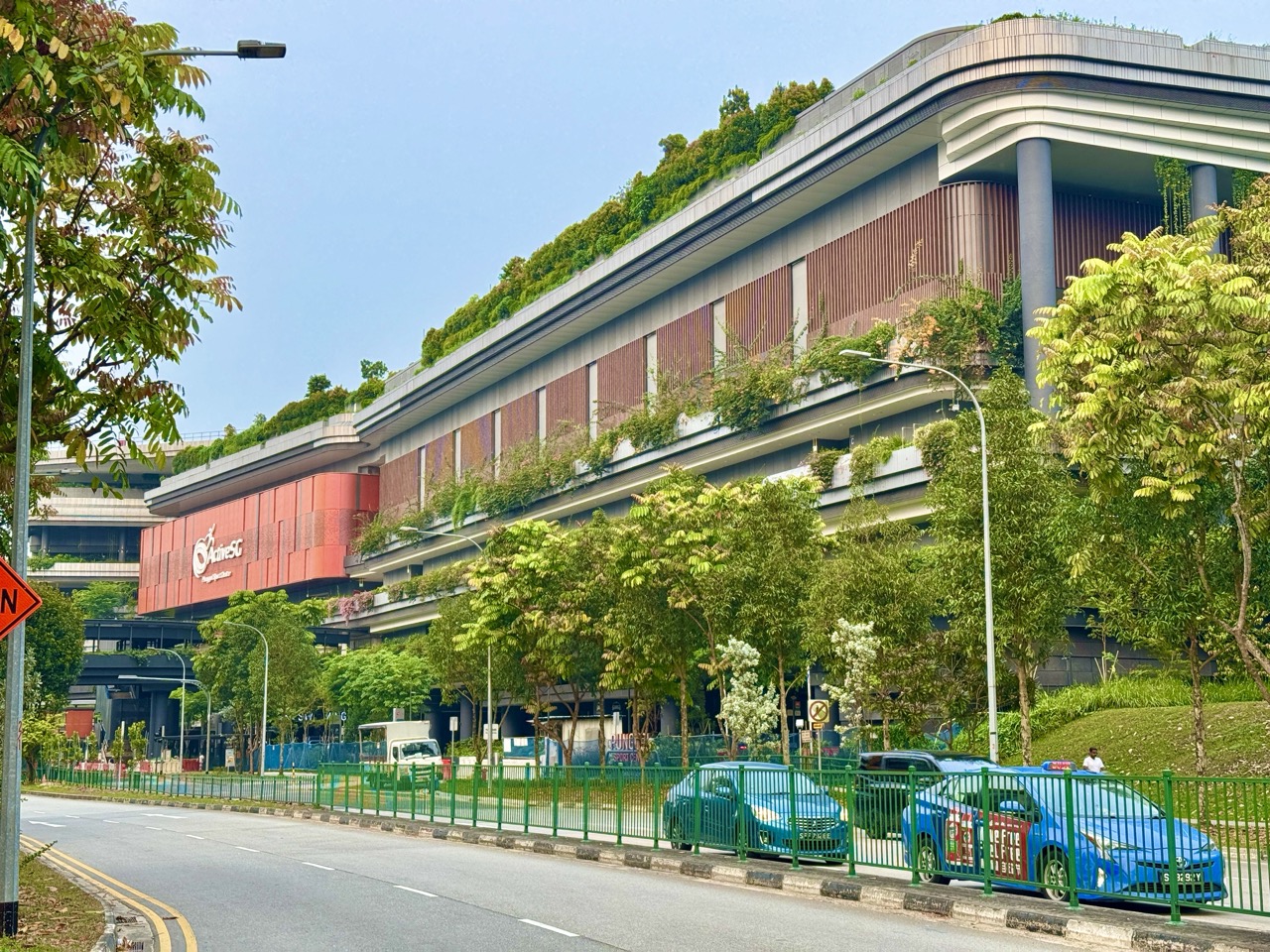
Badminton at ActiveSG Punggol Sport Centre is now a real local booking option rather than only a future item in a construction plan. Following the centre’s soft launch beginning 27 October 2026, Punggol Sport Hall appeared among the MyActiveSG+ bookable venues for badminton. The new complex is at 11 Sentul Crescent beside SAFRA Punggol. News reports in the final week of October described selected courts becoming accessible while the centre’s formal opening was announced for 22 November 2026. A court listing, however, is not a guarantee that a particular evening, date or court is available; use the live platform to check and complete the booking.
For a family or group preparing a first badminton session, the important distinction is between reserving space and learning how to use it. Search for the correct Punggol Sport Hall badminton listing in MyActiveSG+, check whether the desired slot is immediately bookable or requires balloting, confirm the venue address and actual charge, then bring rackets, shuttlecocks, non-marking shoes where required and a plan appropriate for the players. A beginner-friendly hour should include warm-up, simple hitting and serving practice, short games and time to leave the court promptly for the next group.
- Venue: Punggol Sport Hall, within ActiveSG Punggol Sport Centre at 11 Sentul Crescent, Singapore 828656.
- Opening context: selected courts were reported bookable from late October 2026; formal centre opening announced for 22 November.
- Booking platform: MyActiveSG+; select Badminton and the correct Punggol Sport Hall listing.
- Reservation methods: some slots may be instant bookings; high-demand windows may be allocated through ballots.
- Published October reference rates: reported standard citizen/PR badminton rates of $3.50 per court-hour off-peak and $7.40 peak; verify the actual payable price before purchase.
- Bring: booking confirmation, racket, suitable shuttlecocks, water, towel and compliant footwear.
- First-hour goal: purposeful rallies and fair play, not a rushed tournament with unclear rules.
- Important distinction: a booking at a Punggol school hall, a community club or the new Sport Hall is not transferable between venues.
- What follows: court booking, equipment, serving, scoring, doubles movement, realistic practice, safety, parent guidance and FAQs.
Quick answer: how do you book badminton at ActiveSG Punggol?
Go to the official MyActiveSG+ service using the supported account sign-in. Choose the facility-booking route, select badminton and look for Punggol Sport Hall. Confirm the specific date, time, court, price, eligibility and booking method. If the platform offers immediate purchase, complete the payment and retain confirmation. If the selected slot goes through balloting, understand that entering the ballot is not the same as receiving and paying for a confirmed booking.
After booking, send the group the complete venue name and the time you must finish playing. A screenshot with only ‘Punggol’ in it invites confusion: the town includes school halls under the Dual-Use Scheme, community-club facilities, neighbourhood outdoor courts and the new regional Sport Centre. The most useful message includes the building, activity, date, start time and a reminder to arrive with appropriate equipment. Booked court time is finite, so keep your first session simple enough to enjoy.
Why the October 2026 soft launch matters
Many earlier local guides accurately said the Punggol Regional Sport Centre was not yet available when they were published. This changed during the last week of October 2026. Reporting dated 27–30 October described a soft launch that made the gym and selected sports courts usable, while announcing 22 November as the formal opening. Some pools and other spaces were not yet in general public use. The correct status therefore belongs to each individual product or venue, not to one dramatic sentence saying that everything is open.
For badminton players, the practical change is the appearance of a new locally accessible hall in the booking ecosystem. Punggol residents have long relied on school halls, courts outside the estate or community facilities. More convenient infrastructure can reduce travel and expand choice, but it does not mean that every planned court will be released for public booking at all times. Programmes, events, maintenance and operating requirements can affect actual inventory.
This page is written specifically for the act of taking a beginner or casual group into a Punggol Sport Hall badminton session. It complements, rather than replaces, older general Punggol court directories or advanced doubles tactics articles.

Learn the difference between a venue and a bookable slot
A sports centre can contain many courts. A venue page can list several sports. Neither fact means a particular court is free at your preferred time. A bookable slot is a specific piece of the facility’s time inventory, subject to the operator’s release window, eligibility, peak-hour arrangements and payment process. Understanding that distinction is the first step to planning a reliable badminton session.
Imagine four friends who agree to play on Sunday evening. They see Punggol Sport Hall on a directory and announce that they are ‘going to play there’. No one completes the booking. On Sunday, they may find that every desired slot is allocated to another group. The planning failure happened long before they reached the hall. The correct sequence is to check inventory, secure the slot, communicate the confirmation and only then settle the details of the match.
Do not pay a stranger offering to ‘transfer’ a public court slot. ActiveSG has rules against improper onselling and assignment. Use the official account and operator processes rather than informal resale messages.
How court balloting differs from instant booking
Instant booking generally allows an eligible user to select an available released slot and complete the relevant payment process, subject to the displayed conditions. Balloting instead allows applicants to seek a limited slot through the operator’s allocation mechanism. Entering a ballot does not mean you have won. Winning may also require further confirmation or payment. Read the current platform instructions rather than assuming every sport follows the same timing.
In July 2026, the Ministry of Culture, Community and Youth explained that ActiveSG’s balloting for high-demand facilities is designed to improve fairness. The system did not give special priority to users merely because they had lost several previous ballots. This has a practical lesson: a group should not depend on a speculative ‘loyalty advantage’. Keep an alternative time or venue if the first-choice evening is highly popular.
A responsible group organiser also protects other players from uncertainty. Write ‘Ballot entered; not confirmed’ until the system provides a real reservation. After success, communicate exactly what was purchased. Clear language prevents people from travelling based on a hopeful plan.
Check current rates rather than recycling a 2026 screenshot
Late-October reporting listed a citizen/PR reference price of $3.50 per hour for a badminton court in an off-peak period and $7.40 during peak periods at Punggol Sport Hall. It also described peak as weekday evenings and weekends or public holidays. These figures help readers estimate the likely order of cost, but only the actual live checkout can confirm your price, eligibility and any changes at the moment of purchase.
The cost per person is easy to calculate after the correct price is known. Suppose an eligible group pays $7.40 for one court-hour. Four players sharing equally would each contribute $1.85 for the court, before any equipment expense. Two players using the same court would each contribute $3.70. The arithmetic shows why public racket sports can be accessible, but it is not a promise that another session or category will cost exactly the same.
Keep the bill separate from shuttlecock expenses, coaching fees and travel costs. A court booking normally secures the facility, not an instructor. If a club or coach advertises an organised session, ask precisely what is included.
What to bring on your first visit
Pack lightly but deliberately. Each participant needs a suitable racket and appropriate footwear. The group needs shuttlecocks; the booked court does not automatically guarantee that equipment will be supplied. Bring water, a towel and the booking details. Follow any venue-specific footwear requirements, particularly where a sports hall requests clean, non-marking soles that protect the playing surface.
Clothing should permit comfortable reaching, turning and stepping. A loose bag on the edge of the court can create a trip hazard; store belongings in approved areas and leave walkways clear. For younger players, ensure an appropriate responsible adult or organiser understands the rules on supervision and entering the venue. Do not assume that the person who paid for a booking is also supplying childcare or coaching.
The best preparation includes one conversation before the game: Does everyone understand whether the session is casual, competitive or instructional? Players who want relaxed rallies should not be pressured into a fast doubles tournament. Shared expectations are part of fair play.
Your first ten minutes: arrive, orientate and warm up
Reach the correct hall early enough to find the court without cutting into the next person’s reserved time. Confirm the court number on your booking, wait for any preceding users to finish and enter only when your period begins. Warm up with comfortable whole-body movement outside active play areas where permitted. Begin with gentle footwork, easy arm movements and light exchanges before trying harder strokes.
A warm-up is not a magic injury shield, but it gives the body and attention time to move from travelling into playing. Badminton is deceptively demanding. Even a casual rally may involve quick deceleration, lunging and overhead reaching. A person who has sat all day may find an immediate maximal sprint uncomfortable. Start conservatively and build into the session.
For a mixed group, keep the earliest rallies cooperative. Two players can focus on making the shuttle travel over the net repeatedly, rather than counting winners. This establishes a shared rhythm and helps beginners understand the court’s dimensions.
The simplest way to teach a badminton rally
A rally begins with a valid service and continues while players return the shuttle across the net within the applicable boundaries. The rally ends when a fault occurs or the shuttle is not returned legally. That description sounds obvious, but many first-time players are confused by service boundaries, where they may stand and when the score changes. Teach one idea at a time.
First, practise a gentle serve that crosses the net. Second, make five cooperative returns without worrying about a match score. Third, let players call whether the shuttle landed in or out. Fourth, try a short game with an agreed scoring system. Only after those basics feel understandable should the group add doubles rotations, tactical placement or faster drives.
This staged method reduces embarrassment. A player who has never held a racket can learn the shape of the game before facing continuous criticism about formal positioning.
How rally scoring works
Modern competitive badminton commonly uses best-of-three games to 21 points, rally scoring, with specific rules at 20-all and a maximum of 30 points. These rules matter for formal matches, but a short public-court session need not be swallowed by a full tournament. The group can practise the official structure while using shorter informal drills between matches.
Under rally scoring, each completed rally gives a point to the side that wins it. If both sides reach 20, the game normally continues until one side leads by two points, subject to the 30-point limit. In a casual group, appoint someone to call the score before each serve. This prevents confusion and arguments. Do not assume a beginner knows which side won a point merely because the shuttle touched the floor.
When the objective is learning, the score is feedback, not a verdict on personal ability. If a player repeatedly makes the same error, pause between rallies to discuss the pattern calmly.
Basic serving rules and why service order matters
In singles and doubles, the server normally serves diagonally to the correct service court. The service action must follow the sport’s current laws, including requirements about how the shuttle is struck. For competitive play, consult the Badminton World Federation laws rather than relying on a memory of schoolyard rules. For beginners, the first practical task is to recognise the diagonally opposite service box and deliver a controllable shuttle into it.
A simple service drill places a visual target inside the appropriate court. The player tries several comfortable serves while a partner watches whether the shuttle reaches the intended area. The partner gives one specific correction at a time: direction, height, contact or positioning. Once consistent, introduce the relationship between score parity and which service court is used.
The principle is that serving is a skill with rules and repeatable mechanics. Do not turn every correction into a scolding. A learner improves faster when the explanation is specific and the next attempt is clear.
Doubles for first-timers: share the court intelligently
Doubles adds communication and court coverage. Two partners must avoid chasing every shuttle into the same space or leaving large empty gaps. A simple beginner plan is to agree before each rally who takes short middle shots and how partners communicate. Call ‘mine’ early when taking a shuttle, and move with awareness of where the other person is standing.
When the pair is defending high returns, a side-by-side arrangement may help each player cover a half. When attacking at the net and rear court, front-and-back positions can become useful. Those are broad tactical concepts rather than a substitute for understanding service and receiving order. At beginner level, players should first learn to avoid collisions and make safe, deliberate movements.
A common problem occurs when one experienced partner tries to win every shot. The less experienced person gets almost no practice and begins treating the session as spectating. Better doubles creates opportunities for both partners to participate, with cooperative drills before serious matches.
The footwork principle: get there without losing balance
Badminton is a game of movement as much as racket technique. A clean shot is difficult if the player reaches the shuttle while falling, twisting awkwardly or recovering late. Beginners should learn a ready position, small adjustment steps and a controlled return toward an appropriate base area after each shot. The exact movement depends on the stroke and situation; no single footwork pattern fits every rally.
Try a gentle shadow drill without shuttlecocks. From a comfortable central position, move toward one corner, simulate a controlled contact and recover. Repeat slowly on the other side. The goal is coordinated steps, not maximum speed. Stop before fatigue makes the movements sloppy. Young players, returning adults and older participants may need different pacing and supervision.
In a real game, technique begins to improve when the player arrives with enough balance to choose a shot. Rushing blindly at the shuttle often produces bad contact and unnecessary collisions.
Worked first session: four complete beginners
Suppose four neighbours book one hour at Punggol Sport Hall. They have rackets and shuttlecocks but have never played organised doubles. For the opening ten minutes, they walk, warm up and identify the service boxes. For the next ten, they divide into pairs and practise cooperative underhand returns. For another ten, they teach a simple diagonal serve. Then they play short, friendly rallies with deliberate score calling.
Only after the players can serve reliably should they try a short doubles game. The organiser keeps the match short enough that everyone rotates partners and experiences both serving and receiving. Near the end, the group tidies loose shuttlecocks, retrieves belongings and finishes with enough time for the next booking.
Success is not the number of smashes attempted. Success is that nobody was excluded, everybody understands something new and the group wants to play again.
Worked first session: one experienced player and three beginners
Mixed-ability groups need special planning. The experienced player may be tempted to deliver constant high-speed smashes because that is enjoyable for them. But it teaches little to beginners and can make the session intimidating. Instead, the experienced player can act as a gentle feeder for a short period, sending catchable shuttles to comfortable positions.
Pair the experienced person with different beginners rather than choosing the same strong team for every game. Use cooperative rally goals such as keeping the shuttle in play for five strokes. Then allow a short competitive game where players agree to adjust intensity. The aim is not to make competition disappear; it is to provide a path from instruction to enjoyable play.
If one beginner wants a serious coaching programme, court time with friends is not a replacement for qualified instruction. A professional coach may help with grip, swing, footwork and safe development in ways that a casual group cannot.
Worked session: parent and child preparing for school badminton
A parent may want to use a local court to encourage a child interested in a school CCA. Start with enjoyment and understanding rather than selecting drills from elite competition. The child might practise holding the racket comfortably, watching the shuttle, serving into a target and recovering balance after a gentle movement. The parent can provide supportive feeding and short games.
Check the child’s actual age, physical readiness and any facility supervision rules. Keep the practice responsive to fatigue and attention. A school CCA coach may have specific training priorities; a family session can reinforce those priorities rather than adding conflicting technical advice.
The most useful question after practice is ‘What felt easier today?’ It invites the child to notice a controllable improvement. A child who learns to explain one correction and try again develops both a movement skill and a learning habit.
Court etiquette is not optional
Enter only during the confirmed period, leave by the end of that period and avoid crossing another group’s active court. Collect stray shuttlecocks before beginning a rally. Do not walk behind a player preparing to strike an overhead shot. Keep bags and loose objects away from the play area. Follow footwear and floor-care requirements. Respect staff instructions and any permitted spectator areas.
Players should also manage noise and photography considerately. It is one thing to photograph your own racket or an empty court; it is another to record identifiable strangers or children without their permission. Public sports venues are shared environments. Avoid treating the whole hall as a private filming studio.
Good etiquette protects the next group too. Leaving on time is part of giving another resident access to their paid slot. The rights created by a booking include responsibilities.
What to do if somebody is already on your court
First confirm the venue, court number and start time against the booking record. It is surprisingly easy to mistake a school hall for Punggol Sport Hall or to read a court number incorrectly. If the current group is finishing its allocated time, allow a reasonable transition without confrontation. If there is a real overlap or disagreement, follow the operator’s procedure and ask venue staff for help.
Avoid escalating a timing dispute into personal accusations. Many errors are administrative: somebody may have the wrong date, the wrong venue or an old screenshot. Show the complete confirmation, not a fragment. Staff can clarify which slot was issued and how the venue handles access.
The same calm method applies when equipment is damaged, a court is unexpectedly closed or a booking cannot be used. The responsible approach is to follow ActiveSG’s current support route, retain relevant records and check official refund or rescheduling rules.
What to do if the court is wet, unsafe or crowded
Indoor halls can still experience safety problems such as spilled liquids, loose objects or damaged flooring. Stop play, keep others away from the hazard and alert the responsible staff. Do not assume that a paid booking entitles the group to continue on an unsafe surface. A sudden slip could create a more serious problem than losing part of a court session.
For outdoor neighbourhood courts, wind and rain add another layer of difficulty. These are distinct spaces from an indoor hall. If you switch plans because of weather, check whether a different venue actually has a confirmed available slot. Do not arrive and occupy a booked court under the assumption that your cancelled outdoor session gives you priority.
Safety also includes managing fatigue. A player who is dizzy, in unusual pain or unable to control movement should stop rather than finish the game for the team’s convenience.
What makes badminton a useful family sport?
Badminton gives families a shared activity that can be adapted for skill and effort. Younger players can begin with soft cooperative returns while adults practise longer rallies or structured games. It combines watching, judging distance, timing and changing direction. The social element can make regular exercise more appealing than solitary routines for some people.
But it is not automatically suitable for every participant at the same intensity. Fast lunges, high reaches and sudden changes of direction can be demanding. An older player returning after many years may need a slower progression. A beginner with mobility concerns may benefit from modifications or qualified advice. Fun and safety belong in the same plan.
A local hall makes the activity easier to arrange: parents can coordinate around school and work, and friends can agree on a repeatable time. That practical convenience is part of the new venue’s value.

Making one hour more useful than two disorganised hours
An efficient badminton session has a purpose. Decide beforehand whether the focus is serving, basic rallies, footwork, a friendly match or simply enjoying active time together. Do not try to do all of those at elite intensity within sixty minutes. A simple plan might use ten minutes to warm up, fifteen for a skill, twenty for games, and the remaining time for rotation, cool-down and clearing the court.
A little preparation avoids wasted time. Bring functioning equipment, ensure everyone knows the meeting location and settle the sharing of fees before arrival. Decide who is responsible for score calling and how partners will rotate. For a four-player group, several brief games can offer more participation than one continuous match dominated by the same pair.
Keep notes only if they help. A family might remember that serving was difficult and try more service practice next week. A recreational group might simply note that an earlier slot was quieter. The value of a log lies in improving the next session, not creating paperwork.
Why skill learning sometimes stalls
Improvement stalls when players repeat the same poor contact without feedback. One beginner may strike the shuttle with the wrong part of the racket. Another watches the opponent’s face rather than the shuttle. Another stands too close to the net and cannot reach deep returns. Each needs a different correction, even if all three lose points.
A good teaching process identifies the first unstable step. Ask the player to describe what they intended, then observe what actually happened. Choose one adjustment and retry. Do not overwhelm the learner with ten instructions after one missed shot. The most useful correction is the one that changes the next attempt.
Progress can be invisible in a final score. A player who begins serving consistently may still lose to an experienced opponent. That does not erase the new skill. In the first month, repeatability and confidence are valuable measures alongside match results.
Repair, stabilise and extend the badminton routine
Repair means addressing the obstacle preventing useful play. It may be a faulty booking process, unsuitable shoes, uncertainty about serving, or a scheduling mismatch. Stabilise means repeating fundamental strokes and court habits until they work reliably across different sessions. Extend means adding more demanding rallies, tactical choices and formal scoring once those foundations are ready.
For instance, a player who misses most serves should not respond by practising more advanced smashes. They should repair service contact and direction, then stabilise through repeated target practice. A group that repeatedly misses court bookings needs a better planning system, not better racket technique. The correct intervention depends on the actual problem.
The concept matters beyond badminton. A clear diagnosis saves effort. You improve what is limiting performance, rather than doing more of everything indiscriminately.
A four-week beginner badminton progression
In week one, learn the facility and practise simple rallies with friends. Measure your ability to serve across the net, recognise boundaries and finish safely. In week two, make the same serving drill more consistent and add gentle movement to retrieve shuttles. In week three, begin using planned shots: a short serve, a controlled lift or a clear appropriate to your current skill. In week four, play friendly games with reliable scoring and evaluate what you can now do without reminders.
This plan is deliberately modest. Some players will learn faster; some require coaching, more sessions or a gentler pace. Not everyone has access to the same court hours. If your group wins a ballot only occasionally, use short, suitable drills in other permitted spaces, while respecting neighbours and safety. Court practice is valuable but does not require false claims of guaranteed weekly bookings.
The crucial progression is from uncertainty to an identifiable skill. By the end of the month, a player should be able to say what they have learned rather than simply whether they won.
How to choose between Punggol Sport Hall and school halls
The new regional Sport Centre is one option within a wider public-sport network. ActiveSG’s Dual-Use Scheme also provides selected school facilities for community use at specified times. Those school halls may have different operating windows, access routes and conditions. One Punggol Community Club facilities operate through the People’s Association system rather than automatically through the same ActiveSG booking product.
Start with your intended activity and time. Search the live operator’s inventory for that sport. Compare actual available slots and travel convenience. A venue that is geographically closer may be less useful if its available time clashes with work or a child’s bedtime. A school hall may provide a suitable alternative when the new Sport Hall is heavily booked.
Be precise in group messages. ‘Punggol View Primary School Hall’ and ‘Punggol Sport Hall at 11 Sentul Crescent’ should never be shortened to the same vague phrase when players must travel separately.
Booking responsibly during peak demand
Popular evenings and weekends may attract multiple groups. The fairness of the allocation depends partly on users following rules rather than monopolising reservations or arranging prohibited transfers. Use your own permitted account, understand the relevant booking limits and honour the booked activity. Do not rely on automated scripts or third-party sellers promising guaranteed slots.
An organiser can improve the group’s chances of playing regularly through legitimate flexibility. Consider a weekday off-peak window if members can attend. Keep a list of suitable alternative halls. Schedule fewer but reliably attended sessions rather than entering speculative bookings that other users might have wanted.
Planning must not turn into a competition to exploit the system. The purpose of a community sports centre is broad access to activity. A fair booking culture helps that public purpose work.
Frequently asked questions
Are badminton courts at Punggol Sport Hall bookable in November 2026?
Late-October reporting described the courts appearing in MyActiveSG+ following the 27 October soft launch. Whether any particular slot is open depends on the current live booking inventory. Check the official listing before making plans.
Does the 22 November date mean every court is available?
No. That was the announced formal opening date for the centre. The actual use of a court depends on its live operator listing, programmed use, maintenance and the booking process.
Is the badminton court fee per person?
The published examples refer to a court-hour booking, not a separate admission ticket for each player. Confirm the product and terms in the platform before payment; equipment, coaching and travel can add costs.
Do we need a coach for a casual game?
No coach is automatically included with a normal court reservation. Beginners can enjoy a gentle social game, though professional instruction can help with technique, age-appropriate development and safety when needed.
How many people should share a court?
The appropriate group size depends on rules, the sport and the venue’s permitted use. Four is a standard doubles group; larger gatherings should rotate responsibly and follow the operator’s conditions.
Can I use a Punggol school-hall booking at the new Sport Hall?
No. These are different venues. Check the exact address on your confirmation and use only the facility you actually booked.
What if we lose the ballot?
The group does not have a confirmed court from an unsuccessful ballot. Consider another released slot, a different date or a permitted alternate venue rather than travelling in hope.
Can I record our badminton match?
Follow the current venue’s filming rules and respect other users’ privacy, especially children. A public court booking is not blanket permission to capture people outside your group.
Official sources, further reading and local routes
Use MyActiveSG+ for live court inventory and payment and ActiveSG Circle for how bookings and credits work. The MCCY parliamentary answer dated 7 July 2026 explains the current fairness logic of high-demand ballots. The 29 October soft-launch report supplies the late-October opening context. See Punggol courts and booking overview for the wider network, recognising that its earlier status predates the soft launch; see our separate outdoor doubles guide for more detailed doubles order and positioning.
Your next step
Choose an available court session, confirm it properly, bring the correct equipment and agree on one learning purpose for the hour. Start with control, practise a few repeatable skills and enjoy fair play. A regular, welcoming badminton group is a better long-term outcome than an impressive first game that leaves newcomers unwilling to return.
Editorial check: updated for 1 November 2026. Booking availability, live facility access, court prices and conditions are owned by ActiveSG and may change without an update to this independent eduKate Punggol guide.


