
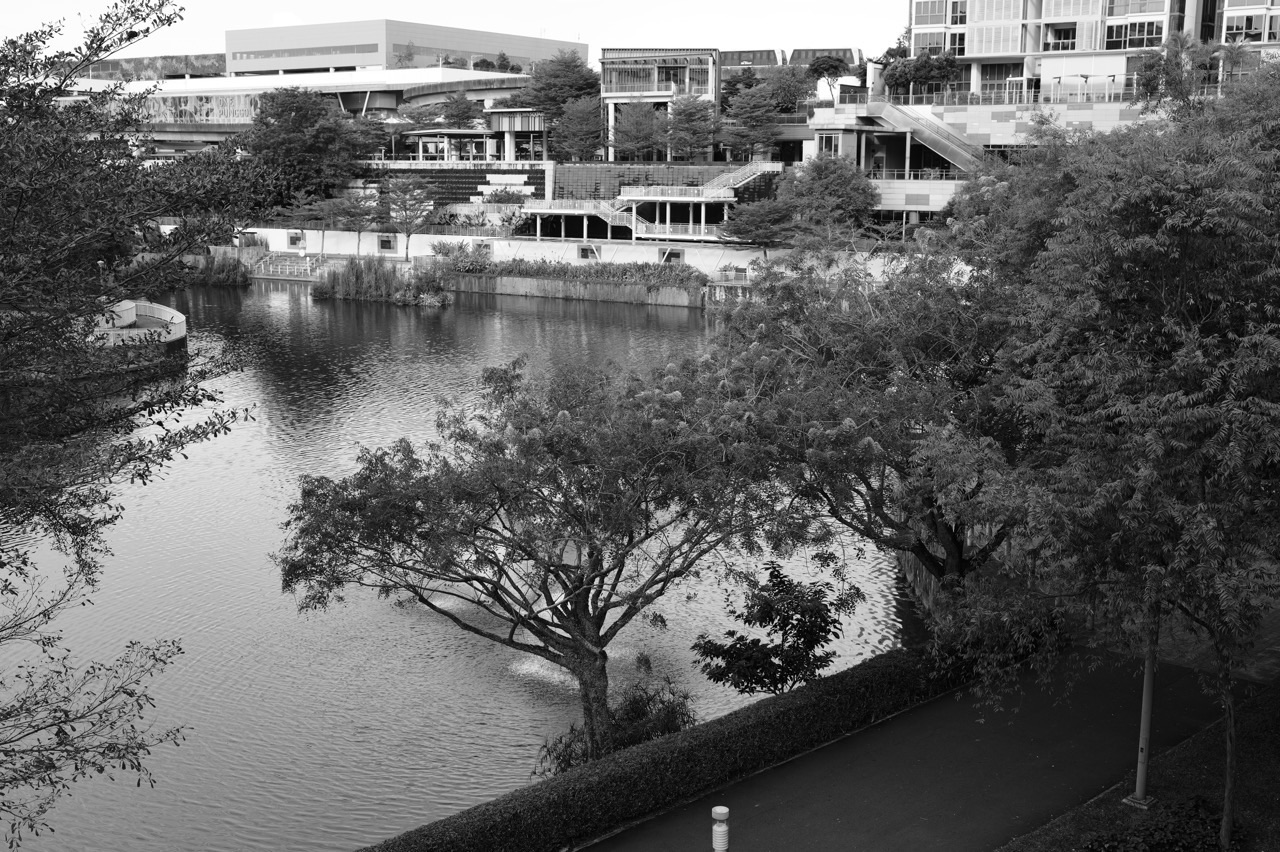
What wildlife should Punggol residents expect around the Waterway and Coney Island in 2027? NParks describes Singapore’s otters, monitor lizards, snakes, wild boars and other animals as part of its urban and coastal ecosystems. Punggol’s parks and waterways create suitable settings for observing nature, but no particular sighting is guaranteed and an unfamiliar animal should not be approached or fed.
The useful neighbourhood skill is knowing how to respond: keep a safe distance, supervise children, keep pets under control, follow park paths and contact NParks Animal Response Centre at 1800-476-1600 if an animal is injured, distressed or needs professional assistance. The crocodile artwork along Punggol Waterway is also not proof of an actual crocodile sighting.

Wildlife in Punggol 2027: quick safety reference
| Animal or location | Responsible response |
|---|---|
| Otters | Observe quietly from a distance, especially near pups; do not feed, approach or corner. |
| Monitor lizards | Keep away; usually avoid people but can bite when provoked. Don’t feed. |
| Snakes | Back away slowly and allow room to retreat; do not try to handle. |
| Wild boars | Keep extra distance from adults with piglets, avoid noise and never feed. |
| Crocodiles | If genuinely encountered, stay away from water and contact NParks; do not mistake artwork for a sighting. |
| Pets and children | Keep dogs on a taut leash, supervise children and avoid pursuit or close-up photographs. |
| Wildlife assistance | NParks Animal Response Centre, 1800-476-1600. |
| Coney Island Park | Existing public nature park with 7am–7pm gates, subject to site and weather notices. |
Official guidance reviewed 29 October 2026. This is a coexistence and safety guide; it does not establish a live dangerous-animal alert at any particular Punggol location.
Punggol’s growing green network brings nature closer to people
Did you know that an urban waterfront can also function as wildlife habitat? Punggol Waterway Park, Punggol Promenade, Lorong Halus Wetland and Coney Island Park connect housing and public paths with vegetation, freshwater edges and coastal ecosystems. Singapore’s Animal & Veterinary Service explains that otters, monitor lizards and other native animals can use waterways and green corridors as they move between feeding and shelter areas.
This does not mean every named species lives at every Punggol block, or that a particular family will encounter an otter on a 2027 weekend. The right approach is to understand broad animal behaviour, watch for official site notices and be prepared to respond without provoking or frightening wildlife.
Urban biodiversity should not be sold as a guaranteed safari experience. Animals have their own needs, seasons, movements and territories, while residents have legitimate needs for safe walks, homes and public spaces.
By treating animal encounters as situations requiring care and sound judgement, households can enjoy a greener town without turning every sighting into either a photo opportunity or a reason for panic.
The first rule is simple: observe from a safe distance
NParks’ 2026 wildlife guidance emphasises several basic rules for all species: avoid feeding wildlife, do not approach or chase, keep a safe distance, do not corner an animal and give it space to leave. Human actions often change whether an otherwise calm animal feels threatened.
A parent watching a child become excited about an animal can model a calm response. Stop, keep the child behind the responsible adult and avoid sudden gestures or loud voices. There is no requirement to get close enough to take a perfect photo.
For people walking dogs, keeping the animal on a taut leash can prevent a chase and protect both pet and wildlife. Do not allow pets to surround an animal or follow it into dense vegetation.
If an encounter appears immediately unsafe, move away by a legal open route rather than attempting to force wildlife out of the area yourself. Respect official instructions if park staff are present.
Otters: attractive from a distance, protective around their pups
Singapore’s smooth-coated otters are strong swimmers and often move in family groups along waterways and coastal areas. They feed largely on fish and can also travel overland between waterbodies. AVS notes that the animals form social groups with pups that remain with adults for an extended period.
That family structure is important for safety. An otter group with young can become defensive if people approach, block an escape route, disturb a resting site or bring a dog too close. AVS advises observing from afar and avoiding flash photography, loud speech, feeding or touching.
An otter on a park connector is not asking a visitor to share snacks. Feeding wildlife changes behaviour and can create future conflict with people who use the same public route.
If a person is bitten or attacked, seek medical attention immediately. If an otter is injured or trapped, contact the NParks Animal Response Centre rather than attempt an improvised capture.
Why otters can tell us something about water quality
AVS explains that otters are part of the aquatic food web. The return of some otter populations after improvements to Singapore’s waterways illustrates why healthy fish populations and reduced water pollution matter to a predator’s survival.
That does not make otters a laboratory water-quality test. Seeing a family group in a canal does not prove that the water is suitable for drinking or swimming, and the absence of otters at one moment does not prove the canal is polluted.
A child can explore the ecological chain: cleaner habitats support aquatic plants and animals; fish provide food; predators depend on what exists beneath the visible surface. Real ecosystems contain interactions that are more complex than a single species count.
Families should help keep drains and waterways free from litter. Sharp objects in water and abandoned fishing lines are dangerous to wildlife and people.
Monitor lizards: look impressive, but usually avoid people
AVS identifies the Malayan water monitor as Singapore’s most common monitor lizard. It can occur along waterways, in wetlands and even in man-made canals. Its long body, strong limbs, tail and forked tongue can be surprising to a visitor who expects a small garden lizard.
Despite their imposing appearance, monitors generally prefer to avoid people and may bite if provoked or cornered. AVS advises residents to stay calm, keep their distance and never try to catch, feed or chase the animal.
A monitor lizard helps with ecosystem processes through feeding and scavenging. Those functions are not an invitation to leave kitchen waste near a public path to attract it. Keep rubbish in proper covered bins and avoid creating easy food sources.
If a bite occurs, seek immediate medical attention. AVS identifies bacterial infection and other effects as concerns. Injured or trapped animals should be handled by trained professionals.
Snakes: leave a retreat route, do not attempt to identify by handling
AVS says Singapore has 64 native snake species, and some may occur in urban spaces as well as forests, parks and nature reserves. Many snakes are shy and will withdraw when left alone, but one that is cornered can bite in self-defence.
If a snake is seen along an open public path, stop, back away slowly and keep children and pets clear. Do not attempt to push it with a stick, throw objects, take a close-up photo or decide that it is harmless from a quick glance.
If a snake enters a household space, keep people and pets away and seek the Animal Response Centre’s guidance. The appropriate response depends on where the animal is and whether a safe exit exists; residents should not conduct risky capture attempts.
After a snakebite, seek medical attention immediately. Do not rely on folklore treatments or attempt to identify the species by chasing the animal.
Wild boars: stay particularly far from adults with piglets
Wild boars can inhabit vegetated areas in Singapore and may occasionally be found near developed edges. AVS warns that they are substantial animals that can be dangerous if startled or threatened. Adults with young are particularly protective.
Do not block a boar’s path, try to take a selfie or approach piglets. Avoid loud noises and flash photography, and do not feed the animals. Keep dogs on a short leash so that they cannot chase or agitate a boar.
Food waste in accessible areas may attract wildlife. Properly disposing of leftovers and not leaving pet food outdoors helps reduce the reasons animals enter spaces near homes.
If an animal is sick, injured, trapped or found dead, call the Animal Response Centre and avoid handling it. After an attack or injury, seek prompt medical care.
What about crocodiles and Punggol’s public crocodile artwork?
Punggol also has a piece of public art titled Wow, A Crocodile! as part of the PLAY@Punggol installations. That is a designed public-space feature, not evidence that a living crocodile was observed there.
Estuarine crocodiles are real wildlife in Singapore’s coastal and brackish-water habitats. AVS advises anyone who encounters an actual crocodile to stay calm, back away, keep away from the water’s edge and inform its Animal Response Centre.
Do not identify the distribution of crocodiles in Punggol by repeating a picture or story without a dated source. A confirmed sighting needs an identifiable location, time and professional follow-up, not an assumption based on an artwork’s name.
Visitors should never enter open water or approach animals to verify a rumour. Follow park advisory signs and official restrictions at the actual location.
Coney Island Park has its own hours and access boundaries
NParks lists Coney Island Park as an 81-hectare public park with an operating window of 7am to 7pm. It has a western entrance near Punggol Point and an eastern entrance near Lorong Halus. Its public trails cross a relatively rustic habitat, where vegetation and coastal character are part of the experience.
That park is separate from the Outward Bound Singapore campus that opened in September 2026. The presence of an education campus does not permit visitors to enter restricted course areas, and a public nature trail does not guarantee access to every habitat.
A family should arrive with enough time to leave before the park gates close and should not seek a shortcut through dense vegetation, closed routes or shorelines. Weather and maintenance can also change the suitability of an outing.
Wildlife observations should be incidental to a lawful, enjoyable walk, not the reason to step off a trail or disturb an animal’s resting area.
Waterway Park and Lorong Halus are different environments
Punggol Waterway Park is an urban recreational landscape with paths, bridges and nearby shops and homes. Lorong Halus Wetland is a managed ecological setting linked to reservoir water management and former landfill runoff. The two can offer different kinds of nature learning.
A person may see birds, fish or other animals without needing to enter the water or handle them. A protected habitat can be important precisely because people leave some areas undisturbed.
Visitors should obey posted path closures, stay off fragile planted areas and avoid removing eggs, plants or animals. The open public route is an opportunity to observe responsibly, not authorisation for collecting biological samples.
Students interested in Science can compare the role of vegetation, drainage and human-made pathways at each place, while acknowledging that a single short visit does not establish a complete species inventory.
Why feeding changes wildlife behaviour
Wildlife feeding is prohibited under Singapore’s Wildlife Act. AVS explains that food supplied by people can change normal foraging, increase animals’ dependence on human activity and bring them repeatedly into areas such as paths, playgrounds and housing estates.
A child dropping a snack near an animal may think they are being kind. A useful explanation is that the animal already has a natural diet and that artificially attracting it can place both people and wildlife at risk.
Food waste also encourages scavenging by other animals and may worsen hygiene problems. Take leftover food away, use appropriate bins and do not leave food overnight to attract animals for photographs.
Good coexistence is quieter: observe, protect habitat and allow animals to carry out natural behaviour without human interference.
A small child or pet changes how an encounter should be managed
When an animal appears close to a family, an adult can guide children back along the existing route without screaming, running at the animal or trying to form a crowd around it. Children should learn that an animal may defend itself when it feels trapped.
Dogs can trigger chasing, fear or defensive reactions even when the wild animal is not initially interested in people. Keeping a pet under control may prevent a situation from escalating.
For a person with mobility difficulties, identify an open safe alternative route and avoid unnecessary movement towards the animal. Do not expect someone using a wheelchair or walking aid to move as quickly as other visitors.
Plan wildlife outings with sensible shoes, weather awareness, water, and a way to contact a responsible adult or park authority if help is needed.
When to contact the NParks Animal Response Centre
NParks lists its Animal Response Centre at 1800-476-1600 for urgent animal-related matters, including wildlife that is injured, distressed or trapped. This is a useful number to know when something genuinely requires professional assistance.
An ordinary animal seen passing safely through its habitat does not necessarily require removal. Contact staff for guidance if a situation seems unsafe, persists in a sensitive area or involves an animal that clearly needs help.
If there is serious injury to a person or an immediate life-threatening emergency, obtain emergency assistance promptly rather than wait for a routine feedback form. AVS’s guidance for bites by snakes, otters, monitors or wild boars is to seek medical attention immediately.
Give the exact location, time, animal description and safe observable circumstances. Avoid pursuing wildlife for a better photo or inventing details because a neighbour suggested a species name.
How to teach observation without creating misinformation
A useful family nature journal can record where a visitor stood, what could be seen from a safe distance and what the observer is uncertain about. This is a good introduction to the difference between observation and inference.
Rather than writing ‘there are dangerous animals everywhere in Punggol’, describe the precise sighting and consult NParks’ species guidance if identification matters. Not every long animal is the same lizard or snake, and a crocodile sculpture is not a zoological record.
Students can practise researching a species’ diet, habitat and role in the food web through AVS and NParks information. They should not treat a viral clip without an identifiable time and location as proof of a current Punggol safety alert.
This preserves both public trust and an appreciation of nature. The aim is not to hide real hazards but to match each response to evidence and the level of risk.
What should residents realistically expect through 2027?
Public parks and green corridors will continue to offer opportunities to observe wildlife, but no official source can promise a particular otter family, wild boar or monitor lizard at a set place on a certain day.
NParks can update path access, wildlife advice or temporary restrictions as circumstances change. If a significant local situation arises, follow the agency’s dated notice and the instructions of staff rather than repeat earlier general advice as though it were a live incident.
Residents can reduce conflict through waste management, controlled pets, respectful distances and accurate reporting. These actions are more useful than trying to relocate an animal whenever it appears near human activity.
Punggol’s 2027 future includes living well alongside nature. Knowing when to observe, when to move away and when to call qualified help allows public spaces to be safer and more enjoyable for people and wildlife.
Family wildlife-encounter checklist
- Stay on open public paths and observe animals at a respectful distance.
- Keep children supervised and pets under control, especially around pups or young animals.
- Do not feed, follow, chase, provoke, trap or attempt to relocate wildlife.
- Use proper covered bins and remove food waste instead of attracting animals to homes or play areas.
- Follow NParks or park staff advisories, gates and any temporary closure.
- Contact 1800-476-1600 for injured, distressed or trapped wildlife.
- Seek immediate medical care for animal bites or attacks.
- Report only what can be observed and verified, with a specific location and time.
Frequently asked questions
Do otters definitely appear at a particular Punggol spot in 2027?
No. Singapore’s smooth-coated otters use waterways and coastal corridors, but a sighting at a named place and time is not guaranteed.
Should I feed otters or monitor lizards?
No. Feeding wildlife is prohibited and can create unsafe dependence.
What if otters have pups nearby?
Keep extra distance. Adults can become protective of their young.
Can I try to catch a snake along the park connector?
No. Back away and allow it space; call trained professionals if assistance is needed.
Are monitor lizards always aggressive?
No. AVS says they usually avoid humans, but may bite if threatened or cornered.
What about wild boars with piglets?
Keep a wide distance and do not block, approach or alarm the family.
Is the PLAY@Punggol crocodile a real crocodile sighting?
No. Wow, A Crocodile! is public artwork, separate from any wildlife evidence.
What do I do if I see a real crocodile?
Keep away from the water, back off and contact NParks’ Animal Response Centre.
What are Coney Island Park’s current hours?
7am to 7pm according to NParks.
Can I explore outside the marked Coney Island paths?
Stay on public designated routes and follow closure signs to protect habitats and people.
What is the NParks wildlife response number?
1800-476-1600.
What if an animal bites me?
Seek medical attention immediately and follow emergency guidance when appropriate.
Official NParks and AVS references
- AVS comprehensive 2026 advice on wildlife encounters
- AVS otters: pups, feeding, distance and pets
- AVS monitor lizards: behaviour and safe response
- AVS snakes: back away and call professionals when needed
- AVS wild boars: keep distance and avoid piglets
- AVS estuarine crocodiles: water-edge precautions
- NParks contact and Animal Response Centre
- NParks Coney Island Park access and 7am–7pm gates
- NParks public animal encounter guidelines
- NParks responsible encounters and City in Nature
Related Punggol resident guides
- Punggol 2027: Coney Island and Nature Walk access
- Punggol 2027: Lorong Halus Wetland and bridge
- Punggol 2027: Waterway Park, Kelong Bridge and Sunrise Bridge
- Punggol 2027: HDB cat licensing and community cat care
- Punggol 2027: Public art, giant pencils and crocodile sculpture
Editorial note: 29 October 2026. Species information and encounter advice are from AVS; no guaranteed sighting, recent crocodile incident or universal path closure is asserted.


