
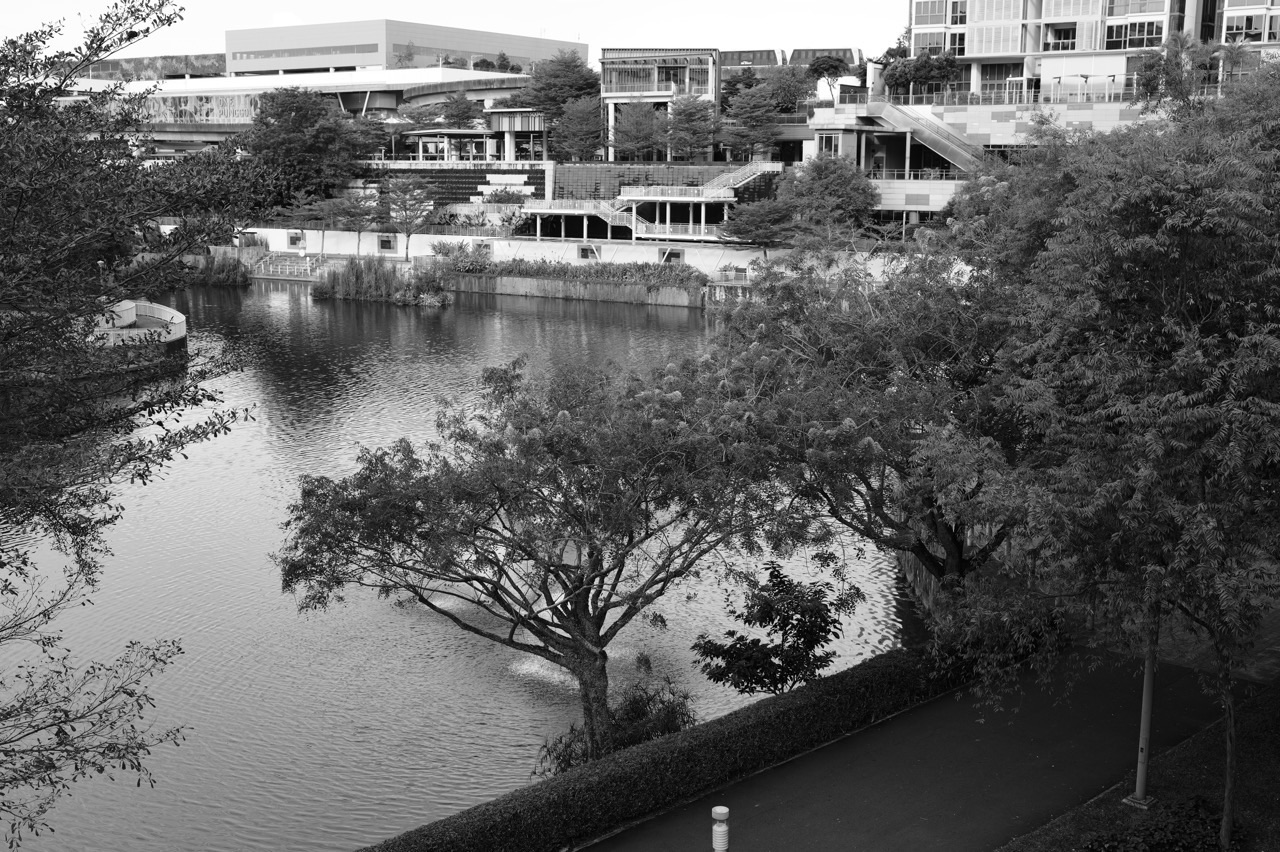
What should Punggol residents expect from public art and heritage programmes in 2027? Three PLAY@Punggol installations were completed along the waterway in 2025: Pencils by the Water, Flora and Fauna Kinetics Playscape and Wow, A Crocodile! Separately, the Heritage Activation Node at Punggol is a resident-and-artist initiative scheduled from June 2026 through March 2028, giving 2027 a genuine ongoing community dimension.
This guide explains the already-built works, how local school pupils helped shape the design, what families can learn from public space and how to distinguish an upcoming heritage programme from an event whose date has not actually been announced.

PLAY@Punggol and heritage in 2027
| What residents are seeing | What was confirmed as at October 2026 |
|---|---|
| Already installed | Three winning PLAY@Punggol art and play works completed in 2025 along Punggol Waterway. |
| Giant pencils | Pencils by the Water uses 12 oversized pencil forms and invites reflection on imagination and childhood. |
| Nature and imagination | Flora and Fauna Kinetics Playscape and Wow, A Crocodile! bring playful forms into the landscape. |
| Participation | Edgefield, Greendale and Punggol Secondary students informed the earlier design brief. |
| Ongoing initiative | HAN@Punggol with OH! Open House and NHB, published period June 2026 to March 2028. |
| Not guaranteed | A new public sculpture opening in 2027, unrestricted climbing or a specific artist workshop without an organiser notice. |
Information reviewed 28 October 2026 from URA and the current heritage programme organiser. Existing installations should not be misreported as planned 2027 openings.
What is PLAY@Punggol, and why does it matter for 2027?
Did you know that three striking public-art installations along Punggol Waterway were already completed in 2025? Giant pencils, an insect-inspired playscape and a larger-than-life crocodile are parts of PLAY@Punggol, an Urban Redevelopment Authority design initiative started in 2023. A 2027 article should not present them as brand-new proposals that have yet to be built.
The initiative asked practising designers to imagine public space as more than a standard playground. URA received 81 competition submissions before selecting three winning installations: Pencils by the Water, Flora and Fauna Kinetics Playscape, and Wow, A Crocodile! They help people recognise Punggol’s waterway as somewhere to rest, think, explore and meet other residents, not merely a route between flats.
The future-facing story in 2027 is how families use these existing places and how a separate neighbourhood heritage programme continues. A genuine future event should have a new organiser notice, date and access rules rather than borrowing a 2025 construction milestone.
Twelve pencils are not a new school building
Pencils by the Water features 12 larger-than-life pencils set into the waterfront landscape. URA’s publication Public Spaces with Love identifies DP Green as the winning design team and describes the idea as reconnecting adults and children with everyday drawing, imagination and the freedom to experiment.
The installation is intentionally different from classroom stationery. By scaling pencils into elements of the landscape, the designers invite people to ask how an ordinary object acquires a new purpose when it becomes public art. The same object can remind one visitor of childhood and another of writing a first story.
A child might count the pencils, compare their apparent sizes, make a sketch from a safe public path or invent a short descriptive paragraph. Those activities use mathematics, design and English without requiring a ticket or additional class. Visitors should observe whether an element is intended for touch or climbing rather than treating every sculpture as playground equipment.
URA describes parts of the winning installations as incorporating reclaimed timber associated with works in neighbouring Punggol Digital District. This reuse is a useful starting point for discussing materials, life cycles and sustainability, not proof that every visible piece is made from recycled wood.
Flora and Fauna Kinetics Playscape: nature as a design starting point
Flora and Fauna Kinetics Playscape brings living-world forms and movement into the experience of Punggol Waterway. URA illustrates fluttering insect-inspired elements in its description of the PLAY@Punggol winners. The name combines flora, fauna and kinetics—plants, animals and movement.
Children can observe how a designer borrows ideas from nature without claiming that the structure is a scientific model of every insect species. A useful question might be: what makes something move, and what might change how quickly or smoothly it moves? Parents can let the child propose an explanation before checking what can actually be observed.
Families should make room for other visitors. A striking visual feature can become a crowded photo spot, so do not block the main cycling or walking path to arrange a picture. Keep younger children clear of moving parts and obey posted usage and safety signs.
The playscape was installed as part of the earlier design programme; its condition in 2027 may depend on inspection or maintenance. A historic competition result does not guarantee that every interactive feature will be in use on a particular date.
Wow, A Crocodile! and the stories we tell about Punggol
Wow, A Crocodile! is the third winning PLAY@Punggol work. The deliberately memorable name and large crocodile form let visitors discover the waterway in a playful way while connecting design to the stories and ecological identity of the district.
The installation is a work of public art and play, not an announcement that a live crocodile attraction has opened in Punggol. Families should not use its name to spread claims about actual wildlife sightings. If a real animal is seen somewhere, follow NParks guidance and do not approach or feed it.
A parent can ask a child why a designer might use a crocodile instead of a conventional slide or bench. Possible answers involve curiosity, surprise, the memory of local waterways and a wish to make a public space recognisable. The important outcome is the child’s reasoning, not a single official interpretation.
Art does not remove the ordinary risks of an outdoor environment. Check the specific installed object’s age-suitability guidance, surrounding ground conditions and whether an area is open to public use at the time.
Local school students helped shape the design brief
URA’s 2026 publication records that students from Edgefield, Greendale and Punggol Secondary Schools helped survey the waterway sites and contribute to the design brief for the PLAY@Punggol competition. This makes the project unusually relevant to the young residents who use the places.
Their involvement illustrates how urban planning can include people who are not architects or government officials. A student can identify where a path is uncomfortable, which activities people already enjoy or what might make a route more welcoming. Professional designers then have to turn those insights into proposals that work within actual site and safety constraints.
The school contributions were connected with the earlier competition. They are not evidence that every pupil in those schools will receive a new design assignment in 2027. A new class project or competition would need its own school or URA announcement.
Parents and teachers can use the case study to show that observation, speaking clearly and evaluating a place can contribute to a tangible neighbourhood change.
What the 2025 visitor feedback actually proves
URA says public surveys conducted in 2025 found that many respondents felt the completed installations made the waterway more lively and exciting and created additional opportunities for children and adults to gather and play.
That is positive early feedback, but it should be described as feedback from respondents rather than a scientifically proven improvement for every resident. The survey also cannot establish that all installations will remain unchanged over future years or that every child finds them equally enjoyable.
A family can develop its own informed opinion after visiting an operating public area. Is there adequate shade? Can someone using a stroller pass comfortably? Is it easy to rest while a child explores? Does the installation invite interaction without obstructing people walking or cycling?
Looking beyond whether something is photogenic builds a more useful appreciation of public design. Amenities become good neighbourhood assets when people of different ages and needs can actually use the surrounding space.
The separate Heritage Activation Node gives 2027 a genuine ongoing programme
Punggol has another public-arts and history initiative worth following: Heritage Activation Node at Punggol, or HAN@Punggol. OH! Open House identifies the project as a collaboration with the National Heritage Board, scheduled from June 2026 to March 2028.
The project invites residents and artists to study neighbourhood change, share memories, produce site-specific works and create programmes together. Unlike the already completed PLAY@Punggol installations, the Heritage Activation Node is a multi-stage community effort whose stated period includes 2027.
That does not mean a particular workshop, exhibition or walk is automatically scheduled every weekend in 2027. Such activities require separate published dates, booking instructions, availability and any age or fee conditions. The organizer’s actual programme page is the right source.
Residents who are new to Punggol may have valuable perspectives alongside people who remember older farms, settlements and fishing activity. The project creates a way to ask what the place means to its residents beyond buildings and property marketing.
How PLAY@Punggol differs from HAN@Punggol
PLAY@Punggol is the physical public-space design programme that started with a 2023 competition and produced three installations completed in 2025. The installed objects can be experienced in the public waterway landscape, subject to normal public access rules and maintenance.
HAN@Punggol is an ongoing community storytelling and heritage collaboration. It may produce art, research, discussions or events over its programme period, but an organizer will need to announce each activity before a visitor can plan a specific session.
Confusing the names can lead to bad advice. A parent searching for the large crocodile should consult the URA waterway programme and available public maps. Someone wanting to contribute a family story or attend an artist-led discussion should check the Heritage Activation Node organiser.
Both initiatives illustrate participation but at different stages: one leaves physical installations in public space, while the other involves people in making and sharing stories.
A short learning walk for families in 2027
Begin with a manageable stretch of Punggol Waterway that is confirmed open. Select one piece of public art and give children time to look carefully. Ask them to describe its shape, texture, movement, possible materials and the everyday object or animal it resembles.
Then let each person invent a better question about the space. What would make it more comfortable in hot weather? Does it encourage people to stop without blocking others? Could a grandparent or wheelchair user reach it by the same route as a young child?
Parents can turn the experience into a short writing or mathematics activity at home. A composition might describe the work from a different perspective; a younger child could count repeated shapes or compare sizes. These are options, not compulsory assignments in an official park programme.
Use safe, lawful paths, avoid exposed areas in thunderstorms and observe NParks or local maintenance notices. The most enjoyable outing need not include every installation on a single day.
Accessibility and maintenance matter more than a spectacular picture
A well-designed public space should consider the needs of different users. Families with prams, people using mobility aids, older residents and cyclists may all pass the same installation. A narrow stopping area can create conflict even when everyone likes the art.
The official illustrations show the intended experience but do not certify the exact condition of each surrounding surface in October 2027. A route can be temporarily obstructed by maintenance or other works, so the actual physical signs take precedence.
Visitors should not force access to a fenced site to reproduce a photograph. If an object appears broken or hazardous, give the location and a clear description to the appropriate estate or public-space manager instead of entering a restricted zone to inspect it.
Public art works best when residents treat it as a shared responsibility: use it respectfully, leave it tidy and do not damage surfaces or planted areas.
What to look for in 2027 rather than a speculative opening claim
First, see whether URA or the relevant maintaining agency announces repairs or additions to the three existing PLAY@Punggol works. A new installation would need its own design, site and completion evidence; the 2025 works should not be relabelled new.
Second, follow the Heritage Activation Node’s public calendar. Its programme period explicitly runs into March 2028, so 2027 may offer chances to participate in local arts and storytelling, but each event needs its own registration and date.
Third, look at the broader waterway and heritage landscape, including the Punggol Digital District and existing public parks. These can provide related learning opportunities without implying they are part of one programme or controlled by one organizer.
The most accurate Punggol 2027 outlook is that residents already have three distinctive waterway installations and an ongoing community heritage initiative. Their value grows when households know how to use them, question them and help care for the public spaces around them.
A practical 2027 outing checklist
- Select one already-open public route and an installation appropriate for the family’s abilities.
- Check any posted interaction and safety rules, especially for moving parts or climbing.
- Respect cyclists, walkers and mobility-aid users on shared waterway paths.
- Ask children to connect art forms with local history, everyday objects and ecology.
- Check OH! Open House for separately announced 2027 heritage activities and registration.
- Do not mistake competition, build completion and a scheduled public workshop for the same milestone.
Frequently asked questions
Is PLAY@Punggol opening for the first time in 2027?
No. URA records the three winning installations as completed in 2025.
What are the three installations?
Pencils by the Water, Flora and Fauna Kinetics Playscape, and Wow, A Crocodile!
How many giant pencils are in Pencils by the Water?
URA describes 12 larger-than-life pencils.
Was the crocodile a real animal sighting?
No. Wow, A Crocodile! is a named public-art and play installation.
How were the designs chosen?
URA’s PLAY@Punggol competition received 81 submissions and selected three winners.
Did local schoolchildren take part?
URA says students from Edgefield, Greendale and Punggol Secondary helped survey locations and inform the design brief.
What is HAN@Punggol?
A separate community arts and heritage collaboration by OH! Open House and the National Heritage Board.
Does HAN@Punggol run in 2027?
Its organiser states June 2026 to March 2028, but the dates of individual 2027 activities require separate announcements.
Can people climb every work?
Only use the specific structure in ways permitted by its signs; public art is not always intended for climbing.
Where can I get up-to-date event dates?
URA’s official project information and OH! Open House’s HAN@Punggol programme pages.
Official planning and programme sources
- URA Master Plan 2025: PLAY@Punggol names and public installations
- URA North-East regional plans: three PLAY@Punggol competition winners
- URA Public Spaces With Love: 2025 completion, 12 pencils and school contributions
- OH! Open House: HAN@Punggol programme, June 2026 to March 2028
- NParks: Punggol Waterway Park information
- URA annual report 2023–2024: PLAY@Punggol design competition
Further Punggol guides
- What to Expect for Punggol 2027: Waterway Park and its three bridges
- What to Expect for Punggol 2027: Town Square and Discovery Cube
- What to Expect for Punggol 2027: Digital District public spaces
- History of Punggol and nearby community landmarks
Editorial note, 28 October 2026: The installation completion and organiser programme period are documented. The article does not assert any unconfirmed 2027 event date, admission entitlement or unrestricted access to public artworks.


