
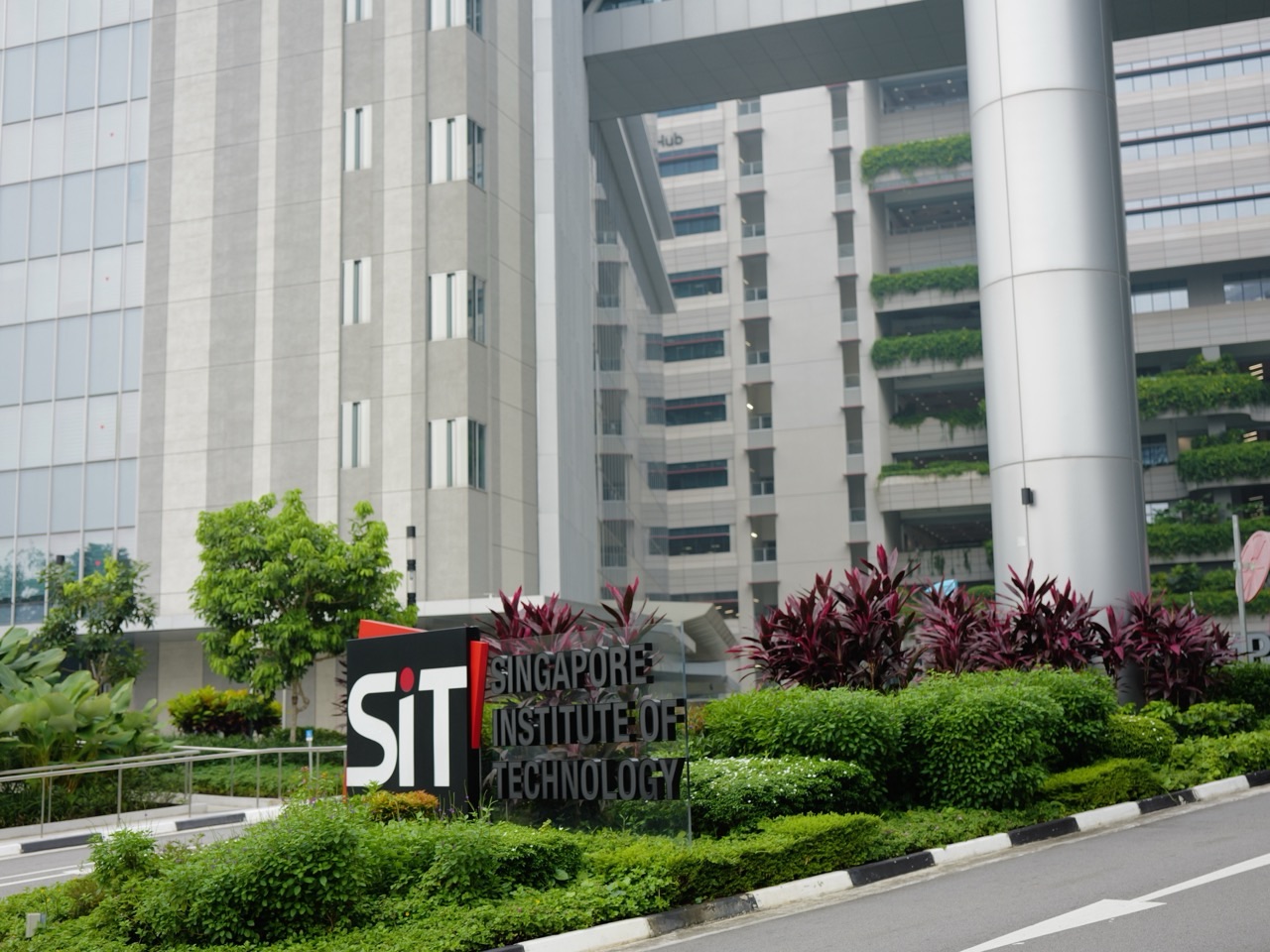
Quick answer — 27 October 2026: The clearest local development for teaching, instructional design and adult-learning careers in Punggol during 2027–2028 is the Singapore Institute of Technology’s new SITLEARN School of Lifelong Learning and Career Development. Announced on 12 October 2026, it combines continuing education, skill assessment, career guidance, industry partnerships and research. SIT says a dedicated SITLEARN hub at its Punggol campus is intended to be ready in 2027. This is an announced education facility, not a guarantee of a particular number of new teaching posts or trainee places.
Did you know that an excellent expert is not automatically an excellent teacher? Someone who can maintain a complex machine may struggle to explain the first step to a novice. Equally, a charismatic instructor may fail to establish whether trainees can perform the task correctly after the lesson. Modern teaching careers increasingly involve defining what learners must be able to do, designing a safe progression and using evidence to assess the result.
Punggol families encounter teaching in many settings: MOE schools, tuition and enrichment, polytechnics, university education, workplace training and continuing education for adults. These roles are not interchangeable. This guide explains the difference, the relevant national certification changes, the Punggol campus connection, what AI can and cannot do, and how aspiring educators can evaluate genuine 2027–2028 opportunities.
Three verified education developments that matter
| Official development | Timing | Correct interpretation |
| SITLEARN school established by SIT | Announced 12 October 2026 | A broader model of lifelong learning, assessment and career services |
| Dedicated SITLEARN hub at Punggol Campus | SIT expects the facility to be ready in 2027 | Planned hub, not a current list of new job positions |
| Digital Adult Learning Quality Index | SIT and Institute for Adult Learning undertaking applied research | A proposed evidence-based quality measure, not an automatic course-quality guarantee |
| National Adult Educator Registry requirement | From 1 April 2026, adult educators seeking to deliver SWDA-supported courses must be on the registry | Does not apply to every private tutor or school teacher in the same way |
| MOE’s refreshed Code for Fun | AI skills will be strengthened and the updated programme available to all schools in 2027 | Not a promise of extra computing-teacher jobs at every school |
| MOE teacher PGDE pathways | National application and contract-teaching/NIE training steps published by MOE | Different professional route from adult educator qualification |
The strongest sources are SIT’s 12 October 2026 SITLEARN announcement, IAL’s Training and Adult Educator Professional Pathway and MOE’s 2026 education updates. These describe programmes, rules and ambitions, not a Punggol recruitment forecast.

Why Punggol is a particularly useful learning and work example
Punggol Digital District brings an applied university, technology companies, community services and homes into one estate. Some learners are full-time undergraduates; others already have jobs or caregiving duties. A person changing career at 45 needs a different schedule and feedback approach from a Secondary 1 child or an undergraduate engineer.
A lifelong-learning institution must address skills evidence, cost, access, workplace relevance and the quality of teaching. A physical campus can support laboratories, practical assessments and employer projects, while digital courses can make learning more flexible. Neither channel guarantees success unless the programme teaches the right things and checks that learners can actually apply them.
The SITLEARN hub is planned for 2027, not necessarily already completed in October 2026. It is also not evidence that every future tutor or adult educator in Singapore will be based at that campus.
Career 1: MOE primary and secondary school teaching
School teachers plan lessons, assess students’ understanding, develop classroom routines, support wellbeing, communicate with families and work within national curriculum requirements. The work is broader than delivering a subject presentation: teachers also support school activities and often have responsibilities outside the classroom.
For suitable university degree holders, MOE describes the Postgraduate Diploma in Education pathway, including a compulsory contract-teaching period and subsequent NIE training. Other pathways exist for candidates with different qualifications. The exact intake and eligibility dates must be checked on MOE’s official career pages.
A private tutor who knows a subject well is not automatically a qualified MOE teacher. Public-school teaching is a regulated employment pathway with its own selection, qualification and professional training.
Career 2: adult educator and workplace trainer
An adult educator helps employed adults or jobseekers learn a defined capability. Courses may involve practical demonstrations, workplace case studies, technical skills, safe procedures or assessment of an actual job task. The learner may be juggling work, family and financial pressures, so programme design must be efficient and meaningful.
The Institute for Adult Learning states that from 1 April 2026, adult educators wishing to deliver Skills and Workforce Development Agency-supported training must be listed on the National Adult Educator Registry. Recognition and progression sit within the Training and Adult Educator Professional Pathway (TAEPP). This requirement should not be indiscriminately applied to every private enrichment class or to MOE’s own teacher certification.
IAL’s pathways include the Advanced Certificate in Learning and Performance, professional development and higher qualifications for those engaged in designing and facilitating adult learning. A subject expert considering this field should check both domain capability and recognised trainer/assessor eligibility.
Career 3: instructional and curriculum designer
A learning designer begins by identifying a gap in performance. What does the learner need to do? What can they already do? Which errors are common? What practice would help, and what evidence would convince a supervisor the person has mastered the task?
The result could be a sequence of demonstrations, guided practice, independent work, feedback and later recall. The designer may prepare short videos or digital interactions, but the technology is secondary to the reasoning. If a learner can answer a quiz yet cannot operate a process safely, the programme has not achieved its practical objective.
This type of role may suit experienced tutors, curriculum developers, subject specialists or people transitioning from operational work into staff development. Specific employers will vary in software, credentials and portfolio requirements.
Career 4: skills assessment and quality assurance
Assessment professionals create valid ways to check competence. A workplace demonstration may need clear criteria, reliable observation and consistent scoring across different assessors. A digital test can be useful, but only if it measures the skill the training promised.
SIT’s October 2026 announcement includes work with the Agency for Integrated Care on technology-supported assessments of dementia-care competencies and with IAL on a Digital Adult Learning Quality Index. These initiatives highlight the difference between finishing a course and proving that people can perform important tasks.
A person building digital assessment must consider fairness, accessibility, privacy, authentic performance, feedback and how to detect weak questions. Automatically awarding a certificate because somebody watched a video is not equivalent to competent performance.
Career 5: learning technology, data and AI
A learning-platform specialist may support registration, online teaching, learning analytics, accessibility, user accounts and technical reliability. An AI-enabled learning tool might provide explanations or practice questions. The professional still needs to check whether material is accurate, aligned with the course and safe for a learner to use.
A course can appear impressive while students struggle. Good learning analytics distinguish participation from mastery: time spent watching videos is not proof of understanding, and frequent quiz clicks are not a full measure of professional competence.
SIT’s research on the Digital Adult Learning Quality Index is designed to assess quality and impact across live-online, self-paced and hybrid training formats. That is a developing research framework, not a product that every course has already adopted.
Career 6: career coaches and industry engagement
SITLEARN describes connecting skills discovery to employment opportunities. This creates a setting for advising adults on role requirements, course options, transferable strengths and employer needs. Career guidance is not a simple matter of matching someone to a fashionable job title.
The school’s October 2026 partnership description includes cooperation with Adecco around employer engagement, workforce information and possible career transition support. This provides a plausible professional direction for career coaching and employer relations; it does not mean that Adecco or SIT is now recruiting every interested candidate in Punggol.
The difference between teaching and training
| Learning role | Typical learner and task | What counts as success |
| MOE school teacher | Children learning nationally prescribed knowledge and competencies | Development, sound assessment and appropriate curriculum progress |
| Private subject tutor | Individual or small-group academic support | Genuine improved understanding and independent application |
| Polytechnic or university educator | Tertiary learners tackling domain knowledge and applied projects | Validated knowledge, project work and relevant capabilities |
| Adult workplace trainer | Working professionals learning an occupational skill | Demonstrated performance against agreed criteria |
| Instructional designer | Learners and trainers supported through a designed pathway | A programme that reliably develops the target capability |
| Assessor or learning-quality specialist | Candidates whose competence must be verified | Fair and credible evidence of ability |
| Career coach | Adult exploring a career decision | Clearer options, informed choices and realistic next actions |
Forecast scenarios for 2027 and 2028
| Possible development | What could confirm it | What remains unknown |
| SITLEARN’s Punggol hub begins activity in 2027 | SIT announces commissioning, programmes and public access | Exact full-time staffing and new vacancies |
| More applied adult-learning projects | SIT and partner organisations publish projects and assessment results | How many roles use existing rather than new staff |
| AI tools become common in teaching | Providers publish evaluated deployments and staff-development plans | Actual teaching outcomes and workforce impact |
| More employers ask for credible assessment | Actual job adverts mention learning outcomes, quality and skills validation | Whether any single short course satisfies employer demands |
| Career guidance becomes more connected with training | Published career services and industry partnerships | How widely a service is available to all residents |
The most useful teaching project for a teenager
Choose one small skill and teach it to a willing family member: for example, comparing fractions, reading a graph or safely organising a study desk. Before teaching, ask what the learner already understands. Explain the task in short steps, practise together, then ask the learner to complete a slightly different problem without help.
Record the errors and how feedback changed your explanation. A strong report might say: ‘My first example worked, but the learner confused percentages with decimals. I changed the representation and checked transfer on a new question.’ That is evidence of teaching judgment, not merely performing a lesson.
This is a learning project, not a substitute for appropriate teacher qualifications, approved safeguarding arrangements or professional assessment.
A worked example: measuring actual learning
Illustrative classroom scenario: Ten adults complete a safety-information quiz. Eight pass immediately after a video. A month later, only five can apply the underlying rule correctly to a changed example. The immediate 80% pass rate does not establish lasting competence. The delayed application result indicates that practice, recall or transfer needs further investigation.
A good learning designer might add spaced review, varied examples, practice with feedback and an appropriate competency assessment. They would also investigate whether the two tests actually measured comparable skills.
This is why training programmes need quality measures beyond registration totals, completion certificates and smiling course photographs.
What are the recognised qualification routes?
| Career target | Official starting point | Critical qualification check |
| MOE teacher | MOE’s PGDE and other teacher-training pages | Selection, subject prerequisites, contract teaching and NIE training |
| Adult educator for supported CET | IAL’s TAEPP, National Adult Educator Registry, ACLP | Registry eligibility, recognised trainer/assessor credentials |
| Instructional designer | IAL’s Diploma in Design and Development of Learning for Performance and related study | Employer requirements and actual design portfolio |
| Workplace learning specialist | IAL’s Graduate Diploma in Workplace Learning and relevant experience | Industry relevance, supervision and course eligibility |
| University instructor/researcher | SIT’s official faculty, professional and research roles | Academic, domain and employment criteria |
| Learning systems specialist | IT, UX, education technology and data pathways | Real technical skills and data protection requirements |
What an adult changing careers should do first
Before buying an educator course, compare three actual job descriptions. Some call for a recognised trainer qualification, while others want curriculum design, digital-learning operations, academic credentials or experience supervising apprentices. A mid-career subject expert may already have the domain knowledge but need practice designing assessment or facilitating groups.
Build a small portfolio around a real, non-confidential learning problem. Identify the learner’s starting point, define a measurable outcome, deliver a short supervised session and record feedback. This allows the person to discover whether they enjoy helping others learn before making a costly transition.
Do not assume a credential automatically generates an hourly training contract. Casual, freelance, fixed-term and salaried education work have different financial risks and benefits.
What parents should know about the future of school teaching
MOE’s 2026 Committee of Supply announcements include stronger AI literacy and updates to Code for Fun, to be made available to all schools in 2027. This supports a need for teachers to guide responsible use of AI rather than simply forbid or celebrate it. Accurate feedback, data protection and disciplinary knowledge remain essential.
A parent should not infer that every school is adding a full-time coding teacher or that a child must learn to prompt a model in order to succeed. AI literacy is one educational strand among fundamental literacy, numeracy, curiosity and independent thinking.
What if your goal is private tuition or enrichment?
Private tuition and enrichment can provide a distinct route for people who enjoy subject teaching, but their qualifications and employer rules differ from MOE and funded adult education. In Punggol, small-group and specialist teaching demand should be verified through actual families’ needs rather than inflated claims that all children require tuition.
A responsible tutor begins with the student’s objectives, knows the relevant syllabus and can teach fundamentals, check misunderstandings and gradually develop independence. School results are affected by multiple factors, so a tutor should not promise fixed grades or imply that a particular teaching method guarantees an examination outcome.
A good practitioner also respects safeguarding, child privacy, class capacity, fair fees and communications with parents. For a prospective educator, these responsibilities are part of the business and professional model, not optional extras.
Seven mistakes to avoid in a 2027 education career
- Confusing the 2027 SITLEARN hub target with a confirmed list of hiring positions.
- Applying the National Adult Educator Registry rule to all tuition teachers without checking its actual scope.
- Assuming a diploma in another discipline automatically qualifies someone to be an MOE teacher.
- Presenting participation or completion numbers as evidence that the learner mastered a skill.
- Allowing a generative AI tool to invent course facts, student feedback or assessment results.
- Paying for a course before checking the intended employer and the recognition of that qualification.
- Assuming a student’s success or difficulty can be explained by one single lesson or test.
A four-week preparation sequence
- Week 1: choose between school teaching, adult learning, instructional design, assessment or career support.
- Week 2: read live qualifications and three genuine role advertisements; compare duties rather than titles.
- Week 3: produce a small teaching plan or assessment with appropriate, voluntary feedback using fictional or permitted material.
- Week 4: review course cost, time, professional obligations and job location before applying or enrolling.
Frequently asked questions
Is SITLEARN opening a new hub in Punggol in 2027?
SIT said in its 12 October 2026 announcement that the dedicated Punggol-campus SITLEARN hub is intended to be ready in 2027. That is a future milestone to monitor, not proof of completed facilities or guaranteed jobs.
Do all trainers need to join the National Adult Educator Registry?
IAL’s stated rule is for adult educators wishing to deliver SWDA-supported training from 1 April 2026. It is not a blanket statement about every independent tuition or coaching activity.
Can a university graduate become a teacher immediately?
MOE has defined selection and professional training routes, including PGDE for eligible degree holders and a contract-teaching stage. Applicants should check subject needs, criteria and current intake dates.
Will AI replace teachers by 2028?
The official programmes describe AI literacy and tools that can support learning, but do not prove a Punggol-specific employment outcome. Teaching involves explanation, relationships, professional judgment and assessing what learners can do.
Official references and the connected Punggol series
- SIT: SITLEARN established 12 October 2026, hub intended for 2027
- Institute for Adult Learning: TAEPP and National Adult Educator Registry
- IAL: adult educator programmes, quality and professional development
- MOE: postgraduate teaching qualification and selection pathway
- MOE: 2026 updates and 2027 AI literacy/Code for Fun
- SIT: current university professional, research and faculty careers
- eduKatePunggol: SITLEARN courses and stackable learning
- Punggol Career: the separate early childhood educator pathway
- Punggol Career: library learning and accessible knowledge jobs
The career decision that deserves attention
Punggol’s 2027 adult-learning hub is a genuine announced development, and Singapore now has clearer professional pathways for adult education. The strongest career skill is the ability to transform subject expertise into verified learning. A teacher or trainer should be able to show what a learner could not do before, what changed and how that was assessed—and to make the next step based on real qualifications and employer needs.


