
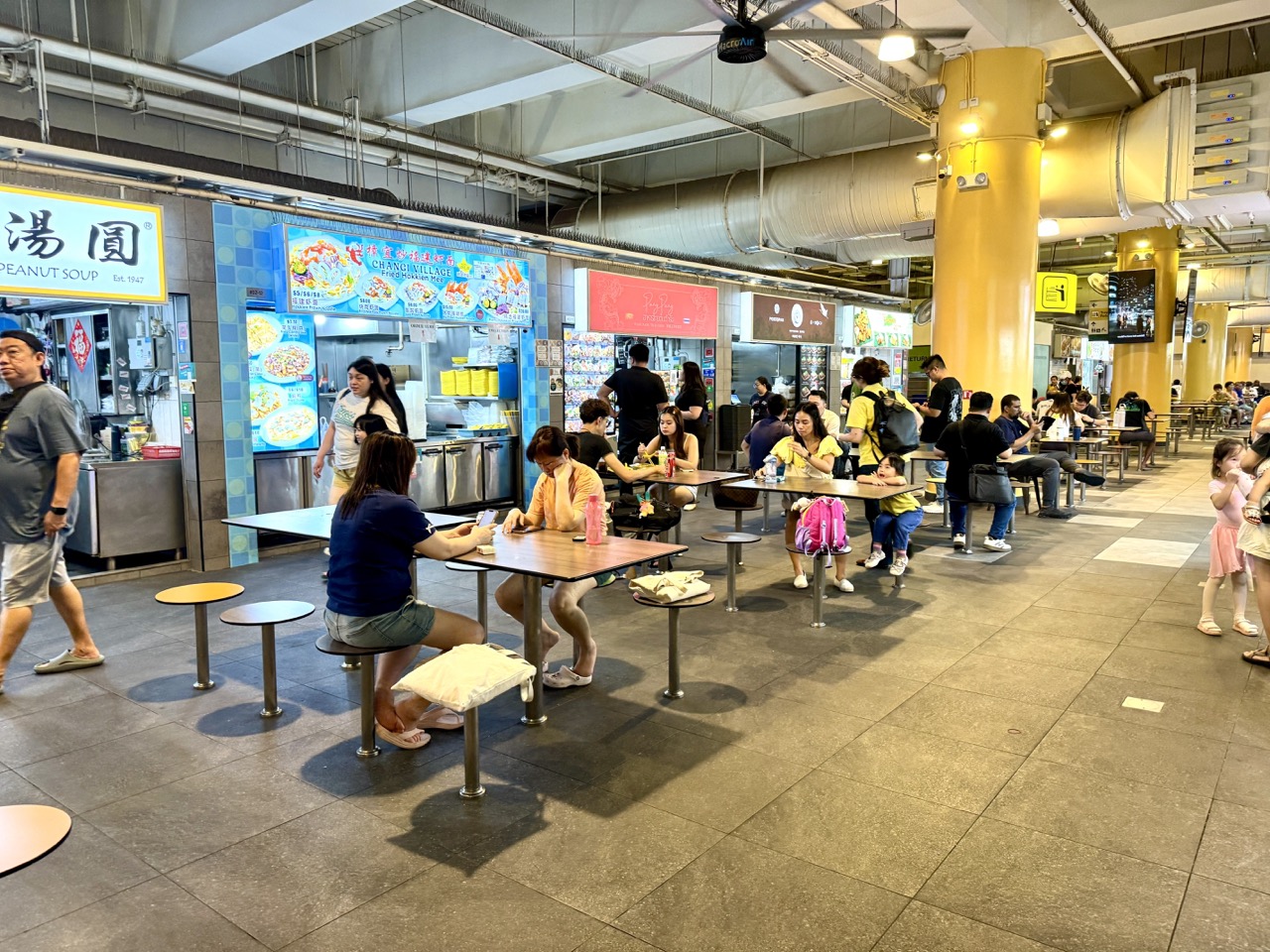
Punggol is a practical neighbourhood for people who enjoy cooking at home. HDB lists a dry market and supermarket at Punggol Plaza; One Punggol and Punggol Coast have hawker centres where dishes can inspire recipe research; and SAFRA Punggol has an actual Culinary Experience Studio with bookable kitchen equipment. None of that means the hawker stalls are free cooking classrooms or the professional studio is open without a reservation. The most useful cooking day is one that turns a real shopping trip, recipe or class booking into a satisfying meal.
The ten things to do in Punggol for home cooks are to book a suitable SAFRA culinary session, plan a fresh-produce basket at Punggol Plaza, compare ingredients in a Northshore Plaza supermarket visit, research a dish respectfully at One Punggol Hawker Centre, discover another cuisine at Punggol Coast Hawker Centre, make a family heritage-recipe card, borrow or consult cookbooks at Punggol Regional Library, practise safe batch preparation at home, teach one age-appropriate kitchen task to a family member and create a low-waste pantry challenge. They are ten distinct food-making activities rather than ten claimed public cooking schools.
**The first reality check is access.** SAFRA’s official Culinary Experience Studio at 9 Sentul Crescent is a paid bookable space with an indoor kitchen and optional charcoal-grill package. Its published booking format uses six-hour blocks with some longer peak-day options and a maximum advertised capacity of thirty, subject to layout. Its hours and price tiers are operator-controlled; check the current quote instead of relying on one promotional rate. The studio is not the same as a park BBQ pit, and a casual picnic does not authorise outdoor grilling.
**The second reality check is food safety.** SFA advises storing chilled food at 4°C or below, keeping hot food at 60°C or above where applicable and preventing cross-contamination. Cooked food should not be left in the temperature danger zone for long periods. These are household skills, not optional formalities. A kitchen hobby becomes much more enjoyable when shopping, storage, hygiene and ingredient quantities are planned before the first dish is prepared.
Quick choice: ten Punggol home-cooking experiences
- 1. Plan a genuine cooking event at SAFRA Punggol’s Culinary Experience Studio — SAFRA Punggol, 9 Sentul Crescent, Culinary Experience Studio.
- 2. Shop deliberately at Punggol Plaza’s dry market and supermarket — Punggol Plaza, Block 168 Punggol Field, near Coral Edge LRT.
- 3. Compare pantry essentials during a Northshore Plaza neighbourhood visit — Northshore Plaza I and II along Northshore Drive, near Samudera LRT.
- 4. Study one cooking technique through a respectful hawker meal at One Punggol — One Punggol Hawker Centre, Level 2, One Punggol at 1 Punggol Drive.
- 5. Explore a different dish at Punggol Coast Hawker Centre — Punggol Coast Hawker Centre, near Punggol Coast MRT in the Digital District.
- 6. Record one family heritage recipe without inventing a national origin — At a consenting Punggol family member’s home or another legitimate private kitchen.
- 7. Use Punggol Regional Library to investigate a cooking question — Punggol Regional Library, One Punggol, 1 Punggol Drive.
- 8. Build a safe one-hour meal-preparation routine at home — A suitable private Punggol kitchen with appropriate refrigeration, water and food tools.
- 9. Teach a safe age-appropriate kitchen skill to somebody in the family — A supervised home kitchen in Punggol.
- 10. Run a low-waste pantry-and-leftover challenge using foods already owned — A Punggol home pantry and refrigerator, with food safety checked before reuse.
How to plan a cooking day that actually works
Name one meal or technical question
Choose one actual meal to cook. ‘Learn everything about Asian cuisine today’ is too broad to support a useful shopping list or safe home preparation. A smaller question—how do I cook rice without waste, prepare a balanced vegetable side, or keep raw and ready-to-eat items separate—creates a realistic result. Decide how many people will eat and whether there are allergies or dietary restrictions before buying food.
Treat market and hawker information accurately
Use market information correctly. HDB can confirm that Punggol Plaza includes supermarket and dry-market functions, while a retailer decides actual stock and selling price. A dish purchased at a hawker centre gives a flavour reference, not permission to watch behind the counter or copy a stallholder’s trade secrets. Treat operators and cooks as professionals with privacy, safety and intellectual-property interests.
Shop close to your actual route
Plan the entire shopping route. Punggol Plaza is near Coral Edge LRT; Northshore Plaza is near Samudera LRT; One Punggol is beside central Punggol MRT; Punggol Coast Hawker Centre is a different place at Punggol Coast. Buying a small ingredient from three distant centres may add unnecessary fares and storage time. Choose a compact route and collect perishable ingredients close to returning home.
Distinguish professional studios from home cooking
Distinguish domestic cooking from paid classes and events. A bookable SAFRA culinary studio may host demonstrations, parties and group learning depending on provider terms. A home cook can also develop skills in a private kitchen without commercial equipment. If organising a large corporate class or public workshop, check operator permissions, fees and whether a qualified facilitator is included; the room booking itself may not include an instructor.
Attribute family recipes correctly
Treat recipe history as attributed evidence. A grandparent’s remembered method, a library cookbook and a modern hawker dish may describe different versions of the same broad cuisine. Record each contribution accurately without claiming any one is the original national recipe. Ask family members’ permission before posting personal stories or photographing them preparing food.
Keep hygiene ahead of waste-reduction slogans
Make the routine sustainable but not unsafe. Buying in bulk can lower a unit price while causing spoilage if the household cannot use the quantity. Reusable containers are helpful only when clean and appropriate for the stored food. Do not compromise chilling, safe reheating or cleanliness simply to minimise packaging. Accurate food safety has priority over an attractive zero-waste photograph.
Ten things home cooks can do in Punggol
1. Plan a genuine cooking event at SAFRA Punggol’s Culinary Experience Studio
Where: SAFRA Punggol, 9 Sentul Crescent, Culinary Experience Studio.
What is verified
SAFRA describes a fully equipped air-conditioned studio with modern appliances, central kitchen island and optional professional charcoal grill. It permits appropriate private culinary events and workshops on a bookable six-hour block system, with longer peak-day arrangements under current terms. The venue can accommodate up to thirty people depending on setup. It is a paid facility, not a free cooking class for every visitor.
A practical plan
Choose the meal and number of participants before contacting SAFRA. Check live availability, membership or public fees, kitchen equipment provided, food supplies, permitted external facilitators and cancellation terms. Ask whether a particular appliance or grilling package is included and follow the actual food-safety and venue rules. Do not buy ingredients until the booking is confirmed.
Worked local example
Six friends hope to host a shared cooking afternoon. They initially assume that the studio supplies ingredients and a chef with the room. The operator clarifies the chosen package and whether a teacher must be arranged separately. The friends adjust the menu, confirm terms and plan who will bring each permitted ingredient.
Costs, rights and safety limits
Hot appliances, charcoal and sharp tools need adult supervision and safe operation. Outdoor cooking cannot be moved into nearby public parkland. A published historical fee is not a guarantee of today’s rate, and a venue’s advertised maximum capacity may be reduced by layout requirements.
Who should choose it
Best for a special group event or a genuinely instructional session when a paid booking fits the occasion. Regular home meal preparation does not require renting a professional kitchen.
A useful result
Make a booking brief with date, party size, menu, equipment, allergy arrangements, permitted cooking format, price and who is responsible for clean-up.
Source check: Operator or authority guidance. SAFRA determines the room’s actual booking, equipment, cooking format and pricing; an event must be accepted before ingredients or facilitators are arranged.
2. Shop deliberately at Punggol Plaza’s dry market and supermarket
Where: Punggol Plaza, Block 168 Punggol Field, near Coral Edge LRT.
What is verified
HDB confirms that Punggol Plaza contains a supermarket and dry market supplying fresh produce and daily necessities, as well as food options. That establishes a legitimate ingredient-shopping destination, though individual stall names, prices and stock change. A home cook can use it for a small seasonal shopping basket without treating a historical list as live inventory.
A practical plan
Write the intended dish and quantities before travelling. Compare produce freshness, weight, price and the portions a household can actually consume. Buy delicate or chilled ingredients last, then return home using an understood route. If the exact item is unavailable, substitute based on the recipe’s function rather than buying a very different ingredient without considering taste or safety.
Worked local example
A household wants a simple vegetable soup and initially buys several large bundles because each looks inexpensive. The next visit, they count the expected meals and buy a smaller appropriate quantity. They spend less overall and have fewer vegetables left to spoil in the refrigerator.
Costs, rights and safety limits
Do not assume an individual market stall is open at every mall hour or that one price holds across days. Some produce needs prompt refrigeration. Cross-contamination between raw meat and ready-to-eat items matters during packing and transport.
Who should choose it
Best for regular neighbourhood home cooks, particularly those near Coral Edge. A supermarket-focused visit to Northshore Plaza can be a different errand but need not be added to the same trip.
A useful result
Record item, portion, price, purchase date and how it will be stored. This is a practical shopping log, not a permanent cheapest-stall ranking.
Source check: Operator or authority guidance. HDB confirms the dry-market and supermarket functions, but individual sellers set stock, opening and prices. Buy quantities suitable for the actual meal.
3. Compare pantry essentials during a Northshore Plaza neighbourhood visit
Where: Northshore Plaza I and II along Northshore Drive, near Samudera LRT.
What is verified
HDB describes Northshore Plaza as a seafront New Generation Neighbourhood Centre with supermarket and food services connected to homes and Samudera LRT. It provides another local place to build a home pantry. The complex’s design and location are documented, but individual brand or product stock should be confirmed through the current tenant directory or store.
A practical plan
Choose three essentials with long enough shelf lives to use: perhaps rice, a suitable cooking oil and a seasoning. Compare equal-sized or appropriately normalised packs and read storage labels. Avoid buying extra quantities solely because a shelf promotion seems attractive. Combine the visit with a legitimate everyday errand rather than travelling from a distant district to inspect one package.
Worked local example
A home cook compares two oils and initially chooses the larger bottle because its unit price is lower. Reading the expected consumption and storage guidance, they decide a smaller container suits the household better. The decision balances cost with real use instead of assuming bulk is always efficient.
Costs, rights and safety limits
Food labels, price tags and promotions may change, and expiry or best-before dates have different meanings. Do not open packages to smell ingredients in a shop without permission. The outdoor community spine may be exposed to weather on the way home.
Who should choose it
Best for Northshore residents building a steady shopping routine. A household already near Punggol Plaza need not cross the district for an equivalent staple.
A useful result
Make a pantry inventory indicating what exists, what must be used first, and what should not be purchased again until needed.
Source check: Operator or authority guidance. Northshore Plaza’s community-centre design is documented by HDB; product range, special offers and shelf inventory belong to the current retailers.
4. Study one cooking technique through a respectful hawker meal at One Punggol
Where: One Punggol Hawker Centre, Level 2, One Punggol at 1 Punggol Drive.
What is verified
PA lists a substantial hawker centre among One Punggol’s civic and food facilities. A home cook can learn from tasting a dish, noting texture, seasoning, heat and ingredients visible to a customer. This is different from receiving a professional cooking lesson: hawkers are working operators and may not have time or permission to demonstrate a recipe.
A practical plan
Choose one food item you genuinely want to understand, buy a meal within budget and observe its flavour and texture as a diner. Note whether ingredients seem steamed, stir-fried or roasted, but do not claim certainty from appearance alone. If a vendor is willing to share a general cooking tip, ask politely and credit them; otherwise research the technique in a library cookbook.
Worked local example
A resident likes the crispness of a vegetable side and assumes all of it came from a secret ingredient. Reading a credible recipe later reveals that cut size and cooking time also influence texture. They try a safe home variation without claiming to have copied the hawker’s exact method.
Costs, rights and safety limits
Avoid intrusive photography, filming behind the counter or asking staff to reveal proprietary details during a rush. Dietary suitability and allergen information are stall-specific. Menu prices and the current vendor roster can change.
Who should choose it
Best for adults who enjoy connecting food appreciation with home technique. Keep the meal as one stop rather than a competitive multi-stall eating challenge.
A useful result
Write a sensory observation with three verifiable terms—texture, temperature and dominant flavour—and one cooking question to research later.
Source check: Operator or authority guidance. One Punggol’s PA listing establishes the hawker centre, not a cookery demonstration. A vendor may choose whether to discuss techniques.
5. Explore a different dish at Punggol Coast Hawker Centre
Where: Punggol Coast Hawker Centre, near Punggol Coast MRT in the Digital District.
What is verified
JTC’s community page confirms the Punggol Coast Hawker Centre is operating with forty stalls. It is distinct from One Punggol Hawker Centre and serves the newer Coast area. The number of stalls is an orientation fact, not a guarantee that every vendor is operating or that a cuisine is available at a particular hour.
A practical plan
Arrive via Punggol Coast MRT and choose one cuisine or cooking question rather than purchasing many dishes. Use current menus and ask about ingredients when relevant. Compare with an authentic published recipe after the meal. A home cook should focus on a repeatable flavour or process without assuming a paid vendor supplies free technical instruction.
Worked local example
A visitor wants to make a family-style noodle dish and samples a suitable bowl for texture and broth style. At home they read several reputable recipes and compare approaches. They create a personal adaptation with correct ingredient handling, explicitly calling it inspired by rather than the vendor’s official recipe.
Costs, rights and safety limits
Food allergies and certification belong to the actual stall. Do not claim a cultural dish has one universally original form based on one bowl. Treat peak queues, workers and neighbouring diners with respect.
Who should choose it
Best for cooks already near Punggol Coast who enjoy tasting different regional preparations. It is not necessary to cross from central Punggol merely to complete a second hawker stop.
A useful result
Produce a ‘taste, research, adapt’ card with the source recipe and personal changes, without suggesting you obtained a vendor’s trade secrets.
Source check: Operator or authority guidance. JTC establishes the Coast hawker centre and general precinct status. Confirm the particular stall and dietary needs before the meal.
6. Record one family heritage recipe without inventing a national origin
Where: At a consenting Punggol family member’s home or another legitimate private kitchen.
What is verified
Family recipes carry memory, adaptations and individual preferences; they need not match a single published national recipe. National Heritage Board’s Roots resources and NLB cookbooks can provide broader historical context, but the personal story should remain attributed to the cook. This is an original home activity, not a public demonstration scheduled by a community centre.
A practical plan
Choose one safe, familiar dish and ask the family cook for permission to watch or record the steps. Write ingredient quantities where the cook can estimate them, noting whenever a handful or pinch is an experience-based measure. Photograph only with consent, and follow standard kitchen hygiene. Test a modest portion later and credit the person whose variation you learned.
Worked local example
A grandchild wants to write ‘authentic original Punggol fried rice’ after hearing a family story. The older relative explains that their version developed from everyday leftovers and changing ingredients. The corrected title is ‘our family’s fried rice’, which honours the actual source without manufacturing a grand historical claim.
Costs, rights and safety limits
Do not publish personal addresses, identifiable private photos or sensitive family memories without consent. Raw-food safety, allergies and cooking equipment still require care. Informal measurements may need repeat testing before sharing a recipe with strangers.
Who should choose it
Best for multi-generational families and home cooks interested in cultural continuity rather than restaurant imitation.
A useful result
Make a one-page recipe record with contributor, date, ingredients, method, safety notes and what remains approximate.
Source check: Operator or authority guidance. This family recipe is the contributor’s variation, not an officially proven origin story. Obtain consent for any recording or public sharing.
7. Use Punggol Regional Library to investigate a cooking question
Where: Punggol Regional Library, One Punggol, 1 Punggol Drive.
What is verified
NLB’s five-storey Punggol Regional Library contains adult and teen nonfiction collections and public research services. It is an appropriate setting to explore food history, nutrition concepts, culinary technique and cookbook literature. Specific titles and borrowing conditions depend on the current NLB catalogue, not on a guarantee implied by the building’s existence.
A practical plan
Start with one precise question, such as why a dough texture changes after resting or how different cuisines treat vegetables. Check the catalogue for suitable books or accessible digital resources and record the title and publication date. Compare a technical explanation with SFA’s current safety guidance where necessary, since older books may predate modern recommendations.
Worked local example
A teenager is curious why a cake falls in the middle. Rather than memorising a social-media hack, they read a baking explanation, identify several plausible causes and plan a small safe controlled trial at home. They do not call a recipe a fact about every oven.
Costs, rights and safety limits
Library quiet areas are not kitchens or food-testing booths. Do not bring ingredients to prepare a meal in the reading zone, and respect copyright when photographing book pages. A specific cooking class requires separate actual NLB programme confirmation.
Who should choose it
Best for students and adults who enjoy learning how cooking works before spending on more ingredients or equipment.
A useful result
Write a reference card with question, source, testable explanation and the safety conditions for a small future home experiment.
Source check: Operator or authority guidance. NLB’s collection offers a research setting but one cookbook’s availability can change. Check the catalogue and reference claims to their publication dates.
8. Build a safe one-hour meal-preparation routine at home
Where: A suitable private Punggol kitchen with appropriate refrigeration, water and food tools.
What is verified
SFA states that harmful foodborne bacteria can multiply quickly in the temperature danger zone and that raw and ready-to-eat foods should be kept apart. The agency recommends correct storage and hygiene practices throughout preparation and handling. These are directly useful to a home cook preparing several meals, regardless of neighbourhood.
A practical plan
Select a small amount of food that can be prepared and stored safely, clean hands and utensils, and arrange separate handling for raw protein and ready-to-eat items. Prepare the meal without leaving perishables unattended at room temperature. Chill suitable cooked portions promptly in clean containers following SFA guidance, and date them for appropriate use rather than relying on a vague memory.
Worked local example
A busy household chops vegetables and raw chicken on the same unwashed board to save time. Reviewing SFA guidance, they set up separate clean utensils or a proper cleaning sequence, and prepare the vegetables safely. The improvement concerns a specific handling hazard rather than an impressive batch-cooking photograph.
Costs, rights and safety limits
Do not infer universal refrigerator life for all cooked dishes; safe storage depends on ingredients and handling. Allergens, reheating and children require additional care. Food that was stored unsafely should not be served to avoid waste.
Who should choose it
Best for busy home cooks who want a repeatable weeknight habit rather than a special venue visit. A modest meal prepared safely can be the most valuable activity in the guide.
A useful result
Make a short timeline of when each ingredient was taken from refrigeration, cooked, cooled, labelled and stored.
Source check: Operator or authority guidance. SFA’s safety guidance determines handling priorities, especially separating raw from ready-to-eat food and safe cooling before storage.
9. Teach a safe age-appropriate kitchen skill to somebody in the family
Where: A supervised home kitchen in Punggol.
What is verified
Family cooking can support practical participation, communication and enjoyment, but knives, stoves and hot liquids introduce hazards. Tasks must be matched to age and abilities; there is no single safe kitchen role suitable for every child. A family can practise washing hands, describing ingredients and setting out clean utensils without requiring a youngster to handle heat or sharp tools.
A practical plan
Choose one short task with a clear outcome, such as tearing appropriate lettuce leaves, measuring with a safe spoon or checking the cooking list alongside an adult. Explain the reason for clean surfaces and separate raw foods from ready-to-eat ingredients. Adults control heat and knives. Stop when the learner loses interest or cannot follow instructions safely.
Worked local example
A child wants to cut carrots because the adults are preparing dinner. The caregiver instead invites the child to count washed vegetables or place safe items on a tray while the adult uses the knife. The child participates genuinely without being put into a hazardous role to make the activity look educational.
Costs, rights and safety limits
Avoid assuming a particular age is automatically ready for a kitchen tool. Small ingredients can be choking hazards for younger children, and hot cookware remains risky after the flame is off. Supervision is active and continuous.
Who should choose it
Best for caregivers and relatives who want a shared everyday activity, with the child’s safety and consent more important than the finished meal’s appearance.
A useful result
Ask the learner to describe one safety rule in their own words; praise clear understanding rather than perfect presentation.
Source check: Operator or authority guidance. Cooking with children requires active age-specific supervision and tools suited to the learner; safety is more important than a polished shared activity.
10. Run a low-waste pantry-and-leftover challenge using foods already owned
Where: A Punggol home pantry and refrigerator, with food safety checked before reuse.
What is verified
NEA’s waste-reduction guidance emphasises reducing unnecessary consumption and keeping usable items in circulation. For food, planning portions and using suitable ingredients before spoilage can reduce avoidable waste. However, leftovers are not automatically safe merely because throwing them away would feel wasteful; SFA’s storage and handling guidance still applies.
A practical plan
Inspect the pantry and refrigerator, identify ingredients with safe usable conditions, then design one meal around a small set. Check expiry, storage history and allergen needs. If leftovers have been stored improperly, discard them rather than trying to rescue the budget. Use existing clean containers and measure how much edible food was actually used, without claiming a made-up environmental savings figure.
Worked local example
A resident repeatedly buys herbs that wilt before the second meal. They plan two realistic dishes using a smaller quantity and freeze or store suitable ingredients according to guidance. The following week they check whether less edible food was thrown away. They do not buy new decorative storage containers just to appear greener.
Costs, rights and safety limits
Not all wilted or older food is safe to use. Reject food with concerning storage history or spoilage, and do not rely on smell alone as a guarantee. Bulk buying can create more waste if the household cannot finish it.
Who should choose it
Best for regular households wanting a practical low-spend cooking habit rather than a new attraction ticket.
A useful result
Record the ingredients used, the meal prepared, and one change in shopping quantity to try next time, avoiding unsupported carbon accounting.
Source check: Operator or authority guidance. NEA’s reduction principles help shape buying habits, while SFA’s food-safety rules still decide whether a leftover is safe to eat.
Three realistic cooking days in Punggol
One neighbourhood grocery-and-dinner plan
Choose Punggol Plaza or a neighbourhood supermarket near the household’s actual route, buy ingredients for one meal with sensible quantities, and return home promptly with perishables. Follow SFA handling and storage guidance and record what the family truly enjoyed. This small repeatable habit is more valuable than a long multi-mall ingredient chase.
A special paid cooking gathering with verified equipment
Contact SAFRA Punggol about the Culinary Experience Studio and wait for a genuine accepted booking. Agree on the exact kitchen setup, group size, menu, supervision and whether an instructor is included. Shop only after confirmation. A venue can support a memorable social meal without claiming that everybody receives a class or that charcoal grills can be brought into the adjacent park.
A family recipe history and cookbook afternoon
Visit Punggol Regional Library for a legitimate cookbook or food-history research topic, then cook a small family recipe at home with permission from the person teaching it. Label any technique that is personal experience rather than authoritative food safety. A one-page original recipe card with a genuine family memory can be more meaningful than reproducing a famous chef’s entire copyrighted recipe.
A first-principles food safety example
Suppose a cook prepares raw chicken, then chops salad vegetables on the same board. Even if both foods look clean, germs can move from raw ingredients to ready-to-eat food. The correct intervention is to keep appropriate separate utensils or wash and sanitise properly before switching tasks, following SFA’s guidance. The solution is not merely adding more herbs or cooking the salad a little longer.
Now suppose a prepared meal must be carried around Punggol before serving. Time and temperature matter. A beautifully packed dish may still be unsafe if chilled food has remained warm too long. Plan the shopping and cooking schedule so cooked food is consumed promptly or stored under appropriate safe conditions. There is no universal safe time for every recipe independent of ingredients and handling.
Finally, suppose the household has leftovers. The goal is not to prove that every scrap can be rescued; some food should be discarded when it has been mishandled. Food waste reduction is useful only if it preserves health. Smaller realistic portions, safer cooling and planned next meals reduce waste without creating avoidable illness.
How to compare recipes responsibly
Two recipes for the same broad dish may vary because of family practice, ingredient availability, regional tradition or personal taste. Rather than declare a winner, identify the method, ingredient ratios, cooking temperature or sensory outcome that differs. Use an actual trusted source for any food safety claim and attribute cultural or historical claims to relevant scholarship.
For a learner, one controlled variation is enough. Change a cooking time or amount only when the technique is safe and the comparison is meaningful; keep other major variables similar. Record what you did, not what a viral online tutorial claimed would happen. These notes build practical kitchen judgement while avoiding expensive experiments with large ingredient quantities.
Ten-point home-cooking checklist
- Choose one dish and an attainable serving size.
- Check ingredient stock before leaving home.
- Use a convenient legitimate shop or confirmed cooking venue.
- Read food labels, allergy and storage instructions.
- Bring chilled ingredients home promptly under suitable conditions.
- Keep raw foods and ready-to-eat dishes separated.
- Use safe utensils and age-appropriate tasks for children.
- Respect stallholders, family contributors and cookbook copyrights.
- Reuse clean suitable containers without compromising food safety.
- Finish with one real recipe improvement or shopping insight.
Four cooking mistakes worth avoiding
A bookable Culinary Experience Studio is not a free public class, and its charcoal-grill package is not permission to grill on Waterway Park grass. Confirm the actual booking, equipment and approved use, then distinguish the event from an ordinary household cooking session.
A published HDB market description is not a live vendor inventory. Punggol Plaza’s dry market is real, but individual fresh produce, prices and hours must be checked. A sensible substitution or another date is better than inventing a stall’s stock.
A meal purchased from a hawker is not the vendor’s recipe. Treat tasting as inspiration, read reputable techniques and credit ideas appropriately. Protect other diners’ and workers’ privacy, particularly when people are busy.
Finally, low-waste cooking should never encourage unsafe leftovers or poor temperature control. Use only food that remains safe, choose realistic quantities and accept that discarding an improperly handled product can be the responsible option.
Frequently asked questions
Where can I take a cooking class in Punggol?
SAFRA Punggol offers a bookable Culinary Experience Studio suitable for cooking workshops or events, subject to availability and whether an instructor is arranged. A room booking is not automatically a public cooking lesson.
Is SAFRA Punggol’s Culinary Experience Studio free?
No. SAFRA advertises paid block bookings with member and public arrangements, plus an optional grill package. Confirm current prices and permitted uses with the operator.
Can I barbecue anywhere beside Punggol Waterway?
No. Public park grass is not a designated grill facility. SAFRA’s booked charcoal-grill add-on is a different authorised venue, and NParks public barbecue rules apply to appropriate designated sites.
Where can I shop for vegetables near Punggol?
HDB lists a dry market and supermarket at Punggol Plaza near Coral Edge LRT. Other neighbourhood centres have supermarkets, but actual produce inventory depends on the operator.
Is Punggol Coast Hawker Centre a cooking school?
No. It is a public hawker centre with forty stalls described by JTC. You may dine and research dishes respectfully but should not assume vendors teach classes.
Can I ask a hawker to share a recipe?
You can ask politely when appropriate, but stallholders may decline, especially during busy periods. Treat any shared tips as attributed and respect their professional work.
What cookbooks are available at Punggol Library?
NLB has nonfiction collections, but exact cookbook titles and borrowing status must be checked through its current catalogue. No one title is guaranteed in this article.
How should I keep prepared food safe?
Follow SFA guidance on clean handling, separating raw and ready-to-eat food, prompt chilling, suitable temperatures and safe reheating. Use the rules that fit the actual ingredients and handling history.
Can a young child help cook?
Yes with age- and ability-suitable low-risk tasks and continuous adult supervision. Knives, heat, unsafe textures and small ingredients require particular caution.
Does meal prep automatically save money?
No. It helps only if suitable food is used safely and unnecessary waste or purchases are reduced. Quantity, storage, family needs and costs matter.
Can I donate my family’s own recipe to a public website?
Share only with the contributor’s permission, protect personal details and distinguish the family’s variation from an officially established historical recipe.
Is One Punggol the same as Punggol Coast Hawker Centre?
No. One Punggol is by the central MRT; the Coast hawker centre is in Punggol Digital District near NE18. Choose the food stop that fits the rest of the trip.
Can I hold a big cooking birthday event?
Contact the legitimate SAFRA venue about permitted capacity, setup, costs and booking. Do not assume a public CC kitchen or park pavilion is automatically available.
What if I want to cook at home but have no special equipment?
Start with recipes suited to the utensils and appliances you safely own. A clear plan and proper handling matter more than buying commercial kitchen equipment.
Official venue and food safety sources
The sources below come from SAFRA, HDB, PA, JTC, NLB, SFA and NEA, supplemented by established eduKatePunggol food and family guides. Commercial prices, market stock and bookings are current-service questions, not permanent historical facts.
- SAFRA Punggol Culinary Experience Studio
- SAFRA studio charcoal-grill and booking details
- HDB Punggol Plaza shopping and dry market
- HDB Northshore Plaza shopping overview
- PA One Punggol Hawker Centre
- JTC Punggol Coast Hawker Centre
- NLB Punggol Regional Library
- SFA Safe Food Practices
- SFA Temperature Control
- NEA Zero Waste
- Family cooking and heritage recipes companion
- Punggol food-lovers guide
- Punggol picnic and barbecue differences
The most useful next Punggol cooking activity
Start with one recipe using ingredients you can source from a convenient local shop, or reserve the SAFRA Culinary Experience Studio when you actually want a paid group experience. Keep notes on flavour and technique, follow safety rules and enjoy the food with people who matter. A repeatable cooking habit is the real benefit.


