
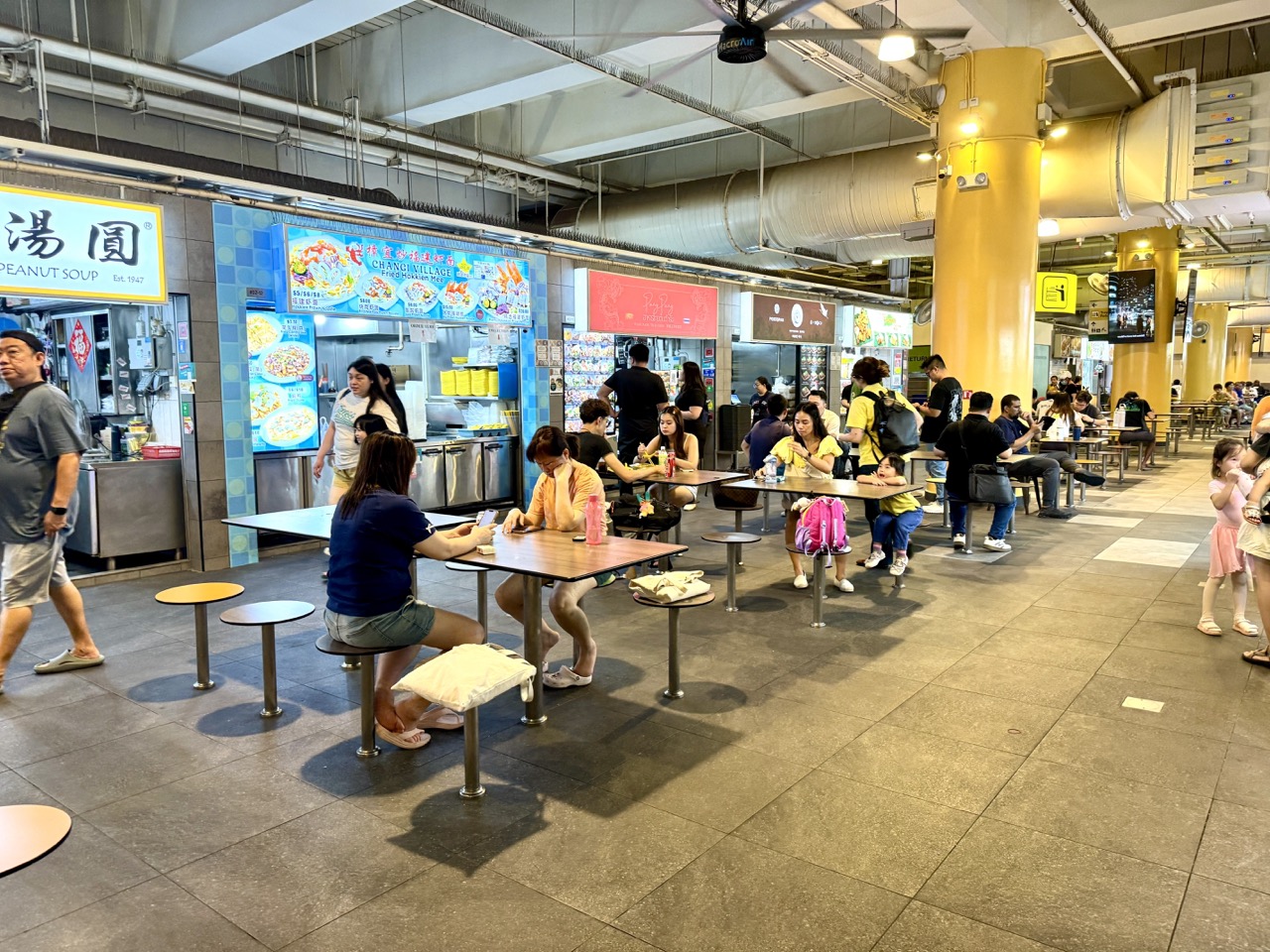
The top 10 things to do in Punggol for food lovers begin with two distinct hawker experiences: eat in the centre of town at One Punggol Hawker Centre, or explore the newer Punggol Coast Hawker Centre beside the Digital District. For a relaxed family meal, choose Waterway Point or a neighbourhood mall. For seafood and a destination evening, check the current restaurant directory at The Punggol Settlement. A good Punggol food outing is usually one or two stops, not a marathon through ten places.
This is a practical food-activity guide, not a second directory claiming the same ten best stalls forever. It gives food lovers ten different ways to experience Punggol’s food culture: choosing a new dish at a hawker centre, comparing two neighbourhood meal settings, planning a coast-side dinner, discovering everyday coffee shops, and pairing takeaway with an appropriately chosen public-space outing. Every activity includes a method, a realistic scenario, dietary and access considerations, and a clear reason to choose it.
Two 2026 details matter. One Punggol Hawker Centre changed operator in August 2026, so old lists of individual stalls, prices and opening times may no longer reflect the present lineup. Punggol Point Park has been closed for upgrading since 11 August 2026, with completion expected on 31 December 2027; that closure is different from the operating status of The Punggol Settlement’s restaurants. We use current official operators for venue identities and treat restaurant menus, stall rosters, prices and certificates as details to verify when you go.
Quick comparison: the ten food activities
- 1. Plan a one-dish discovery at One Punggol Hawker Centre — One Punggol, Level 2, 1 Punggol Drive.
- 2. Try a north-coast hawker tasting at Punggol Coast — Punggol Coast Hawker Centre, Punggol Digital District, 84 Punggol Way.
- 3. Make a food-court-and-café exploration at Waterway Point — Waterway Point, 83 Punggol Central.
- 4. Arrange a seafood evening at The Punggol Settlement — The Punggol Settlement, 500 New Punggol Road.
- 5. Visit Northshore Plaza for an everyday sea-facing district meal — Northshore Plaza I and II around Northshore Drive.
- 6. Enjoy an unhurried neighbourhood stop at Oasis Terraces — Oasis Terraces near Oasis LRT.
- 7. Discover the older neighbourhood-food rhythm around Punggol Plaza — Punggol Plaza, Punggol Field, near Coral Edge LRT.
- 8. Turn a Punggol HDB coffee-shop breakfast into a tasting ritual — An operating neighbourhood coffee shop close to your Punggol block or accommodation.
- 9. Plan a café-and-district walk at Punggol Coast Mall — Punggol Coast Mall, Punggol Digital District near Punggol Coast MRT.
- 10. Create a low-waste takeaway meal beside a short public park walk — An operating food venue near an accessible section of Punggol Waterway Park.
Each entry is a distinct type of outing, not a ranked claim that one kitchen is objectively better than another. If you only have one meal, select a venue near your intended starting point. If you have limited mobility, dietary requirements or young children, let those practical needs decide the venue first.
What makes a good Punggol food trail?
Choose by the purpose of the meal rather than choosing a famous name and forcing the group to accommodate it. A quick weekday lunch calls for a simple, predictable route. A first visit can be a hawker comparison. A family with a wheelchair, pram or food allergy needs suitable access and a verified choice. A celebration dinner requires a real budget and a booking decision. These are different experiences and they deserve different recommendations.
There is a simple hierarchy of information. A current official venue page establishes that a location exists and describes its general facilities. The actual outlet menu determines what can be ordered. The stall or restaurant decides prices, operating days, payment options and whether a particular ingredient is used. Your visit determines how long you really queued or whether your group enjoyed the dish. The details are related but not interchangeable.
The hidden mistake is trying to use a food map as a guarantee. A directory may still be online after a tenant changes. A hawker-centre advertisement may promote a dish that is not offered every day. A headline may call a dish ‘famous’ without explaining its recipe or the needs of the group. Keep the planning method stable even when the names change.
Set a meal purpose, budget, a maximum acceptable queue, and one fallback. A food lover who knows the experience they want can enjoy an unfamiliar counter. A visitor who insists on just one outlet may have a disappointing journey if it is closed for the day. The fallback protects the outing without turning it into an unplanned transport marathon.
1. Plan a one-dish discovery at One Punggol Hawker Centre
Where: One Punggol, Level 2, 1 Punggol Drive. Best fit: Best for weekday lunch, multigenerational groups, visitors using Punggol MRT and a short practical food stop.
Why this is a worthwhile food activity
This is the most straightforward central-town hawker experience for many visitors. It pairs naturally with a library or community visit and allows a meal to be the enjoyable part of a practical trip rather than requiring a separate destination journey.
Food lovers can get more from plan a one-dish discovery at one punggol hawker centre by choosing what they want to discover. Is it an unfamiliar flavour, a particular preparation, value for money, a family meal that works smoothly, or the relationship between food and neighbourhood life? State the question before ordering. Otherwise, a tasting can become a collection of expensive, rushed and only half-remembered stops.
Step-by-step way to enjoy it
Enter with a simple challenge: choose one dish you have never tried, or compare a familiar comfort dish with a preparation you have not ordered before. Scan the stalls that are serving, read menus and confirm prices and ingredients at the actual counter before joining the queue.
First, locate the exact place. Second, check whether the chosen counter or restaurant operates during your intended visit. Third, inspect the present menu and any necessary dietary information. Fourth, decide the cost before ordering and consider the size of the portion. Fifth, share the experience without occupying a table longer than is reasonable during a busy service. These are small habits, but they make the food trail more pleasurable for everyone.
Choose one dish as the anchor rather than announcing an ambitious list of orders. You can record the taste in plain language: rich or light, crisp or soft, strongly seasoned or mild, familiar or surprising. A personal description is valid without declaring the dish universally the best in Punggol. If you share food, check consent and individual dietary restrictions first.
Worked example and what can go wrong
A family chooses one familiar option for a younger child and a second dish the adults have been curious about. They note textures and flavours over lunch without treating the food tasting as a competition or spending more than their agreed budget.
The old centre operator’s 2025 menus are not evidence of what is available after the August 2026 operator transition. Avoid making a special journey for a named stall based only on an old blog. Peak meal periods may mean lines and limited seating, especially for larger groups.
The useful repair is to change the decision, not to invent missing facts. If a stall has closed, pick a confirmed open option of the same useful type. If a signature dish costs more than the group’s budget, select a less expensive meal without calling it a compromise. If a venue cannot meet an allergy or religious requirement, move to a suitable alternative rather than gambling on staff being able to remove an ingredient after preparation.
It also helps to name the trade-off. A small coffeeshop may offer convenience but fewer simultaneous choices. A large mall may offer variety but busier queues. A seafront restaurant may offer atmosphere but require a booking and a larger budget. The best option is the one that serves this group’s needs on this particular day.
How to make a future visit more rewarding
On another visit, choose a new counter and record what made the meal worth repeating: preparation, value, ease of service, or how well it fitted the day. Personal evidence is more useful than a blanket ‘best stall’ label.
After plan a one-dish discovery at one punggol hawker centre, record the visit date, general dish, actual spend and one thing that worked or could improve. Those four facts help you decide whether to return. They are also easy to update after a menu change. Avoid copying a price, certification or stall-name claim from a previous year into a present-tense recommendation.
If you are writing about the experience for others, separate what you observed from the details you obtained from a business or an official source. If a diner liked a meal, that is a personal impression. If the menu stated a price, that was the quoted amount at a specific time. If a religious certificate was shown, identify the particular premises. These distinctions make a local food guide useful rather than merely enthusiastic.
2. Try a north-coast hawker tasting at Punggol Coast
Where: Punggol Coast Hawker Centre, Punggol Digital District, 84 Punggol Way. Best fit: Best for visitors exploring the new Coast district, university-related journeys and a flexible hawker outing beside an MRT stop.
Why this is a worthwhile food activity
JTC currently describes this hawker centre as open with 40 stalls. It serves a different part of Punggol from One Punggol and can be paired with the public portions of the Digital District, Punggol Coast MRT and the Coast Mall area.
Food lovers can get more from try a north-coast hawker tasting at punggol coast by choosing what they want to discover. Is it an unfamiliar flavour, a particular preparation, value for money, a family meal that works smoothly, or the relationship between food and neighbourhood life? State the question before ordering. Otherwise, a tasting can become a collection of expensive, rushed and only half-remembered stops.
Step-by-step way to enjoy it
Give the outing a theme, such as contrasting noodle styles, trying a vegetable-forward meal or comparing how two stalls present a familiar snack. Choose one main meal and perhaps a shared snack. Use the current official stall directory to confirm the stall rather than a dated grand-opening list.
First, locate the exact place. Second, check whether the chosen counter or restaurant operates during your intended visit. Third, inspect the present menu and any necessary dietary information. Fourth, decide the cost before ordering and consider the size of the portion. Fifth, share the experience without occupying a table longer than is reasonable during a busy service. These are small habits, but they make the food trail more pleasurable for everyone.
Choose one dish as the anchor rather than announcing an ambitious list of orders. You can record the taste in plain language: rich or light, crisp or soft, strongly seasoned or mild, familiar or surprising. A personal description is valid without declaring the dish universally the best in Punggol. If you share food, check consent and individual dietary restrictions first.
Worked example and what can go wrong
Two adults can select different dishes that fit each person’s dietary needs, share impressions and keep the meal itself as the core activity. Afterwards they can walk past public district architecture without presuming access to restricted university rooms.
A 40-stall centre does not mean forty counters serving at the same moment. Queue length, available tables, opening days and menu changes matter. The old recorded price of a famous dish is not a quote for today’s purchase.
The useful repair is to change the decision, not to invent missing facts. If a stall has closed, pick a confirmed open option of the same useful type. If a signature dish costs more than the group’s budget, select a less expensive meal without calling it a compromise. If a venue cannot meet an allergy or religious requirement, move to a suitable alternative rather than gambling on staff being able to remove an ingredient after preparation.
It also helps to name the trade-off. A small coffeeshop may offer convenience but fewer simultaneous choices. A large mall may offer variety but busier queues. A seafront restaurant may offer atmosphere but require a booking and a larger budget. The best option is the one that serves this group’s needs on this particular day.
How to make a future visit more rewarding
Return during a different meal period and compare the experience honestly: availability, ease of access, seating and value. Those practical differences often determine the right recommendation for a household.
After try a north-coast hawker tasting at punggol coast, record the visit date, general dish, actual spend and one thing that worked or could improve. Those four facts help you decide whether to return. They are also easy to update after a menu change. Avoid copying a price, certification or stall-name claim from a previous year into a present-tense recommendation.
If you are writing about the experience for others, separate what you observed from the details you obtained from a business or an official source. If a diner liked a meal, that is a personal impression. If the menu stated a price, that was the quoted amount at a specific time. If a religious certificate was shown, identify the particular premises. These distinctions make a local food guide useful rather than merely enthusiastic.
3. Make a food-court-and-café exploration at Waterway Point
Where: Waterway Point, 83 Punggol Central. Best fit: Best for rainy-day meals, transport-connected family lunches and groups with different appetites.
Why this is a worthwhile food activity
Waterway Point provides the broadest central-mall dining context and a useful indoor fallback when the weather is uncomfortable. It is linked to Punggol MRT and can make a family or group meal practical without a complex route.
Food lovers can get more from make a food-court-and-café exploration at waterway point by choosing what they want to discover. Is it an unfamiliar flavour, a particular preparation, value for money, a family meal that works smoothly, or the relationship between food and neighbourhood life? State the question before ordering. Otherwise, a tasting can become a collection of expensive, rushed and only half-remembered stops.
Step-by-step way to enjoy it
Use the mall’s current official Eat directory to choose a food format rather than a supposedly permanent tenant. Decide whether the group needs a full restaurant meal, food-court speed, takeaway, café time or a snack. Confirm a current menu at the outlet before promising one cuisine.
First, locate the exact place. Second, check whether the chosen counter or restaurant operates during your intended visit. Third, inspect the present menu and any necessary dietary information. Fourth, decide the cost before ordering and consider the size of the portion. Fifth, share the experience without occupying a table longer than is reasonable during a busy service. These are small habits, but they make the food trail more pleasurable for everyone.
Choose one dish as the anchor rather than announcing an ambitious list of orders. You can record the taste in plain language: rich or light, crisp or soft, strongly seasoned or mild, familiar or surprising. A personal description is valid without declaring the dish universally the best in Punggol. If you share food, check consent and individual dietary restrictions first.
Worked example and what can go wrong
One person wants a quick rice meal, another needs a vegetarian choice and a child has only half an hour of comfortable sitting time. Instead of chasing a trending restaurant, the group selects a practical current option and agrees on a single short dessert stop if everyone is still interested.
A mall’s general opening time does not guarantee a particular restaurant is open, and a listed chain may have changed units or menus. Crowded weekends, stroller mobility, dietary certification and queue limits remain part of planning.
The useful repair is to change the decision, not to invent missing facts. If a stall has closed, pick a confirmed open option of the same useful type. If a signature dish costs more than the group’s budget, select a less expensive meal without calling it a compromise. If a venue cannot meet an allergy or religious requirement, move to a suitable alternative rather than gambling on staff being able to remove an ingredient after preparation.
It also helps to name the trade-off. A small coffeeshop may offer convenience but fewer simultaneous choices. A large mall may offer variety but busier queues. A seafront restaurant may offer atmosphere but require a booking and a larger budget. The best option is the one that serves this group’s needs on this particular day.
How to make a future visit more rewarding
Make a ‘mall-food decision map’ based on what your party really uses: fast weekday meal, peaceful meeting, accessible seating or food after an outdoor waterway walk. Recheck it periodically because retail tenants change.
After make a food-court-and-café exploration at waterway point, record the visit date, general dish, actual spend and one thing that worked or could improve. Those four facts help you decide whether to return. They are also easy to update after a menu change. Avoid copying a price, certification or stall-name claim from a previous year into a present-tense recommendation.
If you are writing about the experience for others, separate what you observed from the details you obtained from a business or an official source. If a diner liked a meal, that is a personal impression. If the menu stated a price, that was the quoted amount at a specific time. If a religious certificate was shown, identify the particular premises. These distinctions make a local food guide useful rather than merely enthusiastic.
4. Arrange a seafood evening at The Punggol Settlement
Where: The Punggol Settlement, 500 New Punggol Road. Best fit: Best for a planned celebration, seafood-focused adults and groups prepared to check transport and booking before travelling.
Why this is a worthwhile food activity
Seafront dining is a distinct Punggol activity, not merely another plate of seafood. The current restaurant cluster still includes seafood and other Asian dining formats. The appeal is choosing an evening occasion and a coastal atmosphere while respecting the area’s changed access arrangements.
Food lovers can get more from arrange a seafood evening at the punggol settlement by choosing what they want to discover. Is it an unfamiliar flavour, a particular preparation, value for money, a family meal that works smoothly, or the relationship between food and neighbourhood life? State the question before ordering. Otherwise, a tasting can become a collection of expensive, rushed and only half-remembered stops.
Step-by-step way to enjoy it
Compare restaurants in the development’s current directory, check the actual menu and bill terms, and contact the restaurant about reservation, special diets, seating and arriving during northern road works. Decide whether the view is an important condition or simply a bonus.
First, locate the exact place. Second, check whether the chosen counter or restaurant operates during your intended visit. Third, inspect the present menu and any necessary dietary information. Fourth, decide the cost before ordering and consider the size of the portion. Fifth, share the experience without occupying a table longer than is reasonable during a busy service. These are small habits, but they make the food trail more pleasurable for everyone.
Choose one dish as the anchor rather than announcing an ambitious list of orders. You can record the taste in plain language: rich or light, crisp or soft, strongly seasoned or mild, familiar or surprising. A personal description is valid without declaring the dish universally the best in Punggol. If you share food, check consent and individual dietary restrictions first.
Worked example and what can go wrong
For a family birthday, an adult checks whether a restaurant offers suitable sharing dishes, confirms a reasonable budget, reserves an appropriate table where offered and travels directly to the dining destination. The group does not make the closed Punggol Point Park the evening’s second promised activity.
Punggol Point Park and its adjacent carpark were closed for upgrading from 11 August 2026 with completion expected on 31 December 2027. A restaurant at the Settlement is separate from that park. Parking, promenade sections and footpath access should each be checked instead of assumed.
The useful repair is to change the decision, not to invent missing facts. If a stall has closed, pick a confirmed open option of the same useful type. If a signature dish costs more than the group’s budget, select a less expensive meal without calling it a compromise. If a venue cannot meet an allergy or religious requirement, move to a suitable alternative rather than gambling on staff being able to remove an ingredient after preparation.
It also helps to name the trade-off. A small coffeeshop may offer convenience but fewer simultaneous choices. A large mall may offer variety but busier queues. A seafront restaurant may offer atmosphere but require a booking and a larger budget. The best option is the one that serves this group’s needs on this particular day.
How to make a future visit more rewarding
Ask an older family member what they remember about eating near old Punggol Point, then distinguish memory and history from the present restaurant lineup. Food can become a respectful way to understand a changing neighbourhood.
After arrange a seafood evening at the punggol settlement, record the visit date, general dish, actual spend and one thing that worked or could improve. Those four facts help you decide whether to return. They are also easy to update after a menu change. Avoid copying a price, certification or stall-name claim from a previous year into a present-tense recommendation.
If you are writing about the experience for others, separate what you observed from the details you obtained from a business or an official source. If a diner liked a meal, that is a personal impression. If the menu stated a price, that was the quoted amount at a specific time. If a religious certificate was shown, identify the particular premises. These distinctions make a local food guide useful rather than merely enthusiastic.
5. Visit Northshore Plaza for an everyday sea-facing district meal
Where: Northshore Plaza I and II around Northshore Drive. Best fit: Best for residents of the north shore, a low-pressure lunch and food lovers interested in everyday neighbourhood infrastructure.
Why this is a worthwhile food activity
Northshore Plaza serves the residential Northshore precinct. Its food and retail facilities offer a food experience that can be combined with a neighbourhood errand or a permitted outdoor view without making the whole day a long expedition.
Food lovers can get more from visit northshore plaza for an everyday sea-facing district meal by choosing what they want to discover. Is it an unfamiliar flavour, a particular preparation, value for money, a family meal that works smoothly, or the relationship between food and neighbourhood life? State the question before ordering. Otherwise, a tasting can become a collection of expensive, rushed and only half-remembered stops.
Step-by-step way to enjoy it
Choose the plaza section you actually need, confirm that the desired food establishment is operating and plan the right pedestrian or LRT approach. If you hope to walk after eating, consult the current park connector and public-path notices instead of assuming every waterside section is open.
First, locate the exact place. Second, check whether the chosen counter or restaurant operates during your intended visit. Third, inspect the present menu and any necessary dietary information. Fourth, decide the cost before ordering and consider the size of the portion. Fifth, share the experience without occupying a table longer than is reasonable during a busy service. These are small habits, but they make the food trail more pleasurable for everyone.
Choose one dish as the anchor rather than announcing an ambitious list of orders. You can record the taste in plain language: rich or light, crisp or soft, strongly seasoned or mild, familiar or surprising. A personal description is valid without declaring the dish universally the best in Punggol. If you share food, check consent and individual dietary restrictions first.
Worked example and what can go wrong
A visitor meeting a Northshore resident chooses a convenient lunch venue, walks only a short public route with their host and learns which stores the neighbourhood uses routinely. The outing tells a story about daily life rather than a ‘hidden gem’ invented for visitors.
Two parts of a mall complex may have different entrances, and individual vendors may change. An open air-conditioned space does not prove nearby coastal paths have the same access. Use a precise destination and a practical fallback.
The useful repair is to change the decision, not to invent missing facts. If a stall has closed, pick a confirmed open option of the same useful type. If a signature dish costs more than the group’s budget, select a less expensive meal without calling it a compromise. If a venue cannot meet an allergy or religious requirement, move to a suitable alternative rather than gambling on staff being able to remove an ingredient after preparation.
It also helps to name the trade-off. A small coffeeshop may offer convenience but fewer simultaneous choices. A large mall may offer variety but busier queues. A seafront restaurant may offer atmosphere but require a booking and a larger budget. The best option is the one that serves this group’s needs on this particular day.
How to make a future visit more rewarding
Make a simple comparison between a town-centre mega-mall meal and a local residential meal: what changed in pace, route length and ease of conversation? It is a useful way to evaluate neighbourhood food settings.
After visit northshore plaza for an everyday sea-facing district meal, record the visit date, general dish, actual spend and one thing that worked or could improve. Those four facts help you decide whether to return. They are also easy to update after a menu change. Avoid copying a price, certification or stall-name claim from a previous year into a present-tense recommendation.
If you are writing about the experience for others, separate what you observed from the details you obtained from a business or an official source. If a diner liked a meal, that is a personal impression. If the menu stated a price, that was the quoted amount at a specific time. If a religious certificate was shown, identify the particular premises. These distinctions make a local food guide useful rather than merely enthusiastic.
6. Enjoy an unhurried neighbourhood stop at Oasis Terraces
Where: Oasis Terraces near Oasis LRT. Best fit: Best for a gentle eastern-Punggol food stop and residents who value short-distance practicality.
Why this is a worthwhile food activity
Oasis Terraces combines food, shopping and everyday community functions in Punggol’s eastern waterway neighbourhood. Its attraction for a food lover is not a guaranteed viral stall but the chance to see how a normal local meal fits into residents’ daily routine.
Food lovers can get more from enjoy an unhurried neighbourhood stop at oasis terraces by choosing what they want to discover. Is it an unfamiliar flavour, a particular preparation, value for money, a family meal that works smoothly, or the relationship between food and neighbourhood life? State the question before ordering. Otherwise, a tasting can become a collection of expensive, rushed and only half-remembered stops.
Step-by-step way to enjoy it
Start from the station or neighbourhood you actually use, identify a current eating place and pair lunch with one adjacent errand or a short public open-space look. Make the dining choice on the actual menu and seating situation rather than an unsupported online ranking.
First, locate the exact place. Second, check whether the chosen counter or restaurant operates during your intended visit. Third, inspect the present menu and any necessary dietary information. Fourth, decide the cost before ordering and consider the size of the portion. Fifth, share the experience without occupying a table longer than is reasonable during a busy service. These are small habits, but they make the food trail more pleasurable for everyone.
Choose one dish as the anchor rather than announcing an ambitious list of orders. You can record the taste in plain language: rich or light, crisp or soft, strongly seasoned or mild, familiar or surprising. A personal description is valid without declaring the dish universally the best in Punggol. If you share food, check consent and individual dietary restrictions first.
Worked example and what can go wrong
Two friends can meet for a light meal and talk without needing to cross to the town centre. If the preferred café is crowded, they choose a currently open fallback nearby rather than moving the whole plan to another district.
The presence of multiple shops in an integrated complex is not permission to enter healthcare premises or landscaped areas without regard to their rules. Individual shop schedules, food certifications and access routes must be checked.
The useful repair is to change the decision, not to invent missing facts. If a stall has closed, pick a confirmed open option of the same useful type. If a signature dish costs more than the group’s budget, select a less expensive meal without calling it a compromise. If a venue cannot meet an allergy or religious requirement, move to a suitable alternative rather than gambling on staff being able to remove an ingredient after preparation.
It also helps to name the trade-off. A small coffeeshop may offer convenience but fewer simultaneous choices. A large mall may offer variety but busier queues. A seafront restaurant may offer atmosphere but require a booking and a larger budget. The best option is the one that serves this group’s needs on this particular day.
How to make a future visit more rewarding
On a repeat visit, try an independent comparison of value and convenience against a similar meal at Waterway Point. Compare what you paid and experienced, not what an outdated third-party price table claimed.
After enjoy an unhurried neighbourhood stop at oasis terraces, record the visit date, general dish, actual spend and one thing that worked or could improve. Those four facts help you decide whether to return. They are also easy to update after a menu change. Avoid copying a price, certification or stall-name claim from a previous year into a present-tense recommendation.
If you are writing about the experience for others, separate what you observed from the details you obtained from a business or an official source. If a diner liked a meal, that is a personal impression. If the menu stated a price, that was the quoted amount at a specific time. If a religious certificate was shown, identify the particular premises. These distinctions make a local food guide useful rather than merely enthusiastic.
7. Discover the older neighbourhood-food rhythm around Punggol Plaza
Where: Punggol Plaza, Punggol Field, near Coral Edge LRT. Best fit: Best for neighbourhood exploration, simpler family meals and people using the eastern LRT loop.
Why this is a worthwhile food activity
Punggol Plaza is an established neighbourhood mall rather than a new district attraction. A food outing here can show another layer of Punggol life: routine groceries, familiar meal options and the value of not travelling far for lunch.
Food lovers can get more from discover the older neighbourhood-food rhythm around punggol plaza by choosing what they want to discover. Is it an unfamiliar flavour, a particular preparation, value for money, a family meal that works smoothly, or the relationship between food and neighbourhood life? State the question before ordering. Otherwise, a tasting can become a collection of expensive, rushed and only half-remembered stops.
Step-by-step way to enjoy it
Check the current eateries and make a simple choice that matches your budget, dietary requirements and transport. If browsing groceries or produce interests you, compare a permitted retail visit with a ready-to-eat lunch. Do not make purchases or photographs disrupt market operations.
First, locate the exact place. Second, check whether the chosen counter or restaurant operates during your intended visit. Third, inspect the present menu and any necessary dietary information. Fourth, decide the cost before ordering and consider the size of the portion. Fifth, share the experience without occupying a table longer than is reasonable during a busy service. These are small habits, but they make the food trail more pleasurable for everyone.
Choose one dish as the anchor rather than announcing an ambitious list of orders. You can record the taste in plain language: rich or light, crisp or soft, strongly seasoned or mild, familiar or surprising. A personal description is valid without declaring the dish universally the best in Punggol. If you share food, check consent and individual dietary restrictions first.
Worked example and what can go wrong
A pair of residents visits after a morning errand, chooses a straightforward meal and notices how many needs can be met within one neighbourhood trip. It is a legitimate food experience even if no one queues for a famous social-media dish.
Venue rosters and operating hours change. A food shop known five years ago may have moved or closed. Verify the current outlet rather than assuming an older neighbourhood means every historic business is still there.
The useful repair is to change the decision, not to invent missing facts. If a stall has closed, pick a confirmed open option of the same useful type. If a signature dish costs more than the group’s budget, select a less expensive meal without calling it a compromise. If a venue cannot meet an allergy or religious requirement, move to a suitable alternative rather than gambling on staff being able to remove an ingredient after preparation.
It also helps to name the trade-off. A small coffeeshop may offer convenience but fewer simultaneous choices. A large mall may offer variety but busier queues. A seafront restaurant may offer atmosphere but require a booking and a larger budget. The best option is the one that serves this group’s needs on this particular day.
How to make a future visit more rewarding
Create an occasional ‘what changed?’ note after repeat visits. An honest comparison of everyday convenience over time is more informative than inventing nostalgia about a stall you did not eat at.
After discover the older neighbourhood-food rhythm around punggol plaza, record the visit date, general dish, actual spend and one thing that worked or could improve. Those four facts help you decide whether to return. They are also easy to update after a menu change. Avoid copying a price, certification or stall-name claim from a previous year into a present-tense recommendation.
If you are writing about the experience for others, separate what you observed from the details you obtained from a business or an official source. If a diner liked a meal, that is a personal impression. If the menu stated a price, that was the quoted amount at a specific time. If a religious certificate was shown, identify the particular premises. These distinctions make a local food guide useful rather than merely enthusiastic.
8. Turn a Punggol HDB coffee-shop breakfast into a tasting ritual
Where: An operating neighbourhood coffee shop close to your Punggol block or accommodation. Best fit: Best for residents, budget-conscious food lovers and visitors who want to understand Punggol beyond destination eateries.
Why this is a worthwhile food activity
A coffee-shop breakfast can reveal everyday Singapore food culture more directly than a distant destination meal. The activity is observing the routines of local breakfast—queueing, ordering, a hot drink and the speed of service—while respecting those who are simply trying to start work.
Food lovers can get more from turn a punggol hdb coffee-shop breakfast into a tasting ritual by choosing what they want to discover. Is it an unfamiliar flavour, a particular preparation, value for money, a family meal that works smoothly, or the relationship between food and neighbourhood life? State the question before ordering. Otherwise, a tasting can become a collection of expensive, rushed and only half-remembered stops.
Step-by-step way to enjoy it
Identify an actual currently operating coffee shop in your part of Punggol. Set a small budget, check dietary suitability and choose one familiar breakfast and perhaps one new item. Be courteous in queues and avoid photographing patrons as if they were part of an attraction.
First, locate the exact place. Second, check whether the chosen counter or restaurant operates during your intended visit. Third, inspect the present menu and any necessary dietary information. Fourth, decide the cost before ordering and consider the size of the portion. Fifth, share the experience without occupying a table longer than is reasonable during a busy service. These are small habits, but they make the food trail more pleasurable for everyone.
Choose one dish as the anchor rather than announcing an ambitious list of orders. You can record the taste in plain language: rich or light, crisp or soft, strongly seasoned or mild, familiar or surprising. A personal description is valid without declaring the dish universally the best in Punggol. If you share food, check consent and individual dietary restrictions first.
Worked example and what can go wrong
Before school or on a slow weekend, a family orders breakfast, compares textures and discusses why an inexpensive, nearby meal can be valuable. The experience is about familiarity and the neighbourhood, not collecting an expensive breakfast itinerary.
Not all counters open for breakfast, and some coffee shops have seating, payment or trade-hour rules unlike another precinct. Do not assume an item is halal or allergen-free from its general appearance, and do not repeat unverified anecdotes about a vendor as fact.
The useful repair is to change the decision, not to invent missing facts. If a stall has closed, pick a confirmed open option of the same useful type. If a signature dish costs more than the group’s budget, select a less expensive meal without calling it a compromise. If a venue cannot meet an allergy or religious requirement, move to a suitable alternative rather than gambling on staff being able to remove an ingredient after preparation.
It also helps to name the trade-off. A small coffeeshop may offer convenience but fewer simultaneous choices. A large mall may offer variety but busier queues. A seafront restaurant may offer atmosphere but require a booking and a larger budget. The best option is the one that serves this group’s needs on this particular day.
How to make a future visit more rewarding
Keep a personal local breakfast map of only places you have actually visited, with the general dish, your paid price on that date and any remaining uncertainty. Update it rather than pretending prices stay fixed.
After turn a punggol hdb coffee-shop breakfast into a tasting ritual, record the visit date, general dish, actual spend and one thing that worked or could improve. Those four facts help you decide whether to return. They are also easy to update after a menu change. Avoid copying a price, certification or stall-name claim from a previous year into a present-tense recommendation.
If you are writing about the experience for others, separate what you observed from the details you obtained from a business or an official source. If a diner liked a meal, that is a personal impression. If the menu stated a price, that was the quoted amount at a specific time. If a religious certificate was shown, identify the particular premises. These distinctions make a local food guide useful rather than merely enthusiastic.
9. Plan a café-and-district walk at Punggol Coast Mall
Where: Punggol Coast Mall, Punggol Digital District near Punggol Coast MRT. Best fit: Best for architecture-minded food lovers, café catch-ups and a Punggol Coast MRT-based outing.
Why this is a worthwhile food activity
JTC’s community page describes Punggol Coast Mall as a current mix of more than 120 food-and-beverage and retail brands. That figure is for the full retail and F&B mix, not a count of cafés. The food-lover activity is to choose a café or light meal and notice how the new district is organised.
Food lovers can get more from plan a café-and-district walk at punggol coast mall by choosing what they want to discover. Is it an unfamiliar flavour, a particular preparation, value for money, a family meal that works smoothly, or the relationship between food and neighbourhood life? State the question before ordering. Otherwise, a tasting can become a collection of expensive, rushed and only half-remembered stops.
Step-by-step way to enjoy it
Check the current mall directory, choose one café or suitable dining outlet and pair it with a short route through public ground-level district spaces. Do not promise a particular interior in advance unless the current directory and venue rules confirm it.
First, locate the exact place. Second, check whether the chosen counter or restaurant operates during your intended visit. Third, inspect the present menu and any necessary dietary information. Fourth, decide the cost before ordering and consider the size of the portion. Fifth, share the experience without occupying a table longer than is reasonable during a busy service. These are small habits, but they make the food trail more pleasurable for everyone.
Choose one dish as the anchor rather than announcing an ambitious list of orders. You can record the taste in plain language: rich or light, crisp or soft, strongly seasoned or mild, familiar or surprising. A personal description is valid without declaring the dish universally the best in Punggol. If you share food, check consent and individual dietary restrictions first.
Worked example and what can go wrong
A student and visiting relative can have a drink or light lunch and make a gentle walk past the public architecture. They can then talk about how the new university-business district differs from the older town-centre food scene.
A newly opened district still contains phased facilities. Some routes or functions remain under development. The first 400 metres of the Punggol Heritage Trail are open, but that does not make the full proposed trail available. Confirm current access, and never enter restricted campus or business areas.
The useful repair is to change the decision, not to invent missing facts. If a stall has closed, pick a confirmed open option of the same useful type. If a signature dish costs more than the group’s budget, select a less expensive meal without calling it a compromise. If a venue cannot meet an allergy or religious requirement, move to a suitable alternative rather than gambling on staff being able to remove an ingredient after preparation.
It also helps to name the trade-off. A small coffeeshop may offer convenience but fewer simultaneous choices. A large mall may offer variety but busier queues. A seafront restaurant may offer atmosphere but require a booking and a larger budget. The best option is the one that serves this group’s needs on this particular day.
How to make a future visit more rewarding
Make a two-part reflection: first on the meal, second on the setting and ease of transport. Do both parts independently; a striking new building does not make an average meal automatically exceptional.
After plan a café-and-district walk at punggol coast mall, record the visit date, general dish, actual spend and one thing that worked or could improve. Those four facts help you decide whether to return. They are also easy to update after a menu change. Avoid copying a price, certification or stall-name claim from a previous year into a present-tense recommendation.
If you are writing about the experience for others, separate what you observed from the details you obtained from a business or an official source. If a diner liked a meal, that is a personal impression. If the menu stated a price, that was the quoted amount at a specific time. If a religious certificate was shown, identify the particular premises. These distinctions make a local food guide useful rather than merely enthusiastic.
10. Create a low-waste takeaway meal beside a short public park walk
Where: An operating food venue near an accessible section of Punggol Waterway Park. Best fit: Best for a low-key weekend, simple takeaway food and groups who prefer flexibility to booked dining.
Why this is a worthwhile food activity
A simple takeaway meal can be an enjoyable food activity when the route and place for eating are planned respectfully. This is not permission to turn any planted verge or cycling path into a picnic. The purpose is a relaxed meal with a bit of fresh air and minimal extra travel.
Food lovers can get more from create a low-waste takeaway meal beside a short public park walk by choosing what they want to discover. Is it an unfamiliar flavour, a particular preparation, value for money, a family meal that works smoothly, or the relationship between food and neighbourhood life? State the question before ordering. Otherwise, a tasting can become a collection of expensive, rushed and only half-remembered stops.
Step-by-step way to enjoy it
Buy suitable takeaway from a current shop close to the chosen park entrance, confirm where seating or picnicking is permitted, use a safe public spot without blocking movement and manage packaging and food hygiene carefully. Pack water, tissues and a bag for waste if bins are full.
First, locate the exact place. Second, check whether the chosen counter or restaurant operates during your intended visit. Third, inspect the present menu and any necessary dietary information. Fourth, decide the cost before ordering and consider the size of the portion. Fifth, share the experience without occupying a table longer than is reasonable during a busy service. These are small habits, but they make the food trail more pleasurable for everyone.
Choose one dish as the anchor rather than announcing an ambitious list of orders. You can record the taste in plain language: rich or light, crisp or soft, strongly seasoned or mild, familiar or surprising. A personal description is valid without declaring the dish universally the best in Punggol. If you share food, check consent and individual dietary restrictions first.
Worked example and what can go wrong
Two friends choose a modest lunch near the town centre, walk a short comfortable stretch of the Waterway and eat in a legal suitable resting area. They clear every container, then go home rather than turning the afternoon into an exhausting ten-stop challenge.
Heat can spoil perishable food, insects may be attracted to leftovers, and weather or temporary closures may make an outdoor meal unsuitable. Never leave food waste, feed animals, place furniture on paths or obstruct other visitors. Use an indoor dining fallback.
The useful repair is to change the decision, not to invent missing facts. If a stall has closed, pick a confirmed open option of the same useful type. If a signature dish costs more than the group’s budget, select a less expensive meal without calling it a compromise. If a venue cannot meet an allergy or religious requirement, move to a suitable alternative rather than gambling on staff being able to remove an ingredient after preparation.
It also helps to name the trade-off. A small coffeeshop may offer convenience but fewer simultaneous choices. A large mall may offer variety but busier queues. A seafront restaurant may offer atmosphere but require a booking and a larger budget. The best option is the one that serves this group’s needs on this particular day.
How to make a future visit more rewarding
Make the next outing even easier by reducing single-use packaging where the seller’s hygiene and packaging rules allow it. Notice which choices lower waste without creating inconvenience for staff or other park users.
After create a low-waste takeaway meal beside a short public park walk, record the visit date, general dish, actual spend and one thing that worked or could improve. Those four facts help you decide whether to return. They are also easy to update after a menu change. Avoid copying a price, certification or stall-name claim from a previous year into a present-tense recommendation.
If you are writing about the experience for others, separate what you observed from the details you obtained from a business or an official source. If a diner liked a meal, that is a personal impression. If the menu stated a price, that was the quoted amount at a specific time. If a religious certificate was shown, identify the particular premises. These distinctions make a local food guide useful rather than merely enthusiastic.
Three realistic food itineraries by time
Under an hour: central-town meal
A 45–60-minute lunch: start at One Punggol Hawker Centre, look at the stalls that are actually serving, choose one dish whose ingredients suit the group, order and eat without planning another distant stop. Add a few minutes to clear the table properly.
Allow for travel, waiting, ordering and settling the bill. A route looks short on a map because food-service time is invisible; a sensible itinerary includes it. Keep the second stop optional so the day still works when the first experience is excellent, slow or unexpectedly busy.
Two hours: Punggol Coast food and place
A two-hour food-and-place outing: begin at Punggol Coast Hawker Centre near Punggol Coast MRT, try a meal, take a short walk only through open public areas of Punggol Digital District, and have a café drink if the group still wants one. Do not assume all phases of the heritage trail are open.
Allow for travel, waiting, ordering and settling the bill. A route looks short on a map because food-service time is invisible; a sensible itinerary includes it. Keep the second stop optional so the day still works when the first experience is excellent, slow or unexpectedly busy.
An evening: book a northern waterfront meal
An evening worth travelling for: contact a suitable restaurant at The Punggol Settlement, confirm its current hours, menu, access and reservation arrangements, then enjoy dinner and any currently accessible waterfront view. Do not rely on a walk through the closed Punggol Point Park as part of this plan.
Allow for travel, waiting, ordering and settling the bill. A route looks short on a map because food-service time is invisible; a sensible itinerary includes it. Keep the second stop optional so the day still works when the first experience is excellent, slow or unexpectedly busy.
A practical food-lover decision checklist
- Choose the district first: central Punggol, Punggol Coast, Northshore, Waterway East, Punggol Field or the north-coast Settlement.
- Decide whether this is breakfast, quick lunch, slow dinner, a café break or a planned tasting.
- Set a realistic food budget per person; include drinks, sharing dishes, service charges or transport where relevant.
- Check the current venue directory and the exact stall or restaurant’s trading time, not just a building’s advertised hours.
- If a specific named dish matters, verify the current menu and availability before travelling.
- Check halal certification, allergies and dietary questions at the establishment that will actually prepare the food.
- Ask whether everyone can reach the venue safely and comfortably, including prams and mobility aids.
- Choose one food anchor and at most one optional complementary stop.
- Look up a current public-route notice if the plan includes Punggol Point, a coast walk or a trail still under development.
- Bring a practical fallback and finish with responsible clearing of dishes or takeaway waste.
For group planning, agreement on the first three checklist items is usually more valuable than another thirty minutes of social media recommendations. The meal happens in the real world: someone has a fixed appointment, somebody has a smaller appetite, one person is paying and another cannot eat a particular ingredient. Build around those facts, then make the discovery enjoyable.
Food safety, halal and allergy claims: how to check properly
A dish name does not disclose every ingredient or preparation surface. A vegetarian-sounding sauce may contain animal products; a dessert may use ingredients that matter to a particular household; a shared kitchen may create cross-contact risks. Anyone with a serious allergy should contact the venue directly and avoid ordering if safety cannot be established. This guide cannot certify a particular meal.
For halal assurance, check a valid MUIS certificate and its specific outlet details. Do not infer that an entire hawker centre, shopping centre or row of eateries is certified because one stall advertises halal food. The same discipline applies to vegan choices, religious dietary requirements and requests to exclude seafood or nuts.
Temperature matters as well. If a takeaway meal contains easily spoiled ingredients, do not leave it in the Singapore heat while taking photographs or walking an extended park route. Eat promptly, use appropriate carrying conditions and skip an outdoor picnic during unsafe weather or when no legitimate resting place is available.
Common mistakes that make Punggol food trips harder
Mistake one is following a dated stall list as if it were the live directory. One Punggol Hawker Centre’s operator transition in August 2026 makes this particularly important. A new operator can maintain continuity while details change. Check the current centre page and the actual counter; do not assume an older stall number, menu or price still applies.
Mistake two is failing to distinguish the two hawker-centre names. One Punggol Hawker Centre is in the town-centre community hub at 1 Punggol Drive. Punggol Coast Hawker Centre is in the Digital District near Punggol Coast MRT. Meeting the rest of your group at the wrong one can waste an entire meal break.
Mistake three is believing that an open restaurant certifies adjacent park access. The Punggol Settlement may be an appropriate dinner destination while Punggol Point Park is closed for upgrading. Check the precise destination and use the actual restaurant’s route guidance, not an old combined ‘seafood plus park’ itinerary.
Mistake four is assuming a new shopping development has the same status in every corner. Punggol Coast Mall is open, and JTC says part of the planned Punggol Heritage Trail is open, but that does not certify all future routes. Use public spaces and operator maps rather than trying to access incomplete works or restricted campus facilities.
Mistake five is rating food solely by one viral photograph. A picture does not establish the portion a diner will receive today, whether a special menu is available, whether the plate is suitable for a particular dietary requirement or whether the restaurant can seat a whole group. A reliable recommendation names the experience and the conditions under which it works.
Mistake six is ignoring the value of ordinary meals. An everyday coffee shop can be the right answer on a school morning; a mall food court may be more comfortable with grandparents; a coastal restaurant may be more appropriate for a celebration. The goal is not to win a list of ten destinations but to improve how people choose food around the town.
Frequently asked questions
Which hawker centre should a first-time visitor try?
Choose One Punggol Hawker Centre if you are arriving at central Punggol or visiting the library. Choose Punggol Coast Hawker Centre if you are exploring Punggol Digital District or arriving at Punggol Coast MRT. Both offer a purposeful food outing.
How many main hawker centres are there in Punggol?
The two main named public hawker-centre destinations are One Punggol Hawker Centre and Punggol Coast Hawker Centre. Punggol also has food courts and numerous neighbourhood coffee shops.
Are all the stalls at One Punggol unchanged from earlier guides?
No such promise is safe. The centre’s operator changed in August 2026. Confirm the current counter, menu, prices, trading day and dietary requirements before making a stall-specific journey.
Does Punggol Coast Hawker Centre have forty stalls?
JTC’s current Punggol Digital District community page says the centre is open with 40 stalls. That count does not guarantee every stall serves at every hour or that any particular dish is available.
Where can I eat seafood with a northern waterfront setting?
The Punggol Settlement at 500 New Punggol Road is the best-known destination cluster for this experience. Compare its currently listed restaurants and confirm menus, budget, bookings and road access.
Can I eat at The Punggol Settlement and walk Punggol Point Park afterward?
Do not plan around the park’s old paths during its upgrading closure. The restaurant destination and the park are separate. Check NParks and the restaurant about the exact accessible routes.
Where can families find food when it rains?
Waterway Point, Punggol Coast Mall, Oasis Terraces, Northshore Plaza and Punggol Plaza are potential indoor or sheltered meal anchors. Verify the individual eatery, not just the mall’s hours.
Are whole hawker centres or malls halal-certified?
Do not make that assumption. Look for a valid MUIS certificate for the specific food establishment or verify a separate vegetarian, allergen or dietary requirement directly with the operator.
How much should a Punggol food trail cost?
There is no honest single price. A neighbourhood breakfast, shared hawker lunch, café stop and seafood dinner involve different spending levels. Set a per-person cap and check live menus, service charges or delivery costs before ordering.
Can I visit all ten in a day?
That would mean excessive travel and meals for most people. These are alternative food activities across multiple Punggol districts. Pick one anchor and at most one complementary stop, then return for the rest another time.
Official sources and deeper neighbourhood food guides
The official pages below establish current development descriptions, mall directories and the hawker operator transition. The eduKatePunggol links give deeper local guides and distinguish older details from current ones where a business has changed. Menus, prices, opening times, stall lineups, dietary certification and temporary access always require a check close to the actual visit.
- Official JTC Punggol Digital District community and hawker centre
- National Environment Agency on One Punggol hawker operator transition
- Waterway Point official eat directory
- Waterway Point visit and transport
- The Punggol Settlement official restaurants directory
- NParks park connector notices and closures
- Official JTC district food and visitor context
- Full eduKatePunggol food directory
- One Punggol Hawker Centre detailed guide
- Punggol Coast Hawker Centre detailed guide
- Punggol neighbourhood food map
- Punggol malls compared
- The Punggol Settlement dining and access guide
- Punggol Coast Mall shops and food guide
Where to start your next Punggol food outing
Pick the one activity that suits your next actual meal. If you are near Punggol MRT, the central hawker centre is a logical first choice; if you are visiting Punggol Coast, begin at its hawker centre; if you need a predictable family meal, choose an operating nearby mall venue. Save seafood by the coast for an evening when the budget and transport are arranged. A food trail that fits your day is more memorable than a top-ten checklist completed in a hurry.


