
Punggol’s planned waterfront hotel is about more than tourism. The 2027 development adds overnight accommodation to a district designed for business, research and community life. This guide explains the announced project and gives practical ways for families, students and employers to plan without treating projections as completed services.

The answer: a new kind of visitor accommodation in Punggol
Updated 23 October 2026. JTC announced on 18 March 2026 that the hotel and serviced-residence site at Tower 98, Punggol Digital District had been awarded to Verdant View Pte Ltd. The development is designed for 224 keys and will be operated by Habyt, a flexible-living hospitality company. JTC’s announcement says fit-out was expected to begin in May 2026, with completion targeted for the first half of 2027. A completion target is not a confirmed opening date, and no public room price or live availability should be invented from this announcement.
The proposition is unusual for a residential town. Punggol has been thought of largely as somewhere people live, commute from and visit for recreation. A hotel inside the business and university district adds a new group of users: researchers attending a workshop, suppliers visiting a partner, an overseas academic collaborator, a professional working on a temporary project and families who want accommodation close to relatives or events in the northeast. Those examples describe plausible guests, not a confirmed customer list or demand forecast.
The development also places hospitality within Punggol’s innovation ecosystem. JTC says the operator will work with Singapore Institute of Technology on structured hospitality internships and attachments, while robotics and smart-solution companies may test technologies at the property through the district’s Open Digital Platform. The important local story is therefore broader than a place to sleep. The hotel may become a workplace, a learning environment and a practical connection between visitors and the surrounding town.
What exactly are 224 keys?
The term “key” is commonly used in hospitality to describe a saleable accommodation unit, rather than the number of literal metal keys at reception. A 224-key hotel and serviced residence is therefore a project with 224 units in its announced room inventory. It does not tell readers how many guests can stay at once. Some units may be suitable for one person; others may accommodate more under the eventual operator’s policies. Room category, maximum occupancy and applicable booking conditions require specific information.
JTC describes a combination of studio and loft units serving short and extended stays. That mixed concept matters because a visiting family and a researcher spending several weeks in Singapore have different needs. The family may prioritise adjacent rooms, check-in time, child safety and transport. The researcher may care more about workspace, laundry, cooking arrangements and a predictable monthly cost. A mixed-use property can offer multiple formats, but the announcement does not promise that every imagined facility exists in every unit.
Capacity also should not be confused with daily footfall. The number 224 does not mean 224 new tourist groups arriving each day. Occupancy varies, guests stay for different lengths of time and some may spend most of the day in meetings elsewhere. Local merchants should avoid turning the announced room count into an automatic sales estimate. Understanding capacity and occupancy is the beginning of a more realistic commercial analysis.
Why the location at Tower 98 is important
Tower 98 places the proposed hotel inside Punggol Digital District rather than at the separate Punggol Settlement dining strip or a traditional beach resort. JTC’s location strategy links short-stay accommodation with the business park, campus, walking network and Punggol Coast MRT on the North East Line. People who come to collaborate with district tenants may therefore be able to stay near meetings instead of commuting from a hotel in central Singapore.
The value of that location depends on real walking routes. A guest carrying luggage cares about sheltered paths, lifts, crossings and signage, not only the straight-line distance on a map. Staff arriving early for a shift may care about the first available train. A visitor attending an event may need to know which building entrance is staffed after normal business hours. These are practical questions a mature destination must answer with clear operating information.
Tower 98 is part of a broader district with public and restricted areas. A hotel guest should not assume that an adjoining research laboratory, office tower or academic building is publicly accessible. Even a convenient shared route may carry access limitations. The correct travel plan uses the eventual hotel’s official guest entrance and authorised public paths rather than shortcuts inferred from an artist’s impression.
The 2027 target: completion, commissioning and bookings are different
A hospitality fit-out is more than furnishing rooms. The operator needs functioning building services, security arrangements, safe water and electrical systems, lifts, housekeeping procedures, staff training, technology integrations and suitable approvals. Spaces such as pools, cafés and shared facilities may require separate operational readiness work. Consequently, even a project completed within its targeted period may not make every advertised amenity available to every guest immediately.
Prospective guests should distinguish four stages. Fit-out concerns physical installation and furnishing. Completion is a project milestone. Opening concerns the operator receiving guests under applicable requirements. Booking availability describes the specific room and date that can actually be reserved under stated terms. The first-half-2027 target in the JTC release speaks to completion and should not be converted into a guaranteed first check-in.
For a family arranging a wedding or a visitor travelling long-distance, this distinction can prevent costly decisions. Do not purchase non-refundable travel based solely on the expectation of a new hotel opening. Use a live, official booking channel with clearly stated cancellation and payment terms. Until that exists, hotels in other locations remain ordinary planning options, and the Punggol property belongs in a possible future itinerary rather than a confirmed reservation.
Short stays versus serviced residences
A conventional short hotel stay often emphasises nightly convenience: check-in, sleeping space, cleaning and access to common services. A serviced residence or extended-stay product may be designed for longer routines, including laundry, working remotely and adapting to a temporary neighbourhood. These are general hospitality concepts; the actual Habyt terms, minimum nights, included services and room equipment have not been established merely by JTC naming the mixed-use format.
A guest staying for three nights might compare transport to meetings, breakfast availability and the ease of reaching Punggol Coast MRT. Someone remaining for six weeks may need to check storage, work space, housekeeping intervals, possible cooking facilities, laundry arrangements, utility provisions, deposits and cancellation rights. The correct comparison uses the total stay cost, not an advertised headline nightly amount multiplied without checking taxes and fees.
A family with young children should pay particular attention to loft layouts. Stairs, guardrails, sleeping arrangements and emergency escape may affect whether a specific unit is suitable. A design-forward photograph is not a child-safety certification. Ask the operator about exact floor plans, maximum occupancy, cot or extra-bed policy and what support is available. These questions matter more than the appeal of a waterfront view.
What JTC has proposed for common amenities
The March 2026 announcement describes a wellness hub with an infinity pool overlooking the waterfront, a co-working café and a basement “Wash & Play” concept combining laundry facilities with a family-friendly area. Those descriptions communicate the intended hospitality experience. They do not establish opening-day prices, day-pass rights, pool age rules, laundry fees, exact café operating hours or whether the public may use particular amenities without staying in the building.
The co-working café idea is especially relevant to a district combining university, startups and visiting professionals. A person attending meetings may welcome a neutral place to prepare notes, speak with a collaborator or have a short break. However, it would be unsafe for readers to assume the venue will provide free desks, private booths, strong Wi-Fi or unlimited occupancy. Commercial terms and guest privileges are details the operator must publish when ready.
The “Wash & Play” concept may be useful for extended-stay users who do not want to leave the building for every errand. But combining a laundry area with casual leisure does not eliminate ordinary safety requirements. Machines, hot surfaces, cleaning chemicals and young children must be managed appropriately. Households should check the actual layout and supervision expectations rather than relying on the amenity’s family-friendly name.
A hotel that faces Coney Island is not a Coney Island hotel
The property is announced as overlooking the waterfront and Coney Island. The distinction is important. A scenic outlook does not mean the hotel is located inside Coney Island Park, provides direct private beach access or operates water transport. Coney Island is a public nature destination with its own access arrangements and conservation rules. Any promotional phrase about island views should be read as a description of the outlook, not an offer of unlimited nature-park entry.
For visiting relatives, the surrounding region does offer appealing public destinations: Punggol Waterway Park, sections of the Punggol Promenade, Punggol Coast and Coney Island. But routes and access conditions vary. Punggol Point Park has had an upgrading closure from August 2026 with a later completion target, and the historical jetty area should not be treated as automatically open because a nearby hotel is being built.
A practical visitor plan begins with current park notices and transport information. Choose one or two accessible destinations based on weather, mobility and the time available. A beautiful sunset photograph cannot guarantee a safe return route after dark. The benefit of the hotel location will be strongest when visitors understand the town as a lived environment rather than one picture of an island view.
What the hotel could change for local families
Punggol residents frequently host relatives coming from elsewhere in Singapore or overseas. A nearby hotel could offer visitors more independence, especially in households where there is no spare room or when different generations have different daily routines. Family members may enjoy meals and activities together during the day while retaining a separate sleeping space. Whether this is financially sensible depends on published rates, actual transport needs and each family’s preferences.
Another possible use is accommodation for visiting participants in local events, university programmes or corporate meetings. That might reduce travel across Singapore and make multi-day visits easier to organise. But the existence of a new property does not guarantee discounted university rates, family packages or a special arrangement for Punggol residents. Every such offer must be confirmed directly with the operator.
Families should also consider the opportunity cost of the stay. If relatives are visiting mainly for a few hours of conversation, a hotel may not be necessary. If they need a separate room for several days, privacy and convenience could be worth paying for. The point is that the new property expands choices; it does not create an obligation to book.
The likely guest groups—and the limits of prediction
JTC identifies visiting researchers, corporate partners, investors and other people engaged with Punggol Digital District as important reasons for adding hospitality. These groups may have different stay lengths, budgets and service requirements. A visiting professor might need early breakfast before campus meetings, while a technical contractor may arrive with equipment and require clear security procedures. An investor may value rapid travel to multiple companies. The proposed short- and long-stay mix is intended to respond to that variety.
Tourists who want to explore the northeast may also consider a Punggol hotel once it operates. However, forecasts about where tourists will choose to stay should remain tentative. Some travellers prioritise Orchard Road or the city centre; others might prefer the quieter northeast, transport access or a destination near relatives. Neither preference proves a citywide shift in tourism demand.
The question for local businesses is not simply “How many guests will arrive?” It is “Which guests need services that our neighbourhood can supply?” Families may prefer familiar hawker meals; business visitors may need early café options; longer-stay guests may shop for groceries. Operators should observe real demand instead of assuming every hotel guest will dine at the same venue.
Hospitality careers: what new roles might exist?
A hotel typically needs people working in reception, guest relations, housekeeping, engineering maintenance, revenue management, sales, finance, human resources, food and beverage and digital operations. The eventual operating model will determine which functions are in-house and which are contracted. It would be misleading to turn a 224-key project into a specific new-job count without a recruitment announcement.
Modern hotel roles combine service judgement with systems knowledge. A receptionist may need to understand booking platforms, privacy, payment handling and how to respond respectfully to a distressed guest. A housekeeping supervisor needs systematic quality checks, task allocation and communication. An engineering technician must preserve equipment safety and document maintenance. A revenue analyst needs numeracy, statistical caution and an understanding of changing demand.
For Punggol students exploring careers, the property provides an example of how a sector can employ people with different qualifications. Not everyone needs a university degree; some technical and service pathways begin through ITE, polytechnic programmes or structured training. Conversely, senior management and specialist work often require substantial experience. The correct route depends on real role descriptions and evidence of skill, not the hotel’s branding.
The SIT hospitality connection
JTC states that Habyt will work with Singapore Institute of Technology to provide structured hospitality internships and attachments. That is an important distinction from assuming the university simply sits nearby. A formal learning arrangement can help students see how customer service, business management and technology operate in a real hospitality setting. Yet the announcement does not publish a universal intake size, application form, start date or guarantee of participation.
An effective industry placement needs defined educational outcomes. Students should understand what tasks they will perform, who will supervise, how their work will be assessed and how confidential guest data will be protected. Practical experience could include understanding service processes, assessing accessibility, improving an approved operational workflow or studying sustainability measures. The actual scope must be determined by the institution and operator.
A student applying to any hospitality attachment can prepare by demonstrating good communication, reliability, comfort with numbers and a willingness to handle unexpected situations. Present a truthful portfolio of school projects and prior service experience. The strongest application is not one that repeatedly mentions a famous hotel brand, but one that shows a candidate understands the purpose of good service.
Robotics and smart-hotel experiments
The planned relationship with Punggol Digital District’s Open Digital Platform makes the hotel an interesting potential test environment. A hospitality operator has many repeating processes: delivering small items, monitoring the readiness of shared spaces, reporting maintenance issues and coordinating staff. A responsible technology company might investigate whether a robot or software system can improve a narrowly defined activity. That is an illustrative possibility, not a description of a deployed Habyt feature.
A real trial has to respect guest privacy and safety. A person checking into accommodation is not automatically consenting to facial recognition, room surveillance or experimental data collection. Operators should explain what systems are used, why information is collected and who can access it. A service robot must have clear responsibility, collision safeguards and a safe response to unexpected people or objects.
The commercial case is equally important. A robot that performs a task elegantly but regularly fails near lift doors may cost more than the work it replaces. A useful test compares total cost, staff time, reliability, accessibility and guest satisfaction. Technology should make the hotel easier to use, not require guests to learn confusing procedures simply because a pilot is happening.
How a smart-room feature should be evaluated
Imagine a hypothetical room where lighting and cooling respond to occupancy. The operator wants to reduce energy use while maintaining comfort. The poor experiment compares a busy holiday weekend with a quiet weekday and calls the difference an improvement. The better experiment records comparable occupancy, weather, indoor conditions, energy and user feedback over a suitable period, then examines variability and unexpected outcomes.
Privacy is also central. Occupancy can often be inferred using signals that do not identify particular guests, but the design must be reviewed carefully. Information should be proportionate to the function. If the proposed system requires intrusive monitoring for a small energy benefit, the trade-off deserves scrutiny. Guests should receive understandable explanations of relevant controls and appropriate means to seek assistance.
This is a useful lesson for young Punggol residents studying Science or Mathematics. Measuring an outcome is not the same as proving what caused it. The most persuasive demonstration has a transparent baseline, controlled variables, appropriate units and an account of the measurement’s limitations. Those school habits become professional habits in buildings that claim to be smart and sustainable.
Privacy, bookings and guest trust
A guest shares sensitive details with a hotel: identity information, travel dates, payment arrangements and sometimes special access needs. The operator has obligations to manage such information appropriately. Innovation partnerships add another layer of complexity because a startup participating in a pilot should not receive unrestricted access to live guest records simply to test a product. Data minimisation and clear contractual responsibilities are important.
Travellers should book through legitimate channels and recognise impersonation risks. An unofficial page offering a “pre-opening exclusive” may have no connection to the hotel. Do not transfer a deposit to an unfamiliar personal account, share one-time passwords or assume that a social media advertisement is genuine. Before paying, verify the operator’s own booking platform, business identity, location, refund terms and contact arrangements.
The same care applies to hotel employment offers. A real job advertisement should describe the role and employer, while a suspicious recruiter may demand an upfront fee or personal credentials. New developments generate public attention and can attract opportunistic scams. Trust should be built through independently checked sources, not the excitement surrounding the opening of a first-of-its-kind property.
Visitor mobility: from Punggol Coast MRT to the room
For a guest, the travel experience starts before reaching reception. Punggol Coast MRT offers a rail connection to the broader North East Line network. The remaining walk depends on the final entrance, crossings, lifts and wayfinding. A person using a wheelchair or carrying bulky luggage may need a step-free route rather than the shortest staircase. The announced central location is promising, but only an operating map can confirm every detail.
A parent planning a visit can write down the actual journey from arrival point to the hotel and then to the event or relative’s home. Include transfer time, weather shelter, lifts and late-evening transport. If the guest is unfamiliar with Singapore, provide station names and a screenshot of an official route instead of saying “It is just beside the university.” Blocks within a district can look similar on the ground.
The hotel should also be assessed as part of the wider town. A guest wanting to explore Punggol Waterway Park may need a different train or bus connection from a guest visiting Coney Island. The northeast is not one small walkable attraction. Realistic travel planning makes the stay more enjoyable and avoids promising visitors convenient access to everywhere simultaneously.
A detailed example: hosting elderly relatives
Imagine a Punggol family whose older relatives are visiting for a week. The household has limited bedroom space, and one visitor uses a walking aid. A local hotel would be attractive because the family could meet for meals without requiring an overnight cross-island journey. But the family should first check the hotel’s actual opening date, the accessibility of a specific room, lift arrangements, shower features, drop-off point and proximity to suitable food.
The hotel announcement alone cannot answer whether rooms have particular grab bars, whether connecting rooms are offered or whether reception is staffed at every hour. Those details belong in a direct enquiry once the operator publishes them. The family should ask for confirmation in writing, especially where accessibility is essential. This approach prevents an attractive booking page from becoming a stressful arrival.
Next, plan a relaxed outing near the waterway, with seating and a clear return option. Do not assume every park is open: Punggol Point Park has been under upgrading works and some nature paths have their own conditions. Consider heat, heavy rain and walking tolerance. A good visit is not measured by how many attractions fit into one day but by whether everyone remains comfortable.
Finally, compare the total cost with other arrangements. A room may be closer but still more expensive than an alternative property with better accessibility or transport. The best choice takes account of actual needs, not simply the novelty of booking Punggol’s first planned hotel.
A detailed example: visiting researcher or industry collaborator
Suppose a researcher is coming to work with a Punggol Digital District partner for three weeks. The stay involves meetings at SIT, occasional laboratory sessions, online calls and routine daily living. The visitor must distinguish the academic host’s access arrangements from hotel amenities. A university pass does not automatically provide access to private offices, and a hotel key does not grant laboratory privileges.
Before choosing accommodation, the traveller should request their meeting schedule, the expected campus entrance, transport arrangements and any equipment or data-security requirements. They may prefer a loft or studio if the longer stay calls for extra working space, but the actual room layout and inclusions must be checked. A co-working café may be useful for non-confidential activities, while sensitive project calls might need approved private space.
The organisation may have its own travel policy and reimbursement restrictions. Guests should compare invoicing, cancellation, tax treatment and permitted rates rather than booking first and asking for reimbursement later. For visiting industry teams, information security deserves special attention: corporate systems, documents and prototypes should not be exposed casually in shared hospitality spaces.
The future hotel’s biggest benefit for this type of guest may be reduced transition time between accommodation and project work. That benefit becomes measurable only after walking routes and operating arrangements are known. A traveller should therefore remain flexible until the completion target has turned into confirmed booking availability.
A detailed example: a hotel operations internship
Consider an SIT student assigned to an approved hospitality attachment. The student’s project is to understand how guest requests are routed from the front desk to housekeeping and maintenance. At first glance, the workflow seems simple: a guest asks, a staff member responds. In practice, requests differ in urgency, privacy, safety implications and the number of teams involved. A missing pillow is not the same as a lift fault or medical emergency.
A useful educational assignment could map the process using anonymised examples, then examine handover delays and identify where information is lost. The student should not export personal guest records or photograph confidential screens. With appropriate supervision, the team might design a better status-board prototype using synthetic data and test it with staff before any operational change.
The evaluation asks whether the new workflow makes service more reliable, not just faster on average. Staff need to recognise urgent incidents, verify completion and escalate unresolved problems. An interface that reduces clicks but makes priority cases harder to identify may be a step backwards. This is where user research and service ethics are as important as programming.
At the end of the placement, the student should be able to explain the original process, the evidence gathered, the limitations of the proposed change and what would be tested next. That professional reflection is the real value of applied learning. The hotel’s presence in a digital district could support such work, but exact projects depend on the formal arrangements actually offered.
A detailed example: a Punggol café responding to visitors
Imagine a café operating near the district. News of a 224-key hotel suggests possible new customers, but the owner does not know how many guests will be staying, their schedules or spending habits. Instead of immediately expanding the premises, the café establishes a baseline of customer flow by hour and day. It records major holidays and local events so those influences are not confused with hotel demand.
After the hotel begins receiving guests, the café might notice early-morning takeaway requests or customers wanting simple local food in the evening. The owner can test a narrow change such as clearer menus or a breakfast option, then compare sales, labour requirements and waste. The right decision may be to change nothing if demand proves too small. More nearby accommodation is an opportunity to investigate, not a guaranteed cash flow.
A business should also consider language clarity and payment methods. Visitors from overseas may need simple explanations of local dishes or visible allergy information. However, no small merchant should claim its premises are an official hotel partner without permission. Clear service and truthful information build trust more effectively than a misleading brand association.
The wider neighbourhood economy: opportunities and limits
A hotel can draw expenditure beyond room charges, including meals, groceries, transport and professional services. It can also create demand for cleaning, laundry, maintenance and other support functions. Yet the proportion captured by local businesses depends on procurement choices, guest behaviour and existing competition. A contractor based outside Punggol may win work; a guest may spend most evenings elsewhere. Those outcomes are not evidence that the hotel has failed.
The planned property also adds a service dimension to Punggol Digital District’s employment mix. The district is often introduced through software, engineering and technology jobs. Hospitality brings a different form of expertise: human interaction, cross-cultural communication, service recovery, facility operations and the management of physical experiences. That diversity is valuable because a functioning business district needs far more than programmers.
For local schools, the project can become a teaching example in Economics and Geography. What happens when a residential area adds overnight accommodation? How does land use change? Which jobs depend on fixed buildings, and which travel with guests? What problems arise when a new service opens before surrounding infrastructure is mature? The answers are more interesting when students understand trade-offs rather than simply celebrating more construction.
Environmental responsibility is more than a waterfront aesthetic
A hotel beside a sensitive landscape should be evaluated for more than attractive greenery and scenic views. Water and energy consumption, waste management, lighting, transport patterns and noise all matter. A building can be visually green but operationally inefficient. An environmentally responsible operator should measure relevant impacts and implement practical controls rather than relying solely on decorative plants.
A swimming pool, for example, can be a valued amenity but also requires water treatment, pumping, maintenance and supervision. The claim that a property offers wellness should not be misinterpreted as evidence of low resource consumption. A meaningful sustainability discussion asks how energy and water are managed, what efficiency measures are verified and how environmental effects are reported.
Students can use a hypothetical room-use calculation to explore the issue. Suppose one guest stays seven nights instead of seven separate one-night guests: cleaning patterns might differ, but energy and water use depend on actual behaviour and operational policies. Without measured data, neither arrangement is automatically superior. This is a valuable exercise in distinguishing a plausible mechanism from a proven outcome.
What families should check before the first stay
The first question is whether the property is accepting reservations for the intended date. If so, review the exact address, room category, number of guests permitted, included services, total price and refund rules. For children, check cots, stairs, balcony access and pool supervision. For seniors or people with disabilities, request details of step-free paths, bathroom features and emergency procedures. Avoid assuming that a studio and a loft have identical accessibility.
The second question is whether the stay fits the family itinerary. Confirm the nearest operational entrance, actual walking distance to transport and current access to planned destinations. If an event ends late, check the journey back. A hotel that is close to the campus might still require a longer route to a particular residential block or waterfront site.
The third question is what to do if plans change. A large new development can face phased service opening, and a first-time visitor may encounter a facility that is not yet commissioned. Choose booking terms you understand, keep official confirmation and maintain alternative arrangements for essential travel. A flexible plan is not pessimism; it is appropriate risk management when relying on a recently completed project.
What hospitality students should learn before applying
A secondary or post-secondary learner interested in hospitality should build a foundation in communication, numeracy and digital competence. English matters for clear guest instructions and precise incident records. Mathematics matters for occupancy, budgeting, inventory and interpreting service statistics. Science can inform food hygiene, sanitation and building comfort. Digital skills matter when booking systems, access devices and automated tools are part of operations.
Service education also involves ethical judgement. A guest may be upset, confused or in need of accessibility assistance. The appropriate response is not always the fastest one or the one that costs the least. Staff must know when to escalate, what information can be shared and how to preserve dignity. A well-run operation combines human attention with reliable processes.
A practical student exercise is to map the journey of a hypothetical visitor from booking to check-out. Identify every point where confusion might occur: identifying the correct entrance, confirming a reservation, finding a room, reporting a problem or leaving luggage after departure. Then write a clearer set of instructions and test it with someone unfamiliar with the process. This requires no hotel guest data and provides an authentic introduction to service design.
Twenty-four-month monitoring guide for the new hotel
A future-development article should not treat its first publication date as permanent proof of opening. Start with JTC’s March 2026 award as the confirmed investment and development record. The stated May 2026 fit-out start and first-half-2027 completion target form the initial planning sequence. A later announcement from Habyt or JTC may confirm changes; if so, the newer dated notice should govern the operational statement.
As 2027 approaches, readers should watch for the official operator website, a legitimate reservation mechanism, staffed reception details, exact room policies and publicly stated facility opening arrangements. A project photo is useful evidence of visible progress but not proof of legal and operational readiness. Likewise, a listing on a third-party travel platform should be checked against the operator’s actual terms.
Once the hotel operates, evaluate its impact through observation rather than slogans. Are visitors able to move easily from Punggol Coast MRT? Are amenities available as advertised? Do local businesses report specific changes? Are internship programmes being offered through documented routes? These questions permit accountable discussion without pretending that one building must transform the entire neighbourhood overnight.
Frequently asked questions about the first Punggol Digital District hotel
Is Habyt Punggol open for bookings on 23 October 2026? The JTC announcement gives a first-half-2027 completion target, not a confirmed room-booking opening date. How many rooms? The plan has 224 keys, a hospitality inventory measure. Who will run it? Habyt is the stated operator of the property awarded to Verdant View Pte Ltd.
Is it a regular hotel or a serviced residence? JTC describes a hotel and serviced residence with short- and extended-stay units. The exact booking categories and terms need the operator’s live information. Will visitors have direct access to Coney Island? A Coney Island view does not imply a private route into the park. Can Punggol residents use the infinity pool? Public access and day-pass conditions have not been established in the award release.
Is there a co-working café? A co-working café is part of the announced plan; its access rules and opening hours require confirmation. What is Wash & Play? JTC describes a family-friendly laundry and casual amenity area in the basement. Does every studio have cooking facilities? Do not assume so until room specifications are published.
Will there be jobs? Hospitality operations require staff, but the announcement gives no guaranteed net-job count or vacancies. Are SIT internships guaranteed? JTC states that a structured collaboration is planned, not that every student has a place. Will the hotel be equipped with robots? Technology testing is part of the proposed ecosystem, but a specific robot deployment should not be assumed without a separate announcement.
Sources, update limits and further reading
The core source is JTC’s 18 March 2026 award announcement, which confirms the operator, key count, property concept, amenities, SIT collaboration and first-half-2027 completion target. For the site context, use JTC’s overview of Punggol Digital District and the current SIT website. These links should be checked again when booking or applying for a programme.
For concise project details read Punggol’s First Hotel | Habyt Punggol, 224 Keys and 1H2027 Completion Target. For accommodation alternatives, see Hotels and Short Stays near Punggol. The wider technology context is described in Understanding Punggol Digital District.
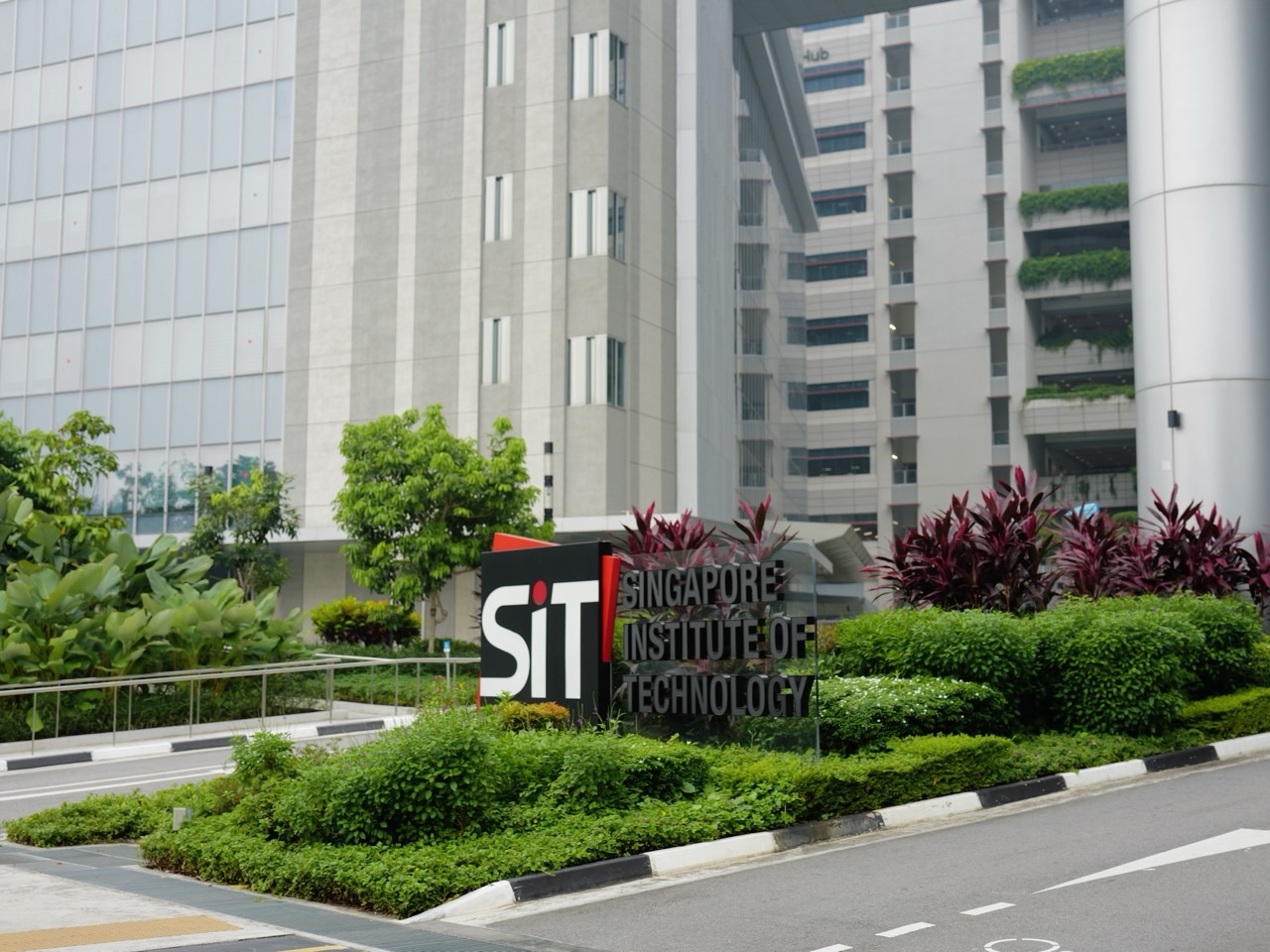
Editorial note: The employment, visitor and business scenarios here are educational possibilities, not independent claims about future occupancy, prices or customers. The featured media image documents the existing SIT Punggol campus, not a completed Habyt hotel or a room rendering.
| Project fact | Status |
| Owner / awardee | Verdant View Pte Ltd, announced by JTC on 18 March 2026 |
| Operator | Habyt |
| Planned size | 224 accommodation keys |
| Site | Tower 98, Punggol Digital District |
| Format | Hotel and serviced residence; short and extended stays |
| Target | First half of 2027 for completion, not confirmed opening |
| Partners | Planned SIT hospitality placements and technology testbeds |
| Prices and bookability | Not established by the project announcement |


