
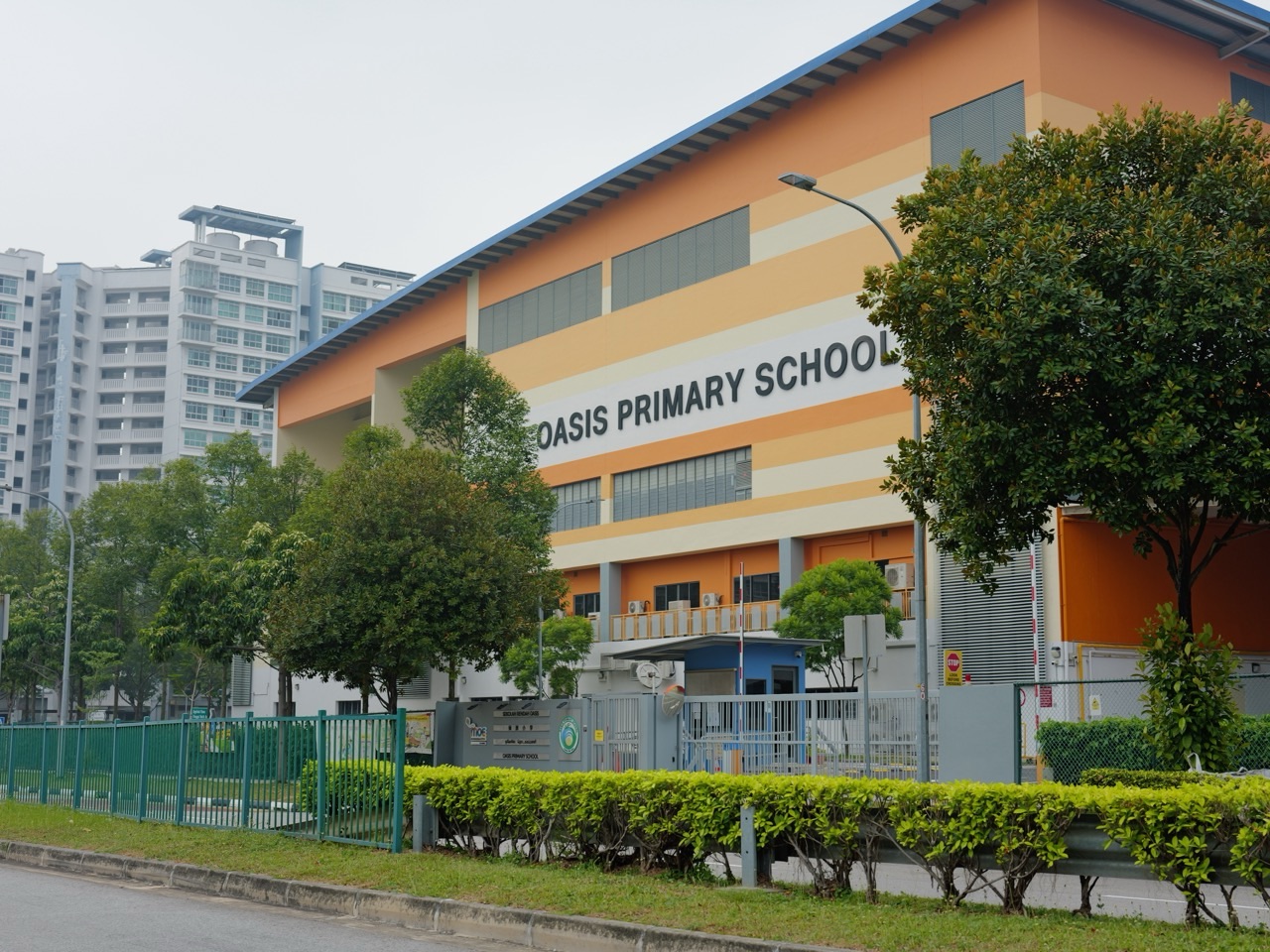
Quick answer. The Health Promotion Board (HPB) School Health Service conducts scheduled school health screening and selected immunisations for pupils in Singapore’s mainstream education system. In primary schools, the current published sequence includes vision checks in Primary 1–4, hearing screening in Primary 1, colour-vision screening in Primary 4, height and/or BMI assessments at specified levels, the Primary 5 Tdap/IPV booster, and scoliosis screening for girls in Primary 5–6. Secondary health visits have a different schedule, including spinal screening and designated HPV vaccinations for female pupils.
Screening is not the same as a medical diagnosis, school examination or vaccination. HPB’s 2026 Consent Portal explains that routine school health screening is generally arranged without a separate consent submission, while vaccinations and dental services require the relevant parental consent. HPB also requests updated medical information and vaccination history where appropriate. A screening referral means further assessment is indicated; it does not by itself establish myopia, scoliosis, a developmental condition or a disability.
HPB’s Grow Well SG initiative, introduced in 2025, strengthens discussions of sleep, screen time, activity and nutrition. The current primary screening information says lifestyle prescriptions are provided for Primary 1–5 pupils, using the Child Lifestyle Questionnaire and the child’s interests. This connects preventive healthcare to school participation without turning health into another academic ranking.
For Punggol parents, the practical tasks are to check school notices, use the official HPB portal, provide accurate medical history, help a child understand what the screening involves and arrange appropriate follow-up when referred. This independent long-form guide covers the screening schedule, 2027 HPV9 change, records, consent, school impact, referrals, worked reading and reasoning examples, and a four-week parent plan. Primary sources checked 21 October 2026.
At a glance: which health check happens at each grade?
| Level | HPB published service |
|---|---|
| P1 | Vision, hearing, height/BMI, lifestyle, catch-up vaccines if needed |
| P2 | Vision; selected height; lifestyle |
| P3 | Vision, height/BMI, lifestyle |
| P4 | Vision, colour vision, selected height, lifestyle |
| P5 | Height/BMI, immunisation, spinal check (girls), lifestyle |
| P6 | Spinal check (girls) |
| Sec 1 | Height/BMI, spinal, eligible HPV for girls, relevant health follow-up |
| Sec 2 | Height/BMI, hearing, spinal, development and selected programmes, eligible HPV |
HealthHub tables and current clinical guidance determine individual scheduling, including selected services and needed catch-up care; check current year notices.
Reading routes for parents
- P1–P6 screening
- Secondary screening and 2027 vaccine update
- Health consent and privacy
- Grow Well SG and routines
- Referral, Punggol and FAQs
1. Who is responsible for school health screening?
HPB provides youth preventive health services in partnership with schools. School staff help coordinate visits, pupils attend their designated checks, and healthcare professionals assess the specified health domains. These are different roles: a class teacher is not being asked to diagnose myopia or prescribe treatment.
Parents should use official school and HPB notices for the scheduled visit and any medical questionnaire. An outside tutor has no authority to change the screening or vaccination record.
Good health support helps students participate in learning; it is not an entrance test that allocates school places or determines their PSLE results.
2. Why schools provide preventive screening
Children can have vision, hearing or growth-related concerns that are not always noticed immediately in ordinary classroom work. Screening is designed to identify possible issues early enough for a suitable follow-up.
For example, a pupil who cannot see small board writing clearly may appear inattentive. A child who misses certain sounds could misunderstand directions. Neither observation alone reveals the underlying medical explanation.
Healthcare assessment and classroom teaching can complement one another when adults communicate appropriately. Privacy and proportionate disclosure are essential.
3. The Primary 1 screening sequence
HPB’s current primary schedule lists vision screening for myopia, hearing screening, height and BMI assessment, a lifestyle prescription and immunisation when needed for Primary 1 pupils.
This is already a substantial new experience for a child adjusting to school routines. Parents can explain that reading a chart or wearing headphones briefly is different from completing a graded lesson.
Give the school current healthcare information and ask how a pupil who needs additional support or reassurance can participate appropriately. Do not teach the child to memorise the vision chart.
4. Primary 2 has a different combination
Primary 2 screening includes a myopia vision check, height assessment for selected students and the relevant Grow Well SG lifestyle-prescription arrangement. The table does not list the identical complete Primary 1 hearing-and-BMI package for every P2 pupil.
Parents should not be alarmed merely because a sibling’s screening activities differ. HPB programmes vary by age and aim to monitor different developmental concerns.
Follow the current school notice and any individual review instructions rather than assume an omitted check means the child’s needs have been ignored.
5. Primary 3 includes vision and growth
At Primary 3 HPB lists myopia vision screening, height and BMI measurements and lifestyle prescriptions. This is an age where children can also begin expressing strong comparisons with peers, so adults should avoid turning a health measurement into a public competition.
A child’s growth data are private health information, not a class rank. Where a result requires attention, healthcare professionals can advise about the appropriate follow-up.
Parents should encourage healthy routines and respectful language. Neither weight nor BMI is a measure of intelligence, effort or character.
6. Primary 4 includes colour vision
Primary 4 screening lists myopia checks, selected height assessment, colour-vision screening and a lifestyle prescription. Colour-vision screening looks for particular colour perception differences; it is not a general test of artistic talent or a diagnosis of every visual condition.
A pupil may have trouble distinguishing some coloured information in a worksheet even while reading text confidently. If a relevant concern is identified, ask the healthcare provider and school about suitable accessibility arrangements.
Classroom teachers can also avoid relying only on red-versus-green labels when communicating important information, without making unsupported clinical assumptions.
7. Primary 5 introduces scheduled booster vaccination
Primary 5 health services include height and BMI assessment, scoliosis screening for girls, a lifestyle prescription and scheduled immunisation. HPB identifies the Tdap/IPV booster under the National Childhood Immunisation Programme.
The booster protects against specified vaccine-preventable diseases. Its necessity and administration depend on the child’s actual immunisation record, clinical guidance and the relevant consent process.
Parents should check official records before a school visit, disclose relevant history truthfully and seek professional advice about questions rather than infer that every pupil automatically receives every catch-up injection.
8. Primary 6 scoliosis screening for girls
HPB’s primary schedule lists scoliosis screening for girls in Primary 6. It involves a brief private check of spinal alignment and, where indicated, referral for more detailed assessment.
The programme takes privacy seriously: students are briefed, and a female doctor or nurse carries out the assessment in an enclosed setting under the published procedure.
A screening is not a diagnosis of spinal disease. Parents should follow any referral instructions and avoid public speculation about a pupil’s posture or body.
9. Why a screening chart can differ across grades
HPB assigns different activities to different school levels according to the preventive programme’s intended age and risk focus. A parent should not combine every listed activity and assume it happens annually to every student.
Some checks are described as being for selected pupils, and a previous concern may be reviewed again where necessary. The annual school health visit provides the setting for these age-appropriate activities.
Use HPB’s current grade-by-grade table as the baseline; individual notices and clinical instructions may still differ according to the child’s needs.
10. How the myopia vision screening works
A pupil generally reads letters or numbers from a standard-distance chart, with suitable professional administration. The aim is to identify indications of short-sightedness rather than measure reading comprehension.
A pupil who struggles with the chart might need a further eye examination, but the result could reflect other factors and can include false positives or missed cases. HPB says school vision screening is preliminary and focuses on myopia, not every eye condition.
Families should arrange an appropriate comprehensive eye examination for persistent concerns rather than rely on a previous normal school screening as proof there can be no problem.
11. A referral is the start of follow-up
If HPB identifies a possible concern, it may issue a referral to an appropriate community optometrist, optician, HPB Student Health Centre or other provider depending on the findings. The parent needs to read the actual instructions rather than choose an unrelated specialist solely from a search result.
A referral should not be described as a confirmed medical diagnosis or a sanction from school. It indicates that additional evaluation may be helpful.
Keep the document securely, note the appointment and advise the school only of functional information needed to support the child.
12. Hearing screening measures a specific function
Primary 1 and Secondary 2 screening can include an audiometer test in which pupils listen through headphones. Difficulty hearing certain sounds can affect classroom participation, but an unclear first screen is not enough for a complete diagnosis.
HPB may examine the ears or refer the student for further assessment where indicated. A parent can also raise persistent concern if the child regularly misses spoken directions despite other explanations.
Do not conclude from one spelling mistake or one unanswered oral question that a child has a hearing disorder. Observe patterns and use qualified assessment.
13. What school BMI measurements can and cannot tell us
HPB uses height and weight to calculate BMI and interpret it against age- and sex-specific growth charts. Children’s BMI is not evaluated using adult categories alone, and one measurement does not establish character, future health or academic capability.
Parents can ask healthcare professionals how a particular result should be interpreted in context. Avoid using public online calculators to label a child or prescribe a drastic diet based on one number.
The appropriate focus is sustainable health habits and professional guidance where needed, while protecting the child’s privacy and dignity.
14. Why developmental screening is separate from grading
Secondary school health visits may include hearing, pubertal development and spinal screening at specified levels. These medical topics relate to physical development, not a pupil’s subject-grade or school rank.
Young teenagers can differ considerably in the timing of normal growth. It is not appropriate for classmates or tutors to draw conclusions from a private screening note.
Caregivers should use official clinical guidance for concerns and help the student know how to ask respectful questions in a confidential setting.
15. Secondary 1 screening activities
HPB’s current secondary screening table lists height/weight/BMI measurements, spinal screening, review of existing health conditions where applicable and HPV immunisation for qualifying female students.
The schedule is not identical to Primary 6. Families should check what consent is needed and whether the child has a relevant existing clinical plan.
If the pupil needs adaptations to attend screening safely, discuss practical requirements with the school and HPB through authorised channels.
16. Secondary 2 screening activities
Secondary 2 services include height/weight/BMI, hearing, spinal and developmental screening and review of existing concerns where applicable. The published list also identifies HPV immunisation for female students and selected risk-factor screening and lifestyle programmes.
A pupil may be asked to attend only the applicable activities; not everyone undergoes all additional selected screening. The family should not assume a missed school day permanently ends access to care.
Contact the provider for the relevant follow-up arrangements rather than ask a private tutor to interpret a medical outcome.
17. The 2027 HPV9 programme update
HPB’s current secondary health information states that from 1 January 2027 the school-based HPV vaccination programme for eligible female students will move from HPV2 (Cervarix) to HPV9 (Gardasil 9) for those who have not yet started or completed vaccination, under the updated National Childhood Immunisation Schedule.
The page also explains how mixed prior HPV2/HPV9 courses are treated under clinical guidance. Parents should use the actual record and healthcare advice rather than attempt a self-designed booster schedule.
This is a cohort- and vaccine-specific health update; it does not mean every Secondary 1 boy receives HPV9 through the same existing school programme.
18. Consent for vaccination is not automatic screening consent
HPB’s July 2026 Consent Portal guidance distinguishes services: routine school screening is generally automatically arranged without a new parent consent form, while vaccination and dental care require appropriate consent. Selected secondary risk-factor testing can also require consent.
Parents should check the correct portal and current school notice. Not finding a routine screening consent form is not necessarily a portal defect.
The family should review the medical conditions and vaccination history entered and use official channels to correct inaccuracies. Sensitive information should never be submitted to an unverified chat link.
19. Where official consent can be managed
The government consent service is at https://consent.hpb.gov.sg/. Its website describes School Health and Dental Services and states that first-time users may take up to twenty minutes to complete the form, depending on the information needed.
Required information can include the child’s NRIC/FIN, medical history and previous vaccination records. Keep these private and access the portal through a verified government address.
A caregiver should not assume an old printed slip substitutes for a newer official consent or medical-information request. Use the applicable instructions for the child’s year and service.
20. What if consent has already been submitted?
HPB’s help centre describes viewing current consent forms through the portal. A family may not see a new consent request each year because not every service needs a new submission.
If a parent’s contact details change or the child becomes a PR, follow HPB’s official guidance for updating records. Do not repeatedly create duplicate accounts in the hope that the service will display another form.
A parent should keep a private note of what was actually consented to and which service it covers, without broadcasting health details through the class group chat.
21. Personal medical information needs appropriate handling
HPB requests updated medical information for safe service delivery. Its official primary screening page explains the use of electronic medical records and possible approved public-health purposes while emphasising confidentiality.
Parents should distinguish necessary health communication from casual classroom gossip. Teachers may need to know that a pupil uses spectacles or carries an inhaler, but not every unrelated medical detail belongs in a public parent chat.
The safest practice is to use verified government and school channels and seek clarification about access or correction of records through the responsible provider.
22. Grow Well SG began in 2025
HPB introduced Grow Well SG to promote healthier habits in a digital environment. The primary school screening page explains its focus on eating, sleeping, learning, physical activity and screen-time-related routines.
The initiative began with Primary 1 to Primary 3 pupils in 2025 and is being progressively expanded. The live page now identifies lifestyle prescriptions for P1–P5 within the updated services table.
This is health guidance rather than a national examination or pass/fail grade. A family’s practical goal is a healthier, sustainable routine adapted to the child.
23. What a lifestyle prescription means
Under the published approach, healthcare professionals discuss suitable goals using parents’ Child Lifestyle Questionnaire responses and the child’s interests. The general domains include physical activity, nutrition, sleep and screen time.
This is different from an online stranger giving a universal number of exercise repetitions or prescribing restrictive eating based on one measurement. The advice should be appropriate to the child and any relevant health conditions.
Parents can discuss manageable habits with the youngster and seek professional guidance for concerns. A prescription is intended to support wellbeing, not become another competitive achievement board.
24. Screen-time conversations need context
A child may use digital devices for school assignments, creative work, video calls and entertainment. A meaningful conversation distinguishes content, timing, sleep, physical activity and the learner’s actual needs.
Do not interpret all screen minutes as identical or demand a universal plan with no allowance for school requirements. Families can use a realistic evening schedule that protects sleep and time away from screens.
The child should understand why an adjustment matters and how to notice the effect. The goal is self-regulation, not secrecy or fear of a digital health questionnaire.
25. Sleep and the school morning are connected
Poor sleep may influence attention, mood and learning, although it cannot establish the cause of any one academic error. A parent should first examine the child’s routine before concluding they need several extra tuition sessions.
For Punggol pupils with long transit or extended student care, bedtime planning must account for actual pickup, meals and homework. A theoretically perfect schedule that no one can follow is not useful.
Families can track ordinary routines and discuss persistent concerns with the appropriate healthcare provider. The initiative’s purpose is to support development, not make a child feel personally responsible for every household scheduling problem.
26. Physical activity need not be a competitive sport
A pupil can build enjoyable movement through suitable walks, play, dance, cycling and age-appropriate sports. Individual health limitations and safety conditions should be respected.
Punggol offers public parks and walkways, but an unsupervised experiment or demanding exercise challenge is not necessary to prove the child is living healthily. Family activity can be simple and sustainable.
The healthcare team’s advice and the child’s interests should guide decisions. A school screening outcome should never be used to shame a child during PE or CCA.
27. When a child misses the school health visit
Absence due to illness, travel or another reason can interrupt the scheduled school screening. Families should contact the school or HPB for current catch-up or appointment instructions rather than assume the child can walk into any clinic unannounced.
HPB operates a Student Health Centre for selected follow-ups. The actual appointment system and referral category determine access.
Keep records of the missed visit and any official rescheduling, while prioritising the child’s immediate medical needs when unwell. A missed screening is an administrative matter, not a school disciplinary offence.
28. When a result should be explained to the school
If a healthcare professional advises spectacles, hearing support or another practical measure, it may help the class teacher know the accommodation needed. The parent can share the functional implication rather than a full sensitive report where that is unnecessary.
For example, seating arrangements may be relevant when a learner cannot see the board well before receiving spectacles. The teacher should not decide a medical treatment.
Appropriate coordination helps the child learn while preserving health privacy. Ask who needs to know and how the school stores the information.
29. Screening findings should not be used as classroom labels
A health result may reveal a condition or need that deserves support, but cannot establish a pupil’s intelligence, motivation or character. A student wearing spectacles is not necessarily academically weaker, and a growth referral does not define a child’s identity.
Adults should avoid jokes about weight, posture or hearing and correct disrespectful language when it arises. A respectful environment can make pupils more willing to seek support.
Families can advocate for practical classroom adjustments without requiring peers to know confidential medical details.
30. Basic health literacy is an educational skill
Pupils can learn to distinguish a preventive screen, follow-up test, diagnosis and treatment. Those are different steps in a health pathway.
Imagine a pupil saying “The vision chart showed I have a serious eye disease.” A more accurate statement is that the screen indicated a need for additional eye assessment. The professional follow-up determines what the finding means.
Teaching this distinction reduces inaccurate rumours and builds the evidence-based communication valued in Science education.
31. Worked example: reading a screening schedule
A fictional parent has two children, one in Primary 2 and one in Primary 5. The family expects both to receive identical vaccination and spinal checks. HPB’s table shows otherwise: P2 lists vision and selected height check, while P5 includes immunisation and girls’ spinal screening along with growth checks.
The appropriate response is to use each child’s level and individual clinical record, not assume the health team omitted care.
This original exercise illustrates accurate table interpretation, a skill students also need in Science and Mathematics. It is not a personal medical recommendation.
32. Worked example: percentage is not a clinical diagnosis
Imagine a class of twenty pupils in which five report that they had a vision referral. The proportion is 5 ÷ 20 = 0.25, or 25%. That arithmetic describes the hypothetical class, not the clinical condition of each child.
It would be wrong to announce that one-quarter of the class has a confirmed disease, because a referral is not necessarily a diagnosis. It would also be inappropriate to publicise individual pupils’ identities.
This demonstrates the difference between mathematically correct calculations and medically justified conclusions. Both forms of accuracy matter.
33. Health screening can support school attendance
An unresolved visual or hearing difficulty may make school tasks frustrating. Appropriate assessment and follow-up can help the learner participate more effectively, though a healthcare issue may not be the only cause of difficulty.
If a child continues to struggle after support, the family and school can investigate other learning factors rather than assume one intervention explains everything. A teacher’s task analysis can complement clinical advice.
The goal is an accessible learning environment. Screening is one preventive component of a broader school–home partnership.
34. Punggol families should not invent clinic availability
The presence of several primary schools in Punggol does not mean every school hosts an identical HPB clinic every weekday. Health teams visit on scheduled dates and referrals use separate facilities or community providers.
Ask the actual school for its current visit date and referral procedure, and use HPB’s official contacts to arrange follow-up. Do not substitute an unrelated local clinic’s opening hours for the Student Health Centre.
Where travel is required, confirm the actual appointment location first, then plan the door-to-door journey from home or student care.
35. Why screening and dental programmes are separate
HPB manages both School Health Services and the Youth Preventive Dental Service. They share some administrative infrastructure, including consent, but the clinical activities and referral pathways are distinct.
A child may attend vision screening at one time and a school dental check on another date. A parent should not assume the hearing-screening provider can repair a cavity or that a dental referral describes a vision problem.
The companion Punggol dental article covers the actual school dental check years, clinic operations and Student Dental Centre appointments. Keeping the two pathways distinct prevents delays.
36. What parents should do before the scheduled visit
Read the school notice and HPB portal instructions, ensure contact information is correct and provide relevant medical history honestly. Ask the child whether they have concerns about the process and explain it in age-appropriate language.
Do not rehearse answers to manipulate screening results. The purpose is to find out what health support might be needed, not achieve a perfect score.
If the child requires special communication, mobility or other support, contact the school or HPB early to discuss suitable arrangements.
37. Four-week follow-up plan
Week 1: review the health note or referral and clarify which issue needs further assessment. Keep the document private and record only the necessary administrative details.
Week 2: use the correct professional service or appointment route. Avoid relying on a private internet diagnosis or medication recommendation.
Week 3: discuss any practical classroom adjustments with authorised school staff, where the healthcare provider has recommended them.
Week 4: review whether the child can comfortably participate in school and whether another appointment is needed. A plan should remain grounded in clinical guidance and the child’s wellbeing.
38. Common mistake: treating a screen as definitive
Vision screening can miss some conditions or suggest a concern later ruled out. Hearing and growth checks similarly have defined limits. A referral is an indication for additional evaluation, not a final diagnosis.
Parents should use qualified professionals for clinical interpretation and avoid announcing medical conclusions in class messaging groups.
Educational decisions should be guided by observed functional needs and appropriate advice, not speculation from one test or a friend’s experience.
39. Common mistake: confusing consent categories
HPB’s consent guidance distinguishes automatically arranged routine screening from vaccination and dental care needing parental consent. Some selected risk-factor tests may also require consent.
A parent who cannot find a routine vision-consent form should not assume no screening will occur. Conversely, a school health visit does not create automatic approval for every injection or dental procedure.
Check the exact service and relevant year through the current portal. Proper consent respects the child and supports safe care.
40. Common mistake: using older vaccine details for 2027
The scheduled shift to HPV9 in January 2027 matters for eligible female secondary pupils. A parent reading a 2023 brochure describing only HPV2 should not infer that the earlier programme’s vaccine product remains unchanged forever.
The same principle applies to catch-up immunisation. The healthcare provider uses current NCIS instructions and the child’s documented history.
Use official records and qualified advice. This article does not prescribe a child’s individual vaccination regimen.
41. What a useful parent–teacher conversation sounds like
A parent might say that the child has been referred for a vision review and may need to sit nearer the board while awaiting assessment. They can ask whether the teacher has observed any related difficulty reading displayed material.
This is more constructive than announcing that the child has a diagnosed disorder because of a screening notice, or blaming the teacher for every incorrect worksheet response.
A clear conversation focuses on the practical learning need, professional follow-up and respectful information sharing.
42. The health and learning decision should remain separate
Health professionals evaluate health conditions and recommend follow-up; teachers evaluate curriculum learning and appropriate classroom support. One professional’s role should not be casually substituted for the other.
A child with secure reading comprehension may still need an eye check, and a child with normal vision may still require literacy teaching. Matching support to the actual problem prevents unnecessary interventions.
Punggol families can coordinate school, HPB and household routines without turning private health information into another form of academic ranking.
43. Final parent checklist
Confirm the child’s level and scheduled HPB screening activities. Check current medical and vaccination records, use the official consent process for applicable services and read any referral carefully.
Where follow-up is required, consult the appropriate healthcare provider and share only necessary functional information with school staff. Build healthy routines that the child can sustain and review them without shame.
The purpose of school health is early identification and appropriate support. It protects a learner’s opportunity to participate in education; it does not determine educational worth.
Frequently asked questions
Does HPB visit primary schools annually?
HPB describes annual school health visits with different screening activities assigned to each primary level.
Does Primary 1 include vision and hearing screening?
Yes, plus height/BMI assessment, lifestyle prescription and immunisation if required.
Does Primary 2 get an identical screening package?
No. Vision, selected height assessment and lifestyle elements are listed; individual follow-up may vary.
What does Primary 4 colour screening mean?
It is a check for certain colour-vision differences, distinct from ordinary myopia screening.
What vaccine is listed in Primary 5?
HPB’s primary page lists the Tdap/IPV Booster 2 under the NCIS.
Who receives P5–P6 school scoliosis screening?
HPB’s primary table describes screening for girls in P5 and P6, using private arrangements.
Is a failed eye-chart screen a diagnosis?
No. HPB says school screening is preliminary and can require an optometrist or other professional follow-up.
Do pupils need parent consent for routine screening?
The HPB Consent Portal says routine screening is generally automatically enrolled without a new consent form.
Do vaccination and dental services need consent?
Yes. The applicable HPB portal guidance distinguishes these services from routine screening.
What does Secondary 1 screening include?
HPB lists BMI/height, spinal screening, health review when applicable and relevant HPV vaccination for girls.
What does Secondary 2 add?
Hearing and pubertal screening are among the listed checks, plus other selected services.
What changes to school HPV vaccination in 2027?
The published programme changes eligible female school vaccination from HPV2 to HPV9 beginning January 2027, under the clinical schedule.
What is Grow Well SG?
An HPB programme introduced in 2025 supporting healthier habits involving activity, nutrition, sleep and screen use.
What is a lifestyle prescription?
Personalised health guidance discussed by a professional using suitable questionnaire information and the child’s interests.
Does BMI determine a child’s academic ability?
No. BMI is a health measure interpreted on age/sex charts and cannot assess learning or character.
Can school screening detect every eye condition?
No. HPB specifically cautions that its school vision screen is limited and may miss conditions.
What happens after a referral?
Parents should follow the named healthcare service’s advice for further evaluation and retain the referral securely.
Can pupils still see a provider if they missed a visit?
Contact the school or HPB about appropriate follow-up or rescheduling; no walk-in availability should be assumed.
What information goes into the HPB consent portal?
Official guidance names child identity, medical conditions and prior vaccination records where needed.
Should a teacher receive the whole medical report?
Only necessary functional information should be shared through appropriate authorised channels.
Does every Punggol school have a full-time HPB clinic?
No general guarantee. Health visits and referrals follow scheduled official arrangements.
Can parents interpret a scoliosis result from posture?
No. A screening or observation requires proper healthcare assessment before clinical conclusions.
Can a pupil opt out of routine screening?
HPB describes its consent and opt-out/opt-in process. Use the current official portal and school guidance.
Does school dental screening follow the same schedule?
No. The Youth Preventive Dental Service has a separate set of check years and procedures.
Should a parent use an unofficial vaccination schedule?
No. HPB and clinicians use the current NCIS and the individual’s actual documented immunisations.
What’s the first step for a Punggol family?
Check the child’s current grade, HPB school notice, relevant consent and accurate medical details.
Official sources and related Punggol guides
- HPB Primary School Health Screening (level-by-level table)
- HPB Secondary School Health Screening and 2027 HPV9 update
- HPB Consent Portal
- HPB When to Give Consent for Your Child
- HPB school programmes and health services
- HealthHub Student Health and Dental Centres
- HPB Grow Well SG
- MOE SchoolFinder
- Punggol student care and 2027 SCFA guide
- Punggol school canteens and food allergies
- Punggol primary school education overview
- Immutable Clementi concept-first tutorial reference
Editorial fact check, 21 October 2026. Screening and vaccination schedules are attributed to HPB’s 2026 HealthHub and consent information, including the planned 2027 HPV9 change. The worked situations are illustrative. This independent article is not a medical diagnosis, prescription, enrolment decision or permission to bypass healthcare advice.


