
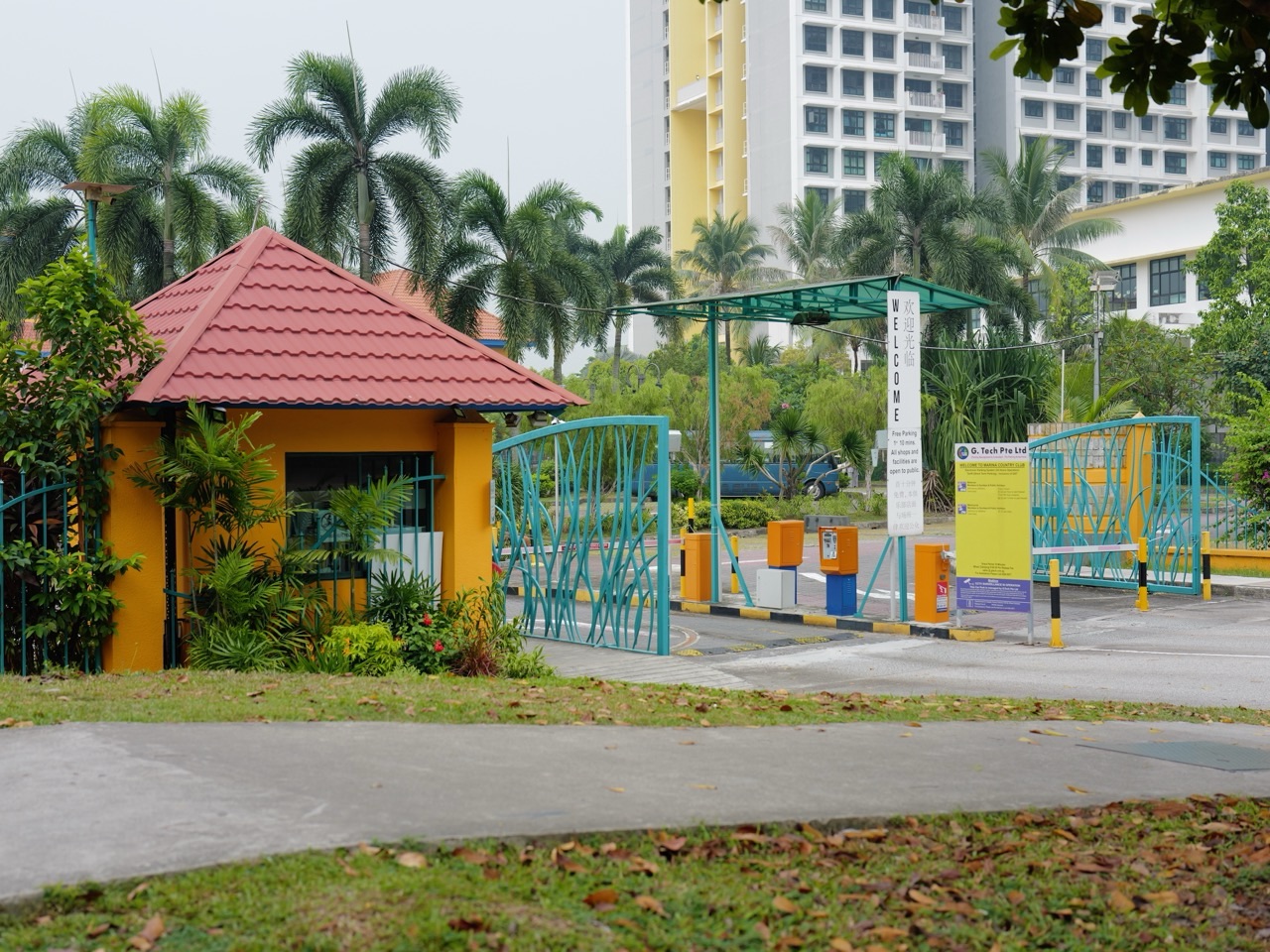
Where can a beginner try wakeboarding in Punggol? Marina Country Club, 11 Northshore Drive, Singapore 828670 has actual boat-based wakeboarding operators. Its official directory lists WakeTime, Edge Wakeboarding and Ryders. Ryders provides coaching for newcomers and identifies Pier 5 as its marina departure point. This is a supervised coastal boat-sport experience, not a wakeboarding facility inside Punggol Waterway Park. Book the sport and provider you actually want, not simply something advertised as “Punggol water sports”.
This 2026 Punggol wakeboarding and wakesurfing beginner guide covers the differences between wakeboard, wakesurf and wakefoil, how to choose operators and coaches, indicative costs, non-swimmer eligibility, children, safety vests, equipment, boat time, cancellation terms, weather and a realistic first-session checklist. It builds on Water Sports in Punggol without duplicating that activity directory. For the whole town’s lifestyle, start at Life in Punggol 2026.
Quick answers before you book a wakeboard boat
| Question | Verified answer | What to check |
|---|---|---|
| Where is the marina? | 11 Northshore Drive, Singapore 828670. | Operator office and departure pier. |
| Which providers are based there? | WakeTime, Edge Wakeboarding and Ryders. | Availability, instructor and specific craft. |
| Is wakeboarding the same as wakesurfing? | No; the boards, bindings and towing relationship differ. | Choose the intended sport. |
| Can a non-swimmer join? | Ryders says it allows non-swimmers with supplied flotation vests. | Personal eligibility and confidence with water. |
| What does it cost? | Ryders’ FAQ indicates around SGD $150–$180 per boat hour by boat/coach. | Final date-specific rate, inclusions and number of riders. |
| Is booking refundable? | Ryders says bookings are strictly non-refundable. | Current terms and the operator’s written rescheduling policy. |
| Can children join? | The marina advertises activities across a broad age range. | The chosen operator’s precise age and safety conditions. |
| What if it rains? | Ryders distinguishes inland rain from its offshore operating conditions. | The boat operator makes the safety decision. |
| Is the public Waterway an alternative? | No. It is not a private launch or public wakeboarding lake. | Use an authorised marina provider. |
1. Three board sports, three different first-session decisions
In wakeboarding, a participant is normally towed behind a boat while standing on a board with feet secured in bindings. In wakesurfing, the participant uses the specially generated boat wake and may ride without holding the rope once properly established. Wakefoiling introduces a hydrofoil beneath a board, creating another balance challenge. These are related recreational experiences, not interchangeable skills or automatically interchangeable booking products.
Marina Country Club names all three as offerings, while Ryders’ own FAQ recommends wakeboarding for someone who has never participated in board sports because attached boots can make the board easier to manage. This is that operator’s teaching suggestion, not a universal claim that any person will learn it faster. An athlete with past surfing experience or a learner with an injury may benefit from a different discussion with the coach.
Ask which activity you are paying for and whether a change is possible during the session. Board types, binding fit, safety procedures and appropriate boats differ. You should not assume that booking a wakeboard lesson entitles a whole group to try wakefoiling, or that the coach can switch to another board sport without adjusting the equipment and conditions.
A good beginner course builds control before tricks. The first success may be understanding the boat briefing, wearing appropriate flotation gear and completing an attempt comfortably. A social-media clip of someone jumping does not establish what a first-timer should do. The responsible coach sets the pace and a participant remains free to stop.
2. What Marina Country Club’s directory establishes
The marina’s current directory names WakeTime (#01-13), Edge Wakeboarding (#01-14) and Ryders (#02-03). These are independent commercial services at the same coastal Northshore address. Their instructors, boat fleet, equipment, access, package prices and refund terms can differ. The fact that the marina lists a business does not mean that the business offers a slot on any particular day.
The Marina Walk page describes WakeTime’s boat sports, Edge’s instruction for different ability levels and Ryders’ wakeboarding, wakesurfing and foiling. It does not establish a universal venue opening time or a common public ticket price. Anyone choosing the sport should contact the specific operator directly for the actual product and written quotation.
Ryders gives especially useful logistics in its FAQ. Its office is on the second floor near the fishing pond shops, and it identifies Pier 5 as its departure meeting point. The operator asks customers to arrive according to their session confirmation. Do not treat Ryders’ directions as instructions for WakeTime or Edge, whose offices and boats may use different arrangements.
For a Punggol resident, the local travel decision depends on the starting precinct. A person beside Northshore Plaza may reach the marina differently from someone near Punggol MRT, Oasis or Matilda. Verify the last part of the journey, not just the name “Punggol”. After a demanding water-sport session, a comfortable return is part of the plan.
3. Reading a boat-hour price correctly
Ryders’ FAQ advertises an indicative range of SGD $150–$180 per hour by boat or coach and notes that another model may have a separate rate. Those figures are not a confirmed price for a booking at the time a reader sees this article. Ask about boat capacity, coach, selected board sport, included equipment, taxes, minimum time and any extra charges before committing.
A boat hour is shared time. Four friends who book an hour do not each receive an hour of personal instruction. The boat may carry observers, riders may take turns, and briefing or switching equipment uses some of the available period. Instead of dividing a headline figure and promising everyone an equal lesson, ask the operator what the group can realistically do. Some providers may cap passengers more strictly than others.
For example, imagine four adults wanting a special weekend outing. Two are beginners, one has prior wakeboard experience and one only wants to watch. Their first question should be whether all four may join the boat and how the coach handles different abilities. Then they can assess whether a shorter introductory booking, a longer group session or another activity would provide a better experience.
The booking contract is part of the decision. Ryders’ FAQ describes its bookings as strictly non-refundable and refers customers to its terms about postponements. Do not assume a change of mind or bad personal schedule automatically entitles you to repayment. Understand the refund conditions before taking money from friends, and get changes confirmed rather than relying on an informal verbal assurance.
4. Choose a coach through practical questions
| Ask this | Why a newcomer should care | Answer to look for |
|---|---|---|
| Which sport and boat will I use? | Different sports need distinct equipment. | A clear named product and suitable craft. |
| Have you taught complete beginners? | Novices need patient instruction. | A concrete explanation of introductory coaching. |
| What if I cannot swim well? | Water confidence and flotation matter. | Specific eligibility and supervised procedures. |
| What is the total price? | Hourly advertising can omit conditions. | Written quote with boat time and included gear. |
| Can a child or observer join? | Capacity and safety rules differ. | Explicit permission, age and life-vest arrangements. |
| What if it storms? | Marine conditions can change. | A clear operator cancellation decision. |
| How do I reach the pier? | Different tenants have different locations. | Exact check-in point and reporting time. |
| May I stop early? | No person should be pressured through distress. | A clear safe stop-and-return procedure. |
The cheapest price is not always the most useful choice. A patient coach working with the learner’s ability and the right board may deliver a better first experience than a larger boat that looks impressive in photographs. However, do not invent rankings or qualifications. Ask the actual provider and choose based on verifiable responses, not an unsupported claim about who is “Singapore’s best” instructor.
5. Are beginners who cannot swim accepted?
Ryders’ FAQ says people who cannot swim may still wakeboard or wakesurf, because flotation vests are provided. It also emphasises that water confidence is beneficial for children. This is a statement about one provider’s eligibility, not a universal water-safety rule. A properly fitting vest supports buoyancy but is not a substitute for supervision, safe boat operation or suitability assessment.
If you are nervous about deep water, tell the provider before paying. Ask how a participant is recovered following a fall and what happens if someone wants to stop. The instructions should be supplied by the qualified boat crew at the venue. Do not try to reconstruct water-start or recovery procedures from a website; personal water safety is not something an article can assess remotely.
Age also matters. Marina Country Club advertises a broad age range for certain recreational operators, but a child who falls within that marketing range is not automatically cleared for every coach, boat or sport. Check exact age, size, life-vest availability, water confidence, supervision and whether a parent can be aboard. An anxious child should be allowed to decline rather than pressured to try because the family has already paid.
Adults with recent surgery, injury, pregnancy or relevant health and balance limitations may need professional advice. Wakeboarding involves towing forces, unexpected water contact and exertion. A beginner label does not make it a therapeutic exercise. If the activity is unsuitable, the household can choose a gentler recreational alternative without embarrassment.
6. Safety briefing and first learning objectives
A proper session should begin with the operator identifying the sport, fitting equipment and explaining how instructions are given. A learner should know how to indicate discomfort, how the coach communicates with the boat driver and what happens if a fall occurs. The crew decides where and when riding is appropriate. The best preparation a beginner can bring is attention and a willingness to ask for clarification.
Early learning is often about controlled familiarisation. How does the board feel? Can the learner listen to the correct instructions without rushing? How does the operator adapt if the first attempt is uncomfortable? These are meaningful outcomes even when a person does not stand and ride for an impressive distance. The aim of a beginner session is not to reproduce a competitive performance.
Do not attempt unapproved tricks, override the operator’s speed choices or improvise your own water recovery. A person who becomes exhausted, dizzy, hurt or frightened should report it promptly. Concerning symptoms require an appropriate stop and, where necessary, medical care. A commercial sport booking never entitles the group to demand unsafe behaviour from the crew.
7. Why SAFRA Punggol kayaking is not the same product
SAFRA Punggol’s authorised guided activity is based at 9 Sentul Crescent, and it advertises leg-powered kayak tours along Punggol Waterway. Marina Country Club’s wakeboarding operators depart from 11 Northshore Drive, a coastal marina. These are different places, craft and regulatory arrangements. Calling both “water sports in Punggol” is fair as a broad category but insufficient for planning the actual activity.
The Guided Kayaking at Punggol Waterway page details the operator’s local minimum age of seven and tandem requirements for certain children. Those conditions belong to that specific kayak tour, not to wakeboarding at Northshore. Similarly, Ryders’ hourly boat fees should not appear as kayaking ticket prices.
Families can choose between the two using purpose: for a guided nature experience and viewing the urban waterway, a suitable SAFRA tour may be appealing. For learning a new board sport, a marina boat session may fit better. Some people simply prefer walking along the public paths and watching water without entering it. That is a legitimate activity too.
8. Weather in Punggol and conditions near Seletar Island
Ryders warns against assuming that rain inland means rain at its riding location. Conditions near Seletar Island may differ from those around Punggol MRT. The operator’s FAQ says sessions may go ahead despite inland showers, but it will postpone for thunderstorms in the actual operating area. Follow the operator’s confirmed plan, and do not go on the water during unsafe lightning just because the booking was paid.
Use the Meteorological Service Singapore’s lightning information and heat-stress guidance. Wet-Bulb Globe Temperature is not the same as ordinary air temperature. Direct sun, humidity, wind and physical effort matter. A coastal breeze may feel pleasant, but it does not guarantee comfortable heat exposure during a physically demanding lesson.
Haze adds an air-quality issue distinct from heat. Follow official haze guidance and operator instructions, especially for people with respiratory concerns. A resident feeling ill should not force an outdoor session solely because a non-refundable booking is involved. A rescheduling question can be discussed with the provider; personal safety still comes first.
9. Clothing, facilities and avoiding unnecessary purchases
Ryders advises guests to bring sunscreen, drinks, snacks, towel and toiletries, and states that the marina has showers and toilets. Check the precise arrangements with your selected operator and ask how bags, valuables or cameras are handled. Loose accessories may be lost or interfere with equipment. A waterproof phone pouch does not make leaning dangerously from a boat sensible.
Do not buy your own wakeboard, binding or specialist foiling gear before your first supervised session. Boards and flotation vests should be suited to the learner and sport. The provider should state what is included in the booking. Comfortable clothing and appropriate sun protection may be sufficient for some visits, but the operator controls its detailed equipment rules.
Allow enough time after riding for drying, changing and the trip home. A working adult who starts early the next morning may not want the latest available slot, and a child returning to school should not sacrifice essential sleep for a second extreme-sport attempt. Wellbeing includes recovery as well as excitement.
10. A four-stage progression that does not promise tricks
| Stage | Reader’s objective | Appropriate coach-led action | Success without pressure |
|---|---|---|---|
| 1 — Suitability | Choose the right sport and coach. | Check eligibility, water confidence and booking. | An informed safe choice. |
| 2 — Orientation | Understand vest, board and communication. | Receive the actual safety briefing. | Knowing when and how to stop. |
| 3 — First attempts | Build initial control. | Follow gradual supervised instruction. | Comfort and willingness to try. |
| 4 — Review | Decide whether to repeat or change sport. | Discuss realistic next steps with coach. | An enjoyable, manageable experience. |
This is not a four-week class, nor a promise that everyone will stand up on a board within a particular session. Some beginners develop confidence quickly and others need longer. The learner may also discover that wakeboarding is not enjoyable, which is valid information. Do not treat a costly booking as proof that an individual must reach a specific performance level.
11. Worked comparison: four friends see a $160 headline price
Suppose four Punggol friends see a hypothetical per-hour rate of $160 in the middle of Ryders’ publicly described price band. Dividing $160 by four gives $40 each, but that arithmetic is only a split of the boat-hour headline figure, not a confirmed total price and not four individual hour-long lessons. The quote may vary by boat or coach, and the provider decides actual passenger limits and riding arrangements.
A more useful comparison starts with who intends to ride. Perhaps two want an introductory lesson, one already rides, and one is an observer. They ask how session time will be distributed, whether observers are permitted and whether any gear or tax changes the cost. Then they agree who pays and what happens if weather requires postponement. The financial and safety information is more important than the simple division.
The group should also calculate travel time from their actual Punggol precincts. A person near Northshore may have a shorter journey than someone in Matilda. A cheaper boat at a less convenient time might still be poor value if it requires missed work or childcare expense. The right activity is one that the people can genuinely enjoy and afford.
12. Three fictional family and learner situations
A couple with no experience in board sports
They initially ask for wakefoiling because they saw an exciting video. On reviewing the operator’s explanations, they learn the difference between wakeboarding and foiling and ask about a true introductory session. They confirm vests, coach and final fees instead of demanding the most advanced equipment. A pleasant first boat experience is a more realistic goal than standing on a foil immediately.
A teenager excited about a school-holiday trip
The teenager likes the idea of a Northshore activity, but a parent must check water confidence, age, supervision and fatigue after school sport. They do not infer eligibility from general marina marketing. If the child does not feel comfortable, the family can enjoy a suitable land-based outing or try a different activity. The goal is a safe holiday experience, not an unwanted thrill.
An adult returning from injury
The resident used to enjoy skiing or board sports but is recovering from a knee problem. They consider whether a towed board sport is appropriate and obtain relevant clinical advice. Past athletic ability does not establish present readiness. The adult may postpone, choose an adapted programme or enjoy the marina as a spectator. Safety and autonomy remain central.
13. A full booking checklist for Punggol wakeboarding
- Name the provider, not just Marina Country Club.
- Choose wakeboarding, wakesurfing or wakefoiling deliberately.
- Verify the exact 11 Northshore Drive address and meeting pier.
- Confirm the booking’s boat, coach, duration and total price.
- Ask how many riders and observers are allowed.
- Understand how riding time is shared during the boat hour.
- Check the operator’s exact minimum age and water-confidence requirements.
- Confirm correctly sized and provided flotation gear.
- Tell the coach about relevant health conditions or movement concerns.
- Review non-refundable booking and postponement terms before paying.
- Ask what triggers a weather cancellation or delay.
- Bring the required towel, toiletries, suitable clothes and sun protection.
- Do not purchase a board or specialist gear without provider guidance.
- Know how to notify the crew if you want to stop.
- Arrange an appropriate return journey and time to recover.
14. Common beginner mistakes
- Going to Punggol Waterway Park instead of Marina Country Club. Check the actual Northshore operator.
- Confusing wakesurfing and wakeboarding. Learn what the chosen session teaches.
- Applying Ryders’ rates to WakeTime or Edge. Each business quotes separately.
- Believing a flotation vest removes the need for supervision. Follow operator decisions.
- Assuming every child qualifies. Age, size and confidence rules differ.
- Splitting boat time as though every person receives the full duration. Ask about turns.
- Paying without reading refund conditions. Some operator bookings are non-refundable.
- Assuming rain at home decides offshore weather. Follow operator updates and lightning warnings.
- Buying premium equipment before a first attempt. Confirm provider gear.
- Training through pain or fear. Respect the participant’s stop decision.
15. Frequently asked questions
Where is wakeboarding in Punggol?
Marina Country Club, 11 Northshore Drive, lists WakeTime, Edge Wakeboarding and Ryders.
Is Marina Country Club near Punggol Waterway?
It is in Punggol’s coastal Northshore area, but not the public Waterway kayak facility.
Can I wakeboard if I cannot swim?
Ryders says non-swimmers may join with flotation vests under its conditions; confirm suitability directly.
Does a beginner need to try wakefoiling?
No. It is a different skill and not required for a first wakeboarding lesson.
How are wakeboarding and wakesurfing different?
Wakeboarding commonly uses boots and towing; wakesurfing rides the boat’s wake with different board and rope use.
What prices does Ryders advertise?
Around SGD $150–$180 per boat hour in its FAQ, subject to boat, coach and current checkout.
Are boat-hours the same as each rider’s lesson time?
No automatic equivalence. Time is shared among participants and operating needs.
Is Ryders’ booking refundable?
Its FAQ describes strictly non-refundable bookings; check full terms for your purchase.
Where is the Ryders meeting point?
Its FAQ identifies Pier 5 and an office on the marina’s second floor by the fishing pond.
Will a shower near Punggol MRT cancel my ride?
Not necessarily. The operator evaluates conditions near its operating area and postpones for thunderstorms.
Can kids take part?
Confirm each operator’s age, equipment, water confidence and supervision requirements.
Do I need a board before the first lesson?
Ask what the operator provides; purchasing expensive gear is not automatically necessary.
Can I use a private boat for my own wakeboarding outing?
Do not improvise unauthorised towing. Use appropriately authorised competent operators and approved waters.
Is wakeboarding a safe rehabilitation exercise?
Not automatically. Consult appropriate clinicians for injuries or significant conditions.
What if I feel faint or uncomfortable?
Stop and alert the boat crew, following their safety procedure and obtaining appropriate help.
What should I bring?
Ryders recommends sun protection, drinks, towel and toiletries; confirm precise operator requirements.
Does one session satisfy all weekly exercise needs?
Not necessarily. Actual riding time and intensity vary; regular activity and recovery remain important.
A closer look: the three different kinds of value in one wakeboarding booking
A first-time visitor may judge value by the number of minutes spent standing on a board. But a legitimate coached session also delivers other parts of the experience: safety briefing, equipment fitting, explanations of the activity and supervision if something changes. That does not justify vague charges; it means the customer should know exactly what the product includes. Ask how the operator divides time among preparation, actual riding and return. A good provider should be able to explain its session rather than hiding behind an exciting photograph.
Consider the difference between one adult wanting a serious beginner lesson and four friends wanting a social day out. The learner may value the coach’s uninterrupted attention more than boat size. The social group may value comfortable observer capacity, safe arrangements for non-riders and the opportunity to share a first experience. The same price could be appropriate for one purpose and poor value for another. Start with the purpose before comparing packages.
Parents face a third calculation. If a teenager wants to try wakeboarding, the total cost may include transport, equipment, a supervising adult, meals and lost time from school commitments. A family can set a budget and check eligibility before booking. There is no requirement to buy regular lessons after one introductory try, nor to assume a child will become passionate about the sport because it was expensive.
Marine geography: why the Punggol coastline is not a second Waterway Park
Marina Country Club is situated along Northshore Drive, close to Punggol’s coastal edge. Its boats access operating waters associated with the wider northeastern coast, subject to marine and operator rules. By contrast, Punggol Waterway Park is a landscaped freshwater recreational corridor associated with PUB-managed water infrastructure and public paths. These places are part of the same town’s story, but they do not share one booking authority or one kind of access.
A Geography student could compare the land use around the marina—commercial marine services, berths, boats and specialised sporting providers—with the Waterway’s bridges, estate connections and planted banks. The distinction illustrates how towns support different recreation systems. But a school project should rely on permitted public viewpoints and official information rather than approaching restricted docks or boarding facilities without permission.
Transport planning follows from the same geography. A person living near Waterway Point may not be close to the coastal marina, even though both addresses are in Punggol. Choose the right named destination, verify the final entrance and allow enough time for instructions. The neighborhood’s physical layout becomes a practical factor in whether a sport habit can be sustained rather than simply a scenic fact.
When the right answer is to change the activity
Sometimes the group discovers, during its booking diagnostic, that the intended outing does not match its needs. A child does not meet the relevant age conditions, one adult is recovering from illness, a non-swimmer does not feel comfortable, or the hourly quote exceeds the budget. The solution is not to hide those facts or pressure the weakest participant. Change the date, choose a different permitted service, or enjoy a dry-land Punggol activity. A safe decision is a successful decision even when it involves not wakeboarding.
One useful fallback for people interested in water but not board sports is a suitable guided nature experience with different equipment and eligibility. The SAFRA Punggol pedal-kayak product, for example, is distinct from the Northshore wakeboarding boats and has its own child-age rules. Others may prefer adult swimming lessons in a managed pool, which address water confidence and swimming skill directly. Public Waterway walks provide another experience without entering the water at all.
Finally, take ordinary recovery seriously. After a session, consider whether everyone is tired, sun-exposed, hungry or in need of a calmer journey home. The goal of Life in Punggol is not to maximise adventure in one weekend. It is to build a collection of enjoyable and sustainable choices that work for real households, including those whose most sensible weekend choice is rest.
Related reading: eduKate’s Punggol water and lifestyle network
- Life in Punggol — Master Lifestyle Guide
- Water Sports in Punggol 2026
- Guided Kayaking at Punggol Waterway
- Dragon Boating for Beginners from Punggol
- Weekend Sport and Recovery
- Punggol Haze and Water Sports
- Archery for Beginners near Punggol
- Ultimate Frisbee for Beginners in Punggol
- eduKateSG — Waterfront Student Life
Official first-party sources and review date
- Marina Country Club — Current Tenant Directory
- Marina Country Club — Wakeboarding and Wakesurfing Operators
- Ryders — Rates, Non-Swimmer Policy, Weather and Cancellation
- Ryders — Boats and Coaches
- Ryders — Address and Contact
- Ryders — Booking
- MSS — Lightning
- MSS — Heat Stress
- Singapore — Haze Information
Reviewed 18 October 2026. General local sports education, not a live booking, guarantee of operator rates or personal medical clearance. Ryders’ published price and refund statements are attributed to its own FAQ, and readers should check the actual contracted terms. All scenarios are illustrative.


