
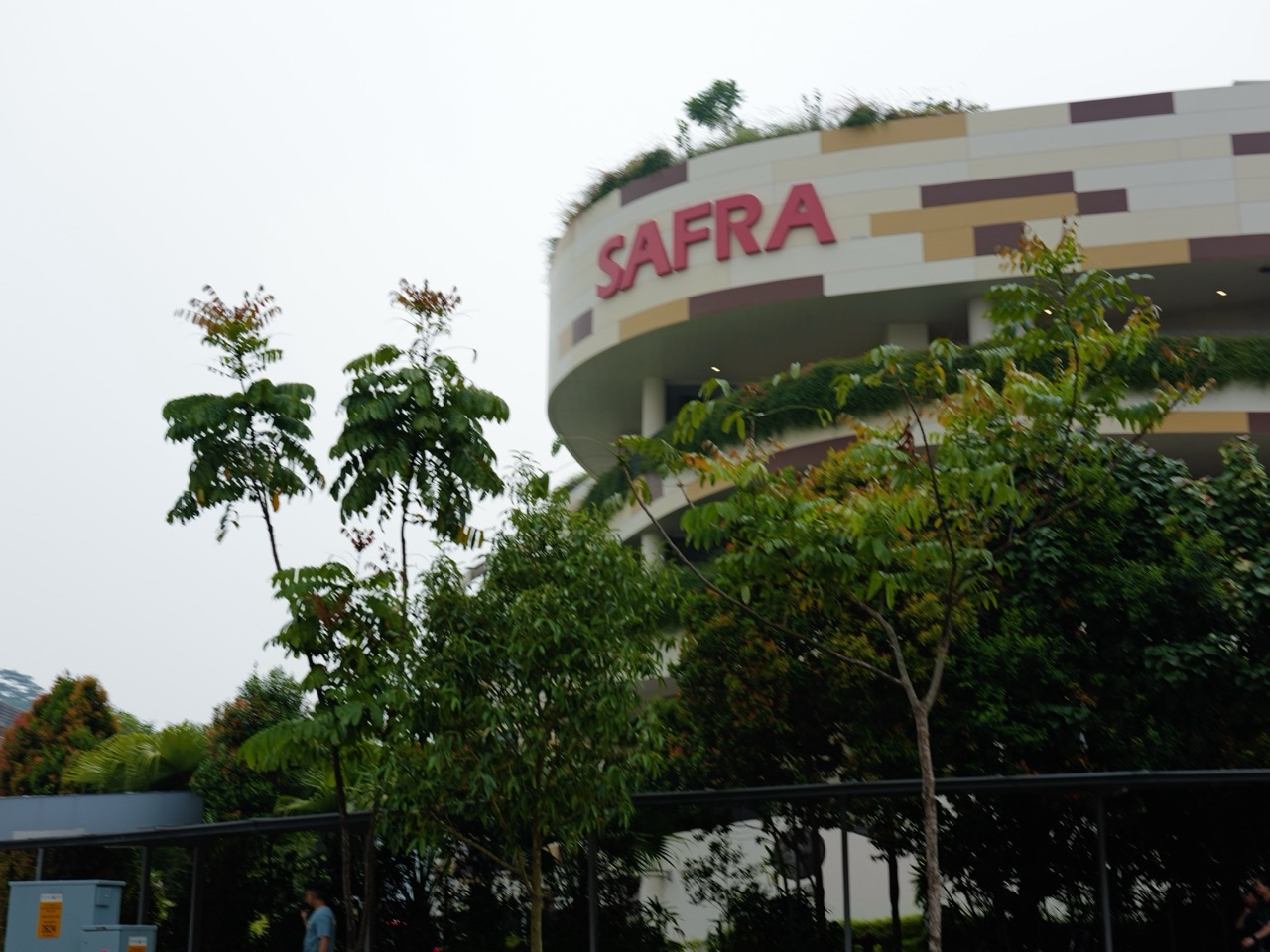
Are beginner archery lessons available in Punggol? Singapore’s Archery Association of Singapore lists Salt & Light Archery at SAFRA Punggol, 9 Sentul Crescent #01-04, but the provider’s own current website only advertises active ranges at 2A Clementi Road (West Coast) and 750B Chai Chee Road (Chai Chee). That is an important unresolved venue discrepancy. Do not assume you can turn up at SAFRA Punggol and shoot arrows in 2026. Confirm the current range and an authorised beginner session directly with the provider before travelling.
This Archery for Beginners near Punggol 2026 guide compares the association directory with the provider’s current range list, distinguishes Punggol South Archery Club’s Hougang address from Punggol Town, explains first-lesson safety, equipment, teaching pathways, costs, family eligibility, weather and a practical four-week learning framework. It deliberately avoids inventing a live Punggol archery court. If you just want general recreational options around the estate, begin with Life in Punggol 2026; this article addresses the more specific question of learning a supervised target sport safely.
Archery near Punggol: quick facts and the venue discrepancy
| Question | What the available source says | Safe next step |
|---|---|---|
| Is Salt & Light at SAFRA Punggol? | AAS lists #01-04 at 9 Sentul Crescent. | Provider’s current range page does not list it; verify directly. |
| Where does Salt & Light list its own ranges? | West Coast, 2A Clementi Road; Chai Chee, 750B Chai Chee Road #02-01B. | Use current operator booking and address. |
| Where is Punggol South Archery Club? | The association lists it at Block 542, Hougang Avenue 8. | Despite its name, it is not inside Punggol Town. |
| Can I learn without experience? | Salt & Light advertises beginner courses. | Check real dates, ages, coaching and range availability. |
| Can I try archery at Punggol Waterway Park? | A public path is not an authorised archery range. | Use a recognised controlled shooting range only. |
| What gear do beginners need? | An appropriate bow, arrows, protective gear and instruction. | Do not buy weapons or shoot independently before qualified supervision. |
| When may arrows be collected? | Only after the range official gives the designated clearance signal. | Never step downrange during live shooting. |
| Are there special range signals? | SportSG describes whistle signals for approach, shooting and retrieval. | Follow the actual range officer’s briefing. |
| Can younger children attend? | Provider-specific age, supervision and equipment sizing apply. | Check suitable course and safeguarding rules. |
| Can a class be cancelled? | Ranges and programmes have their own operational and safety controls. | Confirm status, fees and booking terms before going. |
1. Why ‘archery in Punggol’ needs careful verification
Archery is a good example of why a local search page cannot simply copy every venue name from a directory. The national association’s Your Nearest Club page includes Salt & Light Archery at SAFRA Punggol. However, the same company’s own current homepage names West Coast and Chai Chee ranges and provides different contact details for those two sites. A reader looking at only one source may be directed to a range that is no longer offered or is not currently public.
This article does not claim that the SAFRA Punggol operation is definitely closed; we have no authoritative closure statement. It also does not claim it is currently active. The truthful boundary is that the sources disagree about current locations. Ask Salt & Light or SAFRA directly whether an authorised archery range and beginner sessions operate at 9 Sentul Crescent, and obtain a precise booking confirmation before arriving with family members.
The mismatch matters because archery is not like walking along a public park connector. A participant needs the right range, controlled shooting line and supervised equipment. Turning up at a building because it once appeared in a national association list can waste time; turning up expecting to use a public space as a substitute can create serious danger.
When a current operator page lists only two range locations, those become stronger evidence for where the company presently directs the public. A directory can still be useful for finding affiliated clubs and historical contacts. The reader’s action is to use both sources with appropriate caution, not silently choose whichever supports a more exciting local headline.
2. The three geographic names that commonly confuse Punggol readers
| Name | Published address | What that actually means |
|---|---|---|
| SAFRA Punggol | 9 Sentul Crescent, Punggol. | A real Punggol location; archery presence needs confirmation. |
| Punggol South Archery Club | Block 542, Hougang Avenue 8. | A club name referencing Punggol South, not a Punggol Town range. |
| Salt & Light Chai Chee Range | 750B Chai Chee Road #02-01B. | Provider-advertised location in eastern Singapore. |
| Salt & Light West Coast Range | 2A Clementi Road. | Provider-advertised location in western Singapore. |
| Archery Association range | 232 Bedok North Street 3. | National association range information; not automatic public walk-in access. |
The Archery Association also lists an Archery Club of Singapore and a Punggol South Archery Club associated with Hougang Avenue 8. The word Punggol in their names does not guarantee proximity to Punggol MRT, Punggol Coast or Waterway Point. Readers who are organising a child’s class after school should verify the physical address and actual journey, not only the club’s name.
This is the same lesson seen elsewhere in Punggol’s sports ecosystem: a court can be listed in the northeast but not lie within Punggol Town, and a sports-centre announcement does not prove that every planned facility has opened. Good local information separates confirmed places, plausible options and unverified activity claims.
3. Choosing a true beginner archery lesson
Salt & Light’s website advertises beginner courses as well as programmes for experienced and certified archers. That division is useful. Someone without archery experience should ask for a properly coached introductory session, not enter a certified-archer practice arrangement or attempt an unsupported range booking. The beginner objective is to learn the controlled range environment and safe equipment handling under supervision.
Before enrolling, ask what the class covers, its minimum age, session length, bow selection, instructor qualifications and which items are supplied. Explain whether the participant is an adult, teenager or young child. Some programmes are intended for team-building groups and others for continuing students. The right product is the one designed for the learner, not the one whose advertisement has the most impressive target photograph.
A strong coach introduces the safety line and communications before requiring a newcomer to aim at a target. The participant needs to know where to stand, when shooting is authorised, where bows and arrows should point and what to do if an instruction is unclear. It is reasonable to evaluate a class by its safety discipline and patient communication rather than by the speed with which a beginner scores points.
Archery may be enjoyable for people who like concentration and deliberate movement. But it is not appropriate to tell an inexperienced child that they can practise outside on a field without supervision. A target area must be properly controlled. The sporting appeal of archery is compatible with strict access limits, and those limits should be described clearly rather than minimised.
4. Why a public field or Waterway path is not a substitute range
Punggol’s parks offer green space, but green space is not the same as an authorised archery range. Arrows can travel beyond the intended target, and an unexpected pedestrian or cyclist could enter the line of fire. Do not bring a bow to the Waterway or an HDB courtyard to test it. Recreational target shooting belongs in an appropriately controlled location with qualified supervision, safe targets and a managed area behind them.
The Archery Club of Singapore’s club rules make safety the priority, give the range officer authority to stop unsafe use and explicitly prohibit crossing the shooting line during activity. These instructions are not decorative; they protect other participants and staff. They also illustrate why an outdoor recreational photograph cannot establish that a place is a legal public range.
A beginner can enjoy watching archery at a recognised competition or learning about the sport’s rules without possessing equipment or shooting an arrow. For young learners, observation, a verified trial session and appropriate instruction are more useful than an improvised activity near neighbours.
5. Range signals: safety is more important than the score
SportSG’s archery rules overview describes common whistle signals: two blasts for approaching the shooting line, one for shooting, three for moving forward to collect arrows, and four or more for an immediate stop. Actual range managers can use their own operating procedures, so listen to the specific briefing rather than treating a printed article as authority to act.
The crucial principle is the distinction between a live shooting line and a cleared range. No one should step toward a target or retrieve dropped equipment while shooting is in progress. A child who drops an item should wait and tell the instructor instead of running forward. Even a person who believes all nearby archers have finished cannot override the range officer’s clearance.
The same controlled approach applies to equipment handling. Never point a drawn bow at another person, draw it in an unauthorised direction or release the bowstring without an arrow. Staff should assess damaged items rather than letting a learner improvise repairs. A safe first session is not one where the rules are ignored because the participants are beginners; it is one where they are made understandable.
6. Beginner equipment: learn the categories, not a shopping list
| Term | What it means in archery | What a beginner should do |
|---|---|---|
| Recurve bow | A bow with limbs whose tips curve away from the archer. | Use one chosen and fitted by an appropriate coach. |
| Compound bow | A mechanical bow with cams or pulley-like systems. | Do not assume it is a universal easy option. |
| Traditional bow | Various traditional archery designs and techniques. | Learn only under an authorised suitable instructor. |
| Arrow | The projectile used with the bow and target system. | Follow range storage and safe handling rules. |
| Armguard | Protective gear associated with the bow arm. | Ask how gear is fitted and used. |
| Finger protection | Suitable tab or glove used in certain disciplines. | Follow coach and equipment instructions. |
| Quiver | Holds arrows when appropriately used. | Respect range policy and movements. |
| Target/backstop | Controlled arrangement that safely receives arrows. | Do not construct a makeshift public target. |
SportSG’s starting-out guide introduces broad equipment and participation concepts, but it is not a substitute for an instructor’s assessment. The person selecting bow weight and size needs to consider the learner’s ability and the range’s approved gear. A strong bow is not evidence of competence; using suitable equipment under control is the beginner priority.
Do not buy a bow or arrows simply because a child has asked about archery after watching a film. The provider may supply introductory equipment and specify approved designs. Purchasing the wrong item can waste money and create storage and handling problems. First confirm a genuine session and ask whether equipment is included. Only then consider what a continuing student actually needs.
7. A first session should teach process before perfection
A reasonable novice programme may begin with a safety briefing, introduction to the shooting lane and the coach’s explanation of posture, attention and release control. It should allow beginners to ask questions and repeat appropriate foundational actions without pressure to hit the bullseye. A written page cannot verify someone’s alignment, handedness or safe movement, so this article deliberately does not offer a do-it-yourself shooting procedure.
A learner who is unsure which hand or eye to use should discuss the issue with the instructor. Eye dominance, comfort and different bow setups can affect teaching choices. They are not reasons to purchase expensive equipment before the first class. Good coaching should recognise the beginner’s actual needs rather than prescribe one style to every participant.
Some readers are interested in archery because of its emphasis on focus and precise practice. Those are reasonable attractions, but the sport should not be marketed as a cure for attention difficulties, anxiety or physical conditions. Enjoyable concentration can be part of leisure without replacing appropriate healthcare or educational support.
8. A four-stage learning progression
| Stage | Learning aim | Suitable supervised activity | Evidence of progress |
|---|---|---|---|
| 1 — Verify | Find an authorised current range and beginner provider. | Confirm actual venue, class and eligibility. | No travel or safety ambiguity. |
| 2 — Orient | Understand commands and controlled equipment. | Participate in a proper first safety briefing. | Correct response to range instructions. |
| 3 — Learn | Build a comfortable controlled beginner process. | Repeat appropriate coached practice. | Steadier routine and confidence. |
| 4 — Review | Decide whether to continue recreationally. | Ask about further suitable courses and requirements. | A repeatable safe hobby, not simply a high score. |
This is not a four-week promise of archery proficiency. Some people will take one session and decide another activity is a better fit. Others may join a club and study rules more deeply. A participant whose confidence is growing but whose results are inconsistent can still be learning effectively. The quality of safety habits matters more than early competitive scoring.
The national association has separate coaching, judging and competition structures. A person who has completed a basic recreation lesson should not claim certification as a coach or event official. Those roles require formal experience, assessment and relevant credentials. The goal of a first lesson is to learn enough to participate safely in the sport under proper conditions.
9. Children, teenagers, adults and accessibility
A family may want a sport that several generations can enjoy, but archery equipment and teaching demands must fit the individual. A primary-school pupil may require close supervision and a child-specific programme. A teenager may enjoy an introductory range class, while an adult might prefer a different pace or goal. An older resident or person with a disability may need adjustments to stance, seating, equipment and access.
Do not assume that a class described as beginner-friendly supports every disability or health condition. The operator should be able to explain how it evaluates the participant and whether qualified adaptations are available. Someone with arm or shoulder pain, dizziness or relevant medical restrictions should obtain suitable advice rather than force repeated drawing movements.
For Punggol parents, a recreational archery lesson does not automatically create school CCA points, examination benefits or competition eligibility. The eduKateSG guide to school CCAs and LEAPS 2.0 handles educational recognition separately. The relevant household question is whether the child enjoys the sport and can attend a properly supervised class alongside schoolwork and sleep.
10. Why the operator’s own range list is stronger evidence of today’s visit
Suppose a family searches “archery SAFRA Punggol”, sees the association directory’s #01-04 address and books a taxi. At the same time, Salt & Light’s own live website invites visitors to West Coast and Chai Chee and provides contact numbers for those active listings. Without confirmation, the family is relying on two conflicting records. That is precisely the kind of local SEO mistake a responsible guide should prevent.
The remedy is simple: contact the current provider, identify the lesson and ask for the actual entrance address. Do not interpret an unanswered call as proof the class exists or is closed. If a provider says the SAFRA Punggol venue operates only for private events, ask whether the booking is possible and obtain the actual arrangement. If not, select a current range whose location is explicit.
The same caution applies to Punggol South Archery Club. Its published address on Hougang Avenue 8 is not Punggol Waterway Town. The misleading name should not be hidden under a generic “archery in Punggol” headline. It may still be a practical option for some northeast residents, but geography and access must be described honestly.
11. Cost and commitment: calculate an actual term
Archery lessons may be sold as one-off introductory experiences, multi-session beginner courses or ongoing club practice, with different equipment and coaching conditions. Ask whether the rate includes the range, target, bow and arrows, instructor, applicable taxes and member fees. A seemingly cheap session may not include equipment, while a longer course may be good value if it provides suitable instruction and a schedule the family can sustain.
Avoid advertising a precise 2026 Punggol introductory price without seeing a currently bookable listing from the operator. The active Salt & Light website points customers towards beginner-course information and a booking platform, but a range address mismatch still needs resolution first. An accurate article helps readers ask for a quote rather than inventing a budget as fact.
For families, include transport. A range in Chai Chee or Clementi may require a significant journey from Punggol, especially after school. Some families can make this a weekend hobby; others may prefer a closer sport because repeated travel would disrupt meals and sleep. The site’s Low-Cost Fitness in Punggol guide explains total cost per actual attendance rather than only headline rates.
12. Safety during heat, haze and changes in facility conditions
Some archery ranges are outdoor or sheltered, while others are indoor. The actual environment matters for heat, lightning and air quality. Do not assume a sheltered range removes every outdoor hazard, or that an indoor range is suitable during significant smoke pollution without adequate ventilation. Check the operator’s safety instructions and MSS lightning guidance when storms threaten.
For prolonged outdoor activity, Singapore uses a WBGT heat-stress advisory, available at MSS Heat Stress. During haze, consult official Singapore haze information and individual healthcare advice. If the range closes or conditions are unsuitable, postpone instead of attempting an unofficial practice site.
A participant experiencing concerning pain, dizziness, unusual weakness or other symptoms should stop and seek appropriate help. The range instructor cannot diagnose an injury or override medical restrictions. A valid booking cannot make unsafe shooting or physical exertion acceptable.
13. An original worked example: three venue names, one correct enquiry
Imagine a Punggol parent comparing three search results: Salt & Light at SAFRA, Punggol South Archery Club and the Salt & Light website. The first is listed by the national association with a Punggol address; the second is listed at Hougang; the third lists current West Coast and Chai Chee sites. A weak decision is to choose the shortest-looking name or the first pin on a map.
A stronger diagnostic writes four columns: operator, published address, current source, and what needs confirmation. The family notes that the SAFRA claim is not matched on the provider website, marks it “unverified”, and contacts the operator. The Hougang club is clearly not inside Punggol Town, so journey time is calculated honestly. A suitable course is booked only when a current operator confirms the actual venue, age suitability and equipment.
The lesson transfers to other sports: a hall may exist without public booking; a class may be announced but no longer accept registration; a provider may relocate while an old association page remains online. The answer is not avoiding local recreation. It is treating information boundaries as part of the quality of the article.
14. What archery contributes to a healthy lifestyle
Archery can offer a structured hobby involving concentration, controlled movement and social learning. Depending on equipment and class design, it may challenge muscular endurance and posture awareness, but it is not automatically the equivalent of a brisk Waterway run or a full resistance-training programme. The Health Promotion Board encourages a suitable mix of aerobic movement and strengthening across the week. An enjoyable archery class can sit alongside other physical activity.
The sport’s social side may matter too. People meet an instructor, practise in a controlled environment and gradually become part of a group. This can be valuable for adults who enjoy quiet skill-building rather than competitive contact sports. Others may decide that a Punggol neighbourhood walk or a beginner badminton class is easier to maintain. Neither choice is inferior; the best long-term habit matches interest, access, safety and available time.
A Punggol resident who works irregular shifts should not commit to an expensive term without checking arrival times and the return journey. Families need to coordinate supervision and meals for children. The point of the Life in Punggol ecosystem is to make local life easier to plan, not create more activities than any household can realistically attend.
15. The practical enquiry checklist
- Who is the actual archery operator and what is its current contact?
- Does the provider currently operate a range at SAFRA Punggol, or was that a historical directory listing?
- What is the confirmed physical address, entrance and session time?
- Is the class appropriate for absolute beginners or continuing archers?
- What are the required ages, parental attendance and safeguarding arrangements?
- Does the instructor have relevant qualifications and safe-sport practices?
- Are appropriately fitted bows, arrows and safety accessories provided?
- Will a trained range officer control all shooting and retrieval?
- What happens if someone drops an arrow or needs to stop?
- Is the equipment checked for damage and suitability?
- What is the full course or trial cost, including any membership?
- Is the booking refundable or transferable if the venue changes?
- Can the participant safely manage the physical movement required?
- What happens during haze, thunderstorms, maintenance or other closures?
- How long is the door-to-door journey from the family’s actual Punggol block?
16. Frequently asked questions
Is archery offered at SAFRA Punggol in 2026?
AAS lists Salt & Light there, but the provider’s current site does not. Current public operation is unverified; contact the operator.
Where is Salt & Light Archery currently advertising ranges?
Its website lists West Coast at 2A Clementi Road and Chai Chee at 750B Chai Chee Road #02-01B.
Is Punggol South Archery Club actually in Punggol Town?
No. AAS lists it at Block 542, Hougang Avenue 8.
Can children join beginner archery?
Only according to the provider’s age, supervision and equipment policies; confirm before registering.
Can I shoot arrows at Punggol Waterway Park?
No. A public path is not an authorised archery range; use a controlled and supervised venue.
Does Salt & Light offer courses for beginners?
Its official site advertises beginner courses; the current available range and sessions must be confirmed.
Are recurve and compound bows identical?
No. Their mechanisms and handling differ; suitable introductory equipment must be selected by a coach.
Should I buy a bow before my first lesson?
Not automatically. Check what the provider supplies and what equipment is appropriate.
Who decides when to collect arrows?
The range officer or instructor, using its designated clearance procedure; never cross during live shooting.
What if I drop an arrow beyond the shooting line?
Do not retrieve it while shooting continues; alert staff and wait for clearance.
Does archery cure anxiety or attention problems?
No. It can be an enjoyable focused activity but does not replace healthcare or educational support.
What if I have a shoulder injury?
Obtain appropriate advice and ask the instructor about suitable participation before attempting repeated drawing.
Is the nearest Punggol archery club automatically the best?
No. Verify actual current location, instructor quality, suitability, travel and safe programme access.
Can adults compete after one lesson?
A basic trial does not automatically provide competition or coach certification; there are separate requirements.
Are indoor ranges immune to haze concerns?
No. Indoor air and operator policies matter; follow official advisories and venue decisions.
Where can I check nationally affiliated club details?
The Archery Association of Singapore’s club directory, cross-checked with current providers.
What if the archery location has moved?
Only attend the present operator-confirmed range. Do not rely on old directory listings or place names.
Is archery a replacement for all exercise?
Not necessarily. It may be an enjoyable skill-based hobby alongside appropriate aerobic, strength and rest habits.
Related Punggol recreation, exercise and education guides
- Life in Punggol — Master Lifestyle Hub
- Punggol Community Lifestyle and Hobbies
- Low-Cost Fitness in Punggol
- Badminton for Beginners in Punggol
- Tennis for Beginners in Punggol
- Martial Arts for Beginners in Punggol
- Dragon Boating for Beginners from Punggol
- Wakeboarding at Punggol Marina for Beginners
- Ultimate Flying Disc for Beginners in Punggol
- eduKateSG — CCA Participation and LEAPS 2.0
Official and first-party sources
- Archery Association of Singapore — Northeast Club Directory (including SAFRA listing)
- Salt & Light Archery — Current Range Homepage and Beginner Courses
- Archery Club of Singapore — Range Safety Rules
- Archery Association of Singapore — National Range
- SportSG — Archery Safety Signals and Rules
- SportSG — Starting Out in Archery
- HealthHub — General Physical Activity
- Singapore Haze Advisory
Reviewed 18 October 2026. Local directory and provider range information conflict. AAS’s SAFRA Punggol listing must not be treated as evidence of a currently active public range. Confirm directly with Salt & Light or SAFRA. This article is sport education and safe-venue guidance, not shooting instruction, a weapons purchase guide, medical clearance or a live class reservation. Examples are fictional.


