
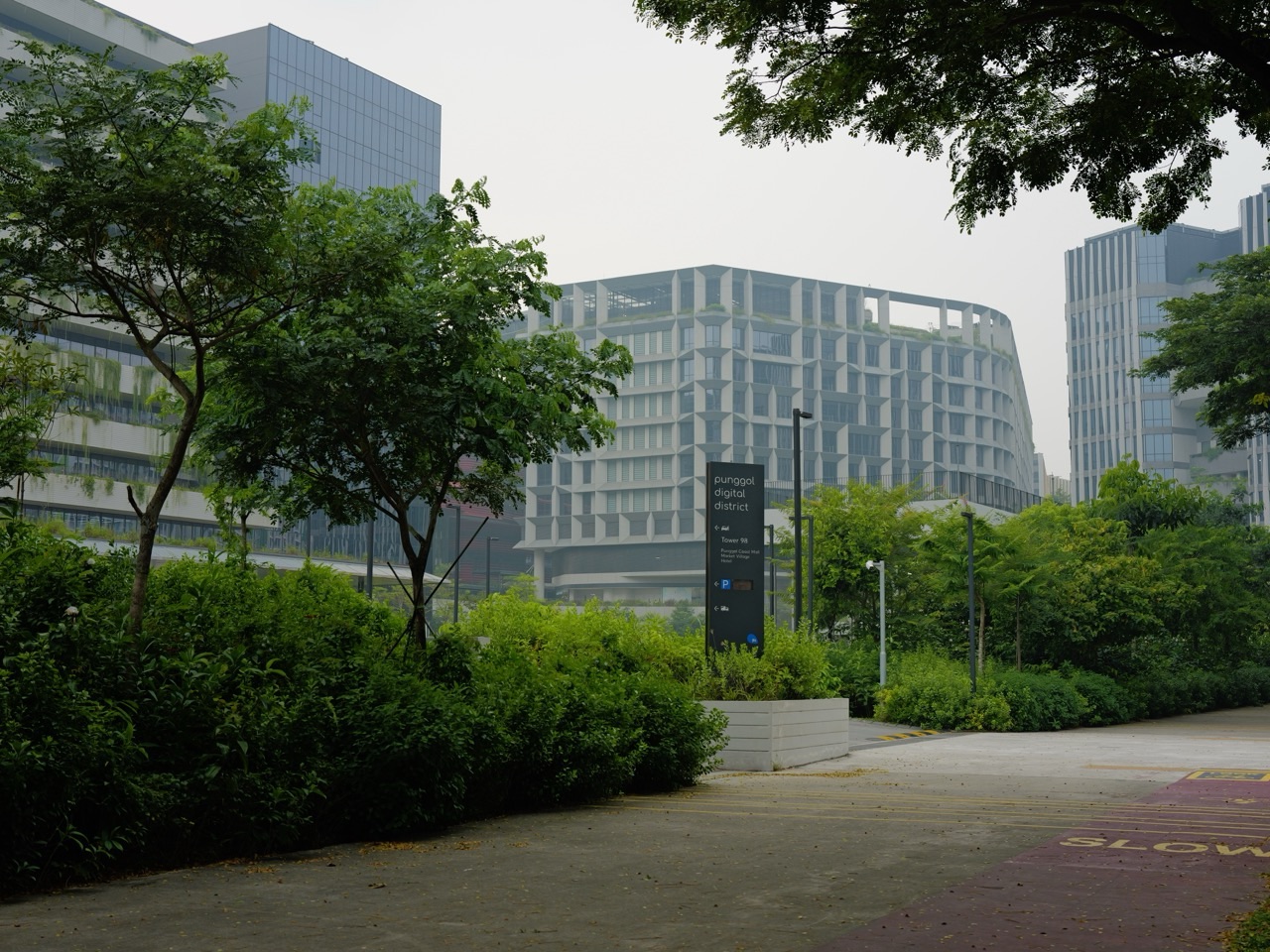
Punggol’s best activities for art lovers begin with the 132-metre Our Punggol Story mural in Punggol Digital District, then continue with accessible literature, visual storytelling and creative walks in Punggol Regional Library, along the Waterway and on the opened Punggol Heritage Trail. You do not need to buy gallery tickets to find meaningful art here. This guide ranks ten specific experiences, explains exactly what each is, and distinguishes permanent public works from programmes that took place on particular dates.
The top ten are a mural interpretation walk, the Shaping Hearts audio-trail story, an inclusive-art artist study, the interactive The Lens of Literature, the time-specific Words That Move poetry room, a historical exhibition design study at Singaporium, a sketching session of Punggol bridges, an open heritage-trail landscape drawing, a Punggol Digital District architecture photography challenge, and a quiet nature-pattern drawing beside the waterway. They work for solo visitors, students, couples and families, but each requires a different amount of time and preparation.
The 2026 Shaping Hearts festival’s advertised programme weekends were 12–13, 19–20 and 26–27 September, with a major launch on 13 September. In October 2026, those September workshops cannot be advertised as still taking place. The permanent mural is a separate object; the 12-stop audio trail was associated with the event and any remaining physical QR access should be checked on site. Similarly, Punggol Stories is a permanent NLB exhibition, but its sections have distinct opening hours.
Use one area rather than racing around the town. Punggol Coast MRT serves the mural, Digital District and public heritage route. Punggol MRT leads toward One Punggol’s regional library and the central waterway. Begin with the quick table, choose the art form you want to experience, then use the worked activity and access notes. The strongest art day is one in which you notice something clearly, rather than collect ten photographs.
At a glance: ten art activities you can really plan
- 1. Read the full 132-metre Our Punggol Story mural as a timeline — Punggol Digital District Community Promenade, near Punggol Coast Hawker Centre.
- 2. Explore the Shaping Hearts 2026 twelve-stop audio-trail story — Festival audio-trail locations around Punggol Digital District; check whether QR displays remain.
- 3. Learn from the inclusive artists behind Shaping Hearts rather than just the event photographs — Official Shaping Hearts artist stories online; optional permanent mural visit at Punggol Coast.
- 4. Make a poem at The Lens of Literature — Level 3 Sing Lit area, Punggol Regional Library at One Punggol.
- 5. Experience Words That Move when its Level 1 session is running — Stories Come Alive Room, Level 1, Punggol Regional Library.
- 6. Study exhibition storytelling at Singaporium’s Punggol Stories — Singaporium, Level 4 of Punggol Regional Library.
- 7. Sketch two different Punggol Waterway bridges — Public viewpoints at Jewel Bridge, Kelong Bridge or another available Waterway Park crossing.
- 8. Draw the relationship between old and new on Punggol Heritage Trail — Publicly opened heritage-trail section between Punggol North Avenue and Campus Boulevard.
- 9. Make a ten-frame urban design photo essay around Punggol Coast — Publicly accessible Punggol Digital District streets, promenade and mall approaches.
- 10. Create a botanical pattern sketch along a safe Waterway Park section — Accessible public park paths near Nature Cove, Green Gallery or the therapeutic garden.
The ten activities cover different creative tasks—viewing art, interpreting an artist’s perspective, reading interactive poetry, exhibition design, observational drawing, photography and self-directed composition. Some share a district or library, but they are not ten claim-to-fame ticket counters. Choose the art form you actually want to explore.
How this guide separates permanent art from dated programmes
In a rapidly growing town, promotional pages may remain searchable after their dates pass. The permanent Punggol Digital District mural, the Punggol Stories exhibition and Waterway Park’s bridges provide relatively stable physical starting points. Shaping Hearts’ September 2026 festival programme was time-limited, and its workshop photographs do not constitute an October booking calendar. The official audio trail exists in the event record, but any present-day QR access must be checked.
An art lover can still have a rewarding outing when an event has ended. Use the documented artist statements online, make an original sketch at a public viewpoint and talk about what the artist wanted to communicate. This distinguishes looking at an artwork from falsely advertising a vanished installation. It also helps readers plan within normal time and budget constraints.
A practical two-hour art day should stay in one cluster. Choose Punggol Coast for the mural, an architecture photo sequence and a short opened heritage route, or One Punggol for the library’s literature and history exhibits. The central Waterway Park is a third cluster for bridge and plant drawing. Switching between all three is possible with time but rarely improves the experience for somebody who mainly wants to create or think.
Bring only tools that suit the task: a small pencil sketchbook for drawing, a charged phone for photographs or a notebook for literature. No one needs a drone, professional camera or paid workshop to practise seeing. Read onsite rules, do not block public circulation and respect artwork and image copyrights. Making an original response to art is not a licence to reproduce the underlying work commercially without permission.
Ten detailed art experiences in Punggol
1. Read the full 132-metre Our Punggol Story mural as a timeline
Where: Punggol Digital District Community Promenade, near Punggol Coast Hawker Centre. What you need: curiosity, basic supplies if desired, and current access confirmation.
The verified attraction and why it matters
The North East CDC’s Shaping Hearts programme identifies the 132-metre mural, created with JTC, SIT and artists Simeon Tan Rui En and Ezra Chan Yi. It describes four eras, from kampung and fishing history through the waterway to a digital district. JTC records the mural as Singapore’s longest hand-painted mural, recognised by the Singapore Book of Records. This is a completed public artwork, not a promise of an ongoing festival.
How to do this activity
Start from Punggol Coast MRT and find the Community Promenade using the current JTC and Shaping Hearts map. View the artwork from legal public circulation space. Begin at one end and identify the transition between two historical eras. Choose three visual motifs—perhaps a boat, bridge and technology element—and ask why the artists put them in a shared landscape. Read the documented artist attribution rather than guessing from a style.
A worked Punggol example
Two friends disagree about where the old village ends and the futuristic district begins in the mural. Instead of rushing, they look at recurring water and greenery motifs and read the official description. They realise the work presents continuity as well as change. Their conversation becomes more interesting than treating the wall as a background for a single photograph.
What not to assume
Do not block the pedestrian promenade, lean equipment against the painted surface or publish close-ups with invented historical captions. Do not assume adjacent campus, workplaces or construction entrances are public. A mural view does not grant permission to enter a building. On crowded days, take details at a considerate distance.
An original creative result to take home
Make a four-panel personal sketch using one shape from each era. Caption each in plain language and credit the creators. You can share an original response to the work without reproducing the full copyrighted image as if it were your own art.
For an art-focused outing, quality depends on the observation made, not the number of stops completed. Pause long enough to explain one detail in your own words—its shape, colour, rhythm, historical relationship or effect on the viewer. If a companion has a different interpretation, compare the evidence in the work rather than demanding that one reading is correct. Art appreciation becomes more interesting when it stays both careful and conversational.
Check the official artwork, exhibition, park or authority page. A venue page can confirm location and programme background, but dated workshops, current access, entry capacity and temporary installations require a separate check for your visit. Where information is unclear, use a public alternative rather than entering a closed space.
2. Explore the Shaping Hearts 2026 twelve-stop audio-trail story
Where: Festival audio-trail locations around Punggol Digital District; check whether QR displays remain. What you need: curiosity, basic supplies if desired, and current access confirmation.
The verified attraction and why it matters
Shaping Hearts’ official 2026 programme describes a 12-stop audio trail through Punggol Digital District, including Campus Boulevard, the heritage trail bus stop, the mural and Nexus Atrium. Its festival weekends occurred in September 2026. The trail is a documented 2026 arts experience, but the continued operation of temporary signs and QR codes is not guaranteed in October. This distinction stops an old event itinerary being misrepresented as a permanent visitor service.
How to do this activity
First read the official programme and list of stops. At the district, check whether the signs remain and whether the link still functions. If not, study the artist narratives from the official programme online; do not hunt through a private or fenced space for missing signage. Focus on one artist’s perspective and one location you can access lawfully. Listening while standing clear of traffic and bicycle routes is more important than finishing all twelve.
A worked Punggol example
A visitor arrives expecting a full audio tour after the advertised festival. Some signage is no longer visible. They use the official online programme to learn the stated route, then walk to the permanent mural and record how an artist described the public artwork. The visit remains useful because its real goal was understanding an artist, not checking off twelve QR codes.
What not to assume
Do not present September performances or interactive installations as currently scheduled. Some festival programme pages remain online as archives. Audio may be copyrighted; share the official link rather than uploading recordings. Use earphones cautiously, keeping awareness of crossings and others using public spaces.
An original creative result to take home
Write a short audio-postcard script from one legal public viewpoint: thirty seconds of what you can see, fifteen seconds of a personally observed sound and fifteen seconds explaining what the original festival wanted visitors to notice. Mark it as your own reflection, not an official artist narration.
For an art-focused outing, quality depends on the observation made, not the number of stops completed. Pause long enough to explain one detail in your own words—its shape, colour, rhythm, historical relationship or effect on the viewer. If a companion has a different interpretation, compare the evidence in the work rather than demanding that one reading is correct. Art appreciation becomes more interesting when it stays both careful and conversational.
Check the official artwork, exhibition, park or authority page. A venue page can confirm location and programme background, but dated workshops, current access, entry capacity and temporary installations require a separate check for your visit. Where information is unclear, use a public alternative rather than entering a closed space.
3. Learn from the inclusive artists behind Shaping Hearts rather than just the event photographs
Where: Official Shaping Hearts artist stories online; optional permanent mural visit at Punggol Coast. What you need: curiosity, basic supplies if desired, and current access confirmation.
The verified attraction and why it matters
The Punggol mural was co-created with Shaping Hearts artists Simeon Tan Rui En and Ezra Chan Yi. The official Shaping Hearts artist profiles discuss their creative work, and the 2026 festival documented activities across Texture, Visual, Rhythm and Motion zones. The September event has its own dates; the continuing learning activity is to examine the artists’ actual work and viewpoints, using verified original attribution.
How to do this activity
Choose one featured artist and read the creator biography or artist statement rather than beginning with a disability label. Examine line, colour, composition and recurring subjects in the available work. Ask what the artist is expressing. If an artwork is available for purchase online, that is optional and not a condition of learning. Compare one documented motif with the public mural from a lawful viewing area.
A worked Punggol example
A school group sees a vivid painted figure and initially calls it ‘special-needs art’ without mentioning the artist. The teacher replaces the label with the creator’s name, work title and an observation about bold shape and narrative. The discussion becomes both more accurate and more respectful: inclusion is about recognising artists as artists.
What not to assume
Do not infer an artist’s specific capabilities or needs from an image. The festival’s past interactive stations do not imply ongoing workshops or walk-in studio access. Reproduce images only within applicable permissions, and use the creator’s original page for detailed examples. Avoid treating disability as a spectacle.
An original creative result to take home
Make an attribution card: artist, artwork title, materials if documented, three visual features and one open question. A careful description helps a novice learn to discuss art without making assumptions about the creator.
For an art-focused outing, quality depends on the observation made, not the number of stops completed. Pause long enough to explain one detail in your own words—its shape, colour, rhythm, historical relationship or effect on the viewer. If a companion has a different interpretation, compare the evidence in the work rather than demanding that one reading is correct. Art appreciation becomes more interesting when it stays both careful and conversational.
Check the official artwork, exhibition, park or authority page. A venue page can confirm location and programme background, but dated workshops, current access, entry capacity and temporary installations require a separate check for your visit. Where information is unclear, use a public alternative rather than entering a closed space.
4. Make a poem at The Lens of Literature
Where: Level 3 Sing Lit area, Punggol Regional Library at One Punggol. What you need: curiosity, basic supplies if desired, and current access confirmation.
The verified attraction and why it matters
NLB’s Punggol Stories permanent exhibition includes The Lens of Literature at Level 3. Its interactive table uses curated Singapore literature in English, Chinese, Malay and Tamil. NLB states that visitors can compose an original poem and take a digital souvenir. The exhibition’s listed public window is 10am–9pm, subject to current operation, which differs from the Level 1 Words That Move feature.
How to do this activity
Arrive via One Punggol and find the Level 3 exhibit. Read a short literary excerpt slowly, noting an image or phrase about kampungs, urban changes or imagined futures. If the interactive table is working, create a poem using the offered interface and follow its instructions. If the interface is busy or unavailable, use a notebook to create a short original three-line response without holding up the interactive station.
A worked Punggol example
A teenager compares one poem about remembering a kampung with the sight of modern Punggol outside. They write three lines connecting a sound, a remembered place and a new building. They do not copy the original poem. The result is a personal response, and the literary exhibit has served as a prompt rather than a task to rush through.
What not to assume
Permanent does not mean every interactive surface is working every minute. Confirm the specific exhibit’s operation with NLB and follow library noise rules. Literary excerpts remain copyrighted works; quote sparingly and link to the source if publicly posting. An interactive souvenir feature may have different data-sharing terms.
An original creative result to take home
Use three observations to generate one haiku-inspired draft, then revise so that each line points to something a person can imagine clearly. The aim is precision and imagery, not proving that a particular poem form was mastered.
For an art-focused outing, quality depends on the observation made, not the number of stops completed. Pause long enough to explain one detail in your own words—its shape, colour, rhythm, historical relationship or effect on the viewer. If a companion has a different interpretation, compare the evidence in the work rather than demanding that one reading is correct. Art appreciation becomes more interesting when it stays both careful and conversational.
Check the official artwork, exhibition, park or authority page. A venue page can confirm location and programme background, but dated workshops, current access, entry capacity and temporary installations require a separate check for your visit. Where information is unclear, use a public alternative rather than entering a closed space.
5. Experience Words That Move when its Level 1 session is running
Where: Stories Come Alive Room, Level 1, Punggol Regional Library. What you need: curiosity, basic supplies if desired, and current access confirmation.
The verified attraction and why it matters
NLB describes Words That Move as an interactive visual-poetry experience using animation, light and sound in four languages. The current exhibition page lists a specific 5pm–7pm opening window for this component rather than the 10am–9pm time of the broader Punggol Stories trail. Featured works include writings by Ronald JJ Wong, Liang Wern Fook, Norisah A Bakar and Amiroudine. Its artistic medium combines literature and projection.
How to do this activity
Check the current NLB listing and visit during the component’s own window. Look for the way projected words transform when touched or animated. Focus on one poem and ask which element of its meaning becomes clearer through motion or sound. If the room is unavailable, use the related Level 3 literature experience during its opening hours instead; do not demand staff activate a restricted installation.
A worked Punggol example
A parent and student look at words that appear to move across the wall. They compare the feeling of reading the text silently with seeing animation and hearing audio. The student describes how movement changes rhythm, while the parent notes one word that becomes more memorable. They leave with a specific interpretation instead of a vague report that the display was ‘cool’.
What not to assume
Sound and changing light may not suit every visitor’s sensory preferences. Respect room capacity, visitor rules and any photography restrictions. A room that exists in the library is not a promise of unlimited admission or an all-day show. Do not photograph other children without consent.
An original creative result to take home
Choose one short original sentence about Punggol and sketch how it might move on a screen. Label the speed, direction and sound you would choose, explaining how those decisions shape meaning. This is a simple introduction to motion graphics.
For an art-focused outing, quality depends on the observation made, not the number of stops completed. Pause long enough to explain one detail in your own words—its shape, colour, rhythm, historical relationship or effect on the viewer. If a companion has a different interpretation, compare the evidence in the work rather than demanding that one reading is correct. Art appreciation becomes more interesting when it stays both careful and conversational.
Check the official artwork, exhibition, park or authority page. A venue page can confirm location and programme background, but dated workshops, current access, entry capacity and temporary installations require a separate check for your visit. Where information is unclear, use a public alternative rather than entering a closed space.
6. Study exhibition storytelling at Singaporium’s Punggol Stories
Where: Singaporium, Level 4 of Punggol Regional Library. What you need: curiosity, basic supplies if desired, and current access confirmation.
The verified attraction and why it matters
NLB’s permanent Punggol Stories exhibition at Singaporium presents Punggol Pioneers, Seaside Solace, Farm to Fable and Winding Waterways, plus a Memory Map. This is a different creative exercise from the poetry installations: visitors can study how curators use objects, photographs, sequencing and short interpretive labels to tell a place’s history. The venue sits inside a library, so it is best approached as an exhibition, not an amusement ride.
How to do this activity
Begin at one section and look for the first thing that catches your attention: image, title, object or interactive feature. Read the source label before interpreting it. Move through the four named sections slowly and notice how the narrative moves from past environments to the present. Do not copy an entire exhibit panel; take brief notes or original pictures where allowed.
A worked Punggol example
An art student is assigned to design a small Punggol exhibition at school. At Singaporium they realise the curators did not start with a single chronological paragraph; instead they organised stories into comprehensible themes. They photograph permitted signage, note the flow and later create a four-panel display with original captions and properly attributed historical evidence.
What not to assume
Objects and surfaces may have no-touch rules. Some electronic features may be out of service; public opening does not guarantee complete functionality. Archive photographs are not automatically public-domain, and their captions require context. Avoid confusing memory contributions with independently verified chronology.
An original creative result to take home
Create a mock mini-exhibition using four original photos from your own neighbourhood and headings modelled on a clear narrative arc: beginnings, everyday life, change, future. Credit all external historic sources.
For an art-focused outing, quality depends on the observation made, not the number of stops completed. Pause long enough to explain one detail in your own words—its shape, colour, rhythm, historical relationship or effect on the viewer. If a companion has a different interpretation, compare the evidence in the work rather than demanding that one reading is correct. Art appreciation becomes more interesting when it stays both careful and conversational.
Check the official artwork, exhibition, park or authority page. A venue page can confirm location and programme background, but dated workshops, current access, entry capacity and temporary installations require a separate check for your visit. Where information is unclear, use a public alternative rather than entering a closed space.
7. Sketch two different Punggol Waterway bridges
Where: Public viewpoints at Jewel Bridge, Kelong Bridge or another available Waterway Park crossing. What you need: curiosity, basic supplies if desired, and current access confirmation.
The verified attraction and why it matters
NParks’ Punggol Waterway nature walk identifies Jewel, Wave, Sunrise and Kelong bridges as landscape landmarks. Their differing forms offer sketching subjects without a fee or formal class. Kelong Bridge intentionally references older offshore fishing structures, which makes it a creative link between design and history. The surrounding park is listed as open 24 hours, but a daytime drawing session is more practical for light and safety.
How to do this activity
Choose only one or two bridges you can reach without an exhausting route. Find a place off the walking and cycling flow. Use a small notebook and start by drawing the longest structural line; add railings and repeating patterns later. If the first drawing is rough, focus on proportional observation instead of erasing endlessly. At a second bridge, compare what makes the silhouette different.
A worked Punggol example
An adult who has not sketched since school begins with the curved outline of a bridge. The first drawing is imperfect, but the person discovers that looking carefully reveals repeated structural members and changes in shadow. The second sketch takes less time because they have learned to look for the dominant shape first.
What not to assume
Never occupy a cycling path with an easel or block public stairs. No railing is a seat or mounting point for artwork. Weather can damage materials, and heat can make stationary outdoor work uncomfortable. Waterway structures are not permission to wade, climb or fish; observe from public paths.
An original creative result to take home
Make two 60-second gesture sketches followed by a ten-minute detailed study. Caption both with the correct bridge name only if you have verified the location from NParks or signs. The exercise teaches observation rather than copying a phone photograph.
For an art-focused outing, quality depends on the observation made, not the number of stops completed. Pause long enough to explain one detail in your own words—its shape, colour, rhythm, historical relationship or effect on the viewer. If a companion has a different interpretation, compare the evidence in the work rather than demanding that one reading is correct. Art appreciation becomes more interesting when it stays both careful and conversational.
Check the official artwork, exhibition, park or authority page. A venue page can confirm location and programme background, but dated workshops, current access, entry capacity and temporary installations require a separate check for your visit. Where information is unclear, use a public alternative rather than entering a closed space.
8. Draw the relationship between old and new on Punggol Heritage Trail
Where: Publicly opened heritage-trail section between Punggol North Avenue and Campus Boulevard. What you need: curiosity, basic supplies if desired, and current access confirmation.
The verified attraction and why it matters
NParks and JTC identify the first 400 metres of the Punggol Heritage Trail’s main alignment as opened, preserving undulating aspects of Old Punggol Road and incorporating historical interpretation. The longer trail is being developed in stages. Artists can use this landscape to contrast older landforms and vegetation with new digital-district structures, but cannot treat planned sections or construction zones as an open drawing route.
How to do this activity
Arrive at Punggol Coast MRT, confirm current access and find a lawful public viewpoint where the terrain and a contemporary structure can both be seen. Sketch the slope and tree lines before adding buildings. Read the interpretive signs for historical context. If a viewpoint is unavailable because of work, choose another open section rather than standing inside a fenced area.
A worked Punggol example
Two students sketch the same scene. One draws only the new campus façade; the other makes the vegetation and older road alignment dominant. They compare composition and realise that a drawing expresses a point of view. Their factual captions distinguish what was retained from what was planted anew.
What not to assume
Historic-seeming trees are not necessarily original, and a designed heritage landscape is not an untouched archaeological site. Do not guess dates from appearance. Current trail signage outranks 2025 opening diagrams when work changes. Campus premises and offices have separate access rules.
An original creative result to take home
Create a two-colour drawing: one colour for documented retained features and one for visibly new built form. Add a short evidence note under the image, explicitly identifying uncertainty rather than giving every tree a fabricated age.
For an art-focused outing, quality depends on the observation made, not the number of stops completed. Pause long enough to explain one detail in your own words—its shape, colour, rhythm, historical relationship or effect on the viewer. If a companion has a different interpretation, compare the evidence in the work rather than demanding that one reading is correct. Art appreciation becomes more interesting when it stays both careful and conversational.
Check the official artwork, exhibition, park or authority page. A venue page can confirm location and programme background, but dated workshops, current access, entry capacity and temporary installations require a separate check for your visit. Where information is unclear, use a public alternative rather than entering a closed space.
9. Make a ten-frame urban design photo essay around Punggol Coast
Where: Publicly accessible Punggol Digital District streets, promenade and mall approaches. What you need: curiosity, basic supplies if desired, and current access confirmation.
The verified attraction and why it matters
JTC describes Punggol Digital District as a community-oriented mixed-use precinct with public amenities, heritage routes and inclusive art. Its architecture creates visually contrasting spaces, but not every university entrance or office area is open to tourists. A photography walk can remain completely in public circulation spaces while documenting shade, materials, wayfinding, texture and the meeting of new buildings with landscape.
How to do this activity
Choose one public loop from Punggol Coast MRT and plan a ten-frame essay: arrival, sign, building line, shade, movement, mural detail, plant, seat, water/sky and exit. Make each shot from a permitted position without obstructing others. Use the same focal length where possible so the sequence feels coherent. Add factual locations and a date to captions rather than inventing an architect’s intention.
A worked Punggol example
A visitor takes ten random photographs and notices they do not explain where the district is or how people use it. They reorder them from arrival to departure and replace two repetitive façade shots with a public bench and a sheltered crossing. The sequence becomes an informative visual story instead of a pile of pretty building pictures.
What not to assume
Avoid photographing people in ways that invade privacy, especially around educational facilities. Construction and private areas remain off-limits. A destination’s marketing statement about an open district is not proof of access to a roof, laboratory or classroom. Do not fly drones without appropriate authorisation.
An original creative result to take home
Write a fifty-word opening caption that tells the reader what kind of place the district is; follow with ten captions of no more than fifteen words each. The restraint strengthens storytelling and search retrieval without keyword-stuffing.
For an art-focused outing, quality depends on the observation made, not the number of stops completed. Pause long enough to explain one detail in your own words—its shape, colour, rhythm, historical relationship or effect on the viewer. If a companion has a different interpretation, compare the evidence in the work rather than demanding that one reading is correct. Art appreciation becomes more interesting when it stays both careful and conversational.
Check the official artwork, exhibition, park or authority page. A venue page can confirm location and programme background, but dated workshops, current access, entry capacity and temporary installations require a separate check for your visit. Where information is unclear, use a public alternative rather than entering a closed space.
10. Create a botanical pattern sketch along a safe Waterway Park section
Where: Accessible public park paths near Nature Cove, Green Gallery or the therapeutic garden. What you need: curiosity, basic supplies if desired, and current access confirmation.
The verified attraction and why it matters
NParks describes four themed Waterway Park zones and identifies aquatic plants such as Red Thalia, Bulrush and Swamp Cabbage. Its therapeutic garden near Carpark A is another documented green space, launched in May 2020. Plant forms provide artistic subjects without collecting any specimens. Different textures and outlines can be recorded as original drawings from public paths.
How to do this activity
Choose one short section and look for three contrasting shapes: a broad leaf, a vertical reed or stalk, and a clustered texture. Do not step off the path to reach a specific plant. Draw the silhouettes first, then add tone and pattern. If attempting botanical identification, use NParks’ official descriptions or a credible field guide instead of guessing a label from colour alone.
A worked Punggol example
A student wants to draw plants but has only a pencil. They sketch a reed-like silhouette and a broader aquatic leaf from a safe railing position, then annotate where light falls. Back home they compare the shapes with NParks species descriptions and mark uncertain identifications accordingly. The art remains original even without scientific certainty.
What not to assume
Do not pick leaves, remove flowers or take soil for an art project. A therapeutic garden’s communal planter does not authorise harvesting or rearranging public plants. Wetland edges and reservoir banks are not safe shortcuts. Watch weather and insects, and avoid prolonged stationary work in uncomfortable heat.
An original creative result to take home
Make a small visual alphabet based on the shapes seen: one line type for water plants, another for tall grasses and a third for tree branches. It is a graphic design exercise with a genuine Punggol environmental reference.
For an art-focused outing, quality depends on the observation made, not the number of stops completed. Pause long enough to explain one detail in your own words—its shape, colour, rhythm, historical relationship or effect on the viewer. If a companion has a different interpretation, compare the evidence in the work rather than demanding that one reading is correct. Art appreciation becomes more interesting when it stays both careful and conversational.
Check the official artwork, exhibition, park or authority page. A venue page can confirm location and programme background, but dated workshops, current access, entry capacity and temporary installations require a separate check for your visit. Where information is unclear, use a public alternative rather than entering a closed space.
Three routes for a creative half-day
Punggol Coast: one mural, one public landscape
Arrive at Punggol Coast MRT, locate the completed Our Punggol Story mural and spend thirty minutes studying its historical motifs. If the relevant audio-trail QR markers remain and work, listen at one or two safely accessible public locations; otherwise rely on the official online stories. Finish with a short public architecture or heritage landscape sketch in the same district, keeping private campus and construction zones out of the itinerary.
One Punggol: interactive literature and exhibition design
At Punggol Regional Library, start with The Lens of Literature on Level 3, then visit Punggol Stories at Singaporium on Level 4 during its stated opening period. If you are there between 5pm and 7pm and its programme is operating, add Words That Move on Level 1. The order should be adjusted to actual hours and room access. Make a short written or digital poem rather than collecting photographs of every panel.
Waterway Park: free drawing outdoors
Choose a comfortable daylight park entrance and take two sketches: first a bridge silhouette, then a plant or water reflection from a safe public position. Keep materials simple and a return point clear. If lightning, heat or haze makes outdoor work unsuitable, postpone or switch to looking at the official NParks nature walk descriptions and doing a studio-style sketch from your own earlier photographs.
A seven-question art interpretation system
- Who created this work, and where are their names documented?
- Is the work permanent, temporarily exhibited or simply documented from a past event?
- What is the medium: painting, literature, projection, photography or landscape design?
- Which two formal details do you actually see, rather than infer?
- Which historical or community claim has an authoritative source?
- Where can you lawfully stand without blocking or entering restricted space?
- What small original response—sketch, poem or caption—will help you remember it?
This system is deliberately reusable. A public mural and a library poem seem very different, but both involve creator attribution, medium, interpretation, visitor behaviour and a decision about sharing the result. It prevents a common problem in online art guides: mixing verified art facts with invented quotes, assumed opening dates and photographs of temporary installations presented as though they are permanent.
Common mistakes for Punggol art visitors
Do not call the September Shaping Hearts 2026 workshops an October event without a new organiser announcement. A retrospective page can remain online indefinitely. Likewise, a twelve-stop festival audio trail may retain its webpage after physical signs are removed. Read the dates and distinguish an archive from current admission.
Do not treat the 132-metre mural as anonymous community decoration. Official material names its artists and contributors. Good attribution is part of reading art respectfully. When discussing an artist with a disability, focus on their choices and actual work rather than inventing a medical backstory or presenting disability as the artwork’s defining spectacle.
Do not assume a library’s general opening hours apply to every interactive component. Punggol Stories lists the broader exhibition and Levels 3–4 from 10am to 9pm, while Words That Move is listed from 5pm to 7pm. Build the itinerary around the component you actually intend to visit.
Do not stand on a bridge or busy route with equipment that blocks pedestrians or cyclists. Punggol’s waterside paths are shared public infrastructure. A beautiful light angle does not excuse leaning past rails, entering the canal or forcing pedestrians to squeeze around a tripod.
Do not present a visual comparison as proven history without checking it. A newly planted area may resemble an old kampung landscape, but appearance is not evidence of age. NParks and JTC distinguish retained Old Punggol Road features from newly built heritage routes. A truthful caption is better than a romantic invention.
Frequently asked questions
What is the most distinctive public artwork in Punggol?
Our Punggol Story is a 132-metre hand-painted mural at Punggol Digital District’s Community Promenade, documented by JTC and the North East CDC. It is a strong first stop for art lovers near Punggol Coast MRT.
Is Shaping Hearts 2026 still running in October?
The official Punggol festival programme highlights weekends of 12–13, 19–20 and 26–27 September 2026. Do not assume those festival workshops are ongoing in October. View the permanent mural or check for separately advertised later events.
Can I still use the Shaping Hearts 12-stop audio trail?
The official 2026 page documents the trail, but temporary QR signage and access may have changed after the festival. Check the venue; if signs are missing, use the available official programme information rather than entering restricted areas.
Where is The Lens of Literature?
Level 3 Sing Lit area of Punggol Regional Library at One Punggol. The permanent Punggol Stories listing describes an interactive literature table and a possible digital poetry souvenir.
What time is Words That Move?
NLB lists the Level 1 Stories Come Alive Room poetry installation from 5pm to 7pm, distinct from the wider exhibition’s 10am–9pm window. Verify current operation before travelling.
Can I photograph murals and park bridges?
Ordinary lawful public-view photography is usually straightforward, but avoid obstructing others, trespassing or photographing people intrusively. Respect any posted venue restrictions and copyright when sharing images.
Is the Punggol Heritage Trail completely open?
The official JTC community page currently identifies the first 400 metres as open. Further stages are planned, and access should be checked on site. A future trail plan is not permission to enter works areas.
Can I attend a drop-in art workshop at Punggol Coast?
Do not assume a 2026 festival workshop remains available after September. Check newly announced programmes, registration, age conditions and fees with the actual organiser.
Is Punggol Regional Library suitable for children interested in art?
The library has age-appropriate collections and the Punggol Stories exhibition, but interactive rooms and maker sessions have their own use rules. Choose the actual programme by age and ability.
Are there free activities for art lovers?
Public mural viewing, a lawful park sketching session, general library browsing and public architectural observation are generally not ticketed. Transport, supplies and booked workshops may cost money.
How do I credit the mural’s creators?
Use the official credits: artists Simeon Tan Rui En and Ezra Chan Yi were part of a broader collaborative work with JTC, SIT, Tell Your Children Studios and many community contributors. Follow the official description when giving full credit.
How can I make one outing feel substantial?
Pick one artwork, learn the creator and context, spend time observing formal details, then make a small original response. A complete experience does not require visiting every mural, museum or library floor.
Official sources and connected local guides
Sources include the North East CDC’s Shaping Hearts pages, JTC, NLB and NParks. Details are current to October 2026 where dated official material is available. Before travelling, verify live room opening, physical trail access and any newly scheduled programming. Existing eduKatePunggol guides below provide deeper information for individual interests.
- Shaping Hearts Our Punggol Story mural
- Shaping Hearts 2026 retrospective and audio trail
- JTC mural creation and contributors
- NLB Punggol Stories exhibit and timings
- NParks Waterway Park nature walk
- NParks 2025 Heritage Trail opening
- JTC district and current public amenities
- Punggol artistic urban sketching companion
- Punggol public-art guide
- Top 10 things in Punggol for photography lovers
What to do next
Choose just one art question. If you want inclusive public art, start at the 132-metre mural. If you want language and moving images, try Punggol Stories and its interactive literature components. If you want to make art yourself, take a notebook to an accessible waterway viewpoint. Leave with one original, accurately captioned response. That is a better art outing than a checklist of ten rushed photographs.


