
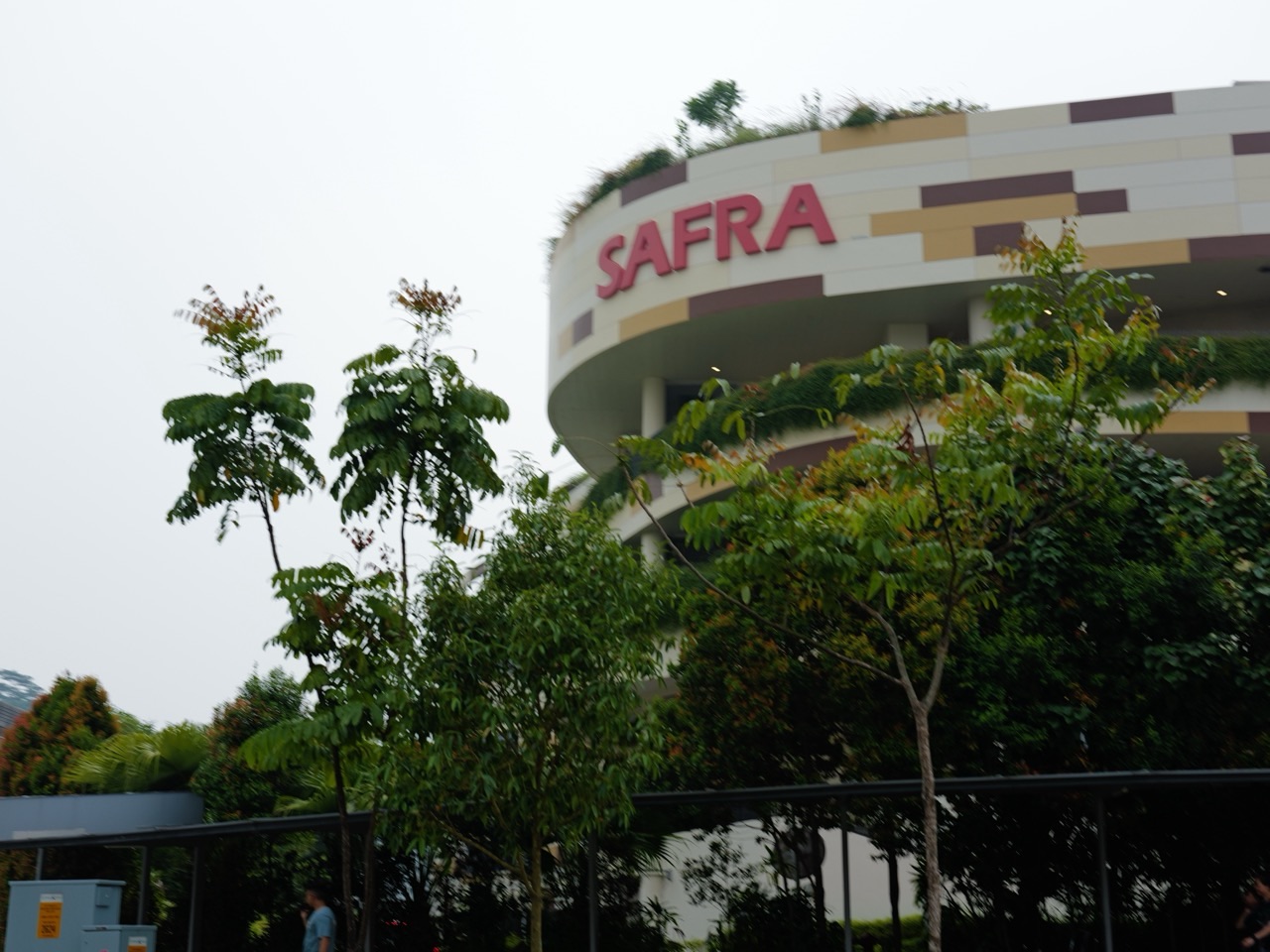
Where can a three- to twelve-year-old begin gymnastics in Punggol? BazGym Gymnastics School at SAFRA Punggol, 9 Sentul Crescent #04-01, offers movement-focused classes for preschool and primary-school-age children, including programmes serving students with additional needs. Start by telling the school your child’s age, prior experience, confidence and relevant support requirements, then ask which actual class and coach would be appropriate. A beginner does not need to know how to do a handstand or somersault before attending. Safety, appropriate progression and enjoyment should come before impressive tricks.
This Children’s Gymnastics in Punggol 2026 guide explains what a first class may involve, how gymnastics builds movement foundations, what parents should ask about coaches and equipment, the difference between recreational classes and competition programmes, SAFRA membership terms, a July 2026 trial promotion that has already expired, injury awareness, special-needs inclusion and school-week logistics. The separate BazGym SAFRA Punggol venue guide supplies short contact and hours information. Here the purpose is to help parents decide whether a class fits the child.
BazGym SAFRA Punggol: the quick answers parents need
| Question | What is grounded | Check directly |
|---|---|---|
| Where? | SAFRA Punggol #04-01, 9 Sentul Crescent, Singapore 828654. | The actual class entrance and reporting time. |
| Who? | BazGym Gymnastics School, with SAFRA-listed programmes for preschoolers, primary children and students with special needs. | Specific age grouping, support and suitability. |
| What ages? | A July 2026 promotion specified ages three to twelve for eligible trial classes. | Current regular programmes have their own age limits. |
| Operating hours | Weekdays 10am–7pm; Saturday 9am–5pm; Sunday 10am–5pm. | These are venue/office hours, not confirmation of any class slot. |
| Is a free trial currently offered? | SAFRA’s specific free-trial offer ran 1–31 July 2026. | Do not assume it continues in October. |
| SAFRA benefit | SAFRA lists 4% off school fees for members/affiliates, subject to terms. | Ask about eligibility and stacking with promotions. |
| Should a beginner perform flips? | No unsupervised flips or handstands should be expected of every newcomer. | Qualified coaches decide skills and apparatus access. |
| Does the school teach special-needs pupils? | SAFRA describes such programmes. | Actual adaptations, staffing and fit must be discussed. |
| Does every class lead to competition? | No assumption of a competition pathway for ordinary movement classes. | Ask about recreational versus competitive objectives. |
| Is a personal leotard compulsory? | The provider sets attire and equipment rules. | Do not purchase a uniform before getting current instructions. |
| What about health concerns? | Skill demands can affect wrists, ankles, shoulders and balance. | Seek suitable individual advice before participation. |
1. Gymnastics for children is about learning to move, not copying Olympic routines
A young child may watch gymnasts perform flips on television and believe that gymnastics means doing the same on their first day. The real beginner foundation is simpler: learning where the body is in space, controlling landings, understanding balance, moving safely and paying attention to coaching instructions. Competitive artistic gymnastics is only one part of the wider discipline, and recreational movement can be valuable without a medal or advanced stunt.
SportSG’s introduction to gymnastics explains different disciplines, including artistic, rhythmic and aerobic gymnastics. Its general movement guidance identifies fundamental skills as the basis for later techniques. That is an important distinction for Punggol parents: a preschooler attending a movement class may be developing coordination and confidence rather than training for a professional sporting career.
The best beginner outcome may be a child who feels comfortable exploring a supervised movement station, listens when the instructor asks them to stop and gradually learns to balance. Another may discover they prefer swimming, dancing or football. The family does not lose anything when a trial helps identify genuine interests. A strong children’s activity habit should support enjoyment rather than require early specialisation.
For active family life, the class is one possible choice among safe playground play, neighbourhood walking and school PE. No single paid course is required for a child to enjoy movement and improve basic skills. The Active Play in Punggol for Primary School Children guide discusses activity across the whole week rather than one specialist lesson.
2. The verified BazGym venue inside SAFRA Punggol
SAFRA’s BazGym facility page identifies its Punggol location as 9 Sentul Crescent, #04-01. It describes BazGym as founded in 2003 by gymnastics enthusiasts and former national gymnasts, serving preschool children, primary pupils and students with special needs. The page lists weekdays from 10am to 7pm, Saturday from 9am to 5pm and Sunday from 10am to 5pm as the branch’s general operating hours.
Operating hours are not a class timetable. A parent who sees Sunday 10am–5pm should not assume a beginner class for four-year-olds starts every hour. Programmes vary by age, term, class size, coach and enrolment. Contact the actual BazGym branch and obtain the confirmed class date before travelling. The facility is at SAFRA Punggol; it is not the same address as Punggol Golf Driving Range, Punggol Regional Sports Centre or the Sengkang public sport hall.
SAFRA provides the branch contact number 6386 0322 and email administrator@bazgym.com, while an expired 2026 trial promotion also lists a mobile enquiry route. Because contact methods may change, the current SAFRA facility page is a stronger reference than an old promotional poster. Ask the branch which channel handles trial enquiries and new-student registrations.
Some families live close to Sam Kee LRT or Punggol MRT, while others may have longer travel from Matilda, Oasis or Northshore. A class that starts promptly may require arriving early enough to change and complete check-in. For a child anxious about new places, that calm arrival can make the first experience more comfortable. Public transport and carpark conditions should be checked for the specific day.
3. The July 2026 free trial has expired—don’t advertise it as available
SAFRA’s free trial promotion offered an eligible trial for new students aged three to twelve between 1 and 31 July 2026, for SAFRA members and 11B cardholders meeting its terms. The promotion was described as worth S$65 and limited to one free trial per child per lifetime. That is evidence of a previously offered programme and its conditions, not a currently valid October 2026 offer.
A parent searching “free BazGym trial Punggol” may still encounter the old promotion online. The correct action in October is to enquire whether another current introductory class or a paid trial exists, and what it costs. Do not arrive with a July screenshot expecting a free session. A search result remains visible long after its booking dates have expired, which makes dated evidence essential.
The same distinction applies to holiday camps and regular terms. A previously advertised holiday programme does not guarantee a future term at the same cost or with the same instructor. If your child enjoyed a past trial, contact BazGym about the appropriate next class rather than automatically purchasing an advanced course.
4. The difference between preschool movement and primary gymnastics
| Learner group | Likely emphasis of suitable beginner teaching | What parents should ask |
|---|---|---|
| Young preschoolers | Age-appropriate play, basic coordination, balance and following safe instructions. | Does the class match the child’s developmental stage and confidence? |
| Older preschoolers | More structured movement, simple sequences and confidence with apparatus. | How does the teacher introduce new challenges? |
| Lower primary | Controlled foundational skills, body awareness, listening and group participation. | Is prior gym experience required? |
| Upper primary | Technique and movement progression appropriate to present ability. | Can an absolute beginner start without catching up on years of skill? |
| Child with additional needs | Individual adaptations, communication support and suitable movement participation. | What relevant experience and support arrangements exist? |
| Child seeking competition | More specialised training and commitment when appropriate. | Who assesses readiness, schedule and safeguarding? |
These categories are educational examples rather than a literal BazGym current timetable. The school has distinct programmes, and only its own staff can say which age and level are currently taught at what time. A class of five-year-old beginners should not be assumed identical to a competition group for twelve-year-olds. The difference is meaningful in skill complexity, confidence and the amount of adult support required.
A parent should also avoid assuming age alone determines what the child can perform. Two children aged seven can have very different coordination, sensory comfort, prior experience and enthusiasm. A good teacher observes the starting point and chooses appropriate tasks. For some learners, the first accomplishment is entering the room confidently; for others, it is beginning a supervised movement sequence.
5. Fundamental movement skills: why they matter beyond gymnastics
SportSG’s fundamental movement skills resources identifies movement foundations such as stability, locomotor skills and object-control activities. Gymnastics can provide structured opportunities for balance, landing, spatial awareness and controlled movement that may support participation in other sports and daily life. That does not mean gymnastics automatically makes a child better at every sport.
SportSG’s active-play article notes that preschool and primary years are an important period for fundamental movement development. It describes movement experiences as part of a child’s interaction with the environment. Parents should read this as a reason to provide varied suitable play, not as a guarantee that purchasing more enrichment hours directly raises examination marks or intelligence.
A younger child may need repeated exposure to simple skills: balancing for a moment, moving along a stable route, hopping when ready or learning to wait safely behind a marked area. These can be enjoyable and developmentally appropriate. The coach, not the parent filming from the doorway, should decide when more complex tumbling or apparatus work is safe.
Children also benefit from meaningful agency. They can enjoy movement without becoming competitive gymnasts. A child whose best memory is learning with friends and receiving gentle encouragement has gained something worthwhile even without mastering a handstand.
6. Why gymnastics safety requires qualified supervision
SportSG’s gymnastics injury and safety article notes the possibility of wrist sprains, ankle injuries, falls and stress on shoulders and other joints in more demanding gymnastics activities. Apparatus, tumbling and landing involve physical forces. A properly run beginner class should consider mats, equipment condition, student readiness, spotting and a clear safety procedure.
Never encourage a child to practise somersaults, neck-bearing positions or handstands against unsafe furniture at home simply because they have seen it on a video. Professional movement demonstrations may look easy after extensive training, but a beginner’s body control and judgement are different. The appropriate place for learning higher-risk gymnastics skills is a well-run, equipped environment under suitably qualified coaching.
Ask what the teacher does if a child becomes frightened, slips or says something hurts. A good class should allow the child to stop, receive assistance and try a safer alternative where appropriate. Staff should explain how apparatus is used and prevent children from entering another station without instruction. A child’s willingness to listen to a stop command is a real part of readiness.
A parent should not measure safety by the number of padded surfaces visible in a promotional photograph. The complete arrangement matters: supervision, clear floor, suitable group size, apparatus stability and properly staged movements. If something seems unsuitable or a child reports pain, ask questions before encouraging them to continue.
7. What the first class should clarify—without teaching flips online
| Topic | What a beginner may learn with coaching | What an adult should look for |
|---|---|---|
| Orientation | Where to enter, sit, line up and stop. | Clear routines and calm instruction. |
| Warm-up | Gentle suitable preparation for movement. | Not rushing into strenuous apparatus. |
| Balance | Body awareness and controlled supported movement. | Appropriate options for ability. |
| Coordination | Combining simple steps and positions. | Clarity and age suitability. |
| Landing | How to move in control with safe conditions. | Qualified instruction and safe surfaces. |
| Tumbling | Basic progressions when the instructor judges readiness. | No unsupervised complex skills. |
| Taking turns | Waiting safely while others use equipment. | Good supervision and space. |
| Feedback | Understanding one achievable next step. | Constructive teaching, not ridicule. |
| Closing routine | Finishing appropriately and sharing concerns. | A positive return to family care. |
The table is a parental observation guide, not a do-it-yourself routine. Gymnastics movements can involve the neck, wrists and back, and a written article cannot tell which roll, jump or inversion is appropriate for an individual child. The instructor should make the decision in person, using suitable equipment and safeguarding. Parents can support by asking about objectives rather than demanding a particular trick.
For a shy child, the first session may reasonably focus on familiarity with the environment. A confident child may try several introductory stations under supervision. Both can be genuine participation. A good programme does not require a child to perform for a camera or compete with a more experienced classmate on day one.
8. Recreational gymnastics versus competitive gymnastics
Recreational gymnastics is often chosen for enjoyment, movement variety and learning with peers. Competition-focused training may involve more frequent sessions, specific apparatus skills, greater physical demands and event rules. The two purposes can connect over time, but one does not automatically lead to the other. BazGym’s July trial promotion and SAFRA facility description highlight beginner and developmental participation, while the school’s wider programme offerings may include more advanced pathways.
If a child shows strong interest and asks about competition, the family can request an appropriate skills assessment and information about coaching qualifications, age category, training hours, school calendar and safeguarding. There is no need to rush that decision at the first lesson. Some children thrive in a competitive setting, while others enjoy varied recreational activities across the school years.
Parents should distinguish between a coach saying a child shows potential and a guarantee of selection for a team or medals. Competition requires skill development, health management and eligibility under the relevant organiser. No private provider can guarantee National Schools Games results or MOE admissions benefits from a casual introductory class.
9. SAFRA member benefits and a realistic price calculation
SAFRA’s current BazGym listing says members and affiliated members may receive 4% off school fees, along with priority enrolment and certain uniform, camp or referral benefits subject to terms. The same page mentions a S$70 referral fee to offset school fees under its conditions. These are published benefit categories, not a complete course price list and not a promise that every discount stacks automatically.
Here is an arithmetic example only: if a hypothetical course fee were S$300 and the student genuinely qualified for a 4% discount, the discount would be 0.04 × S$300 = S$12, making the hypothetical fee S$288 before any separate items. This is not BazGym’s quoted fee; the correct class price and actual eligibility must come from the provider. Do not deduct the referral credit too without checking whether all benefits can apply to the same payment.
A full family budget may also include a suitable uniform, transport, replacement or missed classes, holiday camps and the time of a supervising adult. Ask whether the term is paid in advance and what happens when the child is unwell or the centre closes. An affordable-looking per-lesson amount may be less useful if the class time regularly clashes with school or care obligations.
A parent should compare the cost of the class with what it provides: a suitable coach, safe equipment, appropriately paced learning, communication and a realistic schedule. The lowest headline fee is not necessarily the best value, and a premium class is not automatically superior. The Punggol Hobby Test Drive guide explains how to evaluate a new activity without buying a long commitment prematurely.
10. Uniforms, bare feet and equipment: don’t assume
Different gymnastics disciplines and providers have different attire rules. BazGym has published uniform arrangements for certain students and SAFRA member benefits, but a newcomer should ask whether a trial or first session requires a leotard, particular sportswear, bare feet or another clothing arrangement. Do not buy a full competition outfit or specialist equipment from an online retailer without current provider instructions.
Long hair, loose accessories, jewellery and clothes that snag can become hazards around apparatus. The instructor should explain what is suitable. A child might also need a water bottle, perhaps a small bag and a comfortable change of clothes. If the first class involves a lot of floor movement, ask about hygiene and facility arrangements without assuming all equipment can be brought from home.
Parents should not let a child attempt gym movements on a home bed, sofa or unstable table as a replacement for professional equipment. A padded-looking household surface is not equivalent to a safety mat under trained supervision. If a child wants movement at home, focus on age-appropriate ordinary play or a safe activity specifically advised by the teacher, rather than recreating complex tumbling.
11. Supporting children with special educational or mobility needs
SAFRA explicitly says BazGym caters to some students with special needs. That is a valuable inclusion signal but does not establish that every class is designed for every type of disability or behavioural, sensory and medical need. Ask the school what actual programmes, staffing and adaptations are available for the child. The family should be able to explain practical support requirements privately and understand how the instructor will respond.
Some children may need more time to enter a noisy room, understand a sequence or feel comfortable with physical contact during spotting. Others may require accessible entry, communication supports or a restricted set of movements. A suitable provider should discuss what is feasible and safe. A child with recurrent seizures, mobility restrictions or a recent injury may need clinical guidance as well as the teacher’s plan.
Inclusive teaching is not simply allowing a child to remain in the same room as others. It involves meaningful participation, appropriate equipment and respect for individual choices. A parent can ask about class size, one-to-one support when necessary, emergency arrangements and how progress is described. Success may involve confidence and enjoyment rather than completing the identical exercise as another student.
For the broader activity environment, see Accessible Exercise in Punggol. It is possible for a family to value gymnastics and still decide a different adapted activity is the right starting point. The child should not be pressured into unsuitable movements simply because the venue lists special-needs programmes.
12. A four-stage learning and parent-decision plan
| Stage | Parent’s question | A useful action | Good evidence |
|---|---|---|---|
| 1 — Verify | Is this the right current class? | Confirm age, timetable, coach, fee and any trial. | Clear real enrolment information. |
| 2 — Try | Does the child feel safe and willing? | Attend a suitable supervised introduction. | Understanding of the environment and positive participation. |
| 3 — Observe | Is the teaching helping movement skills? | Ask about age-appropriate skill and response to feedback. | Growing confidence and controlled ability. |
| 4 — Decide | Is the class sustainable in family life? | Review schedule, cost, sleep and enjoyment. | A child who wants to return without undue pressure. |
These are educational stages, not a four-week guarantee or an instruction to schedule four separate lessons. Some providers use term enrolment and others may offer a standalone trial under their current conditions. No specific number of visits proves a child is ready for a handstand or competitive path. Skill progression belongs to the qualified coach’s observation and the child’s response.
A parent may learn that the child enjoys the gym environment but dislikes group tumbling. That is a useful finding, not failure. Another child may love the class and seek a more regular programme. A well-chosen extracurricular activity should remain flexible enough to support both outcomes.
13. Gymnastics beside school, tuition, PE and CCA
A Primary 4 student may already have PE, enrichment, homework and family responsibilities. Adding a gymnastics term can be worthwhile if the child is interested and the week remains manageable. But more structured activity does not automatically mean better health or academic results. Sleep, meals, unstructured play and adequate recovery also matter.
Singapore’s youth physical-activity recommendations support varied movement across the week. Some gymnastics training can contribute strength, coordination and physical activity, but the intensity and duration depend on the actual class. School PE, outdoor play and other sports may already provide substantial opportunities. The Healthy Teenage Life in Punggol and Primary School Active Play pages help families assess the whole timetable.
A child can practise balance and movement at a beginner gym without being told that the activity is more important than school. The aim is a healthy relationship with learning and exercise. Competitive sport may become meaningful later when the child chooses it and appropriate coaching is available. A family should avoid making that choice on behalf of a child based only on an early talent claim.
14. What to look for when observing an introductory class
- Does the teacher greet newcomers and explain the room’s safety rules?
- Is the session suitable for the stated age and prior experience?
- Are waiting children supervised while another participant uses apparatus?
- Does the teacher use appropriate mats and controlled station access?
- Can the child ask for help without being embarrassed?
- Are movements adapted when the learner is uncertain or uncomfortable?
- Does the instructor correct behaviour that could cause collisions?
- Is progress measured through control and confidence rather than risky tricks?
- Are parents given clear communication about the child’s experience?
- Does the provider have appropriate safeguarding and emergency procedures?
- Are children allowed to take reasonable breaks?
- Does the class finish in time for the household’s normal meal and sleep routine?
It is tempting to judge a class by how impressive the final routine looks. For a first-time child, safer indicators are instruction quality, clear boundaries and positive participation. A coach who does not permit unsafe improvisation is doing an important job, even if a child would rather try a glamorous trick immediately.
15. Three worked Punggol family situations
A four-year-old who is excited but easily overwhelmed
The parent has seen gymnastics videos and assumes every class involves flips. They contact BazGym and ask for an age-appropriate introductory option. The child is nervous entering a new studio, so the parent plans a calm arrival. After the session, success is that the child understood the teacher and enjoyed some supervised movement. No one requires a complex skill or a posed photograph.
An eight-year-old who already plays football and swims
The child has a busy weekly activity schedule and wants to try gymnastics. The family reviews existing PE and sport commitments, then considers whether an added class leaves time for sleep and schoolwork. They ask the teacher whether gymnastics can be explored recreationally rather than immediately joining a competitive pathway. The family may choose a trial or a later term based on actual interest rather than accumulating activities.
A ten-year-old who needs adapted movement instruction
The family sees that SAFRA describes special-needs programmes and wants more detail. They explain the child’s mobility and communication needs to the school, ask about actual staffing, access and class content, and obtain individual medical advice where necessary. If BazGym has a suitable arrangement, they enrol based on those specifics; if not, they explore another provider. The label ‘inclusive’ must be backed by real support.
16. The school-holiday misconception: old promotions are not live availability
A search engine may show SAFRA’s free trial promotion prominently even though the July 2026 dates have passed. The page said the offer was for new students and eligible NSmen families, limited to one free trial per child and subject to availability. This is important historical context and a warning against a common mistake: a promotional page can remain online while its benefits are no longer valid.
A responsible parent should check the current provider rather than assume a September, October or December holiday trial repeats the July arrangement. The ordinary course may have an introductory charge or different eligibility, and spots can fill. The same standard applies to many classes around Punggol: distinguish a past advertised offer, a current listing and a confirmed registration.
If the class fee seems high, compare what you are buying and whether the child genuinely enjoys it. A trial can reduce uncertainty but only if the actual terms are acceptable. A family should never be pressured into a long package at the first visit without clear information about attendance, refunds and progression.
17. The difference between SAFRA Punggol and other gymnastics venues
SportSG also lists gymnastics facilities at Sengkang Sport Hall and Bishan Sport Hall in its national sport directory. Those are separate public sports venues and do not imply BazGym programmes are available there. The exact class, instructor and public booking depend on the operator. A family living in Punggol might compare options but should not copy an address or price from a different venue into its BazGym enquiry.
The SportSG gymnastics portal provides sport background and facility information. If a child wants to move from recreational training to advanced artistic or rhythmic gymnastics, the family should understand the specific discipline, coach qualifications and equipment needs rather than assume all gym centres teach identical apparatus routines.
This distinction also helps searchers find the correct venue. A class at SAFRA Jurong has different hours and contact details from SAFRA Punggol, and an old free-trial promotion may apply across both branches but be expired. Always check the Punggol branch’s actual #04-01 studio and current timetable.
18. Gymnastics as physical activity and social confidence
Gymnastics can involve strength, flexibility, balance, agility, coordination and controlled movement, as SportSG describes. Some children enjoy the social experience of working in a small class and watching peers learn. Others prefer team sports or outdoor free play. The activity’s health value depends on participation that is appropriate and sustainable rather than an assumption that every child must become a competitive gymnast.
A coach may also help a child practise listening and patience while waiting for a turn. These are worthwhile habits, but a tuition site should not advertise gymnastics as a guaranteed academic intervention. Physical movement, concentration and confidence interact in complex ways, and children respond differently. Keep sports, education and medical claims appropriately separate.
The wider eduKate Punggol ecosystem links lifestyle choices with school routines. Parents may be interested in Punggol CCAs and LEAPS 2.0 and Exam Week Sleep and Recovery. A private gymnastics class does not automatically earn school CCA points; actual MOE and school programme rules govern that.
19. Haze and rainy-day decisions for an indoor gym
A gymnastics studio is often inside a managed building, which can provide a useful option when outdoor play is uncomfortable because of rain. But an indoor venue is not immune to every environmental issue. During haze, actual ventilation and air-quality guidance matter; the family should follow official Singapore haze advice and the studio’s safety procedures rather than assuming air-conditioning removes all smoke particles.
Travel during thunderstorms can also be disrupted, and an individual child may be unwell or tired. Ask about missed-session policy and avoid forcing participation merely because a term has been paid. A child who is feverish, injured or experiencing breathing difficulty should not undertake tumbling activity for the sake of maintaining attendance. Seek appropriate professional care and discuss return-to-activity with relevant staff.
An indoor class may be a convenient part of Punggol life, but it remains one option among many. A rainy afternoon can also involve quiet home play, reading or suitable gentle movement without replicating dangerous gymnastics skills. The Punggol Rainy-Day Exercise guide covers safer family alternatives.
20. Common parent mistakes before a first gym class
- Assuming every class is for ages 3–12. Check the current actual course.
- Assuming the July 2026 free promotion is still live. It expired on 31 July.
- Confusing operating hours with class starts. Ask for a confirmed timetable.
- Expecting flips or handstands on day one. Safe basics and control come first.
- Buying a uniform before the school explains its rules. Avoid needless expense.
- Ignoring wrist or ankle pain. Stop and seek suitable assessment.
- Replicating coached tumbling at home on furniture. Unsafe practice is not progress.
- Comparing a young beginner with a competition gymnast. Different pathways.
- Assuming ‘special needs’ means every support is automatically available. Verify actual adaptations.
- Stacking member credits and referral offers without permission. Ask about eligibility.
- Filling every free afternoon with structured enrichment. Protect play and sleep.
- Expecting private gymnastics to guarantee school results. Keep education claims grounded.
21. Checklist to send BazGym before registering
- State your child’s age and whether they are a total beginner.
- Ask for the current SAFRA Punggol #04-01 timetable.
- Identify the proposed class level and what it teaches.
- Ask who coaches the class and what safeguarding arrangements apply.
- Confirm class size and how children wait safely at apparatus.
- Ask about relevant mobility, sensory or medical adaptations if needed.
- Request the current introductory class or trial price.
- Do not assume a past July 2026 free offer applies.
- Check current SAFRA membership discount and any referral conditions.
- Ask whether shoes, uniform or other equipment must be purchased.
- Verify total term fees, refund and missed-class policies.
- Confirm supervision and whether parents may observe appropriately.
- Plan arrival and return from the family’s actual Punggol precinct.
- Make sure the session fits meals, schoolwork, play and sleep.
- Ask how beginner progress is reported without undue pressure.
22. Frequently asked questions
Where is BazGym in Punggol?
SAFRA Punggol, 9 Sentul Crescent #04-01, Singapore 828654.
Is BazGym still listed by SAFRA?
Yes. SAFRA’s official amenities page lists the Punggol branch and its programmes.
What ages does BazGym teach?
SAFRA lists preschool and primary-level activities; a July trial promotion specified ages 3–12. Check current class-specific ages.
Is there a free trial right now?
The specific SAFRA free-trial offer was valid 1–31 July 2026 and has expired. Ask about any current offer.
What are the Punggol branch’s general operating hours?
SAFRA lists 10am–7pm weekdays, 9am–5pm Saturday and 10am–5pm Sunday.
Does that mean lessons occur every hour?
No. Operating hours are not a live class timetable.
Can a child who cannot do a handstand join?
A genuine beginner should not need advanced tumbling ability; ask the provider about appropriate entry.
Does gymnastics require professional supervision?
Complex tumbling and apparatus work need suitably qualified instruction and safe equipment.
Can the child practise flips on a sofa?
No. Do not substitute household furniture for supervised apparatus and matting.
Is gymnastics suitable for children with additional needs?
SAFRA describes programmes for some students with special needs; suitability and adaptations must be individually confirmed.
What SAFRA member discount is listed?
The current SAFRA listing describes a 4% reduction in school fees subject to eligibility.
What does the S$70 referral reference mean?
It is a conditional referral fee offset, not a guaranteed discount automatically added for every enrolment.
Do I need to buy gymnastics clothes first?
Follow the school’s actual attire and uniform rules rather than buying in advance.
Are gymnastics and trampolining the same?
No. Different disciplines, equipment and instruction require distinct programmes.
Will the child become a competitive gymnast?
Not automatically. Recreational and competitive pathways have different demands and criteria.
Can gymnastics replace playground play?
It may contribute movement, but varied unstructured play, school PE and sleep remain important.
What should I do if my child reports pain?
Stop the activity and seek appropriate healthcare advice, particularly for recurring or concerning symptoms.
Does a private class give MOE CCA points?
No automatic recognition; school and MOE rules govern actual CCA participation.
Can parents watch the first class?
Ask about BazGym’s supervision, observation and privacy arrangements.
What if the child becomes frightened?
The instructor should provide appropriate support and a safe alternative; never force risky movement.
How can I enquire?
Use SAFRA’s official BazGym amenity page for current phone and email details.
Connected Punggol lifestyle and learning guides
- Life in Punggol — Master Hub
- BazGym SAFRA Punggol — Venue, Hours and Contact
- Active Play for Primary School Children in Punggol
- Family Life in Punggol
- Kids’ Sports in Punggol
- Healthy Teenage Life in Punggol
- Accessible Exercise in Punggol
- Bowling for Beginners at Sonic Bowl Punggol
- Aqua Aerobics near Punggol
- Skipping Rope for Punggol Families
- eduKateSG — Punggol School CCAs
- eduKateSG — Exams, Sleep and Recovery
Official sources and review date
- SAFRA — BazGym Punggol, Programmes and Operating Hours
- SAFRA — Expired July 2026 Trial Promotion and Terms
- SportSG — Gymnastics Disciplines and Facilities
- SportSG — Types of Gymnastics
- SportSG — Movement Skills Background (Supervision Required)
- SportSG — Common Gymnastics Injuries and Safety
- SportSG — Fundamental Movement Skills
- SportSG — Active Play and Movement Foundations
- SportSG — School Holiday Activity Pathways
- Singapore — Haze Guidance
Reviewed 18 October 2026. This is general parent-facing gymnastics education and local programme information, not a confirmed class place, a do-it-yourself tumbling lesson, medical clearance or a guarantee of future sports or academic achievement. The July 2026 free trial has ended. Current fees, age levels, instructors, equipment, support and policies should be verified directly with BazGym.


