
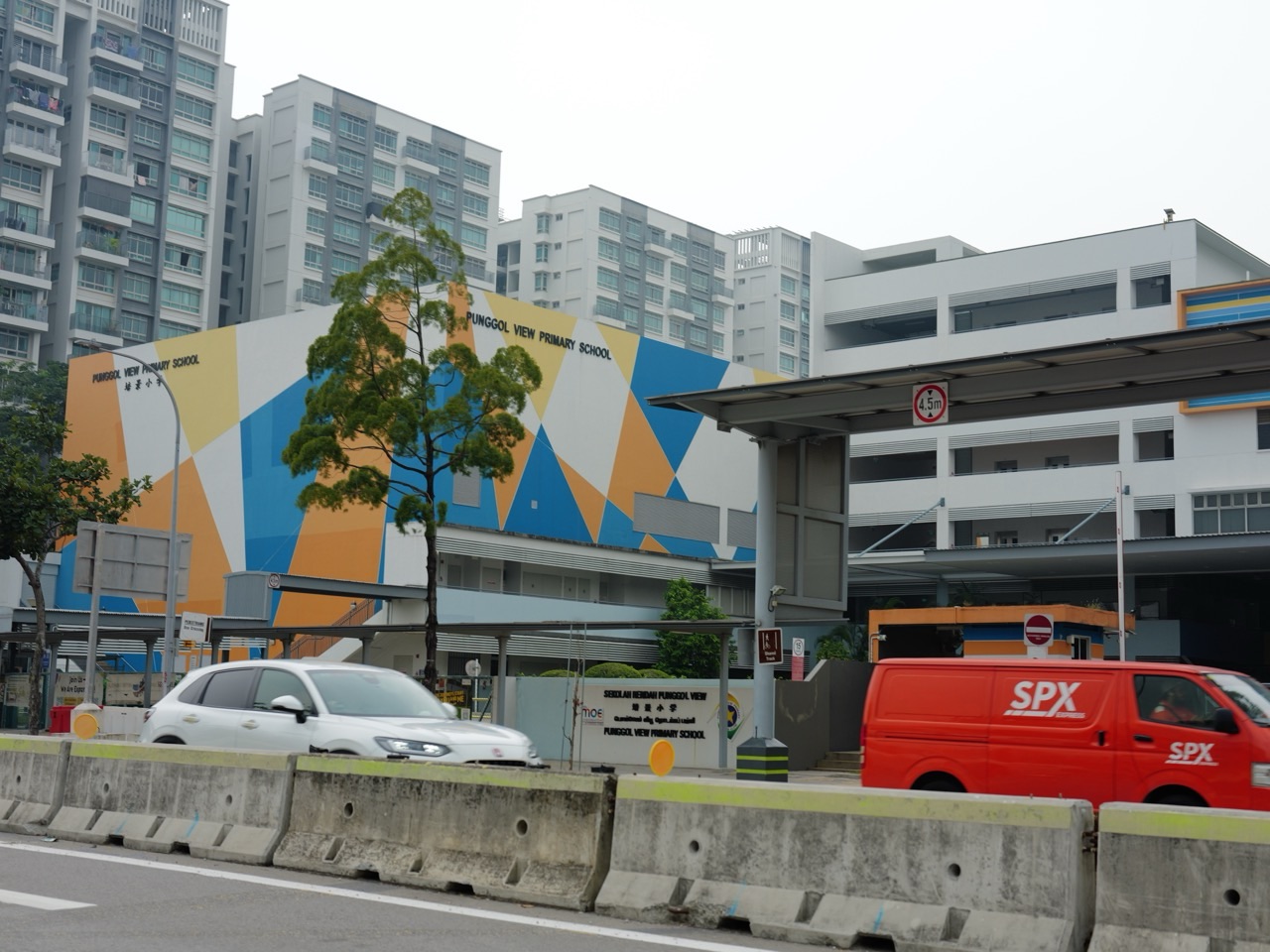
Should your child still attend student care in Punggol during haze? A change in outdoor air quality does not automatically mean that every student care centre closes. Check the latest NEA one-hour PM2.5 reading for immediate transfers, the forecast 24-hour PSI for the next day, MOH’s health advice, and—most importantly—the actual centre and school’s dated messages. Ask whether outdoor play is being reduced, whether children can remain in an appropriate indoor space, what happens if a child becomes unwell, and whether the pickup time or authorised handover has changed. Do not assume a school closing notice, a preschool rule and a student care operator’s notice are identical.
For working parents in Punggol, the difficult part is often the handover between school dismissal, after-school student care and the adult’s commute home. Student care centres supervise school-going children outside school hours; they are not the same as preschools for infants and younger children. This practical guide covers supervision, quiet play, homework, ventilation questions, medication, late pickups, short LRT transfers, family backup plans, and how to communicate clearly without circulating rumours.

Quick contents: Five questions to ask your Punggol student care operator first · Two air-quality clocks in a student’s afternoon · The morning handover still matters · Indoor air quality questions parents can reasonably ask · Student care during an examination week · What if a younger sibling is in preschool rather than student care? · Worked example: two siblings, one student care pickup · Student care works when children and parents know what happens next
Five questions to ask your Punggol student care operator first
Ask whether the centre is operating its usual hours, which outdoor activities are changing, which indoor areas children will use, how staff respond to respiratory symptoms, and whether pickup arrangements have altered. The answers should come directly from the centre’s current communication channel. A photograph of another centre’s closure notice is not enough. If you cannot reach the centre, use its published contact method rather than assuming a social-media comment is official.
Parents do not need to conduct an air-filtration audit each afternoon. They need confidence that the operator follows relevant current health advice, supervises children and has a method to contact caregivers. Explain any individual clinician-directed health needs through a private approved route. If no operational change is announced, do not automatically create one based on the colour of the sky.
A student care centre is not automatically a preschool
Singapore’s Ministry of Social and Family Development describes student care as care and supervision for school-going children outside school hours, including meals and homework supervision. Preschool and childcare arrangements fall under a different Early Childhood Development Agency framework. A Punggol parent might use both terms casually, but the applicable operational regulations and advice can differ. That distinction matters especially during a haze episode.
MSF’s Student Care Centre guidelines recommend familiarising staff with MOH, NEA and MSF health advisories and managing environmental conditions including haze. The February 2026 MSF parliamentary reply also explains that all school-based student care centres are registered with MSF, whereas community-based centres are required to register with MSF to administer the Student Care Fee Assistance scheme; the wider legal duties still apply. Do not claim every commercial student care centre is licensed as a preschool or has identical procedures.
School message, student care message or Parents Gateway?
A school may postpone outdoor PE, reschedule an excursion or send notices via Parents Gateway. A separately operated student care programme may communicate with families through a centre app, official email or telephone. An instruction about school lessons is not automatically a notice about after-school attendance and pickup. Verify which organisation sent the message, the date, the student group and the exact effective time.
A good household sends one neutral update to all adults who share pickup: ‘School lessons continue; student care has moved outdoor play indoors; authorised pickup adult is Grandma at 6pm; check the centre’s official number if plans change.’ Keep private student health details off open community chats. The Punggol Parents Gateway haze and pickup guide covers school messaging in greater detail.
Two air-quality clocks in a student’s afternoon
ECDA’s official answer for preschools describes a useful distinction: the 24-hour PSI forecast is for forward planning, while one-hour PM2.5 readings help adjust immediate activities. The broader principle also helps a student care provider plan. A centre making a decision for tomorrow’s field trip should not rely on yesterday’s screenshot, and a parent collecting a child today should check current information rather than treating tomorrow’s forecast as today’s measurement.
NEA reports readings by monitoring region, not by a sensor at each Punggol centre’s entrance. Health decisions also depend on the child and the activity, including prolonged or strenuous play. The operator’s institutional responsibilities and the child’s medical plan still matter. For the numeric and measurement differences, see the existing Punggol haze checker rather than comparing PM2.5 concentration directly to PSI values.
What Singapore’s 9 October 2026 government update actually said
On 9 October 2026, NEA and government agencies described updated readiness measures. ECDA required preschools to stop outdoor activities and strenuous indoor physical activity when air quality is Very Unhealthy, ensure children remain in appropriate enclosed indoor spaces with doors and windows closed, and have an enclosed room with air purifiers for children who become unwell. Schools were also described as using air-cleaned enclosed spaces and adjusting lessons. These were specific preschool and school measures, not a statement that every private Punggol student care provider has exactly the same equipment or closure decision.
A parent can nonetheless use the announcement to ask thoughtful questions of their student care provider: what is the current haze plan, how is prolonged exertion handled, and how is a child’s respiratory distress escalated? Keep the language accurate. Apply official requirements to the institutions they govern, and ask each different provider about its own responsibilities.
School-based versus community-based care
A school-based centre may benefit from being physically close to classrooms and a school dismissal system. A community-based centre may involve a longer transfer and different pickup points. Neither category guarantees an identical indoor environment, staff roster or transport arrangement. The practical haze differences lie in the real route, the operator’s plan, the child’s health and the specific supervised activities.
Parents should check whether the programme’s day ends at the school gate or includes a transport service. If a child crosses a road or waits for a pickup van, consider the outdoor exposure along that part of the journey. Do not invent a special haze pickup location. All changes need authorisation from the actual operator and responsible adults.
The morning handover still matters
A Punggol family may have an older sibling attending primary school, a younger child in kindergarten and parents starting work early. Haze planning becomes confusing if everyone sends a different update. Begin with one clear morning check: official air-quality advice, school notices, student care hours, medication and authorised pickup. Write down anything genuinely different from the ordinary day.
It is reasonable to pack a usual water bottle and ensure any prescribed medicines are available according to the child’s medical and centre arrangements. It is not necessary to load the school bag with a collection of unapproved masks and over-the-counter medicines in case someone hears a rumour. MOH says N95 masks are not generally needed for an ordinary brief commute from home to school.
What happens to outdoor games after lessons?
An after-school centre may normally use a school field, courtyard, playground or sheltered recreational area. When current health advice makes prolonged or strenuous outdoor activity unsuitable, staff should adapt the plan through the operator’s safety procedures. The alternative might be calm tabletop games, reading, gentle movement where appropriate or a supervised craft. Do not assume a vigorous indoor relay race is safe solely because it takes place under a roof.
Children have different exercise and medical needs. A child with asthma should not be urged to make up missed PE with high-intensity jumping if they are unwell or the relevant advisory calls for avoiding strenuous activity. A quiet alternative can still develop social skills and enjoyment. An effective programme protects the student’s wellbeing without turning the entire afternoon into additional worksheets.
Homework supervision should not swallow the whole afternoon
MSF describes homework supervision as part of the student care role, but children’s afternoons also need food, rest, friends and play. When outdoor games are reduced, a sensible indoor schedule might include a snack, a clear period for homework or reading, a suitable group activity and calm preparation for pickup. It does not need to force every child into a three-hour academic sprint. A haze plan is a change in exposure management, not a declaration that free time has been cancelled.
An older student can work on a reading task, practise explaining a Mathematics solution or help with a short drawing game. A younger child may prefer simple storytelling and blocks. Ask the centre which programme actually runs instead of assuming all operators provide the same curriculum. Our Punggol haze home learning activities offers optional household ideas, not a mandatory student care syllabus.
Indoor air quality questions parents can reasonably ask
NEA’s April 2026 ventilation guidance says suitable airflow, air-conditioning system maintenance and, where appropriate, efficient filtration are important for indoor air quality. It also recognises that outdoor air may be poor during haze and that normally recommended open-window ventilation needs adjustment. These are general building principles; they do not establish the specification of a particular Punggol student care classroom.
A useful parent question is not ‘Do you have a purifier, yes or no?’ alone. Ask how indoor haze procedures are implemented, whether the centre follows applicable health advice, and what happens if a student needs a separate comfortable space. A visible machine is not proof of correct smoke CADR or maintenance. Nor does a closed window show a room has adequate ventilation for every circumstance. Give the operator room to explain its actual plan.
A student starts coughing or feels breathless at 4pm
Consider the real scenario: a child tells staff at 4pm that they have difficulty breathing. The centre should follow its health and emergency procedures, assess the urgency appropriately, contact caregivers and obtain timely medical care when needed. A serious breathing problem should never wait for the normal 6pm dismissal time. Staff should know the location of any prescribed medicine and individual medical instructions provided through approved channels.
A parent might need to authorise an alternate adult to collect the child, but should not ask an unregistered neighbour to take the child without the centre’s authorisation. If symptoms are urgent, use emergency care. The Punggol haze health guide explains warning signs, while this page focuses on the organisational handover that makes care possible.
Children with asthma: let a clinical plan outrank a generic timetable
MOH advises that people with chronic lung conditions keep prescribed medication readily available during haze episodes. A centre caring for such a child should know the relevant arrangements provided by caregivers and the clinician’s advice. Do not automatically change medicine schedules or ask the child to take an extra dose based on an air-quality chart. Asthma symptoms can occur for several reasons, so professional assessment remains important.
Parents can make the administrative part easy: provide correct emergency contacts, instructions through the operator’s standard process and clarity about which adult can collect the child. The staff then need to implement their professional responsibilities. This is better than a detailed public group-chat debate about who thinks a nebuliser should be used.
Student care during an examination week
Punggol families with Primary 6 students may be balancing an examination timetable, tuition sessions and a student care place for younger siblings. An air-quality advisory can add uncertainty, but it does not justify cancelling national papers based on rumour. MOE and SEAB issue examination instructions. Student care operators separately manage their own hours and supervised programmes.
Keep exam preparations simple: check the actual school notice, prepare materials, arrange a realistic pickup and protect enough sleep. The student does not need extra late-night haze science drills simply because outdoor time was shortened. If the child is unwell, seek care and follow the school’s appropriate procedures.
Punggol LRT and short feeder journeys after school
A school-based care centre inside school grounds can have little or no extra travel after dismissal, while a community centre may require a walk, LRT stop or bus transfer. Map the actual route and identify which adult or service is responsible. Covered walkways are useful in rain but not a guarantee of fine-particle filtration. An outdoor wait that happens twice each day deserves attention when air quality is poor.
Do not make a child sprint between Punggol LRT and a centre to reduce haze exposure. Greater exertion can increase breathing, and road or boarding safety matters more than a rushed shortcut. Aim for reliable timing, a direct route and proper supervision. The Punggol haze commute and pickup article covers authorised collection as well as transit considerations.
Late pickups: confirm the rule before the difficult evening
A parent delayed by transport disruption or work should contact the centre using its established procedure. Do not assume that a haze advisory automatically extends operating hours or waives late fees. The centre’s published terms, actual staff instructions and any emergency arrangement apply. If there is an authorised alternate caregiver, confirm the identity and pickup time privately.
One short family message can prevent repeated confusion: who is leaving work, which school or centre is involved, where the child will be collected and who to call if the plan changes. Avoid sending an ambiguous ‘I’ll be late’ to a large parent chat. Coordinated communication supports safety and gives staff accurate information about a child in their care.
What if a younger sibling is in preschool rather than student care?
Infant care, childcare and kindergarten programmes are different from after-school care for older schoolchildren. ECDA’s updated haze FAQs and the government’s 9 October 2026 statement provide preschool-specific expectations about outdoor activities and air-conditioned or ventilated indoor spaces. A preschool may contact a parent about a child who develops respiratory symptoms, while a student’s school and SCC have separate communication responsibilities.
A household with both age groups should make two checks, not assume a single government headline covers everyone. Record the correct operator telephone numbers and any medical plans, then agree who will collect each child if a schedule changes. Keep the family routine adaptable without treating the whole neighbourhood as though it has a single childcare provider.
Working parents: avoid making one missed message a family crisis
The parent may be in a meeting when a centre sends an urgent change. Identify a second adult who can legally receive notifications and collect the child, where the operator permits it. Check that the contact details are current. If work arrangements may need to change, notify the employer through the normal process; no general haze article can approve leave or remote work for a specific household.
A plan that works when everything runs normally but fails after one delayed train is fragile. Build a small margin for transit and have a real alternative. Do not assume the child will be safe merely because someone nearby says they can supervise them; child handovers follow the centre’s approved procedures.
What happens after pickup?
A haze day can be tiring even when children have spent most of it indoors. Once home, keep dinner and bedtime familiar. Ask whether they ate, played and felt comfortable. If an outdoor session was cancelled, there is no obligation to replace it with a vigorous workout. Reading together, a quiet game or a family conversation can be valuable.
If the child feels unwell, assess the symptoms and seek care as needed. Haze management should make the family day simpler, not turn every evening into an inspection of particle counts and medical equipment. The Punggol indoor family planner suggests practical ideas that can also be enjoyed on ordinary rainy days.
Worked example: two siblings, one student care pickup
A Punggol parent collects a Primary 2 pupil from student care and a preschooler from a different provider. The next-day PSI forecast leads both operators to review their outdoor plans. The student care centre postpones a garden game and sends its own message; the preschool separately implements ECDA-relevant measures and explains its indoor routine. The parent checks the latest air reading before the outdoor transfer, confirms both pickup locations and ensures a grandparent who may help knows which authorisation is required.
The two programmes continue with different arrangements. No one tells the family that all childcare is ‘closed because PSI exceeded 100’, and nobody gives children additional asthma medicines without their clinician’s plan. The parent arrives home with both children and enjoys a normal dinner. The useful result is not a perfect weather prediction; it is a safe, clear sequence of responsibilities.
Misconceptions that cause unnecessary pickup confusion
Myth one: a school message automatically applies to a separately operated student care centre. Myth two: every child-care programme is governed by identical preschool rules. Myth three: an air purifier visible in a photograph proves the room has safe filtration. Myth four: an outdoor game can always continue by moving into an enclosed room at the same intensity. Myth five: a parent can send any adult to collect a child without authorisation.
Each error can be prevented by one specific question to the responsible provider. Accurate institutional knowledge matters more than rumours. If an operator’s explanation is unclear, ask again in plain language. A well-run student care day has clear supervision, appropriate health response, permitted handovers and a realistic plan when the schedule changes.
Frequently asked questions: student care in Punggol haze
Do all student care centres close when haze is Unhealthy? No universal automatic rule follows; check the centre and authorities. Does a school PE cancellation close student care? Not by itself. Should children still have homework time? Centres may continue homework supervision alongside rest and appropriate play. Can a grandmother collect the child? Only according to the centre’s approved authorisation and identification procedure.
What if my child has asthma? Provide the relevant clinician-directed plan and prescribed medicine arrangements to the centre. Which reading is for the pickup now? The current one-hour PM2.5 and MOH advice. Does every SCC have a government-mandated purifier in each room? Do not generalise school and preschool statements to every SCC; verify the operator’s arrangements. Where do I find the regulations? Use the MSF student care guidance and relevant NEA, MOH and ECDA sources.
Student care works when children and parents know what happens next
The best afternoon for a Punggol student is not one where the centre ignores the haze, and not one where adults panic over every official update. It is one with sensible supervision, a comfortable learning and play environment, clear health procedures and a secure handover to the family.
Ask the five useful questions, read the correct institution’s message and protect the child’s health. When the outdoor air improves, familiar playgrounds and community activities can return. Until then, a calm, engaged after-school afternoon is a perfectly good outcome.
| Parent question | Who can confirm | Why the distinction matters |
|---|---|---|
| Is the school day running? | MOE and individual school | School operations and PE/CCA changes |
| Is after-school care open? | Specific student care operator | Own staffing, premises and handovers |
| Is a preschooler affected? | Specific preschool and ECDA announcements | Different institution and age group |
| Is my child unwell? | Caregiver, clinician and centre’s care SOP | An air-quality number is not an individual diagnosis |
| Who can collect my child? | Centre’s authorisation rules | Prevents unsafe or unauthorised handovers |
Continue through the Punggol haze guide network
The goal of this student-care article is to answer one precise reader question without duplicating Singapore-wide haze science or the entire Punggol lifestyle library. For live conditions always start with NEA’s haze page and MOH’s health advisory. If you need a different decision, follow the right page:
- Punggol one-hour PM2.5 vs PSI forecast
- Punggol health, children, seniors, asthma and symptoms
- Punggol HDB indoor air, windows and air purifiers
- Haze eye irritation and contact lenses
- Punggol after-school care and safe pickup
- Cooking smoke and other indoor particle sources
- Quiet indoor exercise for Punggol HDB families
- Punggol schools, preschool, PE and CCA
- 48-hour haze family plan
- eduKateSG Things to Do in Punggol hub
- Student Care Centres in Punggol: working parents
- Punggol haze tuition and small-group classes
- Indoor learning activities
Official references and editorial limits
Reviewed 17 October 2026. This informational guide cannot diagnose a person, decide an institution’s operating hours, announce a school closure or certify a particular room’s air filtration. The source websites and service operators can issue updates. Any family case in the article is an illustrative worked example, not a report of a real child or patient’s condition.
- MSF: Operating a student care centre
- MSF: Student care haze PM/PSI guide
- MSF: February 2026 reply on SCC registration and oversight
- ECDA: Preschool haze preparedness FAQ
- NEA: 9 October 2026 preschool and school haze readiness
- NEA: April 2026 updated building ventilation and indoor air quality
- MOE: School haze management


