
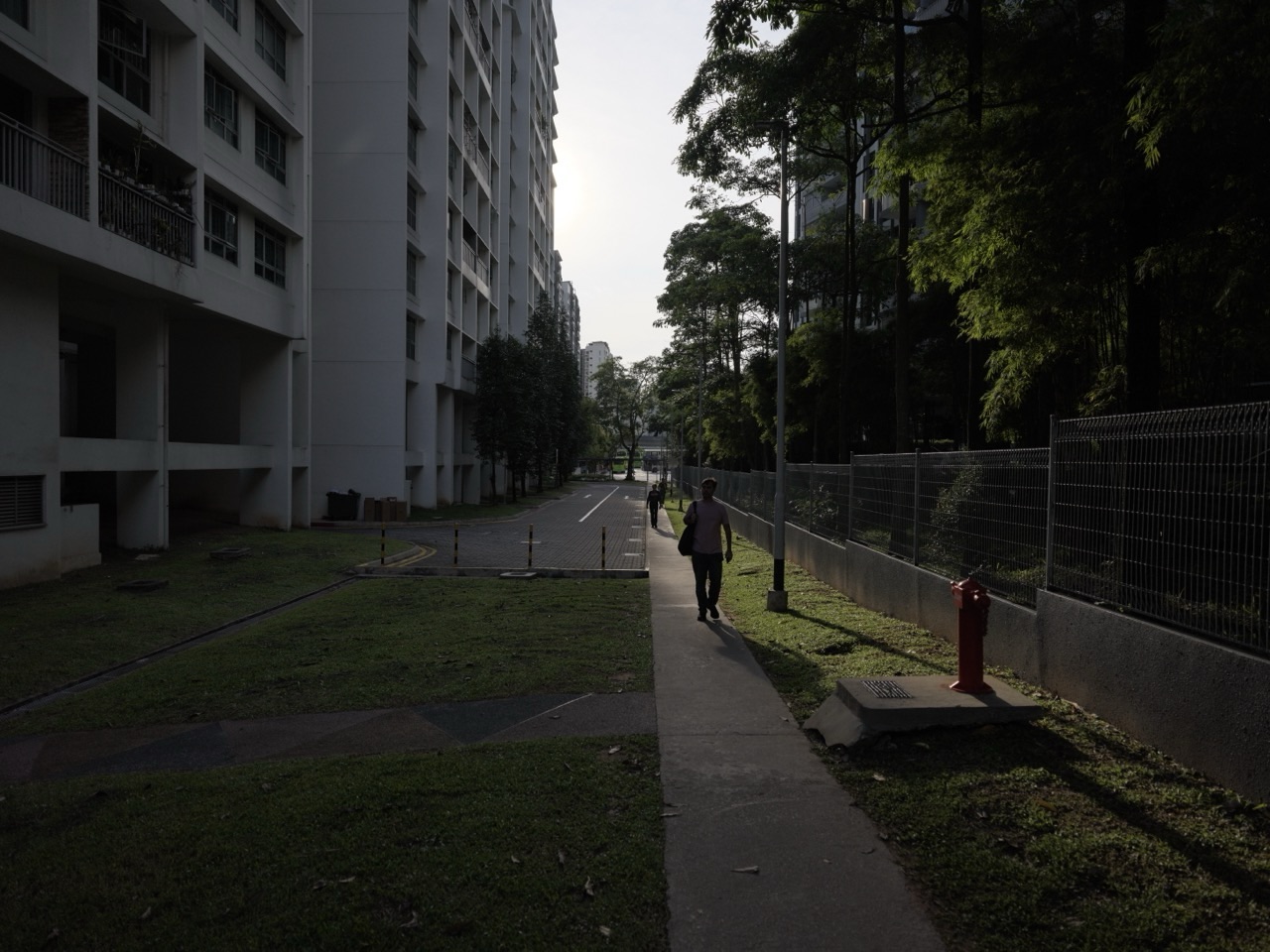
Student care centres in Punggol solve a different family problem from tuition and preschool. They cover the after-school gap: school ends, parents are still working, homework still exists, meals and rest have to happen, and the child may still need to reach CCA, tuition or home later.
The most useful parent decision is therefore not “Which student care is best?” It is which student-care arrangement makes the whole weekday safer, calmer and more workable. A school-based Student Care Centre (SCC), a community-based SCC near home, a caregiver arrangement and a student-care-plus-tuition timetable can all work—but they solve the day differently.
This 2026 Punggol guide separates school-based care, community SCCs, Special Student Care Centres, homework/enrichment expectations, transport and Student Care Fee Assistance (SCFA). For the live centre directory, use MSF’s Student Care Centre Locator rather than a frozen blog list.
The first choice: school-based or community-based?
| Model | Main advantage | Main trade-off |
|---|---|---|
| School-based SCC | Child stays in school after lessons; minimal transport risk | Availability tied to school; pickup still must fit family timing |
| Community SCC near home | Close to home / caregiver / siblings | Child needs safe transport from school to centre |
| Community SCC near parent workplace | Parent pickup can be easier | Child may travel farther after school |
| Caregiver / grandparent | Flexible, familiar relationship | Homework structure and caregiver load vary |
For younger Primary children, removing one transport leg can be a major advantage. For older Primary children, a community centre near home can become more attractive if the child can travel independently and the school-based centre no longer fits the timetable.
Use MSF’s Student Care Centre Locator
MSF currently provides a live Student Care Centre Locator. That should be the directory owner because student-care operators, SCFA registration and vacancies can change.
Use the locator to identify centres near:
- your child’s school;
- home;
- grandparents/caregiver;
- the parent’s commuting route.
School-based student care in Punggol
Several Punggol primary schools have school-based student-care provision. For example, current school information identifies student care at schools such as Oasis Primary School. Other schools may appoint different SCC operators or change arrangements over time.
The correct source is therefore the child’s school.
- Ask during P1 onboarding.
- Check school website / Parents Gateway.
- Ask about operator, fees and registration timeline.
- Apply early if demand is high.
- Do not assume admission to the school guarantees an SCC place.
Why school-based care can be powerful
- no external transport after school;
- child already knows the campus;
- easy transition from class to care;
- school staff/SCC operator can coordinate logistics more directly;
- CCA or school activity can sometimes fit more easily;
- working parents reduce one daily pickup risk.
The trade-off is that the child may spend a very long day in the same institutional environment. A good programme should include rest, play and movement rather than turning every afternoon into another classroom session.
Community student care near home
A community SCC can be better when:
- school-based SCC is full;
- siblings attend different schools;
- the centre is directly below / beside home;
- grandparents handle pickup;
- the child’s tuition/enrichment is nearby;
- the family expects to use the same centre across a school change.
The transport question becomes critical. Ask exactly how the child gets from school to the centre.
Transport: “near school” is not enough
- Does the SCC provide a school bus?
- Does staff collect children from the school gate?
- Does the child take public transport independently?
- Who is responsible if CCA ends late?
- What happens on school half-days?
- What happens during bad weather?
- What happens if the school changes dismissal time?
A centre can be physically close and still require an unsafe or complicated road crossing. Walk the route.
Student care is not tuition
MSF states that SCCs can provide programmes such as academic support, character development and enrichment/recreation, but the core purpose is care and after-school support.
Parents should ask what “homework supervision” actually means:
- Does staff check that homework is completed?
- Do they teach when the child does not understand?
- Is there quiet homework time?
- How are unfinished tasks handled?
- Does the child still need substantial homework after pickup?
Do not enrol in a student-care centre expecting subject-specialist tuition unless the programme explicitly provides it.
The “too much after-school academic work” test
A Primary child can move from:
school → student care worksheets → tuition → homework → sleep
without any real recovery time.
Ask whether the SCC timetable includes:
- snack/meals;
- free play;
- outdoor/movement time;
- reading;
- rest;
- homework;
- social time.
A well-run after-school programme should make the week more manageable, not simply extend school until 7pm.
Opening hours and late pickup
Working parents should ask the exact clock questions before registration:
- What time does the SCC close?
- What is the late-pickup policy?
- What are school-holiday hours?
- Does the centre close on staff-training days?
- What happens on e-learning / school closure days?
- What are Saturday arrangements?
Meals
Ask whether lunch/snack is provided, what the menu looks like and how allergies / halal / vegetarian requirements are handled.
A child who reaches student care hungry after a long school morning will struggle to do homework well.
CCA changes the care arrangement
From upper Primary onward, CCAs can complicate a simple “school ends → SCC” route.
- Can the child return to SCC after CCA?
- Does the SCC stay open late enough?
- Who supervises the gap before CCA?
- Does transport still operate after CCA?
These questions matter more than a glossy enrichment calendar.
Student Care Fee Assistance (SCFA)
MSF’s current Student Care Fee Assistance scheme helps eligible families with children in SCCs registered to administer SCFA.
Current 2026 eligibility includes:
- child generally aged 7–14 (Primary 1 to Secondary 2) in the year subsidy starts;
- Singapore Citizen or eligible PR child with a Singapore Citizen immediate family member in the same household;
- both parents generally working at least 56 hours per month each, subject to valid exceptions;
- current household-income threshold of GHHI S$4,500 or below for households of four or fewer, or PCI S$1,125 or below for households of five or more.
MSF has already announced a significant enhancement from 1 January 2027: the threshold rises to GHHI S$6,500 for households of four or fewer and PCI S$1,625 for larger households.
Current SCFA support can reach up to S$290 per child per month, depending on household income and the SCC fee. MSF also provides a one-time Start-Up Grant of up to S$400 per child under current criteria.
SCFA application timing matters
MSF now allows SCFA applications to be submitted through SupportGoWhere up to six months before the intended start date. For example, a family seeking support from January 2027 could apply from July 2026.
That means parents should not wait until the child has already started at the centre before checking subsidy eligibility.
Special Student Care Centres
For children with special needs who require specialised after-school care, Special Student Care Centres (SSCCs) are a separate route. MSF directs families to SG Enable for the relevant centre/subsidy information.
A mainstream SCC should not be chosen simply because it is nearby if it cannot safely and appropriately support the child’s needs.
How much student care should cost
There is no single Punggol monthly price because operators and programmes differ.
Compare the full cost:
- monthly fee;
- transport;
- meals;
- holiday programme fees;
- registration/deposit;
- enrichment add-ons;
- late-pickup fees;
- subsidy after SCFA;
- the cost of additional tuition that student care does not replace.
The homework question
A parent should ask:
When I pick my child up at 6.30pm, how much schoolwork is normally left?
That answer can determine whether the family gets dinner and sleep or another two-hour study block.
The screen-time question
Student-care centres may use devices for homework or programme activities. Parents should understand:
- how much recreational screen time is allowed;
- whether devices are supervised;
- how online schoolwork is managed;
- whether children bring personal devices.
The discipline question
Ask how the centre handles:
- conflict between children;
- refusal to do homework;
- bullying;
- unsafe behaviour;
- repeated lateness;
- emotional distress.
Parents should be able to understand the centre’s behaviour system without hearing only “we are strict”.
Primary 1: the first term may need more care, not more tuition
A new P1 child is learning the school day itself. Student care can provide continuity after dismissal. Adding multiple tuition/enrichment classes immediately may remove the recovery time that makes the transition successful.
Primary 5–6: student care and PSLE
Upper Primary students may need more independent revision. A student-care arrangement that worked at P2 may become too noisy, too worksheet-heavy or too inflexible by P5.
Review whether the child still needs full-time SCC attendance every day or whether a mixed arrangement is possible.
A Punggol family route
- Ask the school about school-based SCC.
- Use MSF SCC Locator for community alternatives.
- Map school → SCC route.
- Compare actual closing time with parent work commute.
- Ask how much homework remains at pickup.
- Check SCFA eligibility.
- Trial the whole week, not only the centre visit.
Questions every working parent should ask
- Who collects my child from school?
- What happens after CCA?
- What are your operating and late-pickup hours?
- What is the monthly fee and every add-on?
- Are you registered to administer SCFA?
- How much homework is usually completed?
- How much free play / movement?
- How do you handle meals?
- What happens if my child is sick?
- How do you manage conflict?
- What is your staff-to-child ratio?
- Can my child attend fewer days later?
Official sources
Last checked: 26 September 2026. SCFA income thresholds increase from 1 January 2027; centre fees and vacancies are live information.
Continue the family route
- Preschools & Childcare Centres in Punggol
- Punggol Primary 5 Weekly Routine
- All 11 Primary Schools in Punggol
- The Complete Punggol Guide
The best student care centre is the one that removes chaos from the hours after school. It should keep the child safe, fed, rested, supervised and increasingly independent—without turning the afternoon into a second full school day.
Estate routing: Return to the eduKatePunggol Atlas for the full learning, family and town knowledge graph, or continue through the education and community routes above.
Punggol Student Care: Current-Provider and Handover System
This Future Build section deepens the existing canonical owner rather than creating a competing URL. The reader job is choosing student care for a school-age child. current providers, schools and relevant authorities own registration, vacancies, hours, fees, pickup arrangements and programme details.
Current-source boundary
Treat current-source boundary as a fit variable. Separate the stable location from changing hours, policies, vacancies, provider details and day-to-day conditions. The guide should help the family ask the right question without pretending that a current place or service remains unchanged forever.
Start from the real task and real week. A study location should fit the work being done; a preschool or student-care arrangement should fit the child, school route, parent workday, meals, handoffs and recovery. Convenience in one dimension can create hidden cost in another.
Use current provider or authority information for claims that matter to access, registration, fees, safety or availability. Then test the arrangement after real use. The strongest evidence is whether the child can participate, the handover works, and the family week remains sustainable.
Date stamp
Treat date stamp as a fit variable. Separate the stable location from changing hours, policies, vacancies, provider details and day-to-day conditions. The guide should help the family ask the right question without pretending that a current place or service remains unchanged forever.
Start from the real task and real week. A study location should fit the work being done; a preschool or student-care arrangement should fit the child, school route, parent workday, meals, handoffs and recovery. Convenience in one dimension can create hidden cost in another.
Use current provider or authority information for claims that matter to access, registration, fees, safety or availability. Then test the arrangement after real use. The strongest evidence is whether the child can participate, the handover works, and the family week remains sustainable.
Reader task
Treat reader task as a fit variable. Separate the stable location from changing hours, policies, vacancies, provider details and day-to-day conditions. The guide should help the family ask the right question without pretending that a current place or service remains unchanged forever.
Start from the real task and real week. A study location should fit the work being done; a preschool or student-care arrangement should fit the child, school route, parent workday, meals, handoffs and recovery. Convenience in one dimension can create hidden cost in another.
Use current provider or authority information for claims that matter to access, registration, fees, safety or availability. Then test the arrangement after real use. The strongest evidence is whether the child can participate, the handover works, and the family week remains sustainable.
Reading
Treat reading as a fit variable. Separate the stable location from changing hours, policies, vacancies, provider details and day-to-day conditions. The guide should help the family ask the right question without pretending that a current place or service remains unchanged forever.
Start from the real task and real week. A study location should fit the work being done; a preschool or student-care arrangement should fit the child, school route, parent workday, meals, handoffs and recovery. Convenience in one dimension can create hidden cost in another.
Use current provider or authority information for claims that matter to access, registration, fees, safety or availability. Then test the arrangement after real use. The strongest evidence is whether the child can participate, the handover works, and the family week remains sustainable.
Writing
Treat writing as a fit variable. Separate the stable location from changing hours, policies, vacancies, provider details and day-to-day conditions. The guide should help the family ask the right question without pretending that a current place or service remains unchanged forever.
Start from the real task and real week. A study location should fit the work being done; a preschool or student-care arrangement should fit the child, school route, parent workday, meals, handoffs and recovery. Convenience in one dimension can create hidden cost in another.
Use current provider or authority information for claims that matter to access, registration, fees, safety or availability. Then test the arrangement after real use. The strongest evidence is whether the child can participate, the handover works, and the family week remains sustainable.
Math practice
Treat math practice as a fit variable. Separate the stable location from changing hours, policies, vacancies, provider details and day-to-day conditions. The guide should help the family ask the right question without pretending that a current place or service remains unchanged forever.
Start from the real task and real week. A study location should fit the work being done; a preschool or student-care arrangement should fit the child, school route, parent workday, meals, handoffs and recovery. Convenience in one dimension can create hidden cost in another.
Use current provider or authority information for claims that matter to access, registration, fees, safety or availability. Then test the arrangement after real use. The strongest evidence is whether the child can participate, the handover works, and the family week remains sustainable.
Science revision
Treat science revision as a fit variable. Separate the stable location from changing hours, policies, vacancies, provider details and day-to-day conditions. The guide should help the family ask the right question without pretending that a current place or service remains unchanged forever.
Start from the real task and real week. A study location should fit the work being done; a preschool or student-care arrangement should fit the child, school route, parent workday, meals, handoffs and recovery. Convenience in one dimension can create hidden cost in another.
Use current provider or authority information for claims that matter to access, registration, fees, safety or availability. Then test the arrangement after real use. The strongest evidence is whether the child can participate, the handover works, and the family week remains sustainable.
Group work
Treat group work as a fit variable. Separate the stable location from changing hours, policies, vacancies, provider details and day-to-day conditions. The guide should help the family ask the right question without pretending that a current place or service remains unchanged forever.
Start from the real task and real week. A study location should fit the work being done; a preschool or student-care arrangement should fit the child, school route, parent workday, meals, handoffs and recovery. Convenience in one dimension can create hidden cost in another.
Use current provider or authority information for claims that matter to access, registration, fees, safety or availability. Then test the arrangement after real use. The strongest evidence is whether the child can participate, the handover works, and the family week remains sustainable.
Device work
Treat device work as a fit variable. Separate the stable location from changing hours, policies, vacancies, provider details and day-to-day conditions. The guide should help the family ask the right question without pretending that a current place or service remains unchanged forever.
Start from the real task and real week. A study location should fit the work being done; a preschool or student-care arrangement should fit the child, school route, parent workday, meals, handoffs and recovery. Convenience in one dimension can create hidden cost in another.
Use current provider or authority information for claims that matter to access, registration, fees, safety or availability. Then test the arrangement after real use. The strongest evidence is whether the child can participate, the handover works, and the family week remains sustainable.
Printing
Treat printing as a fit variable. Separate the stable location from changing hours, policies, vacancies, provider details and day-to-day conditions. The guide should help the family ask the right question without pretending that a current place or service remains unchanged forever.
Start from the real task and real week. A study location should fit the work being done; a preschool or student-care arrangement should fit the child, school route, parent workday, meals, handoffs and recovery. Convenience in one dimension can create hidden cost in another.
Use current provider or authority information for claims that matter to access, registration, fees, safety or availability. Then test the arrangement after real use. The strongest evidence is whether the child can participate, the handover works, and the family week remains sustainable.
Wi-Fi
Treat wi-fi as a fit variable. Separate the stable location from changing hours, policies, vacancies, provider details and day-to-day conditions. The guide should help the family ask the right question without pretending that a current place or service remains unchanged forever.
Start from the real task and real week. A study location should fit the work being done; a preschool or student-care arrangement should fit the child, school route, parent workday, meals, handoffs and recovery. Convenience in one dimension can create hidden cost in another.
Use current provider or authority information for claims that matter to access, registration, fees, safety or availability. Then test the arrangement after real use. The strongest evidence is whether the child can participate, the handover works, and the family week remains sustainable.
Power
Treat power as a fit variable. Separate the stable location from changing hours, policies, vacancies, provider details and day-to-day conditions. The guide should help the family ask the right question without pretending that a current place or service remains unchanged forever.
Start from the real task and real week. A study location should fit the work being done; a preschool or student-care arrangement should fit the child, school route, parent workday, meals, handoffs and recovery. Convenience in one dimension can create hidden cost in another.
Use current provider or authority information for claims that matter to access, registration, fees, safety or availability. Then test the arrangement after real use. The strongest evidence is whether the child can participate, the handover works, and the family week remains sustainable.
Quiet
Treat quiet as a fit variable. Separate the stable location from changing hours, policies, vacancies, provider details and day-to-day conditions. The guide should help the family ask the right question without pretending that a current place or service remains unchanged forever.
Start from the real task and real week. A study location should fit the work being done; a preschool or student-care arrangement should fit the child, school route, parent workday, meals, handoffs and recovery. Convenience in one dimension can create hidden cost in another.
Use current provider or authority information for claims that matter to access, registration, fees, safety or availability. Then test the arrangement after real use. The strongest evidence is whether the child can participate, the handover works, and the family week remains sustainable.
Conversation tolerance
Treat conversation tolerance as a fit variable. Separate the stable location from changing hours, policies, vacancies, provider details and day-to-day conditions. The guide should help the family ask the right question without pretending that a current place or service remains unchanged forever.
Start from the real task and real week. A study location should fit the work being done; a preschool or student-care arrangement should fit the child, school route, parent workday, meals, handoffs and recovery. Convenience in one dimension can create hidden cost in another.
Use current provider or authority information for claims that matter to access, registration, fees, safety or availability. Then test the arrangement after real use. The strongest evidence is whether the child can participate, the handover works, and the family week remains sustainable.
Library
Treat library as a fit variable. Separate the stable location from changing hours, policies, vacancies, provider details and day-to-day conditions. The guide should help the family ask the right question without pretending that a current place or service remains unchanged forever.
Start from the real task and real week. A study location should fit the work being done; a preschool or student-care arrangement should fit the child, school route, parent workday, meals, handoffs and recovery. Convenience in one dimension can create hidden cost in another.
Use current provider or authority information for claims that matter to access, registration, fees, safety or availability. Then test the arrangement after real use. The strongest evidence is whether the child can participate, the handover works, and the family week remains sustainable.
Café
Treat café as a fit variable. Separate the stable location from changing hours, policies, vacancies, provider details and day-to-day conditions. The guide should help the family ask the right question without pretending that a current place or service remains unchanged forever.
Start from the real task and real week. A study location should fit the work being done; a preschool or student-care arrangement should fit the child, school route, parent workday, meals, handoffs and recovery. Convenience in one dimension can create hidden cost in another.
Use current provider or authority information for claims that matter to access, registration, fees, safety or availability. Then test the arrangement after real use. The strongest evidence is whether the child can participate, the handover works, and the family week remains sustainable.
Mall seating
Treat mall seating as a fit variable. Separate the stable location from changing hours, policies, vacancies, provider details and day-to-day conditions. The guide should help the family ask the right question without pretending that a current place or service remains unchanged forever.
Start from the real task and real week. A study location should fit the work being done; a preschool or student-care arrangement should fit the child, school route, parent workday, meals, handoffs and recovery. Convenience in one dimension can create hidden cost in another.
Use current provider or authority information for claims that matter to access, registration, fees, safety or availability. Then test the arrangement after real use. The strongest evidence is whether the child can participate, the handover works, and the family week remains sustainable.
Waiting gap
Treat waiting gap as a fit variable. Separate the stable location from changing hours, policies, vacancies, provider details and day-to-day conditions. The guide should help the family ask the right question without pretending that a current place or service remains unchanged forever.
Start from the real task and real week. A study location should fit the work being done; a preschool or student-care arrangement should fit the child, school route, parent workday, meals, handoffs and recovery. Convenience in one dimension can create hidden cost in another.
Use current provider or authority information for claims that matter to access, registration, fees, safety or availability. Then test the arrangement after real use. The strongest evidence is whether the child can participate, the handover works, and the family week remains sustainable.
Home alternative
Treat home alternative as a fit variable. Separate the stable location from changing hours, policies, vacancies, provider details and day-to-day conditions. The guide should help the family ask the right question without pretending that a current place or service remains unchanged forever.
Start from the real task and real week. A study location should fit the work being done; a preschool or student-care arrangement should fit the child, school route, parent workday, meals, handoffs and recovery. Convenience in one dimension can create hidden cost in another.
Use current provider or authority information for claims that matter to access, registration, fees, safety or availability. Then test the arrangement after real use. The strongest evidence is whether the child can participate, the handover works, and the family week remains sustainable.
Travel time
Treat travel time as a fit variable. Separate the stable location from changing hours, policies, vacancies, provider details and day-to-day conditions. The guide should help the family ask the right question without pretending that a current place or service remains unchanged forever.
Start from the real task and real week. A study location should fit the work being done; a preschool or student-care arrangement should fit the child, school route, parent workday, meals, handoffs and recovery. Convenience in one dimension can create hidden cost in another.
Use current provider or authority information for claims that matter to access, registration, fees, safety or availability. Then test the arrangement after real use. The strongest evidence is whether the child can participate, the handover works, and the family week remains sustainable.
MRT
Treat mrt as a fit variable. Separate the stable location from changing hours, policies, vacancies, provider details and day-to-day conditions. The guide should help the family ask the right question without pretending that a current place or service remains unchanged forever.
Start from the real task and real week. A study location should fit the work being done; a preschool or student-care arrangement should fit the child, school route, parent workday, meals, handoffs and recovery. Convenience in one dimension can create hidden cost in another.
Use current provider or authority information for claims that matter to access, registration, fees, safety or availability. Then test the arrangement after real use. The strongest evidence is whether the child can participate, the handover works, and the family week remains sustainable.
LRT
Treat lrt as a fit variable. Separate the stable location from changing hours, policies, vacancies, provider details and day-to-day conditions. The guide should help the family ask the right question without pretending that a current place or service remains unchanged forever.
Start from the real task and real week. A study location should fit the work being done; a preschool or student-care arrangement should fit the child, school route, parent workday, meals, handoffs and recovery. Convenience in one dimension can create hidden cost in another.
Use current provider or authority information for claims that matter to access, registration, fees, safety or availability. Then test the arrangement after real use. The strongest evidence is whether the child can participate, the handover works, and the family week remains sustainable.
Bus
Treat bus as a fit variable. Separate the stable location from changing hours, policies, vacancies, provider details and day-to-day conditions. The guide should help the family ask the right question without pretending that a current place or service remains unchanged forever.
Start from the real task and real week. A study location should fit the work being done; a preschool or student-care arrangement should fit the child, school route, parent workday, meals, handoffs and recovery. Convenience in one dimension can create hidden cost in another.
Use current provider or authority information for claims that matter to access, registration, fees, safety or availability. Then test the arrangement after real use. The strongest evidence is whether the child can participate, the handover works, and the family week remains sustainable.
Walking
Treat walking as a fit variable. Separate the stable location from changing hours, policies, vacancies, provider details and day-to-day conditions. The guide should help the family ask the right question without pretending that a current place or service remains unchanged forever.
Start from the real task and real week. A study location should fit the work being done; a preschool or student-care arrangement should fit the child, school route, parent workday, meals, handoffs and recovery. Convenience in one dimension can create hidden cost in another.
Use current provider or authority information for claims that matter to access, registration, fees, safety or availability. Then test the arrangement after real use. The strongest evidence is whether the child can participate, the handover works, and the family week remains sustainable.
Rain
Treat rain as a fit variable. Separate the stable location from changing hours, policies, vacancies, provider details and day-to-day conditions. The guide should help the family ask the right question without pretending that a current place or service remains unchanged forever.
Start from the real task and real week. A study location should fit the work being done; a preschool or student-care arrangement should fit the child, school route, parent workday, meals, handoffs and recovery. Convenience in one dimension can create hidden cost in another.
Use current provider or authority information for claims that matter to access, registration, fees, safety or availability. Then test the arrangement after real use. The strongest evidence is whether the child can participate, the handover works, and the family week remains sustainable.
Heat
Treat heat as a fit variable. Separate the stable location from changing hours, policies, vacancies, provider details and day-to-day conditions. The guide should help the family ask the right question without pretending that a current place or service remains unchanged forever.
Start from the real task and real week. A study location should fit the work being done; a preschool or student-care arrangement should fit the child, school route, parent workday, meals, handoffs and recovery. Convenience in one dimension can create hidden cost in another.
Use current provider or authority information for claims that matter to access, registration, fees, safety or availability. Then test the arrangement after real use. The strongest evidence is whether the child can participate, the handover works, and the family week remains sustainable.
Opening hours
Treat opening hours as a fit variable. Separate the stable location from changing hours, policies, vacancies, provider details and day-to-day conditions. The guide should help the family ask the right question without pretending that a current place or service remains unchanged forever.
Start from the real task and real week. A study location should fit the work being done; a preschool or student-care arrangement should fit the child, school route, parent workday, meals, handoffs and recovery. Convenience in one dimension can create hidden cost in another.
Use current provider or authority information for claims that matter to access, registration, fees, safety or availability. Then test the arrangement after real use. The strongest evidence is whether the child can participate, the handover works, and the family week remains sustainable.
Seat availability
Treat seat availability as a fit variable. Separate the stable location from changing hours, policies, vacancies, provider details and day-to-day conditions. The guide should help the family ask the right question without pretending that a current place or service remains unchanged forever.
Start from the real task and real week. A study location should fit the work being done; a preschool or student-care arrangement should fit the child, school route, parent workday, meals, handoffs and recovery. Convenience in one dimension can create hidden cost in another.
Use current provider or authority information for claims that matter to access, registration, fees, safety or availability. Then test the arrangement after real use. The strongest evidence is whether the child can participate, the handover works, and the family week remains sustainable.
Reservation rules
Treat reservation rules as a fit variable. Separate the stable location from changing hours, policies, vacancies, provider details and day-to-day conditions. The guide should help the family ask the right question without pretending that a current place or service remains unchanged forever.
Start from the real task and real week. A study location should fit the work being done; a preschool or student-care arrangement should fit the child, school route, parent workday, meals, handoffs and recovery. Convenience in one dimension can create hidden cost in another.
Use current provider or authority information for claims that matter to access, registration, fees, safety or availability. Then test the arrangement after real use. The strongest evidence is whether the child can participate, the handover works, and the family week remains sustainable.
Peak hour
Treat peak hour as a fit variable. Separate the stable location from changing hours, policies, vacancies, provider details and day-to-day conditions. The guide should help the family ask the right question without pretending that a current place or service remains unchanged forever.
Start from the real task and real week. A study location should fit the work being done; a preschool or student-care arrangement should fit the child, school route, parent workday, meals, handoffs and recovery. Convenience in one dimension can create hidden cost in another.
Use current provider or authority information for claims that matter to access, registration, fees, safety or availability. Then test the arrangement after real use. The strongest evidence is whether the child can participate, the handover works, and the family week remains sustainable.
School holiday
Treat school holiday as a fit variable. Separate the stable location from changing hours, policies, vacancies, provider details and day-to-day conditions. The guide should help the family ask the right question without pretending that a current place or service remains unchanged forever.
Start from the real task and real week. A study location should fit the work being done; a preschool or student-care arrangement should fit the child, school route, parent workday, meals, handoffs and recovery. Convenience in one dimension can create hidden cost in another.
Use current provider or authority information for claims that matter to access, registration, fees, safety or availability. Then test the arrangement after real use. The strongest evidence is whether the child can participate, the handover works, and the family week remains sustainable.
Exam season
Treat exam season as a fit variable. Separate the stable location from changing hours, policies, vacancies, provider details and day-to-day conditions. The guide should help the family ask the right question without pretending that a current place or service remains unchanged forever.
Start from the real task and real week. A study location should fit the work being done; a preschool or student-care arrangement should fit the child, school route, parent workday, meals, handoffs and recovery. Convenience in one dimension can create hidden cost in another.
Use current provider or authority information for claims that matter to access, registration, fees, safety or availability. Then test the arrangement after real use. The strongest evidence is whether the child can participate, the handover works, and the family week remains sustainable.
Young child
Treat young child as a fit variable. Separate the stable location from changing hours, policies, vacancies, provider details and day-to-day conditions. The guide should help the family ask the right question without pretending that a current place or service remains unchanged forever.
Start from the real task and real week. A study location should fit the work being done; a preschool or student-care arrangement should fit the child, school route, parent workday, meals, handoffs and recovery. Convenience in one dimension can create hidden cost in another.
Use current provider or authority information for claims that matter to access, registration, fees, safety or availability. Then test the arrangement after real use. The strongest evidence is whether the child can participate, the handover works, and the family week remains sustainable.
Primary student
Treat primary student as a fit variable. Separate the stable location from changing hours, policies, vacancies, provider details and day-to-day conditions. The guide should help the family ask the right question without pretending that a current place or service remains unchanged forever.
Start from the real task and real week. A study location should fit the work being done; a preschool or student-care arrangement should fit the child, school route, parent workday, meals, handoffs and recovery. Convenience in one dimension can create hidden cost in another.
Use current provider or authority information for claims that matter to access, registration, fees, safety or availability. Then test the arrangement after real use. The strongest evidence is whether the child can participate, the handover works, and the family week remains sustainable.
Secondary student
Treat secondary student as a fit variable. Separate the stable location from changing hours, policies, vacancies, provider details and day-to-day conditions. The guide should help the family ask the right question without pretending that a current place or service remains unchanged forever.
Start from the real task and real week. A study location should fit the work being done; a preschool or student-care arrangement should fit the child, school route, parent workday, meals, handoffs and recovery. Convenience in one dimension can create hidden cost in another.
Use current provider or authority information for claims that matter to access, registration, fees, safety or availability. Then test the arrangement after real use. The strongest evidence is whether the child can participate, the handover works, and the family week remains sustainable.
Teen independence
Treat teen independence as a fit variable. Separate the stable location from changing hours, policies, vacancies, provider details and day-to-day conditions. The guide should help the family ask the right question without pretending that a current place or service remains unchanged forever.
Start from the real task and real week. A study location should fit the work being done; a preschool or student-care arrangement should fit the child, school route, parent workday, meals, handoffs and recovery. Convenience in one dimension can create hidden cost in another.
Use current provider or authority information for claims that matter to access, registration, fees, safety or availability. Then test the arrangement after real use. The strongest evidence is whether the child can participate, the handover works, and the family week remains sustainable.
Caregiver visibility
Treat caregiver visibility as a fit variable. Separate the stable location from changing hours, policies, vacancies, provider details and day-to-day conditions. The guide should help the family ask the right question without pretending that a current place or service remains unchanged forever.
Start from the real task and real week. A study location should fit the work being done; a preschool or student-care arrangement should fit the child, school route, parent workday, meals, handoffs and recovery. Convenience in one dimension can create hidden cost in another.
Use current provider or authority information for claims that matter to access, registration, fees, safety or availability. Then test the arrangement after real use. The strongest evidence is whether the child can participate, the handover works, and the family week remains sustainable.
Registered provider
Treat registered provider as a fit variable. Separate the stable location from changing hours, policies, vacancies, provider details and day-to-day conditions. The guide should help the family ask the right question without pretending that a current place or service remains unchanged forever.
Start from the real task and real week. A study location should fit the work being done; a preschool or student-care arrangement should fit the child, school route, parent workday, meals, handoffs and recovery. Convenience in one dimension can create hidden cost in another.
Use current provider or authority information for claims that matter to access, registration, fees, safety or availability. Then test the arrangement after real use. The strongest evidence is whether the child can participate, the handover works, and the family week remains sustainable.
Vacancy
Treat vacancy as a fit variable. Separate the stable location from changing hours, policies, vacancies, provider details and day-to-day conditions. The guide should help the family ask the right question without pretending that a current place or service remains unchanged forever.
Start from the real task and real week. A study location should fit the work being done; a preschool or student-care arrangement should fit the child, school route, parent workday, meals, handoffs and recovery. Convenience in one dimension can create hidden cost in another.
Use current provider or authority information for claims that matter to access, registration, fees, safety or availability. Then test the arrangement after real use. The strongest evidence is whether the child can participate, the handover works, and the family week remains sustainable.
Fees
Treat fees as a fit variable. Separate the stable location from changing hours, policies, vacancies, provider details and day-to-day conditions. The guide should help the family ask the right question without pretending that a current place or service remains unchanged forever.
Start from the real task and real week. A study location should fit the work being done; a preschool or student-care arrangement should fit the child, school route, parent workday, meals, handoffs and recovery. Convenience in one dimension can create hidden cost in another.
Use current provider or authority information for claims that matter to access, registration, fees, safety or availability. Then test the arrangement after real use. The strongest evidence is whether the child can participate, the handover works, and the family week remains sustainable.
Subsidy questions
Treat subsidy questions as a fit variable. Separate the stable location from changing hours, policies, vacancies, provider details and day-to-day conditions. The guide should help the family ask the right question without pretending that a current place or service remains unchanged forever.
Start from the real task and real week. A study location should fit the work being done; a preschool or student-care arrangement should fit the child, school route, parent workday, meals, handoffs and recovery. Convenience in one dimension can create hidden cost in another.
Use current provider or authority information for claims that matter to access, registration, fees, safety or availability. Then test the arrangement after real use. The strongest evidence is whether the child can participate, the handover works, and the family week remains sustainable.
Programme details
Treat programme details as a fit variable. Separate the stable location from changing hours, policies, vacancies, provider details and day-to-day conditions. The guide should help the family ask the right question without pretending that a current place or service remains unchanged forever.
Start from the real task and real week. A study location should fit the work being done; a preschool or student-care arrangement should fit the child, school route, parent workday, meals, handoffs and recovery. Convenience in one dimension can create hidden cost in another.
Use current provider or authority information for claims that matter to access, registration, fees, safety or availability. Then test the arrangement after real use. The strongest evidence is whether the child can participate, the handover works, and the family week remains sustainable.
Operating hours
Treat operating hours as a fit variable. Separate the stable location from changing hours, policies, vacancies, provider details and day-to-day conditions. The guide should help the family ask the right question without pretending that a current place or service remains unchanged forever.
Start from the real task and real week. A study location should fit the work being done; a preschool or student-care arrangement should fit the child, school route, parent workday, meals, handoffs and recovery. Convenience in one dimension can create hidden cost in another.
Use current provider or authority information for claims that matter to access, registration, fees, safety or availability. Then test the arrangement after real use. The strongest evidence is whether the child can participate, the handover works, and the family week remains sustainable.
School pickup
Treat school pickup as a fit variable. Separate the stable location from changing hours, policies, vacancies, provider details and day-to-day conditions. The guide should help the family ask the right question without pretending that a current place or service remains unchanged forever.
Start from the real task and real week. A study location should fit the work being done; a preschool or student-care arrangement should fit the child, school route, parent workday, meals, handoffs and recovery. Convenience in one dimension can create hidden cost in another.
Use current provider or authority information for claims that matter to access, registration, fees, safety or availability. Then test the arrangement after real use. The strongest evidence is whether the child can participate, the handover works, and the family week remains sustainable.
Walking handover
Treat walking handover as a fit variable. Separate the stable location from changing hours, policies, vacancies, provider details and day-to-day conditions. The guide should help the family ask the right question without pretending that a current place or service remains unchanged forever.
Start from the real task and real week. A study location should fit the work being done; a preschool or student-care arrangement should fit the child, school route, parent workday, meals, handoffs and recovery. Convenience in one dimension can create hidden cost in another.
Use current provider or authority information for claims that matter to access, registration, fees, safety or availability. Then test the arrangement after real use. The strongest evidence is whether the child can participate, the handover works, and the family week remains sustainable.
Transport handover
Treat transport handover as a fit variable. Separate the stable location from changing hours, policies, vacancies, provider details and day-to-day conditions. The guide should help the family ask the right question without pretending that a current place or service remains unchanged forever.
Start from the real task and real week. A study location should fit the work being done; a preschool or student-care arrangement should fit the child, school route, parent workday, meals, handoffs and recovery. Convenience in one dimension can create hidden cost in another.
Use current provider or authority information for claims that matter to access, registration, fees, safety or availability. Then test the arrangement after real use. The strongest evidence is whether the child can participate, the handover works, and the family week remains sustainable.
Student care
Treat student care as a fit variable. Separate the stable location from changing hours, policies, vacancies, provider details and day-to-day conditions. The guide should help the family ask the right question without pretending that a current place or service remains unchanged forever.
Start from the real task and real week. A study location should fit the work being done; a preschool or student-care arrangement should fit the child, school route, parent workday, meals, handoffs and recovery. Convenience in one dimension can create hidden cost in another.
Use current provider or authority information for claims that matter to access, registration, fees, safety or availability. Then test the arrangement after real use. The strongest evidence is whether the child can participate, the handover works, and the family week remains sustainable.
Childcare
Treat childcare as a fit variable. Separate the stable location from changing hours, policies, vacancies, provider details and day-to-day conditions. The guide should help the family ask the right question without pretending that a current place or service remains unchanged forever.
Start from the real task and real week. A study location should fit the work being done; a preschool or student-care arrangement should fit the child, school route, parent workday, meals, handoffs and recovery. Convenience in one dimension can create hidden cost in another.
Use current provider or authority information for claims that matter to access, registration, fees, safety or availability. Then test the arrangement after real use. The strongest evidence is whether the child can participate, the handover works, and the family week remains sustainable.
Preschool
Treat preschool as a fit variable. Separate the stable location from changing hours, policies, vacancies, provider details and day-to-day conditions. The guide should help the family ask the right question without pretending that a current place or service remains unchanged forever.
Start from the real task and real week. A study location should fit the work being done; a preschool or student-care arrangement should fit the child, school route, parent workday, meals, handoffs and recovery. Convenience in one dimension can create hidden cost in another.
Use current provider or authority information for claims that matter to access, registration, fees, safety or availability. Then test the arrangement after real use. The strongest evidence is whether the child can participate, the handover works, and the family week remains sustainable.
Meals
Treat meals as a fit variable. Separate the stable location from changing hours, policies, vacancies, provider details and day-to-day conditions. The guide should help the family ask the right question without pretending that a current place or service remains unchanged forever.
Start from the real task and real week. A study location should fit the work being done; a preschool or student-care arrangement should fit the child, school route, parent workday, meals, handoffs and recovery. Convenience in one dimension can create hidden cost in another.
Use current provider or authority information for claims that matter to access, registration, fees, safety or availability. Then test the arrangement after real use. The strongest evidence is whether the child can participate, the handover works, and the family week remains sustainable.
Nap
Treat nap as a fit variable. Separate the stable location from changing hours, policies, vacancies, provider details and day-to-day conditions. The guide should help the family ask the right question without pretending that a current place or service remains unchanged forever.
Start from the real task and real week. A study location should fit the work being done; a preschool or student-care arrangement should fit the child, school route, parent workday, meals, handoffs and recovery. Convenience in one dimension can create hidden cost in another.
Use current provider or authority information for claims that matter to access, registration, fees, safety or availability. Then test the arrangement after real use. The strongest evidence is whether the child can participate, the handover works, and the family week remains sustainable.
Homework
Treat homework as a fit variable. Separate the stable location from changing hours, policies, vacancies, provider details and day-to-day conditions. The guide should help the family ask the right question without pretending that a current place or service remains unchanged forever.
Start from the real task and real week. A study location should fit the work being done; a preschool or student-care arrangement should fit the child, school route, parent workday, meals, handoffs and recovery. Convenience in one dimension can create hidden cost in another.
Use current provider or authority information for claims that matter to access, registration, fees, safety or availability. Then test the arrangement after real use. The strongest evidence is whether the child can participate, the handover works, and the family week remains sustainable.
Reading
Treat reading as a fit variable. Separate the stable location from changing hours, policies, vacancies, provider details and day-to-day conditions. The guide should help the family ask the right question without pretending that a current place or service remains unchanged forever.
Start from the real task and real week. A study location should fit the work being done; a preschool or student-care arrangement should fit the child, school route, parent workday, meals, handoffs and recovery. Convenience in one dimension can create hidden cost in another.
Use current provider or authority information for claims that matter to access, registration, fees, safety or availability. Then test the arrangement after real use. The strongest evidence is whether the child can participate, the handover works, and the family week remains sustainable.
Play
Treat play as a fit variable. Separate the stable location from changing hours, policies, vacancies, provider details and day-to-day conditions. The guide should help the family ask the right question without pretending that a current place or service remains unchanged forever.
Start from the real task and real week. A study location should fit the work being done; a preschool or student-care arrangement should fit the child, school route, parent workday, meals, handoffs and recovery. Convenience in one dimension can create hidden cost in another.
Use current provider or authority information for claims that matter to access, registration, fees, safety or availability. Then test the arrangement after real use. The strongest evidence is whether the child can participate, the handover works, and the family week remains sustainable.
Outdoor time
Treat outdoor time as a fit variable. Separate the stable location from changing hours, policies, vacancies, provider details and day-to-day conditions. The guide should help the family ask the right question without pretending that a current place or service remains unchanged forever.
Start from the real task and real week. A study location should fit the work being done; a preschool or student-care arrangement should fit the child, school route, parent workday, meals, handoffs and recovery. Convenience in one dimension can create hidden cost in another.
Use current provider or authority information for claims that matter to access, registration, fees, safety or availability. Then test the arrangement after real use. The strongest evidence is whether the child can participate, the handover works, and the family week remains sustainable.
Screen policy
Treat screen policy as a fit variable. Separate the stable location from changing hours, policies, vacancies, provider details and day-to-day conditions. The guide should help the family ask the right question without pretending that a current place or service remains unchanged forever.
Start from the real task and real week. A study location should fit the work being done; a preschool or student-care arrangement should fit the child, school route, parent workday, meals, handoffs and recovery. Convenience in one dimension can create hidden cost in another.
Use current provider or authority information for claims that matter to access, registration, fees, safety or availability. Then test the arrangement after real use. The strongest evidence is whether the child can participate, the handover works, and the family week remains sustainable.
Communication
Treat communication as a fit variable. Separate the stable location from changing hours, policies, vacancies, provider details and day-to-day conditions. The guide should help the family ask the right question without pretending that a current place or service remains unchanged forever.
Start from the real task and real week. A study location should fit the work being done; a preschool or student-care arrangement should fit the child, school route, parent workday, meals, handoffs and recovery. Convenience in one dimension can create hidden cost in another.
Use current provider or authority information for claims that matter to access, registration, fees, safety or availability. Then test the arrangement after real use. The strongest evidence is whether the child can participate, the handover works, and the family week remains sustainable.
Teacher or caregiver ratio questions
Treat teacher or caregiver ratio questions as a fit variable. Separate the stable location from changing hours, policies, vacancies, provider details and day-to-day conditions. The guide should help the family ask the right question without pretending that a current place or service remains unchanged forever.
Start from the real task and real week. A study location should fit the work being done; a preschool or student-care arrangement should fit the child, school route, parent workday, meals, handoffs and recovery. Convenience in one dimension can create hidden cost in another.
Use current provider or authority information for claims that matter to access, registration, fees, safety or availability. Then test the arrangement after real use. The strongest evidence is whether the child can participate, the handover works, and the family week remains sustainable.
Safety procedures
Treat safety procedures as a fit variable. Separate the stable location from changing hours, policies, vacancies, provider details and day-to-day conditions. The guide should help the family ask the right question without pretending that a current place or service remains unchanged forever.
Start from the real task and real week. A study location should fit the work being done; a preschool or student-care arrangement should fit the child, school route, parent workday, meals, handoffs and recovery. Convenience in one dimension can create hidden cost in another.
Use current provider or authority information for claims that matter to access, registration, fees, safety or availability. Then test the arrangement after real use. The strongest evidence is whether the child can participate, the handover works, and the family week remains sustainable.
Authorised pickup
Treat authorised pickup as a fit variable. Separate the stable location from changing hours, policies, vacancies, provider details and day-to-day conditions. The guide should help the family ask the right question without pretending that a current place or service remains unchanged forever.
Start from the real task and real week. A study location should fit the work being done; a preschool or student-care arrangement should fit the child, school route, parent workday, meals, handoffs and recovery. Convenience in one dimension can create hidden cost in another.
Use current provider or authority information for claims that matter to access, registration, fees, safety or availability. Then test the arrangement after real use. The strongest evidence is whether the child can participate, the handover works, and the family week remains sustainable.
Parent work shifts
Treat parent work shifts as a fit variable. Separate the stable location from changing hours, policies, vacancies, provider details and day-to-day conditions. The guide should help the family ask the right question without pretending that a current place or service remains unchanged forever.
Start from the real task and real week. A study location should fit the work being done; a preschool or student-care arrangement should fit the child, school route, parent workday, meals, handoffs and recovery. Convenience in one dimension can create hidden cost in another.
Use current provider or authority information for claims that matter to access, registration, fees, safety or availability. Then test the arrangement after real use. The strongest evidence is whether the child can participate, the handover works, and the family week remains sustainable.
Grandparents
Treat grandparents as a fit variable. Separate the stable location from changing hours, policies, vacancies, provider details and day-to-day conditions. The guide should help the family ask the right question without pretending that a current place or service remains unchanged forever.
Start from the real task and real week. A study location should fit the work being done; a preschool or student-care arrangement should fit the child, school route, parent workday, meals, handoffs and recovery. Convenience in one dimension can create hidden cost in another.
Use current provider or authority information for claims that matter to access, registration, fees, safety or availability. Then test the arrangement after real use. The strongest evidence is whether the child can participate, the handover works, and the family week remains sustainable.
Siblings
Treat siblings as a fit variable. Separate the stable location from changing hours, policies, vacancies, provider details and day-to-day conditions. The guide should help the family ask the right question without pretending that a current place or service remains unchanged forever.
Start from the real task and real week. A study location should fit the work being done; a preschool or student-care arrangement should fit the child, school route, parent workday, meals, handoffs and recovery. Convenience in one dimension can create hidden cost in another.
Use current provider or authority information for claims that matter to access, registration, fees, safety or availability. Then test the arrangement after real use. The strongest evidence is whether the child can participate, the handover works, and the family week remains sustainable.
Late pickup
Treat late pickup as a fit variable. Separate the stable location from changing hours, policies, vacancies, provider details and day-to-day conditions. The guide should help the family ask the right question without pretending that a current place or service remains unchanged forever.
Start from the real task and real week. A study location should fit the work being done; a preschool or student-care arrangement should fit the child, school route, parent workday, meals, handoffs and recovery. Convenience in one dimension can create hidden cost in another.
Use current provider or authority information for claims that matter to access, registration, fees, safety or availability. Then test the arrangement after real use. The strongest evidence is whether the child can participate, the handover works, and the family week remains sustainable.
CCA day
Treat cca day as a fit variable. Separate the stable location from changing hours, policies, vacancies, provider details and day-to-day conditions. The guide should help the family ask the right question without pretending that a current place or service remains unchanged forever.
Start from the real task and real week. A study location should fit the work being done; a preschool or student-care arrangement should fit the child, school route, parent workday, meals, handoffs and recovery. Convenience in one dimension can create hidden cost in another.
Use current provider or authority information for claims that matter to access, registration, fees, safety or availability. Then test the arrangement after real use. The strongest evidence is whether the child can participate, the handover works, and the family week remains sustainable.
School holiday care
Treat school holiday care as a fit variable. Separate the stable location from changing hours, policies, vacancies, provider details and day-to-day conditions. The guide should help the family ask the right question without pretending that a current place or service remains unchanged forever.
Start from the real task and real week. A study location should fit the work being done; a preschool or student-care arrangement should fit the child, school route, parent workday, meals, handoffs and recovery. Convenience in one dimension can create hidden cost in another.
Use current provider or authority information for claims that matter to access, registration, fees, safety or availability. Then test the arrangement after real use. The strongest evidence is whether the child can participate, the handover works, and the family week remains sustainable.
Normal Tuesday
Treat normal tuesday as a fit variable. Separate the stable location from changing hours, policies, vacancies, provider details and day-to-day conditions. The guide should help the family ask the right question without pretending that a current place or service remains unchanged forever.
Start from the real task and real week. A study location should fit the work being done; a preschool or student-care arrangement should fit the child, school route, parent workday, meals, handoffs and recovery. Convenience in one dimension can create hidden cost in another.
Use current provider or authority information for claims that matter to access, registration, fees, safety or availability. Then test the arrangement after real use. The strongest evidence is whether the child can participate, the handover works, and the family week remains sustainable.
Wet Tuesday
Treat wet tuesday as a fit variable. Separate the stable location from changing hours, policies, vacancies, provider details and day-to-day conditions. The guide should help the family ask the right question without pretending that a current place or service remains unchanged forever.
Start from the real task and real week. A study location should fit the work being done; a preschool or student-care arrangement should fit the child, school route, parent workday, meals, handoffs and recovery. Convenience in one dimension can create hidden cost in another.
Use current provider or authority information for claims that matter to access, registration, fees, safety or availability. Then test the arrangement after real use. The strongest evidence is whether the child can participate, the handover works, and the family week remains sustainable.
First-week trial
Treat first-week trial as a fit variable. Separate the stable location from changing hours, policies, vacancies, provider details and day-to-day conditions. The guide should help the family ask the right question without pretending that a current place or service remains unchanged forever.
Start from the real task and real week. A study location should fit the work being done; a preschool or student-care arrangement should fit the child, school route, parent workday, meals, handoffs and recovery. Convenience in one dimension can create hidden cost in another.
Use current provider or authority information for claims that matter to access, registration, fees, safety or availability. Then test the arrangement after real use. The strongest evidence is whether the child can participate, the handover works, and the family week remains sustainable.
First-month review
Treat first-month review as a fit variable. Separate the stable location from changing hours, policies, vacancies, provider details and day-to-day conditions. The guide should help the family ask the right question without pretending that a current place or service remains unchanged forever.
Start from the real task and real week. A study location should fit the work being done; a preschool or student-care arrangement should fit the child, school route, parent workday, meals, handoffs and recovery. Convenience in one dimension can create hidden cost in another.
Use current provider or authority information for claims that matter to access, registration, fees, safety or availability. Then test the arrangement after real use. The strongest evidence is whether the child can participate, the handover works, and the family week remains sustainable.
Editorial review
Treat editorial review as a fit variable. Separate the stable location from changing hours, policies, vacancies, provider details and day-to-day conditions. The guide should help the family ask the right question without pretending that a current place or service remains unchanged forever.
Start from the real task and real week. A study location should fit the work being done; a preschool or student-care arrangement should fit the child, school route, parent workday, meals, handoffs and recovery. Convenience in one dimension can create hidden cost in another.
Use current provider or authority information for claims that matter to access, registration, fees, safety or availability. Then test the arrangement after real use. The strongest evidence is whether the child can participate, the handover works, and the family week remains sustainable.
Evidence review
Treat evidence review as a fit variable. Separate the stable location from changing hours, policies, vacancies, provider details and day-to-day conditions. The guide should help the family ask the right question without pretending that a current place or service remains unchanged forever.
Start from the real task and real week. A study location should fit the work being done; a preschool or student-care arrangement should fit the child, school route, parent workday, meals, handoffs and recovery. Convenience in one dimension can create hidden cost in another.
Use current provider or authority information for claims that matter to access, registration, fees, safety or availability. Then test the arrangement after real use. The strongest evidence is whether the child can participate, the handover works, and the family week remains sustainable.
Source routing
Treat source routing as a fit variable. Separate the stable location from changing hours, policies, vacancies, provider details and day-to-day conditions. The guide should help the family ask the right question without pretending that a current place or service remains unchanged forever.
Start from the real task and real week. A study location should fit the work being done; a preschool or student-care arrangement should fit the child, school route, parent workday, meals, handoffs and recovery. Convenience in one dimension can create hidden cost in another.
Use current provider or authority information for claims that matter to access, registration, fees, safety or availability. Then test the arrangement after real use. The strongest evidence is whether the child can participate, the handover works, and the family week remains sustainable.
Refresh trigger
Treat refresh trigger as a fit variable. Separate the stable location from changing hours, policies, vacancies, provider details and day-to-day conditions. The guide should help the family ask the right question without pretending that a current place or service remains unchanged forever.
Start from the real task and real week. A study location should fit the work being done; a preschool or student-care arrangement should fit the child, school route, parent workday, meals, handoffs and recovery. Convenience in one dimension can create hidden cost in another.
Use current provider or authority information for claims that matter to access, registration, fees, safety or availability. Then test the arrangement after real use. The strongest evidence is whether the child can participate, the handover works, and the family week remains sustainable.
The Final Family-Fit Principle
The intended return is a student-care choice that makes the school-to-care-to-home handover, homework role and family workday explicit. Verify changing facts, organise by the actual learner/care job, make handoffs visible, and review the arrangement after the family has real evidence.


