
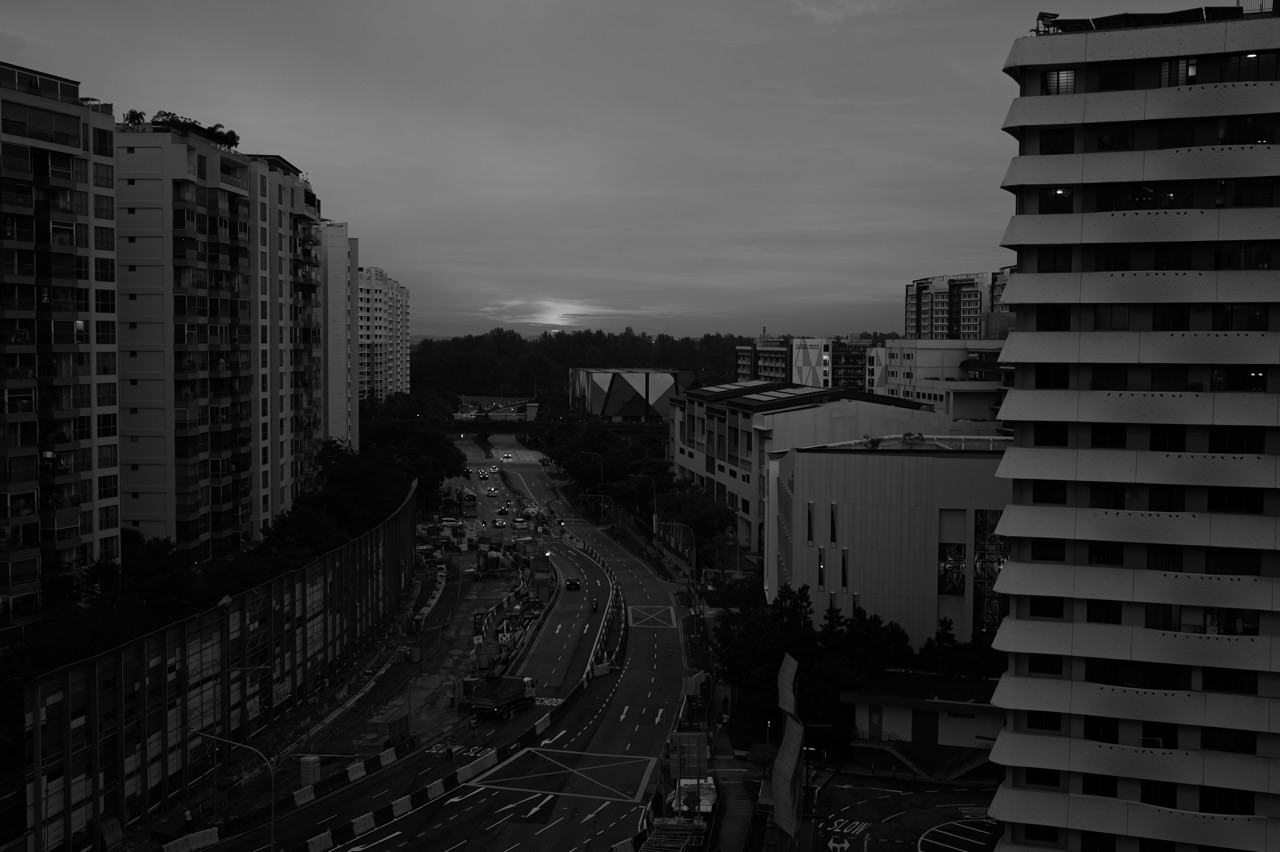
Saturday morning in Punggol is not quiet.
The uniforms may be mostly gone, but the family logistics remain. Children head to tuition, swimming, football, martial arts, enrichment and library visits. Parents buy groceries, collect breakfast, run errands and try to move several people through different commitments without turning the first half of the weekend into another school day.
For searches such as things to do in Punggol, Punggol tuition, kids sports Punggol, Punggol library, Punggol breakfast, living in Punggol and Punggol weekend, Saturday morning is where the town’s family character becomes especially visible.
The central question is not how to fit more in. It is how to make a useful weekend without rebuilding Monday.
Saturday is where families reveal their priorities
Weekdays are constrained by school and work. Saturday contains more choice.
That makes the calendar more revealing. One family protects sport. Another uses the morning for tuition. Another shops for the week. Another visits grandparents. Another heads to the library. Many try to do all of these before lunch.
The danger is obvious: discretionary time can become more crowded than compulsory time.
Tuition is common on Saturday because the timetable is easier — but that does not make every slot good
Saturday tuition solves a practical problem. There is no school dismissal to negotiate first, transport is easier to plan and children can arrive with more time.
But the family should still ask what surrounds the lesson.
A class at 9 AM may work well if the child slept properly and the rest of the morning remains open. The same class may become a poor fit if it follows a very late Friday, requires a rushed breakfast and is followed immediately by two more programmes.
Good tuition should improve the week, not simply occupy available space. Families can use Punggol Tuition Timetable 2027 to think in terms of total load rather than single slots.
Sport gives Saturday a different kind of structure
For many children, Saturday movement is not an optional extra. It is one of the few times in the week when exercise is not squeezed between lessons.
Swimming, football, martial arts, cycling, running and informal play all use the body differently from classroom work. Sport also creates its own logistical chain: equipment, transport, water, showers, meals and recovery.
If your family is comparing options, use Kids’ Sports in Punggol and Swimming Pools in and Around Punggol.
Groceries are part of Saturday because the week ahead is already being built
Weekend grocery shopping is rarely only about food.
It is preparation for breakfasts, school snacks, quick dinners, busy CCA evenings and the nights when nobody wants to make another trip downstairs. Parents who plan groceries well are not performing domestic perfection. They are removing future decisions.
Punggol offers several local patterns: supermarkets in malls and neighbourhood centres, Punggol Plaza and its market area, fresh-produce routes and smaller convenience purchases near home.
For the specialist guide, see Wet Markets & Fresh Produce in Punggol.
The library changes the tone of the morning
A library visit is one of the few family activities that can support school without feeling like an extension of school.
Children can browse. Parents can read. Teenagers can study. Younger siblings can use children’s spaces. A family can spend forty minutes or several hours without the entire visit being organised around consumption.
This matters educationally. Reading chosen by the child builds a different relationship with language from assigned comprehension. Curiosity selected by the child builds a different relationship with knowledge from revision.
Use the Punggol Regional Library Guide or Punggol Regional Library as the Family’s Second Learning Room.
Breakfast is where the family timetable often reveals itself
A relaxed breakfast usually means the first commitment has enough margin.
A hurried breakfast in the lift often means the schedule has already taken control.
There is nothing wrong with takeaway food or eating on the move occasionally. The useful question is whether every Saturday starts with the household chasing the first booking.
For food discovery, use The Punggol Food Guide.
Do not confuse a full Saturday with a good Saturday
A family can complete tuition, sport, music, shopping, lunch and two errands before 2 PM and still feel that the weekend never started.
Children need some unscheduled time because self-direction also has to be learned. If every hour arrives with an adult-defined purpose, the child gets very little practice deciding what to do with freedom.
That does not mean families should avoid programmes. It means programmes need edges. The child should still be able to read, play, build, talk, cycle, meet friends or simply recover.
A strong Saturday has a centre of gravity
Instead of treating every activity as equally important, decide what the morning is mainly for.
- If it is a tuition morning, protect enough sleep and keep the learning focused.
- If it is a sport morning, let movement be the main event rather than an obstacle between classes.
- If it is a family morning, resist filling every gap with errands.
- If it is an errand morning, cluster tasks geographically.
- If it is a library morning, leave enough time to browse rather than only collect reserved books.
Punggol makes combining purposes unusually easy
One of the advantages of a dense new-town environment is that families can combine activities without crossing Singapore for every task.
A library visit can lead into lunch. Sport can be followed by groceries. Tuition can sit near a transport node. A walk can become the transition between one obligation and another.
The point is not efficiency for its own sake. The point is to spend less of the weekend in avoidable movement so more of it remains available for life.
By lunch, the family should still have a weekend left
This is a useful test.
If Saturday morning ends and everybody feels as depleted as after a school day, the schedule may need repair. Keep the activity that matters. Remove the weak one. Reduce unnecessary travel. Stop treating every developmental opportunity as compulsory.
The goal is not an empty weekend. It is a weekend with enough structure to be useful and enough openness to feel different from Monday.


